
Nomadix: Utility of Movement
by Gene Han
Early mornings in San Clemente, CA have their own rhythm.
Boards strapped to the roof. Salt still hanging in the air from the night before. Coffee cooling in cup holders while the marine layer slowly burns off the coastline. It was in that environment — between surf checks, road trips, and weekends spent outdoors — that the idea for Nomadix first began to take shape.
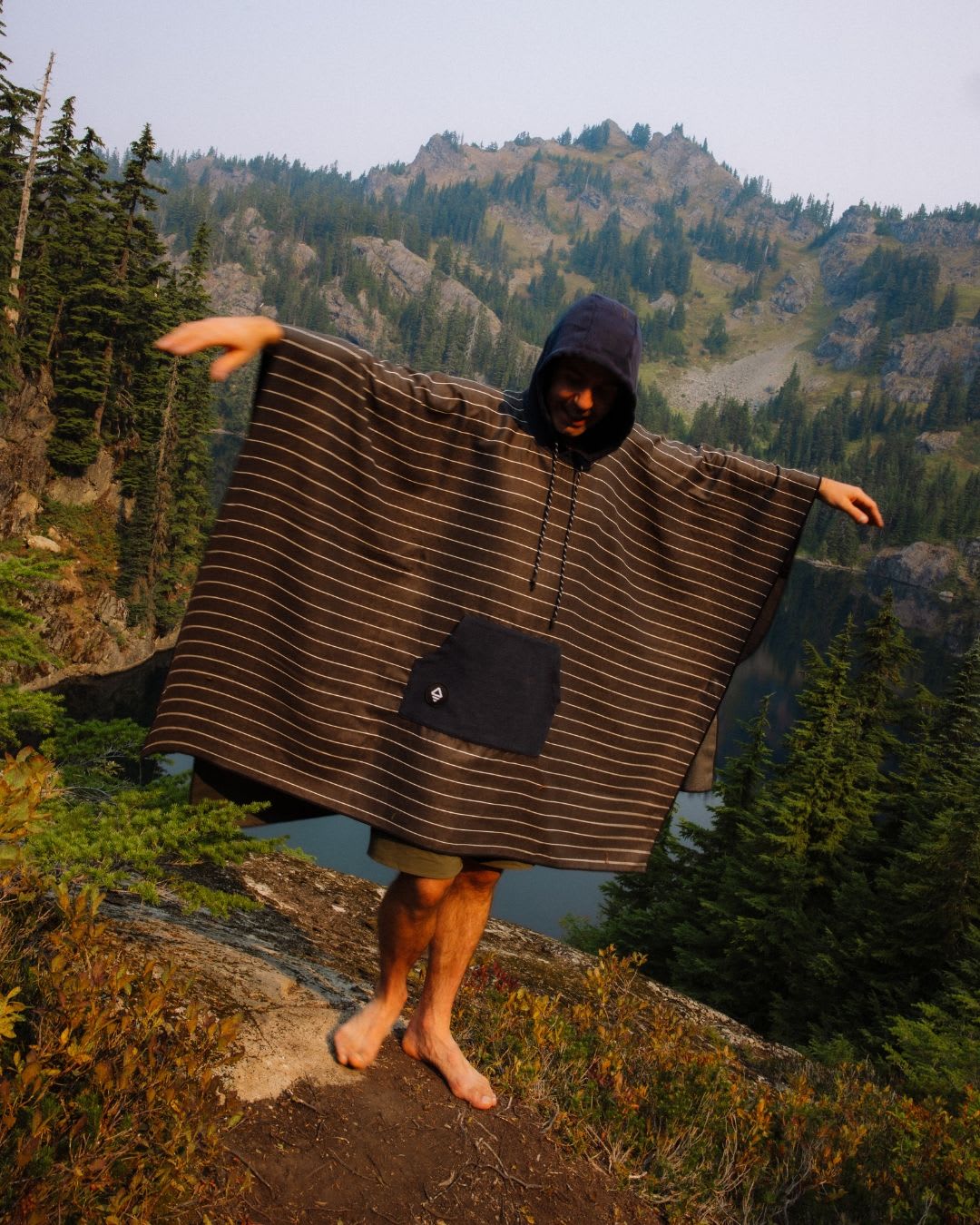
For Nomadix Co-Founder Zack Helminiak, those mornings — along with countless road trips packed into an overfilled Subaru Outback — became the foundation for what would eventually become Nomadix.
The idea began during a cross-country road trip taken by Helminiak and fellow co-founders Hunter Robinson and Chace Petersen. Packed tightly between camping equipment, ski gear, towels, and travel essentials, they started questioning why outdoor products were so specialized — and why they owned so many versions of essentially the same thing.
Living out of packed cars and constantly moving between the beach, travel, camping, and everyday life, they noticed how excessive most products had become. One towel for surfing. Another for the gym. Another for travel. More gear, more clutter, more things to carry.
Nomadix emerged as a response to that problem: versatile products designed to move fluidly between environments instead of belonging to just one.
That philosophy still defines the brand today.
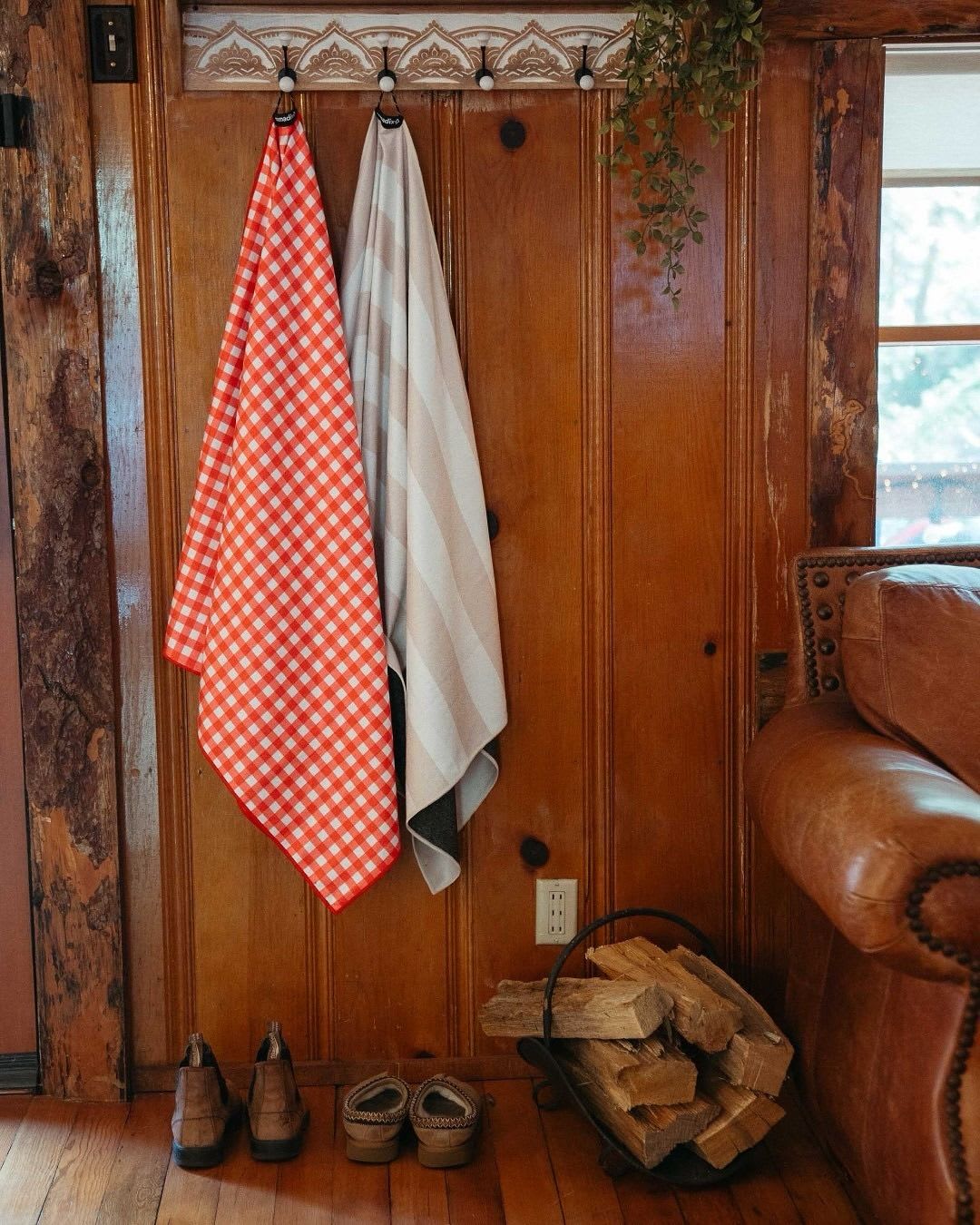
Designing the Perfect Minimalist Kit
There’s a certain kind of freedom that comes from needing less.
Less gear in the trunk. Less clutter in the apartment. Less time spent preparing for the thing instead of simply doing it. Somewhere between surf trips, weekend camping escapes, airport terminals, and mornings spent chasing sunlight outdoors, Nomadix built an entire brand around that feeling.


The company emerged from a simple realization: most outdoor products are overly specialized. One towel for the beach. Another for travel. Another for the gym. More objects, more weight, more space consumed. Nomadix moved in the opposite direction, designing products meant to adapt fluidly between environments rather than belong to just one.
That philosophy still defines the brand today.
Designed for Movement
At the time, Helminiak described the founders as being obsessed with building the “perfectly curated kit” — products that were lightweight, versatile, durable, and capable of adapting to multiple environments.
The towel became the missing piece.


Traditional towels were bulky, slow to dry, and poorly suited for travel, surf trips, camping, or everyday movement. So Nomadix designed an alternative: a lightweight towel made from post-consumer recycled materials that could function equally well at the beach, in the gym, on the road, or beside a campsite.
That versatility became central to the brand’s identity.
Nomadix’ lightweight, packable towels compare to the bulky cotton towels traditionally used for travel and outdoor recreation put the company on the map.
Their towels became popular not simply because they dry quickly or pack down small, though they do both exceptionally well. They resonated because they reflected a broader shift in how people experience the outdoors now.

No products available.
Less expedition, more movement.
A morning swim that turns into an afternoon drive up the coast. A campsite reached without much planning. A life where outdoor gear needs to work just as naturally inside a city apartment as it does beside a fire pit in the desert.
Nomadix products feel built precisely for that kind of existence.
Made from post-consumer recycled materials, their towels are lightweight, durable, sand-resistant, and portable enough to disappear into the bottom of a bag until needed again.

Utility Without Excess
The appeal goes beyond performance. The graphics — often inspired by western landscapes, vintage athletics, topographic patterns, and sun-faded palettes — give the products a softer presence than traditional outdoor equipment.
Nothing feels aggressively technical. Nothing feels disposable either.
That balance is what makes the brand compelling. At a time when outdoor culture increasingly overlaps with travel, design, and contemporary menswear, Nomadix occupies a space that feels distinctly modern: products designed not for extremes, but for everyday escape.
The kind of objects that quietly become part of a routine because they solve problems without asking for attention in return.


Designed for Real Life
What separates Nomadix from many traditional outdoor brands is restraint.
The company doesn’t approach outdoor living through extremes or performance obsession. Instead, the products are designed around flexibility — gear that works just as naturally in a city apartment as it does at a campsite or along the coast.
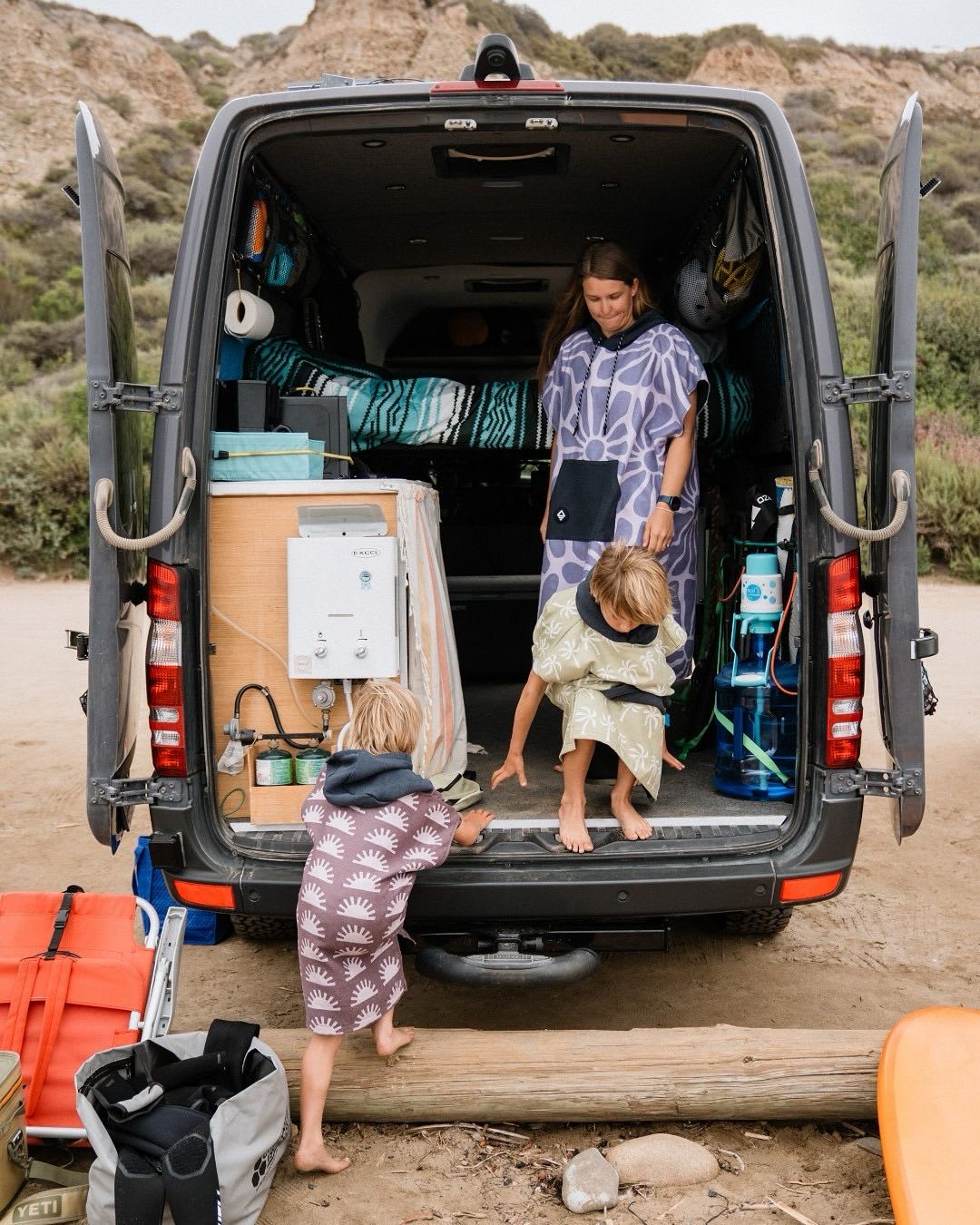
That balance reflects a broader shift happening across outdoor culture, where utility and aesthetics increasingly overlap. Consumers want products that are functional, sustainable, and visually refined enough to integrate into daily life.
Nomadix understands that modern outdoor living isn’t always about expedition. Sometimes it’s simply about movement — traveling lighter, simplifying routines, and spending more time outside.
And increasingly, that’s exactly what people are looking for.
No products available.
Shop Nomadix ultralight towels on WeekEnds today.
Related Articles
September 17, 2026
Saturn LA Is Building Outdoor Clothing From the Outside In
Saturn LA founder Ryan Cheung talks climbing, streetwear, Chinese outdoor design, independent brands, and the future of technical clothing on WeekEnds WeekDay
Read →
September 16, 2026
The People Designing the New Outdoors
Meet the designers, makers, editors and community builders reshaping outdoor culture, from Gnuhr and CAYL to Field Mag, USAL. Goodlids and more.
Read →
September 15, 2026
AMUNT Treats Outdoor Clothing as an Ongoing Field Study
Barcelona-based AMUNT develops technical mountain apparel through Field Studies, real-world testing and community feedback, connecting clothing, culture and life outdoors.
Read →