
REI's Co-op Identity Is on Trial — and Its Own Workers Are the Prosecutors
by Gene Han
REI workers called a boycott of the company's biggest annual sale this Memorial Day weekend. Not a picket line. A boycott — aimed squarely at the shoppers who've always believed REI was one of the good ones. That's the whole point.

Here's where things stand: workers at 11 REI stores have voted to unionize since 2022, with a 12th in San Diego filing to join them. Four years of contract negotiations went nowhere, and last month REI put forward what it called its 'last, best, and final offer.' The union — representing workers who rejected it at a 98.5 percent rate — called it unacceptable, claiming the proposal would restrict organizing at other stores and limit workers from speaking publicly about the company. REI disputes both characterizations. The National Labor Relations Board previously found evidence that REI withheld wage increases and benefits from unionized store workers, a finding the company has also contested. With negotiations stalled, the union escalated to a coordinated boycott of REI's ten-day anniversary sale, drawing roughly 70,000 pledged participants.


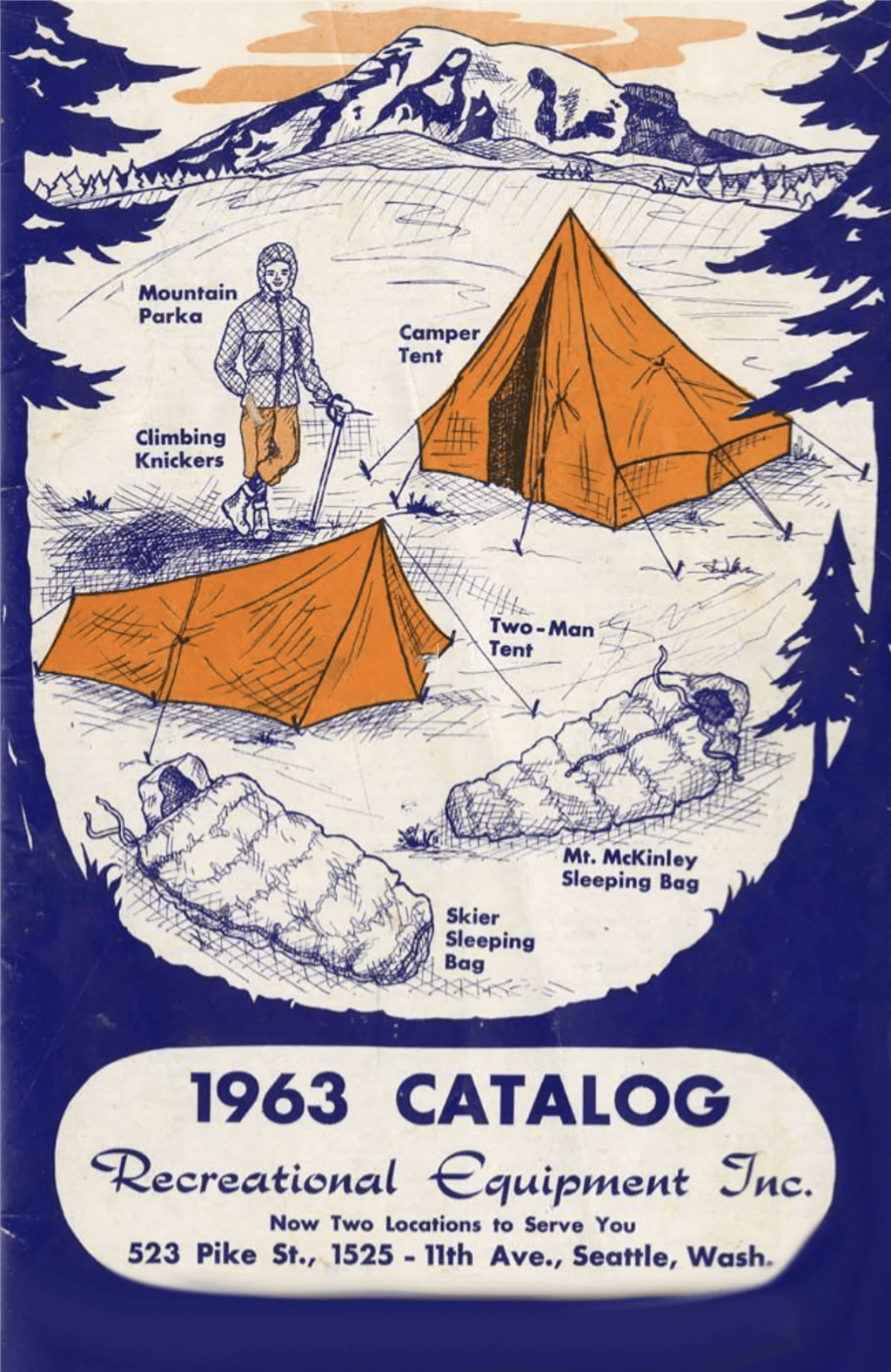
What makes this more than a standard labor fight is the specific moral architecture REI has built around itself for decades. The origin story is genuinely good: Lloyd and Mary Anderson — teenagers during the 1919 Seattle General Strike, avid climbers, children of a moment when labor unions and cooperatives were serious survival infrastructure — founded REI in the 1930s with five friends and a dollar each, pooling money to import ice axes directly from Austria. No markup. Shared ownership. Access over advertising. The co-op model wasn't branding. It was the whole idea. Jim Whittaker, the first American to summit Everest, became its first full-time employee and later CEO. The thing had credibility baked in at the molecular level.

Then it grew. More than 190 stores. A massive e-commerce operation. National ad campaigns. A #OptOutside stunt that it eventually quietly abandoned. Executive compensation reports that it stopped publishing after unionization began. In 1983, it dropped 'Co-op' from its name to reach a broader audience — only to lean back into cooperative identity as a marketing asset once that identity became valuable again. The gap between the founding story and the current operating reality is not subtle.


The union's boycott is a pressure campaign built on a specific bet: that REI shoppers still believe in the co-op framing enough to pause before clicking 'add to cart.' It's a smarter move than it sounds. REI didn't sell itself as a retailer. It sold itself as a community institution — a place where expertise was shared rather than gatekept, where the line between consumer and participant was unusually thin. If that's true, then the people who actually staff the stores, hand you the right boot, and know the local trail conditions are the community. And right now, they're asking you to wait.

The practical question for anyone who missed the Memorial Day sale window: you've got options that were never dependent on REI's identity claims in the first place. Local gear shops — the kind with a repair counter, a staff that skis the mountain they're recommending gear for, and occasionally a beer fridge — have always been the real thing. The co-op model REI grew away from still exists at that scale. It just doesn't have 190 locations or a loyalty app. That's not a bug.
What the REI situation actually illustrates is something the outdoor industry keeps bumping into: values-based branding is a promise, not just a pitch. When a company scales to the point where its cooperative language and its corporate operations are in open contradiction, someone eventually says so out loud. This time it's the workers. And they're saying it during the sale.
Related Articles

August 13, 2026
Mimikai: The Bug Spray That Learned from a Tomato
Mimikai is rethinking bug spray through plant-based science, proving that thoughtful outdoor innovation can come from nature itself—not the chemistry lab.
Read →
July 9, 2026
Merrell x P.A.M. "Urban Amphibious" – Less Hiking Shoes Than a New Way of Moving
Merrell and P.A.M. blend technical performance with expressive design in the Hydro Next Gen Moc and Cham Storm GORE-TEX. Here's why it matters.
Read →
July 6, 2026
Adidas Drops the Freehiker 3 and It's Actually Priced Like a Shoe
Adidas just launched the Freehiker 3 family with running-derived cushioning, Gore-Tex, and a $150–$220 price tag. Here's what that actually means.
Read →