
Somewhere Outside: Designing for Everything Between Leaving and Returning
by Gene Han
Outdoor brands often begin with a clear destination. A summit. A trail. A specific sport. Somewhere Outside Hiking Club (SOHC) starts somewhere else.
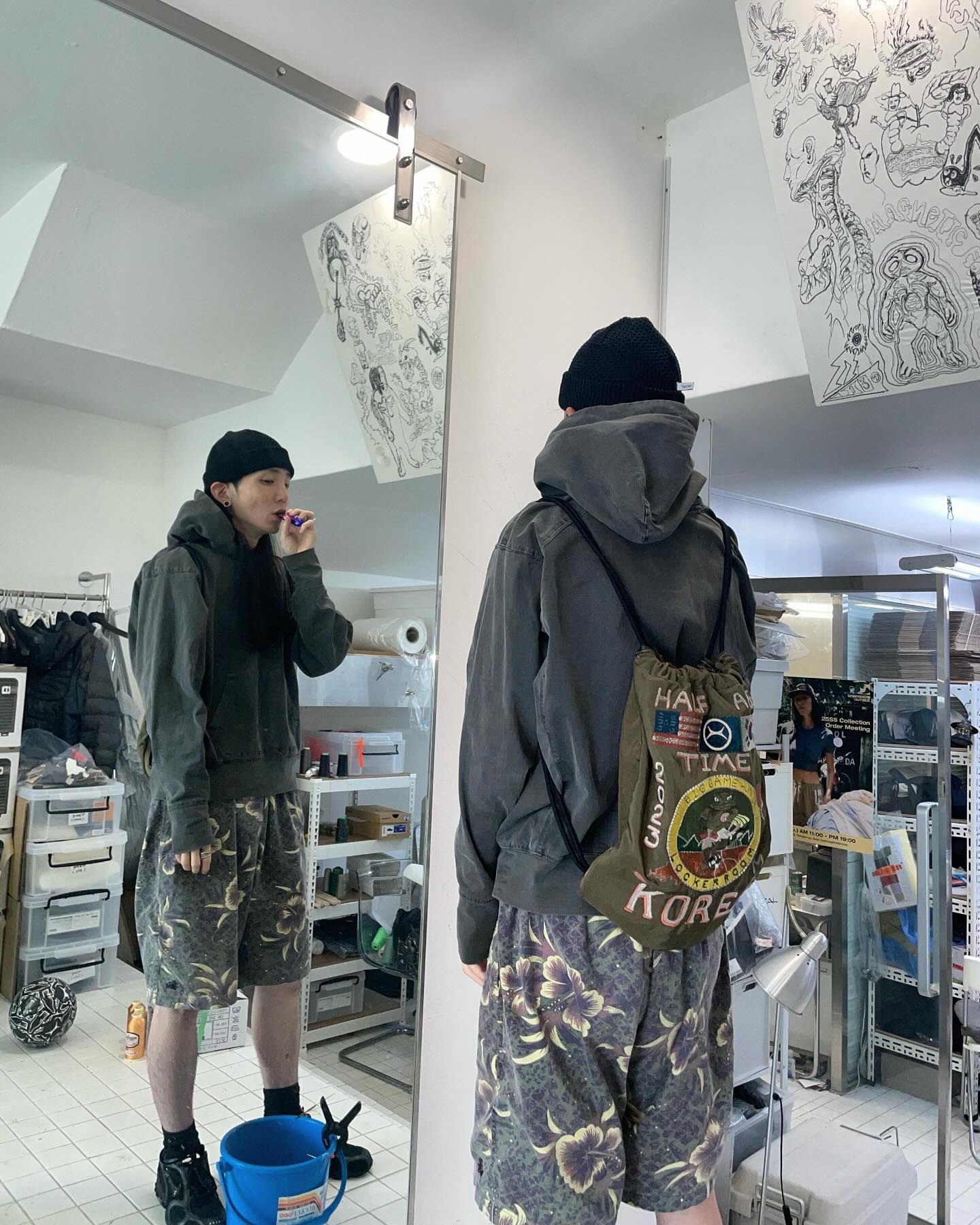
Founded in Seoul and led by designer Caizhu Jo, SOHC has become one of the more interesting voices to emerge from Korea's new wave of outdoor labels. The brand borrows from technical apparel, but its references stretch much further—punk graphics, industrial design, everyday city life, cycling, fishing, typography, and the countless small interactions that happen between leaving home and coming back again.
The result isn't gear built around extremes. It's clothing designed for the way most people actually move through the world: commuting, wandering, traveling, riding, escaping the city for a few hours, then returning to it.

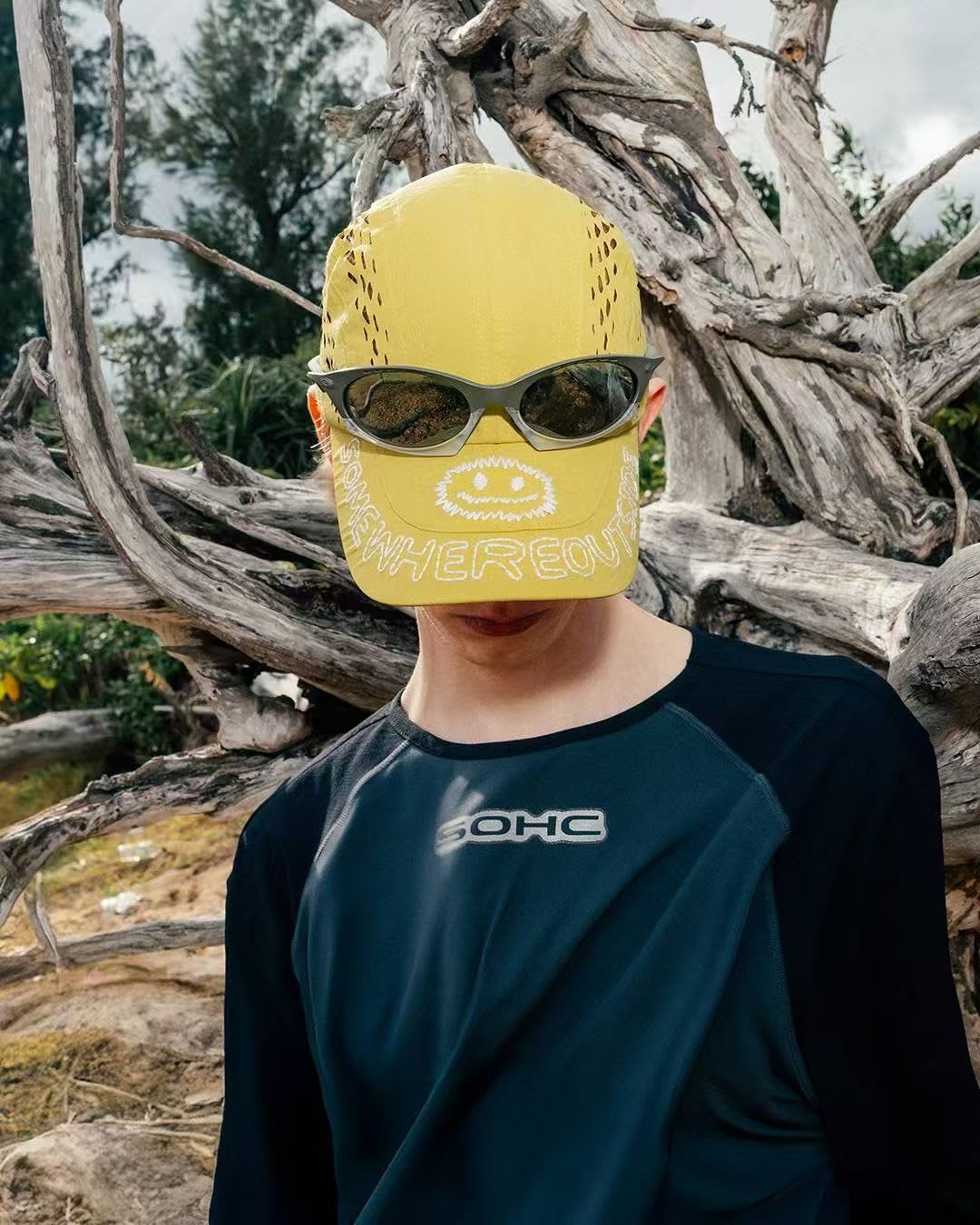
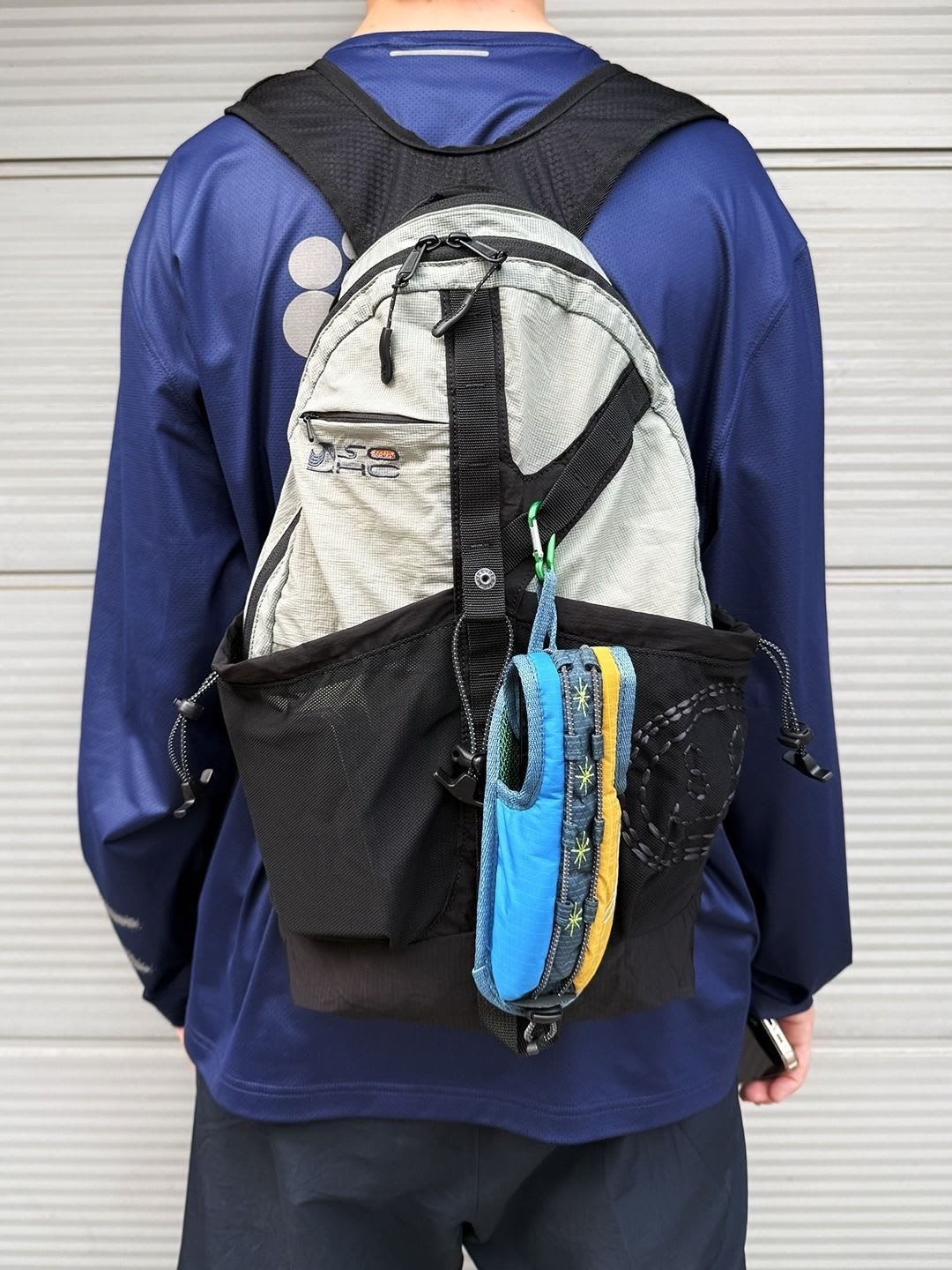
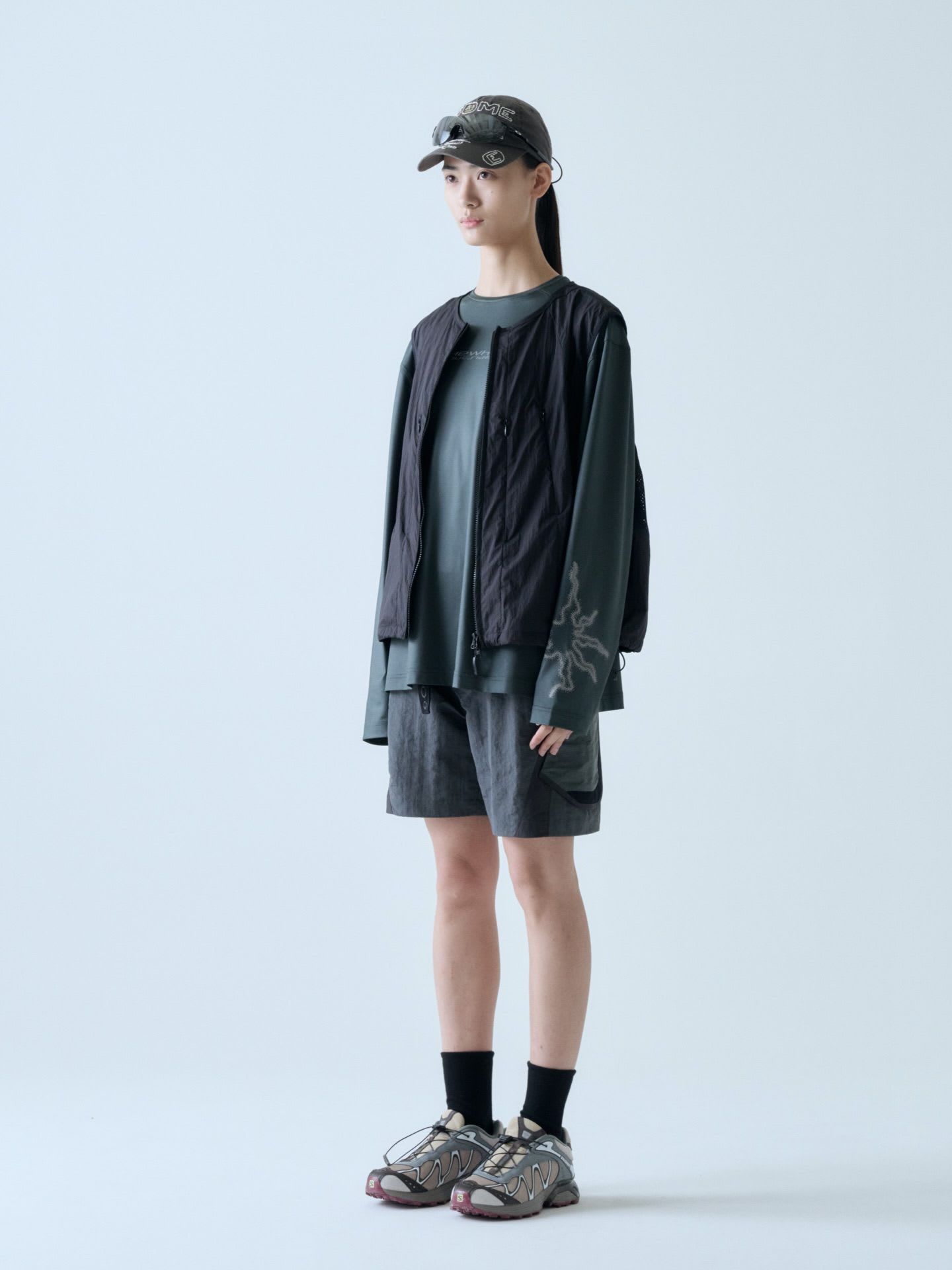
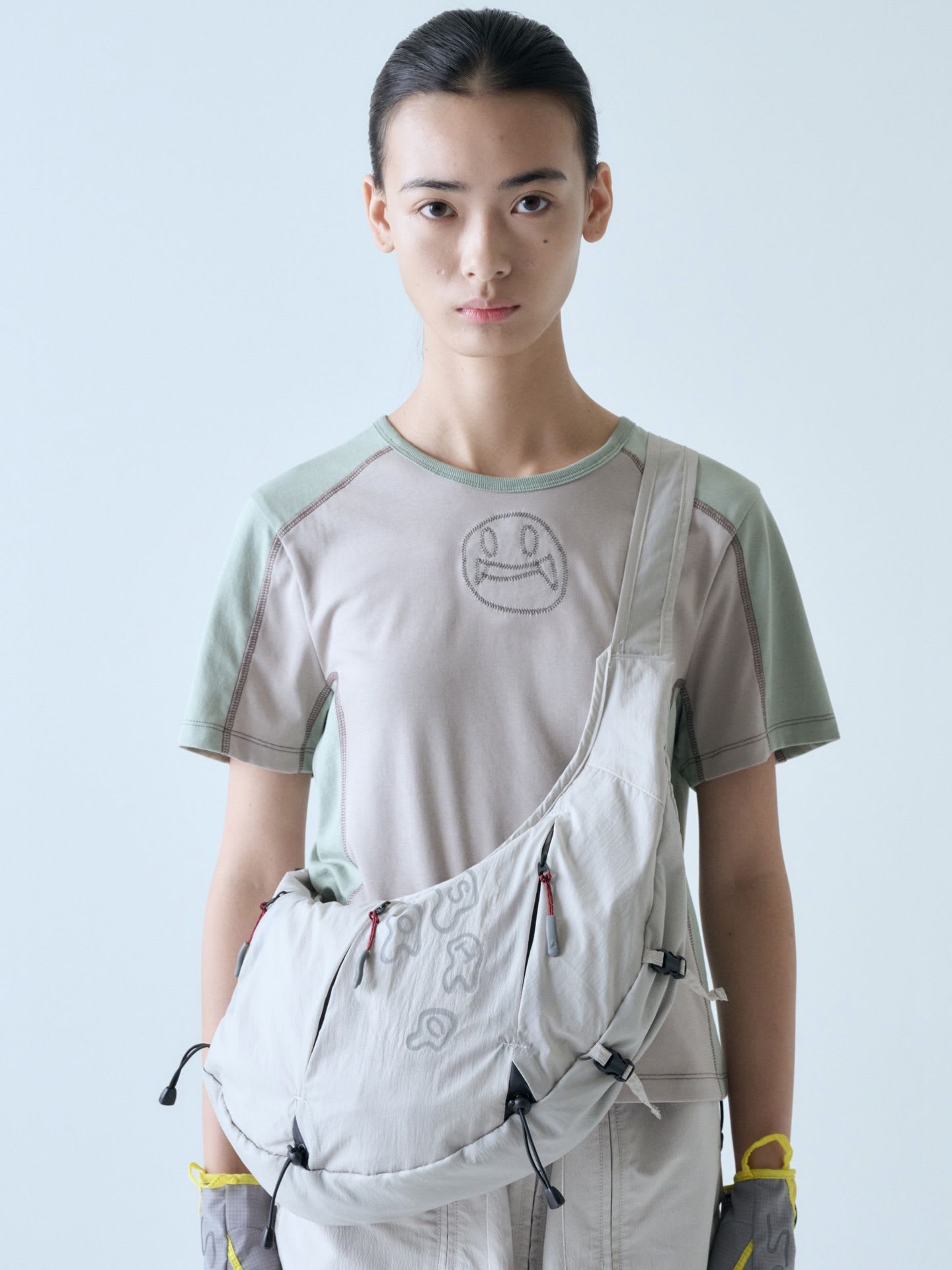
That philosophy has helped Somewhere Outside build a visual language that's instantly recognizable. Oversized proportions, playful graphics, unexpected pocket placements, and garments that feel technical without becoming clinical. Function matters, but curiosity matters just as much.
For this edition of Chop Talk, we spoke with Caizhu about designing through storytelling rather than specifications, why Korean outdoor culture is often misunderstood abroad, and how Somewhere Outside continues to occupy its own space between outdoor gear and contemporary design.
WeekEnds:
Outdoor brands usually begin by talking about performance. Somewhere Outside feels more interested in creating curiosity. When you're designing, what's the feeling you're hoping someone walks away with?
Caizhu Jo:
Everything starts with the situation or story I'm trying to express.
If I draw a chameleon, I don't want it to exist by itself. I want to include the insects it eats or the environment it lives in. Context is what gives something meaning.
I approach product design the same way.
If I add a pocket, I'm imagining a very specific use case. A cyclist might need somewhere to stash gloves without letting go of the handlebars. An angler might need a towel positioned where it stays clean while they're fishing.
I'm always thinking about real situations rather than abstract functionality.
There are already many brands that are better positioned to solve every technical problem imaginable. That's not our goal.
Instead, I want someone to look at one of our products and immediately ask, "Why is it designed this way?" Then, after living with it, they discover the answer themselves.
Those moments—when a question mark becomes an exclamation point—are what I enjoy designing for.

WeekEnds:
SOHC often feels intentionally unfamiliar. The proportions, graphics, and styling don't really follow traditional outdoor conventions. Where do those instincts come from?
Caizhu Jo:
A lot of it comes from my interest in older punk and rock culture.
It influences how I draw, how I arrange graphics, and the overall mood I'm trying to create. I'm naturally drawn toward things that feel loose, rough, and a little rebellious.
When those influences are combined with outdoor apparel, the outcome naturally feels different.
I think that unfamiliarity has become part of the brand's identity.
WeekEnds:
Korea has become one of the most influential outdoor markets in the world. What do you think people outside Korea still misunderstand about its outdoor culture?
Caizhu Jo:
It's impossible to separate Korean outdoor culture from trends.
Outdoor activities here often become cultural moments.
Climbing exploded around 2022. Golf felt unavoidable in 2023. Tennis became incredibly popular in 2024. This year, many of those same people are probably runners.
People move from one activity to another very quickly.
Sometimes international outdoor brands see those trends and assume they'll continue forever. They open flagship stores or build long-term strategies around one category.
But unless they're very lucky, that's difficult.
Korean culture changes fast, and people's interests often move just as quickly.

WeekEnds:
Your work also feels connected to graphic design, typography, and objects outside of apparel. Do you think of Somewhere Outside as an outdoor brand, a fashion label, or something closer to an ongoing design project?
Caizhu Jo:
I still think of SOHC as an outdoor brand.
The distinction may feel less obvious today because almost every brand makes lightweight shells or insulated jackets.
But I still draw boundaries for myself while designing.
The line I try not to cross is becoming purely fashion.
Everything we do is still centered around outdoor culture, outdoor experiences, and the feeling of being outside.
That's where the brand belongs.

WeekEnds:
Technical apparel can sometimes feel over-engineered. Somewhere Outside balances utility with a sense of play. How do you know when a product has enough function?
Caizhu Jo:
Real technical innovation usually comes from developing new fabrics or creating entirely new materials.
We use Gore-Tex and other performance fabrics, but I don't think simply using those materials automatically creates meaningful value for customers.
What matters more is the process behind every decision.
I spend a lot of time researching fabrics, comparing trims, testing components, and refining details until I believe we've made the best choice available.
The level of functionality ultimately depends on how much care the designer is willing to invest.
My standard is simple.
If something can be improved, we keep working until it can't.


WeekEnds:
Outside of clothing, what has your attention lately? Music, books, films, objects—anything that's quietly influencing the way you think?
Caizhu Jo:
More than anything, I'm interested in people.
Why do people behave the way they do? Why do they become happy or unhappy? What do they admire? What do they reject?
Are those things shaped by the time we're living in, or are they timeless?
Those questions stay with me constantly.
Whether I'm watching animation, reading a novel, or seeing a film, I find it meaningful if it offers another clue.
Fashion can't exist separately from people.
Clothing only becomes complete once someone wears it.
Because of that, I think designers have a responsibility to understand the people they're designing for.

We should appreciate everyone who chooses to buy something we've made.
We should make them feel proud to wear it.
If someone tells another person they're wearing SOHC, I never want them to feel embarrassed by that decision.
I try to work with the mindset that becoming careless means letting down the people who trusted us.
I think that attitude naturally finds its way into everything we create.
No products available.
Shop SOHC on WeekEnds today.
Related Articles

October 14, 2026
Mazama Designs Is Rethinking the Most Overlooked Piece of Outdoor Gear
Bend, Oregon-based Mazama Designs rethinks outdoor hydration through innovative reservoirs, modular systems, and thoughtfully engineered gear built to last.
Read →
October 12, 2026
Why Titanium Became an Outdoor Obsession
How titanium became an outdoor obsession, from ultralight gear to minimalist design, and the independent brands redefining premium outdoor equipment.
Read →
October 8, 2026
Dust Wants Trail Running to Feel Dirty Again
Meet Dust, the San Francisco trail running brand blending Western-inspired style, technical performance, and a fresh approach to outdoor apparel.
Read →