
Vermin Is Making Climbing Weird Again
by Gene Han
For a sport obsessed with documenting itself, climbing can sometimes feel strangely under-documented.
Every ascent is filmed. Every trip becomes content. Every gym session gets clipped into a highlight reel before the chalk settles. Yet somehow, the stories that make climbing interesting—the people, the communities, the strange rituals and fleeting moments that happen between sends—often disappear into the feed before they have a chance to stick.
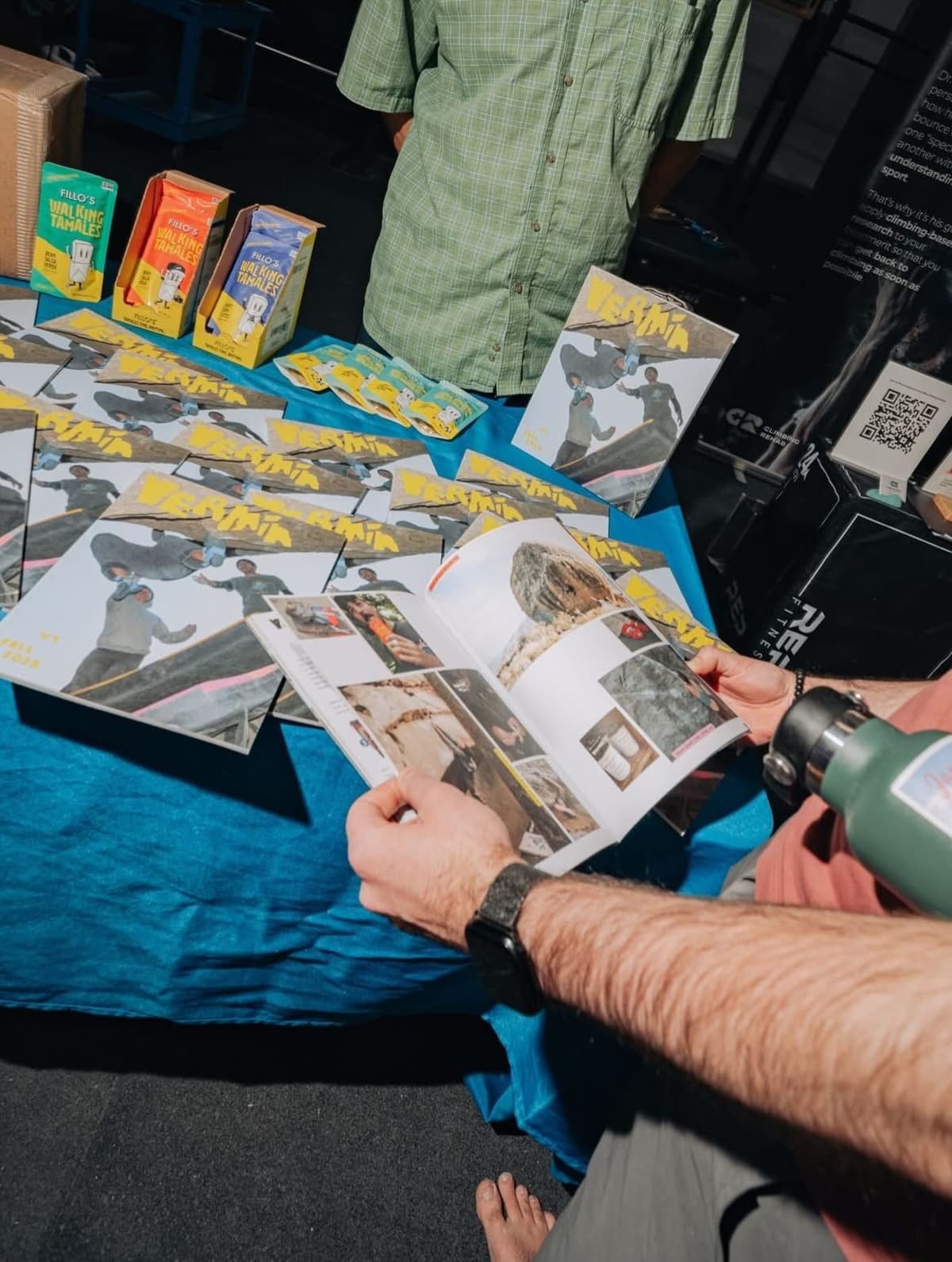
That's where Vermin comes in.
The Brooklyn-based independent publication arrives with a refreshing premise: climbing is bigger than grades, bigger than gear, and certainly bigger than social media. Rather than chasing the sport's polished highlight moments, Vermin focuses on the culture living underneath them. The conversations in parking lots. The local legends. The route setters. The dreamers. The people who spend more time thinking about climbing than actually climbing.
In other words, the vermin.
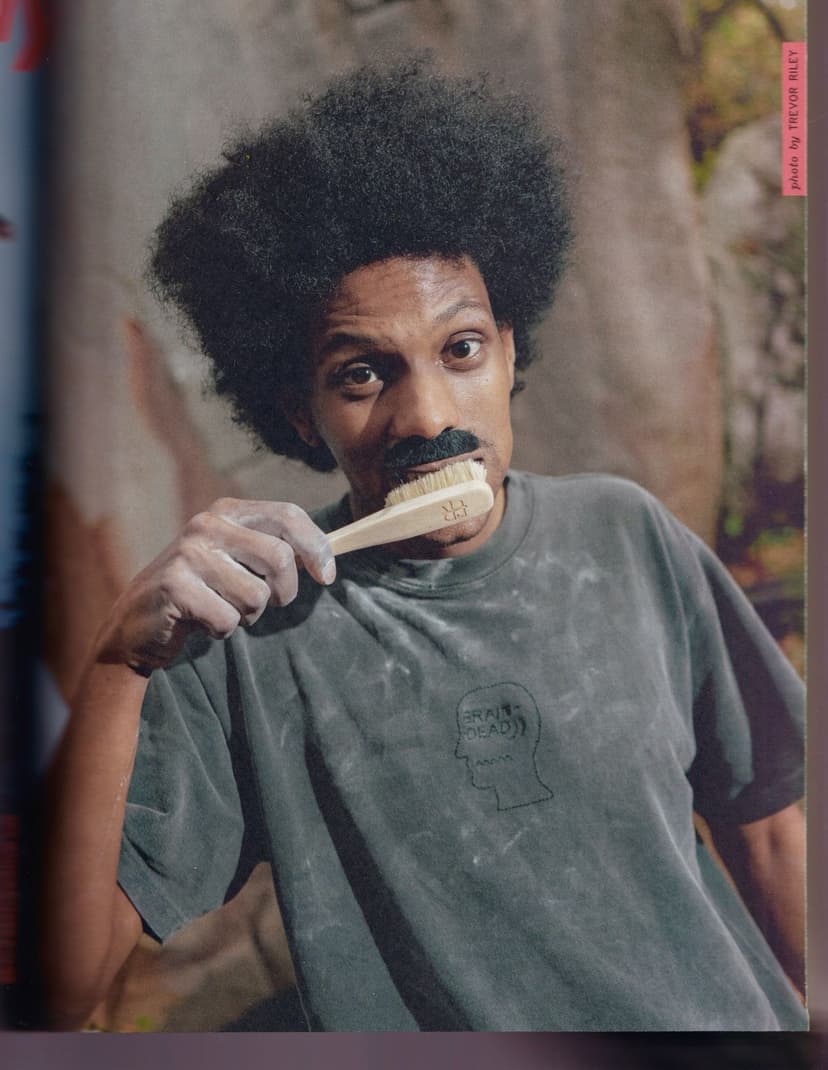
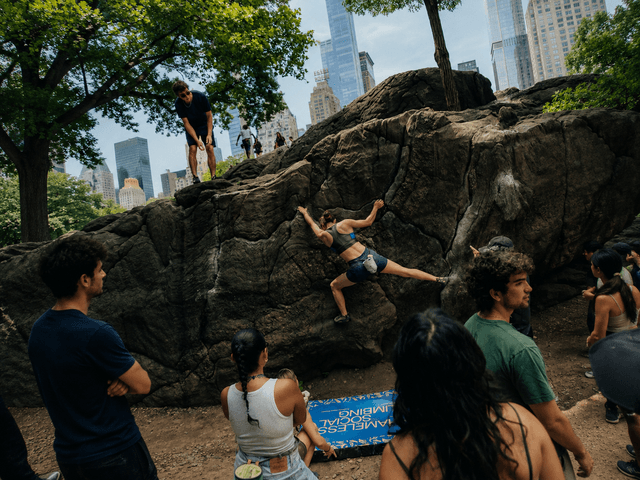
The name feels intentional. Where much of modern outdoor media gravitates toward aspiration, Vermin seems interested in obsession. It's a magazine about the climbers who linger after the competition ends, who photocopy zines, who spend winter evenings debating forgotten routes and legendary failures. The publication describes itself as a climbing magazine "for climbers," a statement that sounds simple until you consider how much contemporary outdoor media is increasingly designed for everyone else.
That distinction matters.
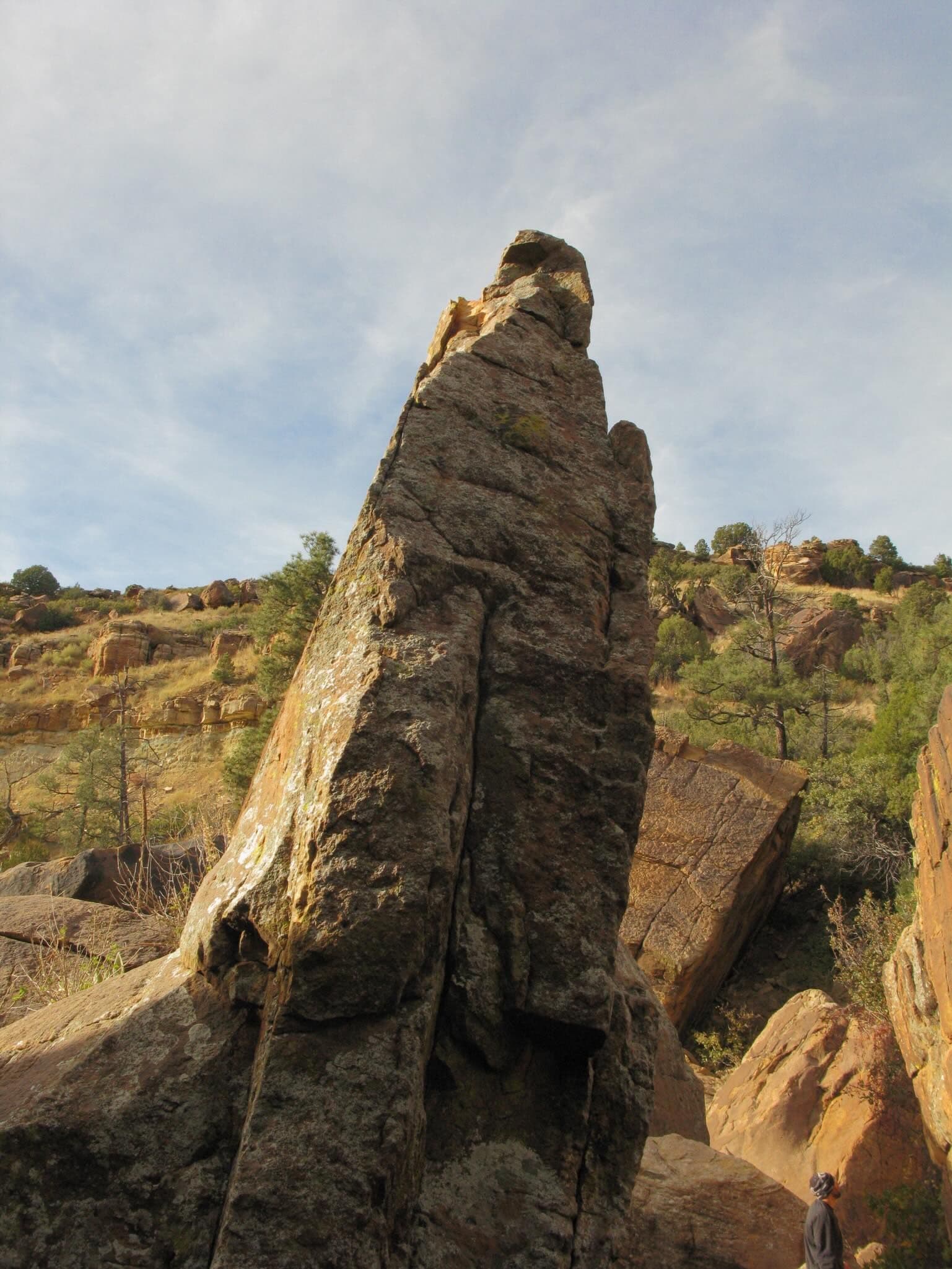
For decades, climbing's most influential publications weren't merely documenting the sport—they were actively shaping its identity. Long before Instagram and YouTube, magazines served as campfires where stories were exchanged, myths were built, and local cultures found a common language. The best climbing publications felt less like media products and more like evidence that your particular obsession wasn't entirely irrational.
Vermin taps into that lineage.
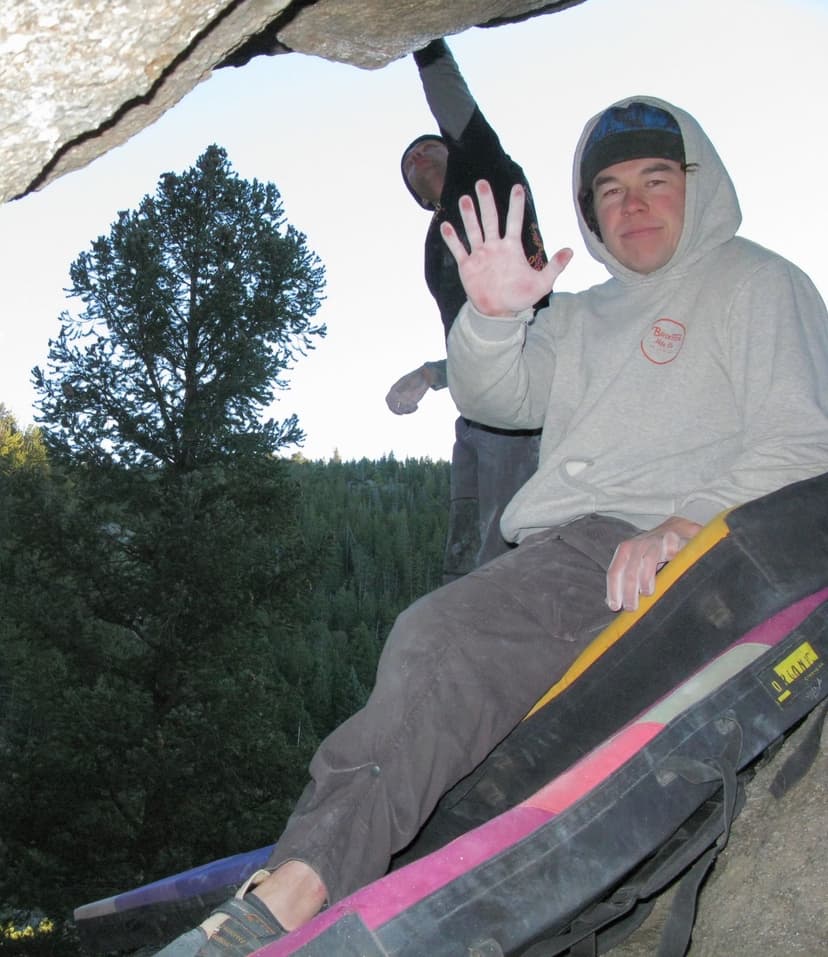
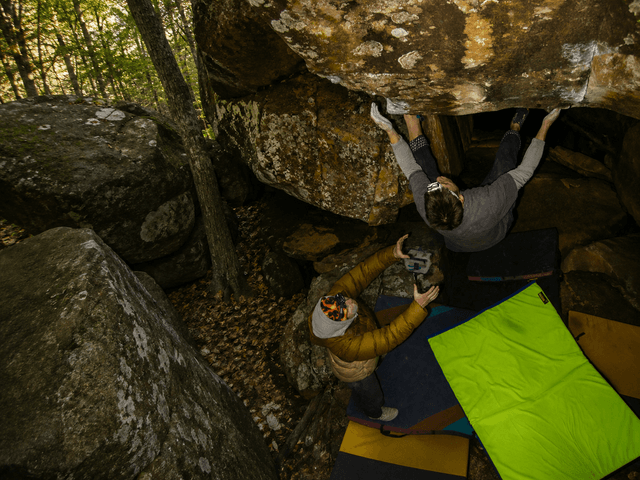
The magazine's editorial approach recalls an earlier era of climbing media—when stories could be weird, personal, literary, and occasionally pointless in the best possible way. Recent contributors have explored everything from competition climbing and route-setting philosophy to deeply personal essays about identity, attention, and what happens when the noise of everyday life disappears twelve feet off the ground.
What makes the project particularly interesting is its commitment to print.
Launching a physical magazine in 2026 borders on irrational. Printing costs are brutal. Distribution is harder than ever. Attention spans are shrinking by the day. Yet independent magazines continue to emerge precisely because paper offers something digital platforms cannot: permanence.
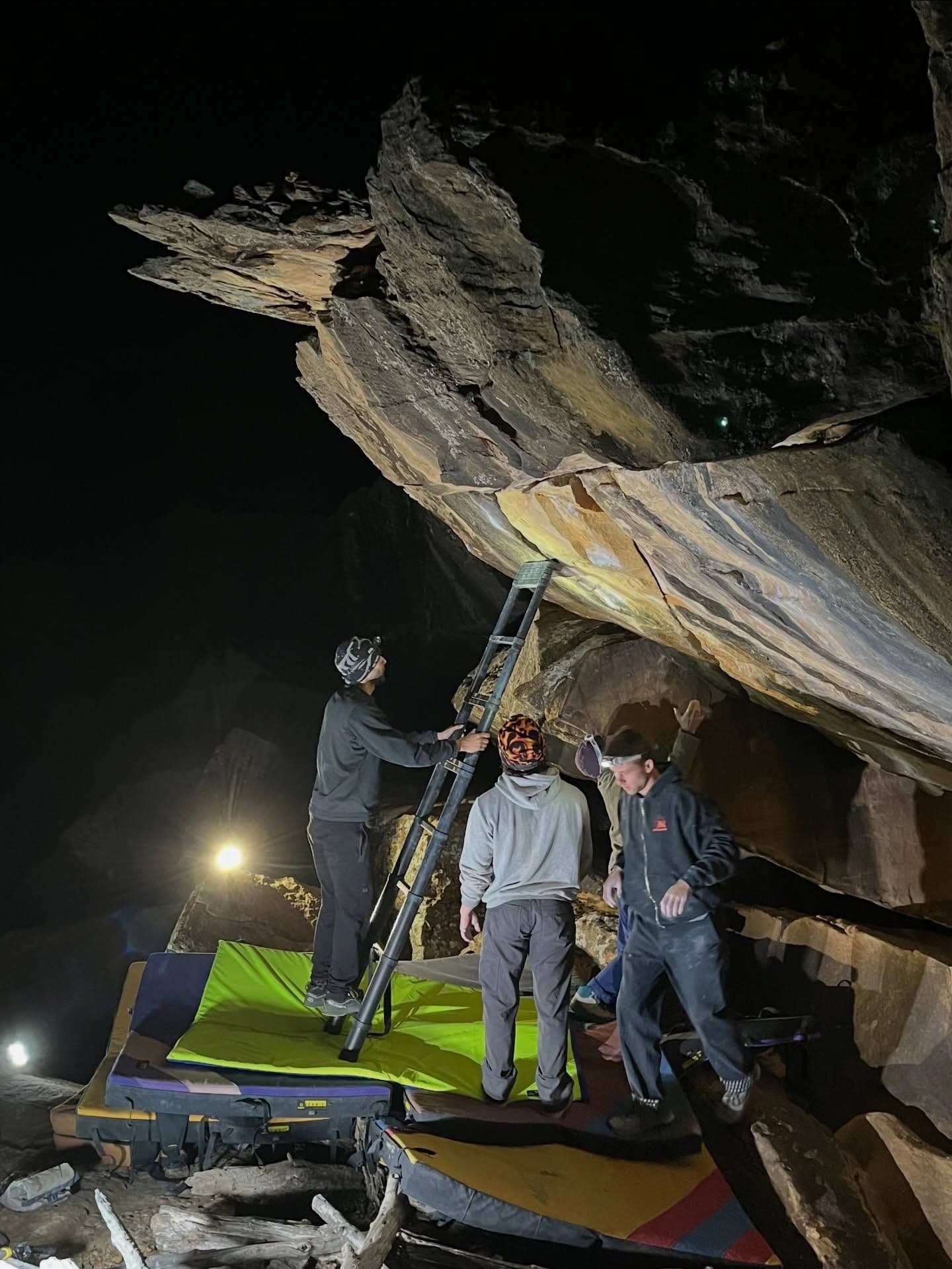
A print magazine asks for commitment.
You don't scroll through it while standing in line. You don't accidentally consume it between notifications. It lives on a coffee table, in a climbing gym, or stuffed into the back pocket of a van. It gathers chalk dust and dog-eared pages. It becomes part of a place.
That physicality feels especially relevant in climbing, a sport rooted in real-world experiences that increasingly exist alongside digital versions of themselves.
The irony, of course, is that climbing has never been more popular. Gyms are full. Competitions draw global audiences. Brands are larger than ever. Yet many climbers still find themselves searching for something smaller, stranger, and more personal than what the mainstream version of the sport offers.
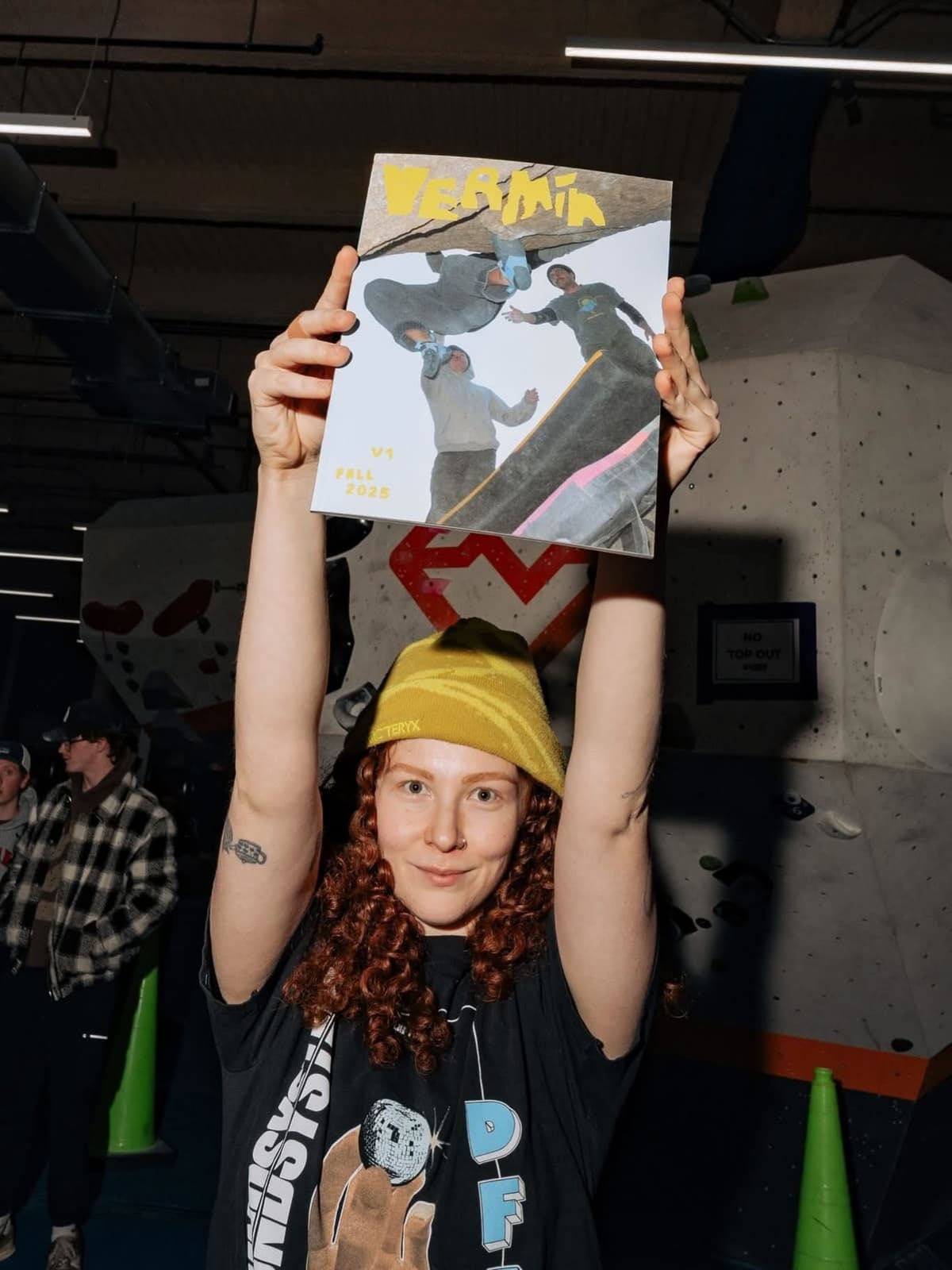
Vermin seems to understand that tension.
Rather than documenting climbing's growth, it's documenting the people living inside it. The niche communities. The oddball ideas. The stories that aren't necessarily optimized for engagement but are memorable precisely because they aren't.
Maybe that's what independent media is for now.
Not scale. Not speed. Not dominance.
Just proof that somewhere out there, other people are paying attention to the same weird things you are.
In a climbing world increasingly defined by metrics, Vermin feels like a reminder that the most interesting parts of the culture have always existed outside of them.
And thankfully, they're still finding ways into print.