
Why Every Outdoor Brand Wants to Be a Lifestyle Brand
by Derek Siegel
There was a time when outdoor brands knew exactly who they were making products for.
The climbers bought climbing gear. Backpackers bought backpacks. Trail runners bought trail running shoes. If you weren't heading into the mountains that weekend, chances are you weren't wearing any of it.
Somewhere along the way, that changed.
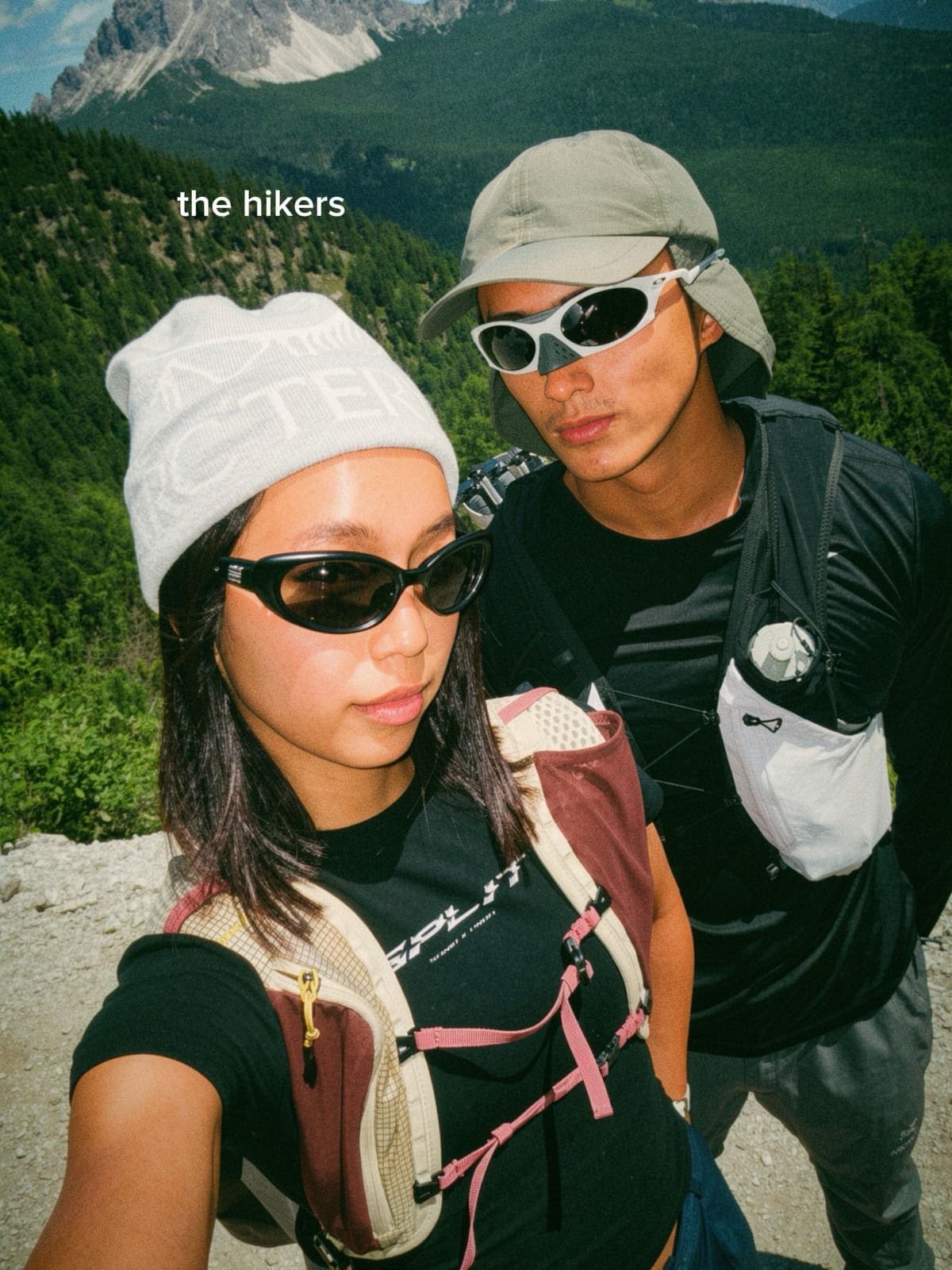
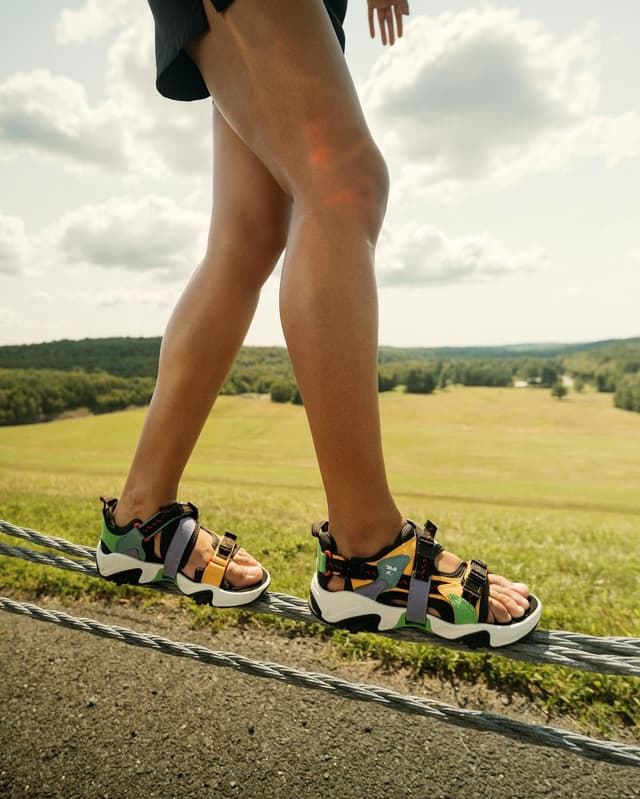
Today, nearly every outdoor brand wants a place in your everyday wardrobe. The jacket that was designed for alpine weather is now being photographed in coffee shops. Technical trail shoes show up more often on city sidewalks than singletrack. A running vest somehow makes sense with vintage denim. And brands that once measured success by summit photos are now just as interested in what happens after brunch.
It's easy to call this gorpcore and move on. But that misses what's actually happening.
This isn't just a fashion trend. It's a fundamental shift in how outdoor brands think about themselves.
The Outdoor Industry Hit a Ceiling
Most outdoor categories eventually reach the same problem.
There are only so many serious climbers. Only so many thru-hikers. Only so many people replacing a four-season tent every few years.
If growth is the goal, you eventually run out of core customers.
The obvious answer isn't necessarily making better products—although that's still important. It's finding more reasons for more people to wear them.
Lifestyle isn't abandoning performance. It's expanding the audience.
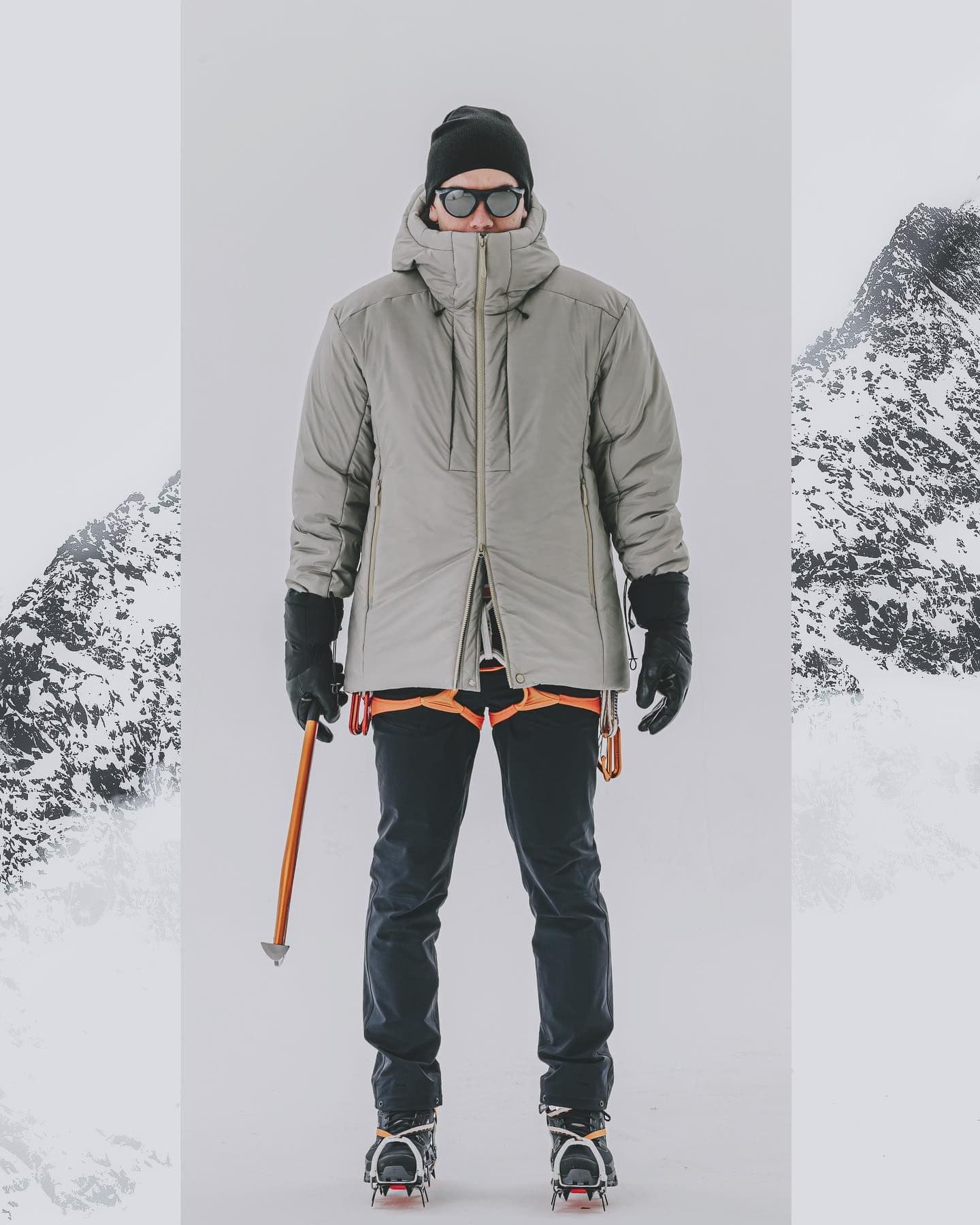
A shell jacket that works equally well on a rainy commute suddenly has a much larger market than one that's only relevant above tree line.
The Modern Outdoors Looks Different
Part of this shift also reflects reality.
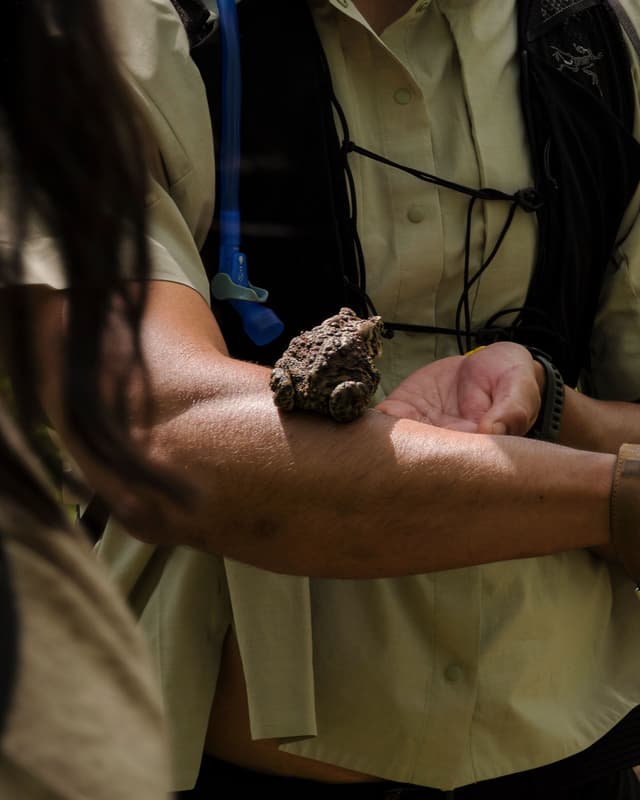
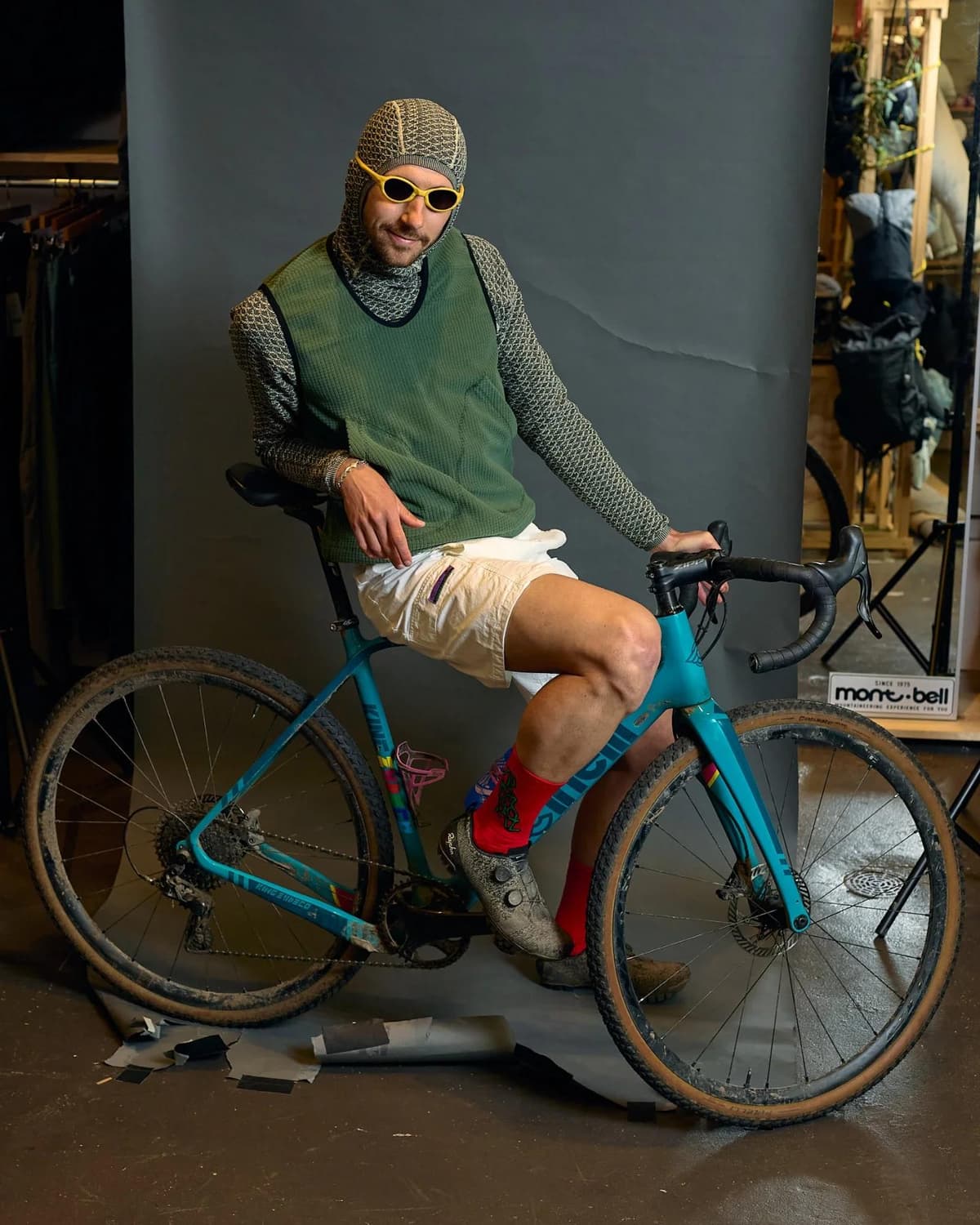
For a growing number of people, the outdoors isn't a two-week expedition. It's a one-hour trail run before work. Walking the dog through the neighborhood. Riding a bike to the coffee shop. Taking the scenic route home instead of the fastest one.
The line between outdoor activity and everyday life has become blurry.
The brands paying attention realized something important: people don't stop being "outdoorsy" the moment they leave the trail.
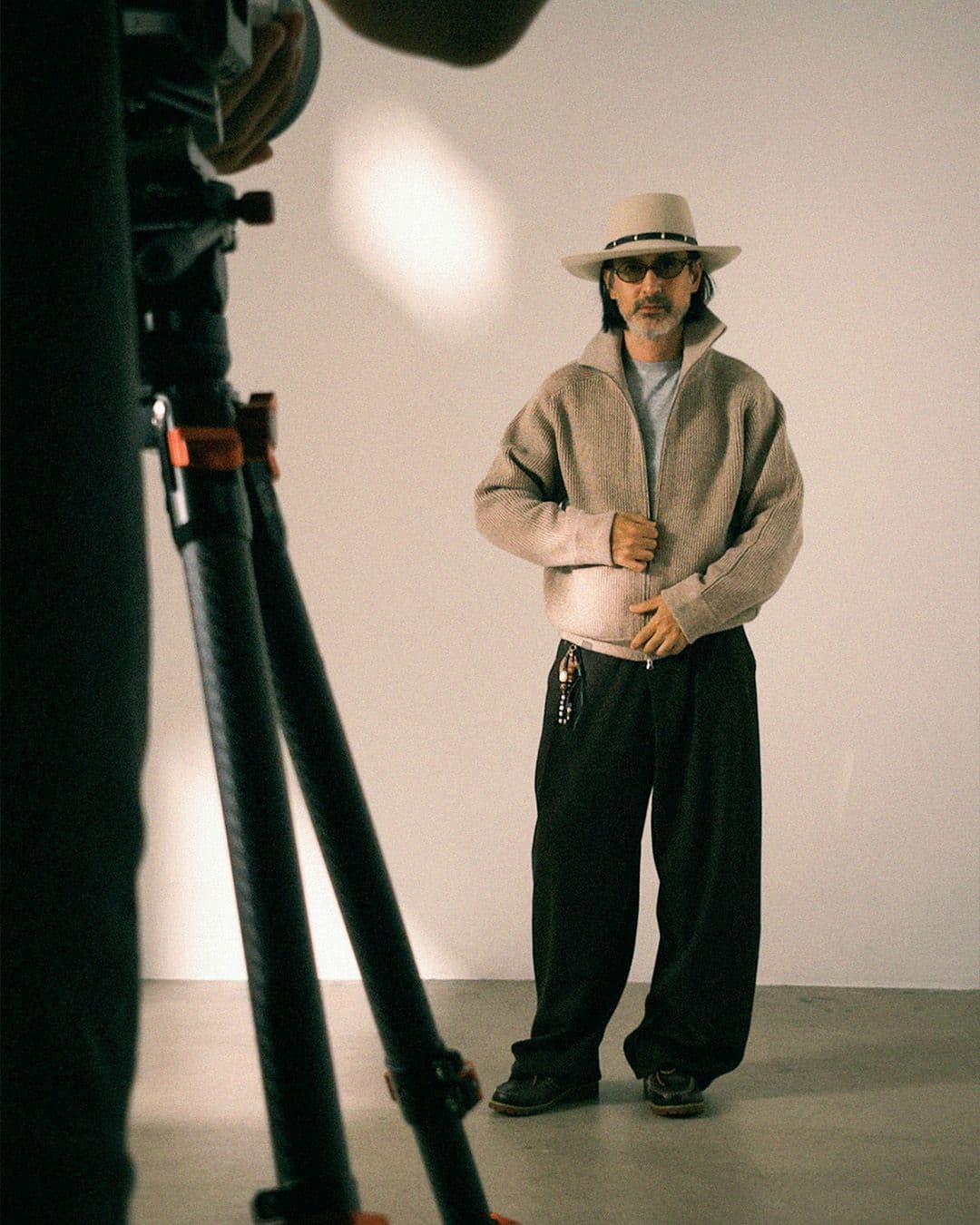
That's why we're seeing collections that feel softer, more relaxed, and less obsessed with looking technical. The products still perform, but they no longer need to announce it from across the parking lot.
Looking Technical Isn't the Same as Being Technical
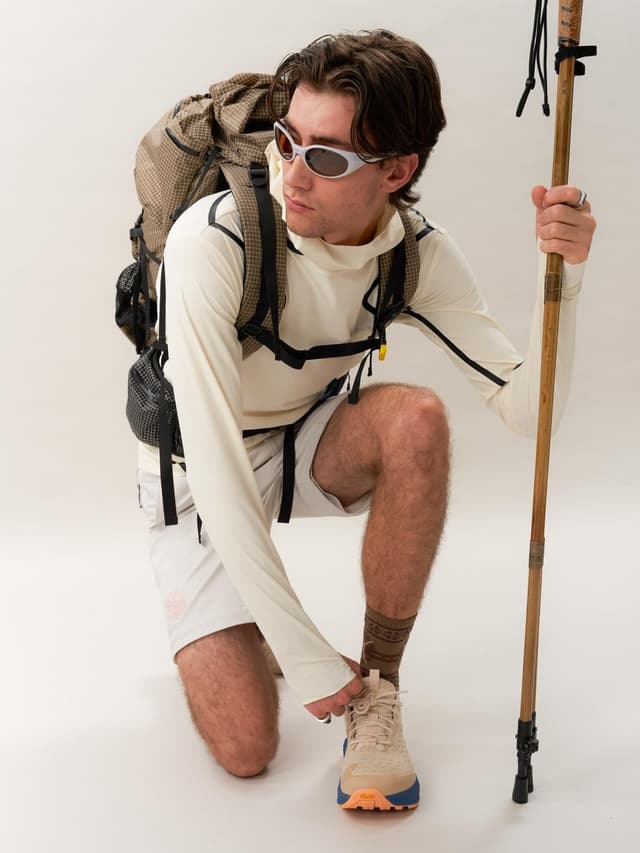
Ironically, as technical fabrics have improved, many brands have become less interested in looking technical.
The oversized logos are shrinking. The aggressive color blocking is disappearing. Silhouettes feel more natural. Pockets are hidden instead of celebrated.
The goal isn't to make gear less capable.
It's to make capability feel quieter.
The best outdoor products today often look surprisingly ordinary—until you spend a day wearing them.
That's become its own kind of luxury.
Design Has Become the Differentiator
Performance used to be enough.
Now everyone has waterproof membranes. Everyone has lightweight insulation. Everyone has breathable fabrics.
The technical gap between brands has narrowed.
Design is where personalities emerge.
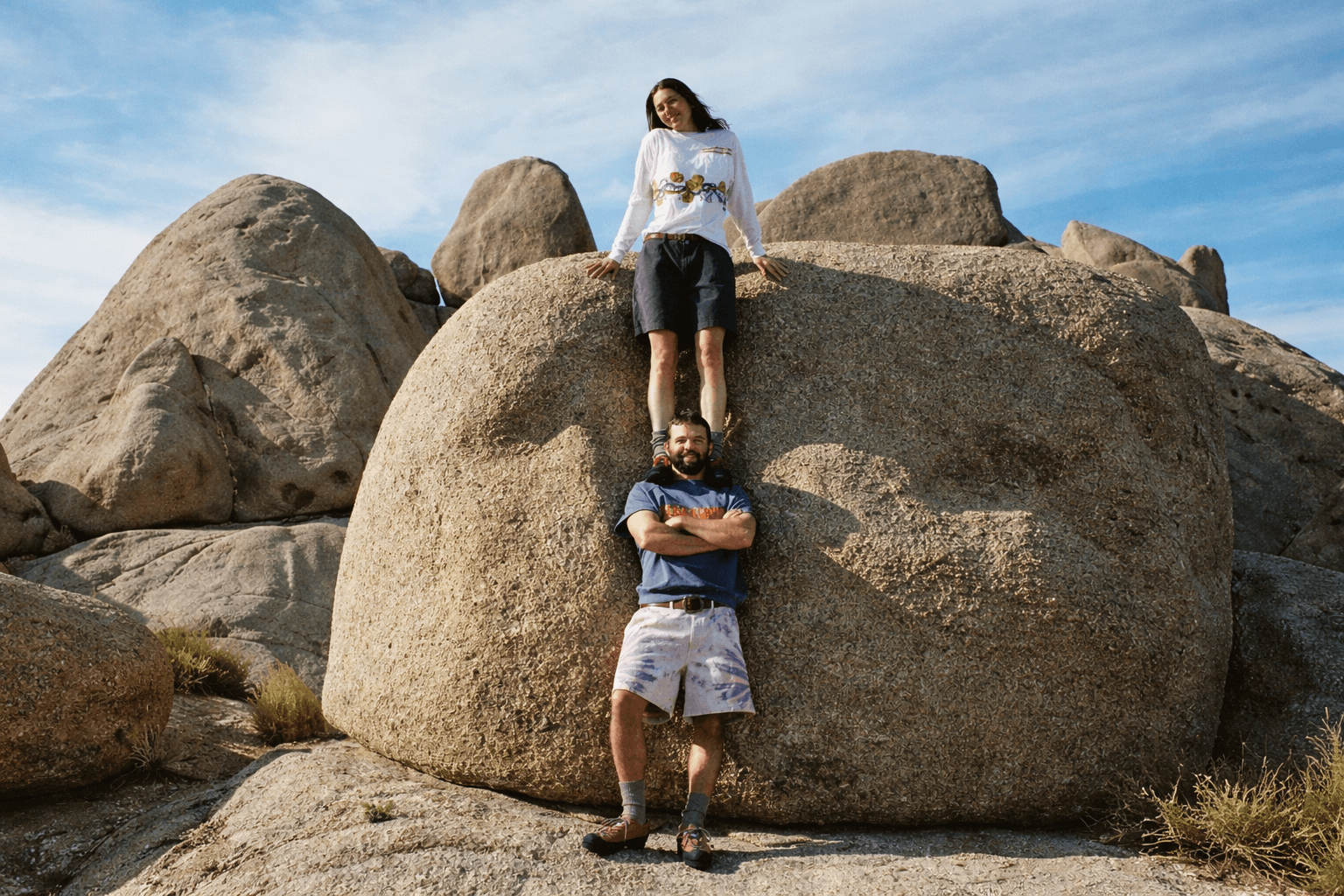
Brands like Somewhere Outside, Rayon Vert, SATISFY, District Vision, and CAYL aren't simply competing on specs. They're building worlds people want to belong to.
They're selling an aesthetic, a philosophy, and a way of moving through life—not just another jacket.
People buy into the feeling before they buy into the fabric.
Community Is the New Marketing
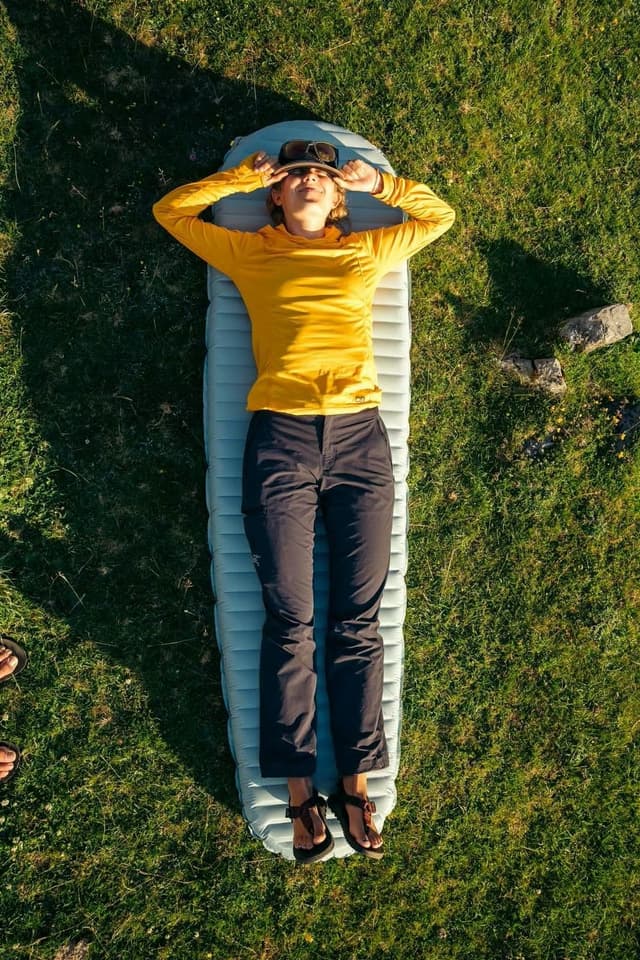
The most successful outdoor brands today spend just as much energy creating culture as they do creating products.
Running clubs.
Coffee rides.
Film nights.
Photography.
Music.
Zines.
Collaborations with artists instead of just athletes.
The product becomes the ticket into a community rather than the destination itself.
That's a very different business than simply selling rain jackets.
But There's a Fine Line
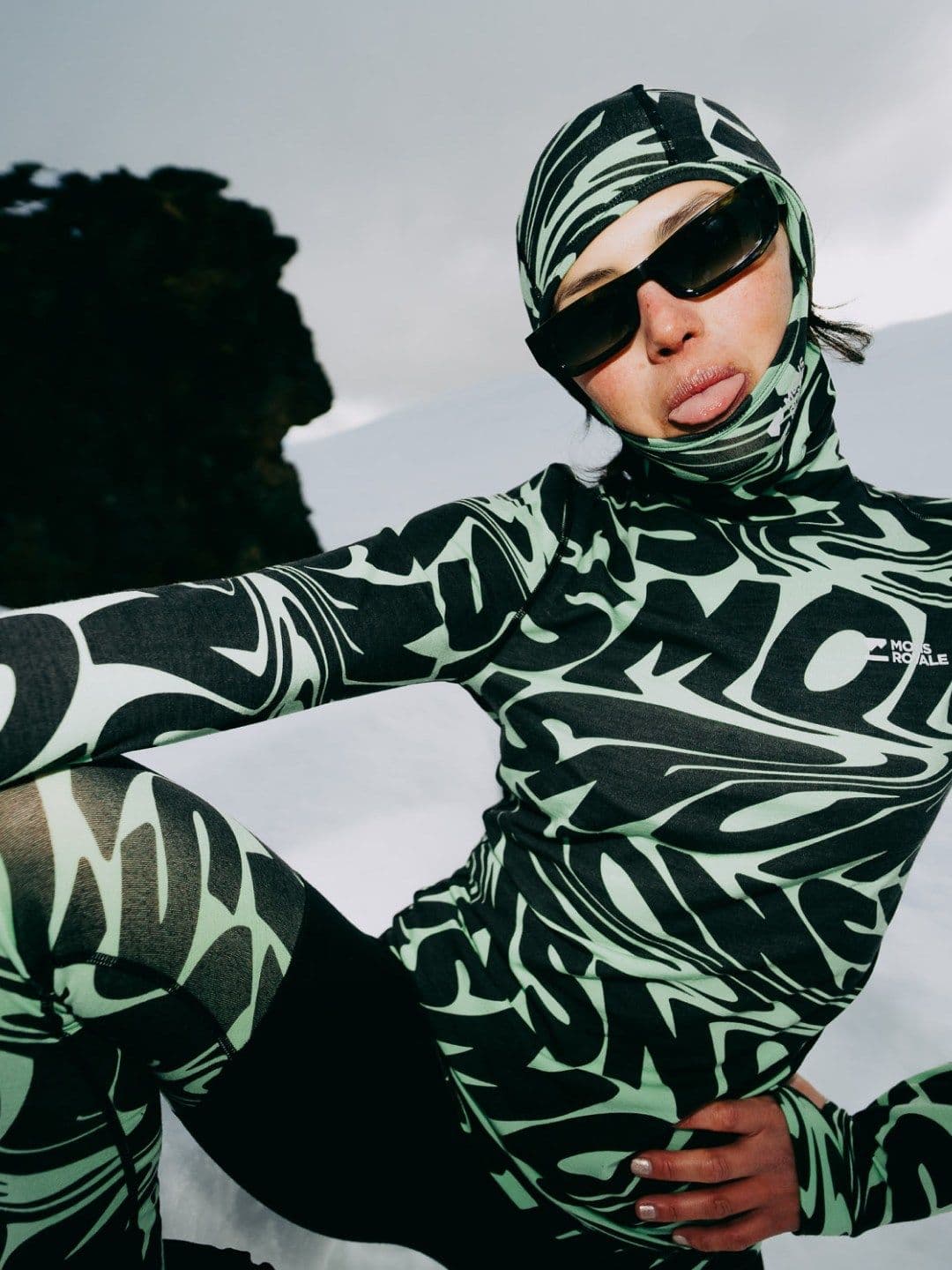
Not every brand makes the transition gracefully.
Sometimes "lifestyle" becomes an excuse to water down what made the brand interesting in the first place.
When technical credibility disappears, people notice.
The brands that last are usually the ones that still make products they'd trust in the mountains—even if most customers never take them there.
Authenticity still matters.
It's just expressed differently now.
The Future Isn't Either/Or
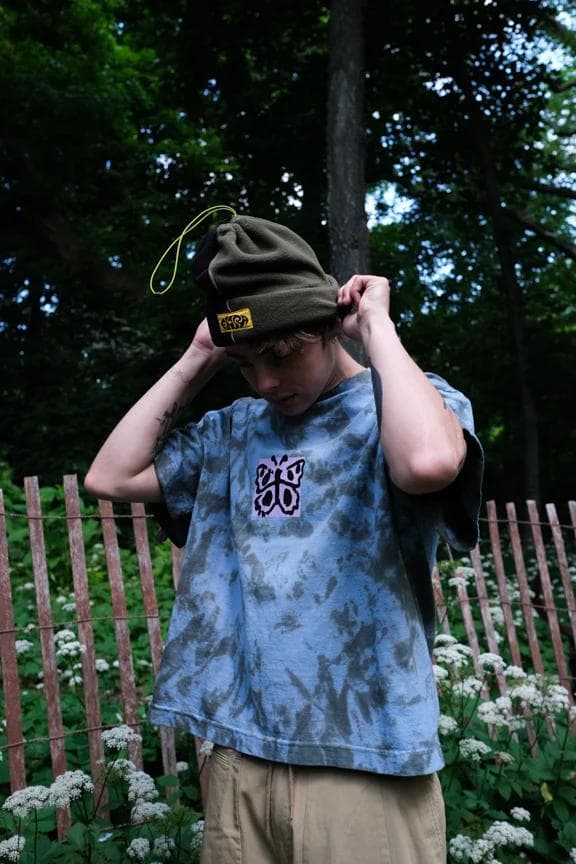
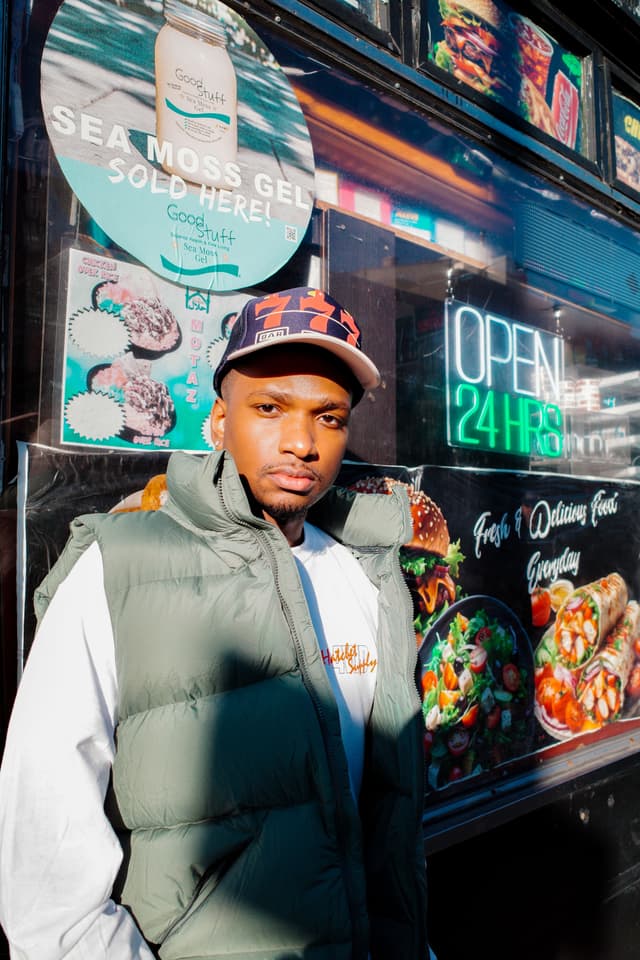
The best outdoor brands aren't choosing between performance and lifestyle.
They're realizing the two were never opposites.
A great jacket should feel just as appropriate grabbing dinner after a trail run as it does climbing a windy ridgeline.
A trail shoe shouldn't need to be retired the moment you get back to the city.
The future of outdoor design isn't about pretending everyday life is an expedition.
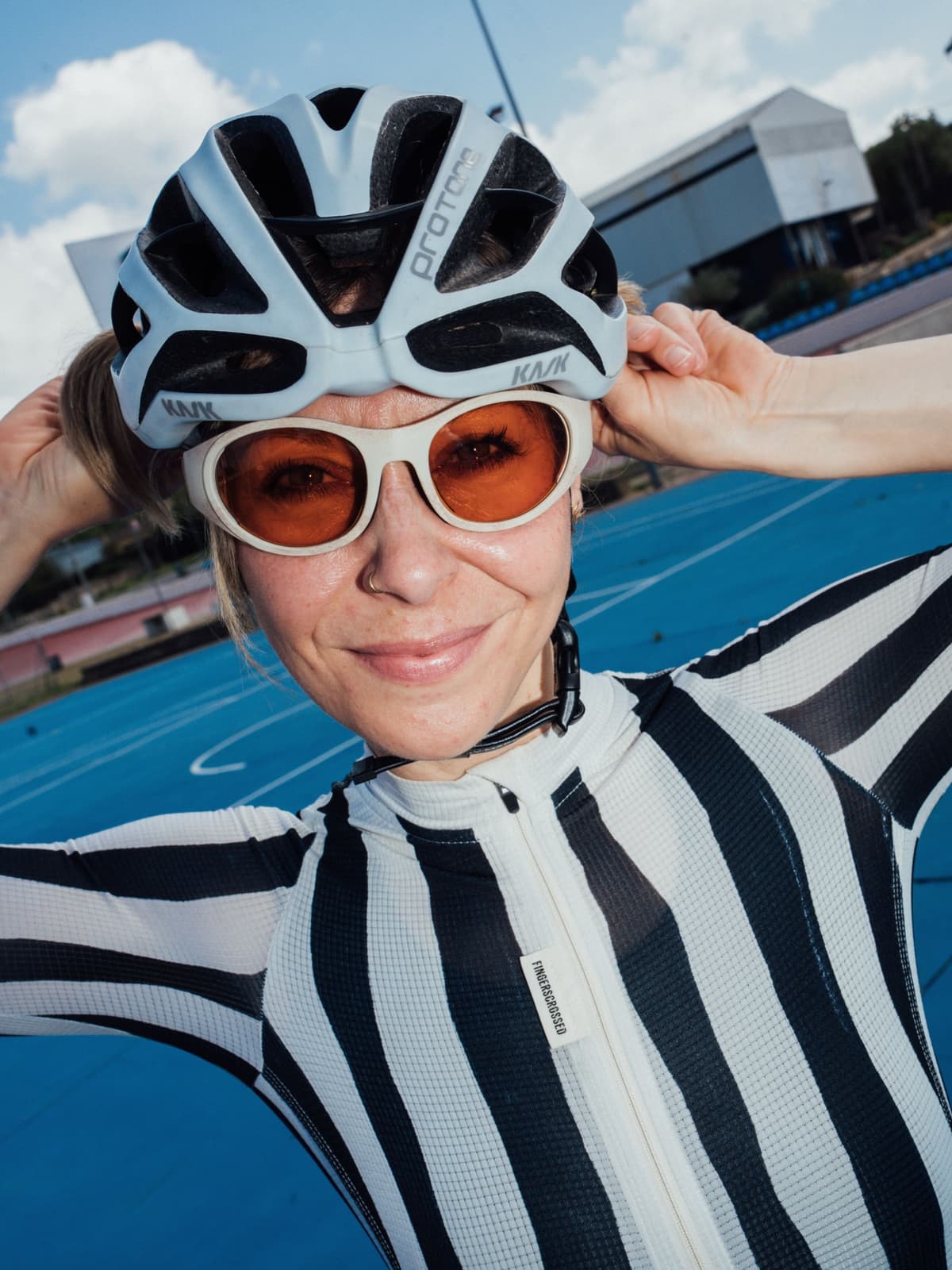
It's about recognizing that for many of us, the outdoors isn't a destination anymore.
It's simply part of how we live.
And maybe that's why every outdoor brand suddenly wants to be a lifestyle brand.
Because the people buying them already are.