
Fleece Has Entered Its Technical Era
by Gene Han
Fleece doesn't need an introduction.
Almost everyone owns a piece of it—stuffed in a closet, draped over the back of a chair, or zipped up on a chilly morning dog walk. It's familiar in the way old friends are familiar: dependable, comfortable, and easy to take for granted.
But something is quietly changing.

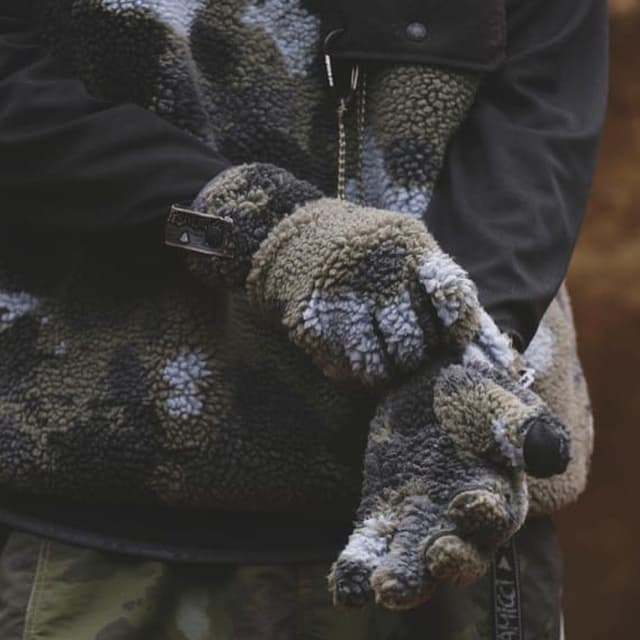
The fleece being designed today looks different from what came before, and it performs differently too. Lighter constructions. Structured grid patterns. Active insulation. Body-mapped loft zones. Recycled fibers engineered to shed fewer microplastics. These aren't cosmetic updates. They're evidence that one of the outdoor industry's most familiar materials has entered a new phase of innovation.
For decades, fleece was simply the middle layer—the dependable option between a base layer and a shell. Today, it's becoming something much more specialized. Designers are no longer asking a single fleece to do everything. They're engineering different fleece constructions for different kinds of movement, climates, and ways of spending time outside.
To understand why, it helps to know how fleece became so ordinary in the first place.
From Revolutionary to Routine
Modern fleece traces its roots to 1979, when Massachusetts textile manufacturer Malden Mills developed a brushed polyester fabric that mimicked the insulating properties of wool without its weight, itch, or cost. Patagonia recognized its potential almost immediately, introducing Synchilla a few years later and helping define what modern outdoor layering would become.
It was hard to overstate how revolutionary the material felt at the time. Fleece stayed warm when damp, dried quickly, resisted mildew, packed easily, and required almost no maintenance. It democratized technical clothing by making high-performing insulation more affordable than wool or down.
By the 1990s, fleece had escaped the outdoors entirely.
It spread from trailheads to college campuses, ski towns to suburban shopping malls. Patagonia kept refining it. The North Face made it ubiquitous. REI stocked entire walls of it in every imaginable color.
Ironically, fleece became so successful that it stopped evolving.
Once a material becomes ordinary, there's less incentive to rethink it.
That changed over the past decade, as designers, textile engineers, and independent brands all began confronting different problems at the same time.
A Material Reconsidered
Part of the shift came from sustainability.
Traditional polyester fleece sheds microscopic synthetic fibers during washing, contributing to the growing problem of microplastic pollution. Improving fleece meant more than swapping virgin polyester for recycled fibers. Mills in Japan, Europe, and the United States began rethinking the structure of the fabric itself—how fibers were spun, how tightly they were knitted, and how loft could be maintained while reducing fiber loss.
The environmental challenge unexpectedly became a performance opportunity.
At the same time, outdoor recreation itself was changing.
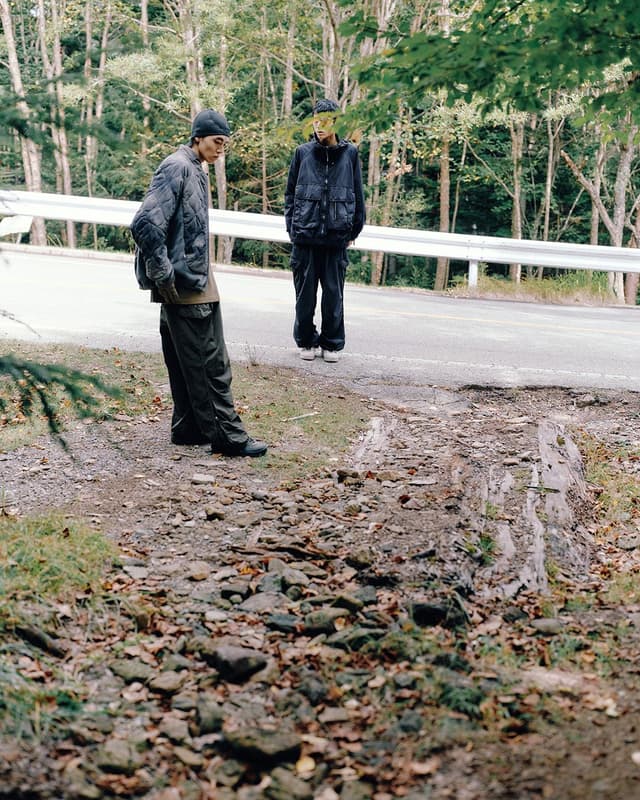
More people were trail running instead of hiking. Fastpacking instead of backpacking. Ski touring instead of riding lifts. Movement replaced stillness.
Traditional insulation systems struggled with that transition. Down excelled while standing still but trapped too much heat during sustained movement. Conventional fleece often became clammy under a shell once the pace increased.
Designers needed something different.
Not warmer.
Smarter.
The Rise of Active Insulation
One of the biggest changes in technical apparel over the last decade hasn't been a new waterproof membrane or lighter shell fabric. It's been the emergence of active insulation.
Rather than maximizing warmth, active insulation is designed to regulate body temperature while you're moving. It traps enough heat to keep you comfortable but allows excess warmth and moisture to escape before they become a problem.
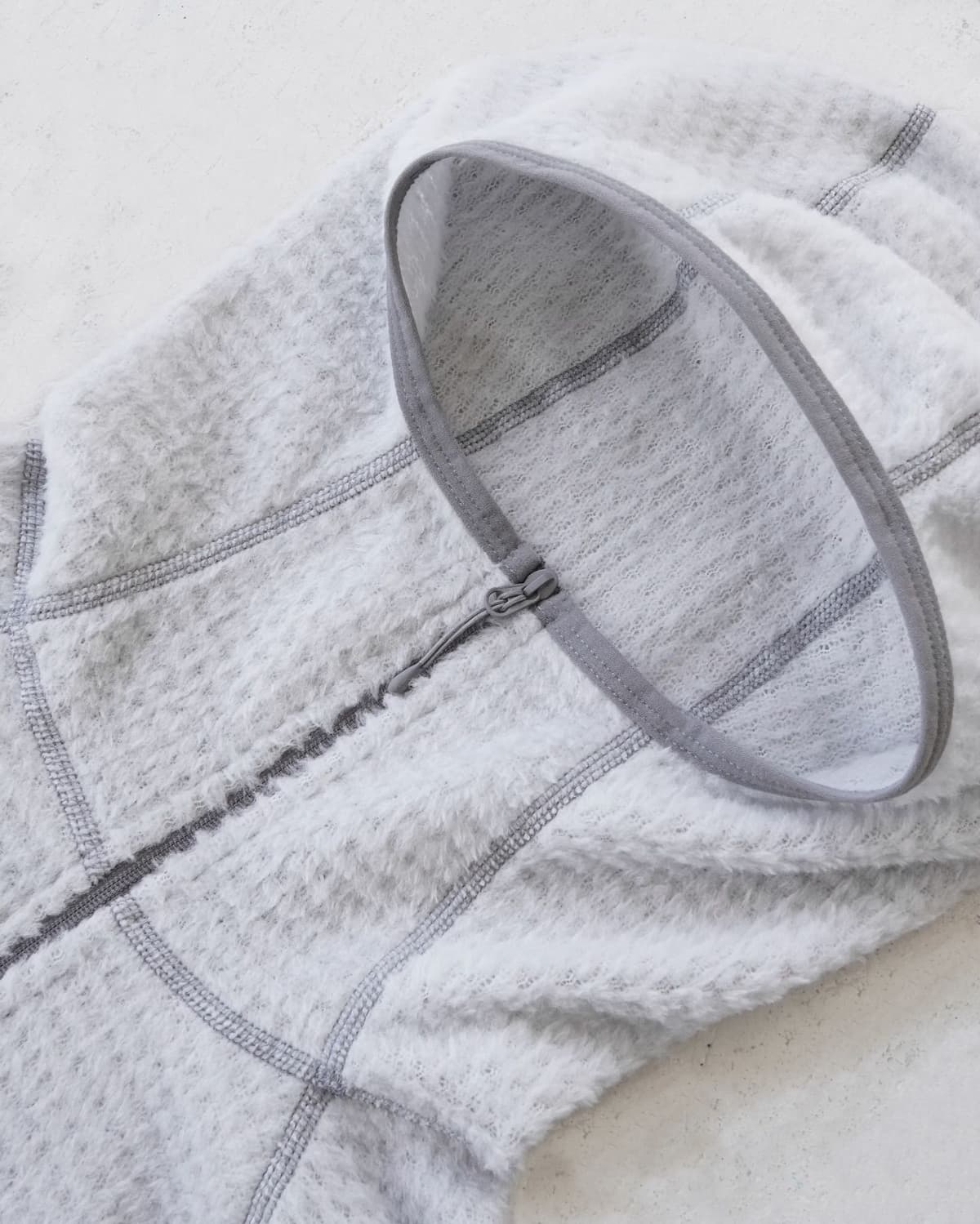
Grid fleece became one of the first expressions of that philosophy. Instead of a continuous pile, raised channels create pockets of insulation separated by open airways that dramatically improve breathability.
Then came fabrics that blurred the line between fleece and insulation altogether.
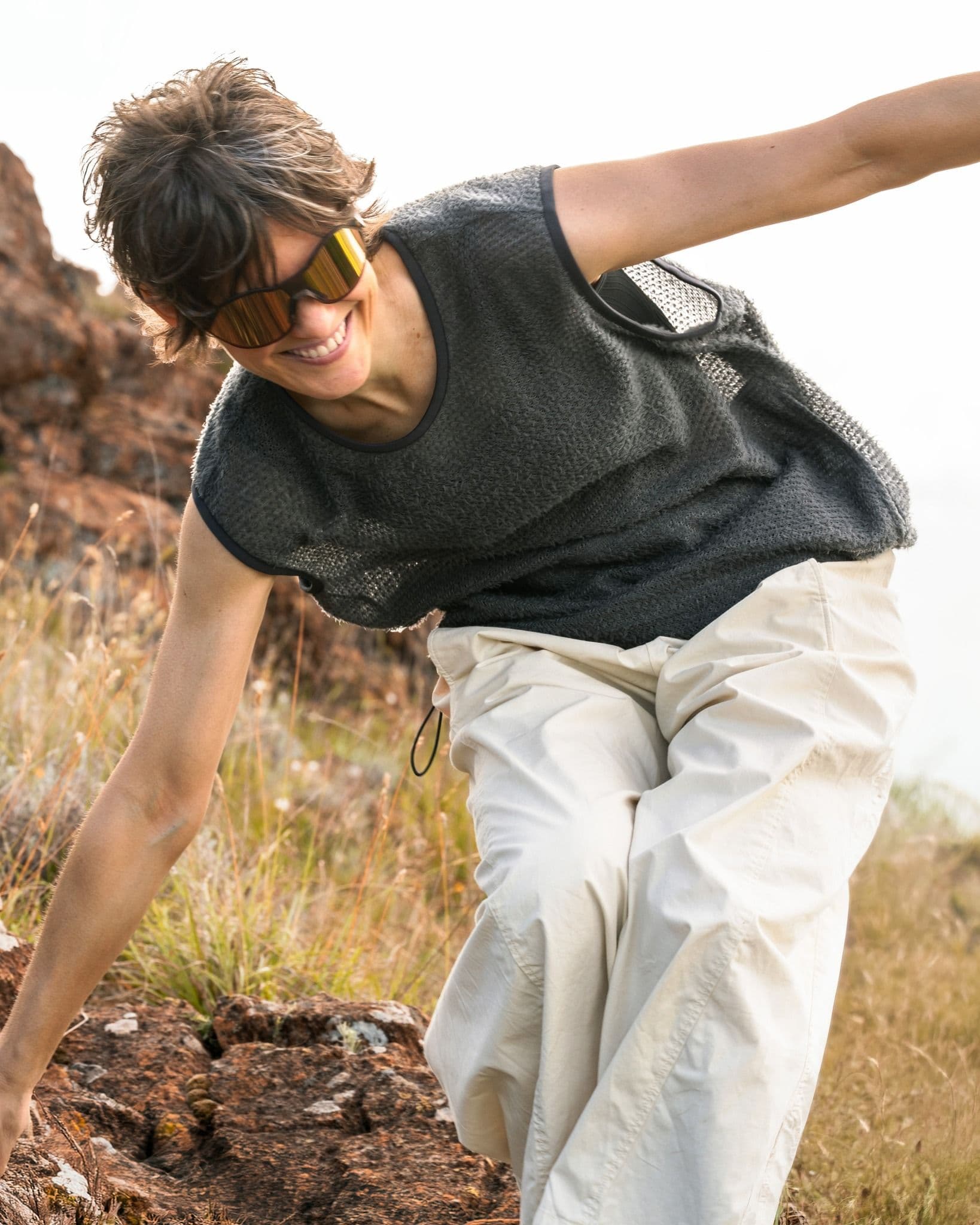
Polartec Alpha Direct—originally developed for U.S. Special Operations forces—removed the traditional face fabric entirely, creating an exposed knit insulation that is exceptionally breathable, remarkably lightweight, and surprisingly warm. Around the same time, Japanese textile manufacturer Teijin introduced Octa, a hollow eight-fin fiber that behaves somewhere between fleece and insulation, delivering warmth with very little weight or moisture retention.
Suddenly, fleece wasn't just evolving.
It was splintering into entirely new categories.

The Independent Brands Pushing It Forward
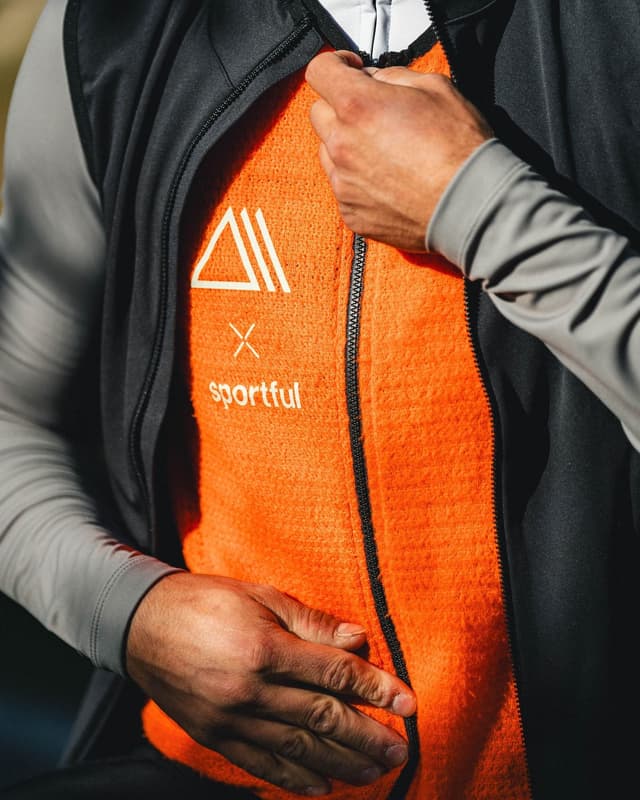
What's happening across today's outdoor industry isn't a trend in the fashion-week sense. It's more like a convergence. Designers and engineers are arriving at similar conclusions from different starting points—that fleece, properly engineered, can do things that down can't, synthetic puffies can't, and traditional midlayers were never designed to do.
Interestingly, much of that experimentation is coming from independent brands rather than the industry's biggest players.
Senchi Designs
Few brands have become as closely associated with modern technical fleece as Senchi Designs.
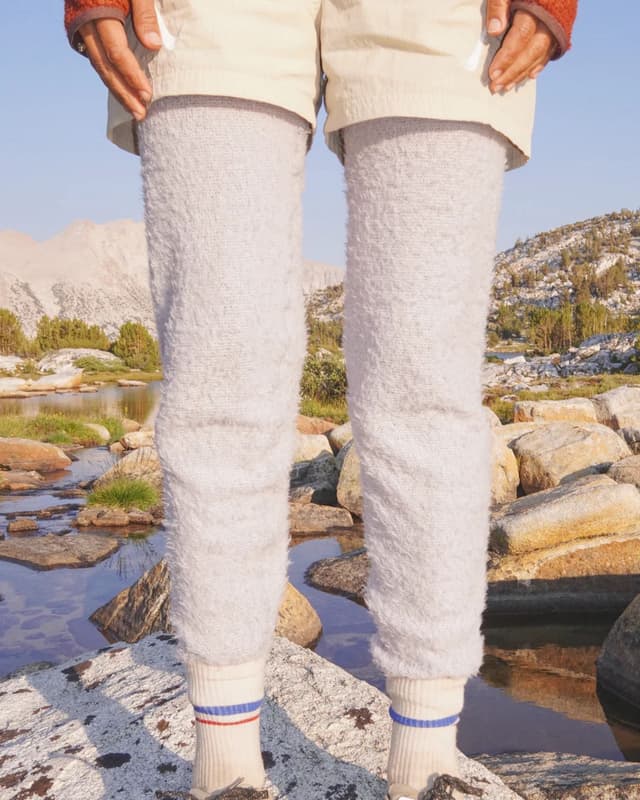
Founded in 2019, the Portland-based company builds nearly its entire collection around Alpha Direct, creating impossibly light hoodies, leggings, and pullovers designed for sustained movement rather than static warmth.
Their latest Mori Legging explores recycled poly loft wrapped around a nylon core engineered to reduce fiber shedding—a reminder that innovation often begins at the yarn itself, long before a garment reaches the sewing floor.

FarPointe Outdoor Gear
FarPointe Outdoor Gear approaches the same material from an entirely different perspective.
Its Alpha Direct garments are individually hand-dyed, making every piece unique. It's an unusual combination of advanced military-derived textiles and traditional craftsmanship—proof that technical apparel doesn't have to sacrifice individuality in pursuit of performance.

CAYL
South Korea has quietly become one of the most exciting places in contemporary outdoor design.
Brands like CAYL aren't simply making technical clothing. They're rethinking who technical clothing is for.
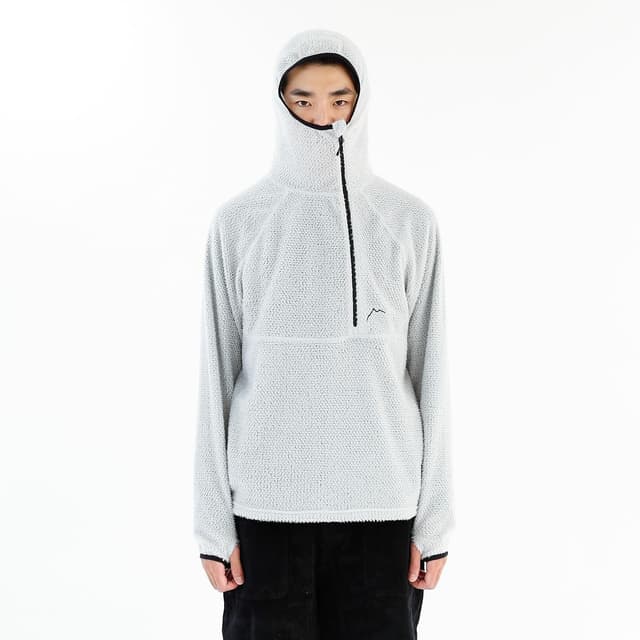
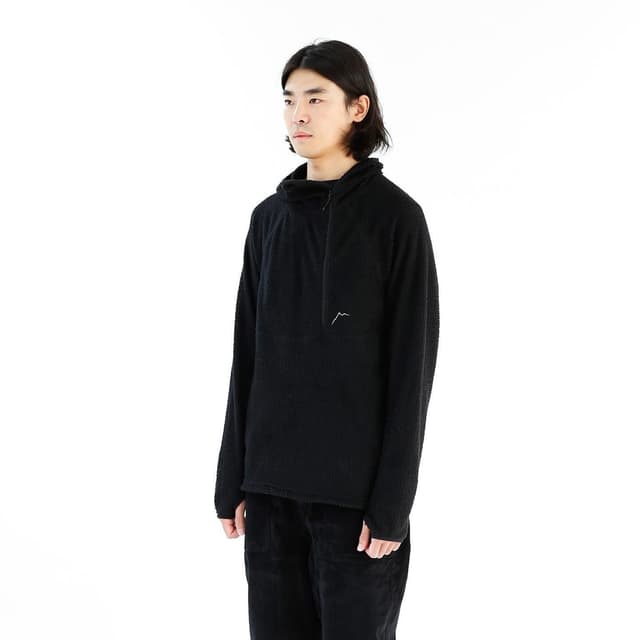
CAYL approaches hiking as an everyday practice rather than an extreme sport, producing lightweight grid fleece and Octa-insulated garments that transition naturally between mountains and cities.
The performance is there. It just doesn't need to announce itself.
Japan's Different Relationship with Fleece
Japanese outdoor brands have long understood something that much of the Western industry is only now embracing: technical materials don't have to look technical.
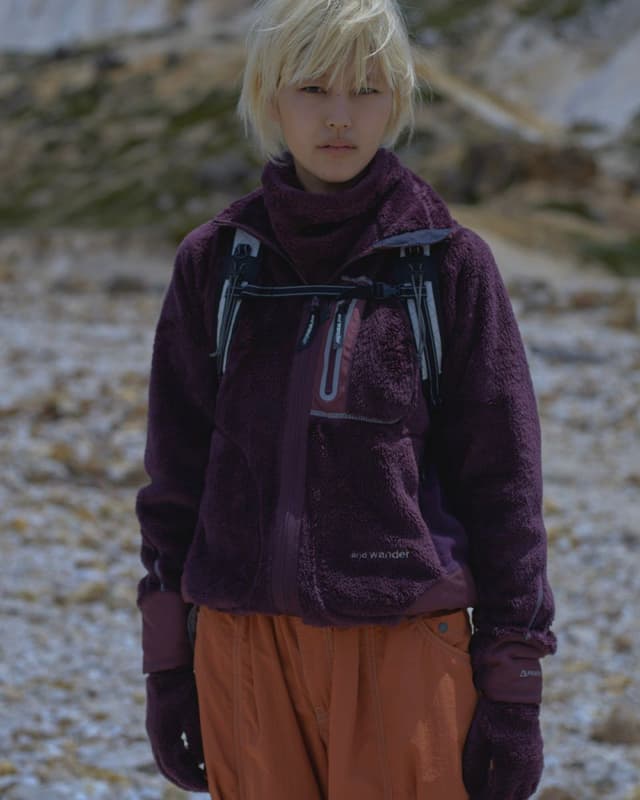
and wander treats fleece almost like fine knitwear, favoring understated color palettes, thoughtful proportions, and refined detailing over visible performance cues.

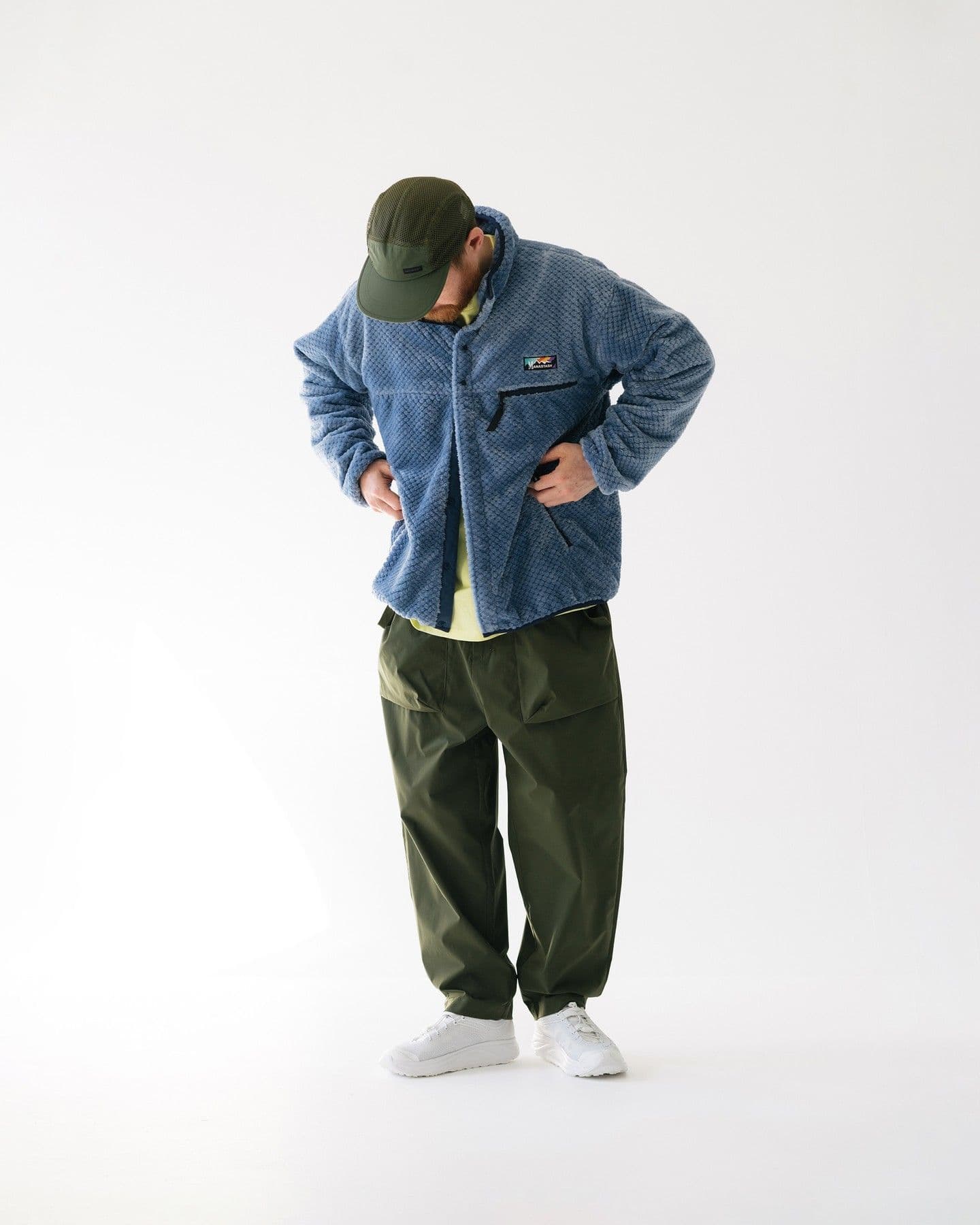
Manastash continues to reinterpret fleece through the lens of workwear and street culture, blending hemp, recycled fibers, and oversized silhouettes that feel more like everyday uniforms than outdoor gear.
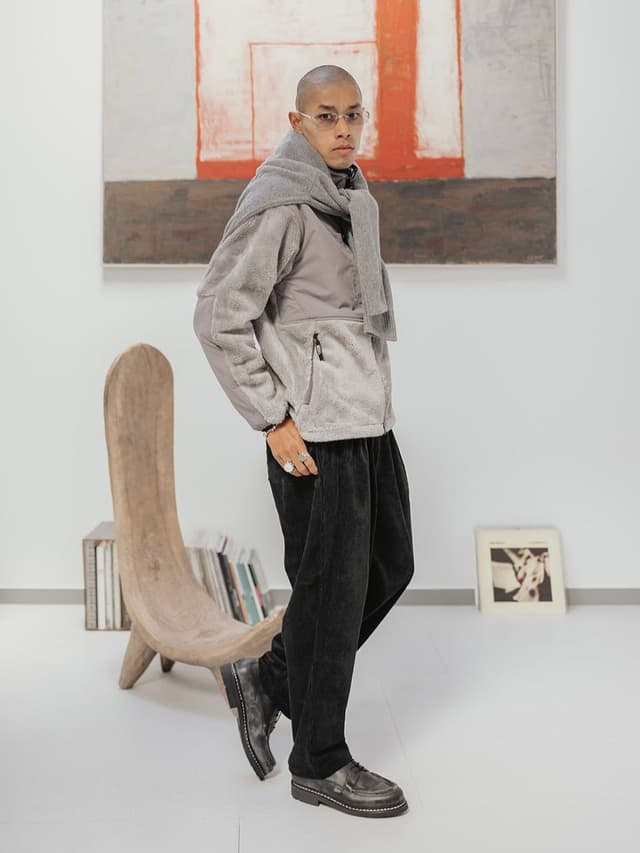
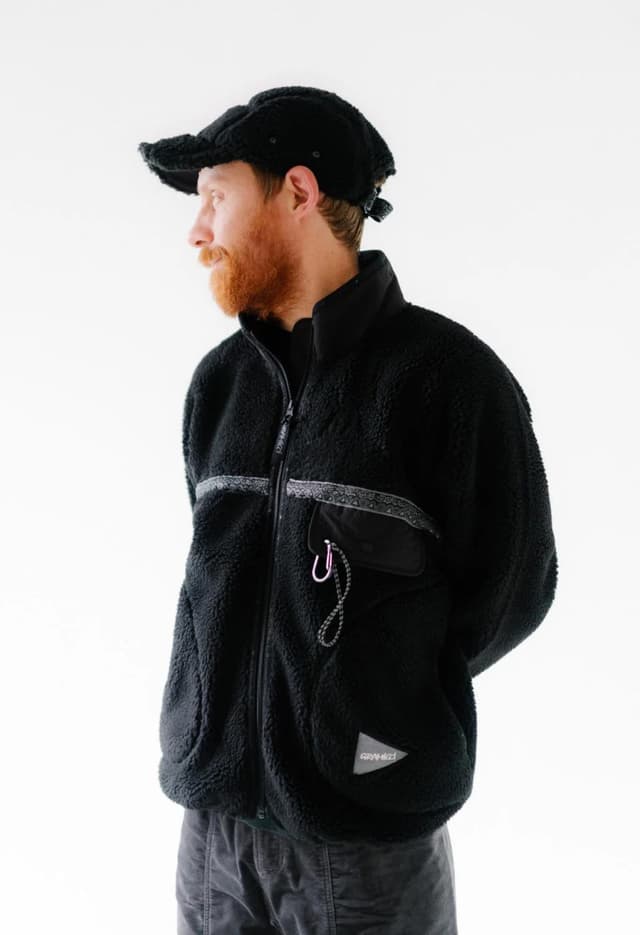
Gramicci follows a similar path. Born from rock climbing, the brand has always blurred the line between functional equipment and casual clothing. Its contemporary fleece pieces reflect that same philosophy—technical enough for the trail, relaxed enough for everything else.
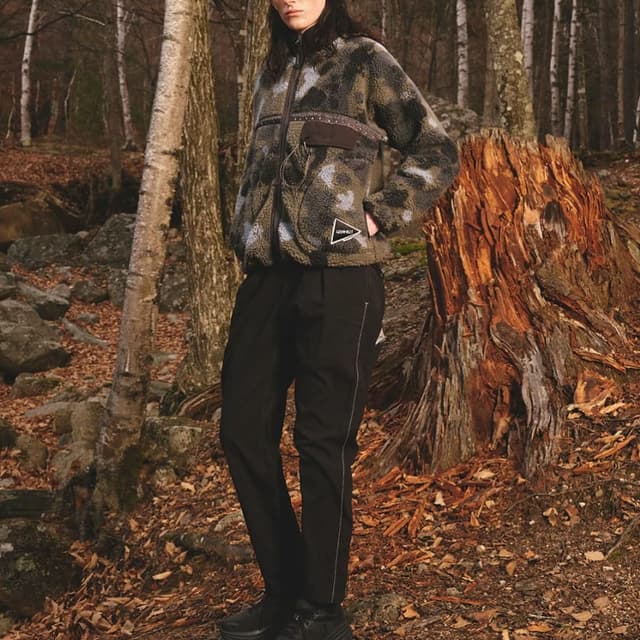
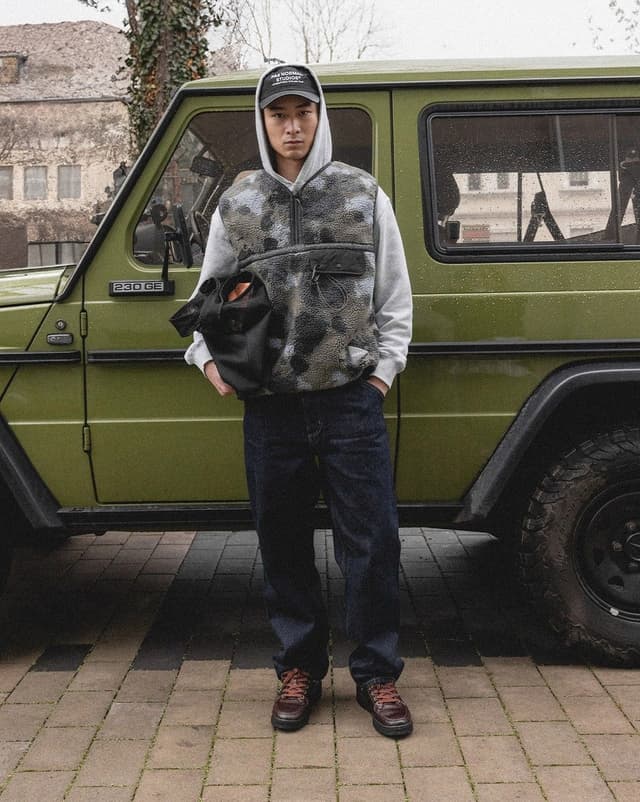
Collectively, these brands suggest that fleece's future isn't just about performance. It's about versatility.
No products available.
More Than a Midlayer
What's perhaps most interesting isn't any single fabric.
It's where fleece is showing up.
Technical overshirts. Running hoodies. Alpine pullovers. Tailored trousers. Everyday jackets. Travel layers. Hybrid insulation pieces that barely resemble the fleece jackets many of us grew up wearing.
Like merino wool before it, the conversation has shifted away from what fleece does toward what designers can create with it.
That's usually how meaningful material innovation happens.
Not through one dramatic breakthrough, but through dozens of small improvements that eventually change the entire category.
Looking Again
Down will always have a place. So will waterproof shells.
But fleece is quietly earning a different kind of respect.
Not because it's replacing other materials, but because designers have stopped treating it as the default middle layer and started seeing it as a platform for innovation. Better yarns. Smarter constructions. More thoughtful layering systems. Garments designed around movement instead of static warmth.
The most familiar materials often have the most room left to evolve.

Fleece has been around long enough that most people stopped paying attention to it.
The brands that kept looking are the ones discovering just how much potential was still hiding in plain sight.
No products available.
Shop technical fleece on WeekEnds today.
Related Articles

June 28, 2026
Somewhere Outside: Designing for Everything Between Leaving and Returning
Step inside Somewhere Outside with founder Caizhu Jo as he discusses outdoor design, Korean culture, storytelling, and creating gear for everyday adventure.
Read →
June 27, 2026
The Rise of Outdoor Towns
Once defined by trailheads and ski resorts, outdoor towns have become something bigger — places where people don't just visit the outdoors, they build lives around it.
Read →
June 24, 2026
Merino's Second Act
Merino wool is no longer just for base layers. Here's how the outdoor world's favorite fiber became one of today's most versatile design materials.
Read →