Hiking Shoes Worth Paying Full Price For
by Gene Han
There was a time when buying hiking shoes was simple.
You walked into an outdoor store, chose between a handful of legacy brands, picked the pair that fit best, and hoped they'd last a few seasons. Performance came first. Design was an afterthought.
Today, the landscape looks very different.
No products available.
A new generation of footwear brands is rethinking what hiking shoes can be. Some are experimenting with aerospace-inspired materials. Others are borrowing ideas from industrial design, biomechanics, or traditional bootmaking. A few are questioning whether hiking shoes even need to look like hiking shoes at all.
The result is a category that's more interesting than it's been in decades.
Yes, many of these shoes cost more than the industry average. But they're also the products pushing outdoor footwear forward. They're built with better materials, more thoughtful construction, and a level of design that often justifies paying full price rather than waiting for the inevitable end-of-season sale.
These are the hiking shoe brands we think are worth every dollar.
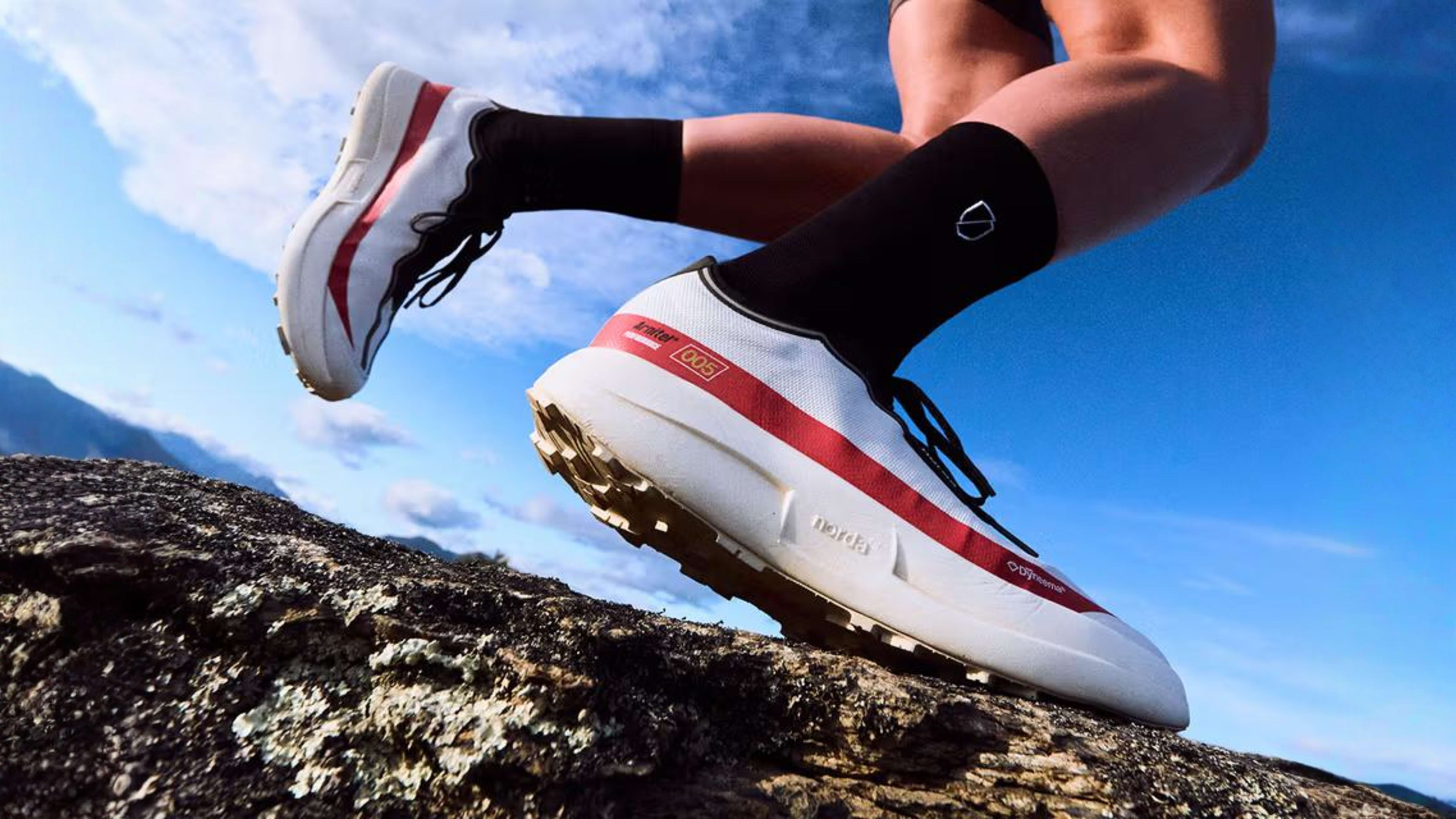
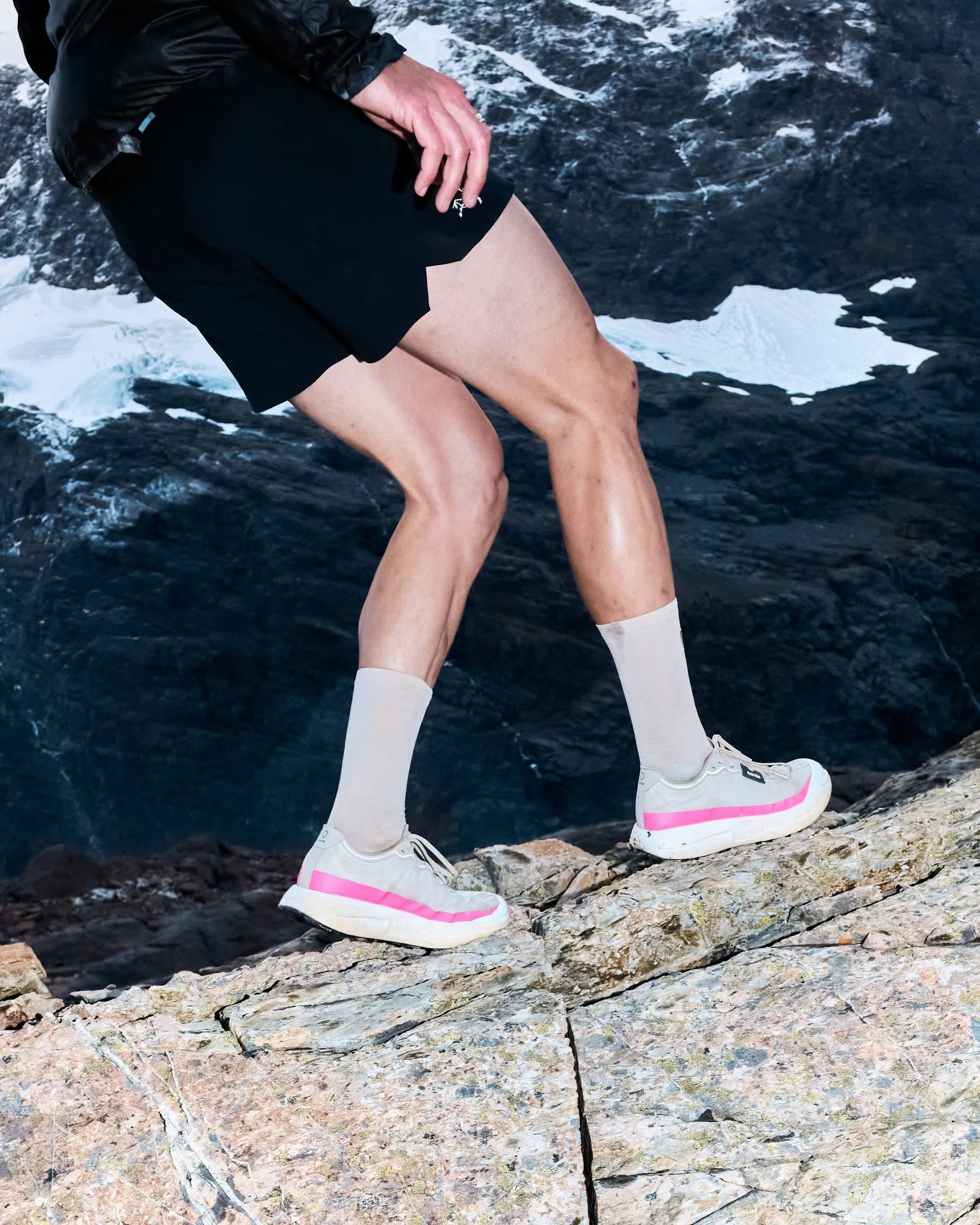
Norda 005
Norda has built its reputation on doing things differently, and the 005 is its clearest statement yet.
Constructed with a Bio-Dyneema® upper and paired with a Vibram® outsole, it's remarkably lightweight without sacrificing durability. Every detail feels over-engineered in the best possible way, from the seamless upper to the precise fit. While many trail shoes are designed to shave grams, the 005 feels designed to survive years of abuse.
Why we'd pay full price: Few hiking shoes combine cutting-edge materials with genuine longevity as convincingly.
ROA Katharina
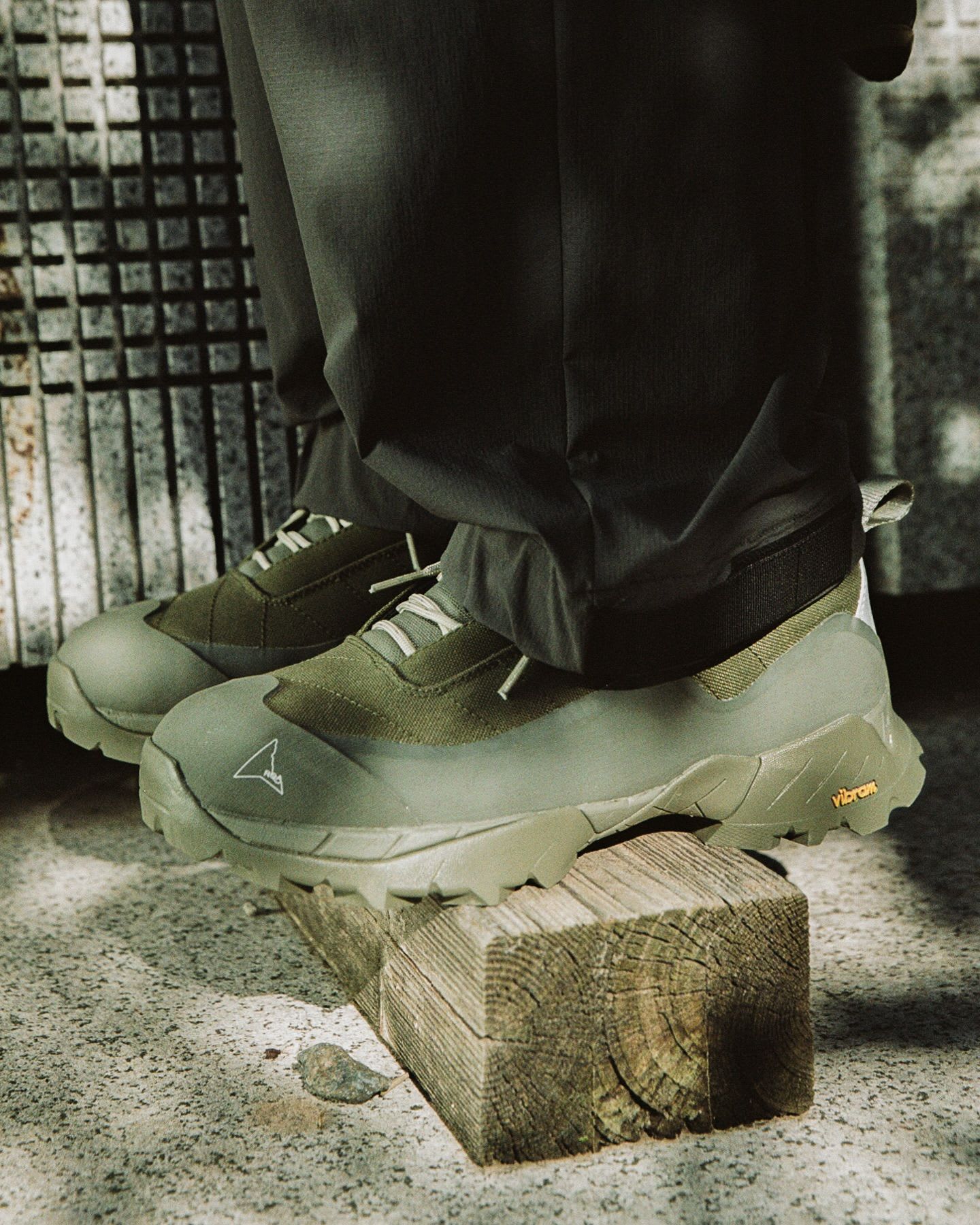
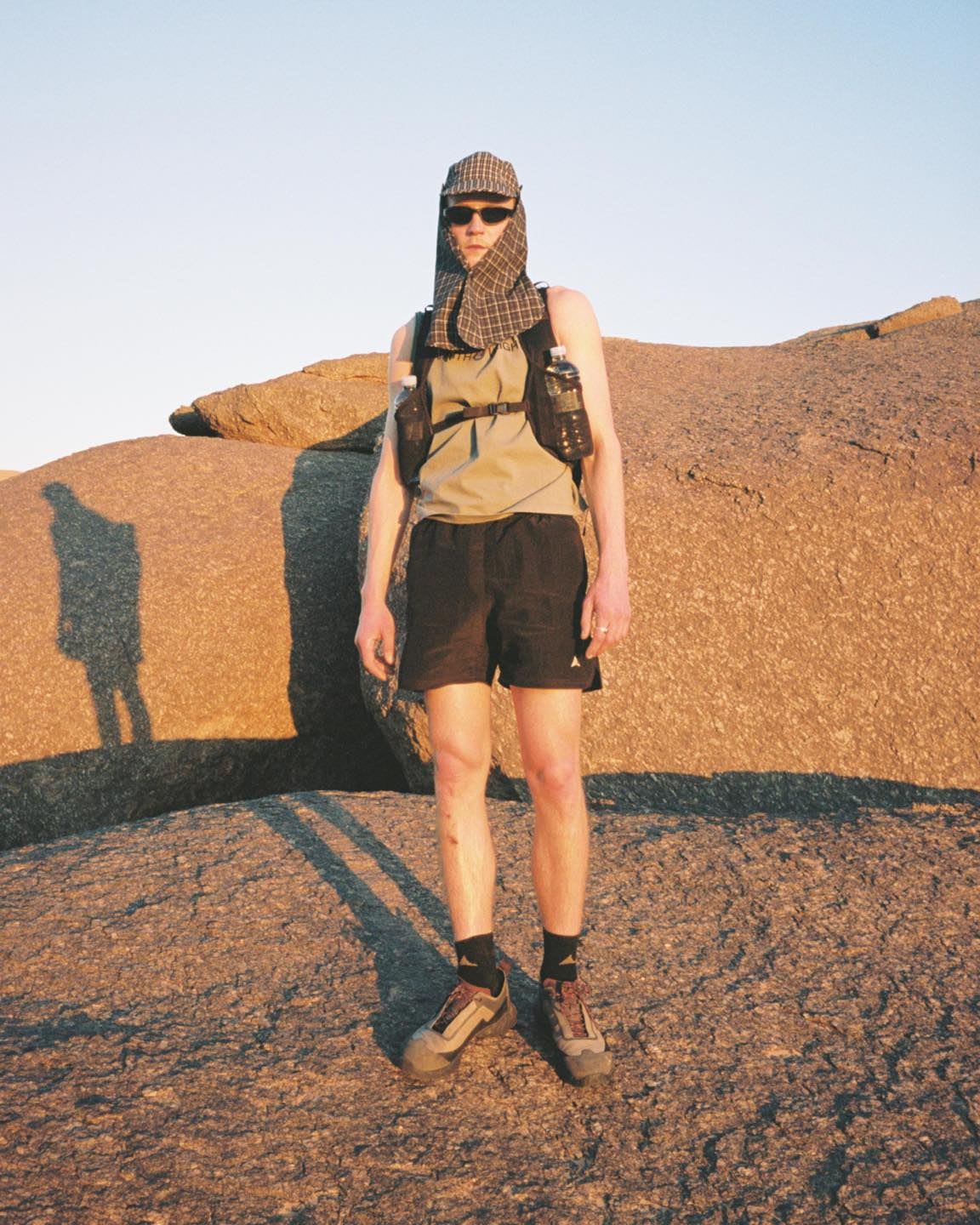
ROA has become synonymous with design-led outdoor footwear, and the Katharina perfectly captures the brand's philosophy.
Made in Italy, it pairs aggressive Vibram traction with sculptural paneling and premium materials that feel just as appropriate in the Dolomites as they do walking through Copenhagen or Tokyo. Unlike many fashion-adjacent hiking shoes, the Katharina never compromises on mountain performance.
Why we'd pay full price: It's one of the rare shoes that genuinely excels in both technical performance and industrial design.
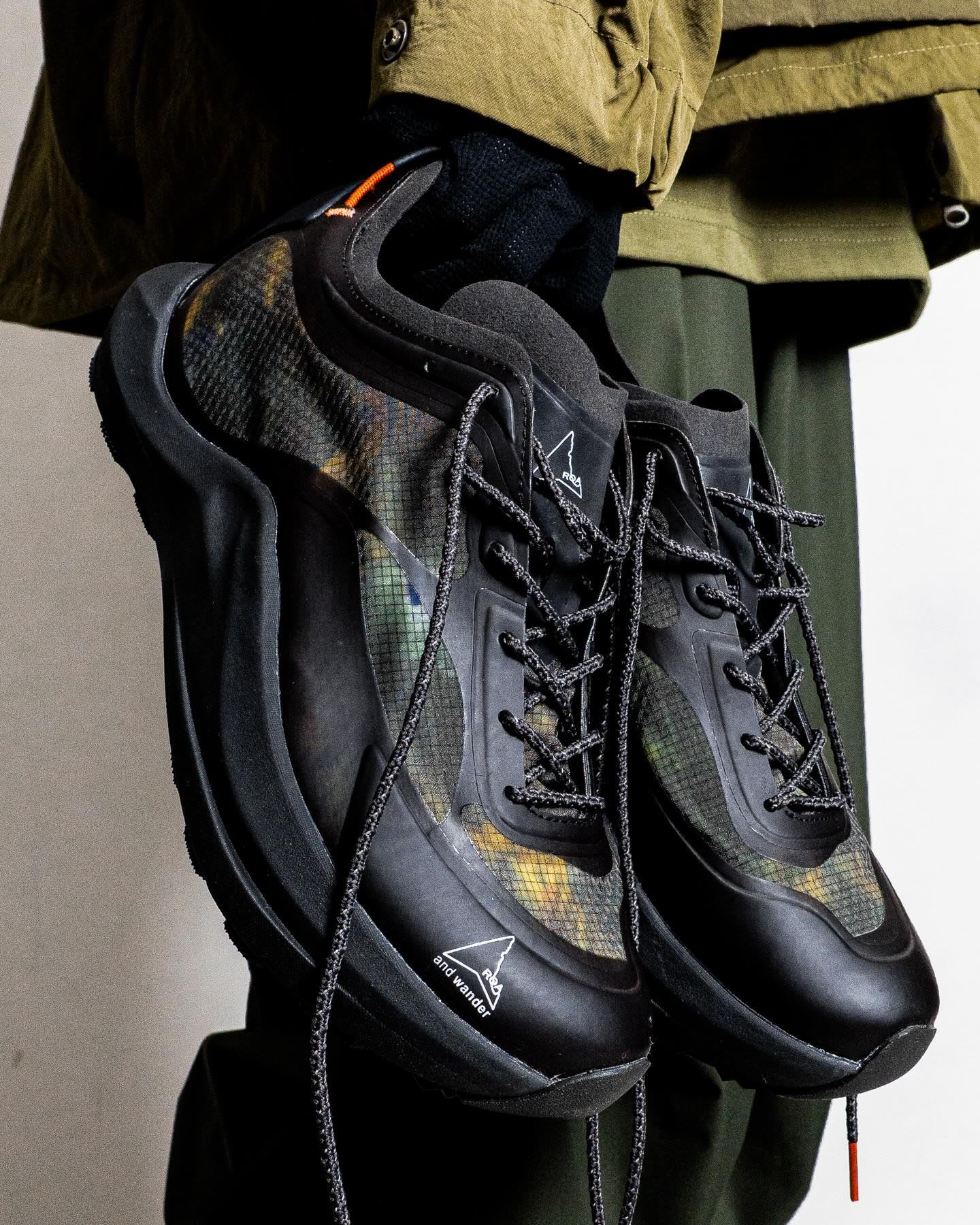
and wander × Vibram Hiker
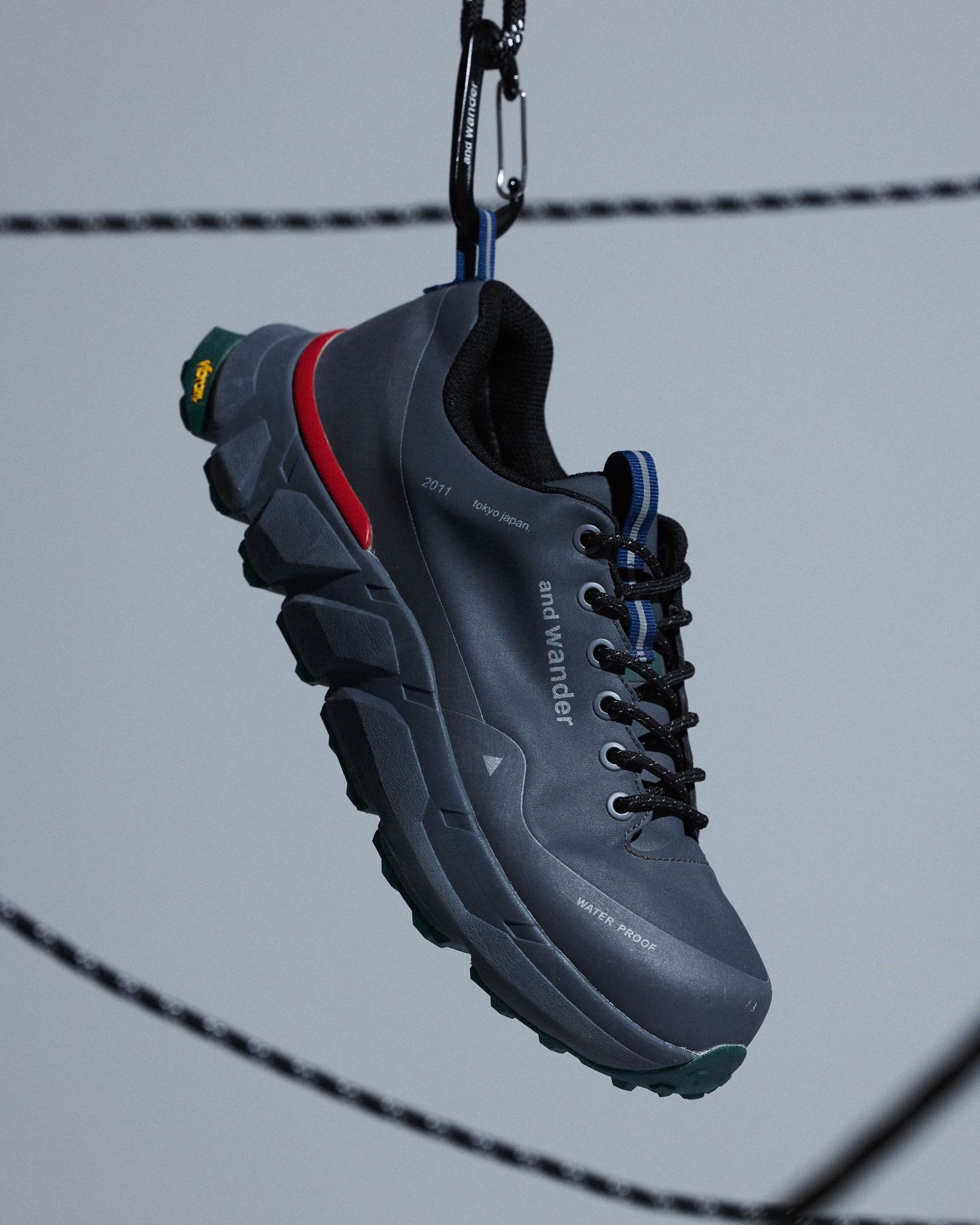
Rather than reinventing hiking footwear, and wander refines it.
The and wander × Vibram Hiker reflects everything the Japanese brand does well: understated styling, premium materials, thoughtful detailing, and genuine trail capability. It's technical without looking overtly technical—a shoe that blends seamlessly into everyday life while remaining perfectly comfortable on the trail.
Why we'd pay full price: Quiet design rarely ages, and neither does this shoe.
Mount to Coast T1
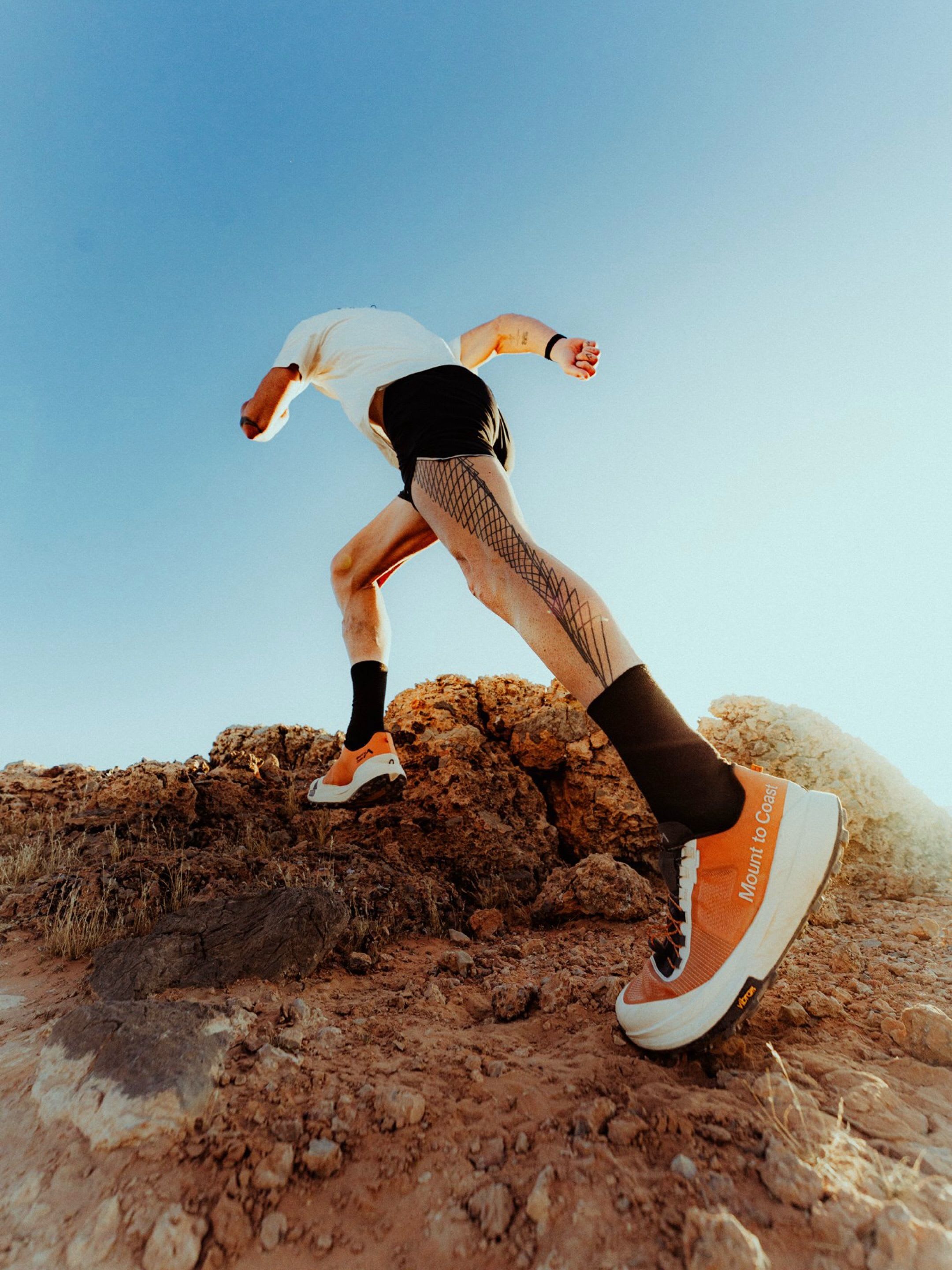
Mount to Coast may be best known for ultra-distance running, but the T1 demonstrates why the brand deserves attention from hikers as well.
Built around long-distance comfort, it emphasizes stability, efficient energy return, and all-day wearability rather than exaggerated cushioning or flashy technology. It's the sort of shoe that disappears beneath your feet—a compliment every hiking shoe should aspire to.
Why we'd pay full price: Comfort compounds over miles, and few emerging brands understand that better.

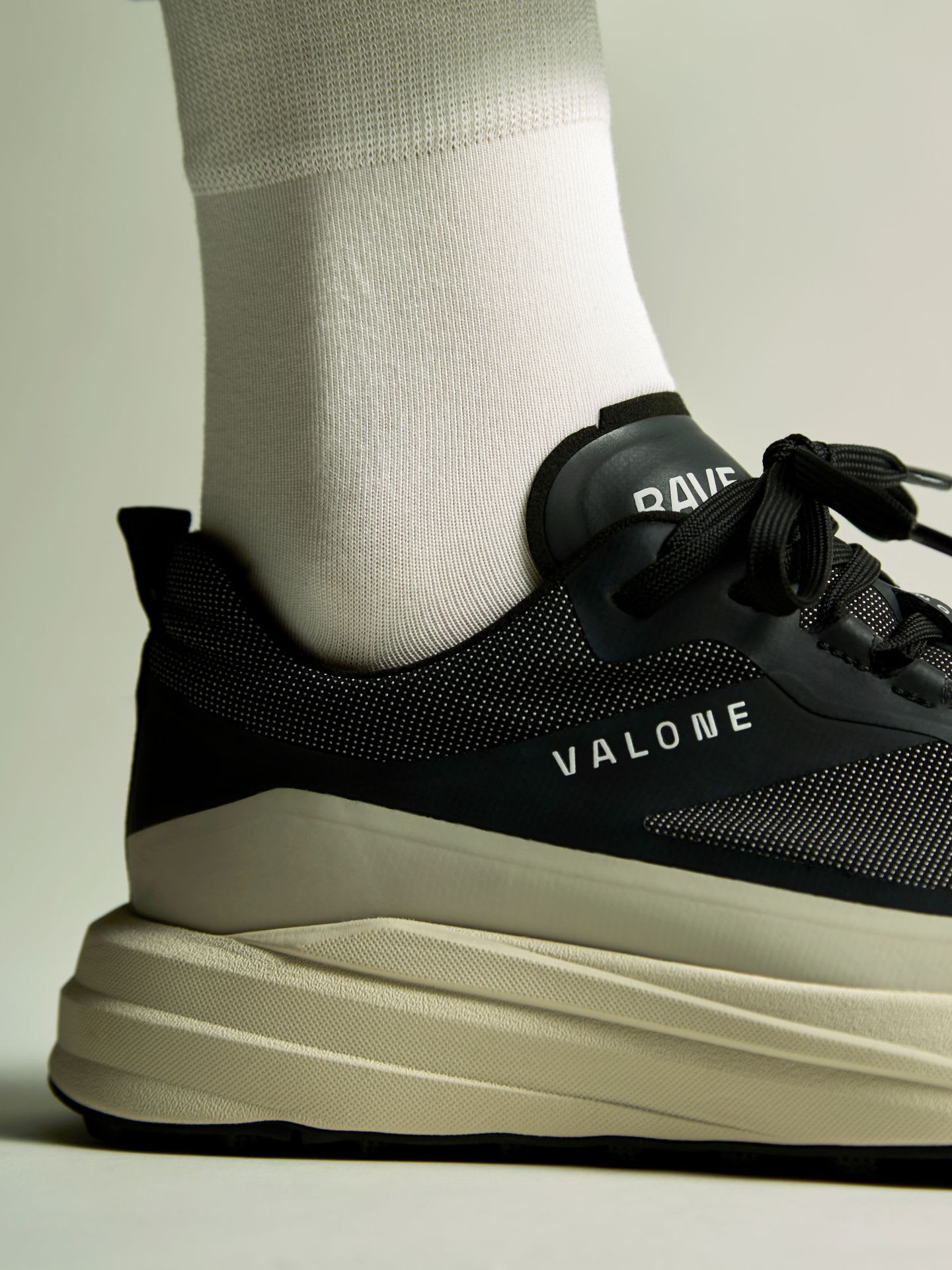
Valone Rave
The Valone Rave brings a distinctly French perspective to trail footwear.
Designed and made in Europe, the Rave feels less like a traditional hiking shoe and more like a piece of contemporary product design. Its clean silhouette, restrained color palette, and modern proportions set it apart from the often overbuilt aesthetic that dominates the outdoor industry. Underneath, it's built for technical trail running and fast hiking, balancing lightweight performance with durability and sustainability.
French brands have long approached performance equipment differently—placing equal emphasis on function, elegance, and simplicity—and the Rave embodies that philosophy. Rather than relying on aggressive styling to communicate performance, it lets thoughtful design do the talking.
Why we'd pay full price: It's one of the most compelling examples of European design bringing a fresh visual language to modern trail footwear.
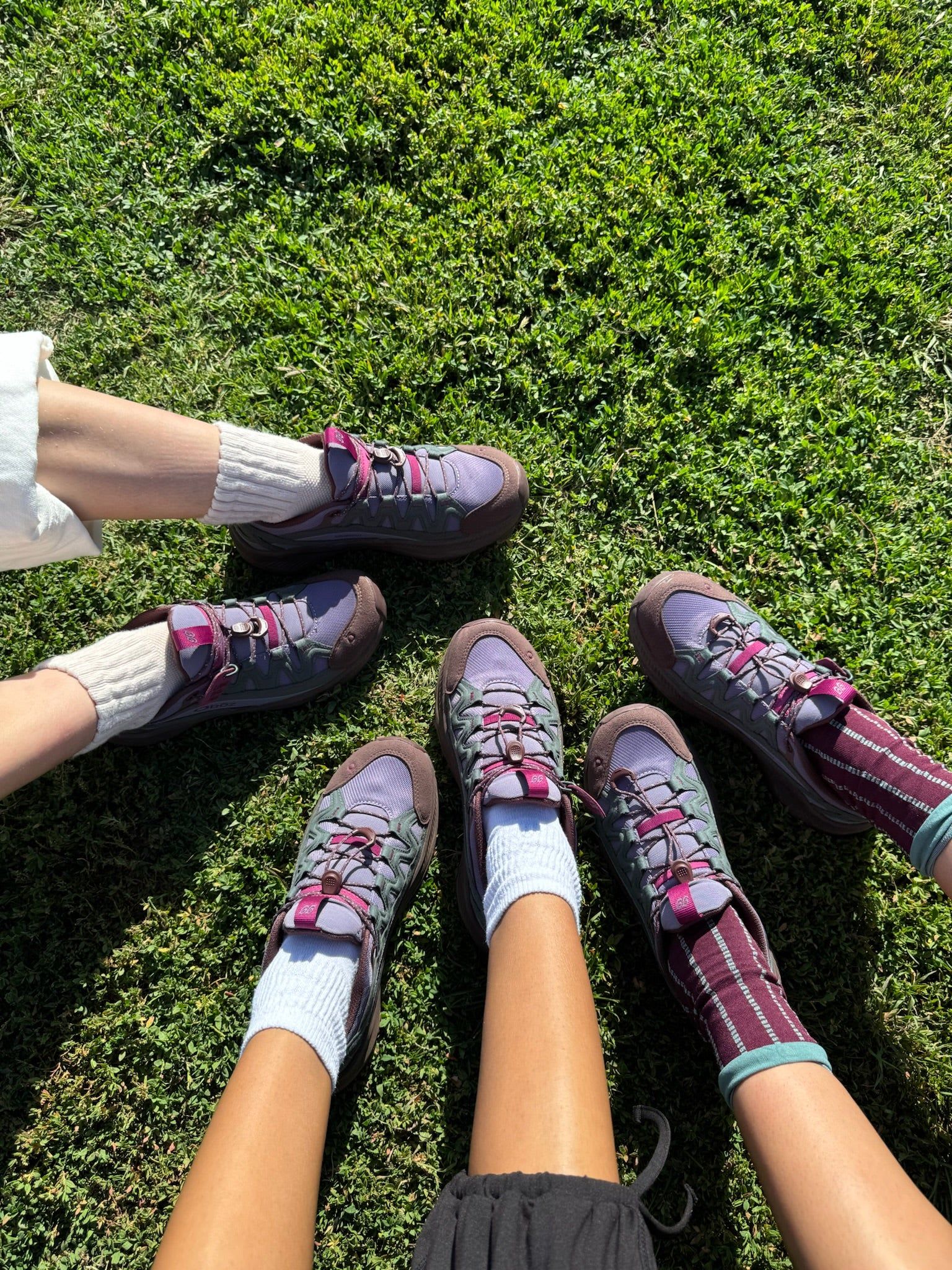
Oboz Crosscut
For years, Oboz earned a loyal following by building dependable hiking shoes that prioritized fit over flash. The Crosscut marks a new chapter.
Designed as a lightweight hiker that transitions seamlessly from trail to everyday wear, the Crosscut combines Oboz's signature anatomical fit with a more contemporary silhouette than many of the brand's traditional offerings. The result is a shoe that feels equally comfortable navigating local trails, traveling, or spending a full day on your feet—without looking overly technical.
While many brands chase ever-lighter weights or increasingly aggressive styling, Oboz focuses on something less glamorous but arguably more important: all-day comfort. That's evident from the moment you lace up the Crosscut.
Why we'd pay full price: Exceptional fit never goes out of style, and the Crosscut proves that comfort can still be one of the most innovative features a hiking shoe offers.
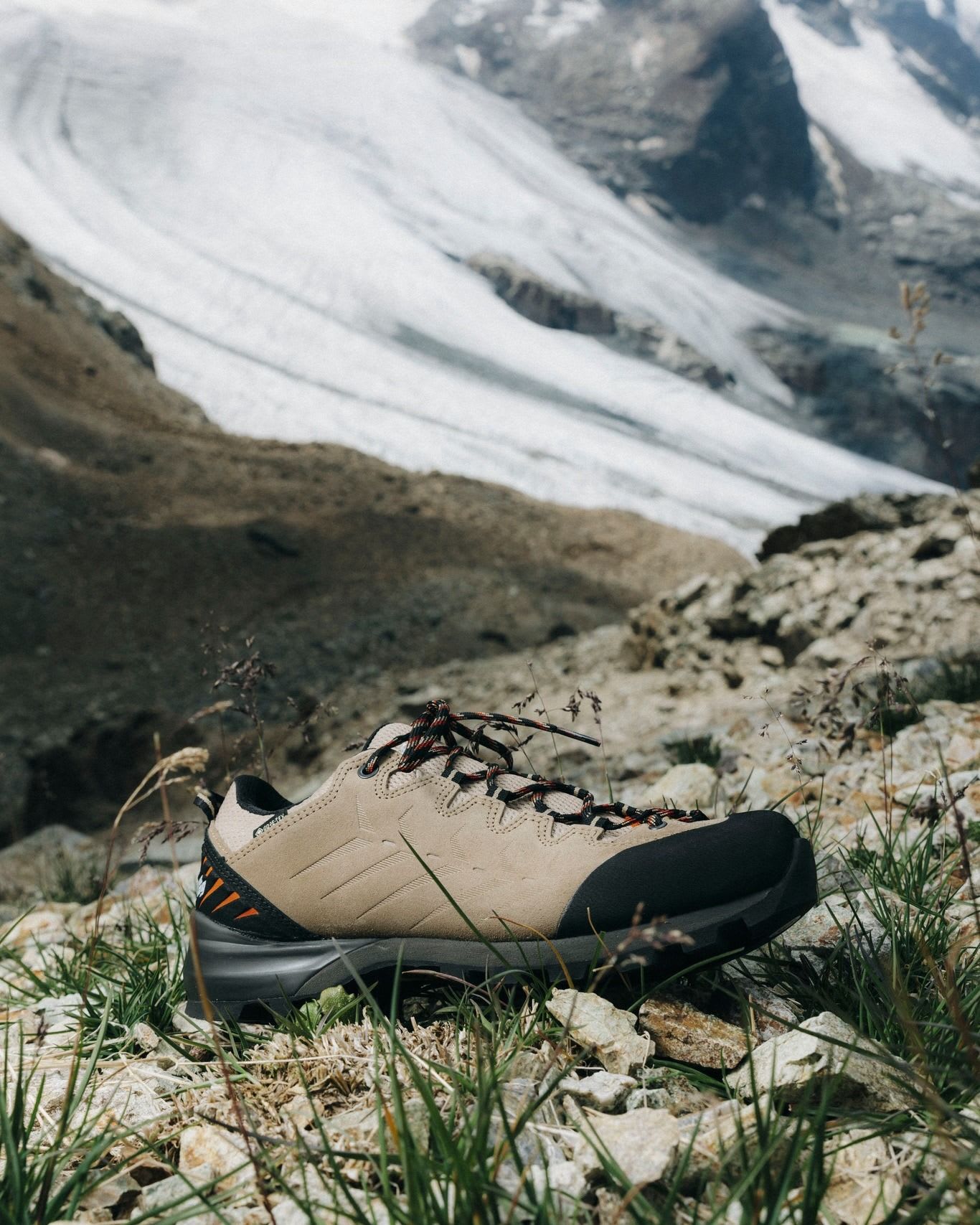
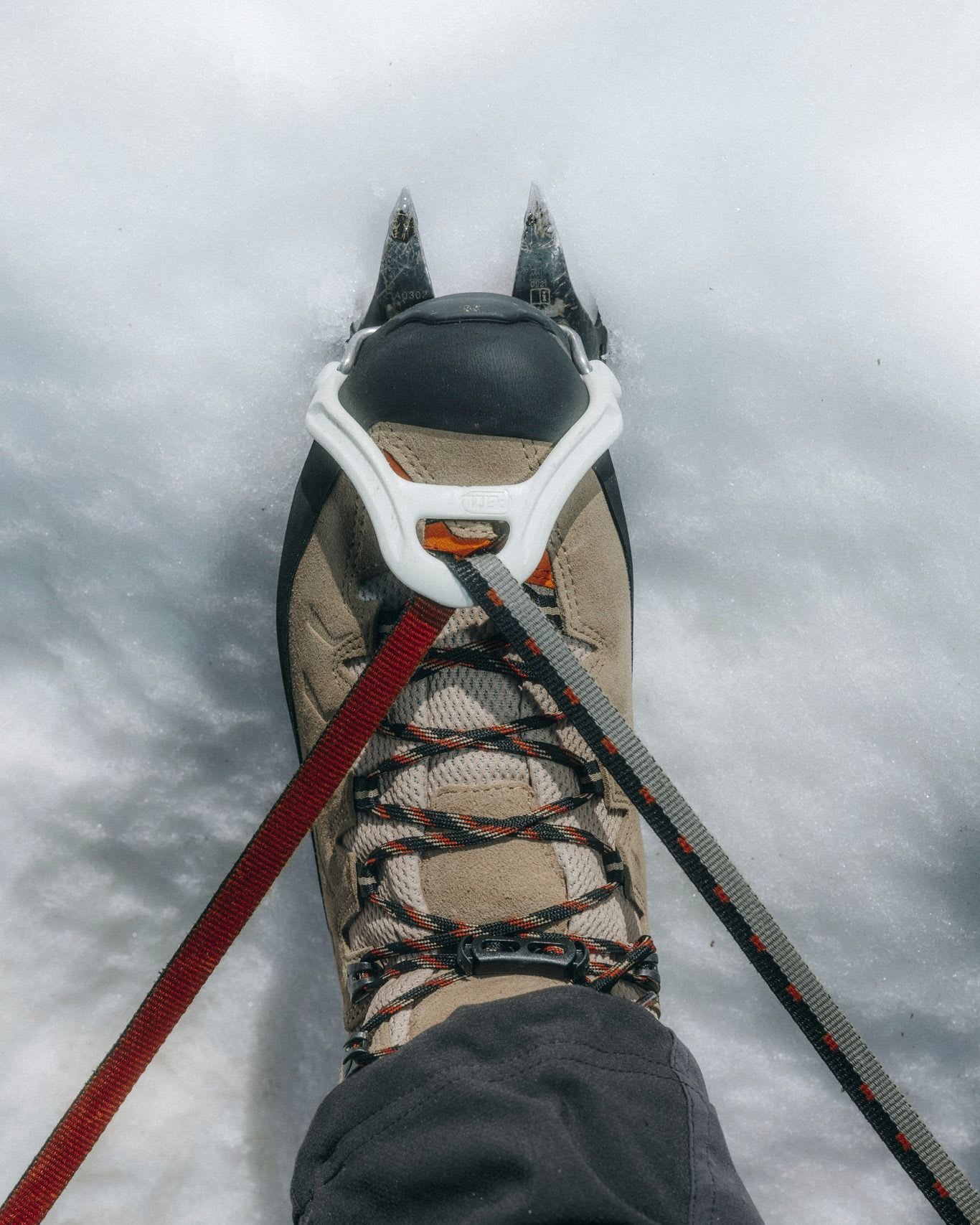
Hanwag Makra Pro Low GTX
Few companies know mountain footwear better than Hanwag.
The Makra Pro Low GTX blends the brand's century of bootmaking experience with a lighter, more agile approach to modern hiking. Precision lacing, premium leather, and a supportive yet responsive platform make it equally capable on alpine approaches and rugged day hikes.
Why we'd pay full price: Heritage craftsmanship never goes out of style.
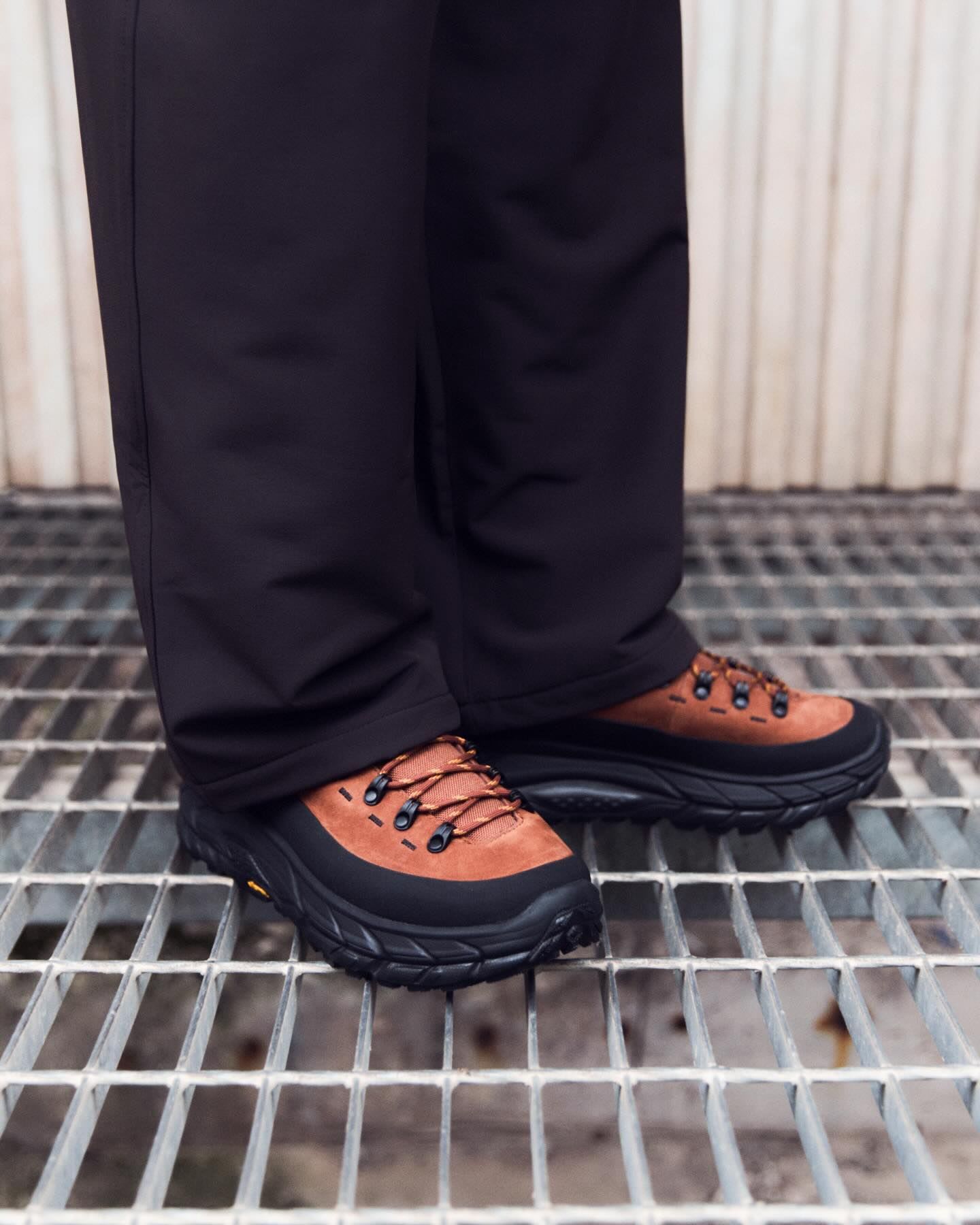
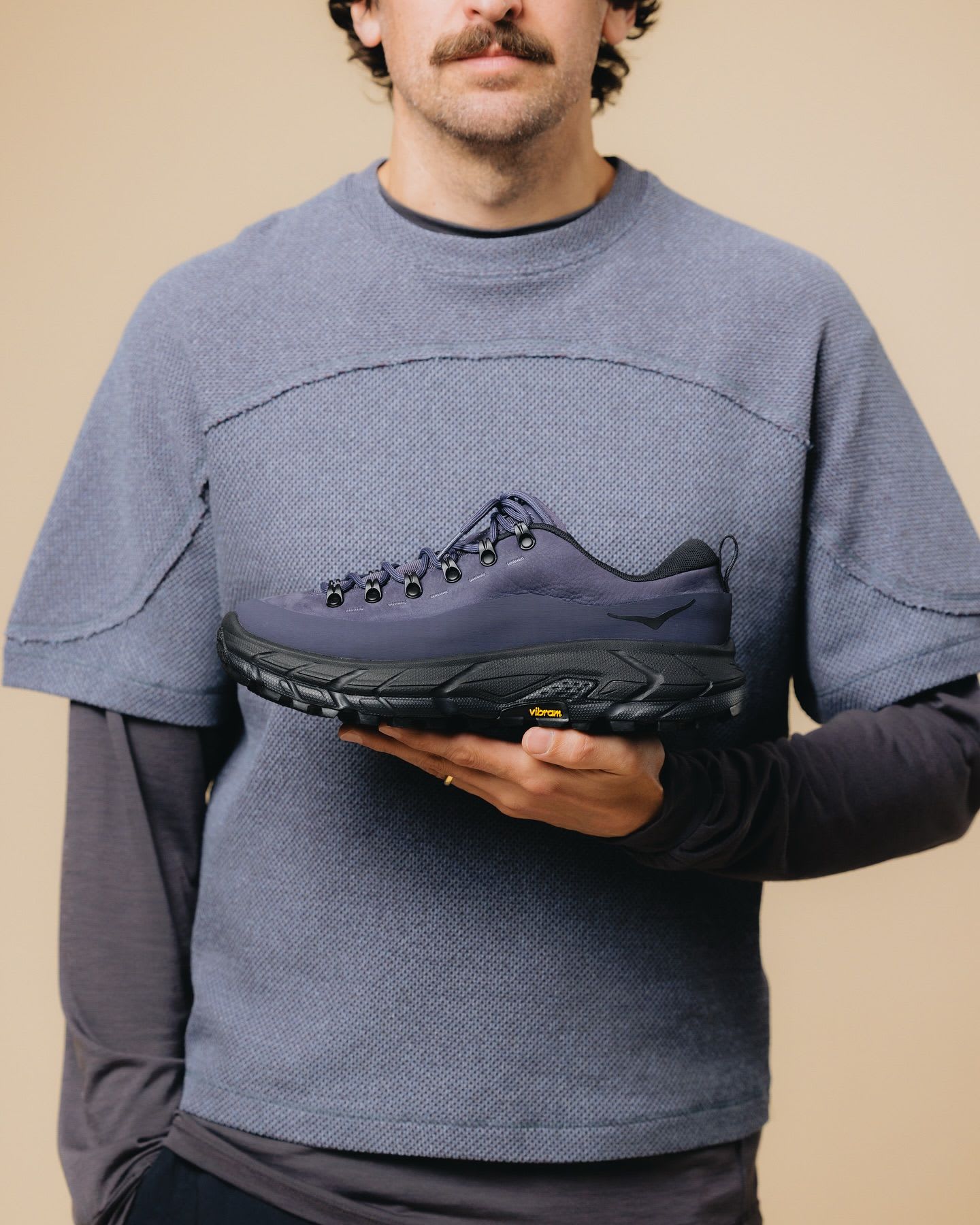
HOKA Tor Summit
The Tor Summit is one of HOKA's most interesting shoes—not because it's the lightest, but because it's among the most distinctive.
Drawing inspiration from archival mountaineering boots while incorporating the cushioning HOKA is known for, it bridges hiking, travel, and everyday wear better than almost any shoe on the market.
Why we'd pay full price: It's proof that comfort and character can coexist.
Vivobarefoot Tracker Forest ESC
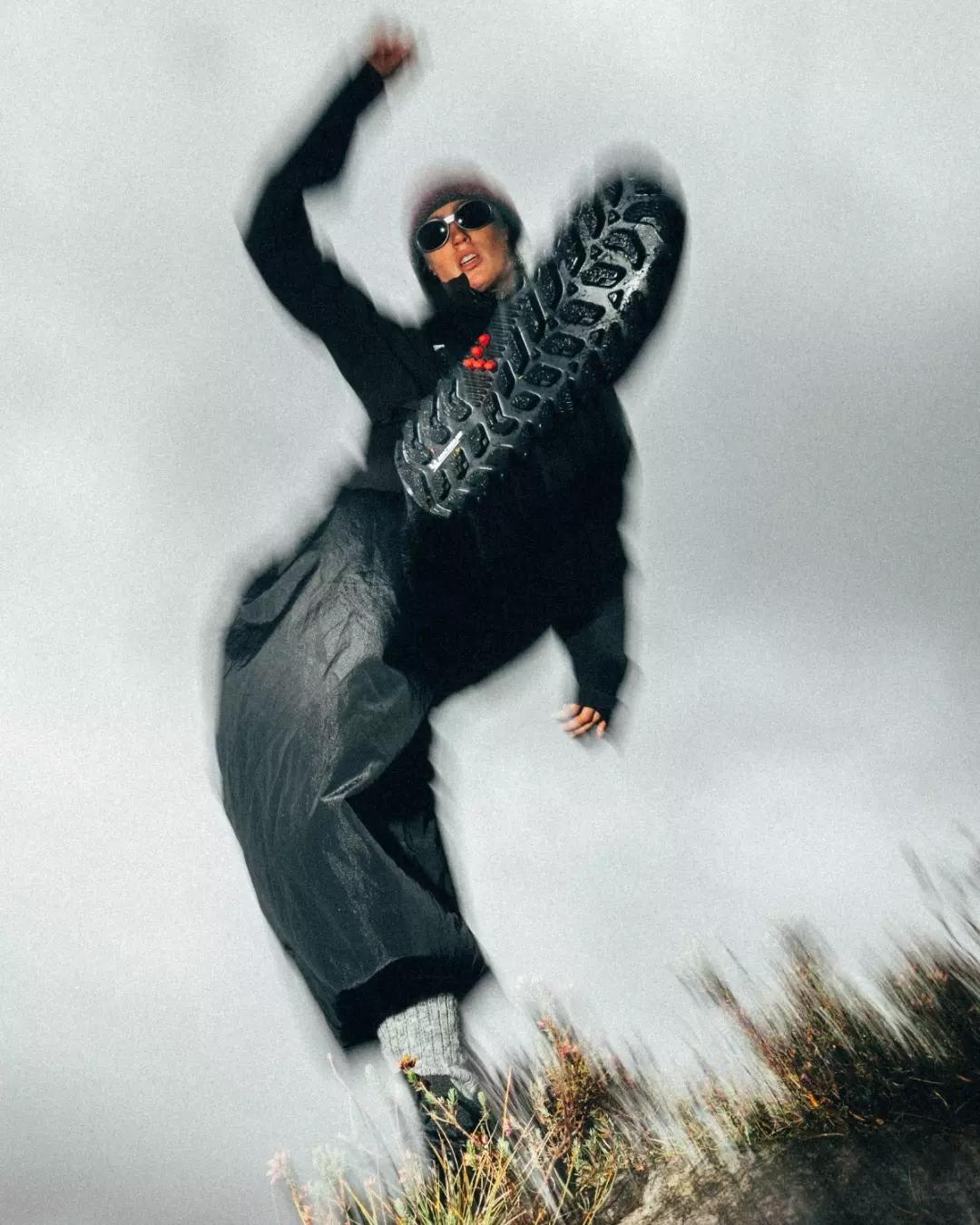
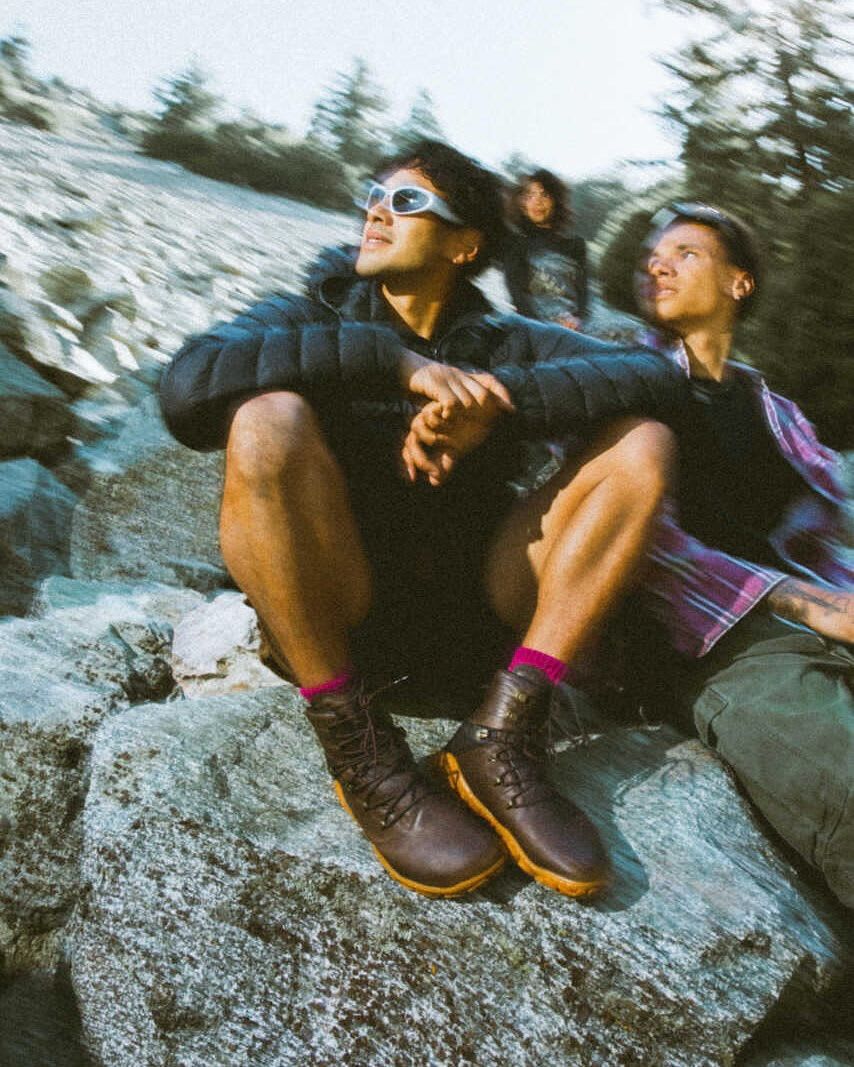
If most hiking shoes are designed to isolate you from the trail, the Tracker Forest ESC does the opposite.
Its barefoot platform, flexible sole, and wide toe box encourage natural movement while providing enough protection for technical terrain. It demands an adjustment period, but for experienced minimalist hikers, it offers an entirely different way to experience the outdoors.
Why we'd pay full price: No other hiking shoe feels quite like it.
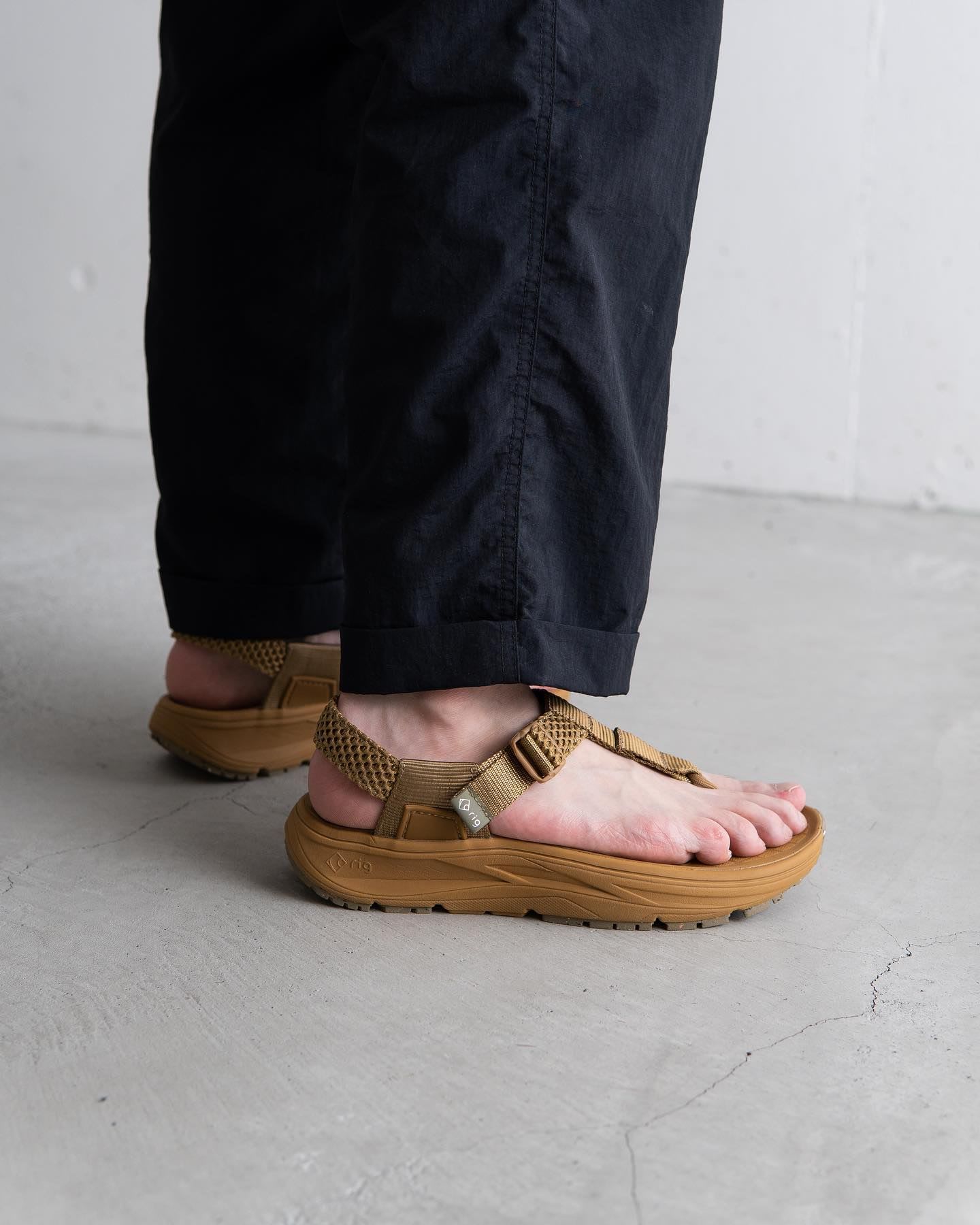
rig footwear mguu
Not every outdoor shoe needs to be worn while hiking.
The mguu has become one of the most respected recovery sandals in the outdoor world, using biomechanical research to reduce stress on tired feet after long days on the trail. Lightweight, supportive, and unmistakably Japanese in its restrained design language, it's become a staple at trailheads and campsites alike.
Why we'd pay full price: Recovery is part of every adventure.
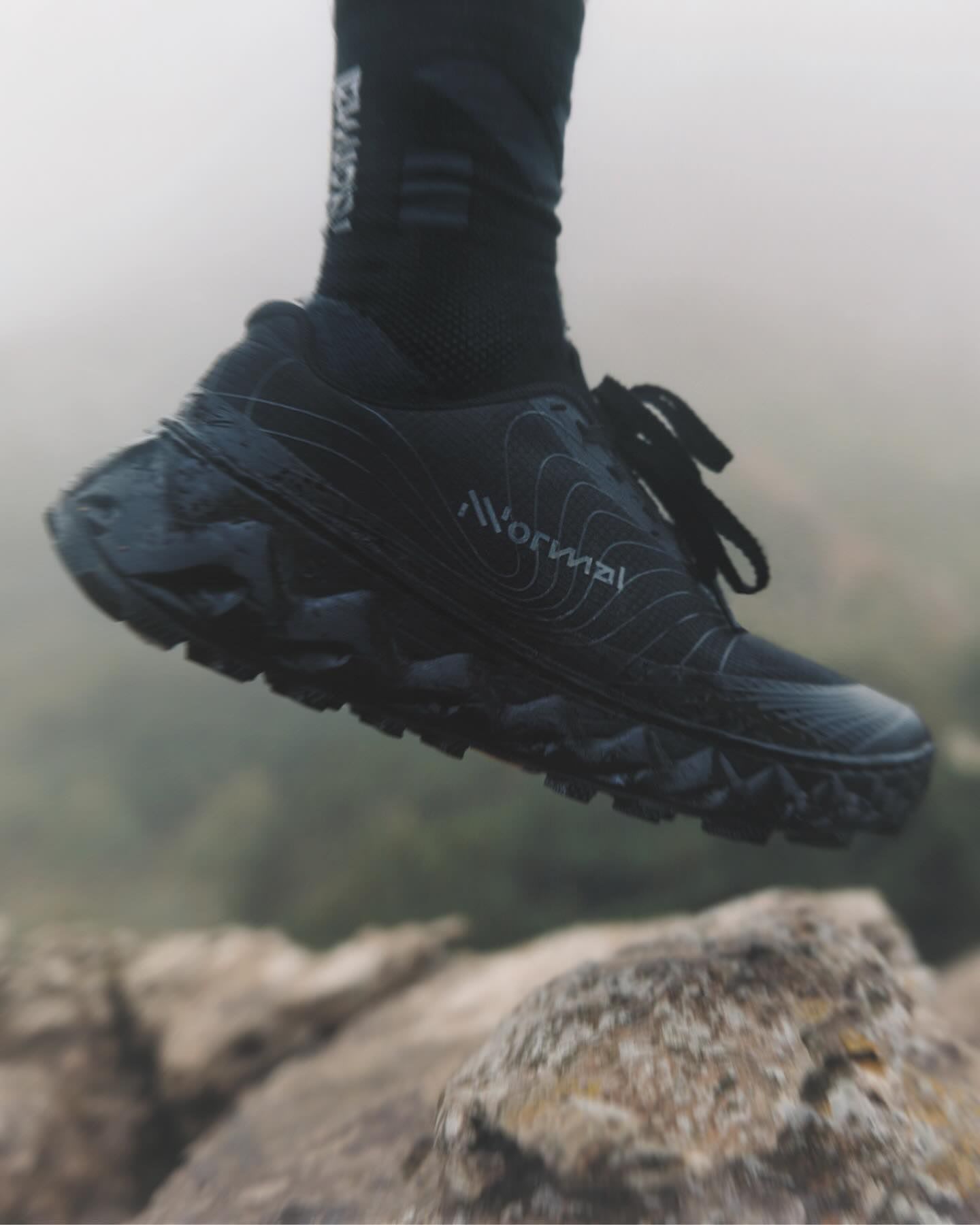
NNormal Tomir 2
Co-founded by Kilian Jornet, NNormal believes good footwear should stay in your rotation for years, not seasons.
The Tomir 2 embodies that philosophy with exceptional durability, dependable grip, and a balanced ride that feels equally comfortable on rocky trails, forest paths, and long-distance hikes. Rather than chasing the lightest possible weight, it prioritizes reliability.
Why we'd pay full price: It's designed to outlast trends—and probably several pairs of competitors.
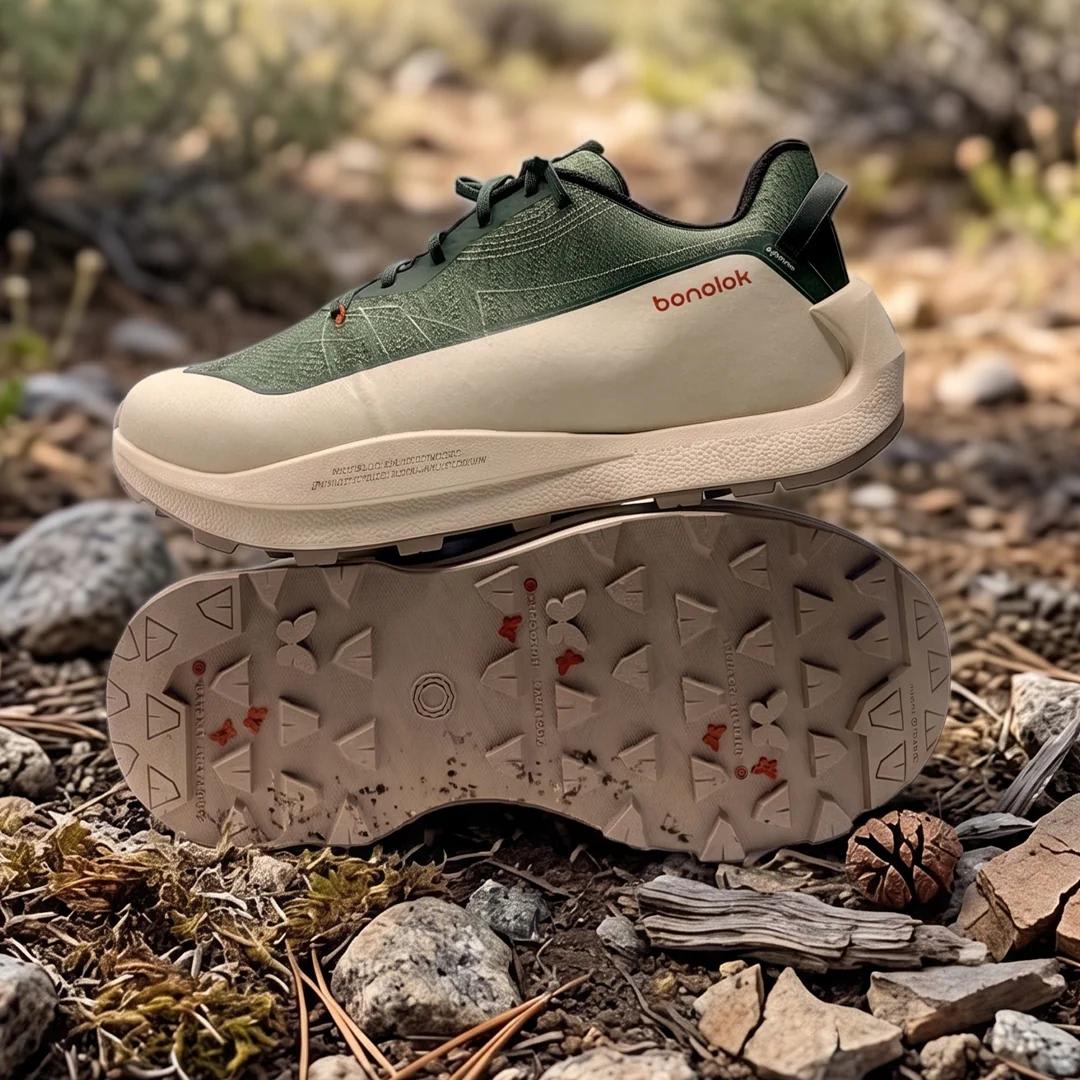
Bonolok (Brand to Watch)
Bonolok hasn't yet released the product that defines the brand, and that's exactly why we're paying attention.
Its early footwear concepts suggest a thoughtful approach to modern hiking design, combining clean aesthetics with performance-minded construction. While it's still too early to recommend a specific model, the direction is promising enough to earn a place on our watch list.
Why we're excited: The next great hiking shoe brand usually starts quietly.
Why They're Worth Full Price
Premium hiking shoes aren't expensive because they're exclusive.
They're expensive because someone obsessed over the details.
Whether it's Norda's use of Bio-Dyneema®, ROA's industrial design, Hanwag's century-old craftsmanship, Vivobarefoot's minimalist philosophy, or NNormal's commitment to longevity, each of these brands is pushing outdoor footwear in a different direction.
Collectively, they're reshaping what hikers expect from the category.
The best hiking shoes today aren't simply lighter or grippier than what came before. They're more intentional. They acknowledge that we move differently, travel differently, and increasingly expect one pair of shoes to carry us from city streets to alpine trails without missing a step.
That's the real innovation.
And sometimes, it's worth paying full price for.
No products available.
Related Articles
October 6, 2026
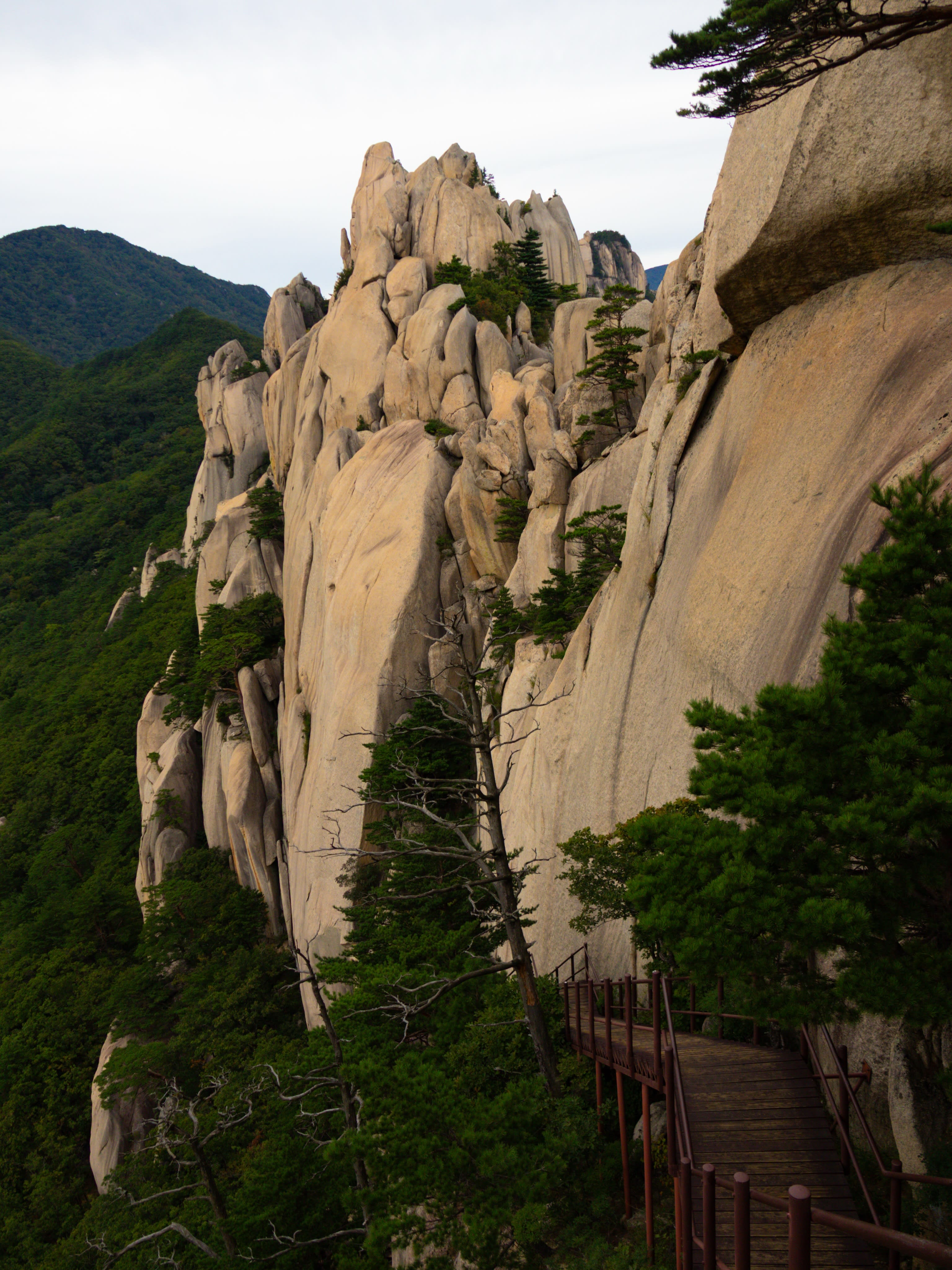
The Korean Outdoors: 8 Brands to Know
Korean outdoor design is having a moment. Meet the brands redefining hiking, climbing and technical clothing from the mountains to the streets of Seoul.
Read →
August 10, 2026
The Rise of China’s Independent Outdoor Brands
Explore the rise of China’s independent outdoor brands, from UPPERVOID and Aonijie to a new generation reshaping trail, snow, camping, and technical design.
Read →
August 4, 2026
The Future of Outdoor Hardware
The future of outdoor gear is in the details. Discover how independent brands are reinventing buckles, zippers, fasteners, and hardware through design.
Read →