
Beyond GORE-TEX: The New Generation of Weatherproof Materials
by Gene Han
For decades, GORE-TEX occupied a position few materials ever achieve. It became shorthand for an entire performance category—the way "Velcro" came to mean hook-and-loop fasteners or "Thermos" became synonymous with vacuum bottles. If a jacket kept you dry, many people simply assumed it was GORE-TEX.
The reputation wasn't accidental. GORE-TEX revolutionized outdoor apparel by combining waterproof protection with breathability in a way earlier rainwear couldn't. Climbers, mountaineers, backpackers, military units, and commuters alike trusted the familiar black diamond hangtag.

But today's outdoor industry looks very different than it did twenty years ago.
Brands have become more specialized. Sustainability has shifted from marketing language to product requirements. Consumers are demanding softer hand feel, quieter fabrics, PFAS-free chemistry, and materials optimized for specific activities rather than one-size-fits-all performance.
The result isn't the end of GORE-TEX.
It's the beginning of an incredibly competitive new generation of weatherproof technologies.


The Performance Problem
Keeping rain out sounds simple.
It's anything but.
Weatherproof fabrics must solve several conflicting problems simultaneously:
- Prevent external water from entering.
- Allow sweat vapor to escape.
- Resist abrasion.
- Stretch and move comfortably.
- Remain lightweight.
- Continue performing after years of use.
- Minimize environmental impact.
Improving one characteristic often compromises another.
A fabric that never leaks might trap heat.
One that breathes exceptionally well may wear faster.
One that feels soft enough for everyday use might sacrifice long-term durability under heavy packs.
Modern material development is less about finding a perfect membrane than making deliberate tradeoffs for specific users.

Why Everyone Started Building Their Own Membrane
In the past decade, nearly every major outdoor brand has invested heavily in proprietary waterproof technologies.
Some wanted greater design flexibility.
Others wanted better pricing or supply-chain independence.
Many were pursuing entirely PFAS-free constructions before regulations required them.
Instead of relying on a single supplier, brands began engineering fabrics around their own product philosophies.
The result is remarkable diversity.


Futurelight — Nanospun Breathability
The North Face introduced Futurelight using nanospinning technology rather than traditional membrane construction.
Instead of a continuous film, millions of microscopic fibers create an air-permeable structure that allows significantly more airflow while remaining waterproof.
The result feels noticeably softer and less "plastic" than many traditional shells.
Futurelight works particularly well during high-output activities like fast hiking, ski touring, and alpine climbing where overheating is often a bigger problem than rainfall.
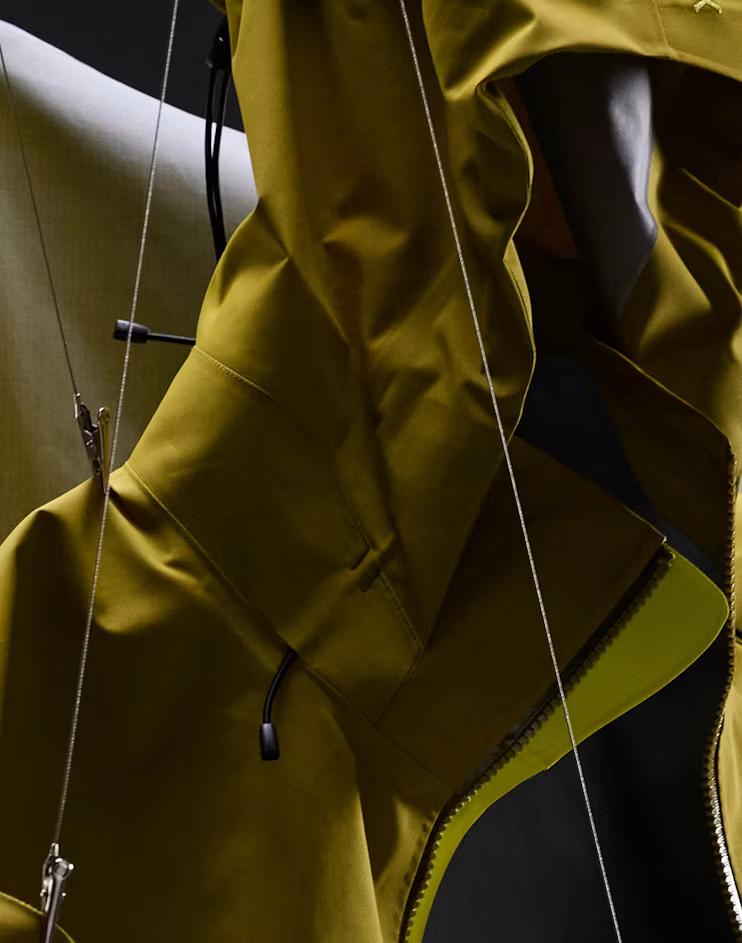
AscentShell — Built for Movement
Outdoor Research developed AscentShell around electrospinning technology.
The material excels during sustained aerobic movement because it continuously vents moisture rather than waiting for humidity differences to build inside the garment.
Users often describe AscentShell as feeling closer to a softshell than a conventional rain jacket.
That comfort has made it especially popular among climbers and backcountry skiers.

Pertex Shield Air — Maximum Airflow
Pertex approached waterproofing from another angle.
Rather than simply increasing moisture transport, Shield Air dramatically improves air permeability.
The membrane continuously exchanges air while maintaining waterproof performance, making it particularly comfortable during long climbs or trail running.
Brands focused on mountain athletics increasingly use Shield Air when minimizing internal condensation matters more than achieving the highest laboratory waterproof ratings.


ePE GORE-TEX — Evolution Rather Than Reinvention
Even GORE-TEX has changed.
Its latest generation replaces traditional expanded PTFE membranes with an expanded polyethylene (ePE) construction across much of its product line.
The goal wasn't simply environmental improvement.
The new membrane reduces material usage, lowers carbon emissions during manufacturing, and eliminates intentionally added PFAS from the membrane itself while maintaining the performance users expect.
Rather than standing still, GORE-TEX is evolving alongside the industry it helped create.

Sympatex — Circular Thinking
Long before sustainability became fashionable, Sympatex focused on recyclable waterproof membranes.
Unlike microporous membranes, Sympatex uses a hydrophilic construction that transports water vapor chemically instead of through microscopic pores.
Because there are no pores to clog with dirt or oils, long-term performance can remain remarkably consistent with proper care.
Its polyester-based construction also makes recycling significantly easier.

NeoShell Still Has Its Fans
Polartec introduced NeoShell years before highly breathable membranes became common.
Although newer competitors have emerged, NeoShell continues to earn loyal users thanks to its combination of stretch, quiet face fabrics, and impressive breathability.
For many alpine guides, comfort during twelve-hour days matters more than headline waterproof numbers.
NeoShell remains one of the benchmark materials in that conversation.


Waterproof Doesn't Mean Sustainable
One of the biggest shifts happening today isn't membrane technology.
It's chemistry.
Historically, durable water repellents relied heavily on long-chain fluorinated chemicals (PFAS), often called "forever chemicals."
These coatings helped water bead beautifully on fabric surfaces but created significant environmental concerns because they break down extremely slowly.
Across the industry, brands are rapidly transitioning toward PFAS-free DWR treatments and redesigning garments around new chemistries.
Consumers may notice water behaving differently than older jackets.
That doesn't necessarily mean the membrane has failed.
In many cases, only the surface treatment needs refreshing through washing and reproofing.
The future of weatherproof apparel depends as much on finishing chemistry as membrane innovation.

The Rise of Activity-Specific Shells
Perhaps the biggest change isn't technological.
It's philosophical.
Instead of creating one jacket for every adventure, brands increasingly build weatherproof systems around specific movement patterns.
Trail runners want lightweight air permeability.
Climbers prioritize harness compatibility and abrasion resistance.
Bikepackers value packability.
Urban commuters want quiet fabrics and understated aesthetics.
Backcountry skiers need constant moisture management during long ascents.
Rather than searching for the single "best" waterproof material, designers now optimize fabrics around particular experiences.
The shell becomes another piece of specialized equipment.


Independent Brands Pushing Material Innovation
Some of the most exciting applications of modern waterproof textiles are coming from independent brands that aren't constrained by decades of legacy design.
Norrøna has become one of the earliest adopters of GORE-TEX ePE across its mountain collections, pairing the new membrane with repairable construction and recycled face fabrics. Rather than treating sustainability as an afterthought, the Norwegian brand has integrated lower-impact materials throughout its technical outerwear while maintaining expedition-level performance.

Japanese label Goldwin blends GORE-TEX ePE with minimalist design, producing shells that transition seamlessly between mountain environments and everyday city life. The emphasis is less on aggressive alpine styling and more on refined construction, quiet fabrics, and timeless silhouettes.


Marmot Capital, the Japanese design-led line from Marmot, reimagines the brand's technical heritage through a lifestyle lens, blending archival outdoor silhouettes with contemporary tailoring and elevated materials. The collection reflects a broader shift across the outdoor industry: weatherproof materials are no longer reserved solely for summit-ready shells—they're increasingly being integrated into garments designed for commuting, travel, and urban life, where comfort, versatility, and understated aesthetics are just as important as protection from the elements.

British outerwear specialist Montane has embraced Pertex Shield Air in pieces designed for fastpacking, mountain running, and long-distance hiking. By prioritizing air permeability over simply increasing waterproof ratings, Montane's lightweight shells are built for movement rather than standing still in a storm.
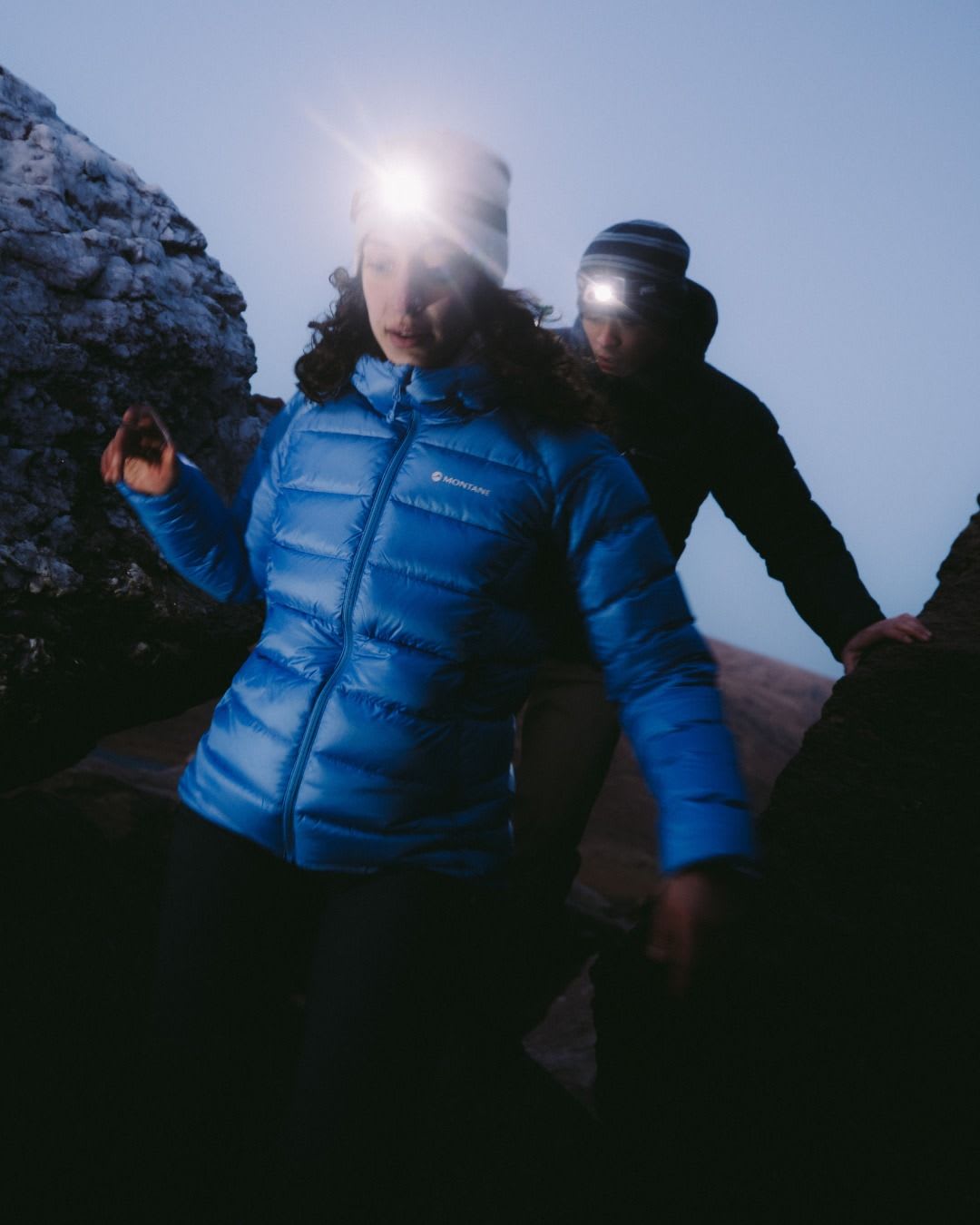

Rab has also expanded its use of Pertex Shield Air, particularly in alpine and fast-and-light collections where breathability becomes just as important as weather protection during long ascents.

Canadian mountain brand Arc'teryx continues to refine GORE-TEX ePE across key products while focusing equally on garment engineering. Precision patterning, laminated construction, and highly articulated fits demonstrate that the membrane is only one component of overall weatherproof performance.


American climbing company Outdoor Research remains the flagship user of AscentShell, building everything from alpine jackets to ski shells around its electrospun membrane. The material's soft feel and exceptional breathability have made it particularly popular among climbers and backcountry skiers who spend as much time ascending as descending.

Klättermusen continues experimenting with bio-based polyamides and exceptionally durable shell constructions that prioritize longevity over minimal weight.

German mountain brand Ortovox has increasingly combined Dermizax NX membranes with merino wool insulation and linings, creating shells that naturally regulate temperature while offering waterproof protection. The pairing reflects the company's philosophy that comfort begins with moisture management, not simply blocking rain.

Meanwhile, newer labels continue experimenting with quieter face fabrics, recycled laminates, mono-material constructions, and repair-first product philosophies that extend garment life.
Increasingly, innovation isn't just measured by waterproof ratings.
It's measured by how long products remain useful.

Choosing the Right Waterproof Jacket
Spec sheets can make every fabric sound revolutionary.
The better question is simpler:
What do you actually do outside?
If you run, prioritize breathability.
If you climb, look for durability and mobility.
If you travel, consider weight and packability.
If you wear one jacket every day, comfort, quiet fabrics, and repairability may matter more than laboratory waterproof numbers.
The best weatherproof material isn't necessarily the newest.
It's the one designed around your movement.


The Future Is About Balance
GORE-TEX didn't disappear.
It simply stopped being the only answer.
Today's outdoor industry has matured into something healthier: a landscape where multiple technologies compete, improve, and specialize.
That competition is producing lighter shells, quieter fabrics, cleaner chemistry, greater comfort, and increasingly sustainable manufacturing.

The next decade of waterproof apparel likely won't be defined by one breakthrough membrane.
Instead, it will be shaped by dozens of materials solving different problems in smarter, more thoughtful ways.
For designers, that's exciting.
For anyone who spends time outside, it's even better.
Related Articles

August 10, 2026
The Rise of China’s Independent Outdoor Brands
Explore the rise of China’s independent outdoor brands, from UPPERVOID and Aonijie to a new generation reshaping trail, snow, camping, and technical design.
Read →
August 4, 2026
The Future of Outdoor Hardware
The future of outdoor gear is in the details. Discover how independent brands are reinventing buckles, zippers, fasteners, and hardware through design.
Read →
July 30, 2026
Why Every Great Outdoor Town Has One Legendary Sandwich Shop
Discover why every great outdoor town has a legendary sandwich shop, from Bishop and Chamonix to Girona and Canmore. Explore the independent bakeries, delis, and cafés that fuel adventure and define outdoor culture.
Read →