
Blue Monte: The New Geography of Outdoor Culture
by Mateo Moreno
Not long ago, outdoor apparel followed a predictable map.
The most influential brands came from the mountains of North America, the fjords of Scandinavia, or the alpine villages of Europe. Innovation flowed in one direction, and the rest of the world largely followed.
That map is changing.

Over the last decade, a new generation of outdoor brands has quietly emerged across Asia, bringing with them a different perspective on performance, aesthetics, and everyday life. Rather than separating the city from nature, they treat both as part of the same landscape.
Among the most interesting of these brands is Blue Monte.
Founded in China in 2020 by the team behind NOTHOMME, Blue Monte set out with a deceptively simple idea: remove the boundary between urban life and the outdoors. Instead of asking people to change wardrobes when they leave the city, the brand designs clothing meant to move naturally between commuting, travel, hiking, climbing, and everyday life. It's a philosophy that has become increasingly relevant as modern outdoor culture becomes less about destination adventures and more about integrating time outside into daily routines.


Performance Without Looking Like Performance
For years, technical apparel has relied on visual shorthand. Laminated zippers, oversized logos, articulated seams, and aggressive color blocking became signals that a garment belonged in the outdoors.
Blue Monte takes a quieter approach.
Its collections lean into relaxed silhouettes, restrained color palettes, and subtle detailing borrowed as much from contemporary Japanese fashion as traditional mountaineering. The technical features remain—UV protection, breathable fabrics, waterproof shells, merino wool, COOLMAX®, Pertex®, PrimaLoft®, and proprietary materials like FROGAERO™—but they're integrated rather than advertised.
The result isn't "fashion pretending to be technical."
It's technical clothing designed to feel at home almost anywhere.

The Rise of Chinese Outdoor Design
Blue Monte also represents something larger than a single brand.
China's outdoor market has matured at remarkable speed, creating an environment where domestic companies can invest heavily in original design, materials, and retail experiences rather than simply manufacturing products for Western labels.
That evolution is visible throughout Blue Monte's growth.
After launching online, the company rapidly expanded across China, opening flagship stores before growing to a nationwide retail footprint. The broader brand ecosystem has accumulated millions of followers, while Blue Monte itself has expanded into Japan, signaling ambitions well beyond its home market.
As more independent outdoor brands emerge from Asia, they're bringing perspectives shaped by dense cities, efficient public transportation, changing work cultures, and outdoor recreation that's often woven into everyday life rather than reserved for weekends.
Those experiences naturally produce different products.


Designing for Modern Movement
Blue Monte frequently describes its products through scenarios rather than sports.
Walking through the city.
Weekend hiking.
Cycling.
Climbing.
River tracing.
Travel.

Rather than forcing customers into narrowly defined categories, the brand acknowledges something increasingly common: people rarely do just one thing anymore.
The same jacket might spend the morning on a train platform, the afternoon on a forest trail, and the evening in a neighborhood café.
This isn't a compromise between fashion and function.
It's recognition that modern movement rarely fits neatly into a single discipline.

Quiet Confidence
Perhaps the most compelling thing about Blue Monte is what it doesn't try to do.
It doesn't build its identity around expedition heritage.
It doesn't rely on nostalgia.
It doesn't need to imitate established Western outdoor brands.
Instead, it reflects a generation that grew up with equal exposure to technical innovation, contemporary design, and global culture. Its products feel informed by all three without being dominated by any of them.
That confidence may ultimately become Blue Monte's defining characteristic.

As outdoor culture continues shifting toward versatility, design, and everyday usability, brands like Blue Monte suggest the industry's next chapter won't simply come from the traditional centers of outdoor innovation.
It will come from new places with new perspectives—and a broader understanding of what it means to live outdoors.
Sometimes the future of outdoor apparel isn't found deeper in the mountains.
Sometimes it's found in the space between the trail and the city.
No products available.
Shop Blue Monte on WeekEnds today.
Related Articles
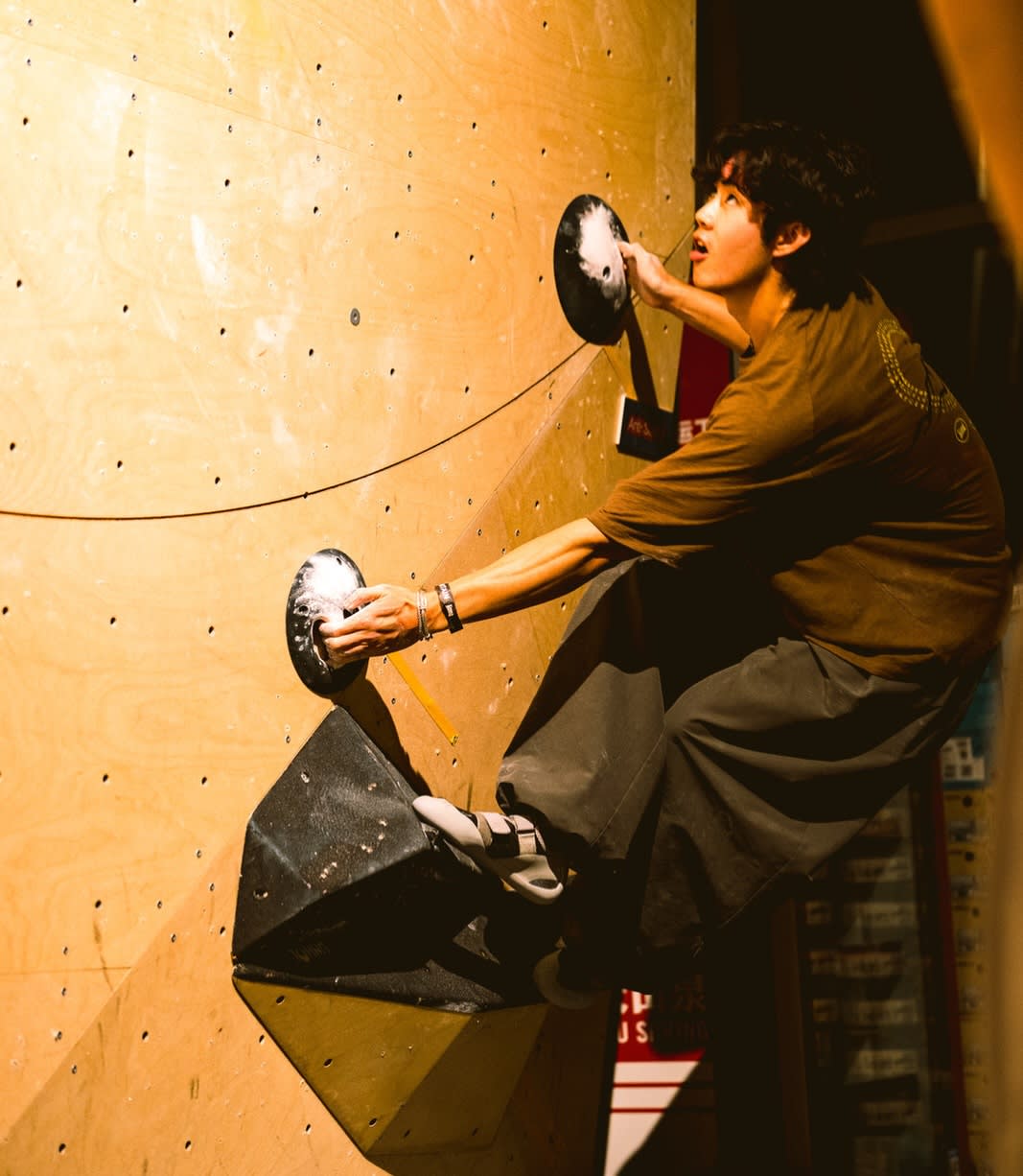
September 17, 2026
Saturn LA Is Building Outdoor Clothing From the Outside In
Saturn LA founder Ryan Cheung talks climbing, streetwear, Chinese outdoor design, independent brands, and the future of technical clothing on WeekEnds WeekDay
Read →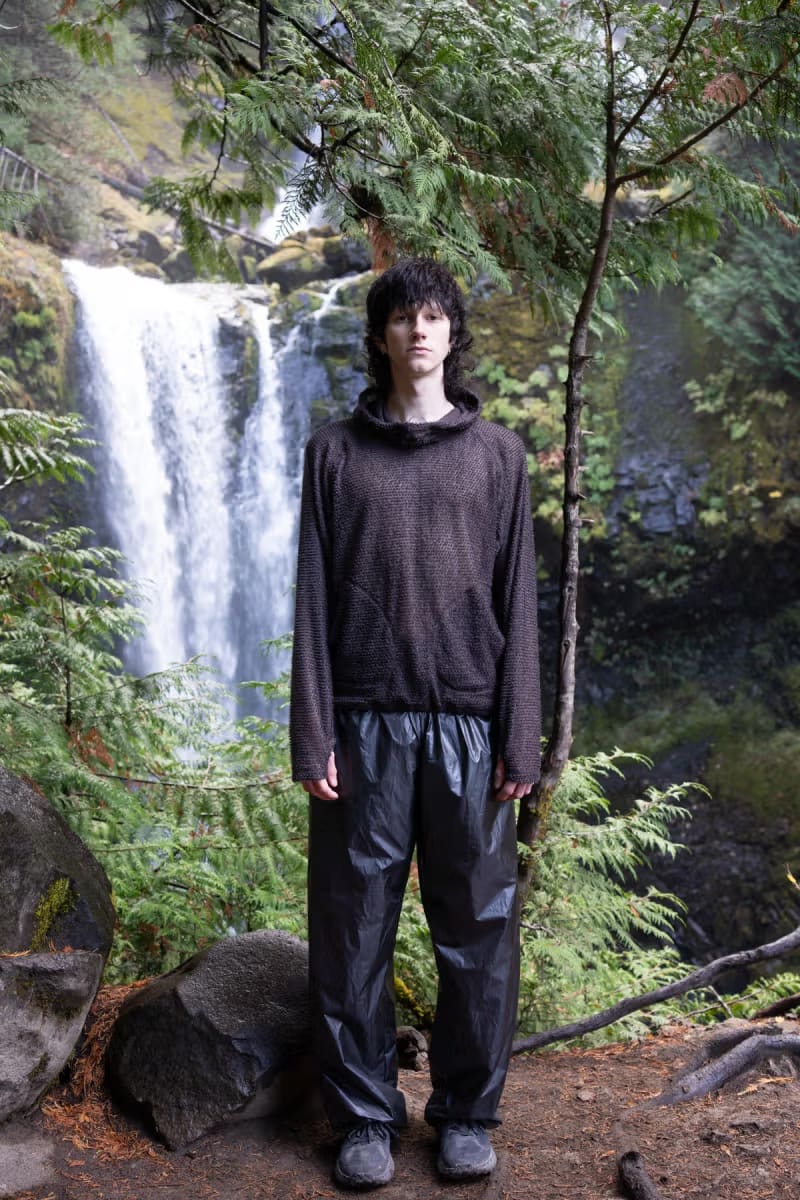
September 16, 2026
The People Designing the New Outdoors
Meet the designers, makers, editors and community builders reshaping outdoor culture, from Gnuhr and CAYL to Field Mag, USAL. Goodlids and more.
Read →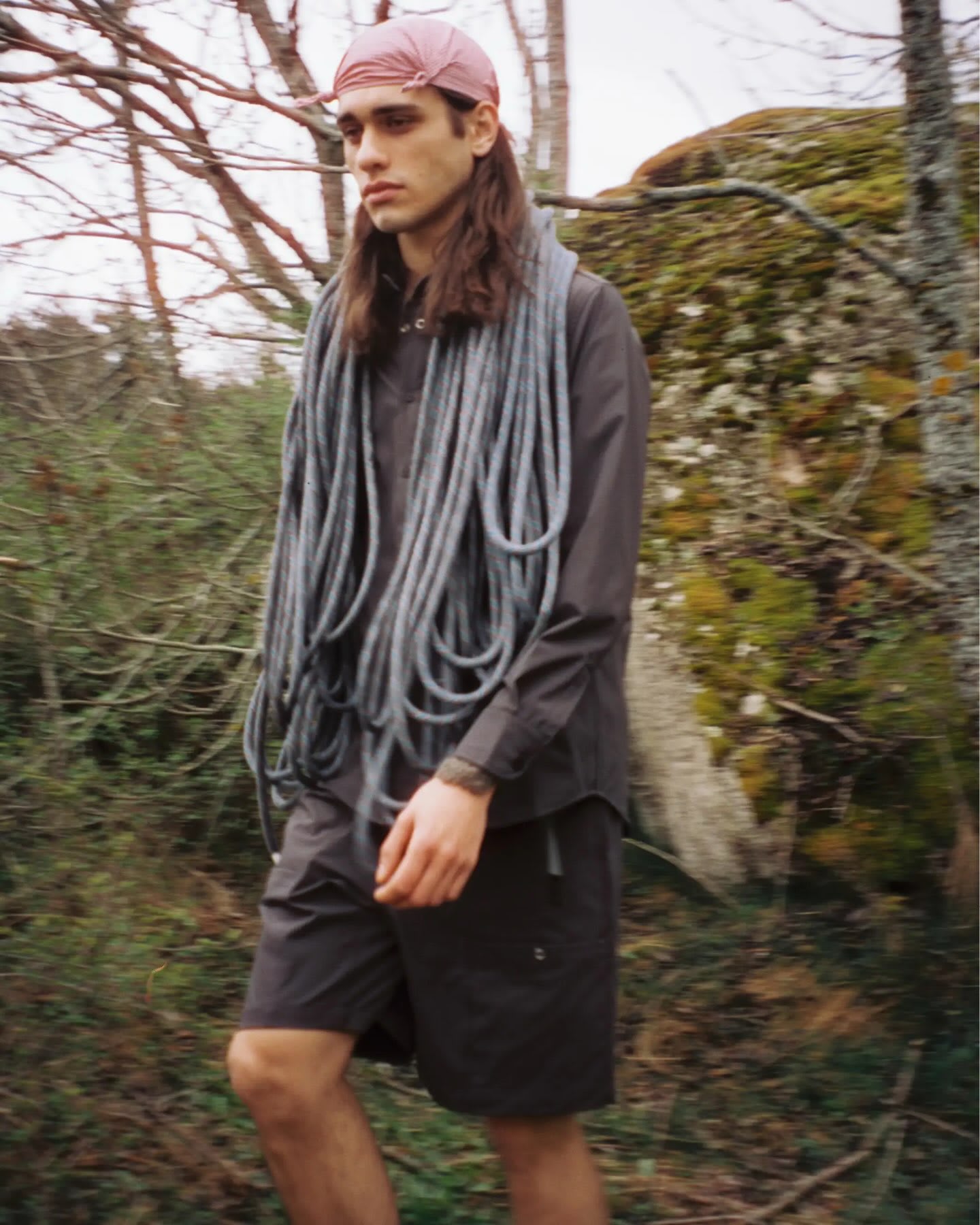
September 15, 2026
AMUNT Treats Outdoor Clothing as an Ongoing Field Study
Barcelona-based AMUNT develops technical mountain apparel through Field Studies, real-world testing and community feedback, connecting clothing, culture and life outdoors.
Read →