
The Return of the General Store
by Derek Siegel
There was a time when every town had one.
Not a flagship. Not a concept store. Not a showroom.
A general store.
You'd stop in for a bag of coffee, a new pair of work gloves, fishing tackle, a map, or simply because someone inside knew the answer to whatever question you had.
The inventory wasn't endless. It was intentional.
More importantly, the store belonged to its community.
For a while, it seemed like that model had disappeared. Big-box retailers expanded. E-commerce promised infinite choice. Algorithms replaced recommendations. Convenience won.
Yet across the outdoor world, a new generation of retailers is quietly bringing the general store back.
Not by recreating the past—but by reimagining it.
They're building businesses that could only exist where they do, turning geography, local culture, and neighborhood relationships into their greatest competitive advantage.
The most compelling independent retailers today don't aspire to be everywhere.
They aspire to be indispensable somewhere.
Their products matter because the sense of place is what keeps people coming back.
A Little Bit of Everything
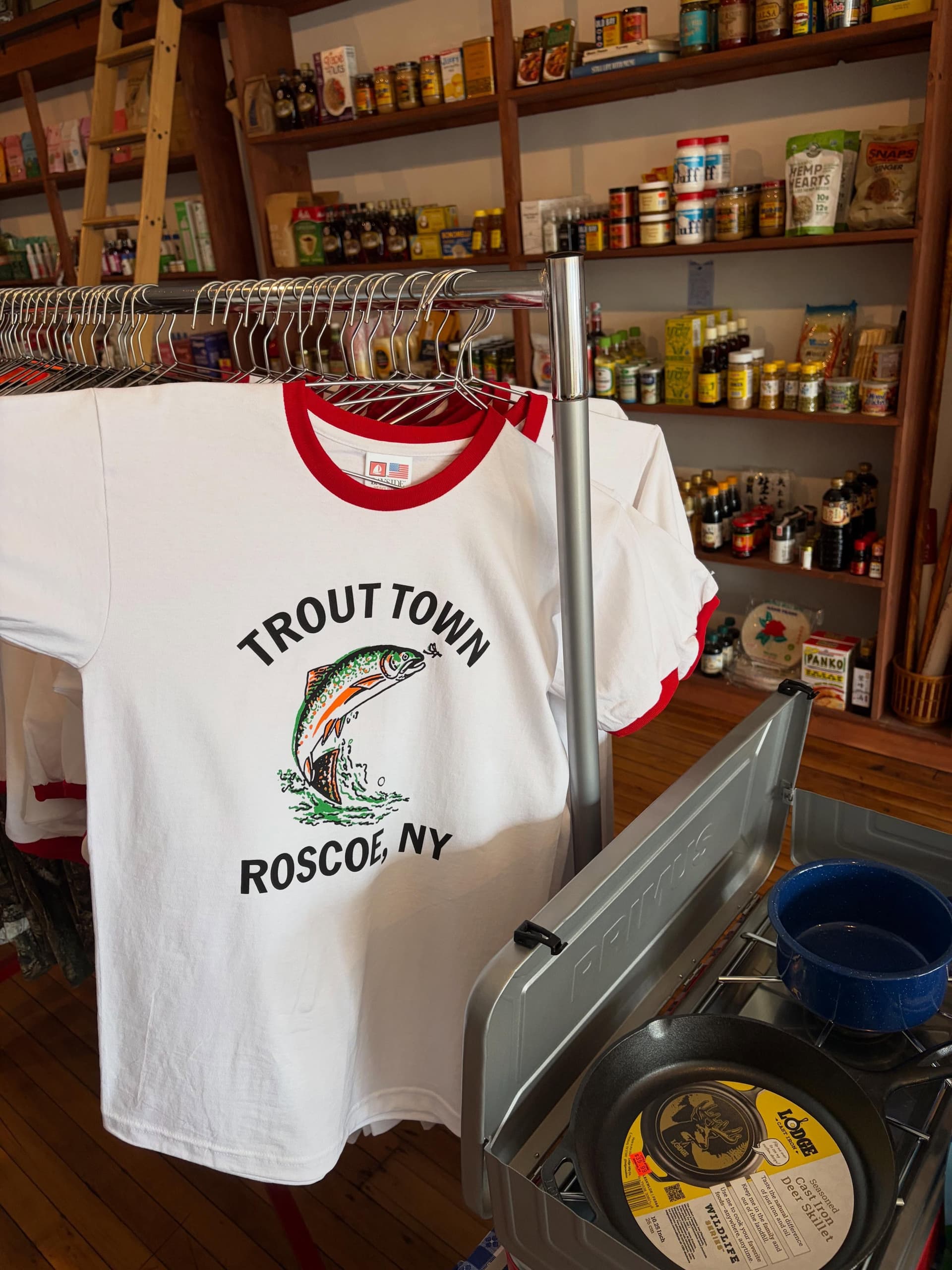
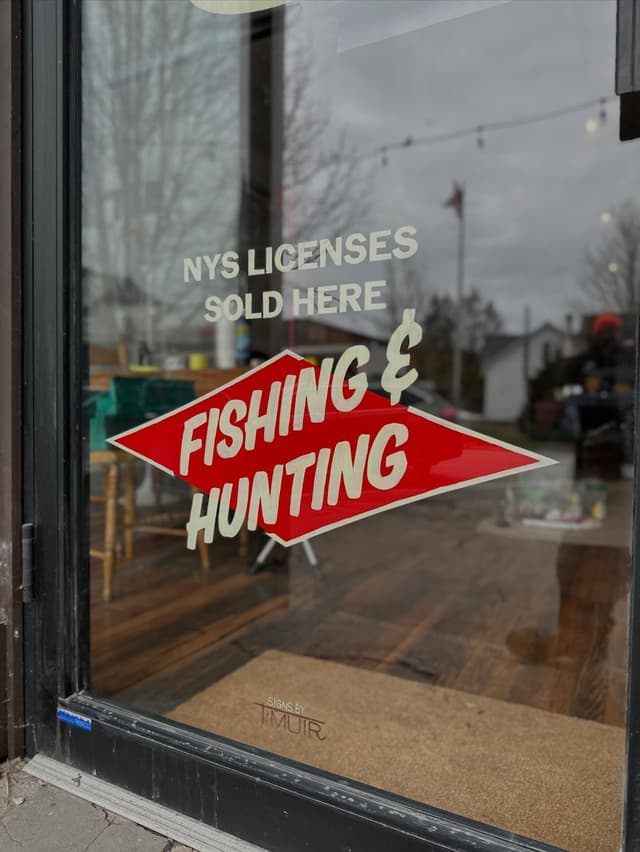
In Roscoe, New York—a Catskills town closely associated with fly fishing—the recently revived Little Store offers the kind of assortment that once defined the American general store: camping equipment, fishing supplies, snacks, cards, gifts, fudge, and other things someone might need for a weekend in town or a day near the river. Its original incarnation served Roscoe for decades, selling everything from fishing licenses and camping gear to toys, comics, crafts, and house-made fudge. The reopened shop is not inventing a new concept so much as restoring a role the town already understood.
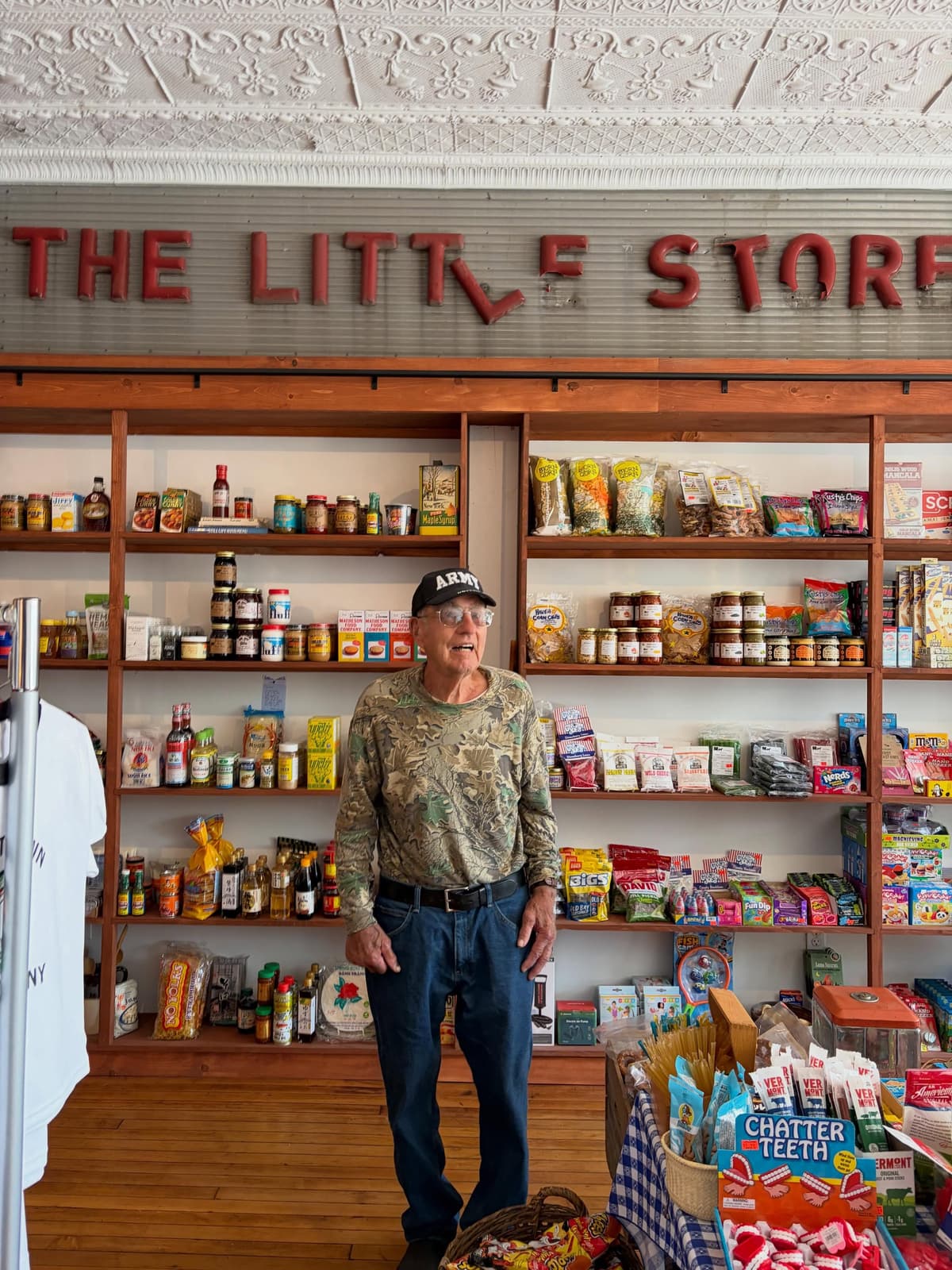
That breadth is important.
Most modern retail is organized around specialization. A running store sells running equipment. A bookstore sells books. A grocer sells food. A design shop sells objects for the home.
The general store begins with a different question:
What belongs together in the life of the person who lives here?
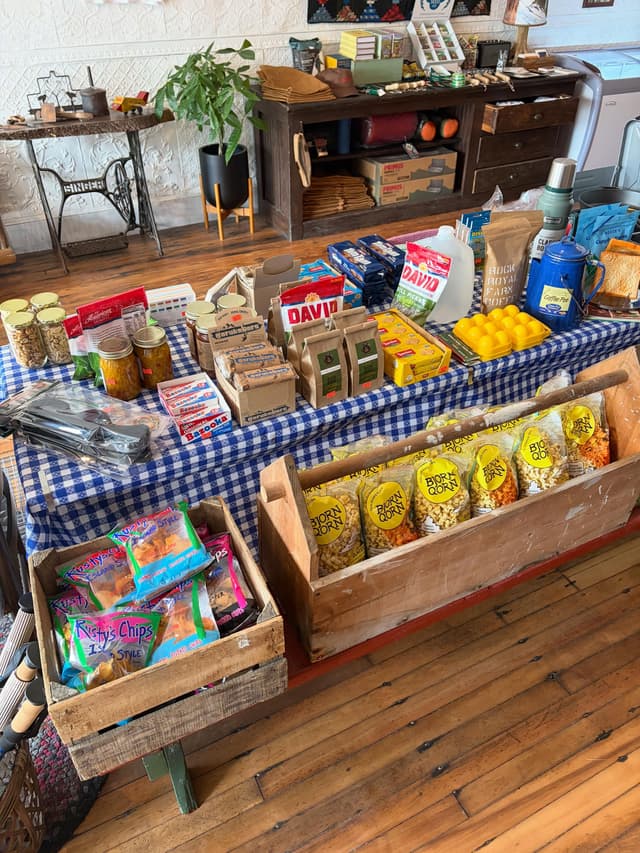
A headlamp can sit beside a jar of local honey. A technical jacket can share a shelf with a field guide. Coffee, ceramics, magazines, fishing flies, candles, maps, children’s toys, and emergency rain ponchos can coexist without needing to fit neatly into the same product category.
The assortment is unified by context rather than taxonomy.
Less Inventory. Better Curation.
Modern consumers don't necessarily want more options.
They want better ones.
Walking into many outdoor retailers today often means facing walls of nearly identical jackets, shoes, water bottles, and backpacks. Choice becomes exhausting instead of empowering.
The new general store takes the opposite approach.
Instead of carrying fifty brands, it may carry ten.
Instead of every product category imaginable, it stocks the products its team actually believes in.
That level of curation creates trust.
Customers begin to understand that if something made it onto the shelf, someone has already done the research for them.
In a world driven by algorithms, human taste has become one of retail's most valuable assets.
More Than a Shop
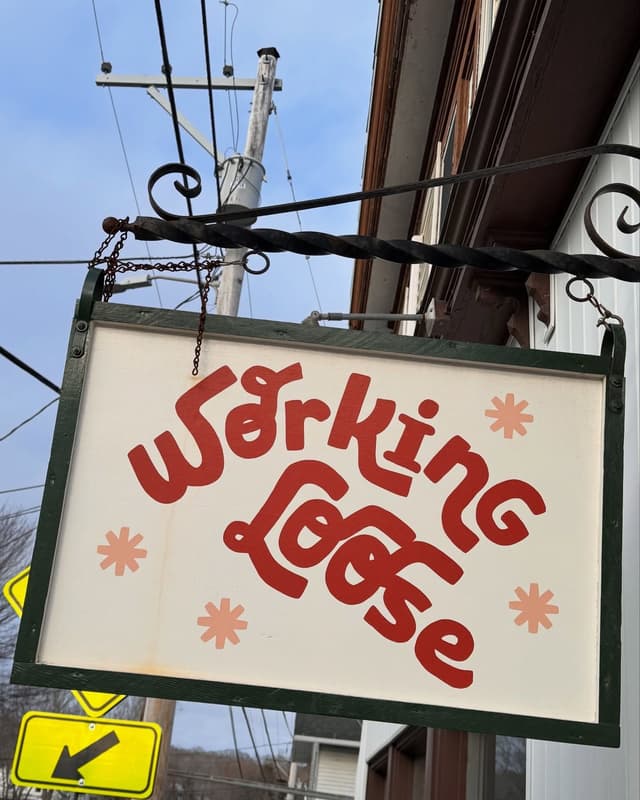
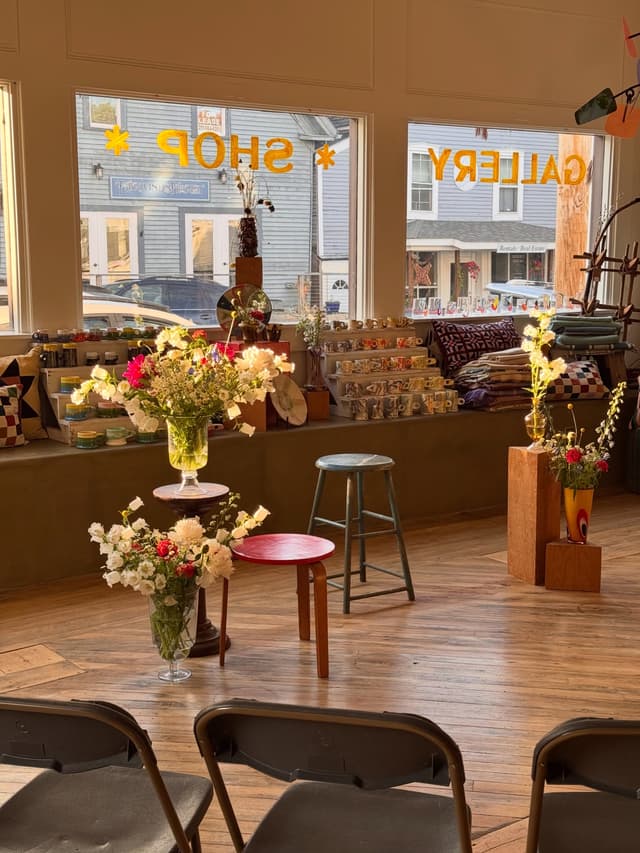
In Blue Hill, Maine, Working Loose describes itself as both a concept shop and a multidisciplinary art gallery operating at the intersection of commerce and creativity. Its assortment of goods is accompanied by exhibitions, collaborations, and community events, making the space less like a conventional retailer and more like a platform for whatever its owners and neighbors find interesting.
This increasingly feels like the defining characteristic of the new general store.
It sells products, but retail is only part of the proposition.
The gallery opening matters.
So does the coffee counter.
So does the workshop, group hike, book launch, dinner, film screening, repair clinic, or conversation that happens after the regular shopping hours are over.
At their best, these stores function as small cultural institutions. They give emerging brands a physical home. They introduce local artists to new audiences. They offer visitors a way to understand a town beyond its restaurants and hotels.
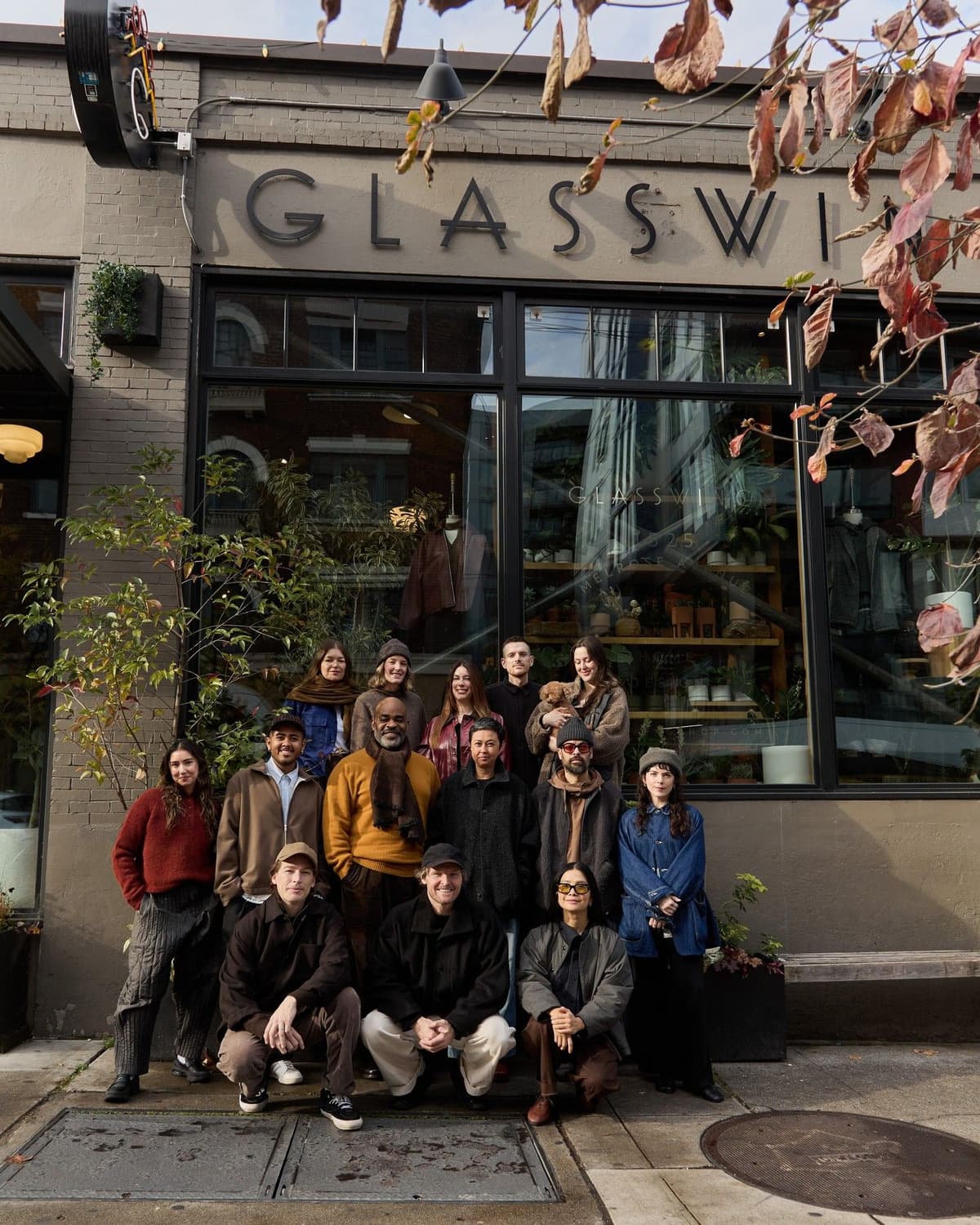
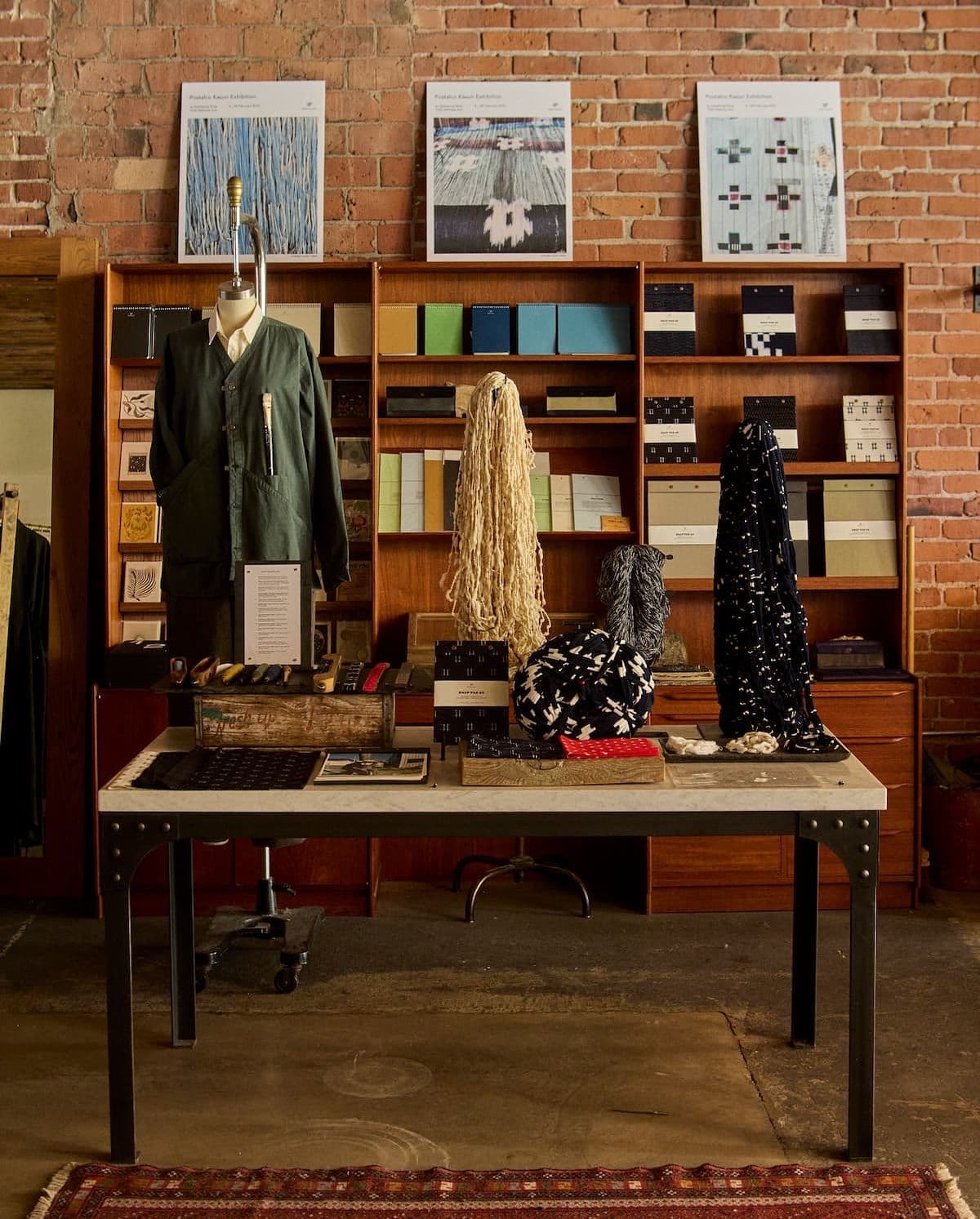
Seattle's Glasswing similarly dissolves traditional retail boundaries, bringing together apparel, plants, ceramics, furniture, books, and home goods into a neighborhood space that feels as much like a creative studio as a shop.
They also create something that online retail still struggles to provide: a legitimate reason to linger.
Retail Is Becoming Hospitality
Perhaps the biggest shift isn't what these stores sell.
It's what they offer beyond products.
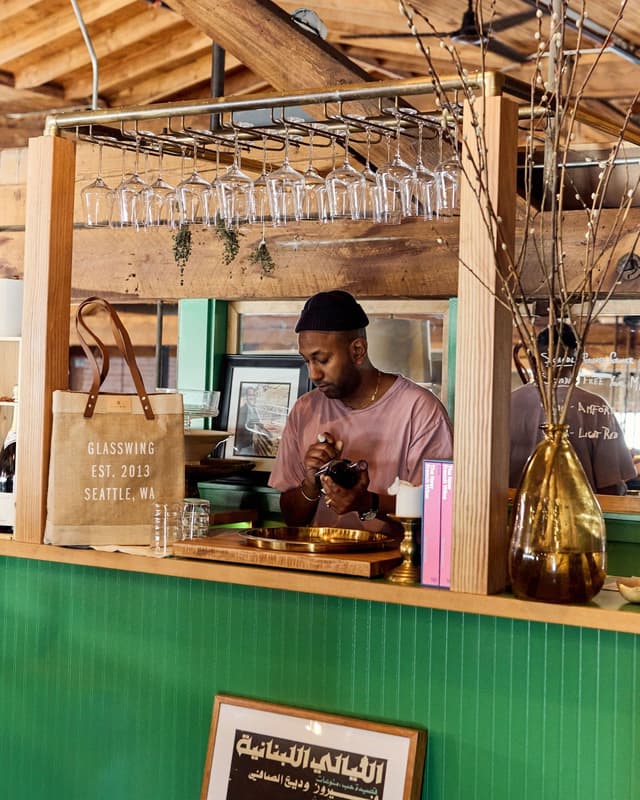
Coffee bars have become gathering places.
Run clubs leave from the front door.
Film screenings fill the shop after hours.
Community dinners replace seasonal sales.
Repair clinics teach customers how to extend the life of their gear.
Fly shops host casting lessons.
Bike shops organize weekly rides.
Trail stores become places where locals swap recommendations before heading into the mountains.
Increasingly, the most successful retailers understand that people don't simply want transactions.
They want somewhere to belong.
The best independent stores understand that hospitality does not require a hotel or a full-service restaurant.
Sometimes it is simply a good cup of coffee and somewhere to sit.
Sometimes it is a staff member remembering what you bought last time.
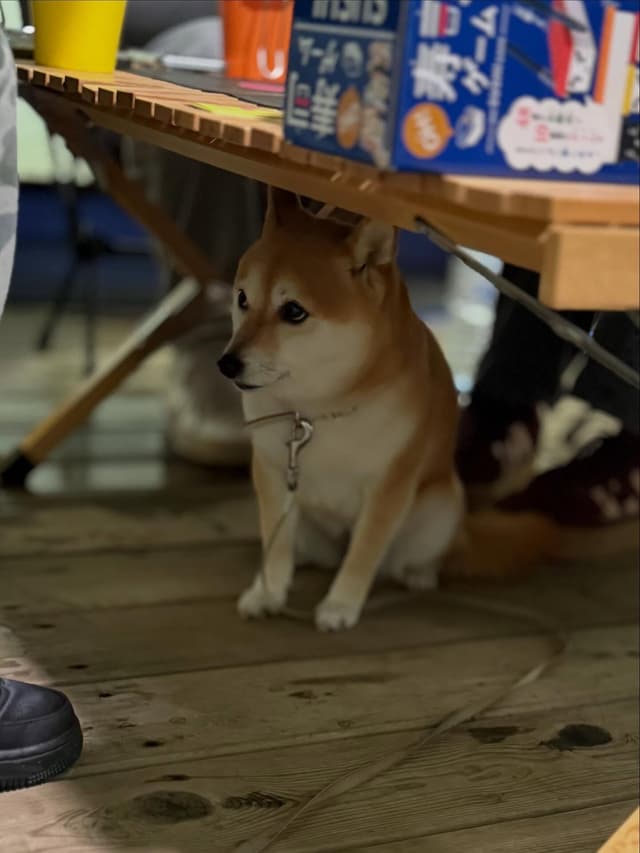
Sometimes it is a sandwich made in the back of the shop, a bowl of water for the dog, or a recommendation for a trail that will not be crowded.
In Bend, West Coast Provisions explicitly describes itself as a modern-day general store. It combines groceries, wine, beer, prepared food, home goods, and gifts, with an emphasis on products connected to Oregon and the wider West Coast. The store is designed to serve its immediate neighborhood while remaining interesting enough to become a destination for visitors.
The combination may sound ordinary. That is part of its strength.
The general store does not need to turn every visit into a major retail experience. It can be where someone buys dinner on Tuesday, a bottle of wine on Friday, and a host gift on Saturday.
Frequency builds familiarity.
Familiarity builds trust.
Trust is what ultimately separates a neighborhood store from a collection of products.

The Store as an Editor
In a world of nearly unlimited inventory, the ability to stock everything is no longer particularly valuable.
The ability to leave things out is.
Today’s most compelling independent stores operate like magazines. Their shelves communicate a perspective. Products are selected, arranged, and contextualized to tell a larger story about how their customers might live.
A tent is not presented only through weight and waterproof ratings. It appears beside camp furniture, enamel tableware, a book about regional architecture, and a jacket that looks equally appropriate in town.
A fishing rod might share space with a local river map, insect guide, thermos, and novel set in the surrounding landscape.
The products begin to explain one another.
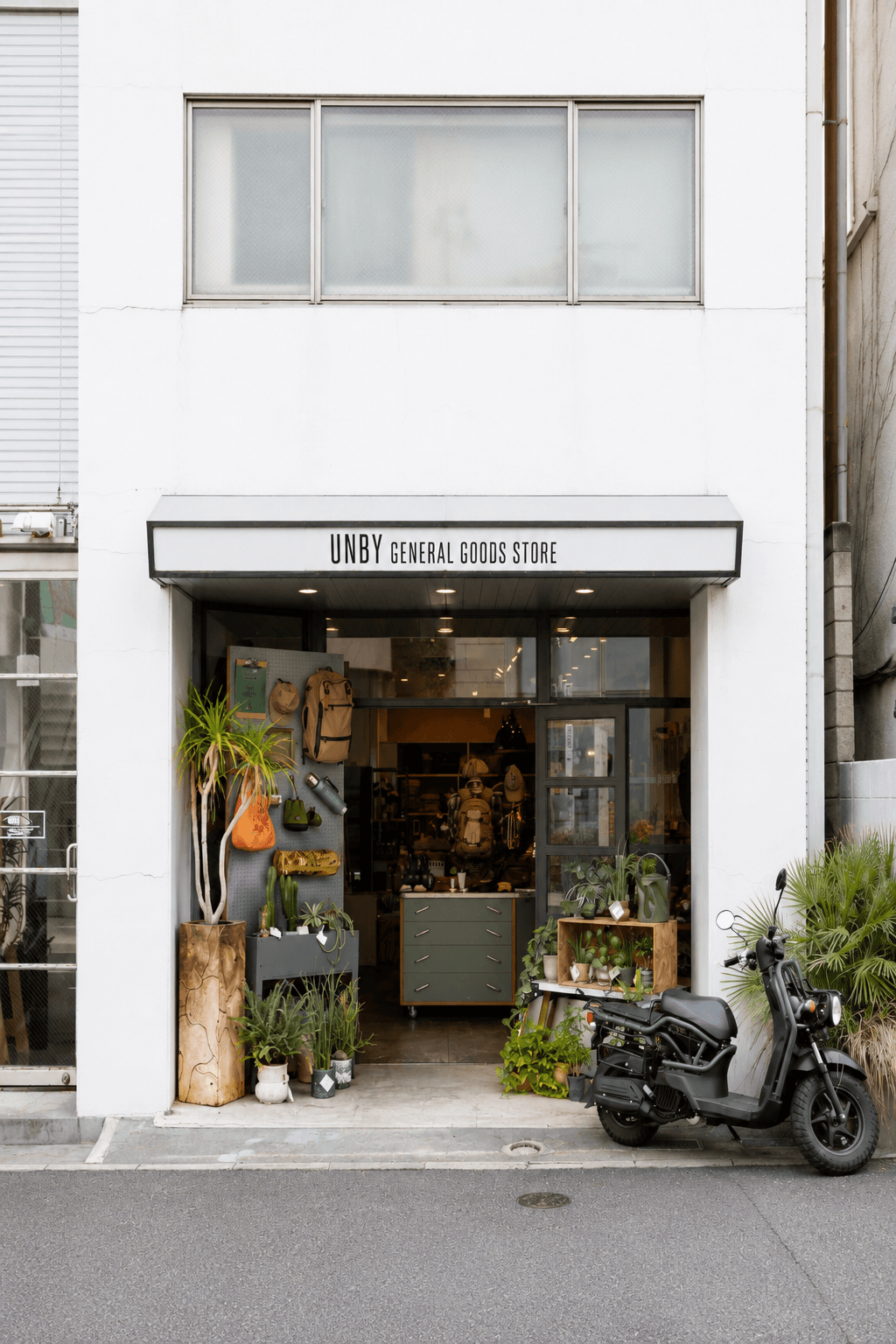
This is especially visible in Japan, where stores such as UNBY General Goods Store move fluidly between camping equipment, bags, apparel, storage, tools, and everyday goods. Rather than treating outdoor life as a separate technical category, UNBY presents it as part of a broader material culture.
STANDARD point, near Mount Fuji, takes a similarly focused approach to camping, mixing current equipment with harder-to-find and vintage gear. The result is less like walking through a warehouse and more like exploring someone’s accumulated knowledge of how to spend time outside.
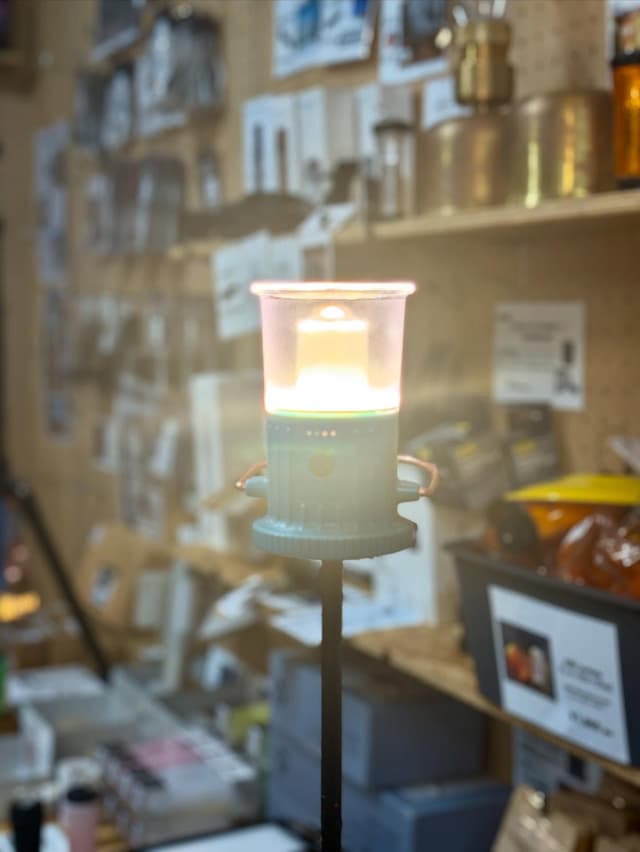
This kind of curation is not simply aesthetic.
It is informational.
A good store reduces uncertainty. It tells customers which products are worth considering, which brands deserve attention, and how unfamiliar objects might fit into their lives.
The shelf becomes an argument.
Expertise Has Become a Luxury
Search engines can tell you which sleeping bag is warmest.
Thousands of YouTube videos can explain how to pack for a backpacking trip.
Artificial intelligence can summarize product reviews in seconds.
Yet expertise still matters.
The difference is that today, expertise isn't measured by how much information someone knows.
It's measured by experience.
The staff member who has spent 100 nights sleeping in different tents.
The fly shop employee who knows exactly which river is fishing well this week.
The trail runner who has actually worn six different hydration vests over hundreds of miles.
That kind of knowledge can't easily be replicated online.
It becomes one of a retailer's greatest competitive advantages.
The General Store Never Completely Disappeared
While cities are rediscovering the format, many rural communities never abandoned it.
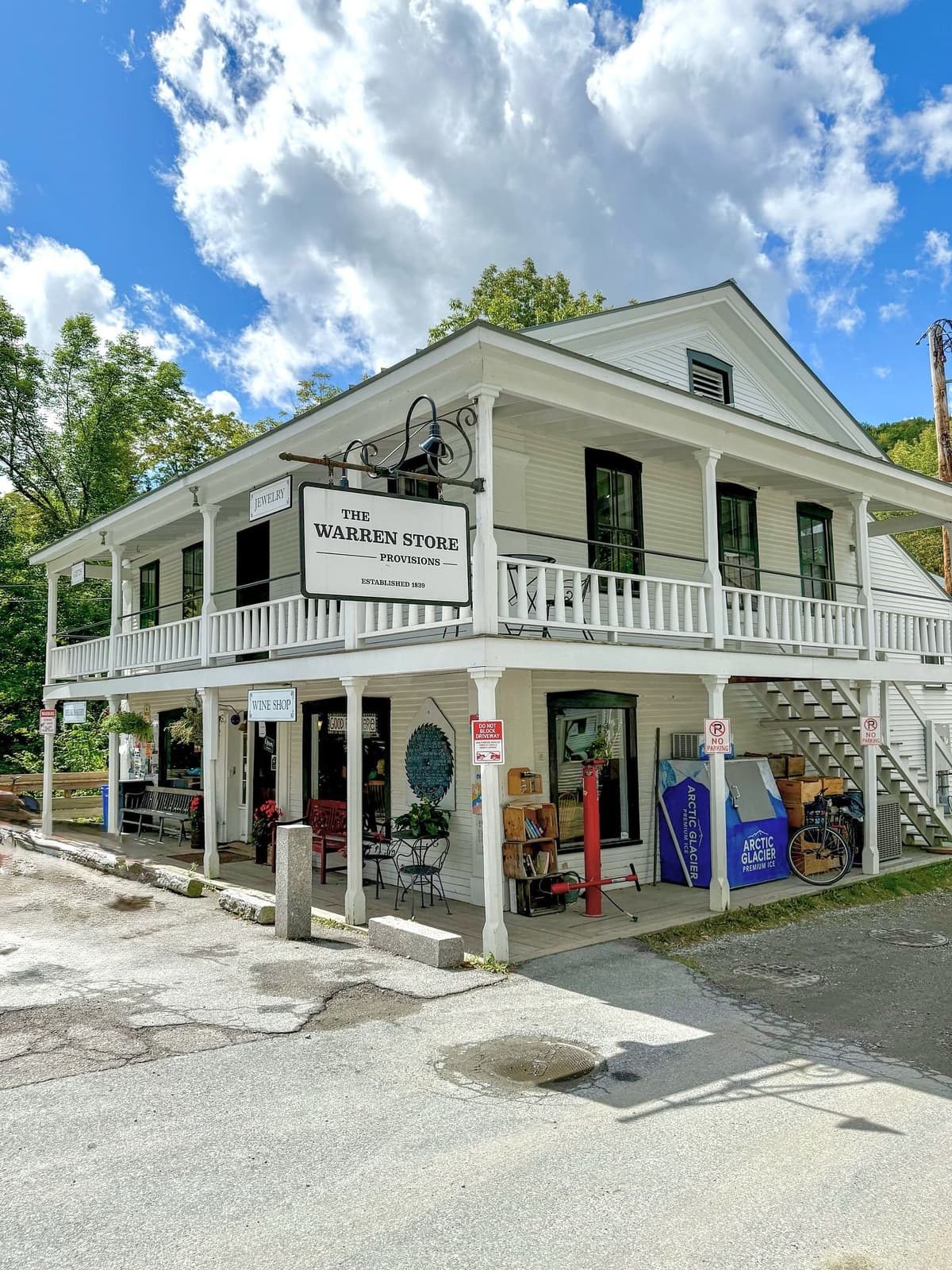
The Warren Store in Vermont still combines coffee, prepared food, baked goods, regional products, and an upstairs boutique in the center of Warren village. It remains both somewhere to eat and somewhere to browse, carrying forward the basic general-store idea that useful things, pleasurable things, and social life can exist under one roof.
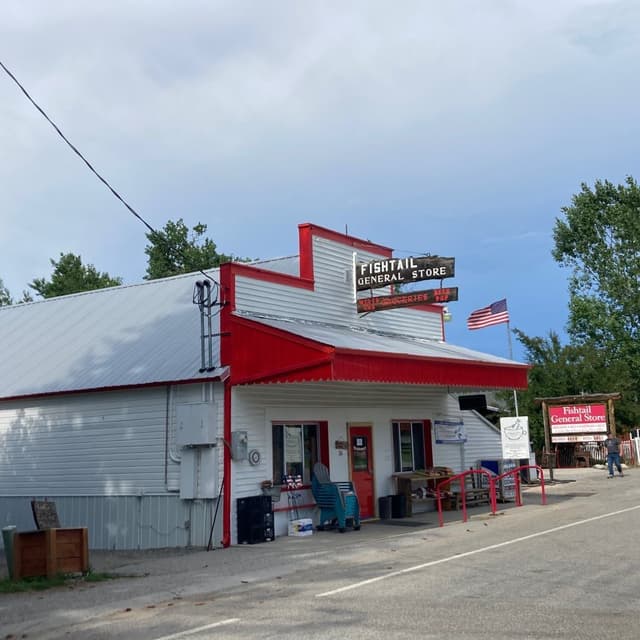
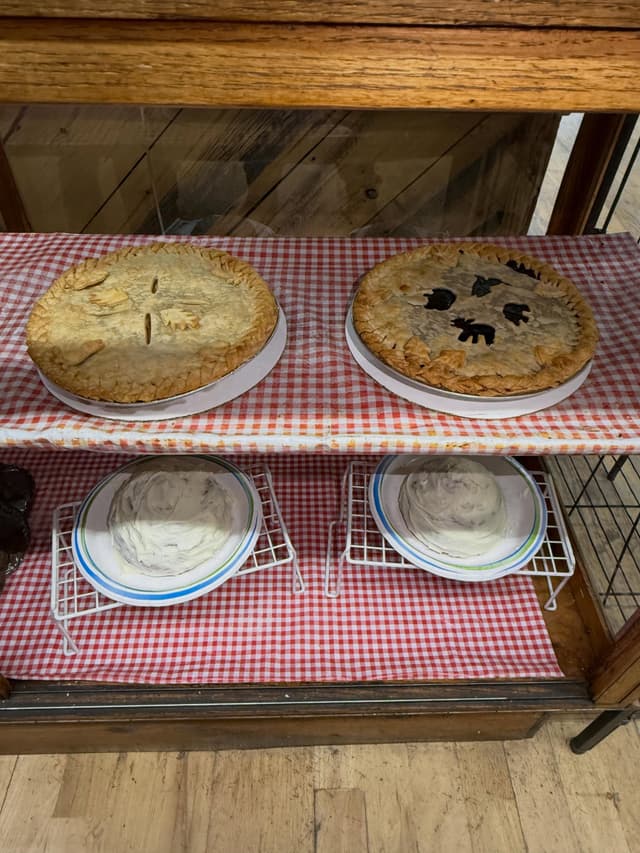
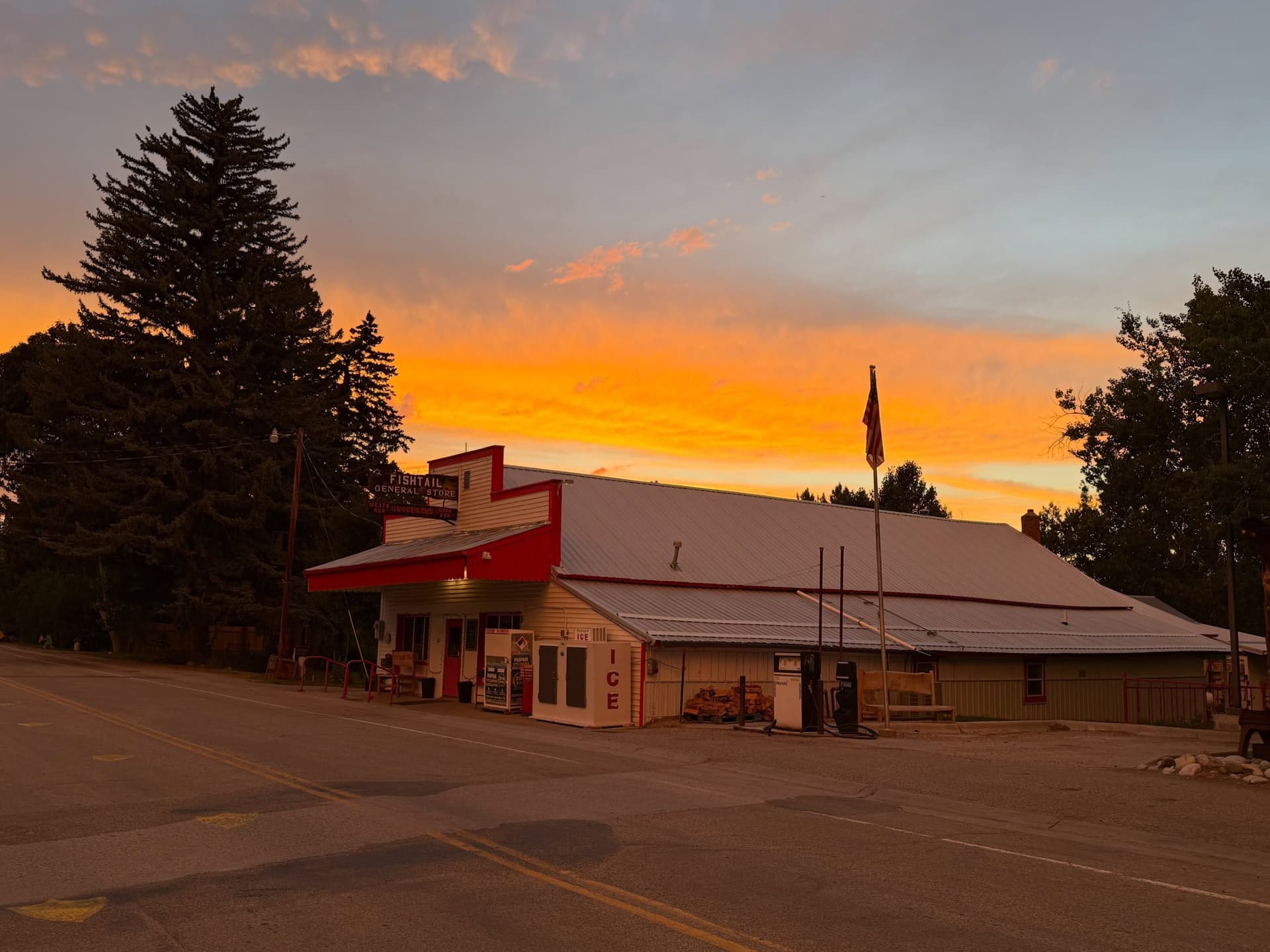
In Montana, the Fishtail General Store continues to serve a small community with long hours, food, bakery items, fishing supplies, and daily necessities. The building dates to 1900 and has been described by regional tourism sources as Montana’s oldest continuously operating general store.
These stores provide an important correction to the design-heavy version of the trend.
A general store is not defined by reclaimed wood, handwritten signs, or beautiful shelving.
It is defined by usefulness.
The romanticism only works when the store still has the batteries, milk, aspirin, fishing line, or work gloves someone actually came in to buy.
The strongest contemporary versions understand this balance. They may carry small-batch ceramics and independent magazines, but they are not afraid to stock sunscreen, snacks, matches, or a charging cable.
Taste attracts people.
Utility brings them back.
Community Is the Product
Many of today's most interesting outdoor retailers don't compete with Amazon on price.
They compete on belonging.
Joining a morning trail run.
Meeting climbing partners.
Learning how to wax skis.
Finding someone to ride with every Saturday.
Attending an athlete talk.
Watching a film premiere.
Buying a coffee before work.
The products become part of a much larger ecosystem.
People return because of the relationships they build—not simply because they need another jacket.
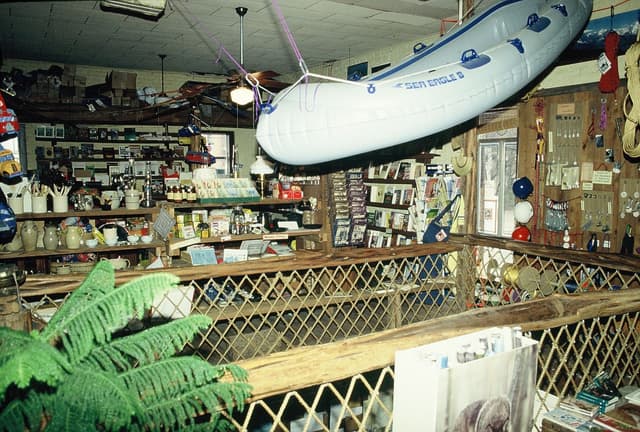
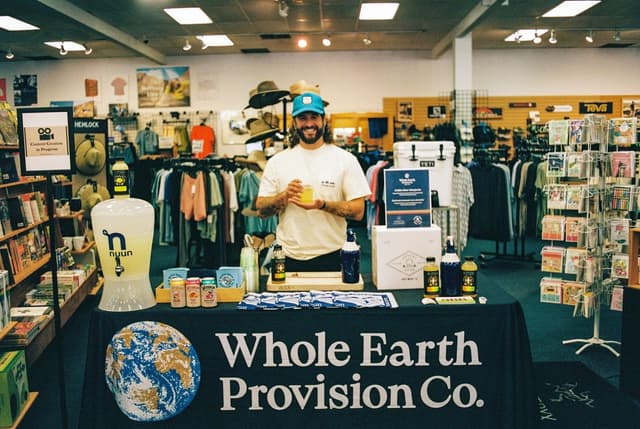
The Whole Earth Approach
Few retailers embody the breadth of the general-store idea as clearly as Texas-based Whole Earth Provision Co.
Its roots are connected to the spirit of the Whole Earth Catalog, the influential collection of tools, books, ideas, and resources that encouraged readers to become more capable and self-reliant. Whole Earth Provision Co. similarly moves across outdoor equipment, footwear, clothing, books, toys, travel products, and educational objects without treating those categories as unrelated.
The connection offers a useful way to understand why the general store is resonating again.
It is not only about buying better-looking things.
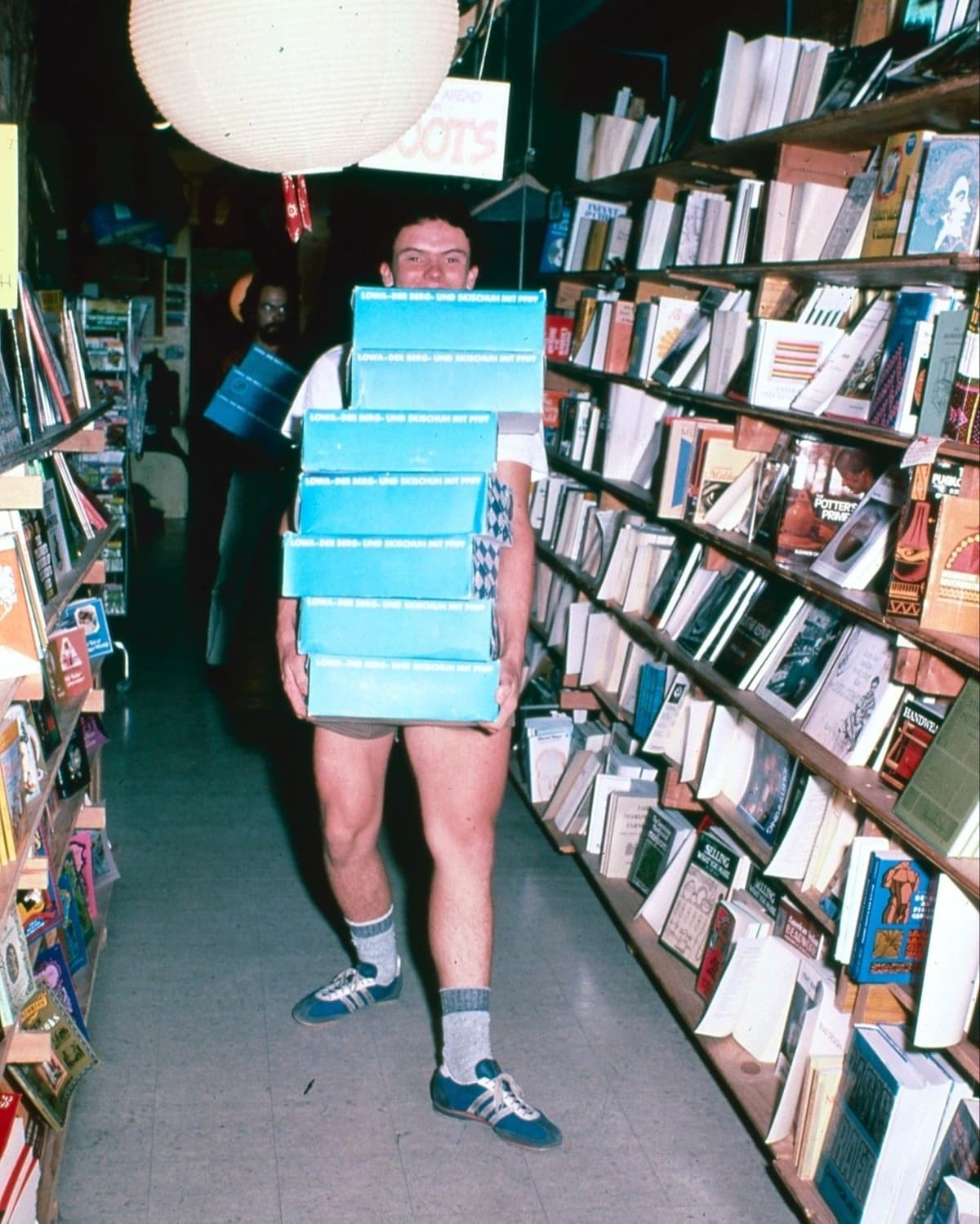
It is about acquiring tools for a fuller life.
Tools for camping, cooking, fixing, gardening, reading, traveling, making, learning, and spending more time outside.
The best products in these stores suggest action. They make customers imagine a trip, a meal, a project, or a different rhythm of daily life.
Retail becomes aspirational without depending entirely on luxury.
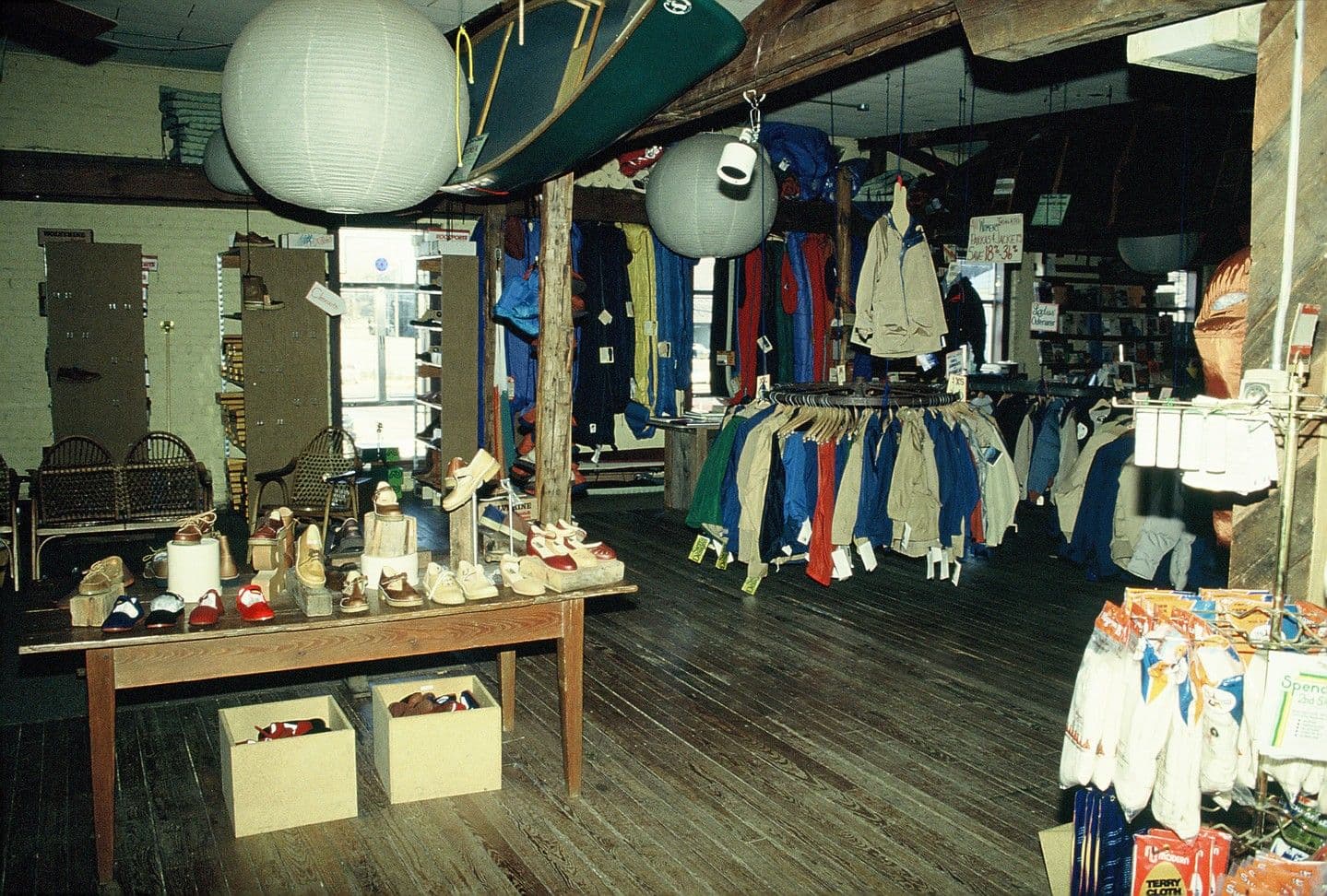
The Rise of the Multi-Brand Clubhouse
Some of the world's most interesting outdoor spaces no longer feel like traditional stores.
They feel like neighborhood clubhouses.
One corner serves espresso.
Another hosts workshops.
Shelves feature emerging brands alongside established icons.
The calendar is just as important as the inventory.
Every week offers another reason to return.
Retail becomes an ongoing conversation rather than a one-time purchase.
It's a model that benefits independent brands as well.
Smaller labels gain visibility through trusted retailers that can explain not only what makes a product different, but why it deserves attention.
A Platform for Independent Brands
The general-store model is particularly valuable for smaller brands.
Emerging companies rarely have the recognition or advertising budgets required to succeed on a crowded shelf at a major retailer. Their products often need context. Someone has to explain why a fabric is different, why an object is made locally, or why a strange-looking piece of equipment solves a real problem.
Independent stores can provide that explanation.
They can place a new brand beside familiar objects, introduce its founder at an event, or allow customers to touch and try a product they would otherwise encounter only through an advertisement.
This makes the retailer more than a distribution channel.
It becomes an interpreter.
For the customer, the shop offers discovery.
For the brand, it offers credibility.
For the town, it creates a place where local and global ideas can meet.
Why Independent Retail Is Winning Again
Ironically, the internet has made physical retail more valuable.
When almost anything can be purchased online, stores no longer need to compete on availability.
They compete on discovery.
Customers visit to touch unfamiliar fabrics.
To compare products side by side.
To hear real recommendations.
To meet the founders behind emerging brands.
To attend events they couldn't experience through a browser.
Physical retail has become experiential media.
The best stores inspire customers long before they convince them to buy anything.
A Store Should Belong Somewhere
The weakest version of modern lifestyle retail can feel almost completely placeless.
The same pale wood, beige clothing, expensive candle, imported olive oil, and carefully stacked magazines appear in Los Angeles, London, Tokyo, Copenhagen, and Brooklyn.
The new general store is most convincing when it resists that sameness.
Roscoe Little Store makes sense because Roscoe is a fishing town.
Fishtail General Store makes sense because it serves a remote Montana community.
The Warren Store makes sense because it is embedded in the everyday life of a Vermont village.
West Coast Provisions reflects the food, products, and habits of Central Oregon.
Working Loose draws its energy from the creative community around Blue Hill.
The strongest independent retailers don't simply reflect global trends—they express the character, pace, and creative culture of the communities that surround them.
Place determines the inventory.
It shapes the pace, the programming, the staff knowledge, and the kinds of conversations that happen inside.
A store should tell you something about where you are.
Community Is Not a Marketing Strategy
Brands frequently talk about building community.
Independent stores often have no choice but to actually do it.
They support the school fundraiser.
They hang the missing-dog poster.
They recommend the local guide.
They give a new artist a wall for their first show.
They know which customers are visiting for the weekend and which have lived nearby for thirty years.
This kind of community cannot be manufactured through a content calendar.
It accumulates slowly, through repeated interactions.
That may be the most important lesson of the general store’s return. The model is not powerful because it combines fashionable categories. It works because it restores human relationships to the center of retail.
The transaction is only one moment in a much longer exchange.
A Slower Way to Shop
The revival of the general store reflects a wider shift in outdoor and consumer culture.
People are becoming more interested in repair, provenance, local production, natural materials, and products that improve with use. They want to know who made something, why it exists, and whether it will still be useful several years from now.
They are also becoming tired of endless choice.
The general store offers relief from the scroll.
You walk through a door.
You touch things.
You notice an object you were not searching for.
You ask a question.
You leave with what you need, perhaps along with something you did not know existed.
This is slower than online shopping.
It is also more memorable.
The Future Looks Surprisingly Familiar
The next generation of important outdoor retailers may not look like traditional sporting-goods stores.
They may be smaller.
Their inventory may stretch across camping, clothing, food, books, art, homewares, hardware, and objects that resist easy categorization.
They may serve coffee in the morning and host an exhibition at night.
They may be just as useful to someone buying groceries as they are to someone planning a weekend in the mountains.
What matters is not how many categories they carry.
It is whether those categories add up to a coherent idea of life.
The old general store offered convenience because it was one of the only places to buy what you needed.
The new general store offers something different.
A point of view.
A trusted recommendation.
A connection to the place outside its doors.
A reason to return even when you do not need anything.
The general store is not coming back because consumers miss the past.
It is coming back because, after decades of faster, larger, and more impersonal retail, people are once again looking for stores that feel useful, particular, and human.
Related Articles

July 7, 2026
Paris Fashion Week Had an Outdoor Problem — In the Best Way
Outdoor brands quietly took over Paris Fashion Week showrooms this season. Here's what actually caught our eye.
Read →
July 6, 2026
The New Fishing Market Report (2026)
Explore the trends shaping modern fly and spin fishing, from independent brands and technical apparel to conservation, travel, and community.
Read →
July 3, 2026
The New Outdoor Luxury
Luxury in the outdoor industry is changing. Here's why craftsmanship, experiences, hospitality, and timeless design are redefining premium gear.
Read →