Goodlids: On Building Belonging Beyond Product
by Gene Han
What turns an outdoor brand into something people genuinely want to be part of?
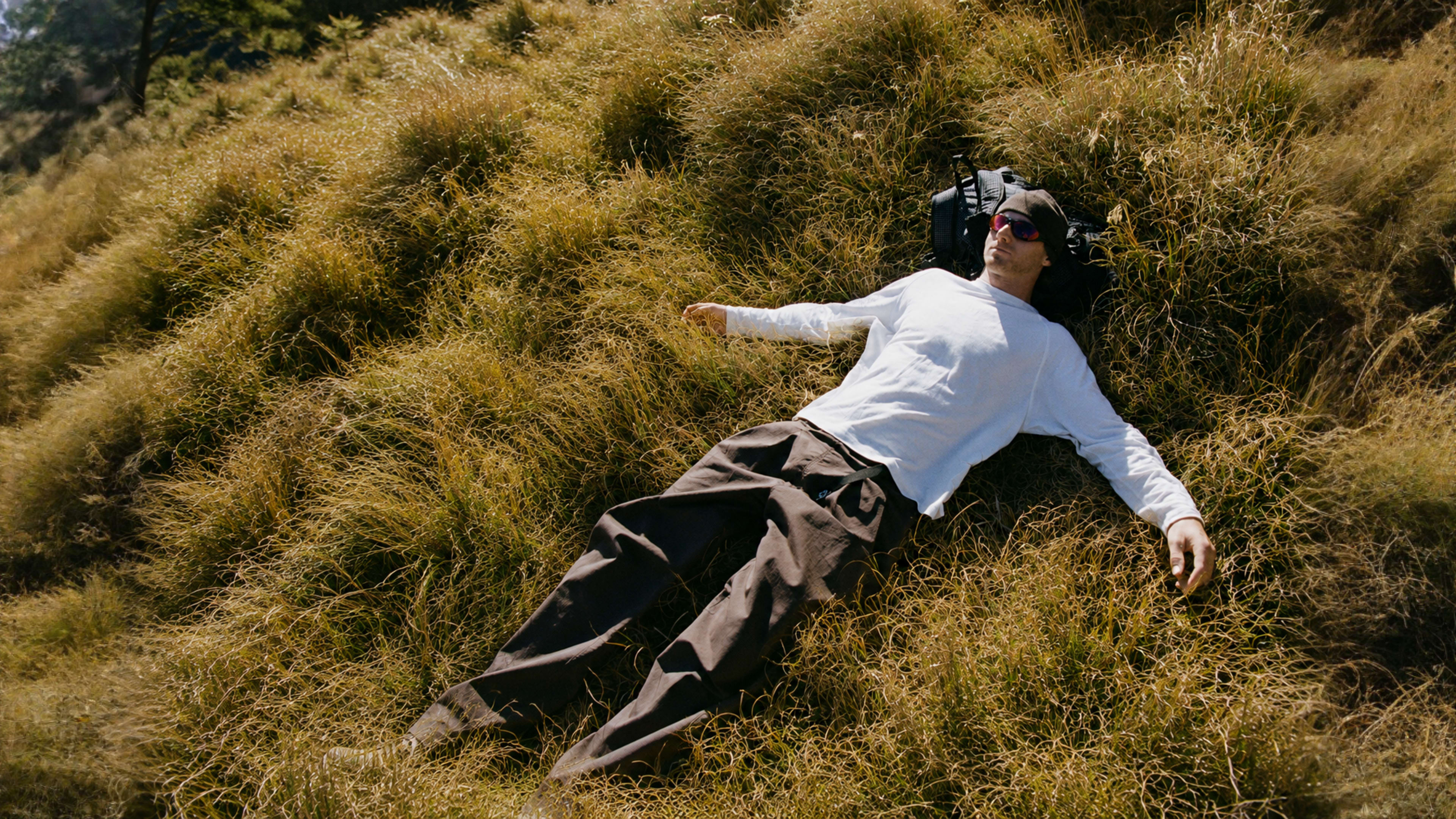
For Goodlids, the answer has never been about making more products. It's about making the outdoors feel more welcoming.

Ahead of Goodlids' upcoming pop-ups at Hatchet Supply in New York on July 25 and WeekEnds Chengdu on August 15, we sat down with founder Dane to discuss the evolution of outdoor culture, the resurgence of natural fibers, why London's outdoor community challenged his assumptions, and why thoughtfully designed physical spaces still matter in an increasingly digital world.
What began in New Zealand as a simple idea has quietly become a global community. Today, Goodlids products can be found everywhere from London to North America, yet the brand continues to champion a refreshingly uncomplicated philosophy: the outdoors belongs to everyone.

Community Can't Be Manufactured
Many brands talk about community. Few actually build one.
According to Dane, the strongest outdoor brands don't simply sell products—they represent a way of experiencing the world.
"The strongest outdoor brands represent a particular way of experiencing the world. They give people an identity, a point of view and a community they can see themselves in."
But he believes many companies misunderstand what community actually means.
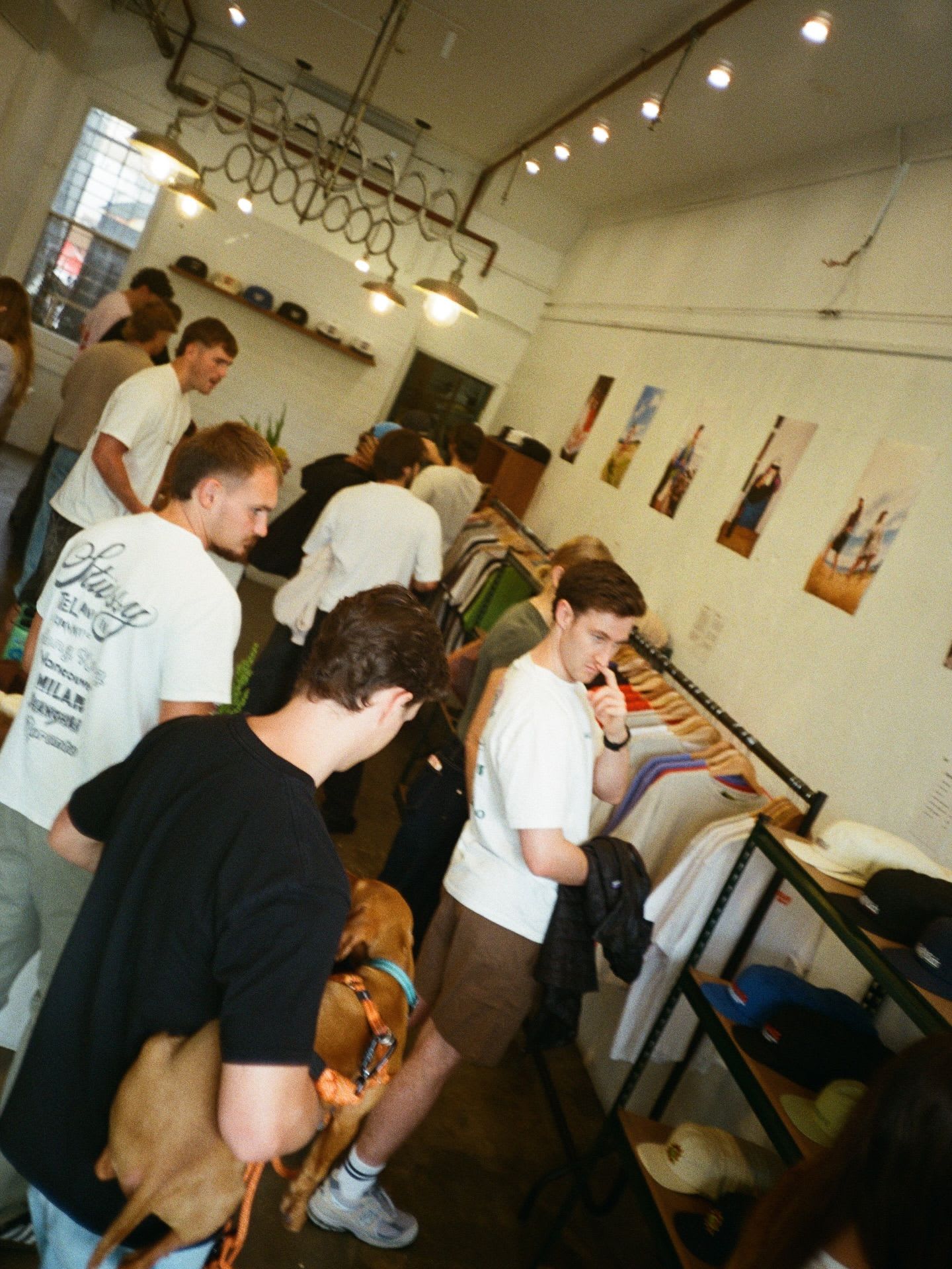
Rather than trying to manufacture belonging through endless events or social media campaigns, Goodlids has focused on creating a brand people naturally want to participate in.

"People can tell when community is forced," he says.
Growing up in New Zealand shaped that perspective. There, the outdoors isn't defined by elite achievement or extreme performance. It might mean swimming in a river, hiking a local trail, or camping with friends.
"There isn't one correct way to experience the outdoors," Dane explains.
That accessibility remains central to the brand.
Still, he is quick to point out that culture doesn't replace craftsmanship.
"If the product doesn't perform, fit properly, or stand up to repeated use, then the rest is ultimately just marketing."
The product earns trust.
The community gives people a reason to stay.

Why Natural Fibers Are Having Their Moment
For decades, outdoor innovation was defined by lighter synthetics, higher waterproof ratings, and increasingly technical specifications.
Today, the conversation is changing.
Natural materials like hemp, wool, alpaca, and cotton blends are returning to the spotlight—not simply because they're nostalgic, but because consumers are asking different questions.
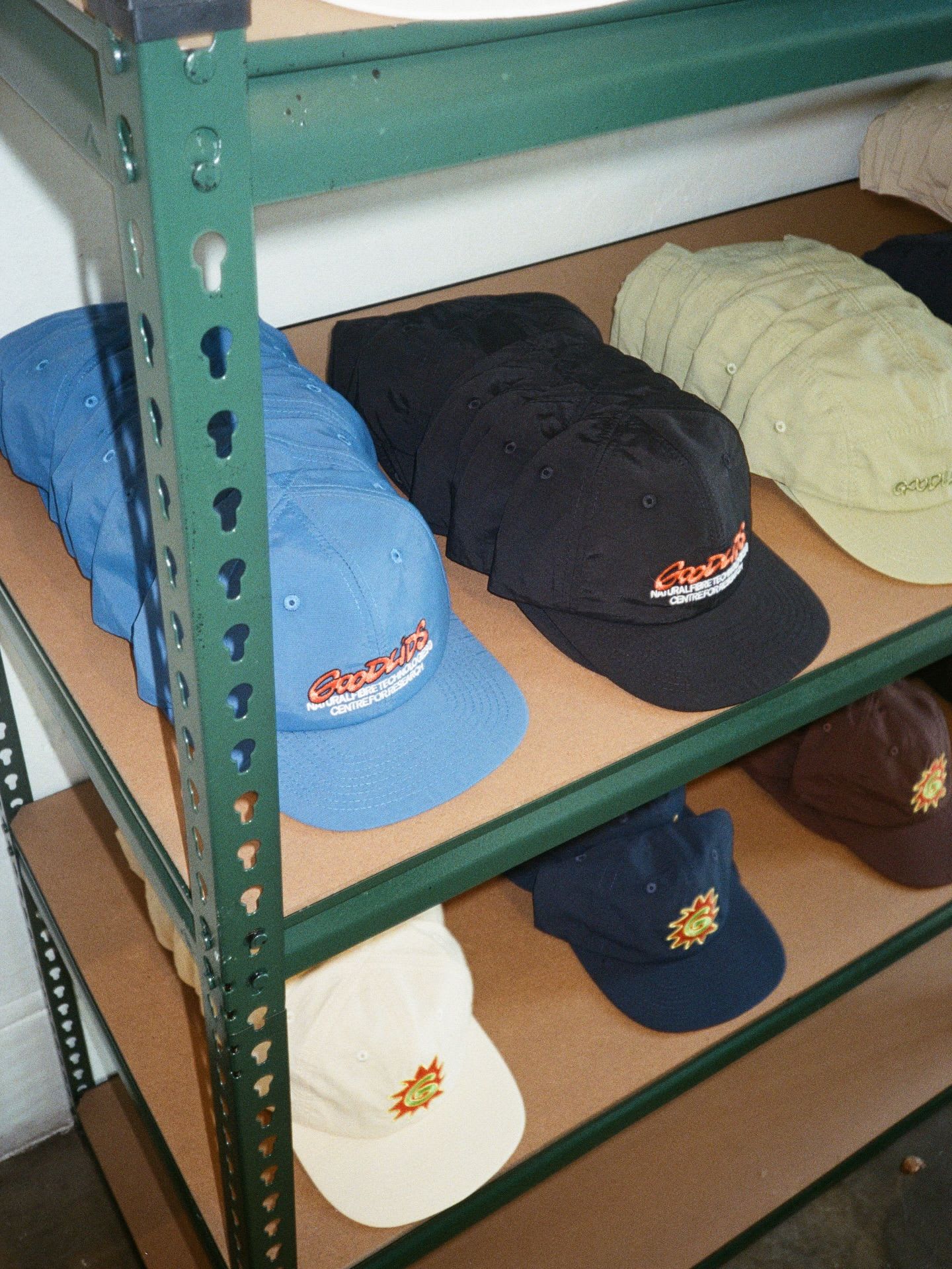
"People are looking at the complete experience of owning and wearing a garment," Dane says.
Performance still matters.
But so do comfort, longevity, odor resistance, and versatility.
Can you wear it to work before heading out for an evening hike?
Does it improve with age rather than deteriorate?
Natural fibers, he believes, offer a broader definition of performance.
"We're still only beginning to understand what materials like hemp can offer in an outdoor context."
Rather than replacing technical synthetics, Dane sees natural materials expanding what outdoor apparel can become: wardrobes built for everyday life instead of single-purpose adventures.


London's Urban Outdoor Culture Changed Everything
Goodlids may have been born in New Zealand, but one city has surprised Dane more than any other.
London.
Coming from a country where mountains, beaches, and forests are never far away, he expected outdoor culture to be strongest in similarly wild landscapes.
Instead, London revealed something different.
"It's a cultural melting pot," he says, "with an enormous community that cares about hiking, cycling, camping, and spending time outside."
What stood out wasn't simply participation.
It was style.
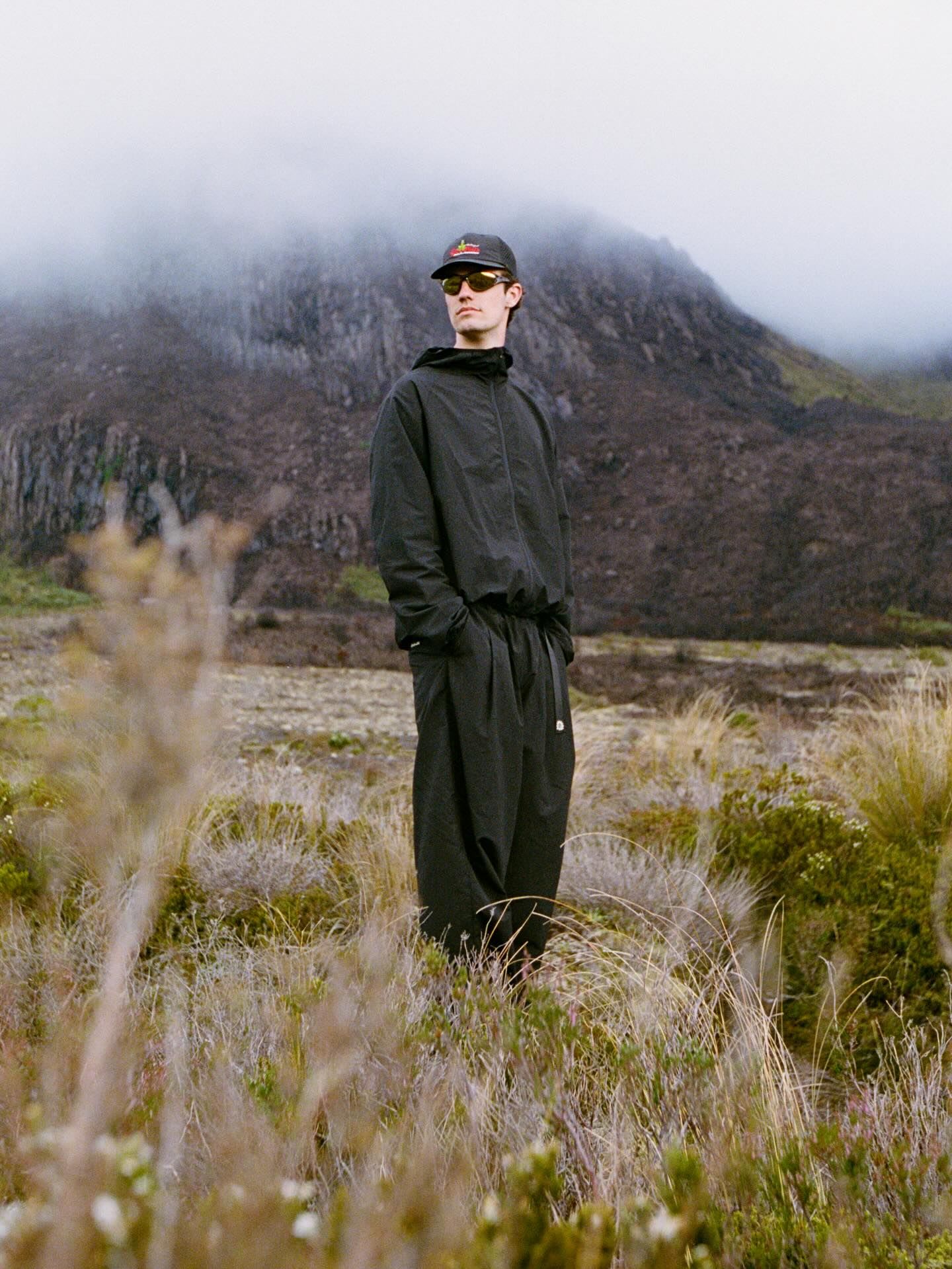
People wanted clothing that could transition seamlessly between city life and the outdoors without looking like expedition gear.
That balance between technical function, everyday wearability, and community has become one of the defining influences on Goodlids' design philosophy.
"It's helped shape how we think about products," Dane says.
Each visit back to London reinforces that connection.

Why Physical Stores Still Matter
As more commerce moves online, retailers everywhere continue asking the same question:
Why invest in physical space?
For Dane, the answer isn't retail.
It's hospitality.
His Auckland concept, Outdoor Society, was intentionally designed as a multi-sensory experience.

Natural materials throughout the interior.
Music played exclusively on vinyl.
Agaric Fly incense.
Windows left open to hear native New Zealand birds.
Complimentary espresso every morning.
Staff whose priority isn't selling products, but making visitors feel welcome.
"It's ultimately a hospitality experience rather than a retail experience."
Those details aren't decorative.
They communicate values in ways websites simply cannot.
Online stores remain essential for serving customers globally.
But physical spaces create something digital platforms struggle to replicate: genuine human connection.
That philosophy resonates strongly with Hatchet Supply's community events in Brooklyn and WeekEnds' forthcoming Chengdu flagship, both of which aim to blur the line between retail, culture, and gathering place.


A Kiwi's Perfect New York Afternoon
When asked what every New Zealander should experience while visiting New York, Dane didn't mention landmarks.
Instead, he chose something much simpler.
Washington Square Park.
"Sitting there and people-watching," he says. "Particularly if there's jazz playing."
For him, that's where New York's energy becomes most tangible.
And before heading home?
One final recommendation.
"The burrata slice at L'Industrie Pizza in Brooklyn. I crave it every day I'm back in New Zealand."

Quick Fire
One misconception about outdoor culture?
That you need to be doing something extreme to belong.
A material you're most excited about?
Hemp—and we're only scratching the surface of what's possible.
A city that surprised you?
London, where outdoor culture thrives inside one of the world's largest urban environments.
What should every great outdoor store feel like?
Less like retail, more like hospitality.
One New York recommendation?
Washington Square Park—and a burrata slice from L'Industrie Pizza.


See You in New York & Chengdu
Goodlids will be joining us for two special community events this summer:
- Hatchet Supply, Brooklyn — July 25
- WeekEnds Chengdu — August 15

If Dane's philosophy is any indication, these won't simply be product launches. They'll be gatherings built around the same idea that has guided Goodlids from the beginning:
The best outdoor brands don't just outfit adventures.
They create places—and communities—where more people feel welcome to begin them.
Related Articles
September 17, 2026
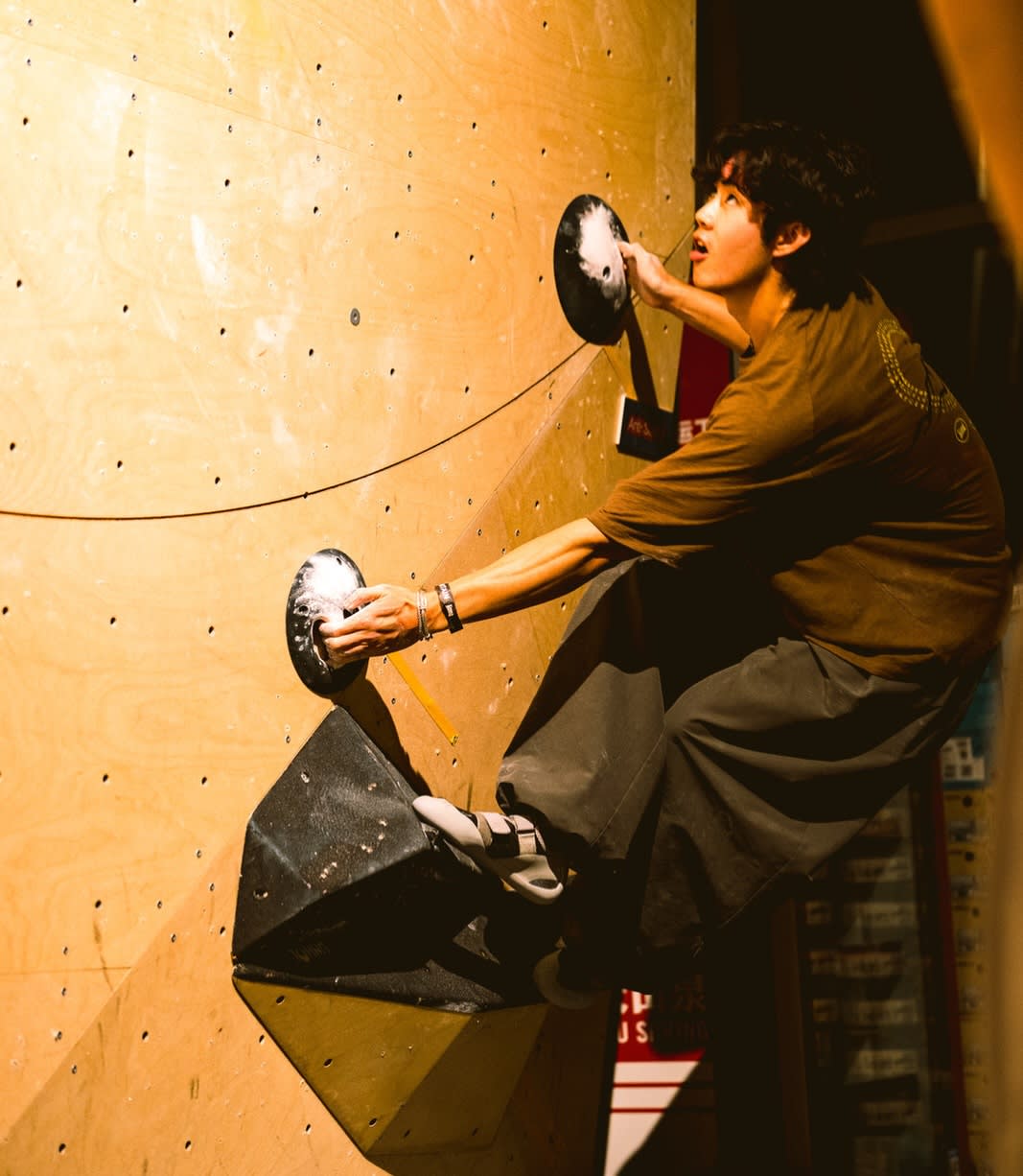
Saturn LA Is Building Outdoor Clothing From the Outside In
Saturn LA founder Ryan Cheung talks climbing, streetwear, Chinese outdoor design, independent brands, and the future of technical clothing on WeekEnds WeekDay
Read →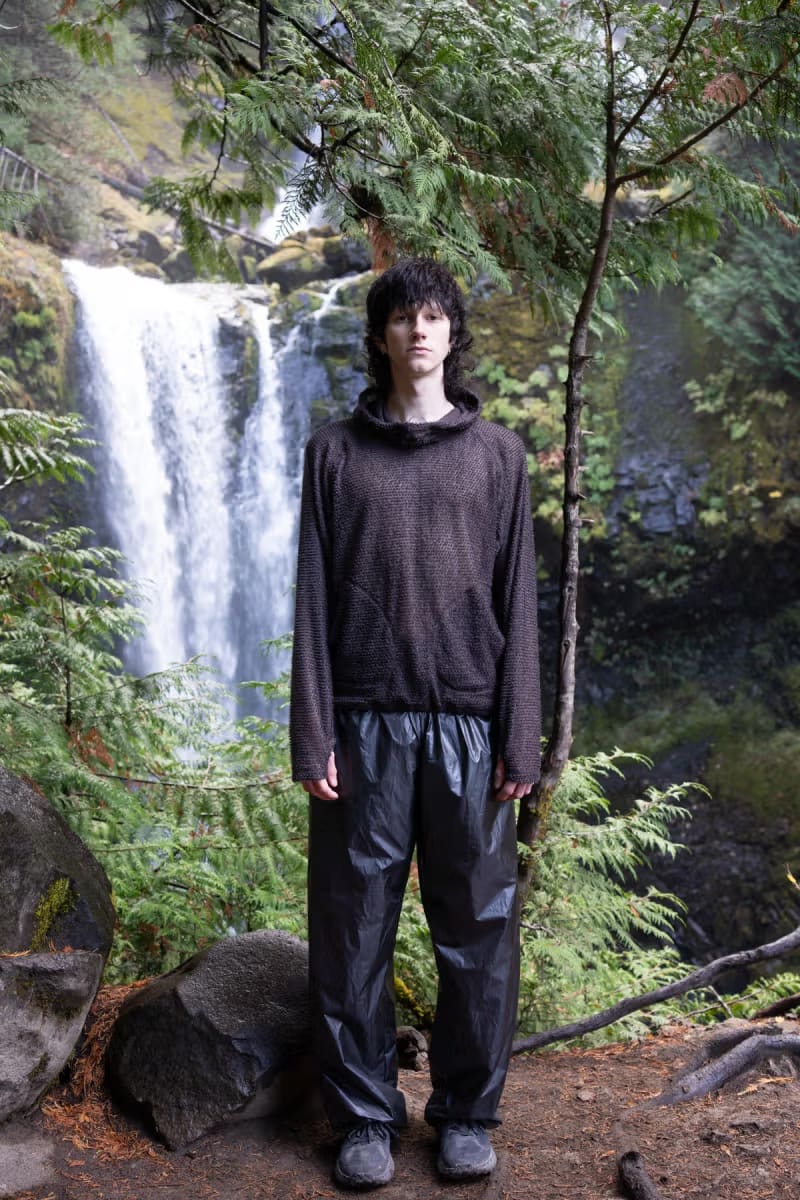
September 16, 2026
The People Designing the New Outdoors
Meet the designers, makers, editors and community builders reshaping outdoor culture, from Gnuhr and CAYL to Field Mag, USAL. Goodlids and more.
Read →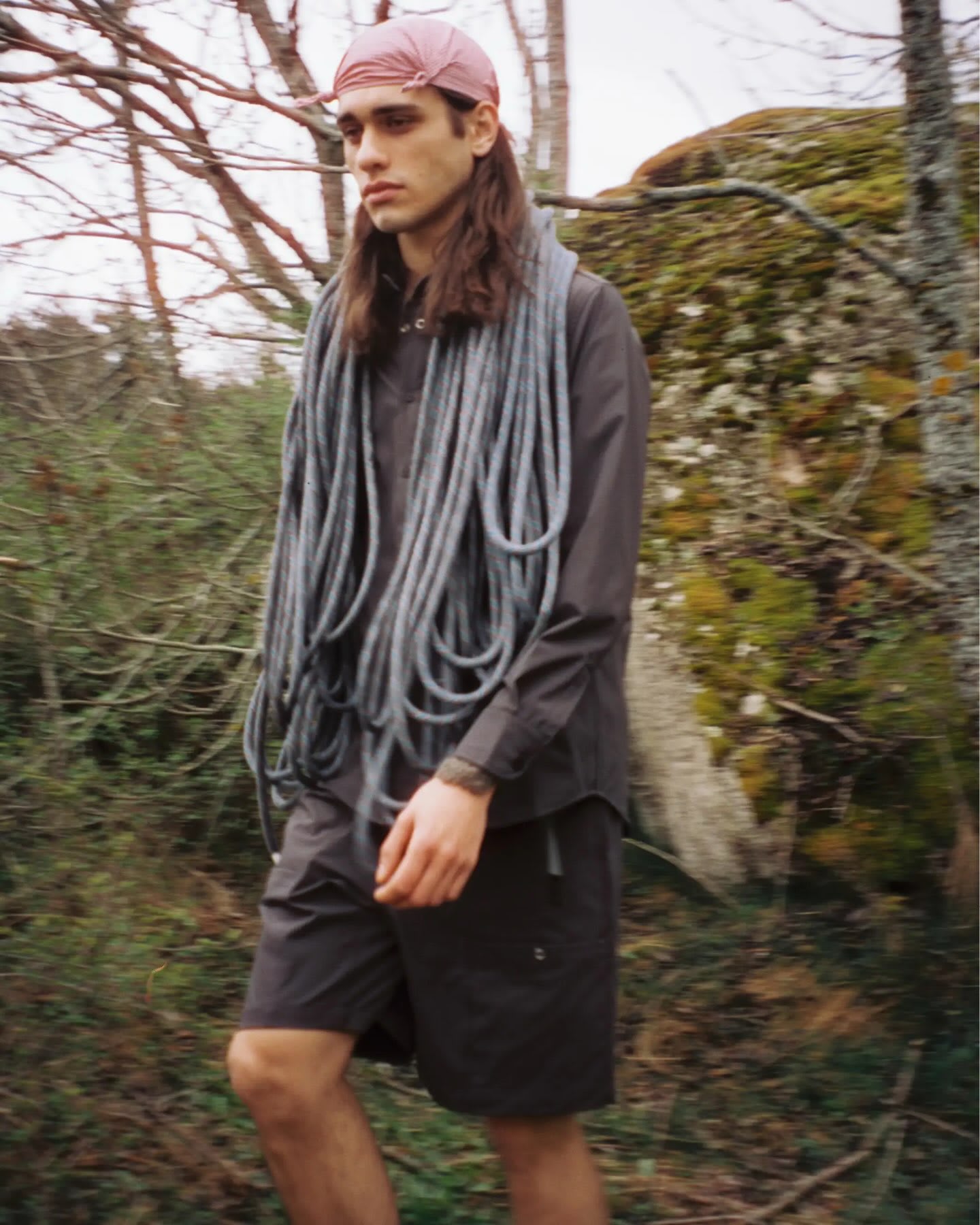
September 15, 2026
AMUNT Treats Outdoor Clothing as an Ongoing Field Study
Barcelona-based AMUNT develops technical mountain apparel through Field Studies, real-world testing and community feedback, connecting clothing, culture and life outdoors.
Read →