
The New Fishing Market Report (2026)
by Gene Han
Fishing has always occupied a unique place in the outdoor world.
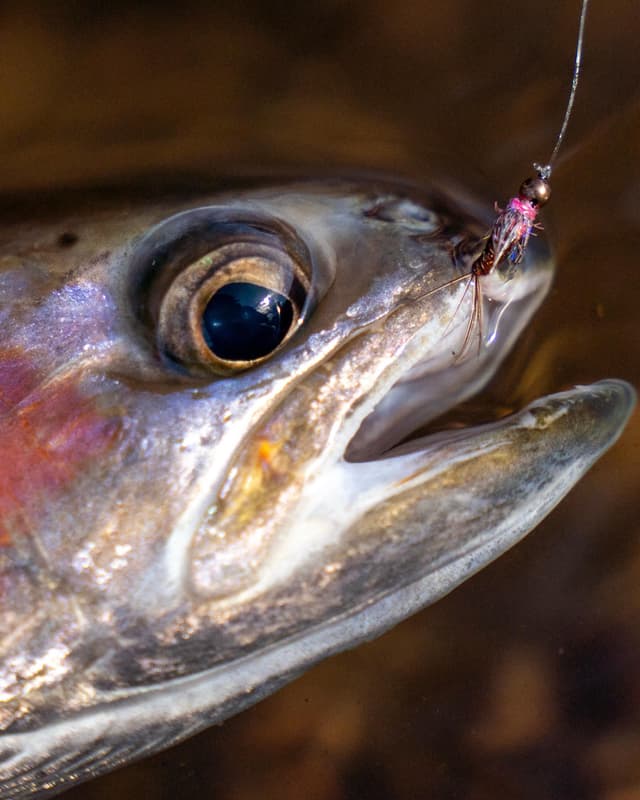
It has long balanced tradition with innovation, craftsmanship with technology, and solitude with community. The fundamentals haven't changed much in decades. You still read water. Match insects. Learn to cast. Spend long hours chasing moments that often last only seconds.
What's changing isn't the sport itself.
It's everything around it.
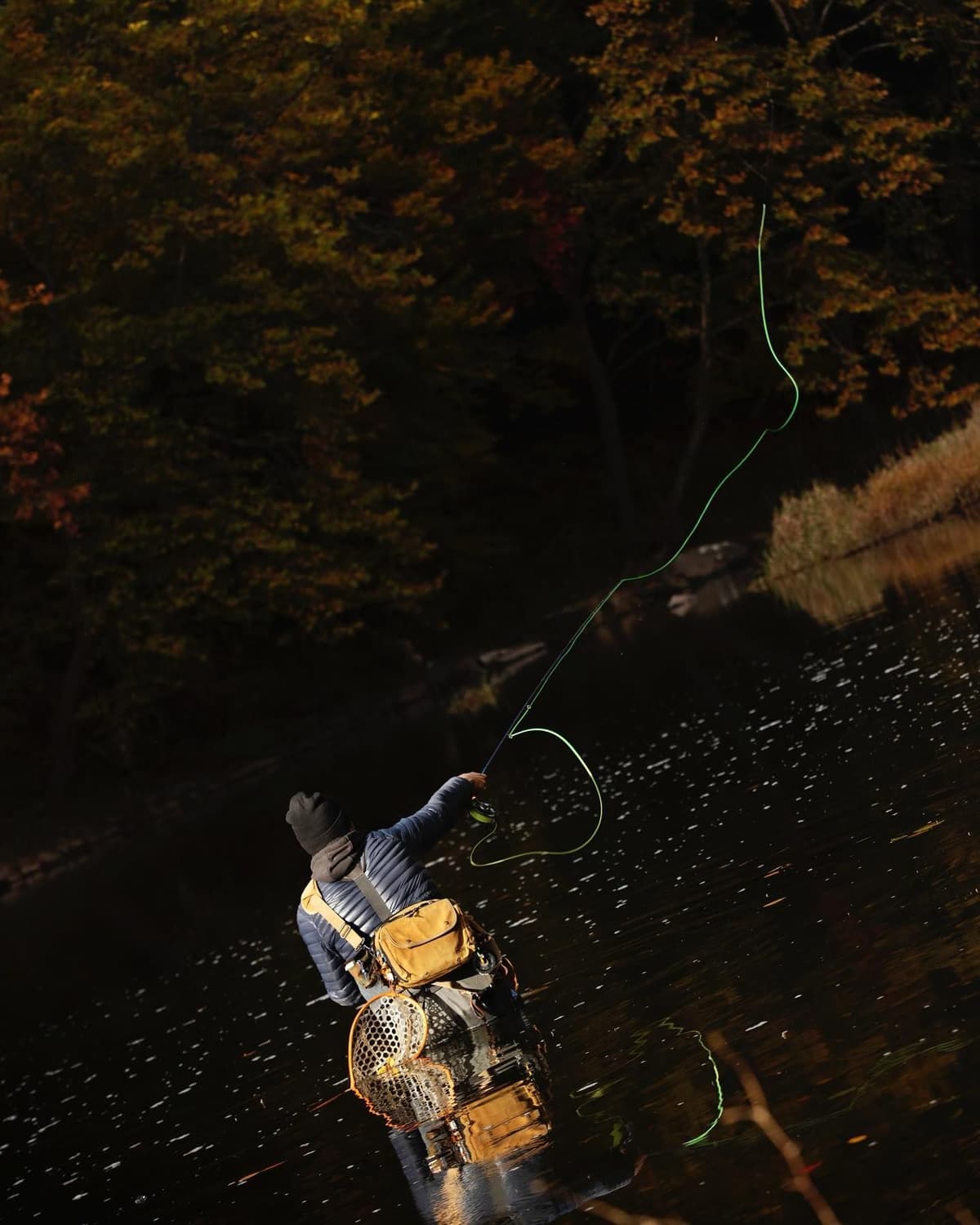
A new generation of anglers is arriving through trail running, camping, photography, surfing, and backpacking rather than family tradition. Independent brands are rethinking everything from waders to apparel. Fly shops are evolving into cultural spaces. Destination fishing has become a form of slow travel. Conservation has shifted from marketing message to business strategy.
At the same time, fishing is experiencing many of the same forces that have transformed climbing, cycling, skiing, and trail running over the past decade: direct-to-consumer brands, technical lifestyle apparel, premium craftsmanship, and consumers who care as much about design as they do performance.
The result is one of the outdoor industry's most interesting transformations.
This inaugural Weekends Market Report explores the trends shaping modern fishing—and the companies leading its next chapter.
A New Generation Is Finding the River
For much of its history, fly fishing was inherited.
Parents taught children.
Grandparents taught grandchildren.
Knowledge passed from one generation to the next.
Today, many anglers are discovering the sport differently.
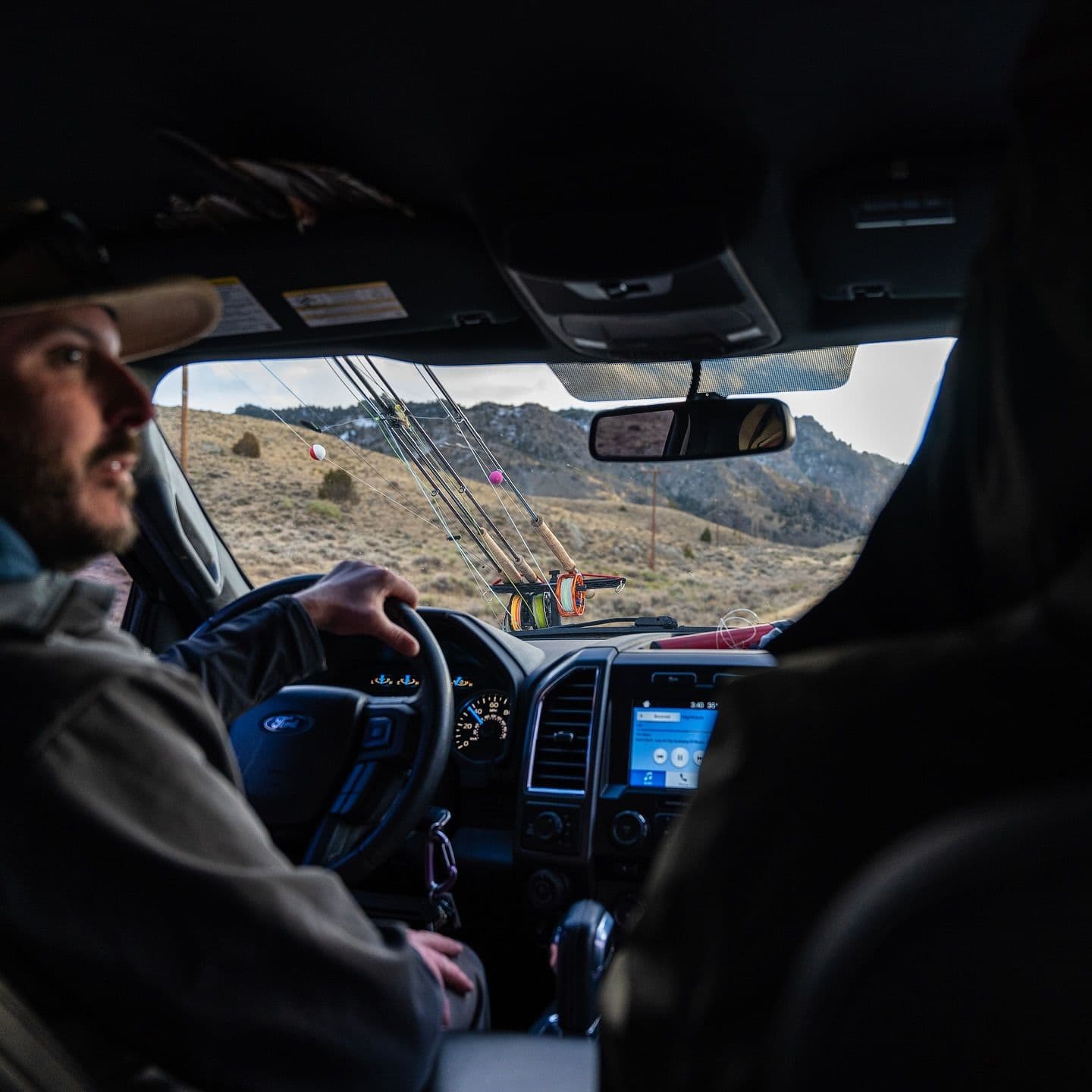
They watch YouTube tutorials before ever stepping into a river. They attend free casting clinics hosted by local fly shops. They learn from photographers, filmmakers, guides, and creators on social media. Many arrive after first falling in love with hiking, camping, bikepacking, or trail running.
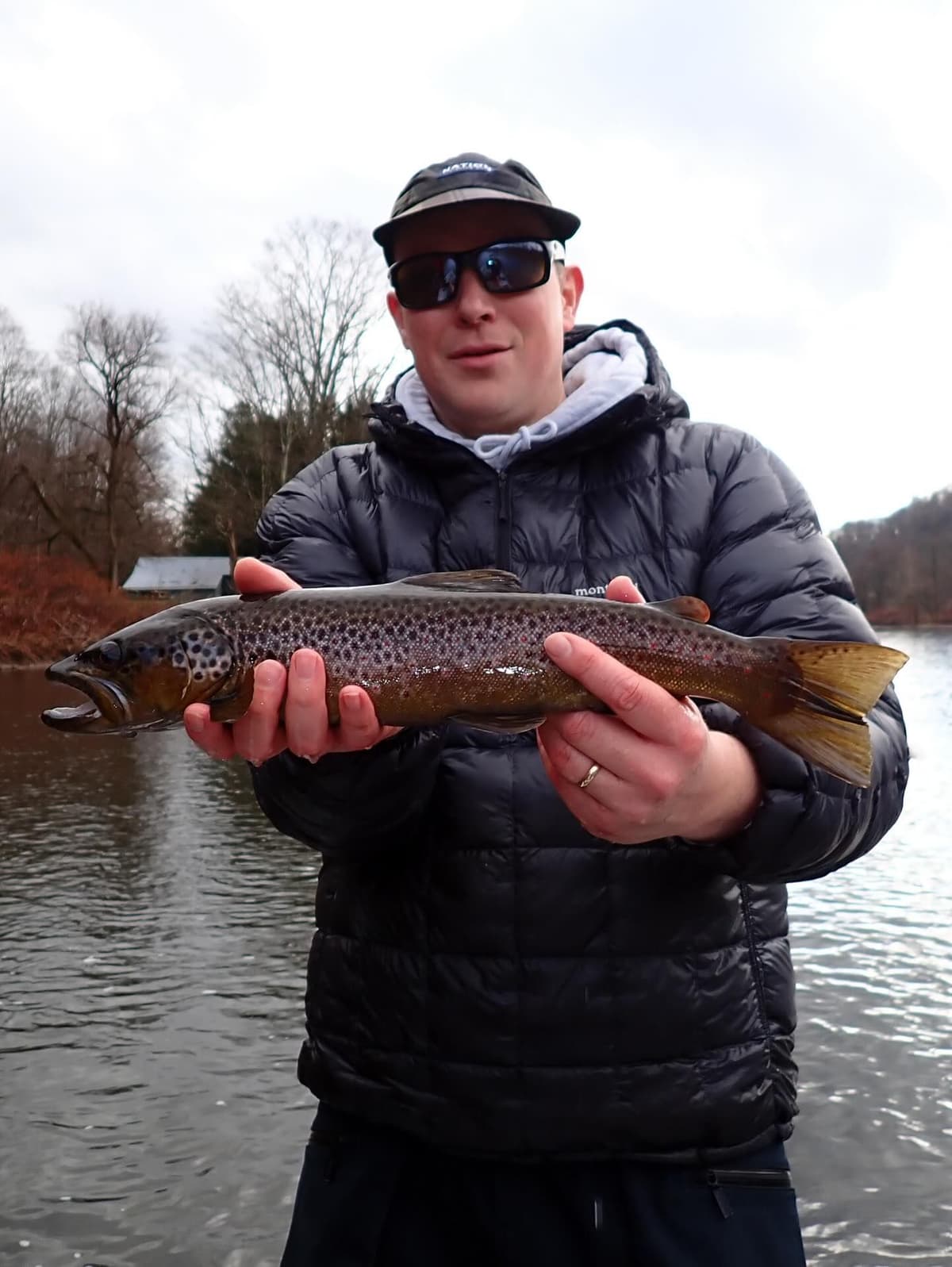
Perhaps more importantly, they're entering fly fishing for different reasons.
Some rarely keep fish.
Others care as much about wildlife, rivers, and landscapes as they do catching trout.
Many see fishing as another excuse to spend an entire weekend outside.
The catch has become only one part of the story.
Independent Brands Are Driving Innovation
The industry's legacy companies continue producing world-class rods, reels, and waders.
But much of today's creative energy is coming from independent brands.
Rather than competing on scale, they're competing through design, storytelling, niche products, and closer relationships with their communities.
They're willing to experiment.
To launch smaller collections.
To build products for specific kinds of anglers instead of everyone.
To collaborate with artists.
To obsess over details that larger companies often overlook.
It's the same pattern we've watched unfold across cycling, climbing, coffee, skiing, and trail running.
The future often starts small.
The New Faces of Fishing
Housefly Fishing
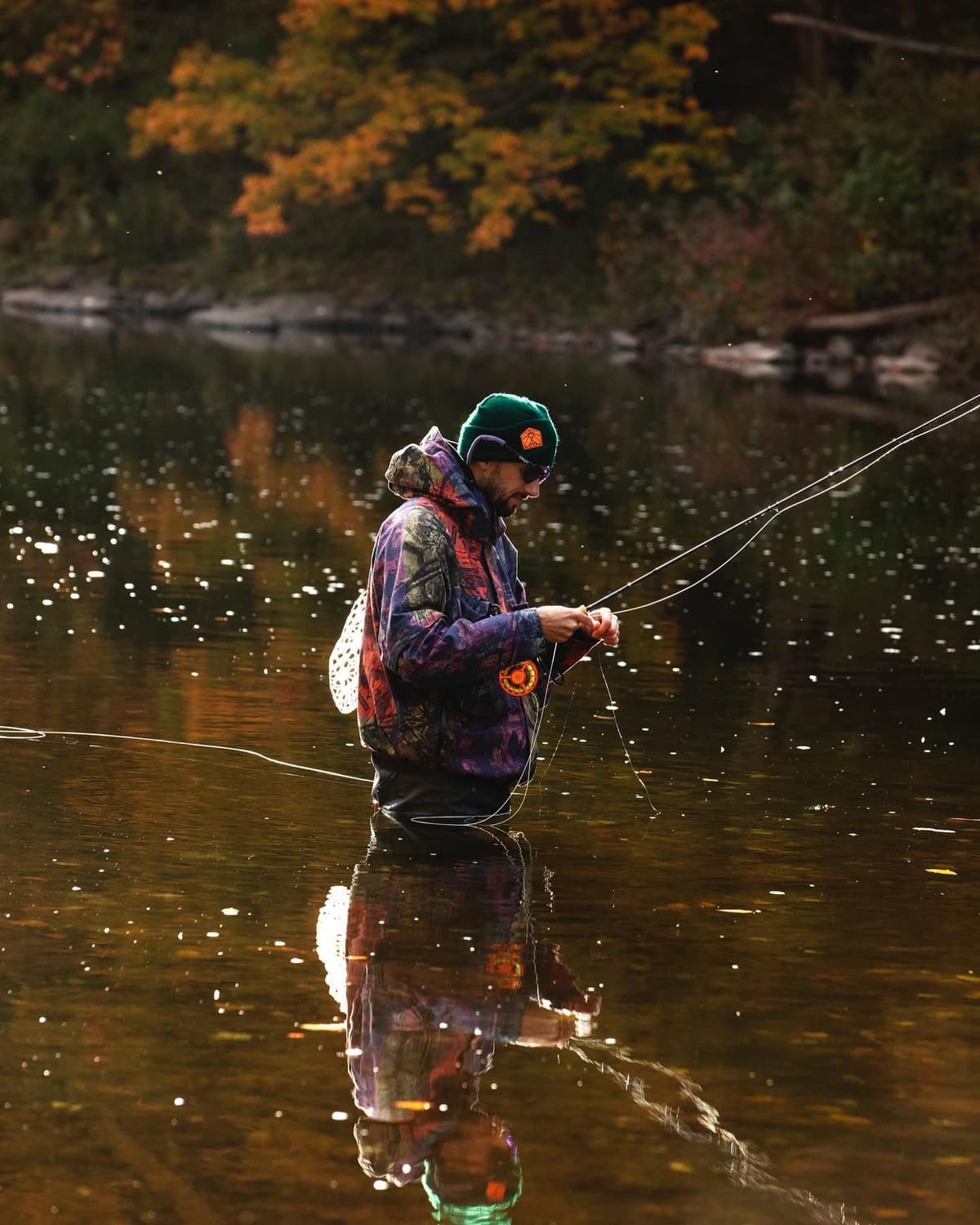
Housefly Fishing has become one of the clearest examples of fly fishing as outdoor culture rather than simply a sport. Its apparel, imagery, and storytelling feel equally at home around campfires, coffee shops, and rivers, reflecting how younger anglers increasingly spend weekends outdoors.
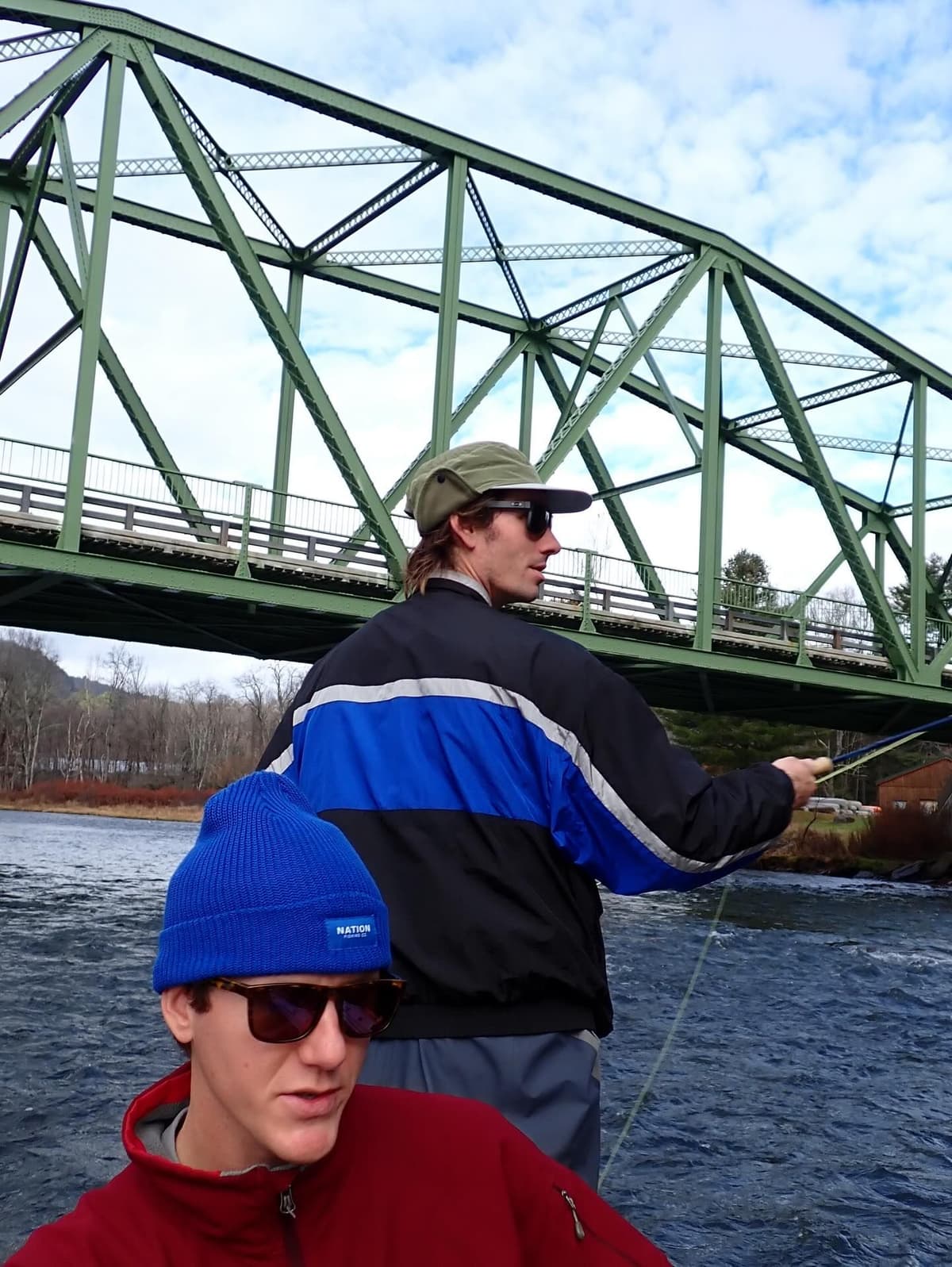
Nation FC
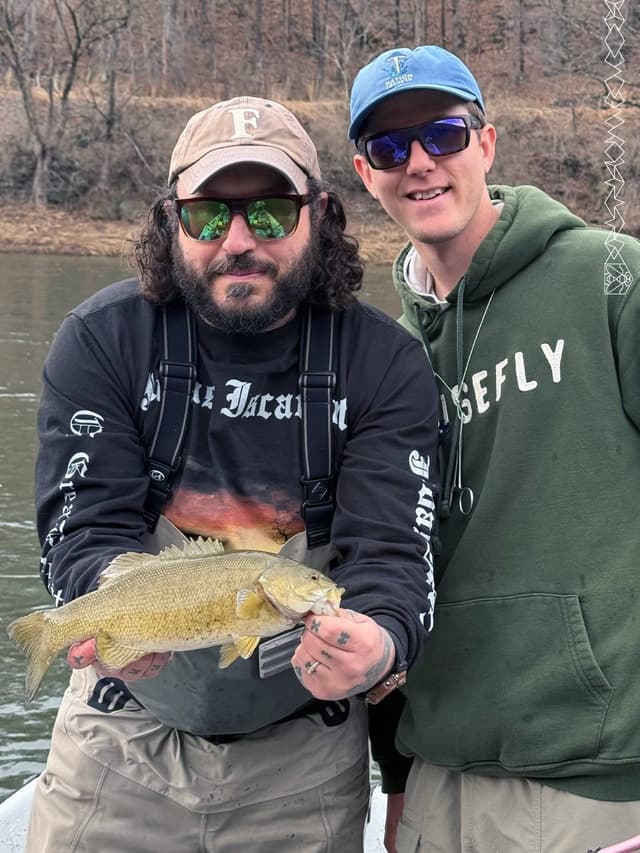
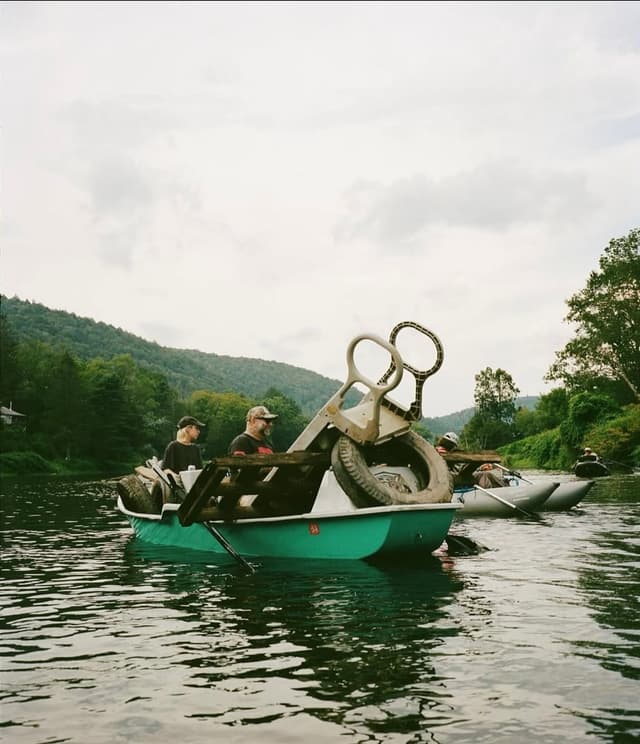
Nation FC brings a contemporary perspective to fishing apparel, blending technical performance with influences from streetwear and modern outdoor design. The result feels more aligned with today's broader outdoor community than traditional fishing uniforms.
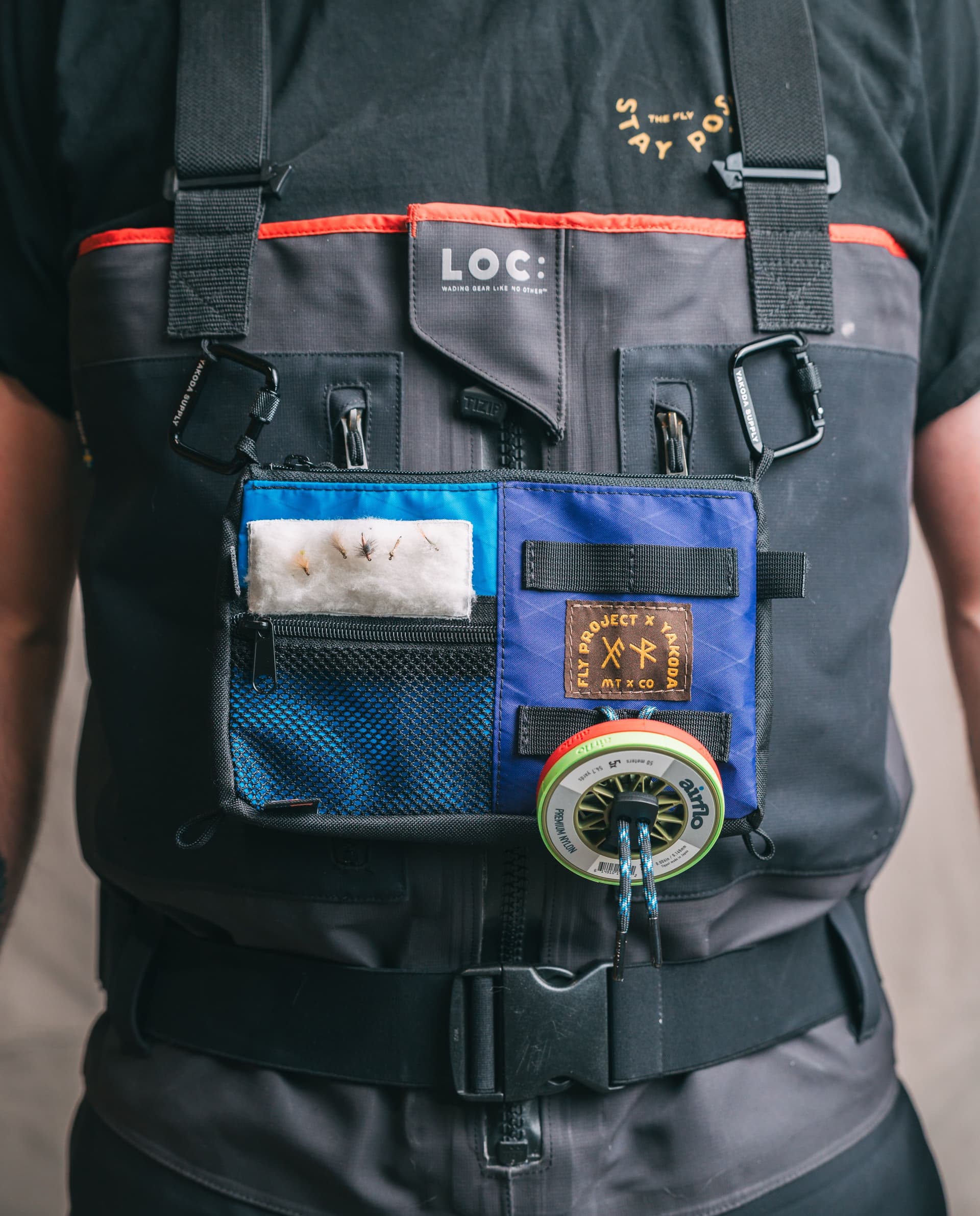
Yakoda Supply
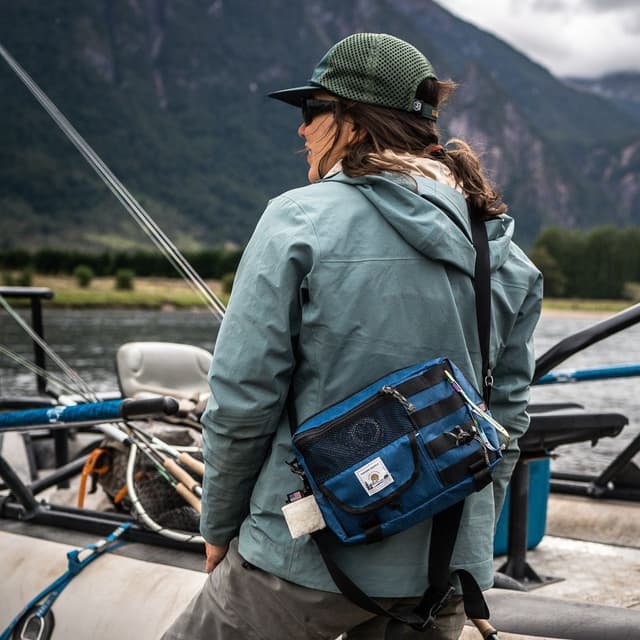
Yakoda Supply has quietly become one of the industry's most thoughtful product design companies. Its accessories, storage systems, packs, and organizational tools prove that even the smallest pieces of fishing equipment can benefit from exceptional industrial design.
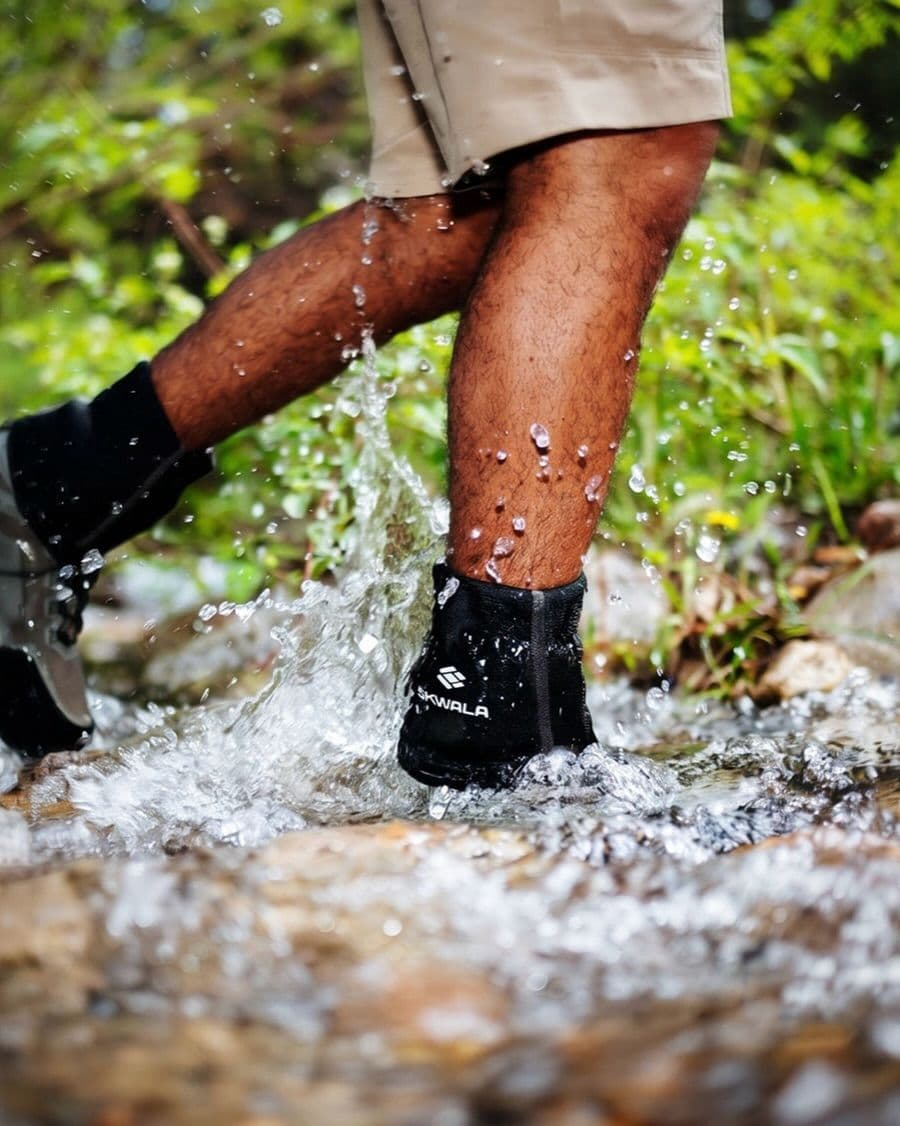
Skwala Fishing
Skwala has rapidly established itself as one of the most exciting technical apparel brands in fly fishing. Premium materials, exceptional fit, and refined construction have positioned it as a serious challenger to long-established outerwear companies.
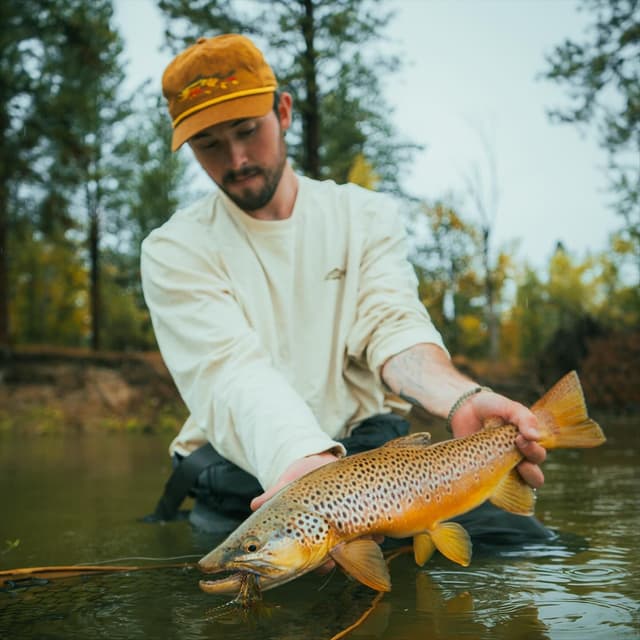
RepYourWater
Long before lifestyle became a buzzword, RepYourWater demonstrated that apparel could celebrate local fisheries while directly supporting conservation. Its regional artwork and conservation partnerships helped define what a modern fishing brand could become.
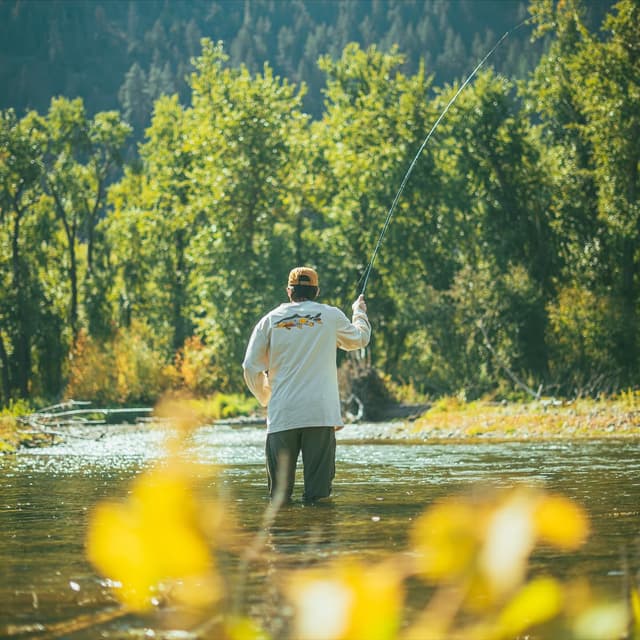
Riversmith
Innovation doesn't always happen inside rods and reels. Riversmith reinvented how anglers transport equipment through premium vehicle-mounted rod carriers that have become a benchmark for destination fishing and road trips.
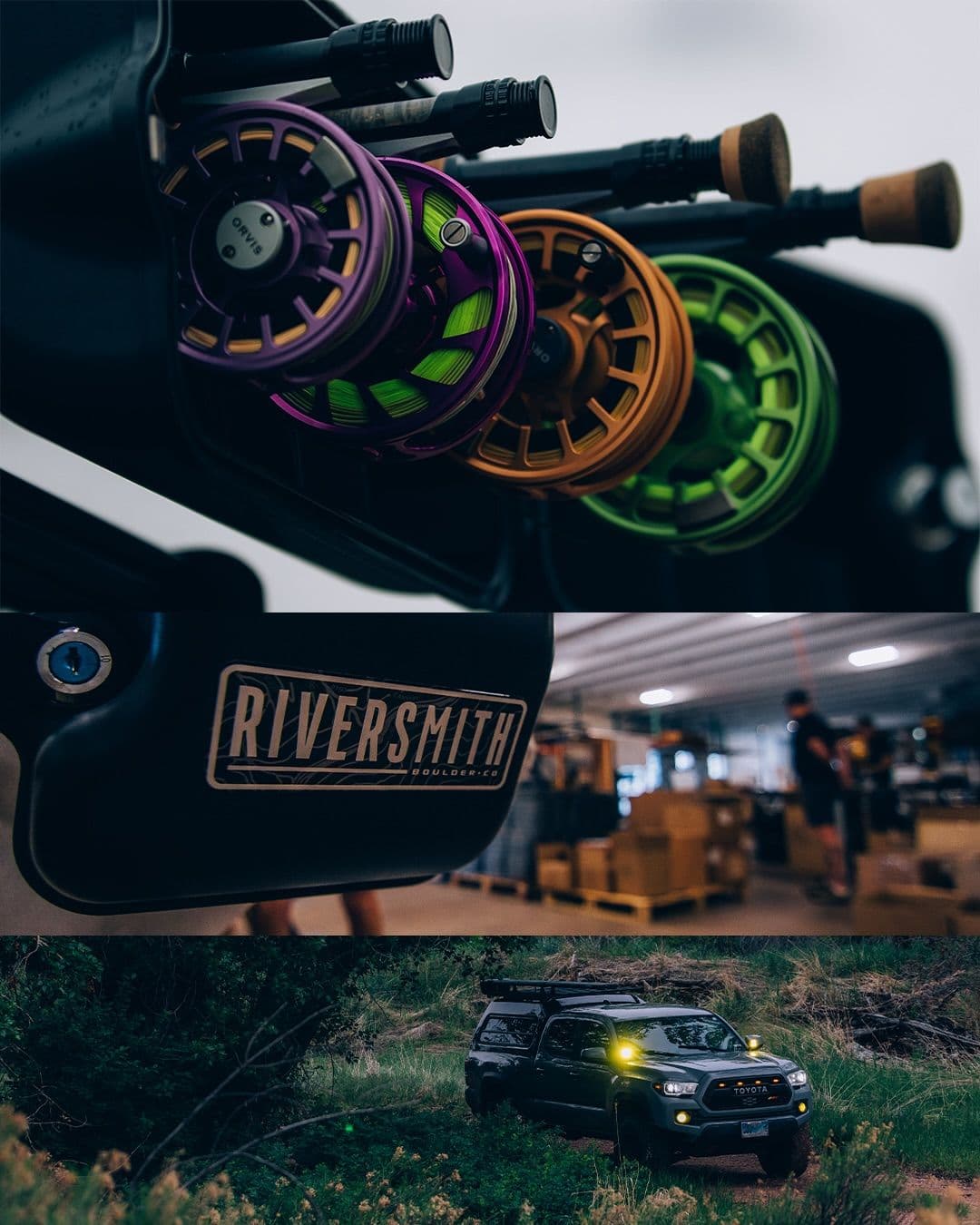
Tenkara USA
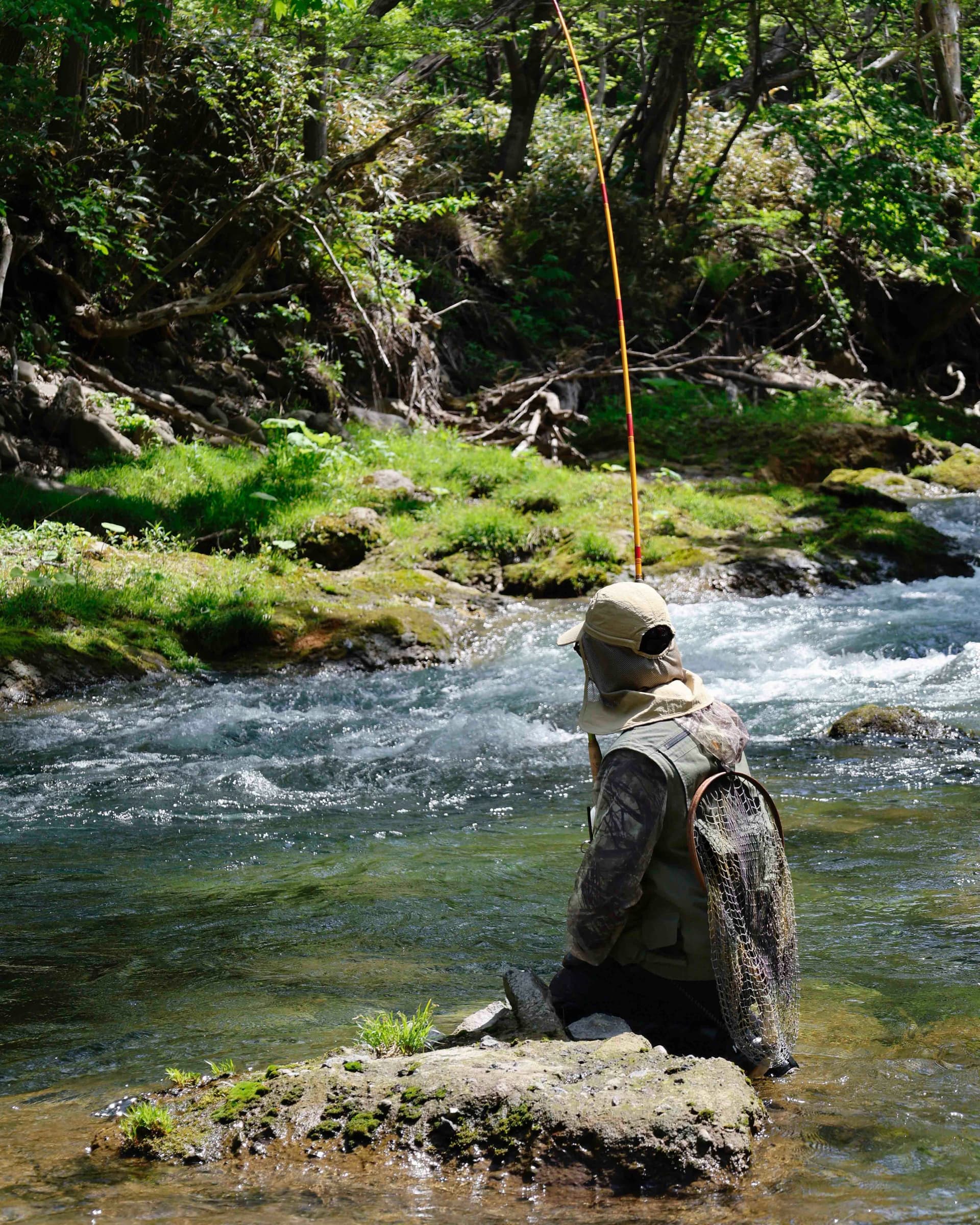
By introducing Japanese tenkara fishing to many North American anglers, Tenkara USA challenged assumptions about complexity. Its reel-free approach reminds anglers that simplicity often creates deeper connections with the river.
Fishing Apparel Has Entered a New Era
Not long ago, fishing apparel prioritized utility above everything else.
Oversized shirts.
Cargo pockets.
Khaki everything.
Performance mattered.
Design rarely did.
Today's consumers expect both.
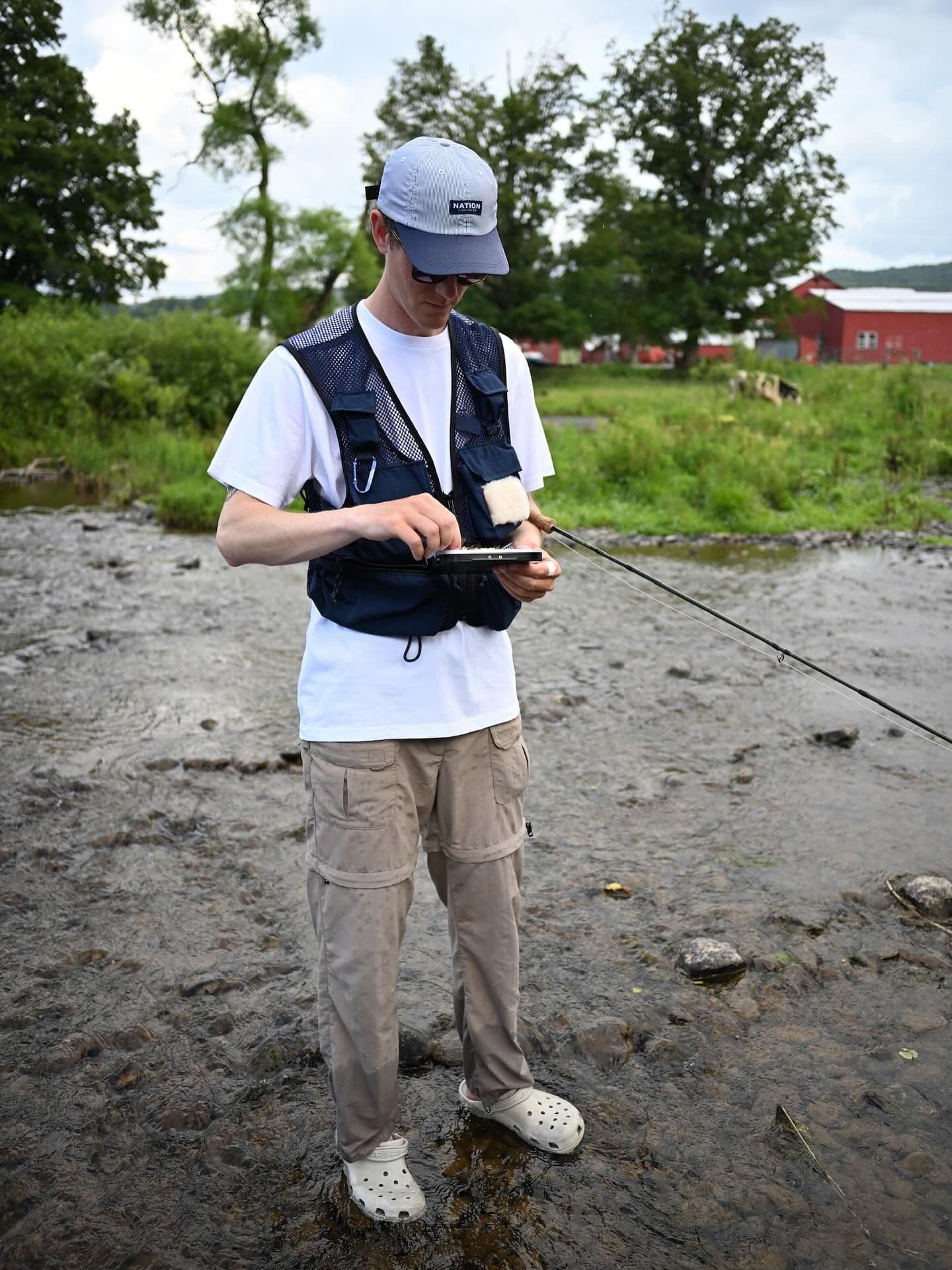
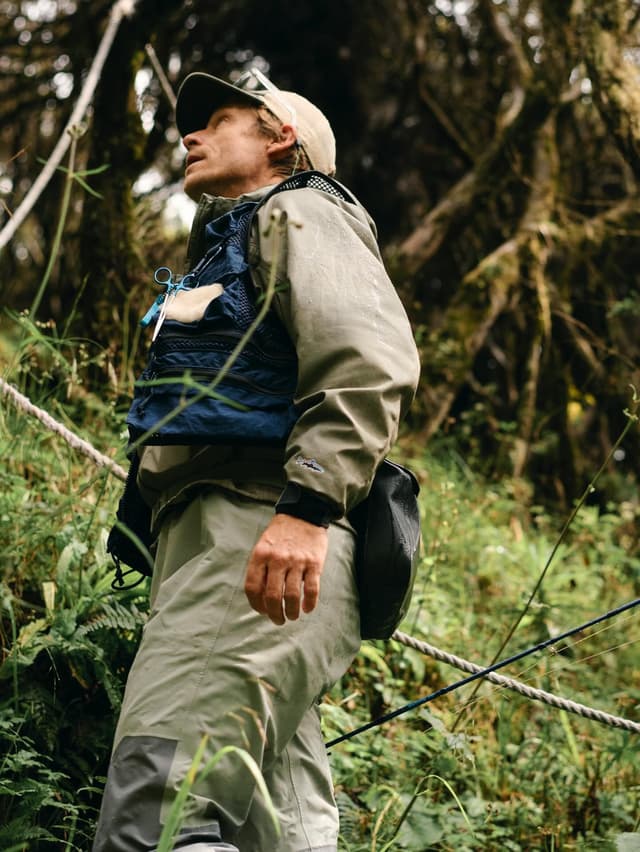
Fishing apparel increasingly borrows from trail running, Japanese outdoor brands, workwear, technical fashion, and everyday sportswear.
Garments are lighter.
Fits are cleaner.
Materials are more versatile.
Many pieces transition seamlessly between rivers, airports, cafés, and everyday life.
Rather than advertising themselves exclusively as fishing products, they're simply excellent outdoor clothing.
The Gorpcore Effect
Fishing hasn't escaped the influence of the broader outdoor design movement.
Brands like and wander, Snow Peak, ROA, Goldwin, Arc'teryx, and NNormal have spent the past decade proving that technical products can also be beautifully designed.
That philosophy is beginning to reshape fishing.
Consumers increasingly expect cleaner silhouettes.
Better fabrics.
Thoughtful color palettes.
Minimal branding.
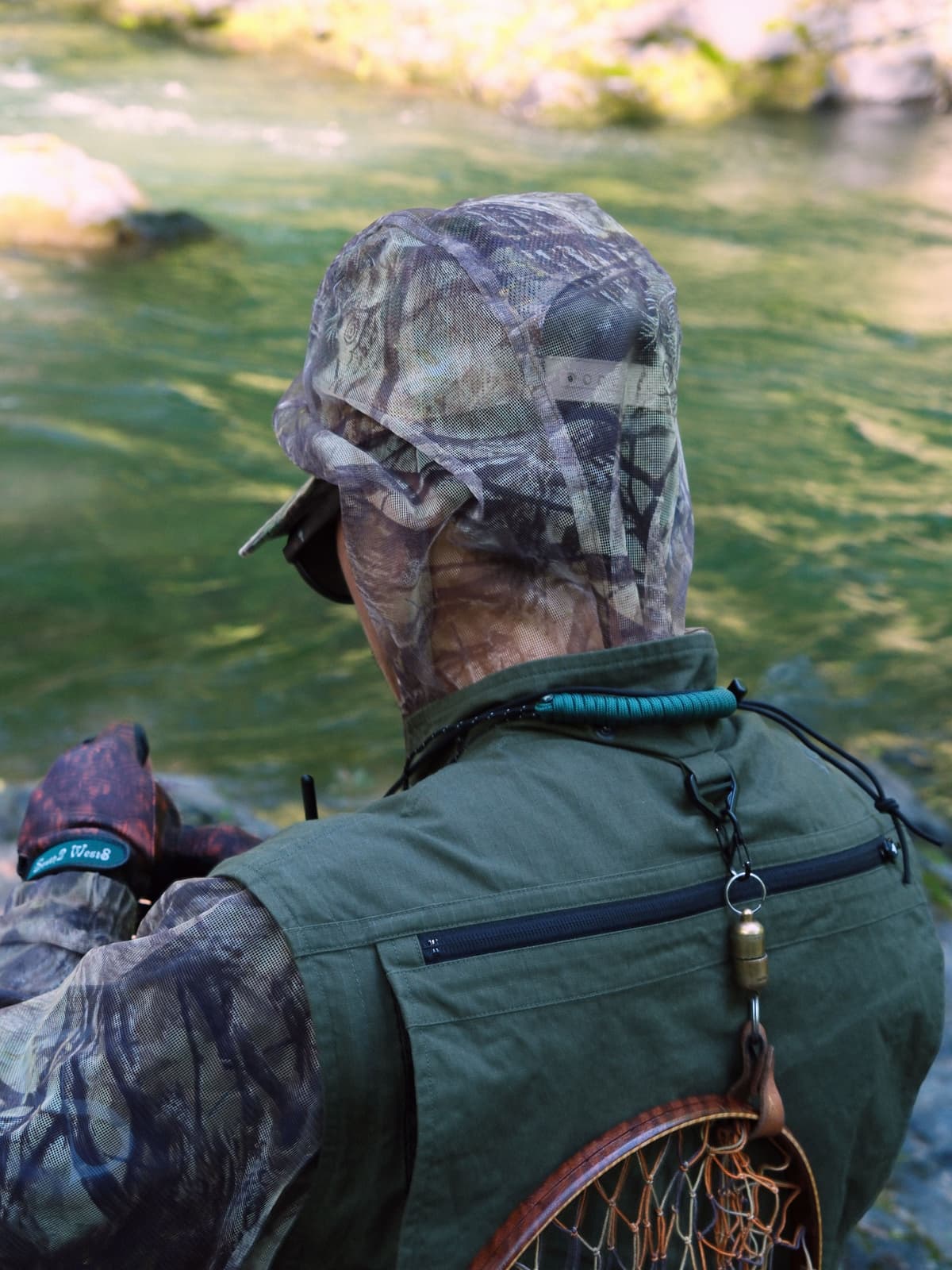
Products that function equally well on rivers and everywhere else.
Retail spaces have evolved too.
Photography feels more editorial.
Campaigns focus on travel and community instead of grip-and-grin trophy shots.
Stores increasingly resemble contemporary outdoor boutiques rather than traditional tackle shops.
This isn't fashion replacing function.
It's design improving function.
And the category is stronger because of it.
Premium Means Something Different Today
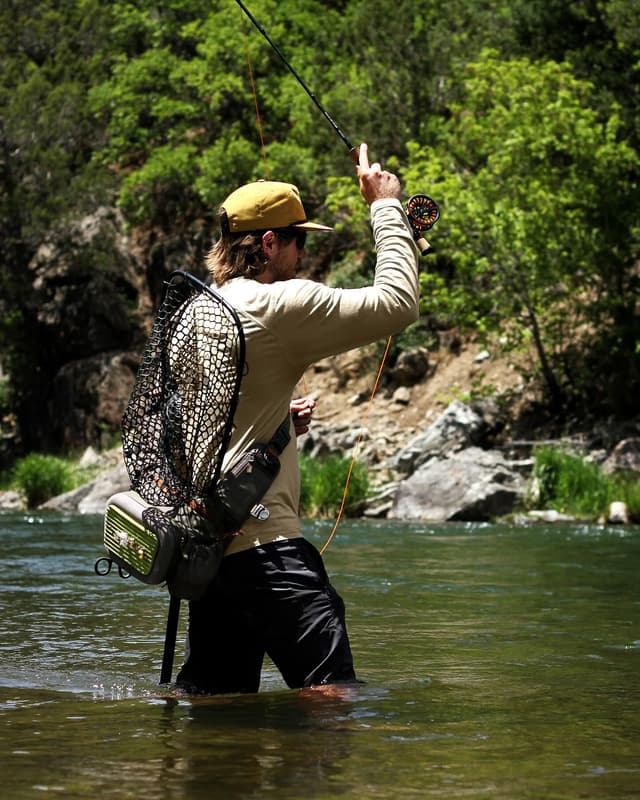
Premium products no longer compete only through performance.
They compete through longevity.
Repairability.
Craftsmanship.
Transparency.
Material quality.
Design.
Consumers increasingly ask questions beyond specifications.
Who made this?
Can it be repaired?
Will I still want to own it in fifteen years?
Does this company support the rivers where I fish?
Quality has become emotional as much as technical.
Direct-to-Consumer Has Changed the Industry
Many of today's most interesting brands launched online.
Without depending on traditional retail, they could experiment with smaller production runs, faster product development, and more direct conversations with customers.
Limited releases.
Small-batch manufacturing.
Founder-led storytelling.
Highly engaged communities.
Direct-to-consumer has allowed fly fishing entrepreneurs to build businesses that may never have existed under the industry's old distribution model.
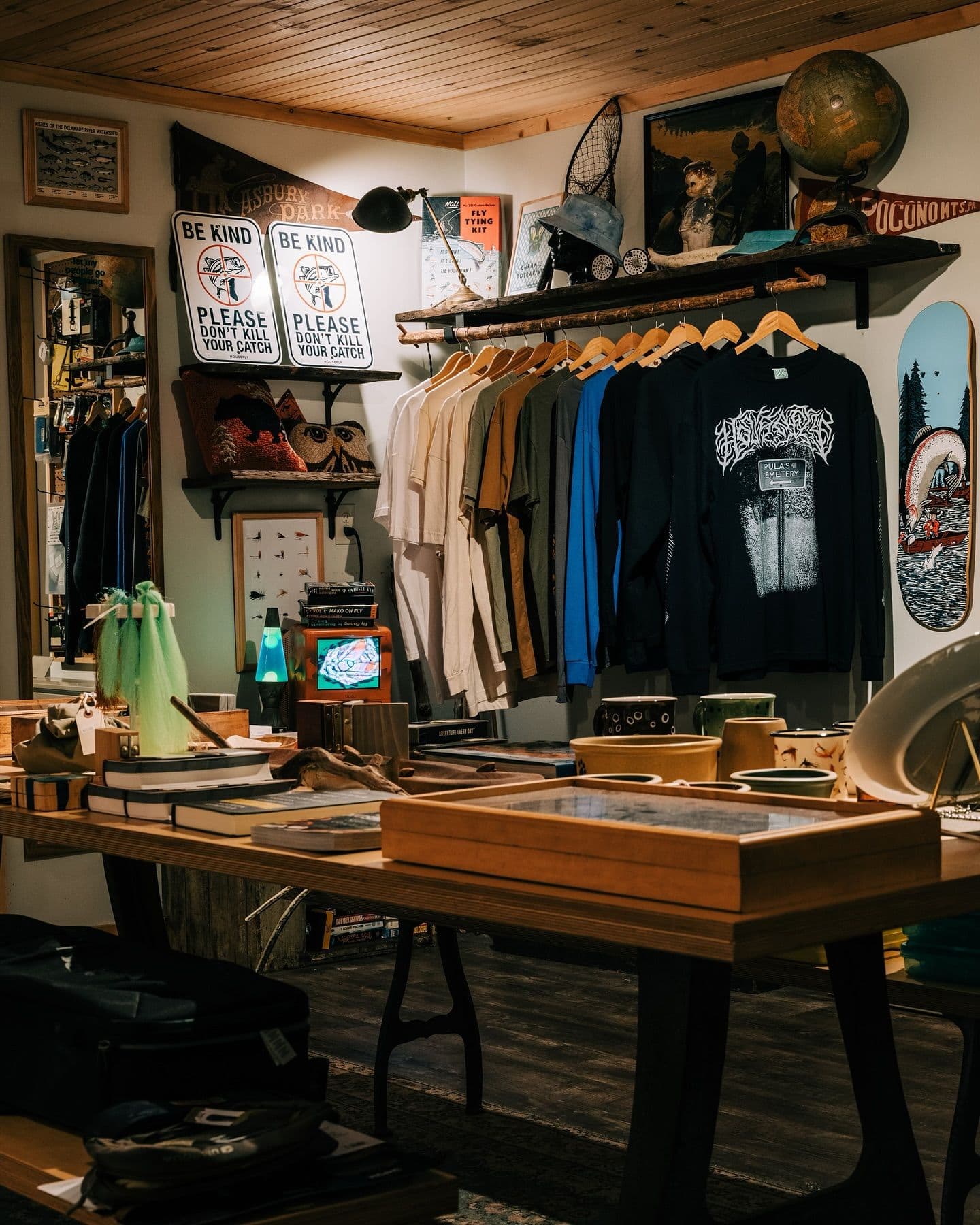
Fly Shops Have Become Community Hubs
Ironically, the internet has made physical fly shops more valuable.
The best stores offer something impossible to ship.
Knowledge.
Friendship.
Coffee.
Casting instruction.
Conservation events.
Film screenings.
Women's clinics.
Beginner nights.
Artist collaborations.
Local intelligence.
Increasingly, they're becoming neighborhood institutions rather than simple retailers.
Community has become their greatest product.
Women Are Reshaping Fly Fishing
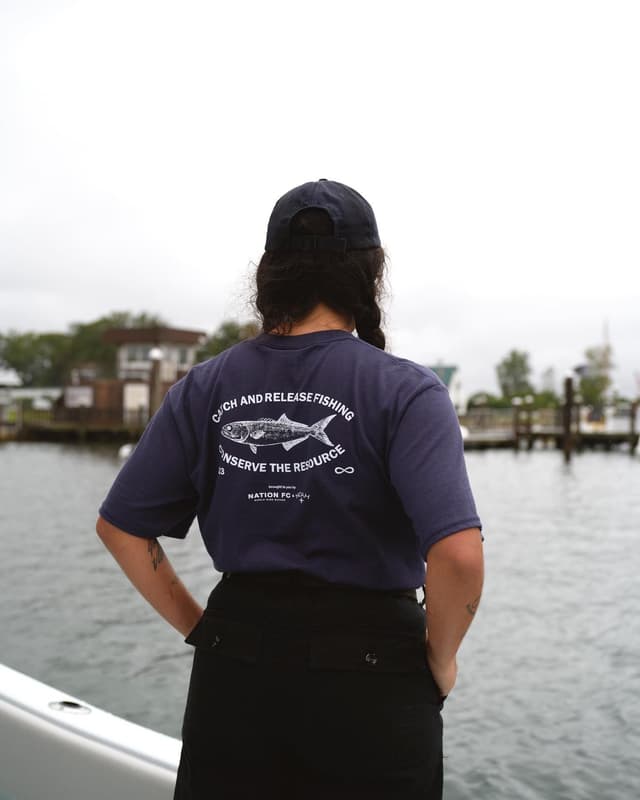
One of the industry's most encouraging developments is who feels welcome.
Women's participation continues to grow across guiding, conservation, education, photography, filmmaking, journalism, and entrepreneurship.
Brands are investing in products designed specifically for women rather than simply resizing men's garments.
Organizations continue introducing thousands of newcomers through clinics and mentorship programs.
The result isn't simply greater participation.
It's a healthier culture.
More perspectives create stronger communities.
Destination Fishing Is Driving Outdoor Travel
Fishing trips increasingly look like outdoor vacations.
A river may provide the destination.
But hiking trails, cafés, architecture, bookstores, breweries, and local outdoor shops complete the experience.
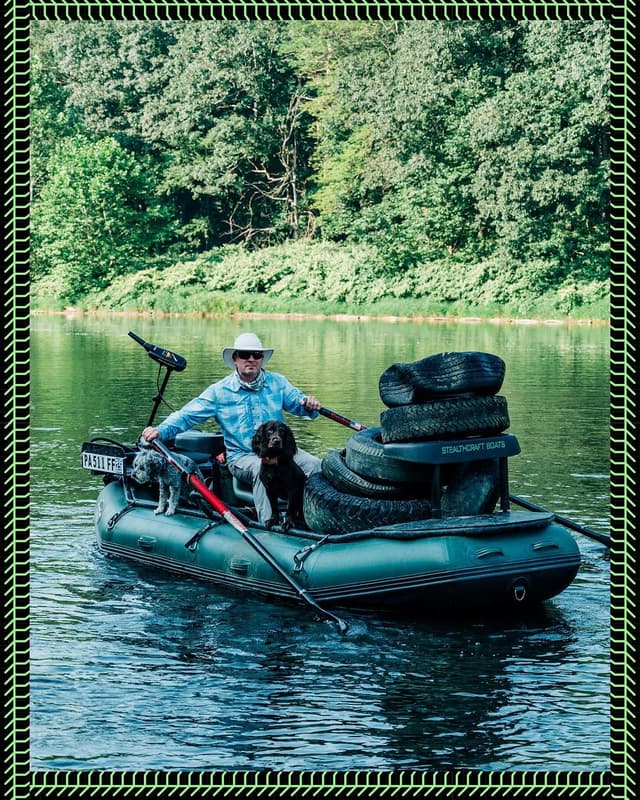
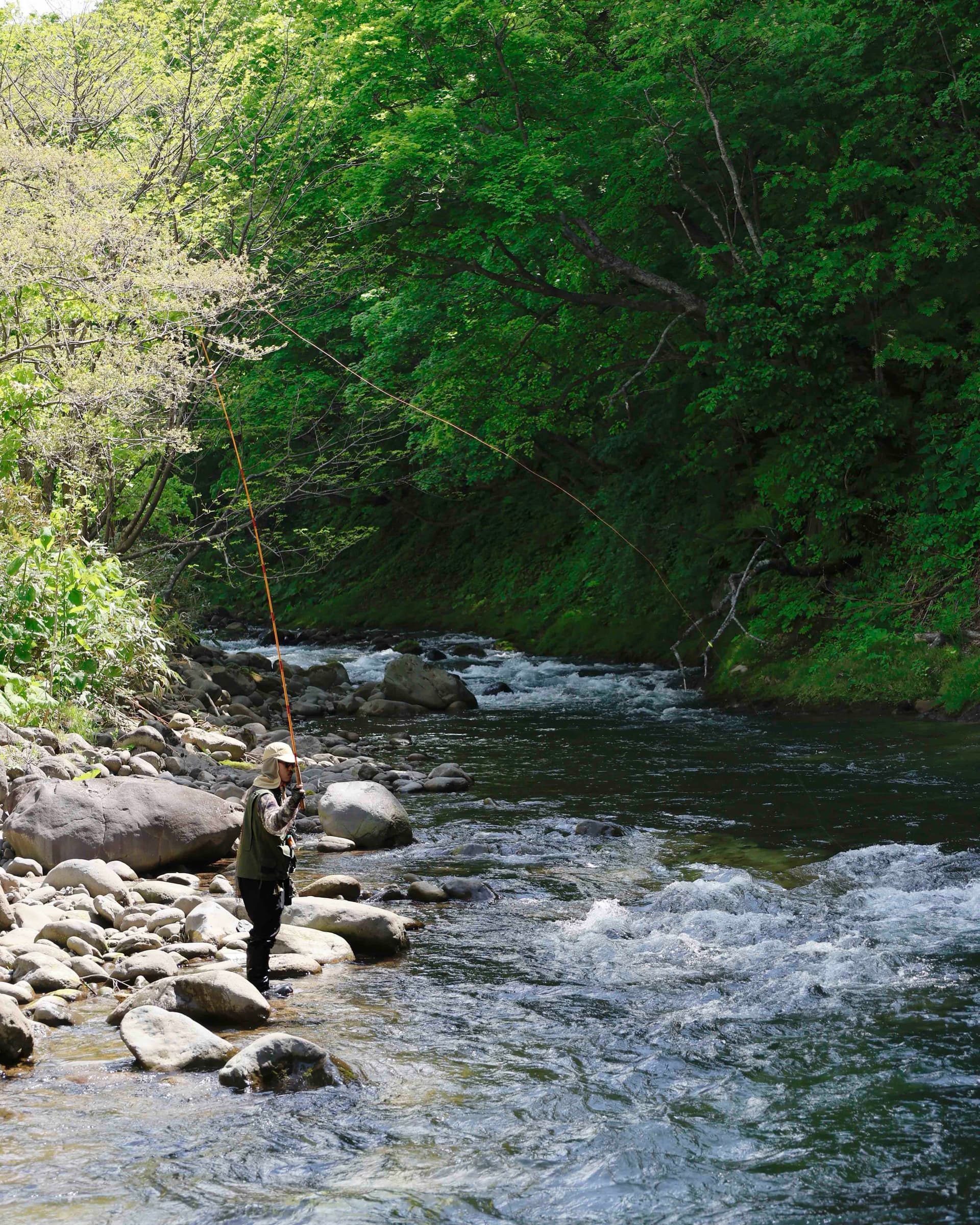
Whether exploring Montana, Patagonia, Slovenia, Iceland, New Zealand, Hokkaido, or the American West, anglers increasingly travel to experience landscapes rather than simply catch fish.
Fly fishing has become another expression of slow travel.
Conservation Is Becoming Part of the Product
Healthy fisheries require healthy rivers.
Consumers increasingly expect brands to contribute toward protecting both.
Conservation is becoming integrated into product design, manufacturing decisions, public lands advocacy, habitat restoration, and education rather than existing solely as annual donations.
Companies investing in long-term stewardship are increasingly earning customer loyalty.
The future of fishing depends on the places where it happens.
The industry appears to understand that more clearly than ever.
Looking Ahead
Fishing isn't becoming something different.
It's becoming something broader.
The next decade likely won't be defined by a revolutionary fly rod or a breakthrough reel.
Instead, it will emerge through hundreds of smaller changes.
Independent brands building beautiful products.
Technical apparel inspired by modern outdoor design.
Women reshaping the culture.
Fly shops strengthening local communities.
Destination travel bringing anglers to new rivers.
Conservation becoming inseparable from business.
Perhaps most importantly, a new generation discovering that fishing isn't simply about catching fish.
It's about finding reasons to spend another weekend outside.
As other outdoor categories become increasingly crowded, fishing occupies a rare position.
Its traditions remain intact.
Its community is growing.
Its design language is evolving.
And its future feels more creative than it has in decades.
No products available.
Shop fishing apparel and gear on WeekEnds today.
Related Articles

July 3, 2026
The New Outdoor Luxury
Luxury in the outdoor industry is changing. Here's why craftsmanship, experiences, hospitality, and timeless design are redefining premium gear.
Read →
June 30, 2026
No Budget, No Problem: How 'For The Sake of It' Got Made With a $50 Lens and Zero Clients
Three filmmakers, a $50 eBay lens, a ratchet-strapped RED camera, and a film about doing things just because. This is how passion projects get made.
Read →
June 28, 2026
Somewhere Outside: Designing for Everything Between Leaving and Returning
Step inside Somewhere Outside with founder Caizhu Jo as he discusses outdoor design, Korean culture, storytelling, and creating gear for everyday adventure.
Read →