
Invisible Company: The Trail Is the Product
by Gene Han
Most outdoor brands begin with a jacket, a backpack, or a shoe. Invisible Company began with a piece of trash.
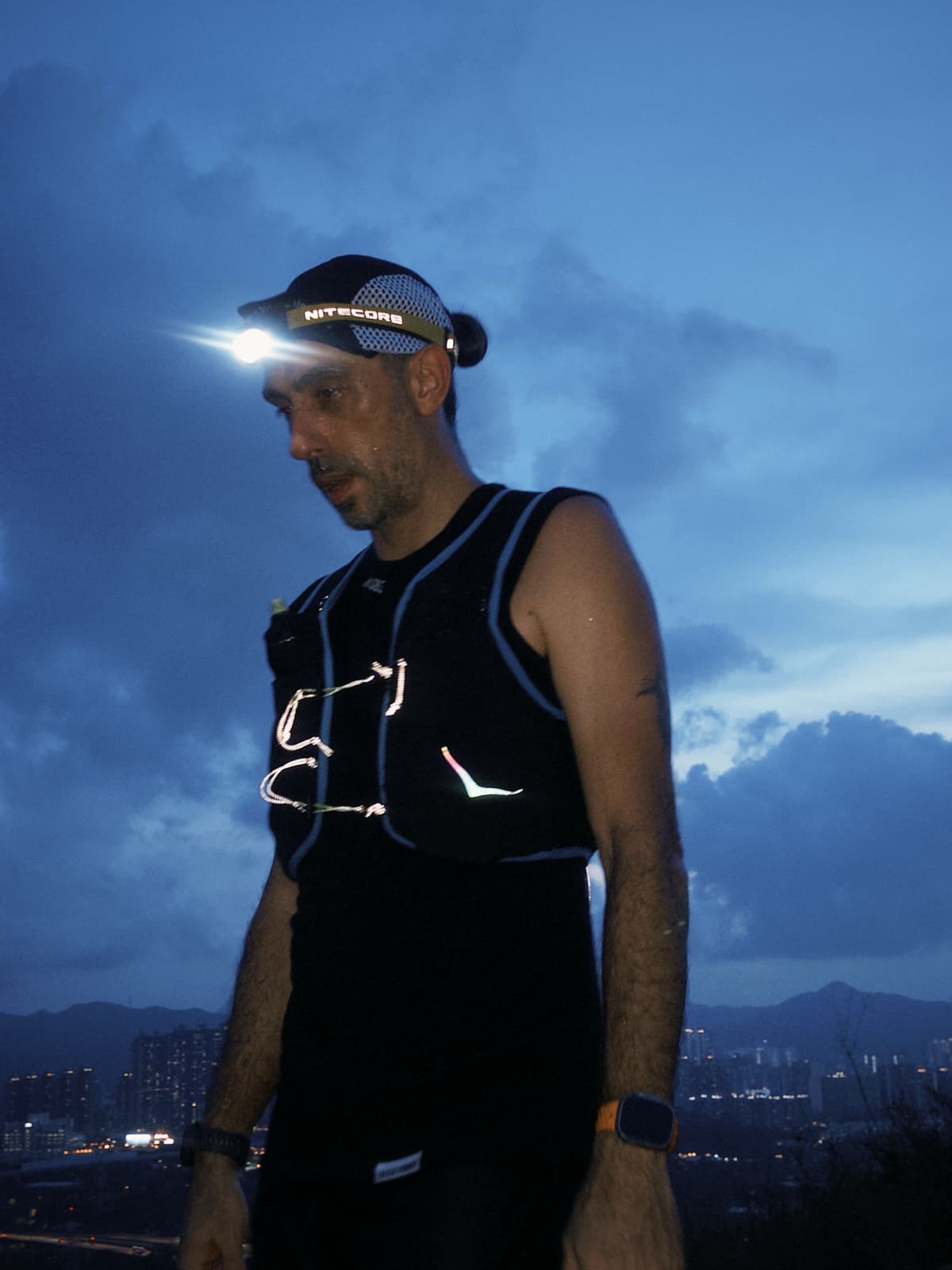
On a hike through Hong Kong's mountains, founders Devana and Flavien found themselves doing what many outdoor enthusiasts eventually do: stuffing discarded bottles, wrappers, and tissues into already-full backpacks. What started as a weekend habit became a realization that the gear industry wasn't just outfitting adventures—it was quietly contributing to the waste they were cleaning up.
That frustration didn't become another sustainability manifesto. It became a materials company.
Solving the Problem Before Selling the Product
Invisible Company first made its name with #INVISIBLEBAG, a water-soluble, biodegradable alternative to the plastic polybags that accompany nearly every garment shipped around the world. It's the kind of innovation consumers rarely notice, but one capable of eliminating millions of pieces of single-use plastic from the apparel supply chain. According to the company, more than eight million conventional plastic bags have already been replaced through partnerships with hundreds of brands.
It's an unusual path.
Rather than convincing customers to buy less, Invisible asked how products could simply leave less behind.
The company's name suddenly makes sense. The best sustainability solutions aren't always visible. They're embedded in the systems most people never think about.
From Cleanup Crew to Trail Running Brand
After years working with fashion companies on sustainable packaging, another problem became impossible to ignore.
The founders had become obsessive trail runners, training for multi-day endurance events like the Marathon des Sables Cappadocia. Days of running without showers highlighted a simple truth: performance apparel had become overwhelmingly dependent on synthetic fabrics that trapped odor and eventually shed microplastics.
Instead of inventing another proprietary fabric, they looked backward.
Merino wool.
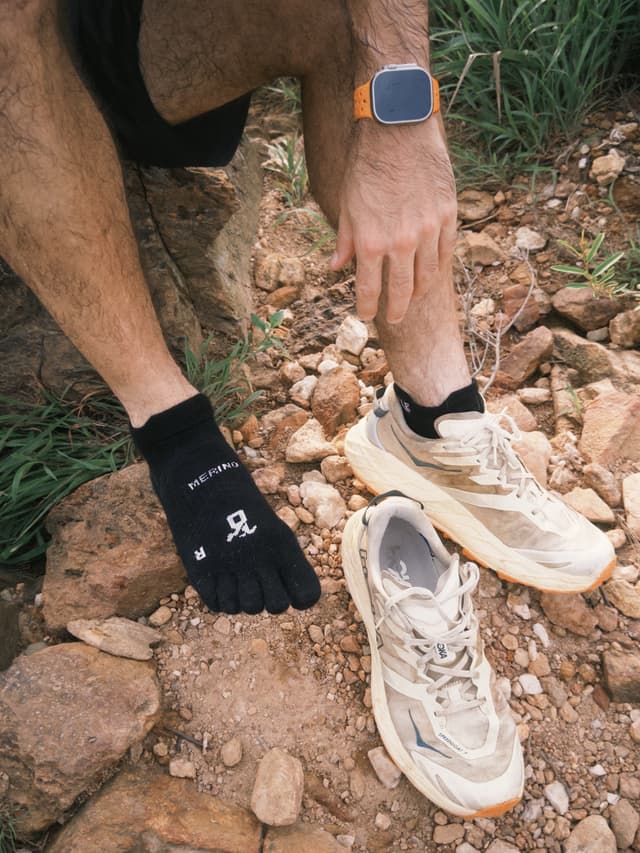
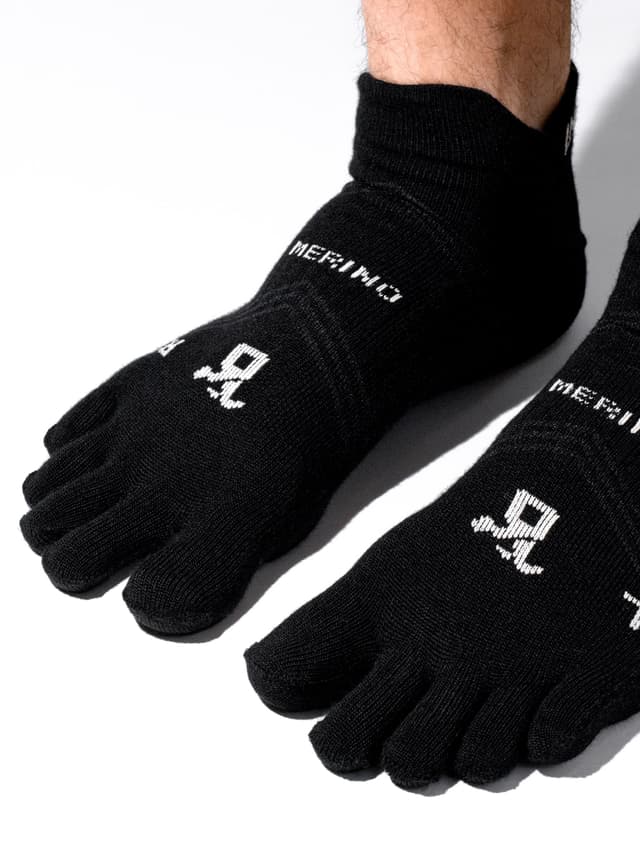
Natural temperature regulation. Odor resistance. Moisture management. A material that had been proving itself long before "performance apparel" became a marketing category.
Their approach wasn't about nostalgia. It was about choosing materials whose performance and environmental story aligned.
Performance Without the Trade-Off
There's a growing shift happening across outdoor apparel.
For years, "technical" became synonymous with petroleum-derived synthetics. Lightweight? Polyester. Fast drying? Nylon. Performance almost always meant plastic.
Invisible Company challenges that assumption.
Its trail collection is built around Merino, not because natural fibers are fashionable again, but because they solve real problems encountered on long days in humid mountains: odor management, chafing reduction, thermal regulation, and comfort across changing conditions. The company backs those claims with educational articles explaining why the fiber performs so well during trail running rather than relying solely on marketing slogans.
The result feels refreshingly honest.
The material isn't the story.
The experience is.
Community Is the Real Product
Spend enough time with Invisible Company's work and another pattern emerges.
The apparel isn't the center of the brand.
The community is.
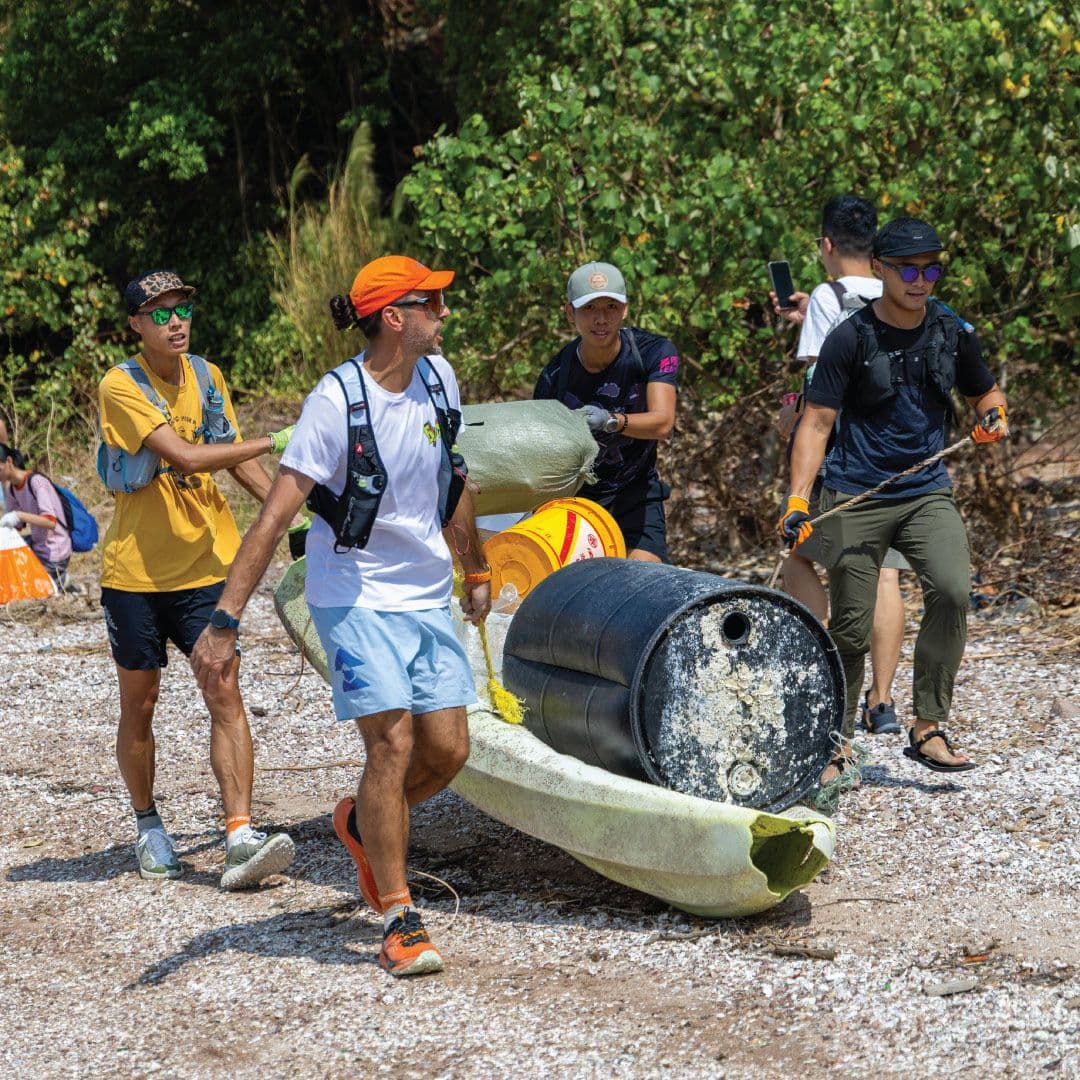
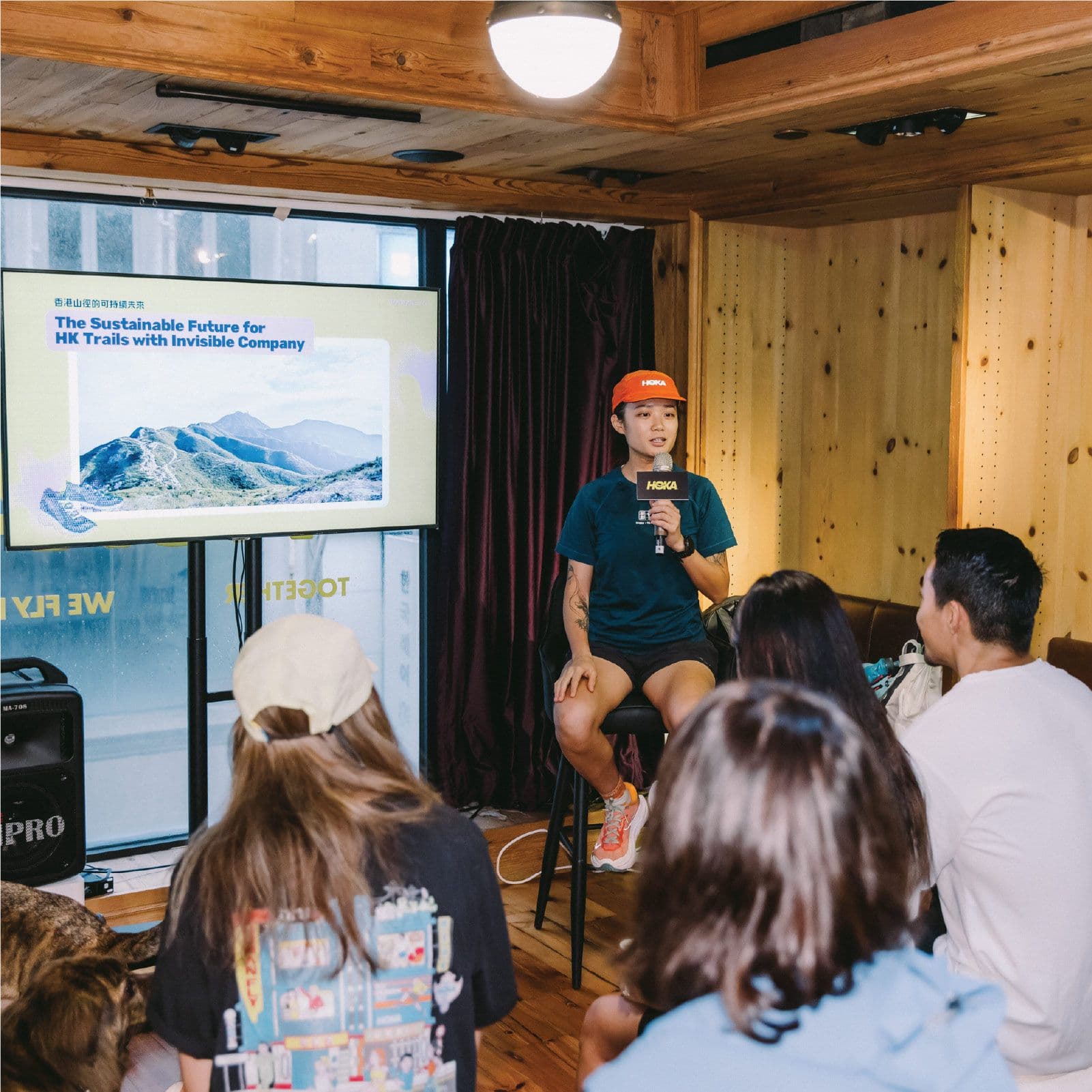
Since launching its first volunteer cleanup in 2021, the organization has grown into a network that regularly restores trails, beaches, and public spaces while hosting educational workshops about sustainable materials and responsible consumption. Hundreds of volunteers have removed well over a metric ton of waste from local environments, while thousands of participants have attended talks and workshops on sustainability.
That matters because outdoor culture has always been built around shared experience.
The best brands don't simply sell access to nature.
They create reasons to return together.

A Different Definition of Outdoor Success
Invisible Company belongs to a new generation of independent outdoor brands that judge success differently.
Not by seasonal collections.
Not by celebrity ambassadors.
Not even by units sold.
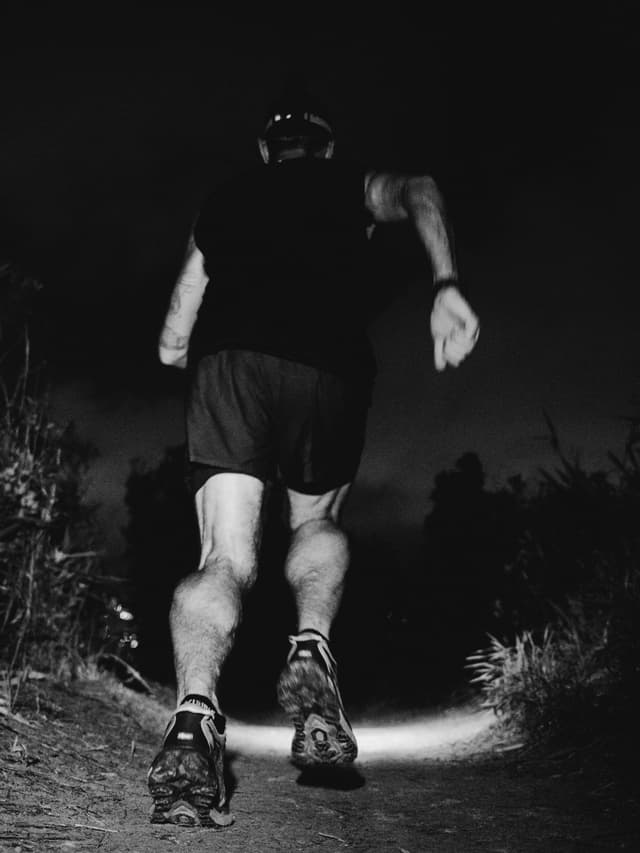
Instead, every product becomes part of a feedback loop. Trail gear funds cleanup initiatives. Cleanup events build community. Community creates education. Education influences better design decisions. Better design reduces environmental impact before consumers ever step onto a trail.
It's an ecosystem rather than a marketing funnel.

Why WeekEnds Is Watching
Outdoor culture is entering a period where the most interesting innovation isn't always happening in footwear midsoles or waterproof membranes.
It's happening inside supply chains, materials science, and community-building.
Invisible Company understands something increasingly important: sustainability isn't another feature to print on a hangtag. It's a design constraint that should shape every decision—from the packaging a garment arrives in to the fiber touching your skin on mile twenty of a mountain race.
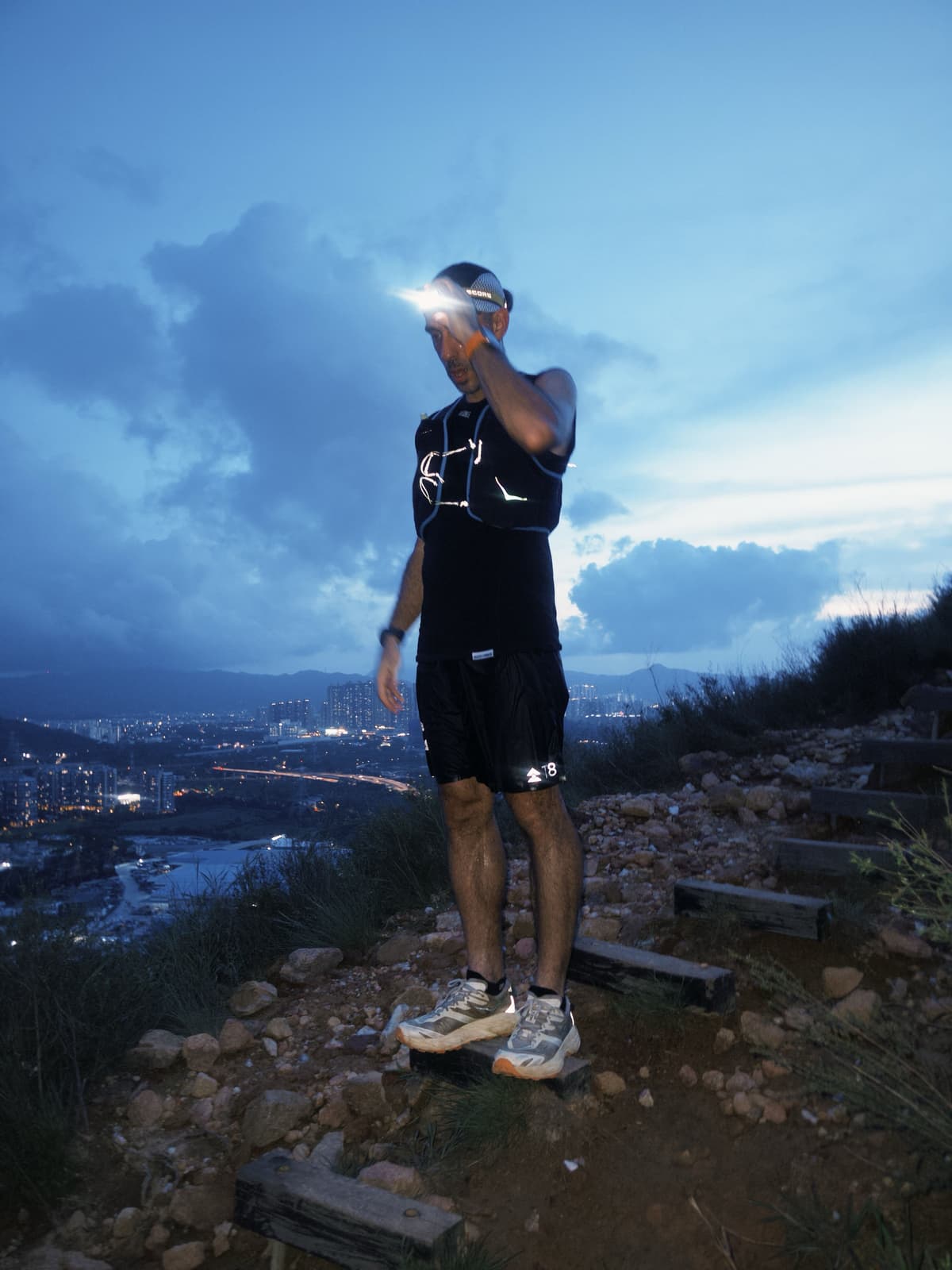
In an industry often chasing the next breakthrough technology, Invisible Company's biggest innovation might be remembering that the trail itself deserves to be part of the design brief.
And perhaps that's the most invisible thing of all.
No products available.
Related Articles

July 30, 2026
Mexico City's Hermanos Koumori Is Building the Running Brand Nobody Asked For (And Everyone Needed)
Hermanos Koumori didn't set out to make a running brand. Now they're one of the most interesting ones on the planet.
Read →
July 28, 2026
The Outdoor Store Isn't Dead. It Just Changed Its Job.
Independent outdoor retailers are redefining modern retail by creating memorable spaces, building community, and proving that discovery matters more than convenience.
Read →
July 27, 2026
Why Small Outdoor Brands Are Winning Attention
Discover why small outdoor brands are capturing consumer attention through authentic storytelling, thoughtful design, and community-driven growth over scale.
Read →