
The Outdoor Store Isn't Dead. It Just Changed Its Job.
by Derek Siegel
How independent retailers like Windthrow are redefining what outdoor culture looks like.
Seattle is a city that has always understood the outdoors.
On any given weekend, traffic flows east toward the Cascades. Trail runners disappear into the Issaquah Alps before sunrise. Climbers drive toward Index. Skiers chase storms over Snoqualmie Pass. Fly anglers head north for steelhead. Mountain bikes fill the racks outside neighborhood coffee shops.
For decades, the region has also been home to some of the biggest names in outdoor equipment. REI began here. Filson built its legacy outfitting prospectors and loggers. Outdoor Research, Feathered Friends, K2, and countless others have shaped how generations of people experience the mountains.

Yet one of Seattle's most interesting outdoor destinations occupies a relatively modest storefront tucked away from the city's busiest retail corridors.
You won't stumble into it while shopping for sneakers or grabbing lunch.
You have to know it's there.
Walk through the courtyard, open the door, and Windthrow immediately feels different.
The space isn't pristine. It isn't overly merchandised. There are books stacked beside technical shells, trail shoes next to art objects, climbing hardware sharing space with independent magazines and carefully selected apparel. Nothing feels accidental, yet almost everything rewards curiosity.


It's the kind of store that invites wandering.
And that's precisely the point.
"Everybody that walks through the door—whether they're a grizzled fashion professional or someone just looking for gear for the weekend—always talks about how fun the store feels," founder Nate Hoe told WeekEnds.
He wasn't describing inventory.
He was describing atmosphere.
That distinction says a great deal about where outdoor retail finds itself today.For nearly thirty years, the industry optimized for efficiency. Bigger stores. Larger inventories. Faster fulfillment. Better logistics. Then came e-commerce, promising infinite selection and overnight delivery. Every technological advancement pushed retail toward frictionless transactions.
By nearly every conventional business metric, physical stores should have become less important.
Instead, something unexpected happened.

The most influential outdoor retailers of the past decade haven't necessarily been the biggest. They've been the most distinctive.
Windthrow in Seattle.
Hatchet Supply in Brooklyn.
Forecast in New York.
Alterior in Vancouver.
These aren't simply places to buy jackets. They're places people intentionally visit.
Increasingly, that's the product.
The Return of Discovery
Walk into most large retailers today and you'll accomplish exactly what you intended.
You find the aisle.
You compare specifications.
You make your purchase.
You leave.
Nothing about the experience encourages surprise.
Independent retailers are betting on something entirely different.
Discovery.
Not algorithmic discovery.
Human discovery.


The kind that happens when someone hands you a magazine you've never heard of. When an employee insists you try on a shoe you weren't planning to consider. When a coffee turns into a forty-minute conversation about the best trails within two hours of the city.
Those moments cannot be shipped in a cardboard box. They also happen to be what people remember.
Hoe thought deeply about that while building Windthrow.
"When you enter Windthrow... hopefully there's that sense of discovery," he said. "There's so much product in the store that you can walk around and find something you really like."
That idea feels almost radical today. Retail spent decades trying to remove friction. Windthrow embraces just enough friction to create exploration. The store asks customers to slow down.
To notice.
To browse.
To become curious again.
That philosophy extends beyond the merchandise itself. Books occupy as much visual importance as apparel. Independent publications sit beside hydration packs. Running shoes aren't isolated from lifestyle clothing.

Technical outerwear shares space with objects that have little commercial justification beyond being interesting. The result isn't clutter.
It's narrative.
Every shelf quietly suggests another path to explore.
That approach reflects a broader shift happening throughout outdoor culture. Consumers are no longer simply purchasing equipment. They're searching for taste.
For perspective.
For curation.
For someone who has already done the work of filtering thousands of products into a coherent point of view.
In many ways, the independent retailer has become today's cultural editor.

Why Memorability Matters More Than Convenience
Ask almost any retailer what keeps them awake at night and the answer usually involves Amazon.
Faster shipping.
Lower prices.
Infinite inventory.
But Hoe believes that's the wrong competition entirely.
Independent stores don't win by becoming more convenient. They win by becoming more memorable.
"It's more about visiting a physical space that's interesting—not your work, not your house, not another café," he explained. "I think that's mandatory for a store nowadays—to feel memorable or cool in some way and be a place people can hang out beyond buying something."
That sentence may be one of the most important observations about modern retail.
For years, analysts have debated whether physical retail is dying. Perhaps they were asking the wrong question. The question isn't whether people still want stores. It's whether they still want forgettable stores. The answer appears increasingly obvious.

People will happily drive across a city to visit a place that feels authentic. They'll wait in line for coffee if it comes with conversation. They'll spend an afternoon wandering a shop where every shelf reflects someone's personal obsession rather than an inventory algorithm.
The best retailers no longer resemble warehouses. They resemble living rooms. Or libraries. Or clubhouses. Or galleries. They're spaces built around belonging rather than transactions. That may sound romantic. It's also becoming remarkably good business. Because in an age when almost everything can be delivered overnight, attention isn't captured by convenience anymore.
It's captured by places worth remembering.
Retail Has Become Hospitality
There was a time when the best outdoor stores competed on inventory.Who carried the widest footwear wall. Who stocked every jacket color. Who had the biggest ski department before winter.
Selection was the strategy. Today, that advantage is disappearing.
Nearly every product can be found online. Consumers arrive at stores having already watched reviews, compared specifications, and read hundreds of comments. By the time they walk through the door, they've often made up their minds about what they want.
Or at least they think they have.

That's where the independent retailer becomes something the internet can't.
A host.
We're no longer in the retail business. We're in the hospitality business.
The store isn't designed to maximize transactions. It's designed to maximize time. Every decision—from the layout to the assortment to the conversations happening across the floor—encourages people to linger rather than leave.
That shift may be the biggest change happening in outdoor retail. The product gets someone through the door. The experience convinces them to come back.
Independent stores increasingly resemble neighborhood cafés more than department stores. They host run clubs before opening. They screen films after closing. They collaborate with local artists. They recommend restaurants as readily as backpacks. The best employees aren't simply sales associates; they're guides, connectors, and local historians.

A purchase becomes the byproduct of trust.
Not the objective.
That's precisely why so many of today's most respected outdoor retailers have developed loyal followings that extend far beyond their cities.
Hatchet Supply has become synonymous with Brooklyn's outdoor renaissance.
Forecast feels as much like a publication as a retailer.
Windthrow occupies that same emerging category.
They're not simply stores. They're cultural institutions.


Expertise Is Becoming Luxury
Perhaps the greatest misconception about modern retail is that information has become free.
It hasn't.
Specifications are free. Experience remains incredibly valuable.
Every outdoor product page lists waterproof ratings. Every shoe review summarizes cushioning. Every YouTube video claims to have found "the best."
But expertise isn't the accumulation of information.
It's judgment.

During our conversation, Hoe repeatedly returned to something algorithms can't replicate: lived experience.
"I spend almost every day trail running," he explained. "I can provide hands-on expertise around a pair of shoes."
That sounds obvious until you compare it to the way many people shop today.
An online recommendation engine can suggest five similar jackets. It cannot tell you that one hood becomes annoying in crosswinds. A sizing chart can't explain how a shoe feels after twenty miles on wet granite. Artificial intelligence can summarize reviews.
It cannot recognize your gait after watching you jog across a hardwood floor.


Hoe laughed about the modern tendency to outsource expertise to the internet.
"You can read some Reddit diatribe from some guy," he said, "but it's not the same."
That line landed because it exposes something many outdoor enthusiasts already know.
The internet is excellent at accumulating opinions. It's much worse at establishing trust. Trust still happens face-to-face. It happens when someone who has climbed the route, skied the line, or run the race tells you what actually worked. That's becoming one of independent retail's greatest competitive advantages.
Not inventory.
Not pricing.
Not even exclusivity.
Judgment.
Outdoor Didn't Become Creative. Creatives Went Outside.
One of the most provocative moments in our conversation arrived when the discussion shifted toward design. Over the past decade, it has become fashionable to argue that outdoor culture has become more creative.
Look at the photography.
The films.
The branding.
The clothing.
The typography.

Everything feels more refined than it did twenty years ago.
Hoe doesn't entirely buy that narrative.
"I don't think outdoor gear is more creative," he said. "I think you have more creatives—with a capital C—participating in the outdoors."
It's a subtle distinction. And an important one.
Outdoor culture has always attracted inventors. Long before mood boards and creative agencies entered the industry, climbers, engineers, skiers, and backpackers were solving problems because they needed better equipment. Many of those founders weren't trained designers. They were simply curious.

Hoe pointed toward companies like Therm-a-Rest and MSR as evidence. Their early advertisements remain some of the most beloved in outdoor history—not because they were polished, but because they felt inventive.
"They were ex-Boeing engineers designing iconic products because they were bored or unemployed," Hoe said with a laugh. "That's why there's so much obsession over old outdoor ads—they're significantly more creative than we have nowadays."
He's probably right. Those campaigns weren't trying to look authentic. They simply were.
Today's outdoor world contains more photographers.

More filmmakers.
More art directors.
More fashion designers.
More brand strategists.
More people whose careers revolve around aesthetics.
Naturally, the visual language has evolved. But that doesn't necessarily mean creativity itself is new. If anything, today's generation is rediscovering the spirit that built the industry in the first place.
The tools have changed. The instinct hasn't.


Why the Best Outdoor Brands Feel Different
That same philosophy explains why a new generation of independent brands has captured so much attention.
Companies like Satisfy, District Vision, Goldwin, Raide, and others are often described as fashion labels entering the outdoor world. It's a convenient headline. It's also incomplete.
What's actually happening is more interesting. The new generation understands that performance and culture no longer exist separately. Consumers want technical credibility. They also want products that communicate taste.

Hoe credits brands like Satisfy with fundamentally changing the visual language of running.
"They single-handedly changed what running looks like," he said.
He isn't talking about carbon plates or moisture management. He's talking about aspiration.
Identity.
Design.

The realization that running apparel could be technically uncompromising while also becoming an object people genuinely desired.
He laughed while describing some of the garments now arriving in stores.
"Having a garment-dyed Italian ripstop shell with a crazy synthetic silk liner... that's nuts."
It's an observation made with admiration rather than criticism.
Outdoor products have always reflected technological innovation. Now they increasingly reflect cultural innovation as well. That's why independent retailers have become so important. They're often the first places where these ideas appear. Not because they're chasing trends.
Because they're helping define them.
We Were Never Chasing Nature. We Were Chasing Each Other.
Almost every conversation about the outdoor industry's recent boom eventually arrives at the same explanation.
COVID.
The pandemic closed gyms, restaurants, offices, and entertainment venues. People bought trail shoes, bicycles, climbing gear, skis, and tents. Outdoor participation exploded almost overnight. Brands struggled to keep inventory on shelves. Retailers couldn't stock enough bikes. Running clubs doubled in size. National parks experienced record visitation.
It's an easy narrative.
It's also incomplete.

When asked what has sustained the momentum years after lockdowns ended, Nate Hoe offered a different explanation.
"I think it's more so people desperate to find ways to connect with each other," he said.
That single sentence reframes nearly everything happening across outdoor culture.
Perhaps people weren't simply escaping indoors. Perhaps they were rebuilding community.
For years, sociologists have written about the disappearance of "third places"—the cafés, neighborhood bars, libraries, churches, bowling leagues, and community organizations that once existed somewhere between home and work. As those places disappeared, so too did many of the casual interactions that gave neighborhoods their identity.
The outdoors quietly filled part of that vacuum.

Run clubs became weekly rituals. Group rides replaced happy hours. Saturday trail runs became introductions to new friendships. Climbing gyms evolved into community centers. Fly-fishing classes became networking events.
The activity itself almost became secondary. The real attraction was belonging.
Hoe believes that's why participation has remained remarkably resilient even after the urgency of the pandemic faded.
"I think people are moving into places like New York more than ever before," he said. "Clearly they want to be around a lot of people—they just want to be doing different things while they're around those people."
It's difficult to argue with that observation.
The explosion of community-oriented outdoor events over the past five years hasn't been driven by elite athletes. It's been driven by ordinary people looking for meaningful ways to spend a Wednesday evening.
You see it everywhere.
Neighborhood trail runs that conclude at breweries. Cycling groups that stop halfway for espresso. Morning surf clubs before work. Weekly bird walks. Community ski tours.
Even retailer-hosted hikes where the products matter far less than the conversations. Outdoor culture increasingly functions as social infrastructure.
Nature is simply where it happens.
Every Trend Eventually Becomes Normal
For an industry obsessed with what's next, outdoor retail has become surprisingly vulnerable to trend cycles.
There was a time when fixed-gear bikes seemed unstoppable. Messenger bags dominated cities. Heritage workwear became luxury fashion. Then gravel riding exploded. Then climbing. Then trail running.
Every movement arrives with declarations that it represents the future. Most eventually settle into something quieter.
Hoe has watched enough cycles to know the difference between enthusiasm and permanence.
"There's a new brand in this space every week," he said with a laugh.
The observation wasn't cynical. If anything, it reflected admiration for the energy currently flowing through the industry.

Independent founders are experimenting with materials, storytelling, apparel, footwear, nutrition, media, and community-building in ways that would have been unimaginable even ten years ago.
The barrier to launching a brand has never been lower. The challenge of building one that lasts has never been higher.
"I've lived through a couple of these trend cycles," Hoe explained. "Every product has to have staying power."
That's an unusually patient perspective in an era dominated by quarterly growth charts and viral launches. It also explains why stores like Windthrow feel carefully edited rather than reactive.
They're not simply buying whatever appears on Instagram this month. They're asking a harder question. Will this still matter five years from now? It's the same question that separates enduring brands from temporary hype.
The products change.
The principles don't.
The Physical World Still Wins
Late in our conversation, we posed a hypothetical.
Imagine two investments. One funds a significant expansion of your physical retail operations. The other funds your social media presence. Which do you choose?
Hoe didn't hesitate.
"Definitely the first option," he said. "The physical location is what sets it apart."
It's an unexpectedly optimistic answer at a time when retail headlines often predict the opposite. But perhaps optimism isn't the right word.
Confidence is.
Digital platforms remain extraordinarily valuable.
Windthrow's Instagram introduces thousands of people to brands they may never have encountered otherwise. Every retailer relies on digital storytelling.


The difference is understanding what those platforms are actually for.They're invitations. Not destinations.
Ironically, social media increasingly rewards authenticity over polish.
"The content that goes crazy these days is the most low-budget stuff imaginable," Hoe observed. "A video of a zipper going up on a jacket... a shimmering bag in the sun."
That comment feels especially revealing.
For years, brands chased cinematic productions, elaborate campaigns, and increasingly expensive creative. Meanwhile, audiences gravitated toward thirty-second videos of someone packing for a trail run. Or the sound of ski skins peeling away from a base. Or sunlight moving across ripstop nylon.
Those moments resonate because they're tangible.
Real.
Unmanufactured.
The same qualities that make independent stores compelling. A beautiful retail space generates photographs. A memorable conversation generates loyalty.
One can be uploaded. The other has to be experienced.
Retail's Next Chapter
If there was one idea that surfaced again and again throughout our conversation with Nate Hoe, it wasn't about footwear, apparel, retail strategy, or even Windthrow itself.
It was about intention.
The independent outdoor stores shaping today's culture aren't trying to become bigger versions of legacy retailers. They're trying to become better versions of themselves. That's an important distinction.
For decades, growth in retail followed a familiar playbook.
Open more stores. Carry more inventory. Expand into more categories. Spend more on advertising.
Eventually, success became synonymous with scale. The independent outdoor movement has quietly rejected that equation. Instead, the industry's most influential shops are becoming more opinionated.

More selective.
More local.
More human.
They're curating rather than accumulating. They're building relationships rather than transactions. And perhaps most importantly, they're proving that culture can become a competitive advantage.
That's something algorithms still struggle to replicate.

Taste Has Become the New Shelf Space
Twenty years ago, retailers competed for physical shelf space. Today they compete for attention. But attention doesn't come from having the most products. It comes from having the clearest point of view.
Walk into Windthrow and you immediately understand what Nate likes. Not because there's a mission statement on the wall. Because every object communicates it.
The magazines. The footwear. The books. The apparel. The furniture. The music. The conversations.
None of it feels outsourced. None of it feels optimized by committee. Every decision reinforces another.
That's taste.

And taste has quietly become one of retail's most valuable assets. Consumers don't need another place to buy waterproof jackets. They need someone whose recommendations they trust. That's true whether you're buying trail shoes, coffee, records, or fly rods. The retailer increasingly becomes an editor.
Every shelf is a recommendation. Every product tells the customer, "If you like this, you'll probably appreciate this too."
The internet offers infinite choice. Independent retailers offer confident restraint. Ironically, restraint has become the luxury.

Why Small Feels Bigger
Walk into a specialty outdoor store almost anywhere in the world and you'll notice something similar. The owner knows someone's name.
A customer recommends yesterday's trail conditions to another shopper. Someone asks where to eat after their run. A dog wanders through the store. The cash register becomes a conversation instead of a checkout line.
None of those interactions scale particularly well. That's precisely why they matter.
Large companies spend millions attempting to manufacture authenticity. Independent retailers begin with it. Because authenticity isn't branding.

It's proximity.
It's recognizing customers.
Remembering conversations.
Watching communities develop over years instead of quarters.
That's difficult to measure inside a spreadsheet. It's also incredibly difficult to replace.
As outdoor participation continues growing, people won't simply remember the jacket they bought. They'll remember where they bought it. Who recommended it. Who they met afterwards.
That's the difference between commerce and community.


A Future Built on Places
Retail analysts often ask what physical stores need to do to survive. Maybe that's the wrong question.
Perhaps the better question is this: What kinds of places deserve to exist?
The answer isn't another warehouse full of inventory. It isn't another endless wall of products organized by SKU. It isn't faster checkout. It's somewhere worth visiting. Somewhere that rewards curiosity. Somewhere that teaches you something. Somewhere that introduces you to people who care about the same things you do.
Windthrow succeeds because it understands that simple truth.
The products matter.
The people matter more.


Why the Outdoor Store Still Matters
As our conversation drew to a close, it became clear that Windthrow isn't simply succeeding because of what it sells. It's succeeding because of what it represents.
An alternative.
A reminder that technology doesn't eliminate the need for physical places.
It elevates them.

The easier it becomes to order products online, the more meaningful it becomes to encounter them in person.
To hold them.
To ask questions.
To hear stories.
To discover something you weren't looking for.
Perhaps that's why independent outdoor retailers feel so important right now. They're among the few remaining businesses where commerce isn't the end goal. It's the beginning of a conversation.

In a world increasingly optimized for efficiency, they remain stubbornly committed to serendipity. In a culture driven by algorithms, they still believe in human recommendation. In an economy obsessed with scale, they continue proving that intimacy can be a competitive advantage.
For years, people predicted the death of the outdoor store.
What they failed to recognize was that the outdoor store was never disappearing.
It was evolving.
The best shops are no longer measured by how much inventory they carry. They're measured by how deeply they're woven into the communities around them.
The future of outdoor retail won't be defined by square footage. Or advertising budgets. Or shipping speeds.
It will belong to the places that make people feel something the moment they walk through the door.
And in that future, stores like Windthrow aren't resisting change.
They're showing the rest of the industry what comes next.
No products available.
Watch the full WeekEnds Weekdays interview with Nate on YouTube now.
Related Articles
September 21, 2026
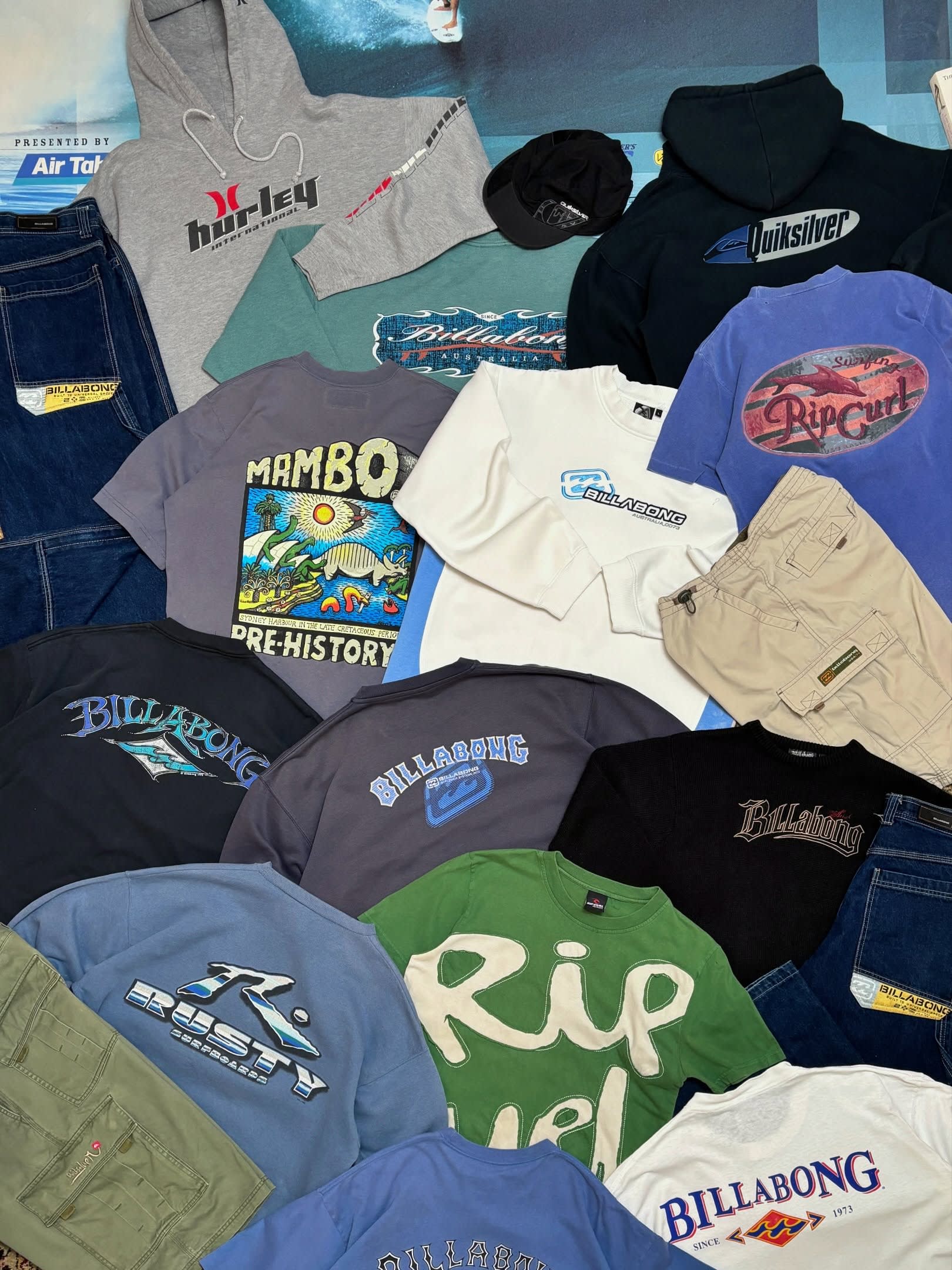
When Surf Brands Were Weird: The Lost Surf Brands of the '90s
Explore the forgotten surf brands of the ’90s and Y2K—and why their strange graphics, subcultures and vintage pieces resonate again today.
Read →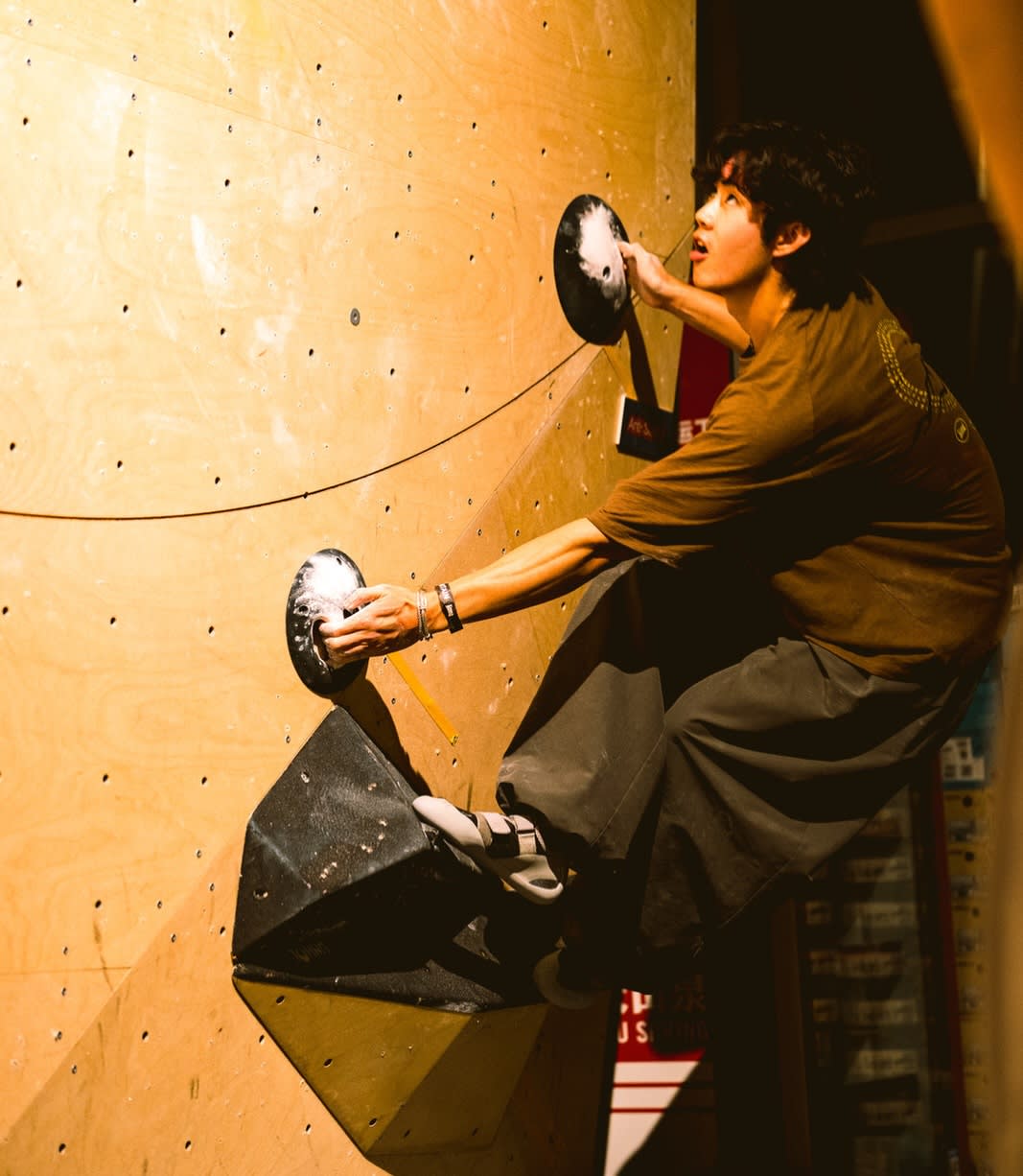
September 17, 2026
Saturn LA Is Building Outdoor Clothing From the Outside In
Saturn LA founder Ryan Cheung talks climbing, streetwear, Chinese outdoor design, independent brands, and the future of technical clothing on WeekEnds WeekDay
Read →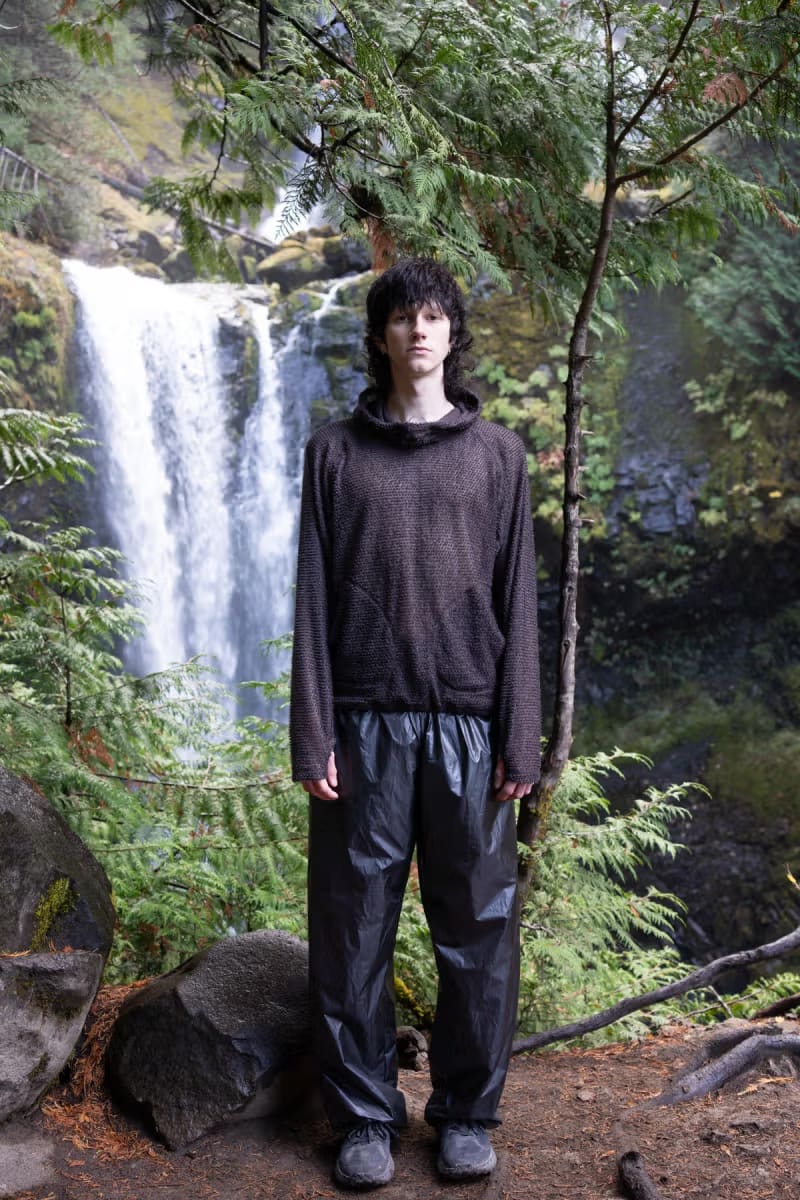
September 16, 2026
The People Designing the New Outdoors
Meet the designers, makers, editors and community builders reshaping outdoor culture, from Gnuhr and CAYL to Field Mag, USAL. Goodlids and more.
Read →