
Why Small Outdoor Brands Are Winning Attention
by Gene Han
For years, the outdoor industry has been defined by scale. The biggest brands commanded the largest advertising budgets, dominated retail shelves, sponsored elite athletes, and dictated what consumers saw each season.
That equation is changing.

Across trail running, cycling, climbing, skiing, fly fishing, and outdoor lifestyle, many of today's most talked-about products aren't coming from billion-dollar companies. They're coming from teams of five, ten, or twenty people building highly focused brands with a distinct point of view.
Consumers aren't simply buying gear anymore. They're buying taste, culture, and trust.
The result is a market where attention has become more valuable than market share.


The Attention Economy Has Replaced Shelf Space
Twenty years ago, success meant convincing a retailer to give your brand four feet of wall space.
Today, discovery happens somewhere entirely different.
It happens on Strava.
In niche Discord servers.
In local run clubs.
Through cycling group chats.
On Substack newsletters.
Inside specialty retailers with carefully curated assortments.
Even algorithm-driven social platforms increasingly reward authentic communities over polished advertising.
A founder explaining why they developed a hydration vest often generates more engagement than a multi-million-dollar campaign featuring professional athletes.
Small brands can move quickly because they don't need to appeal to everyone.
They only need to become indispensable to a specific community.

Community Has Become the New Marketing Budget
Perhaps the biggest competitive advantage small brands possess is proximity.
Founders still answer customer emails.
Designers attend community runs.
Employees host trail maintenance days.
Products are tested alongside customers rather than hidden behind multiple corporate departments.
These interactions create something larger companies struggle to manufacture: credibility.

The most successful independent outdoor companies don't simply sell products.
They create places people want to belong.
That might be:
- Weekly trail runs
- Gravel rides
- Coffee meetups
- Film nights
- Pop-up dinners
- Climbing sessions
- Ski tours
- Local cleanups
The product becomes a ticket into a community.
The community becomes the marketing engine.


Design Is Finally Winning Again
For much of the 2010s, outdoor products became increasingly technical—but increasingly similar.
Every waterproof shell looked the same.
Every trail shoe relied on nearly identical visual language.
Every backpack optimized another pocket.
Independent brands have disrupted this formula.

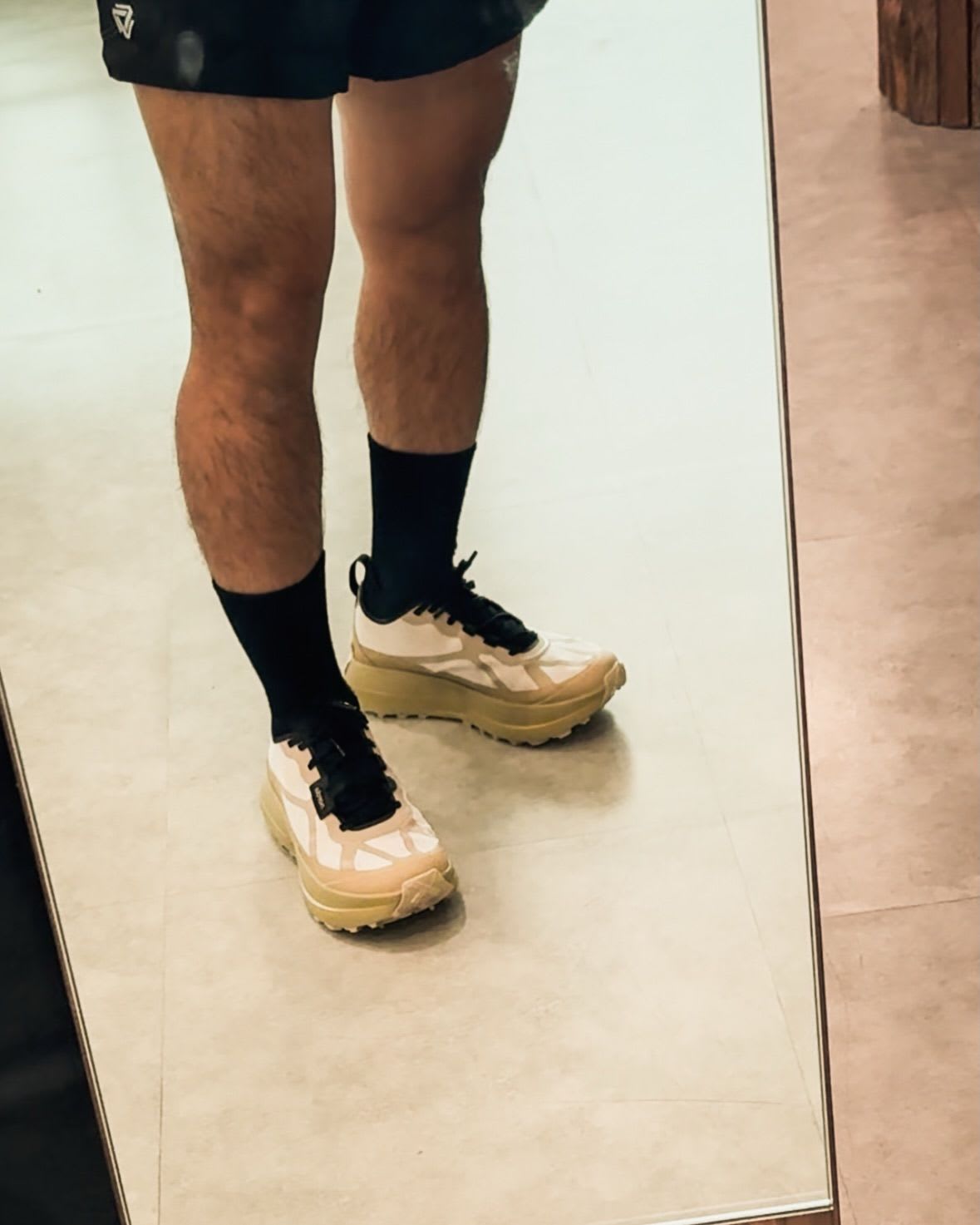
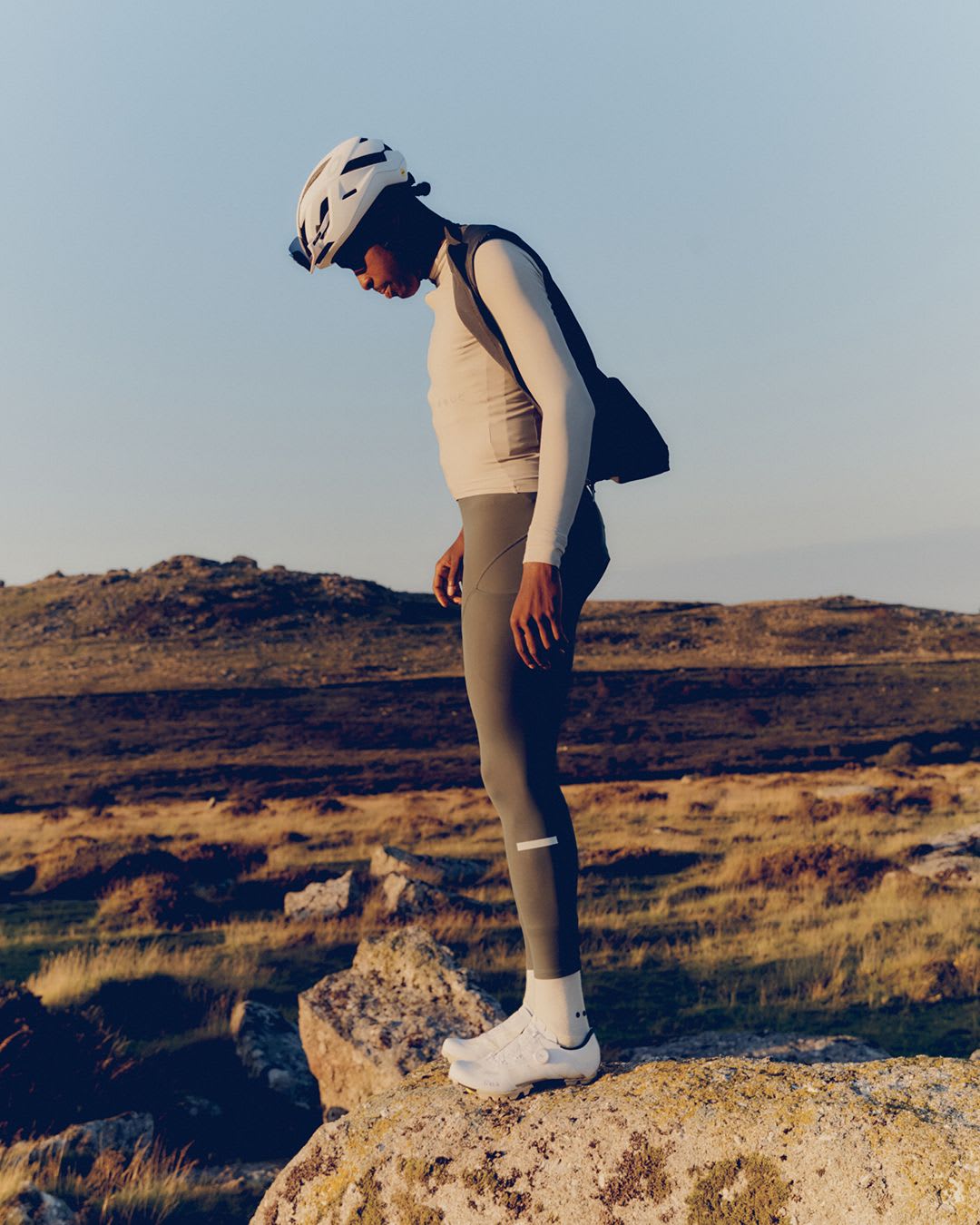
Many approach outdoor products through industrial design, architecture, cycling culture, fashion, or art instead of legacy outdoor conventions.
Consumers increasingly expect products that transition between commuting, travel, work, and recreation rather than existing only for the summit. That convergence of performance and everyday design continues to reshape purchasing decisions.
Technical performance remains essential.
But emotional connection often determines which product gets purchased.

Authenticity Scales Better Than Advertising
Large brands frequently attempt to manufacture authenticity through storytelling campaigns.
Small brands simply tell the truth.
They share prototype failures.
Factory visits.
Material experiments.
Late-night design sketches.
Packaging mistakes.
Customers witness the entire journey.
This transparency creates investment long before a purchase occurs.
The founder becomes part of the product.
The process becomes part of the brand.


Specialty Retail Has Become More Valuable
Ironically, while many predicted independent retail would disappear, curated specialty stores have become more influential.
Consumers overwhelmed by endless online choices increasingly rely on trusted retailers to edit the market for them.
Instead of carrying hundreds of similar jackets, these retailers intentionally select a handful of brands that align with their values and customer base.
That curation carries authority.
Being stocked in the right independent retailer often matters more than appearing in every national chain.
Industry data also shows specialty retail has remained comparatively resilient through disciplined inventory management and a growing interest in gear repair and resale.

Consumers Want Stories, Not Just Specifications
Outdoor buyers have become remarkably educated.
Most already understand waterproof ratings.
They know what Dyneema is.
They can compare stack heights, deniers, and fill powers.
Specifications no longer differentiate products on their own.
Instead, buyers ask different questions.
Who designed this?
Why was it made?
Where was it tested?
What problem does it actually solve?
Does this company stand for something?
Story has become part of product performance.

Small Doesn't Mean Niche
One misconception is that independent brands must remain small forever.
History suggests otherwise.
Many of today's household outdoor companies began with similarly focused communities before expanding into broader markets.
The difference today is that scaling no longer requires abandoning identity.
Direct-to-consumer commerce, specialty retail partnerships, creator communities, and digital storytelling allow brands to grow without immediately becoming mass-market.
Even trade organizations are increasingly dedicating space to emerging companies, with events like Outdoor Retailer expanding showcases specifically for independent brands and startups.
Growth today is increasingly measured by loyalty rather than distribution.

What This Means for the Outdoor Industry
This shift doesn't signal the end of legacy brands.
Large companies still possess unmatched research budgets, manufacturing capabilities, and global distribution.
But they no longer own attention by default.
Consumers have more ways than ever to discover products, compare ideas, and join communities.
The brands winning today share several characteristics:
- Clear point of view
- Exceptional product focus
- Genuine founder visibility
- Strong local communities
- Thoughtful design
- Cultural relevance beyond performance
They don't try to become everything.
They become unforgettable to someone.

The WeekEnds Perspective
At WeekEnds, we've long believed the future of outdoor retail belongs to independent brands.
Not because they're small.
Because they're building the kinds of companies people genuinely want to support.
They're experimenting faster.
Listening more closely.
Designing with intention.
Creating culture instead of chasing trends.

As traditional retail continues to consolidate and consumers seek more meaningful relationships with the products they buy, the opportunity for independent outdoor brands has never been greater. WeekEnds itself was built around this idea: giving emerging outdoor companies a curated platform where thoughtful design and authentic storytelling can stand out alongside established names.
Attention has become the industry's most valuable currency.
And increasingly, the brands earning it aren't the biggest.
They're simply the most interesting.
Related Articles
September 17, 2026
Saturn LA Is Building Outdoor Clothing From the Outside In
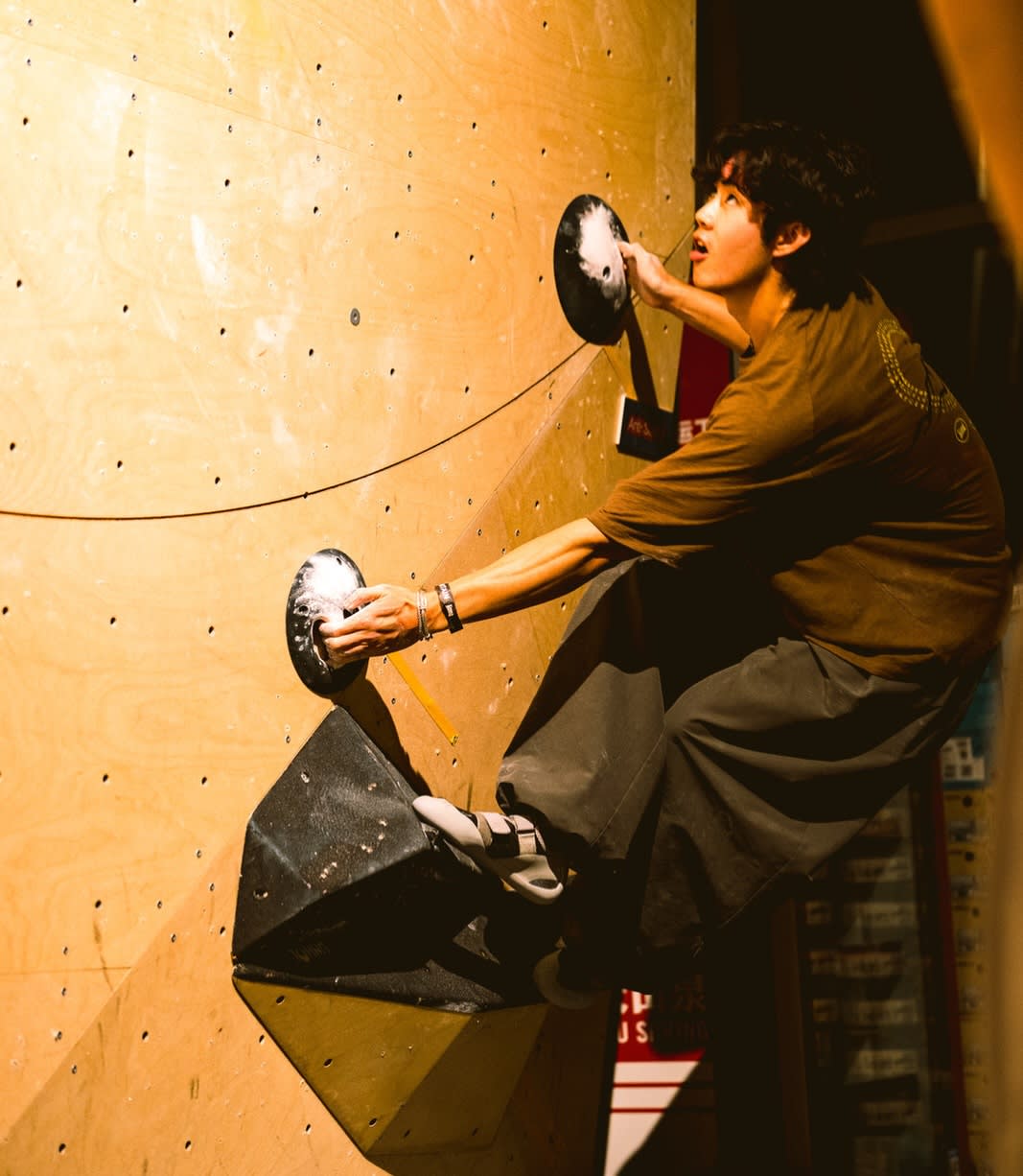
Saturn LA founder Ryan Cheung talks climbing, streetwear, Chinese outdoor design, independent brands, and the future of technical clothing on WeekEnds WeekDay
Read →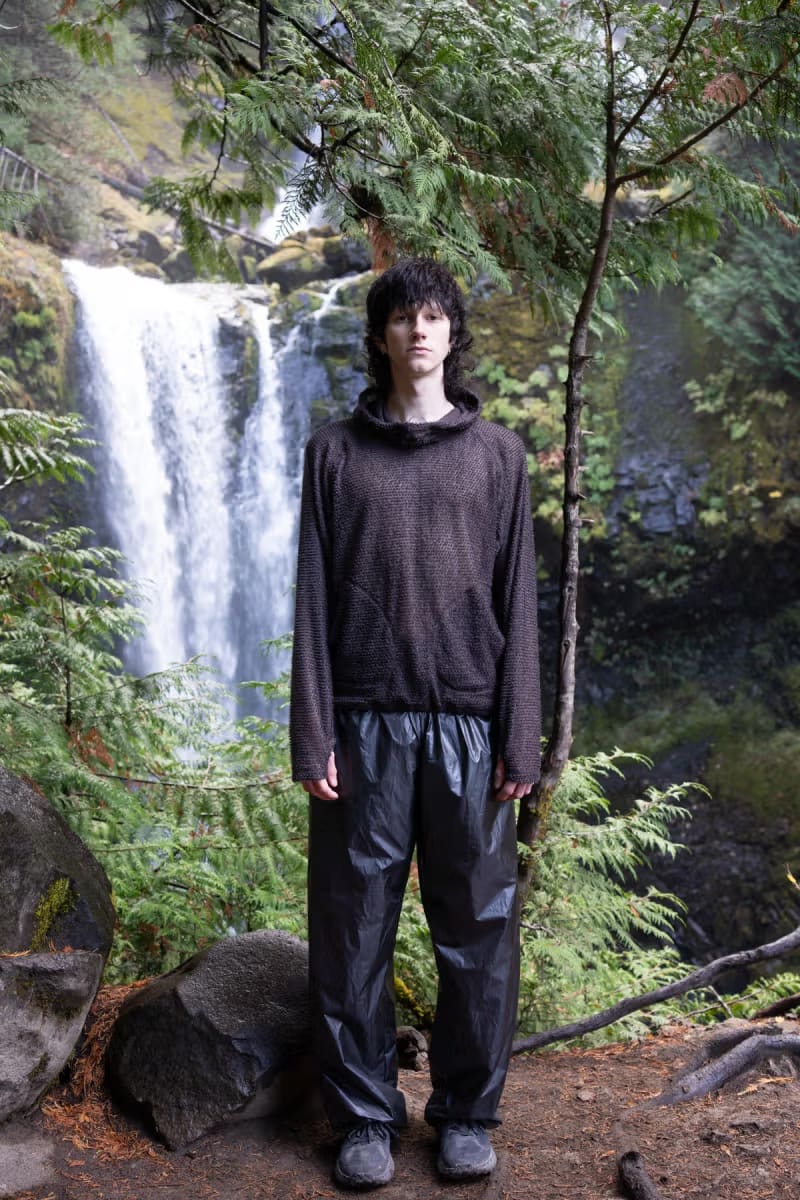
September 16, 2026
The People Designing the New Outdoors
Meet the designers, makers, editors and community builders reshaping outdoor culture, from Gnuhr and CAYL to Field Mag, USAL. Goodlids and more.
Read →
September 15, 2026
AMUNT Treats Outdoor Clothing as an Ongoing Field Study
Barcelona-based AMUNT develops technical mountain apparel through Field Studies, real-world testing and community feedback, connecting clothing, culture and life outdoors.
Read →