
Kadens Journal: Endurance Is Becoming Culture
by Derek Siegel
For a long time, running media had a fairly straightforward job: tell people how to run faster.
There were training plans, shoe reviews, race reports, split times, nutrition advice, and profiles of people who could cover improbable distances at improbable speeds. Running was treated primarily as a sport.
Kadens Journal sees something bigger happening.
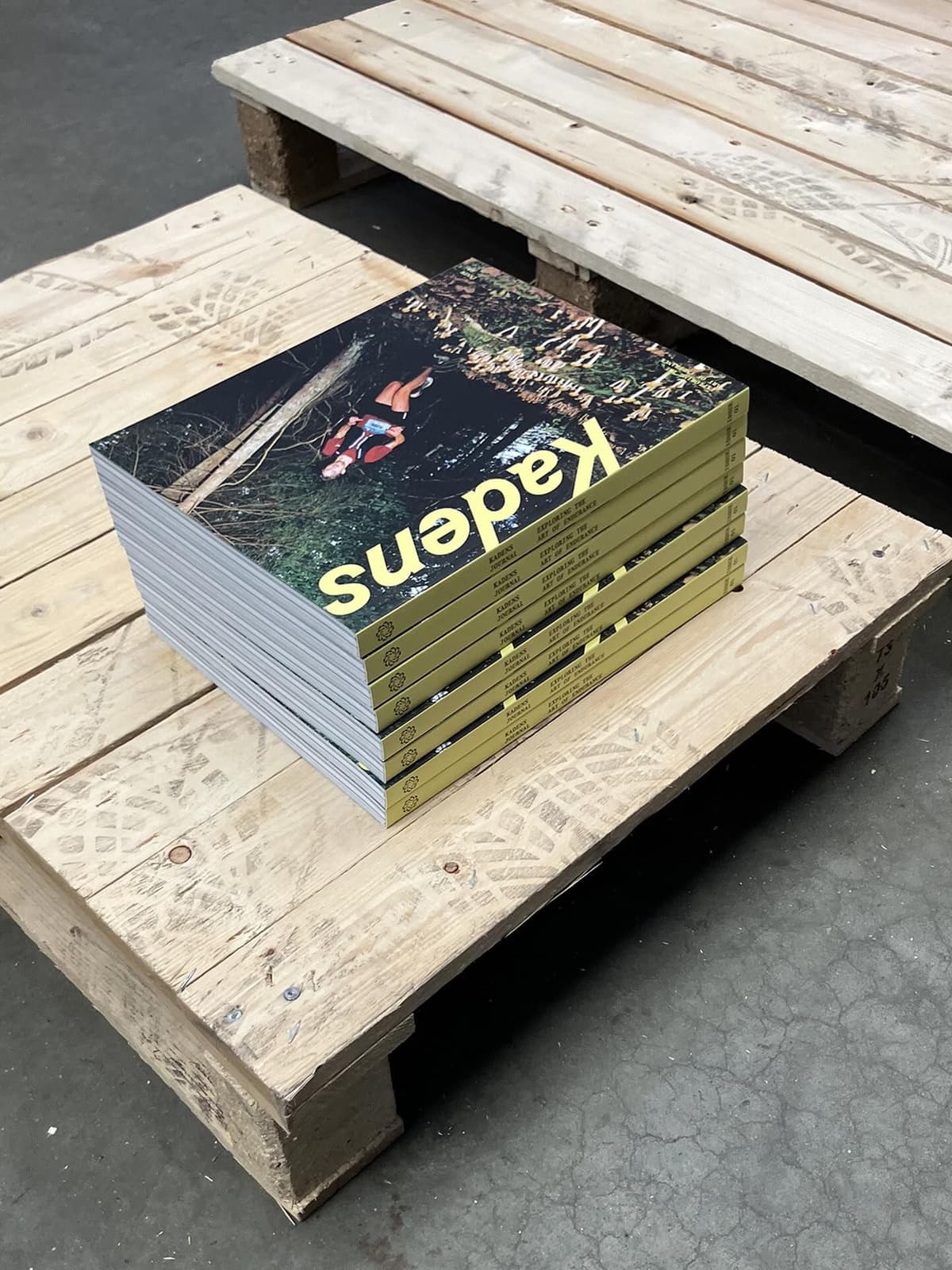
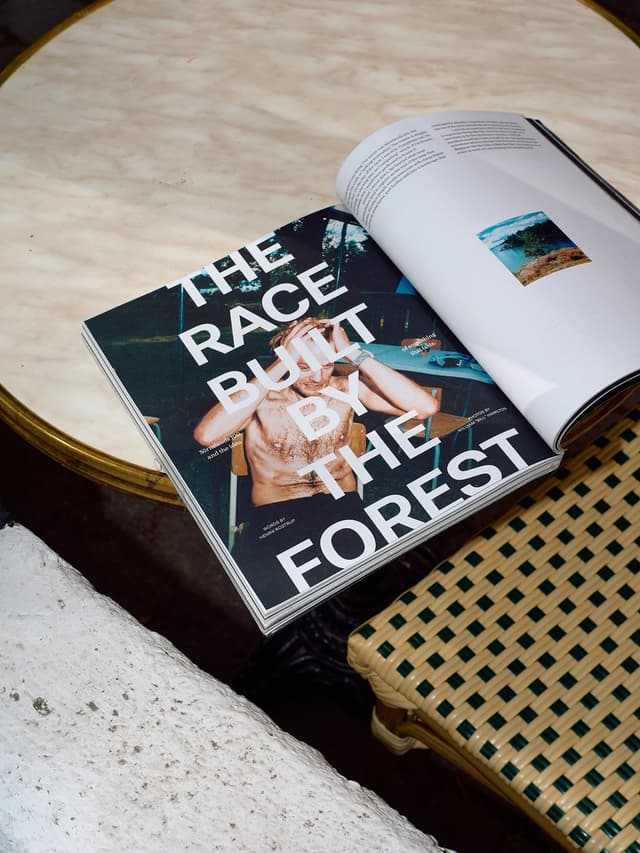
The Stockholm-based independent publication covers running, trail, skiing, cycling, and endurance, but it rarely feels like a traditional sports magazine. There are athletes and races, certainly, but also photography, design, clothing, landscapes, travel, architecture, food, craftsmanship, and the peculiar rituals that develop when people spend enough time moving outside.
For Founder and Editor Henrik Rostrup, that broader perspective developed gradually. Before Kadens, he spent years working as a filmmaker while becoming increasingly immersed in endurance communities. What caught his attention wasn't necessarily what happened during a race or training session, but everything people talked about around them.
"People talked about landscape, architecture, product design, photography, craftsmanship, food, travel, creativity and identity," Rostrup says. "Running was often just the reason they met."
At the same time, he felt endurance media hadn't caught up. Performance, gear, and results still dominated coverage while a much richer culture was forming around movement. Kadens emerged as an attempt to document that world—not as another running magazine, but as a journal about everything that exists around moving through landscapes.
The Run Is Only the Beginning
Running has escaped just running.
You can see it in the rise of independent run clubs that feel closer to creative collectives, in trail races with better graphics than fashion brands, and in outdoor companies collaborating with designers, musicians, photographers, and artists. You can see it in technical shoes appearing at cafés thousands of miles from the nearest trailhead.
The same thing happened to surfing, then skateboarding, then climbing. Each began as an activity and eventually developed its own visual language, characters, magazines, films, clothing, destinations, traditions, and mythology.
But Rostrup is careful about declaring endurance the next fully formed cultural category.
"I think we're in a transition, but I'm not sure we're there yet," he says.
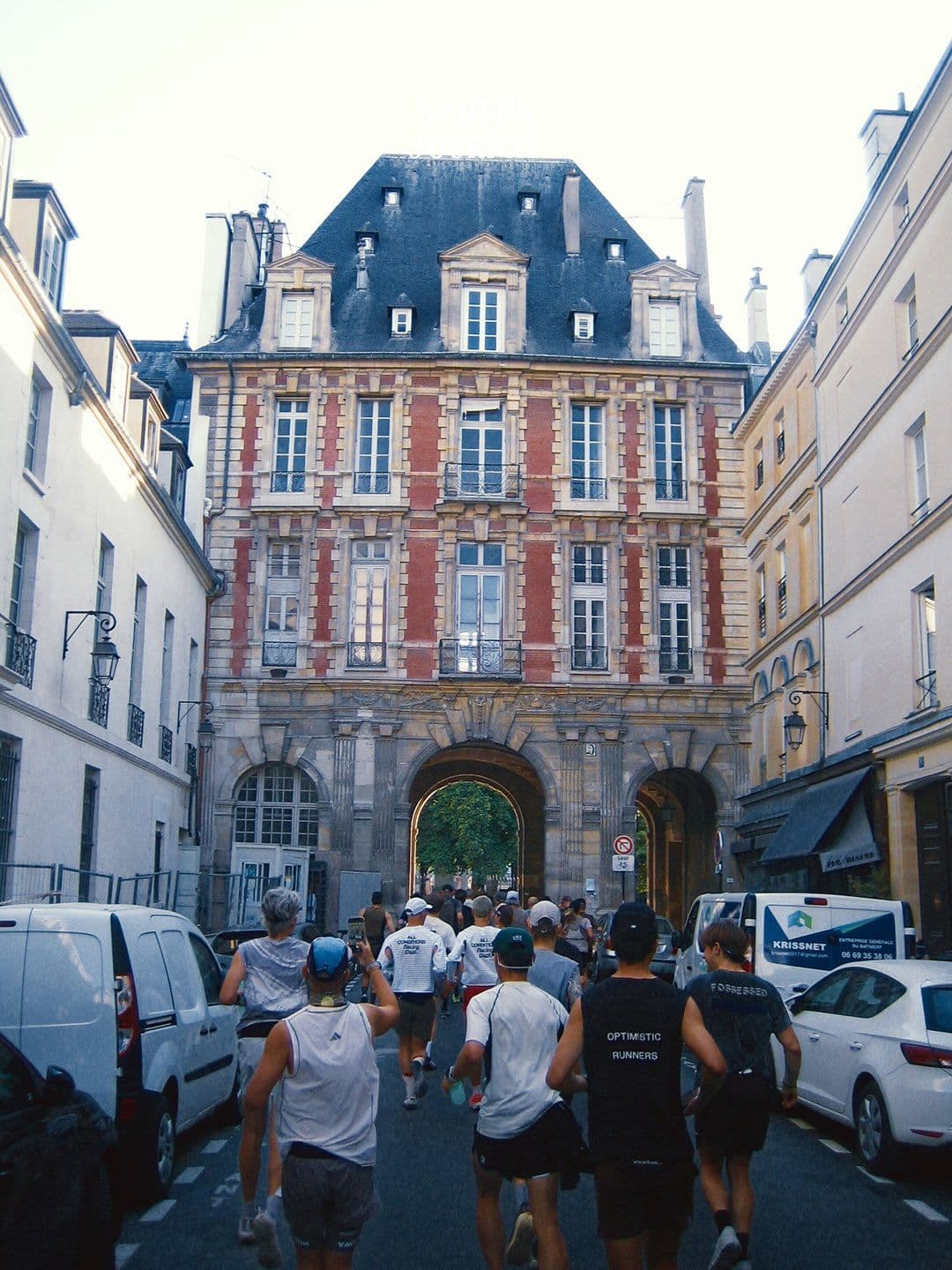
Surfing, skateboarding, and climbing developed their identities over decades, shaped by their own photographers, filmmakers, publications, characters, rituals, and shared stories. Endurance has a growing visual language, but Rostrup sees an important distinction: much of that language is still being created by brands rather than the culture itself.
Technical shoes becoming fashionable aren't enough to make a culture.
Traditions might be.
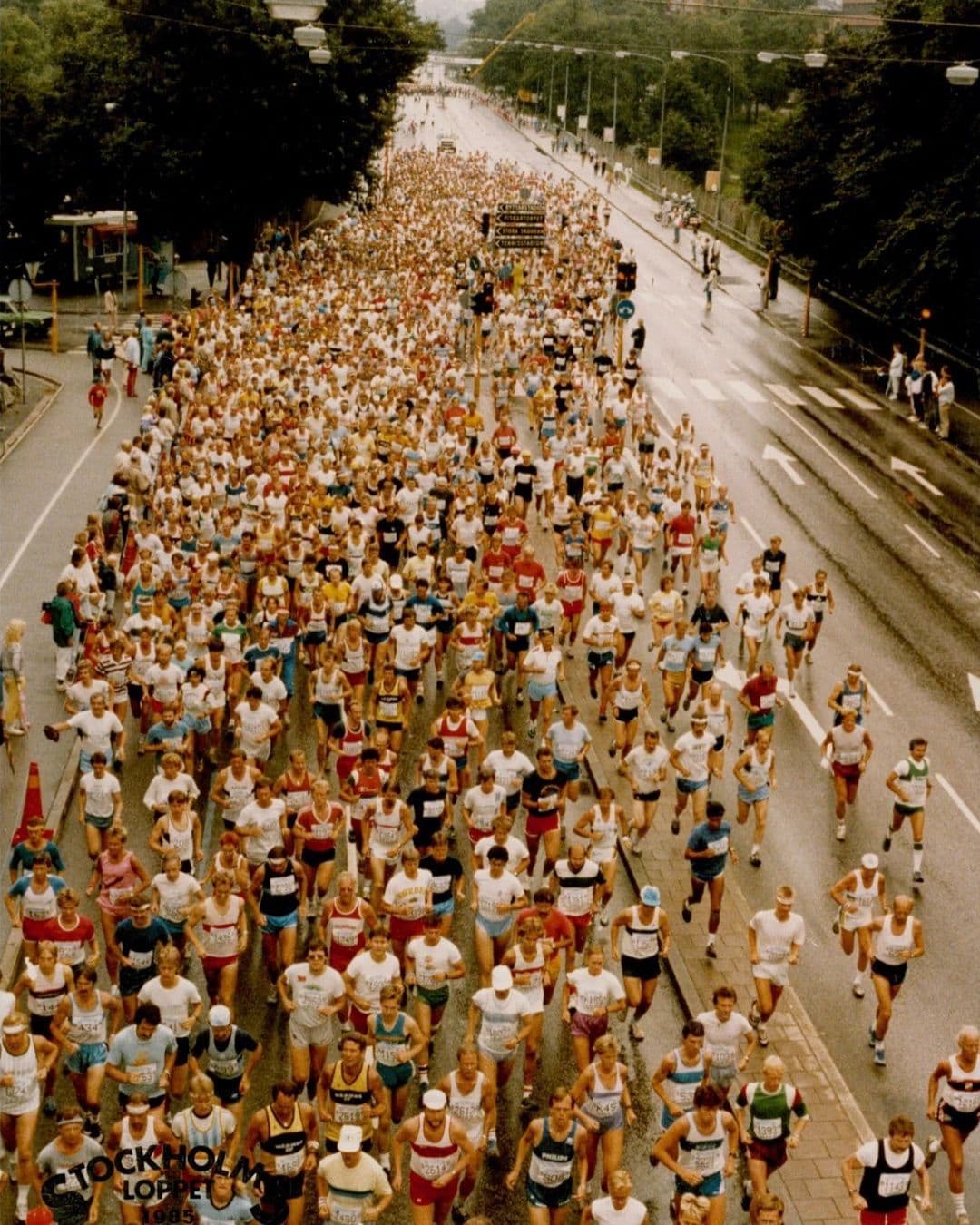
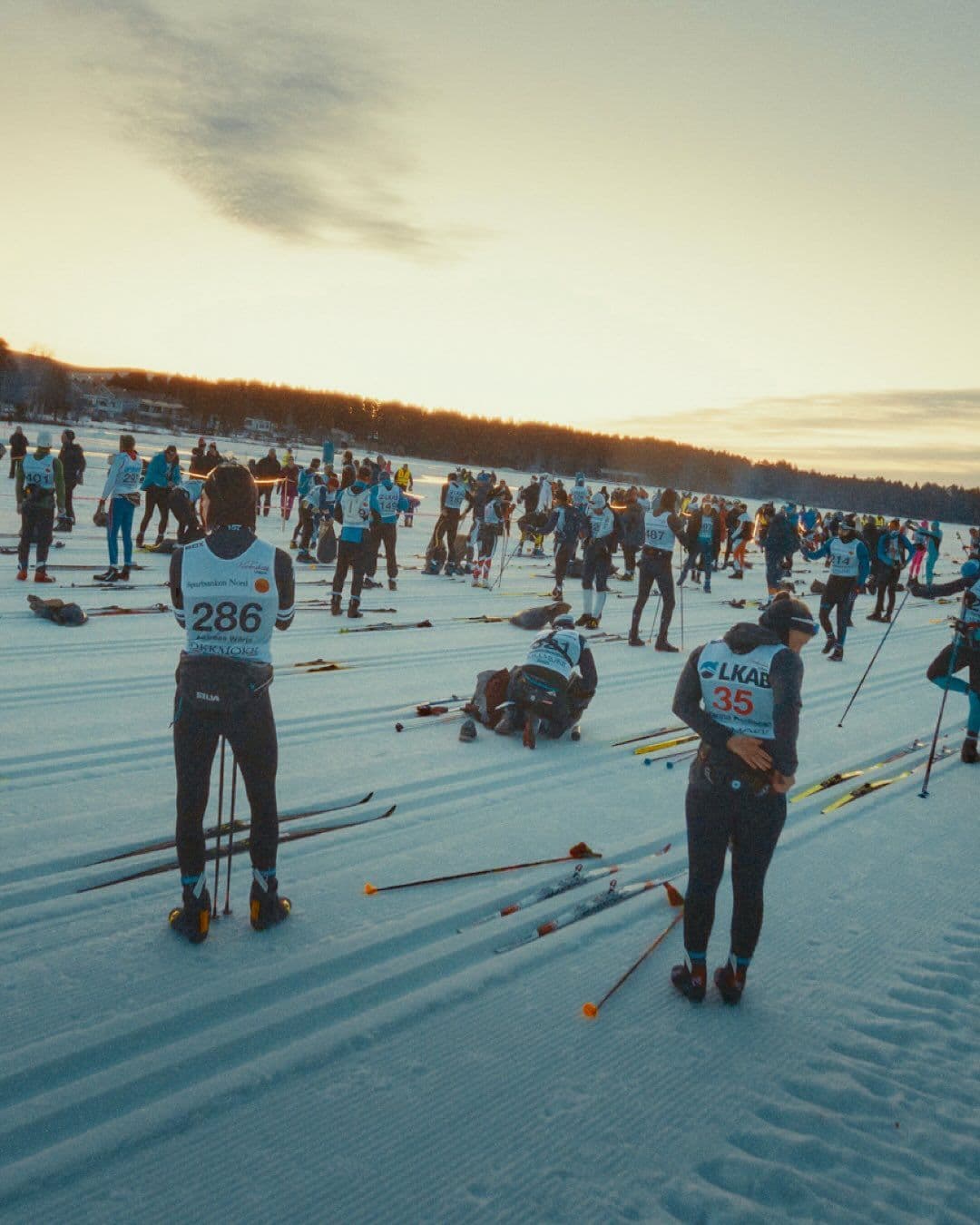
Rostrup points to Nordic events like Vasaloppet and Kullamannen, which have become more than races. They've accumulated generations of stories, rituals, characters, and communities around them. Their importance isn't determined by a particular moment in fashion but by people returning year after year.
"Ultra running may be having a moment, but I don't think endurance culture is defined by fashion or trends," he says. "It's defined by the stories people tell, the places they return to, and the traditions they build over time."
That's the transition Kadens is interested in documenting.
Rooted in the North
Kadens describes itself simply: rooted in the North. That geography matters, but Rostrup sees the phrase as describing a perspective as much as a location.
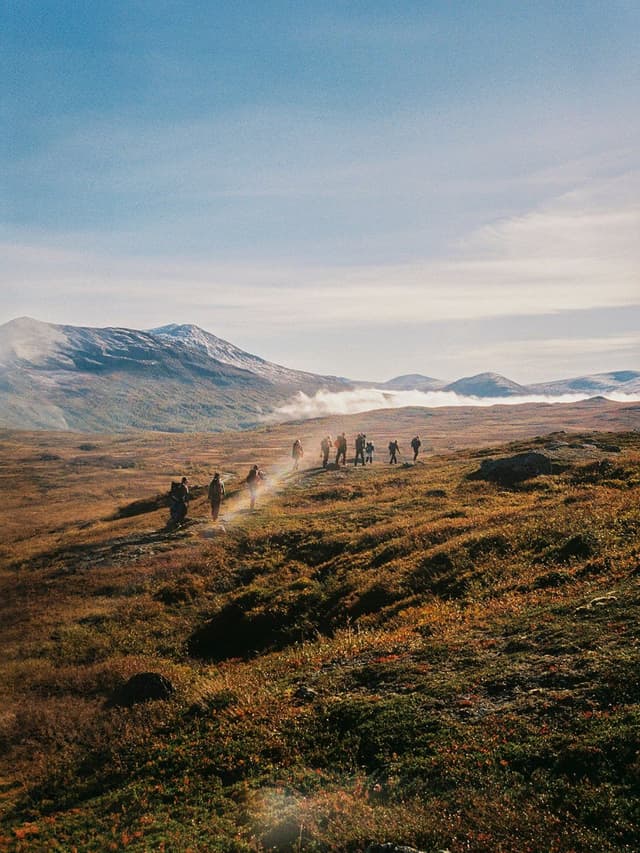
Scandinavia has a different relationship with outdoor movement than much of the world. Nature isn't necessarily somewhere you travel to find; it often exists directly alongside everyday life. A ski track can cut through a city park. A trail can begin near a train station. Running through winter isn't an expedition. It's Tuesday.
"You don't have to plan an expedition to get outside," Rostrup says. "It's simply part of everyday life."
That relationship stretches back much further than the current running boom. People were traveling through these landscapes on foot and skis long before trail running became fashionable or technical outdoor clothing became streetwear. Many things that appear new through the lens of contemporary endurance culture are, in Scandinavia, modern expressions of much older traditions.
That history also explains why Kadens is less interested in collecting spectacular destinations than documenting people with lasting relationships to particular landscapes.
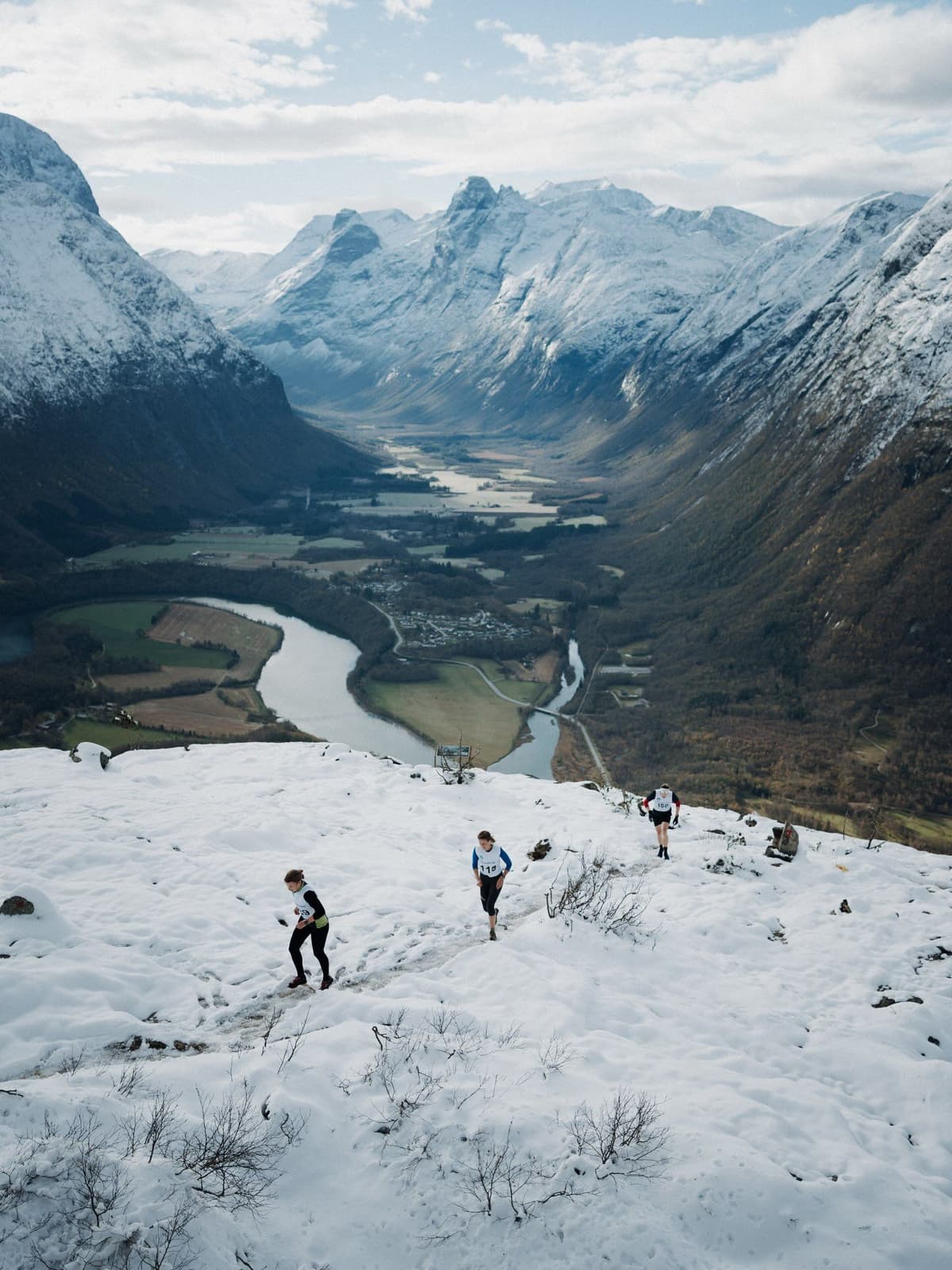
"The landscape decides more than the sport," Rostrup says.
Winter arrives and you ski. Summer comes and you run or ride. Rather than building an identity around a single discipline, people move naturally between them.
This dissolving of boundaries might ultimately be more significant than the growth of any individual endurance sport. Running, cycling, skiing, climbing, and hiking increasingly overlap, connected by people who follow seasons and landscapes instead of categories.
For Kadens, endurance becomes a vessel through which to explore science, design, history, culture, and nature. Looking at how people move can reveal something about how they choose to live.
The Interesting Part Happens Between Races
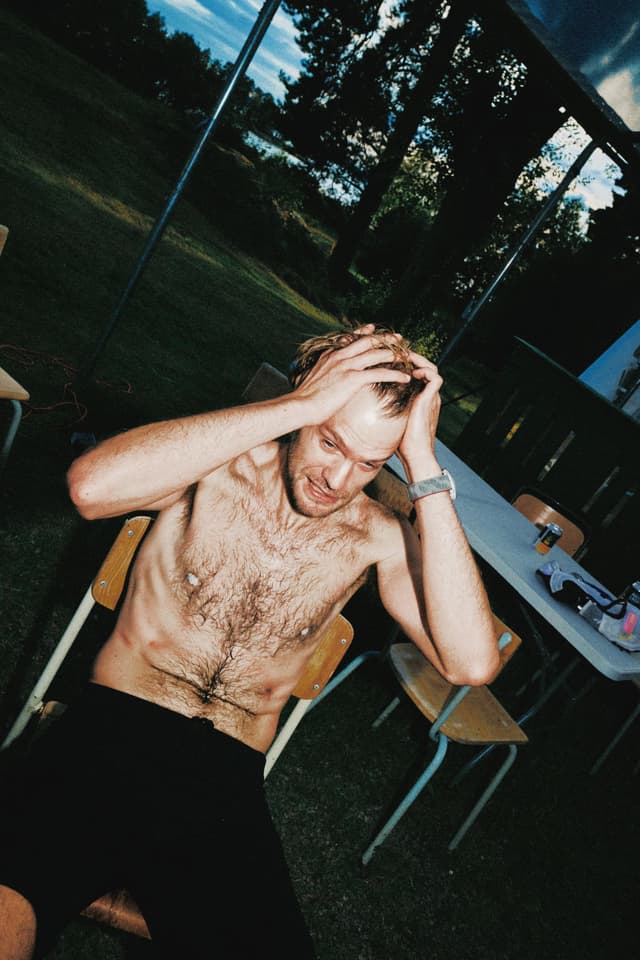
Spend enough time around endurance athletes and you realize the race is often the least revealing part. The interesting part is everything required to get there: thousands of quiet miles, injuries, bad sessions, equipment experiments, early mornings, long winters, and the strange friendships built by spending several hours moving beside someone without much else to do but talk.
Kadens gravitates toward those spaces.
Its stories feature accomplished athletes, but accomplishment isn't necessarily the point. The publication is more interested in curiosity: why someone continues searching for new disciplines after mastering another, why an ultrarunner becomes interested in product design, or why people willingly return to difficult landscapes year after year.
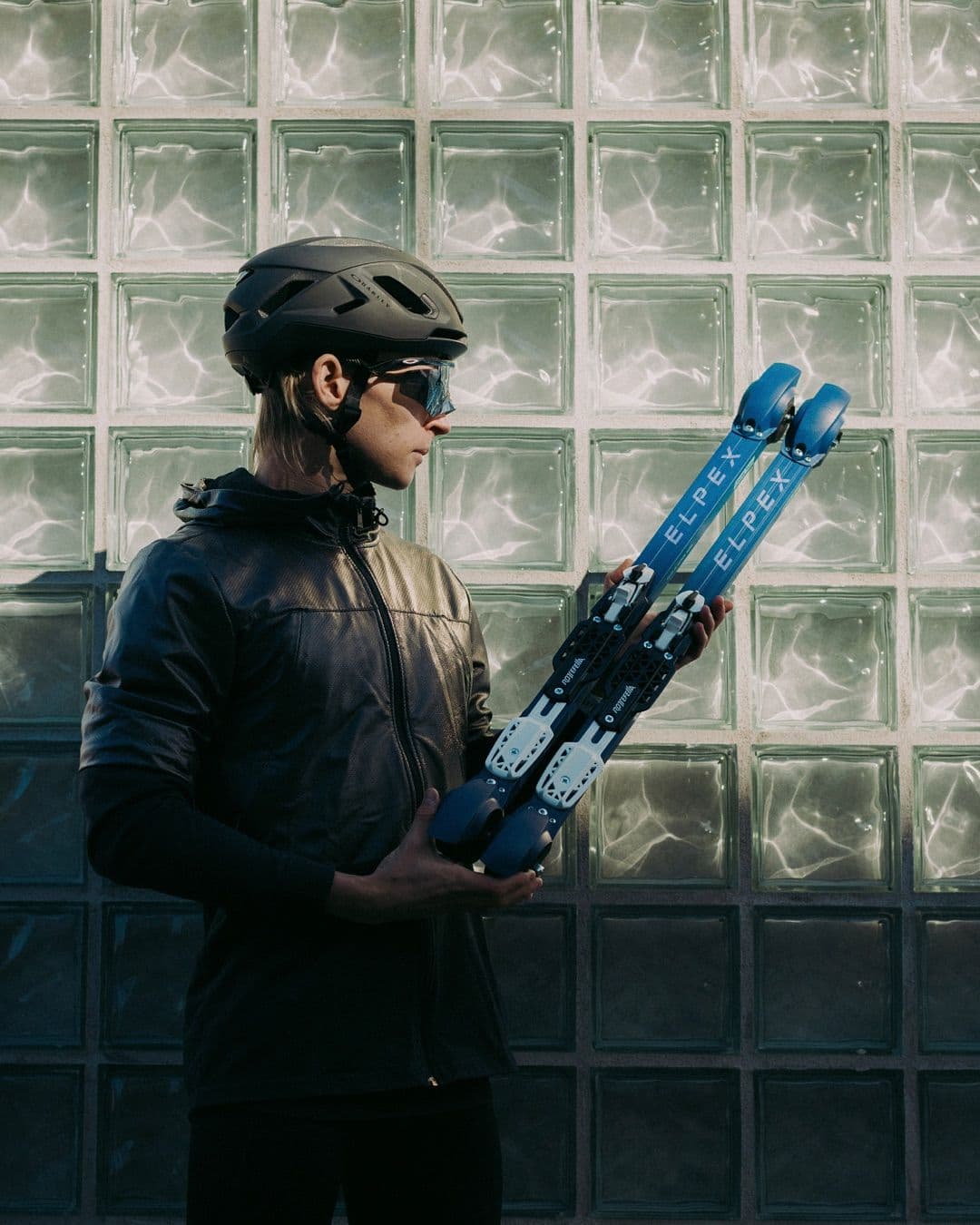
One story Rostrup remembers didn't come from an elite athlete at all. An older neighbor once told him he had completed Vasaloppet twelve times and hoped that one day he could surpass his father's forty finishes.
The story stuck with him precisely because there was nothing spectacular about it.
"It's not about one extraordinary performance," Rostrup says. "It's about returning year after year. There's something deeply human about that kind of consistency."
That idea cuts against the way endurance is often presented today. There will always be faster times, bigger races, longer distances, and new achievements to chase. But endurance can also be about finding a rhythm sustainable enough to follow for decades.
The result feels less like coverage of professional sport and more like anthropology. These are people who happen to organize significant portions of their lives around moving through landscapes, and Kadens wants to know why.
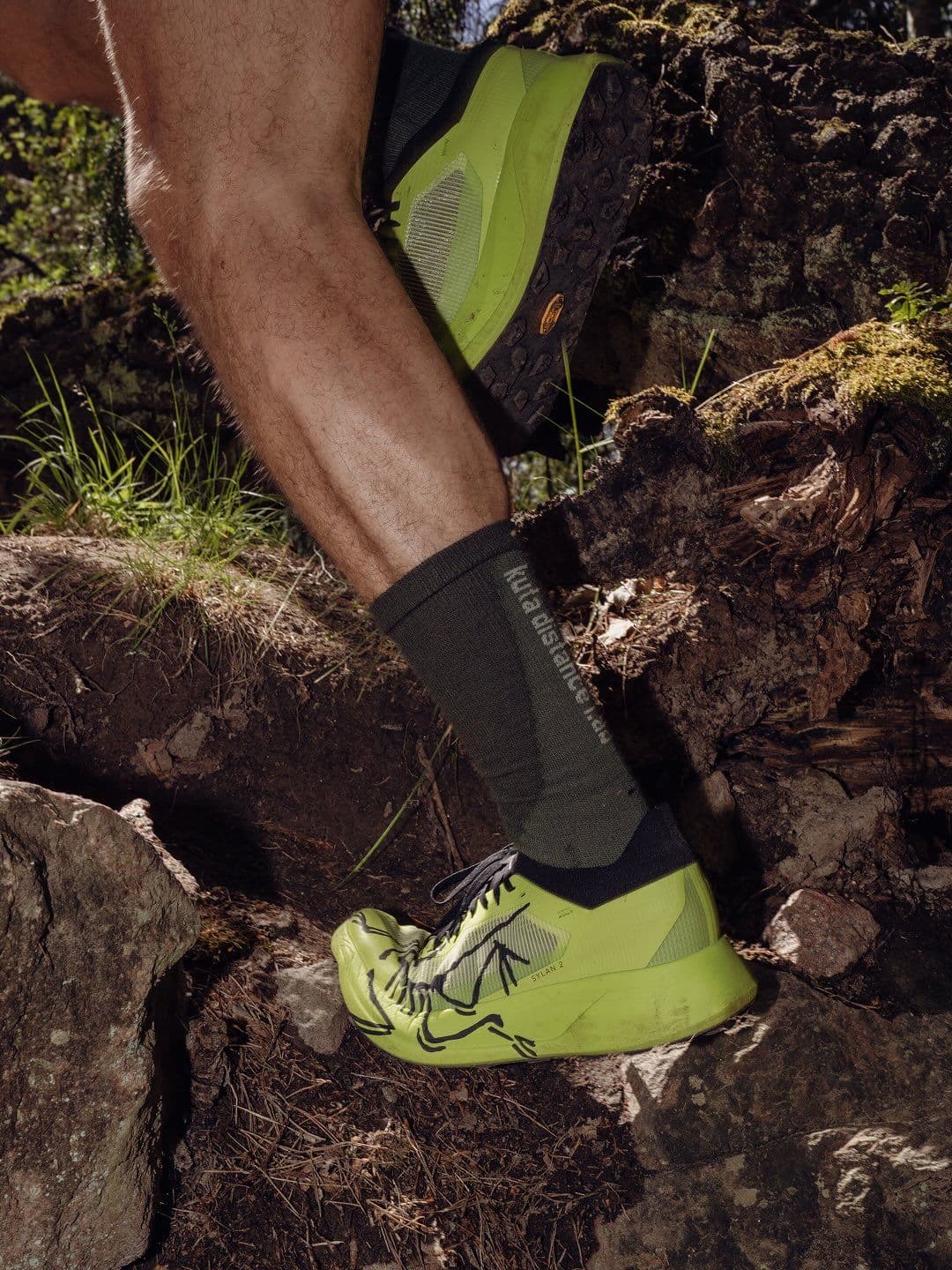
Running Has Taste Now
This might be the most visible change happening in endurance: running has developed taste.
Not simply good-looking shoes or expensive technical apparel, but a broader aesthetic culture. People care about race posters, typography, photography, independent magazines, café culture, trail towns, product design, the architecture of mountain huts, what their running club shirt looks like, and what music plays at the start line.
Performance and aesthetics are no longer separate conversations. For some traditional athletes, that might sound superficial, but culture has always worked this way.
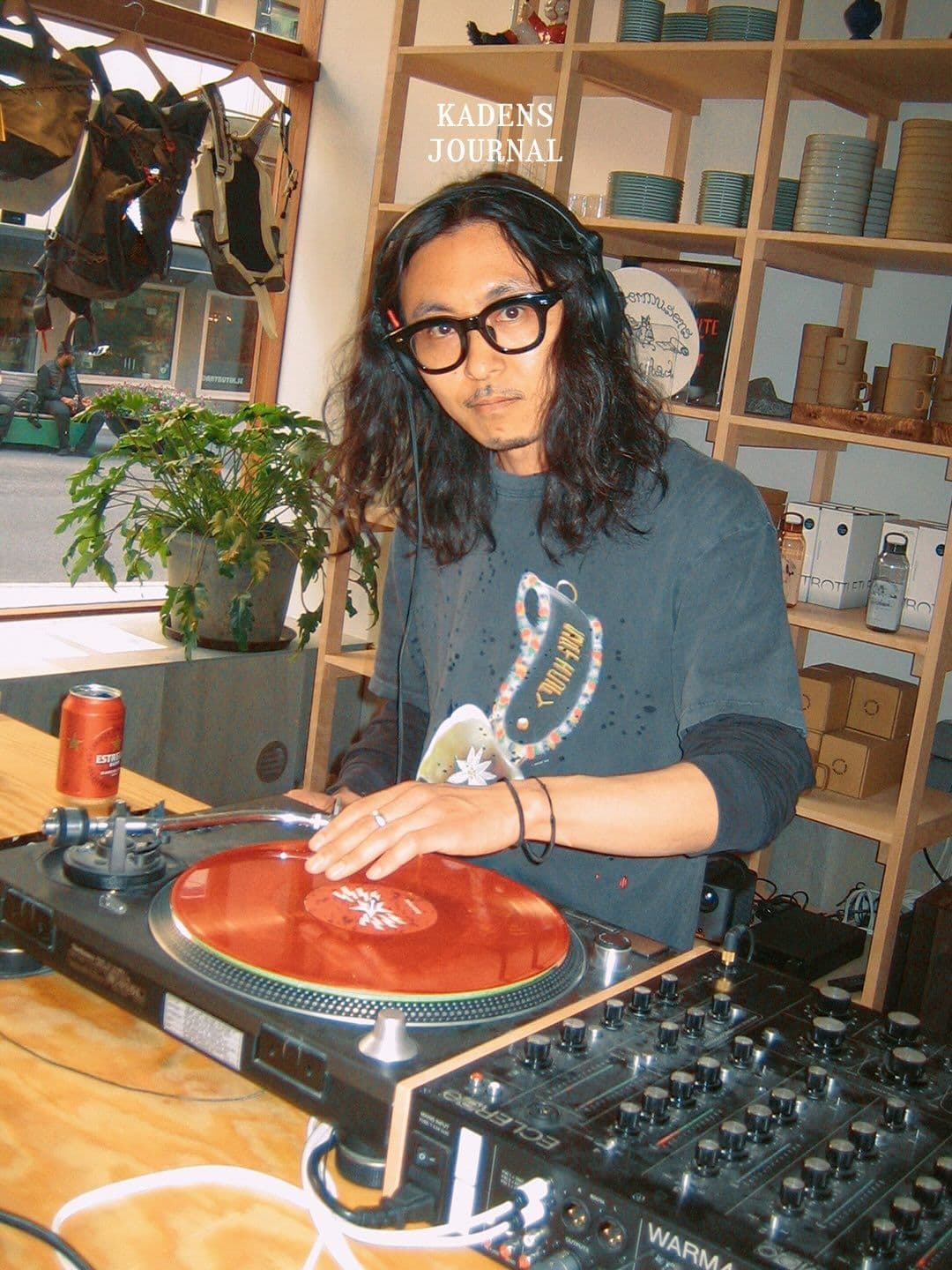
Rostrup knows the pattern firsthand. He grew up around snowboarding in the 1990s and early 2000s, when independent brands gave the sport much of its personality. There were strong opinions, memorable print ads, strange ideas, intense competition, and people genuinely trying to make something different.
"There was friction," he says, "and that friction made the culture richer."
Running and outdoor culture are now confronting the other side of becoming culturally relevant. More people discovering movement means more communities, companies, events, investment, and ideas. But mainstream attention also creates pressure toward sameness.
Social media allows an idea to travel around the world almost instantly. It also allows everyone to see the same idea and reproduce it.
"Trends move quickly, brands begin copying one another and experiences become something to consume rather than something to live," Rostrup says.
The challenge isn't preventing endurance from growing. It's preserving enough friction for something original to emerge.
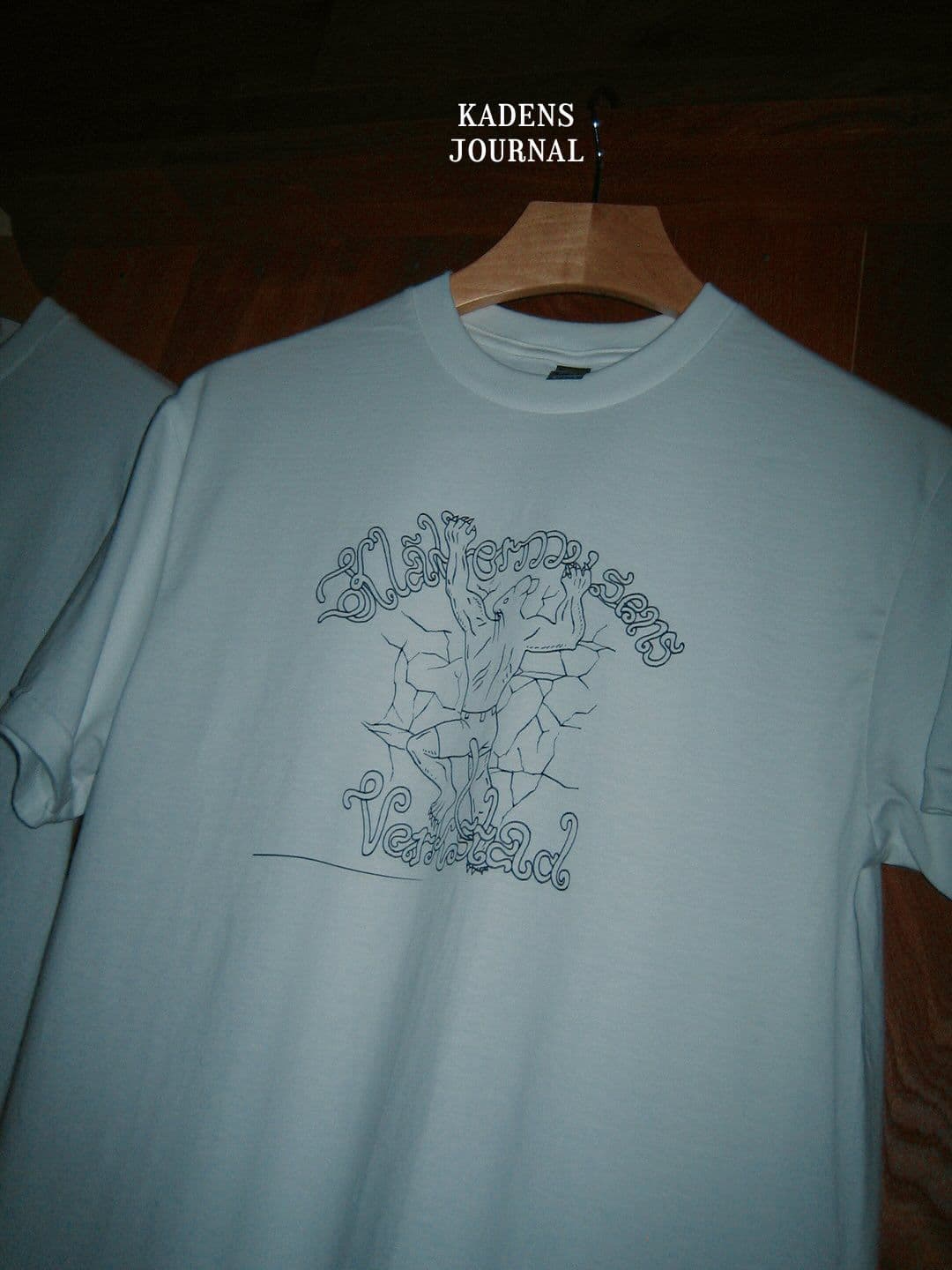
Culture Comes From the Edges
Rostrup has spent roughly two decades directing commercials and working with global brands, giving him a close view of how marketing responds when a new cultural movement begins gaining momentum.
Marketing, by nature, searches for what's next.
Sometimes the relationship between a brand and an emerging community creates something genuinely important. Sometimes it simply creates another campaign.
"You can't manufacture culture," Rostrup says. "You can support it, contribute to it and help tell its stories, but culture ultimately grows from people, places and shared experiences."
That's why some of the developments that interest him most aren't happening at the largest races or biggest companies.
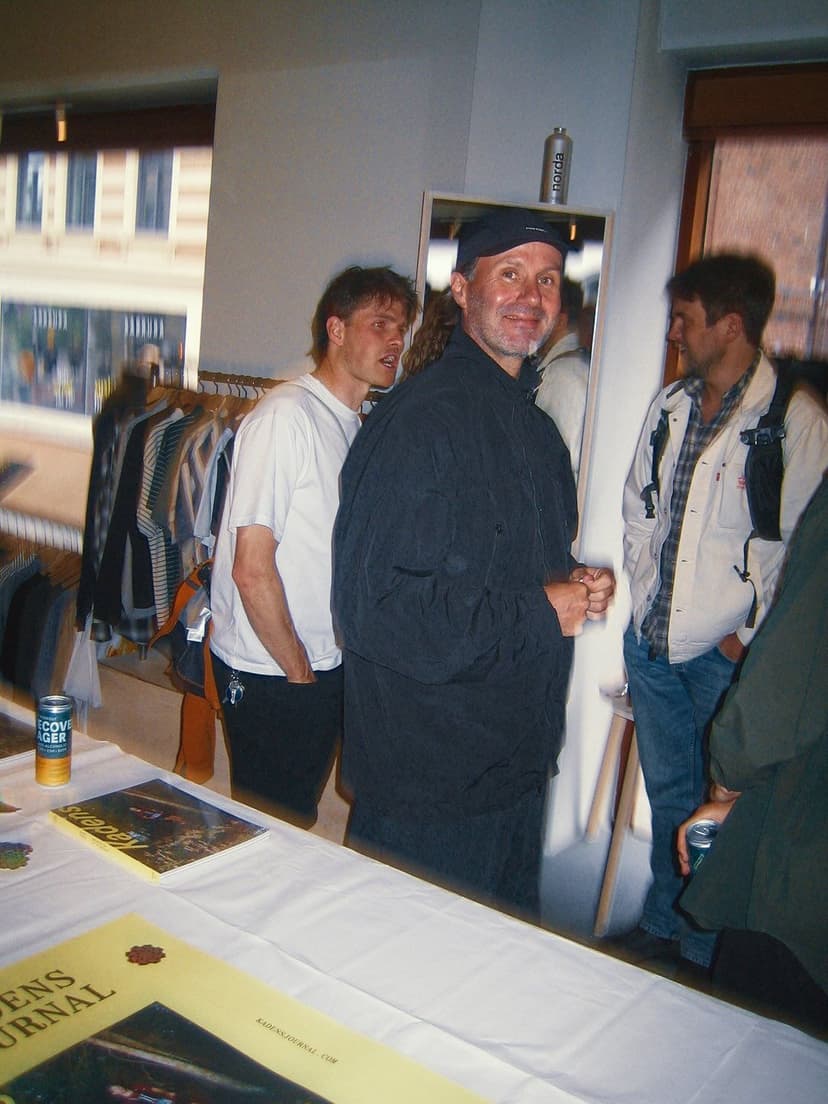
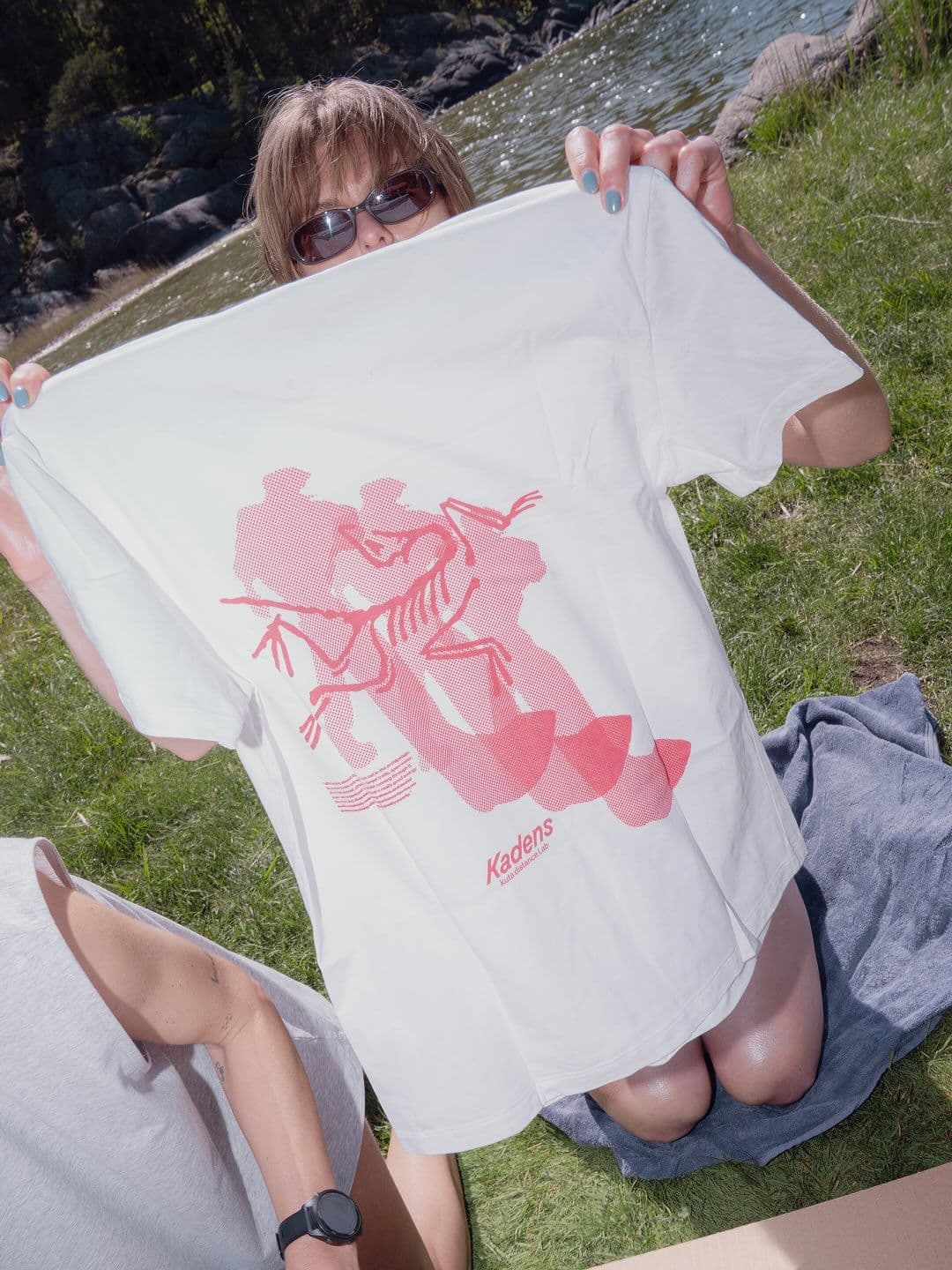
They're happening at neighborhood run clubs, independent races, mountain towns, and small creative studios. They're coming from designers who happen to run, architects obsessed with ski touring, artists inspired by long-distance movement, and founders making products because they believe something is genuinely missing.
The interesting work, Rostrup believes, rarely begins at the center of the spotlight.
It starts at the edges.
That's also where Kadens wants to be.
The New Outdoor Magazine
Kadens is part of another shift happening alongside endurance's growth: outdoor media is getting smaller and, in many cases, more interesting.
The internet was supposed to eliminate the need for independent magazines. Instead, it may have made them more valuable. When an endless stream of race results, product launches, training advice, and gear recommendations can appear instantly on a phone, information itself becomes cheap.
Perspective becomes valuable.
Rostrup grew up making ski films in the early 2000s, shooting on 16mm and spending months traveling before sending film away to be developed and eventually assembling everything into an annual release. People waited all year for the DVD or VHS. Those films became shared moments within the culture, while much of the photography, advertising, and brand storytelling surrounding skiing emerged from the same productions.
"There was a shared rhythm to the culture," he says.
That rhythm has largely disappeared. A race finishes and results appear immediately. Activities upload to Strava. Product launches, images, reactions, and opinions compete for attention simultaneously. Stories arrive constantly and disappear almost as quickly.
Kadens deliberately moves in the opposite direction.
Printed Slowly
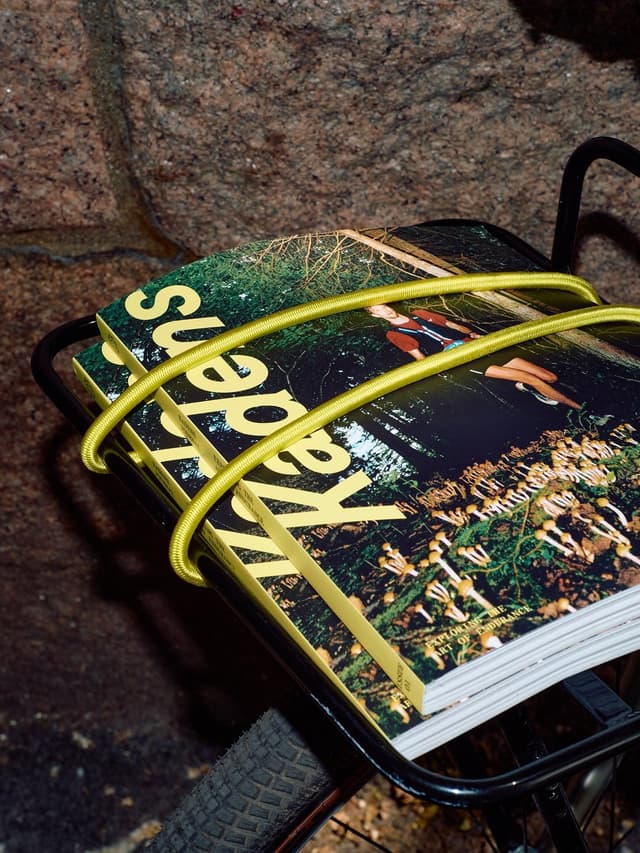
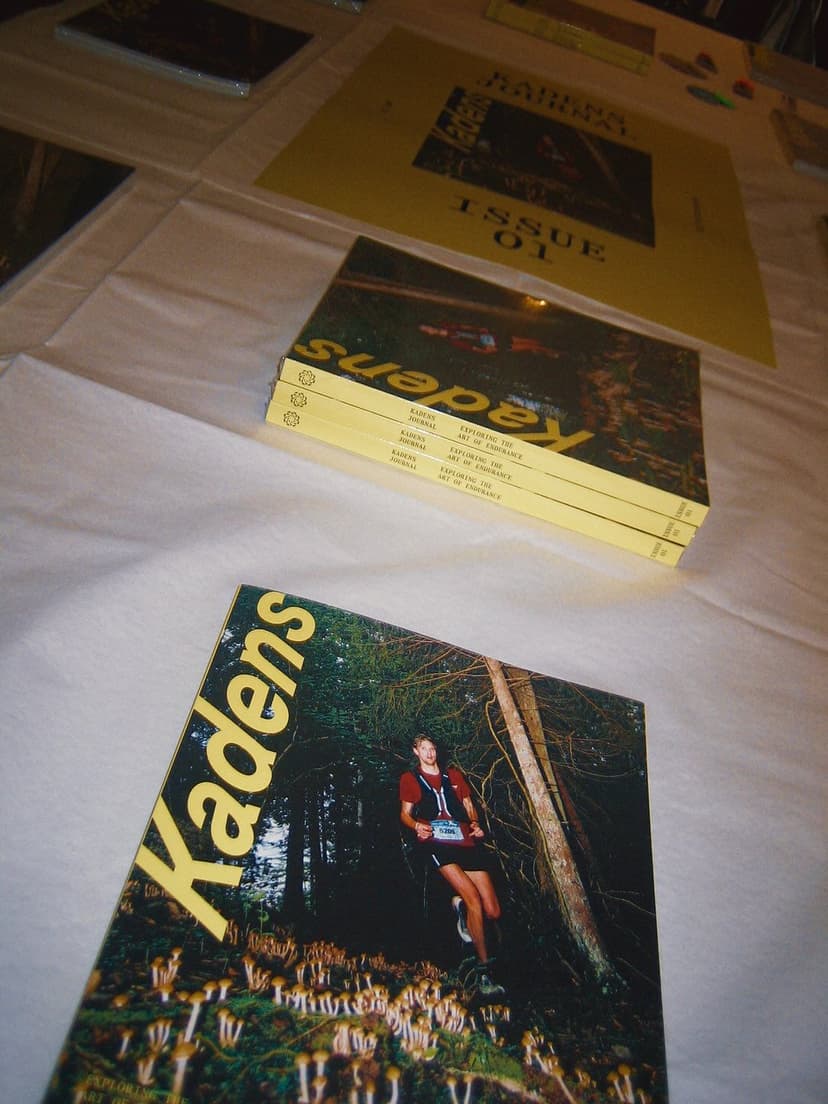
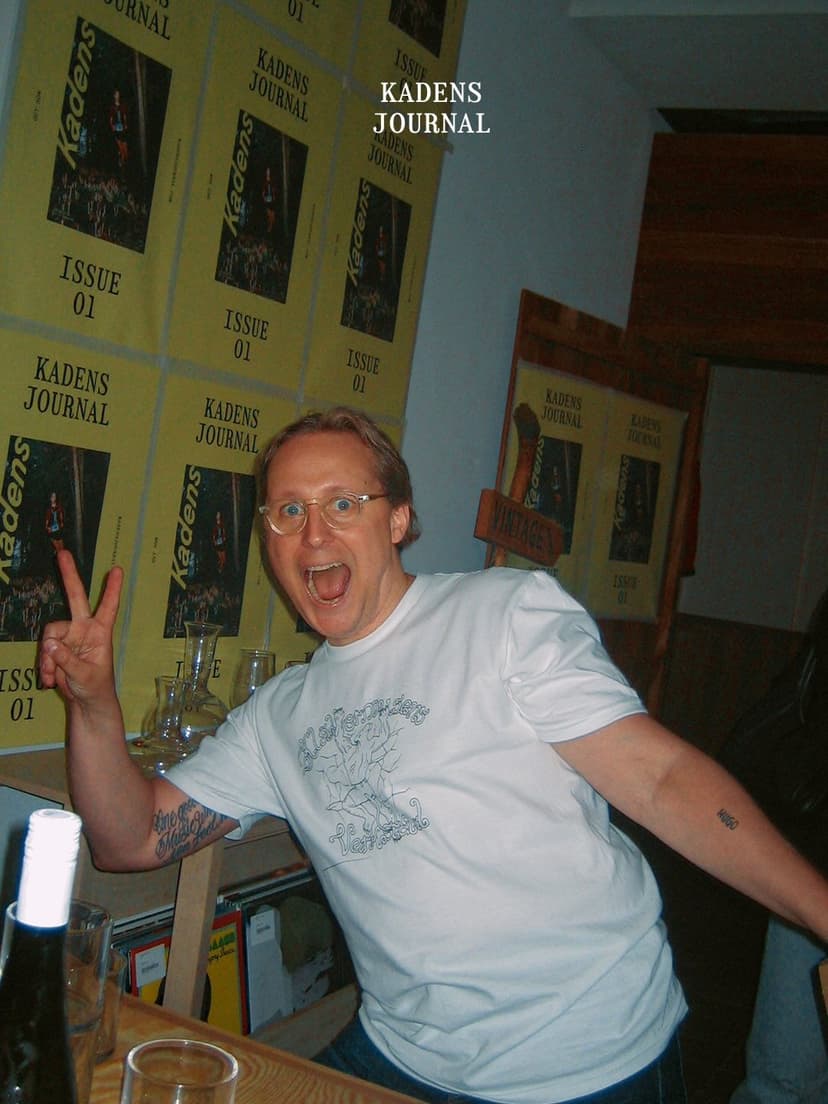
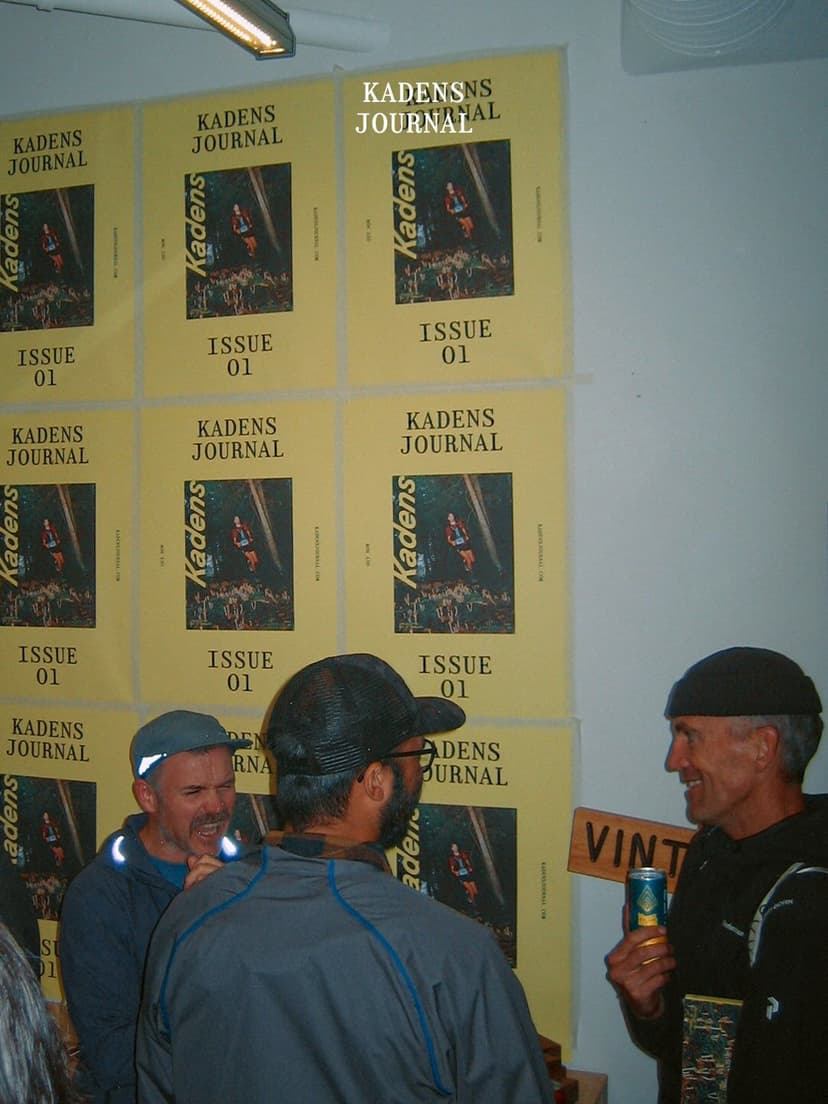
Kadens is published biannually, a cadence that feels increasingly radical.
"The internet is brilliant at telling you what happened today," Rostrup says. "A journal has the luxury of asking why it mattered."
Print forces a different relationship with both stories and time. Space is finite, which means every story has to justify being there. Once something is printed, it can't be endlessly updated, optimized, or replaced by tomorrow's post.
It stays.
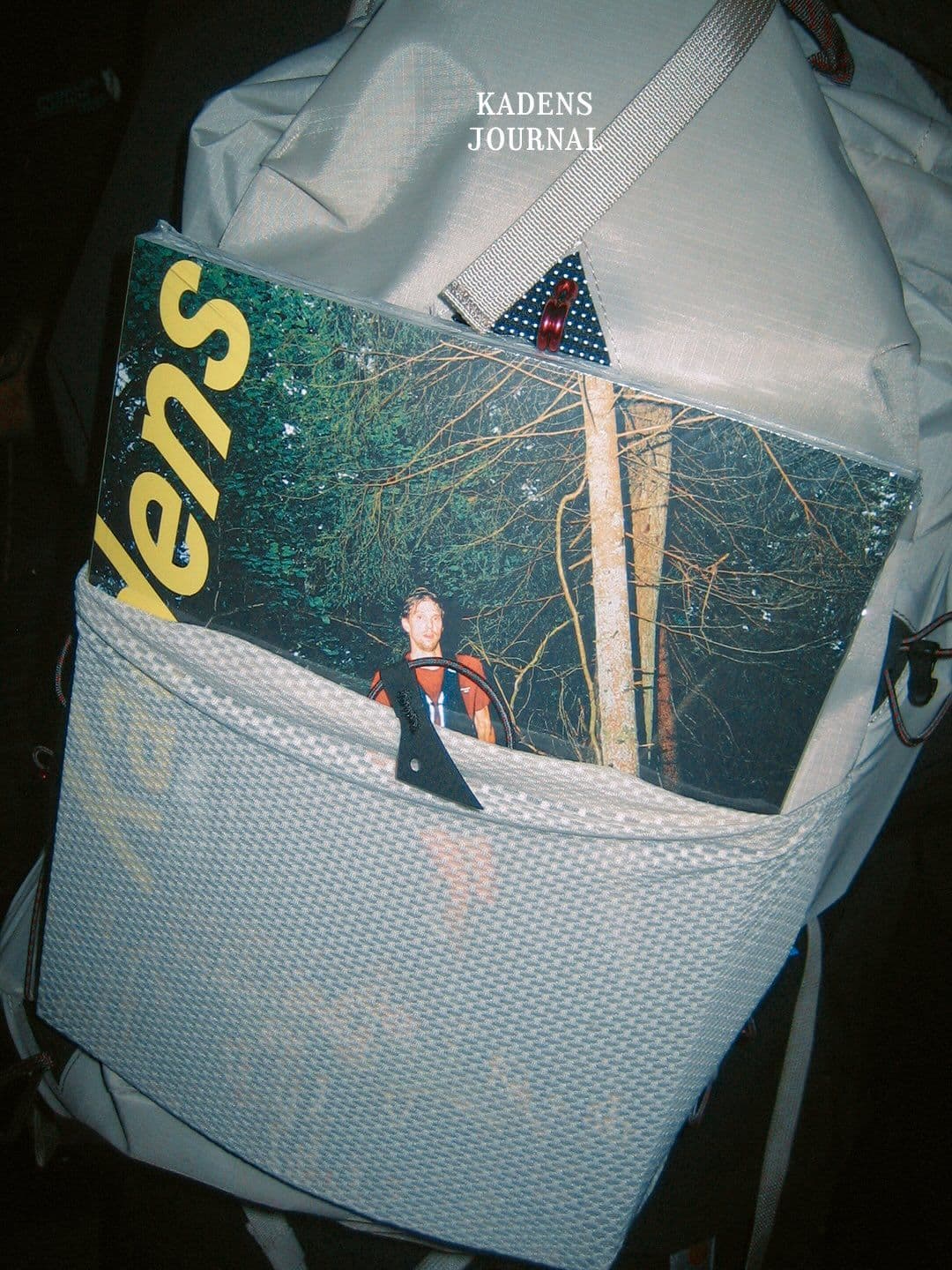
A magazine sits on a coffee table, travels in a backpack, gets dog-eared, disappears onto a shelf, and turns up six months—or twenty years—later.
That permanence fits endurance surprisingly well because endurance sports have always rewarded the opposite of immediacy. Progress takes months, sometimes years. Rostrup wants Kadens to work similarly: research deeply, live with stories, edit carefully, publish less, and hopefully make something people want to keep.
"More content doesn't necessarily move a culture forward," he says. "Sometimes giving great stories the space to breathe has a much bigger impact."
Twenty Years From Now
As a kid, Rostrup consumed magazines and videos as portals into worlds he couldn't experience himself. He studied photographs, articles, films, and advertisements, discovering bands, filmmakers, creative influences, and ideas through them.
Those objects didn't simply tell him what was happening. They showed him what a culture felt like.
That's what he ultimately wants Kadens to preserve.
Twenty years from now, he hopes someone can pull an old issue from a shelf and see more than the shoes people wore or races they ran. He wants them to understand what people cared about, what inspired them, and how it felt to participate in this particular moment.
It's a fascinating one to document. New communities are forming. Independent brands are emerging. Running, skiing, and cycling are spilling into design, publishing, photography, fashion, food, and creative culture. Boundaries between disciplines are becoming increasingly irrelevant.
But whether all of that becomes a lasting culture is still being decided.
Perhaps that's what makes Kadens interesting now. It isn't documenting a finished movement from the outside. It's participating in one that is still figuring out what it wants to become.
Rostrup believes the best chance of preserving what makes it interesting is to resist some of the forces encouraging everything to move faster and look the same.
Endurance itself offers a useful model.
Not constant novelty. Not endless optimization. Not trying to keep pace with everyone else.
Returning to something, year after year, long enough for traditions and stories to accumulate around it.
"In the end, the point of endurance isn't to do everything faster," Rostrup says. "It's to discover what becomes possible when you're willing to stay with something over time."
Kadens is doing exactly that.
And keeping a record along the way.
No products available.
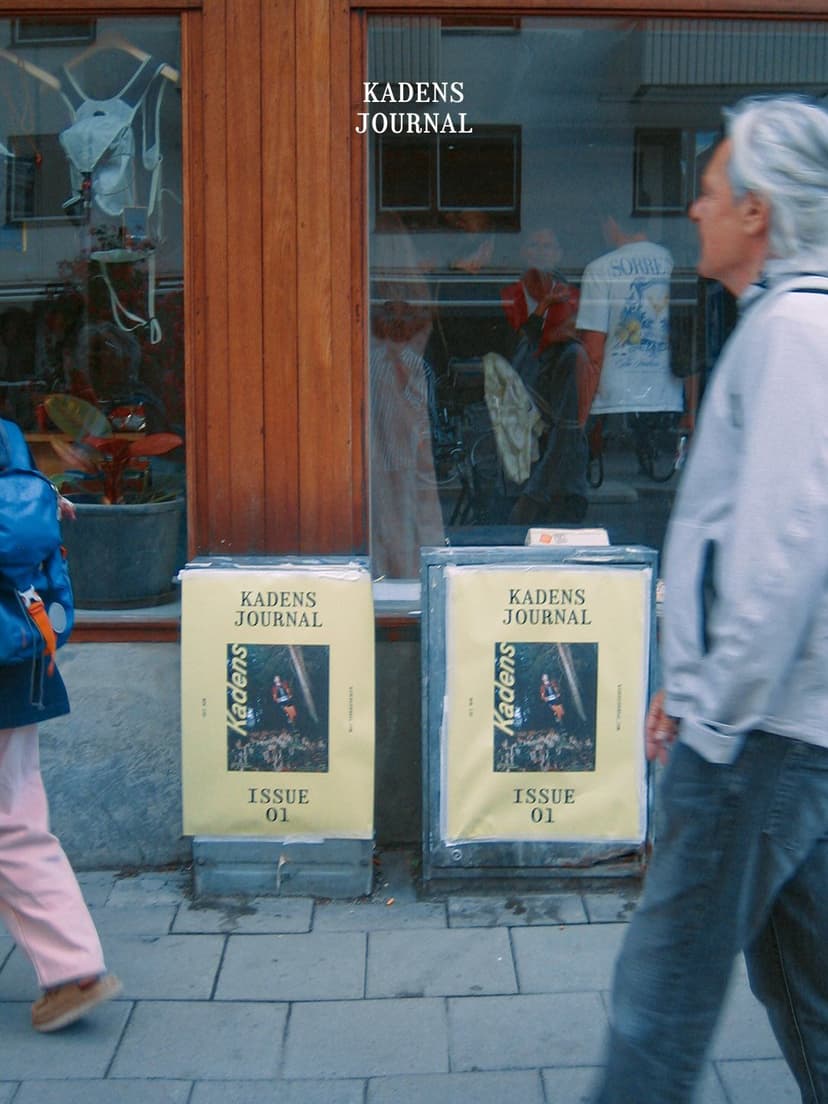
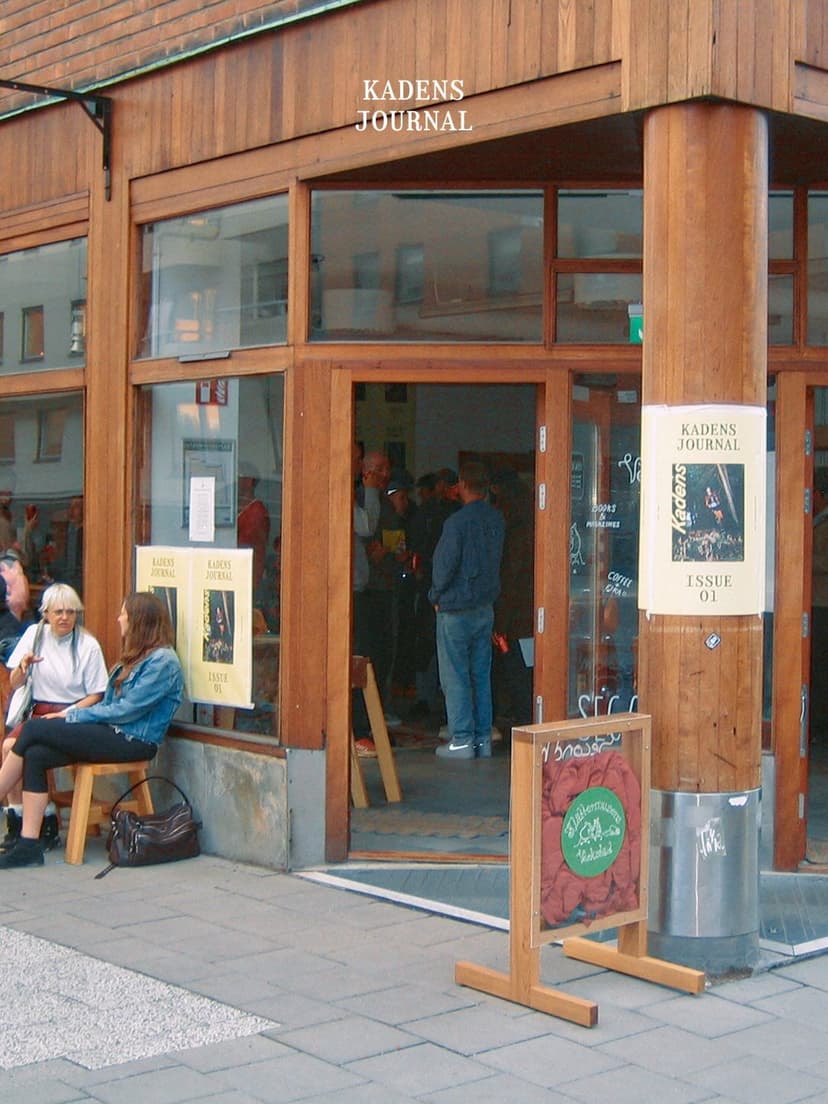
Find Kadens Journal Issue 01 on WeekEnds today.
Related Articles

July 30, 2026
Invisible Company: The Trail Is the Product
Discover how Invisible Company is redefining outdoor gear through biodegradable packaging, Merino trail apparel, and community-led trail cleanups—proving the trail is the product.
Read →
July 30, 2026
Mexico City's Hermanos Koumori Is Building the Running Brand Nobody Asked For (And Everyone Needed)
Hermanos Koumori didn't set out to make a running brand. Now they're one of the most interesting ones on the planet.
Read →
July 28, 2026
The Outdoor Store Isn't Dead. It Just Changed Its Job.
Independent outdoor retailers are redefining modern retail by creating memorable spaces, building community, and proving that discovery matters more than convenience.
Read →