
The Korean Outdoors: 8 Brands to Know
by Gene Han
Inside the independent brands making Seoul one of the most interesting places in outdoor design.
For the last two decades, anyone interested in where outdoor gear meets design knew where to look: Japan. Snow Peak turned camping equipment into a lifestyle. Goldwin made technical clothing feel architectural. And Wander brought fashion into the mountains. Montbell quietly obsessed over weight and function. Japanese brands helped teach the rest of the world that hiking gear could be considered with the same attention as furniture, clothing or architecture.
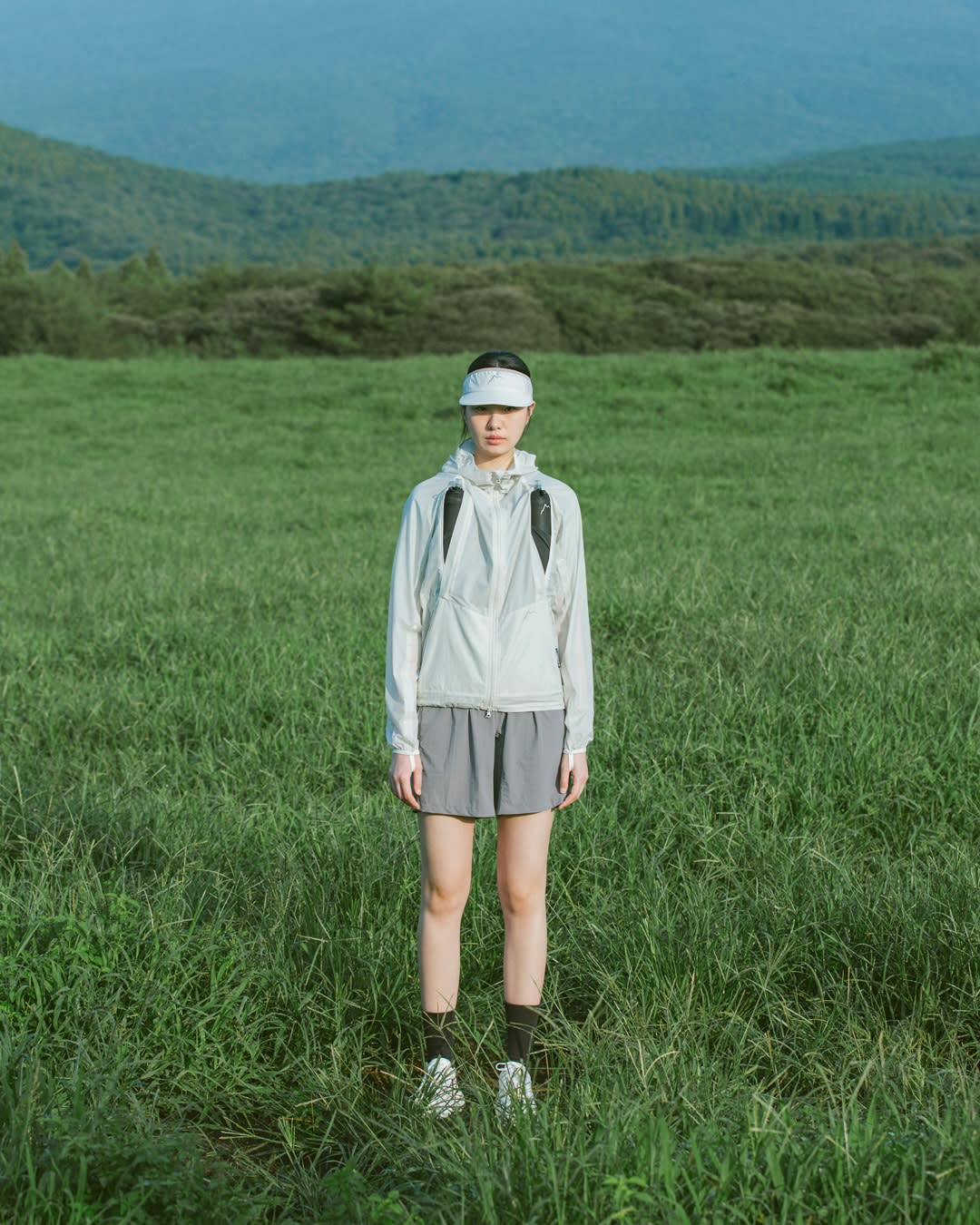
But something different has been happening next door. In South Korea, a new generation of independent outdoor brands is developing a language of its own.
CAYL makes ultralight packs and climbing clothing that look completely natural on the streets of Seoul. Somewhere Outside treats hiking as part of a broader creative culture. JEONGLI pulls technical apparel into stranger territory, while GOYOWEAR and WELTER EXPERIMENT blur the distinction between performance clothing and everyday clothing. HIKER WORKSHOP approaches many of the same questions through lightweight equipment.
They aren't all doing the same thing, and that's the point. Together, they suggest that Korea is developing an outdoor design culture that increasingly looks like nowhere else.
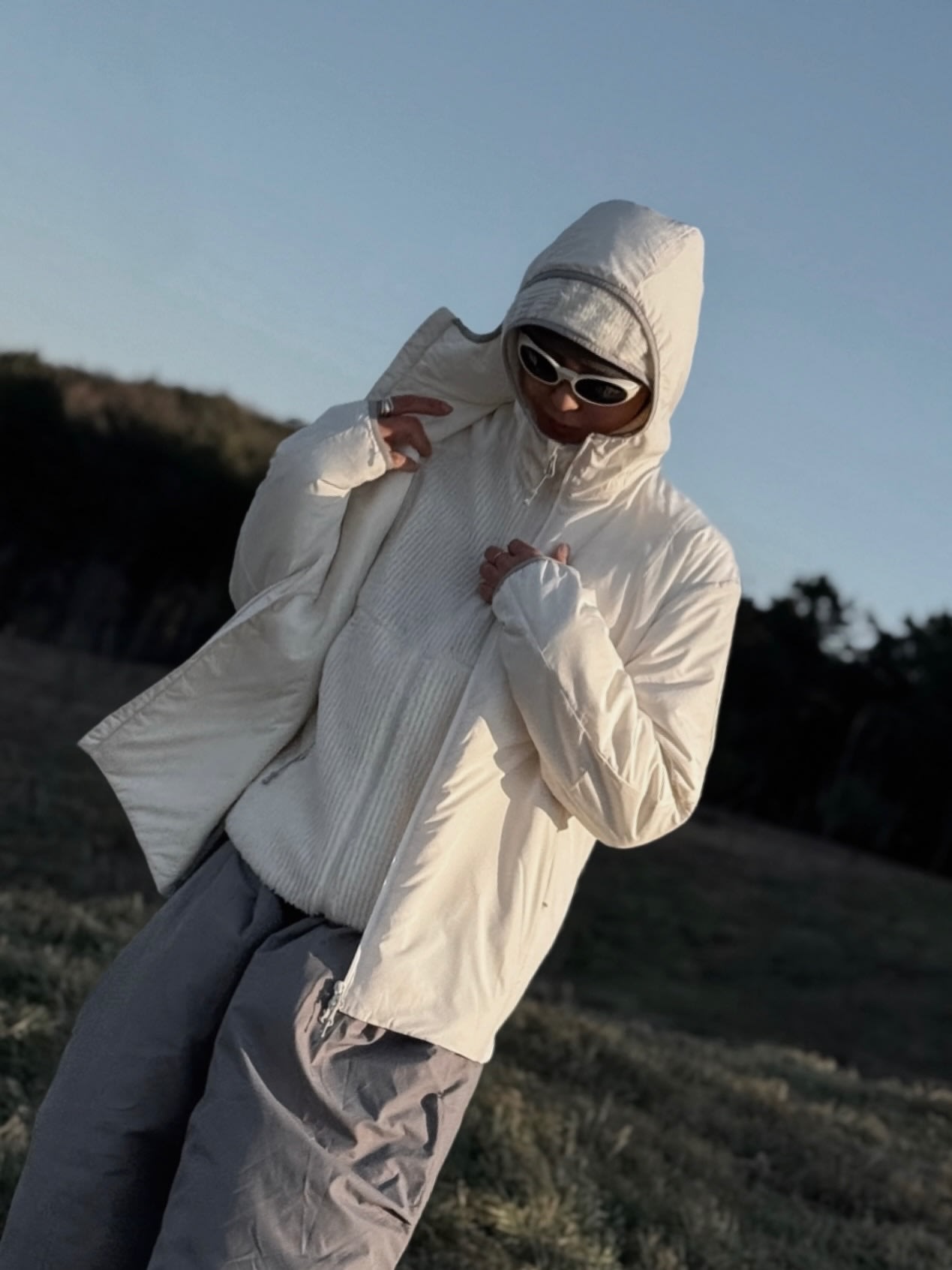
THE MOUNTAIN IS IN THE CITY
To understand Korean outdoor design, it helps to understand Seoul. In many American cities, going hiking means leaving: drive out of the city, reach a trailhead and enter a landscape deliberately removed from everyday life.
Seoul doesn't always work that way. Mountains rise throughout and around the city. Hiking can begin with a subway ride and end with dinner back in the neighborhood, making the transition between urban and outdoor life something that happens over the course of a few hours rather than an entire weekend.
That proximity changes the relationship. The outdoors doesn't necessarily represent an escape from the city; it exists alongside it. Increasingly, Korean outdoor clothing works the same way.
Technical pants don't need to look like hiking pants. A lightweight pack can work on a mountain and on a commute. Trail-running vests, climbing silhouettes and performance fabrics move between environments without anyone worrying too much about which category they belong to. The distinction between outdoor clothing and everyday clothing becomes harder to locate.
That is where the new Korean outdoors begins.
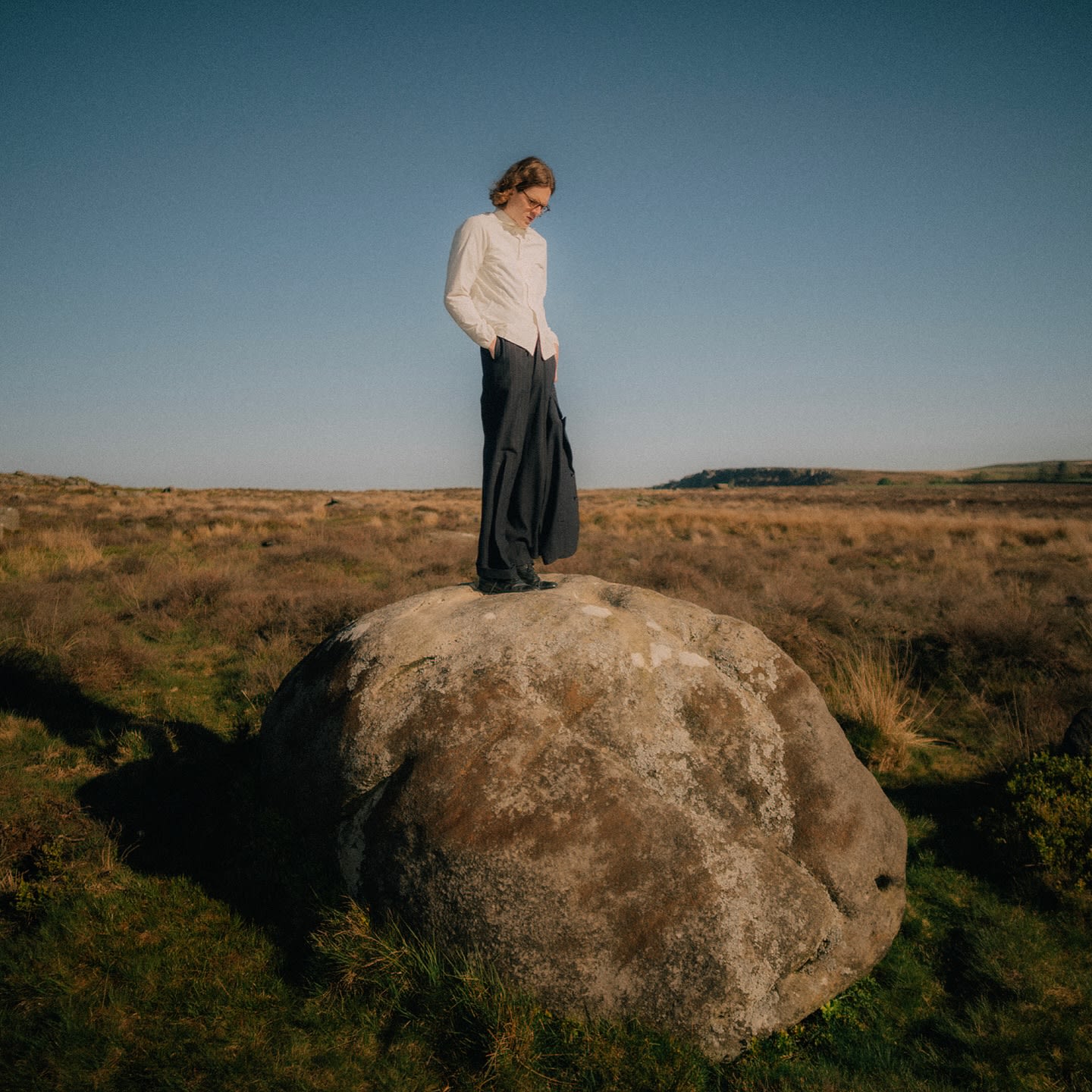
CAYL
CAYL is the obvious starting point. The name stands for Climb As You Love, which tells you almost everything you need to know about the brand.
Founded in Seoul in 2011, CAYL grew from climbing and hiking rather than fashion. Its products focus on equipment for actually getting outside: lightweight backpacks, climbing accessories and technical apparel. But CAYL's importance comes from what happens when those products leave the mountain.
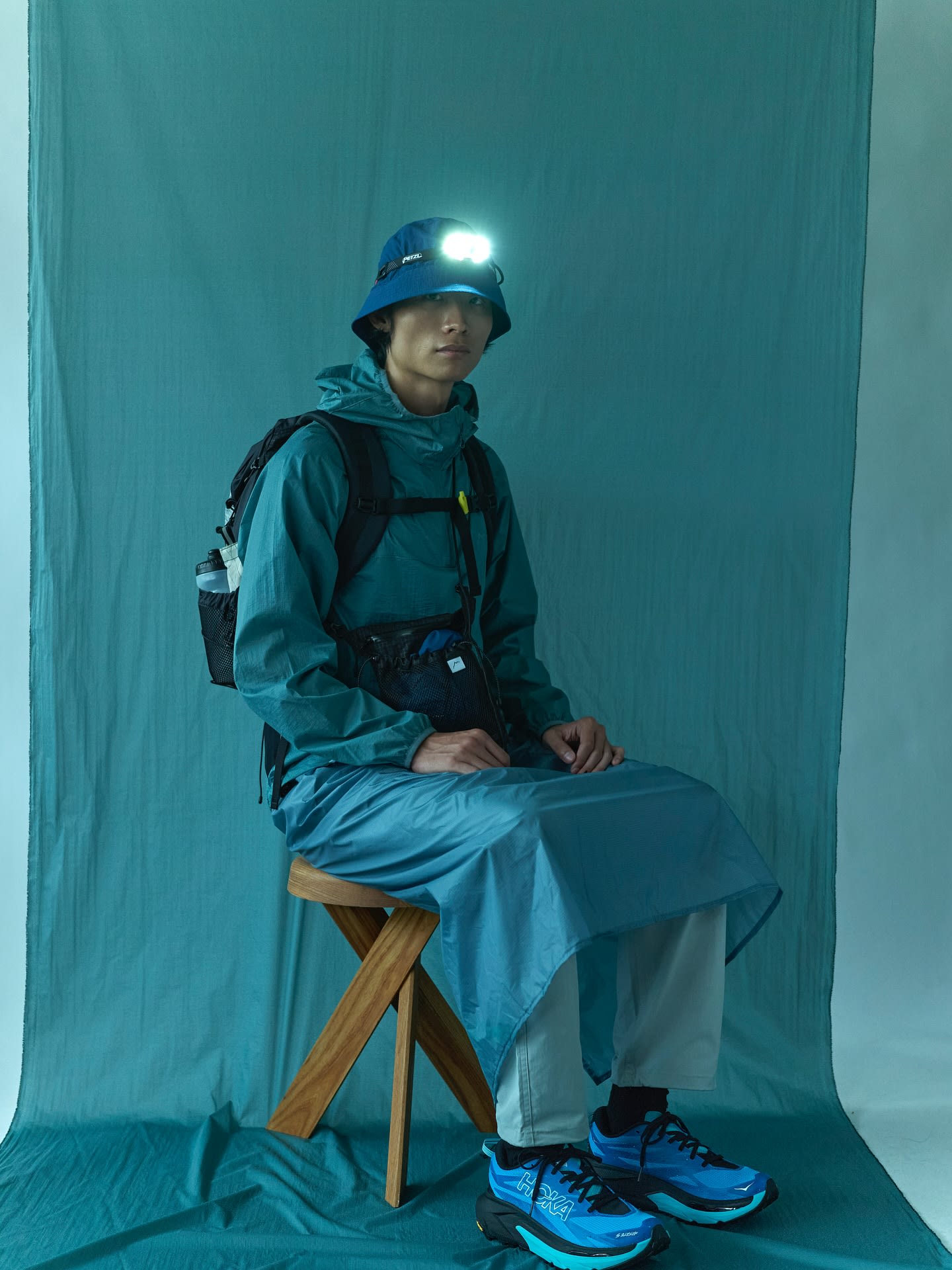
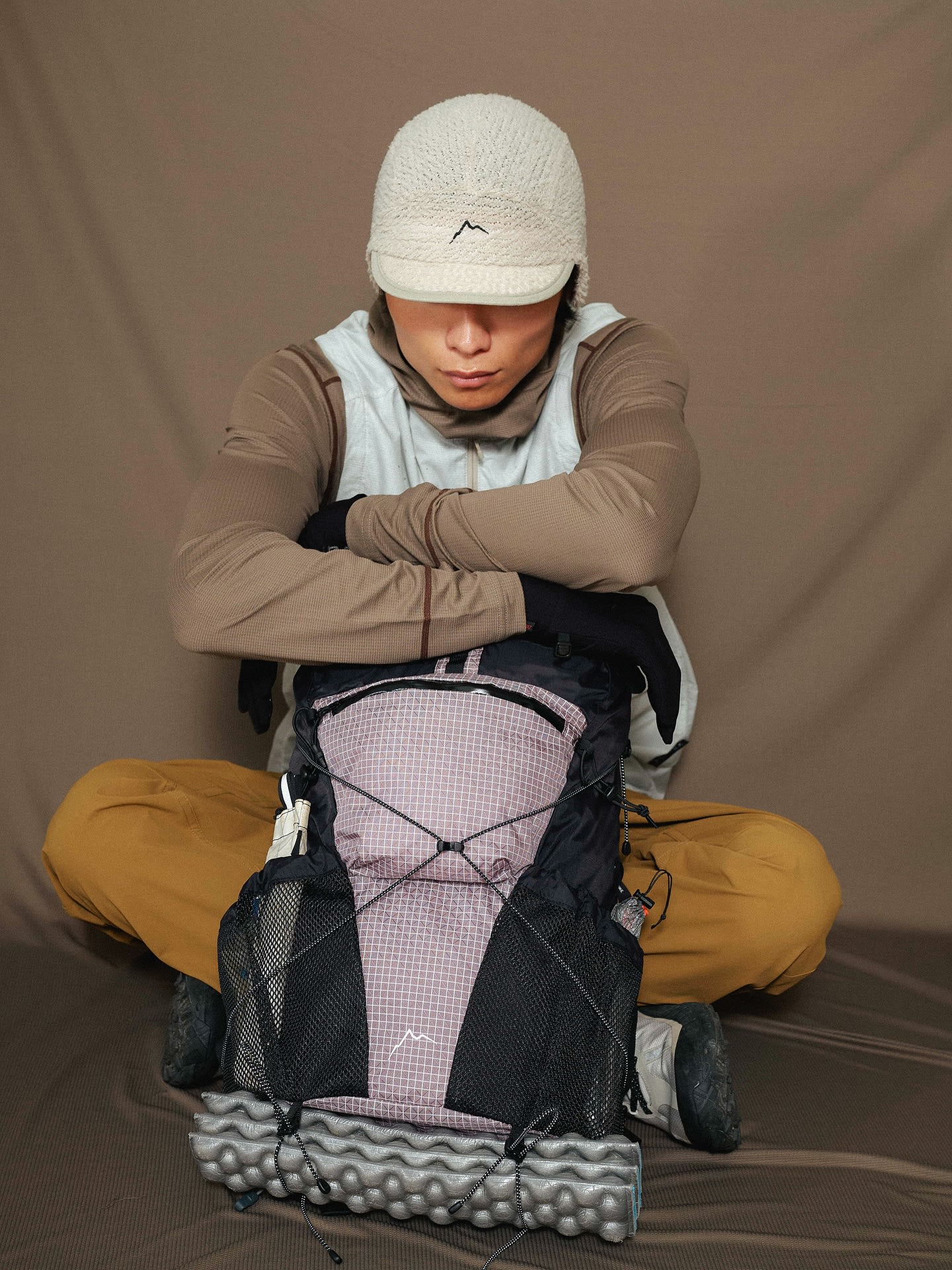
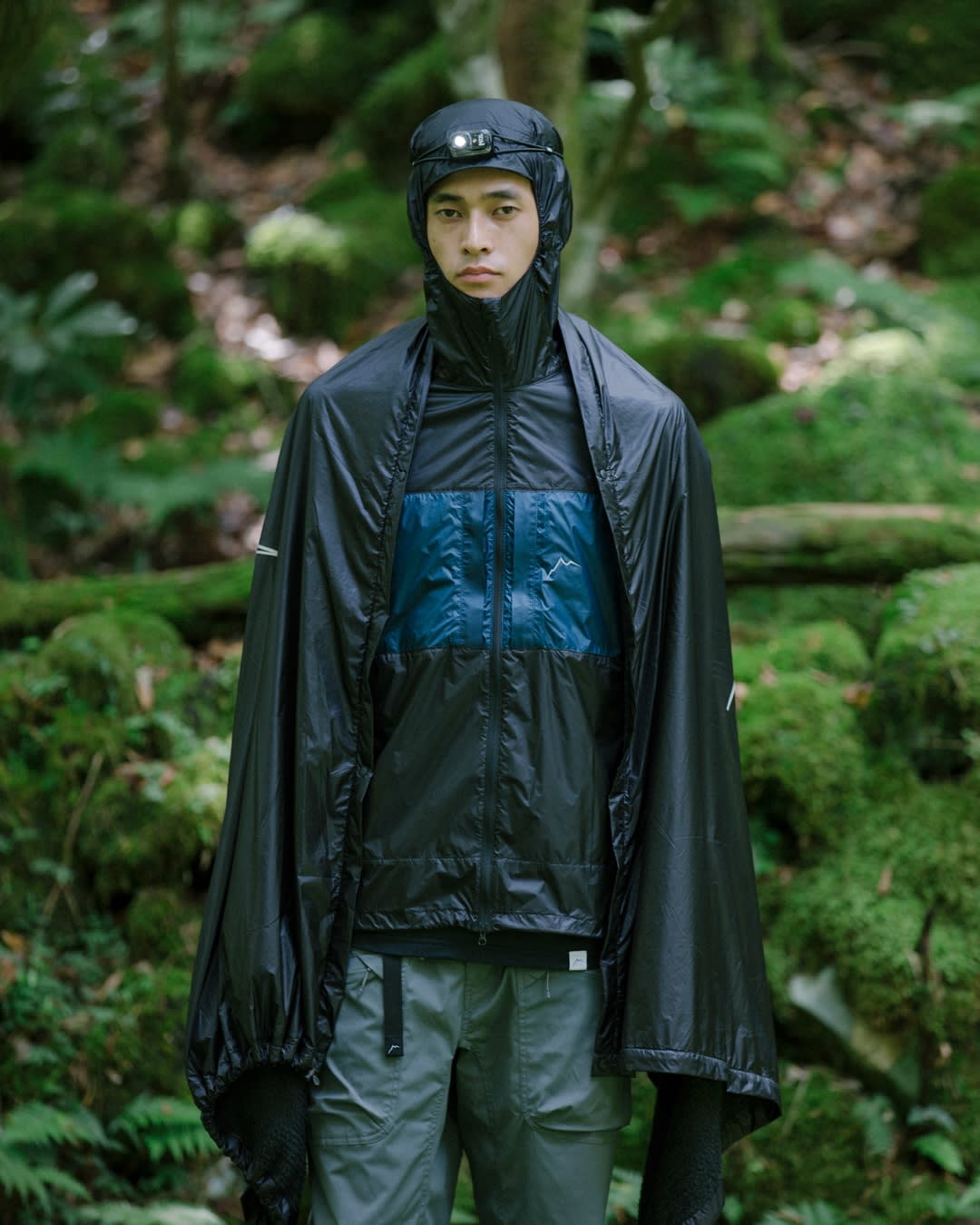
Its backpacks are immediately recognizable without being loud. Technical fabrics, mesh pockets, webbing and ultralight construction are arranged with the restraint of an industrial designer. Clothing follows the same philosophy, with relaxed technical pants, lightweight shells, caps, fleeces and trail pieces that retain their purpose without advertising it.
The result sits somewhere between ultralight backpacking, climbing culture and contemporary Seoul, with no obvious dividing line between the three. CAYL isn't taking fashion and making it look outdoorsy. It is taking legitimate outdoor equipment and allowing the design to exist comfortably in both environments.
The trail comes first. The style follows.
No products available.
SOMEWHERE OUTSIDE
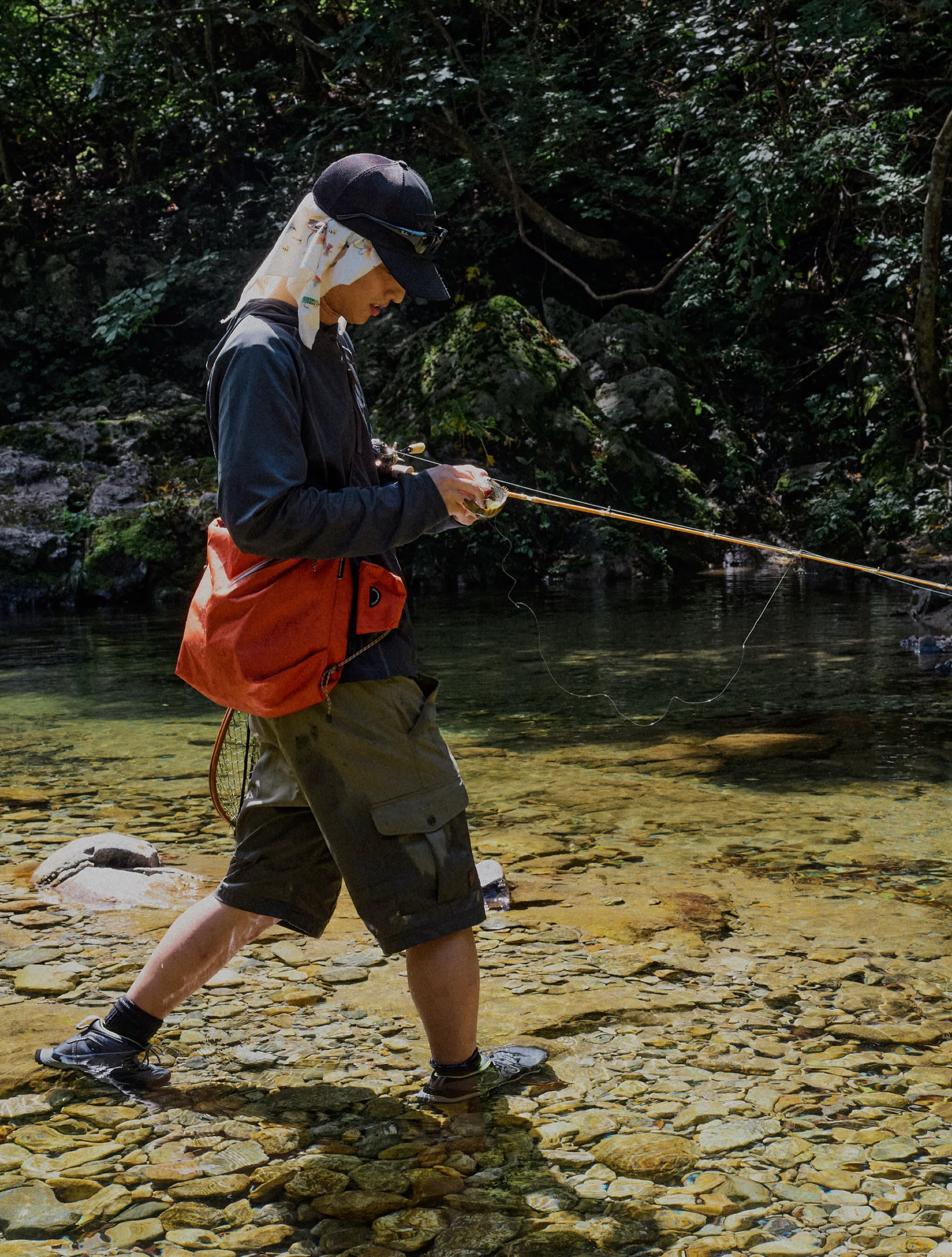
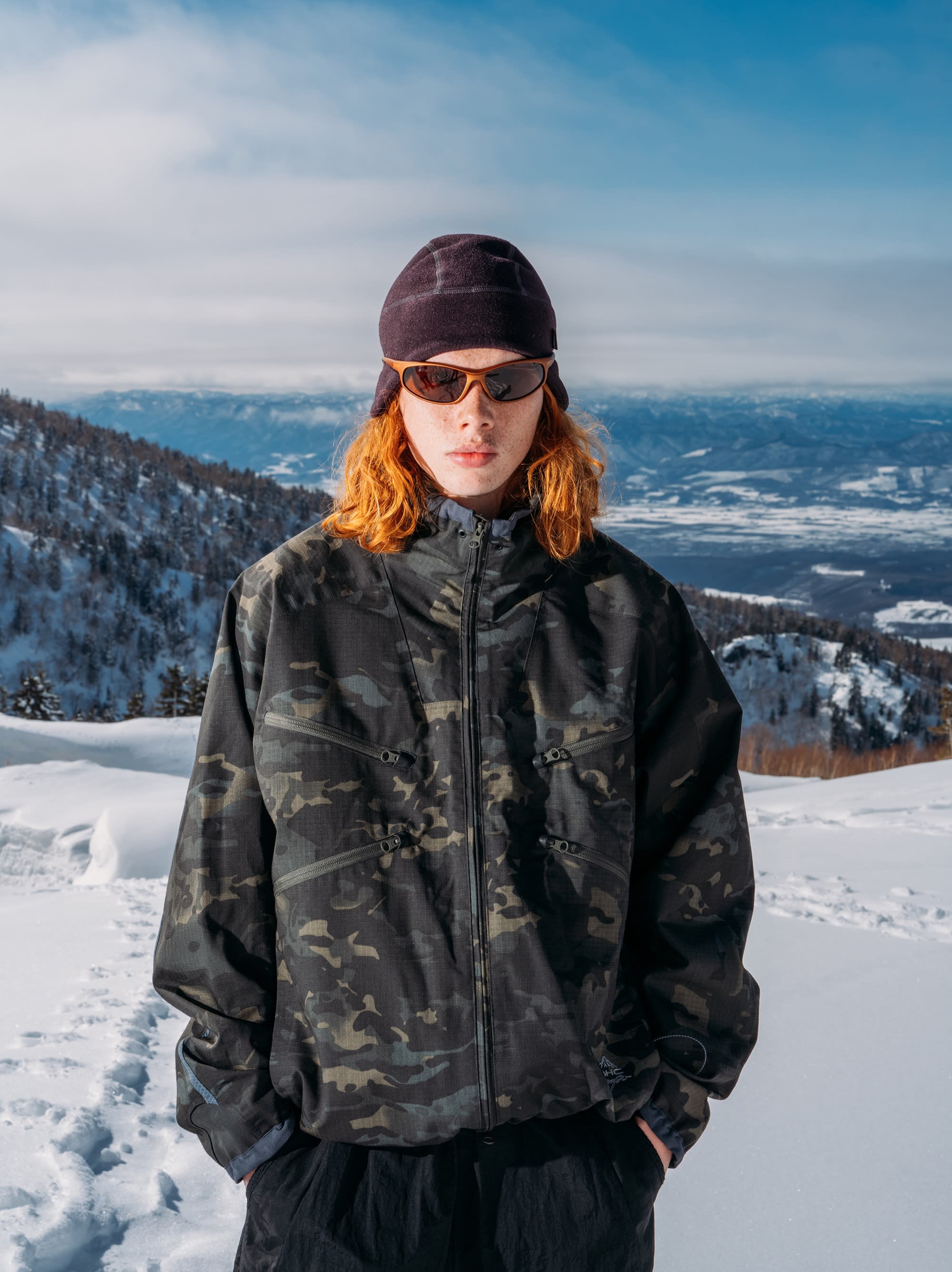
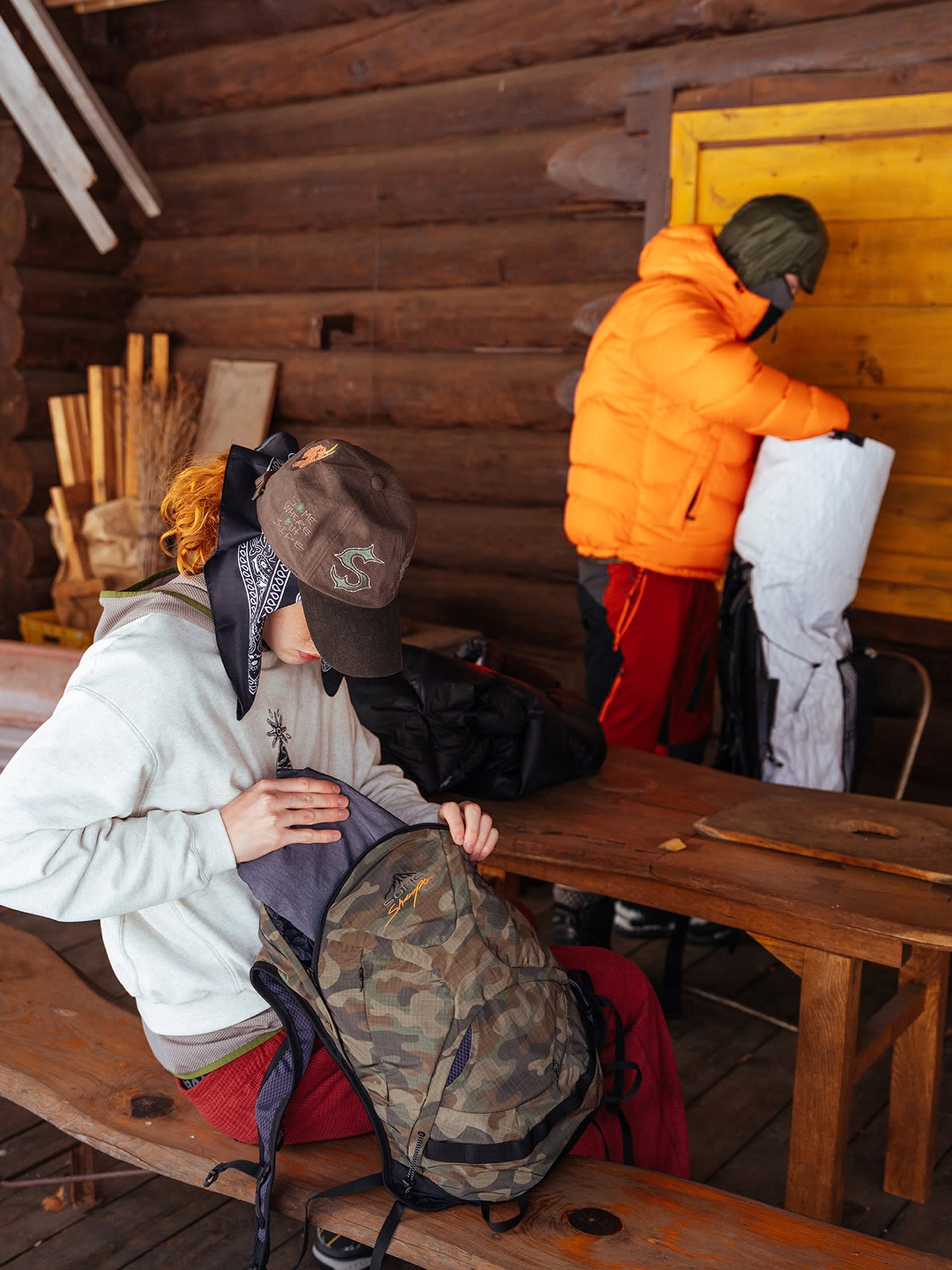
Somewhere Outside starts with a broader definition of what being outside can mean. The young Seoul label moves easily between hiking, cycling, fishing, commuting and everyday life, combining technical materials and outdoor functionality with oversized proportions, graphics and influences that can come from punk and street culture as easily as mountaineering.
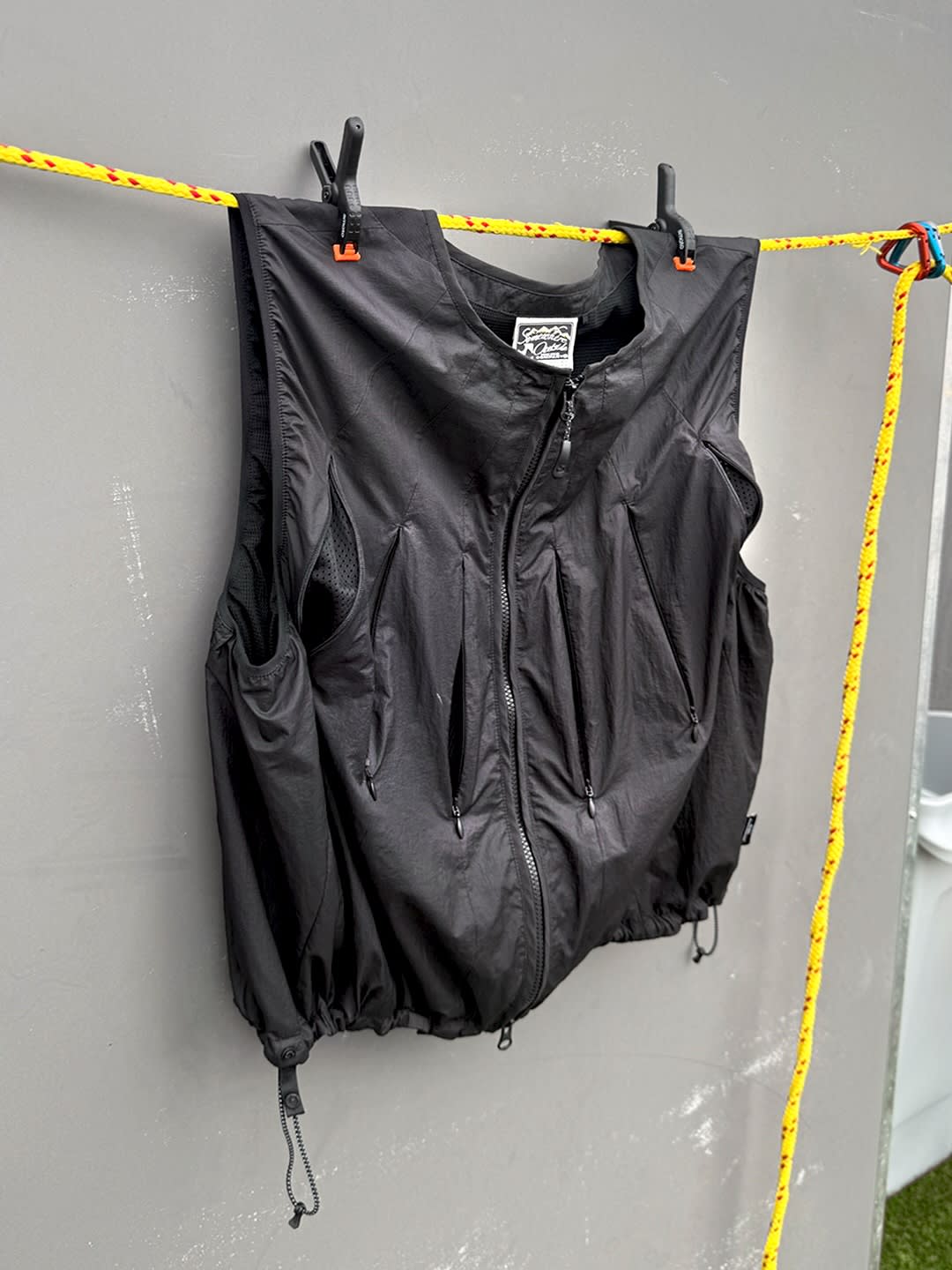
The result feels outdoor without being consumed by the idea of the outdoors. Traditional outdoor companies tend to organize themselves around destinations—the summit, the trail, the wall, the race—while Somewhere Outside is more interested in everything between leaving and returning.
That may be closer to the way most people actually experience the outdoors. Few of us spend our lives on expeditions. We leave home, walk somewhere, ride somewhere, maybe climb something and eventually come back.
No products available.
JEONGLI
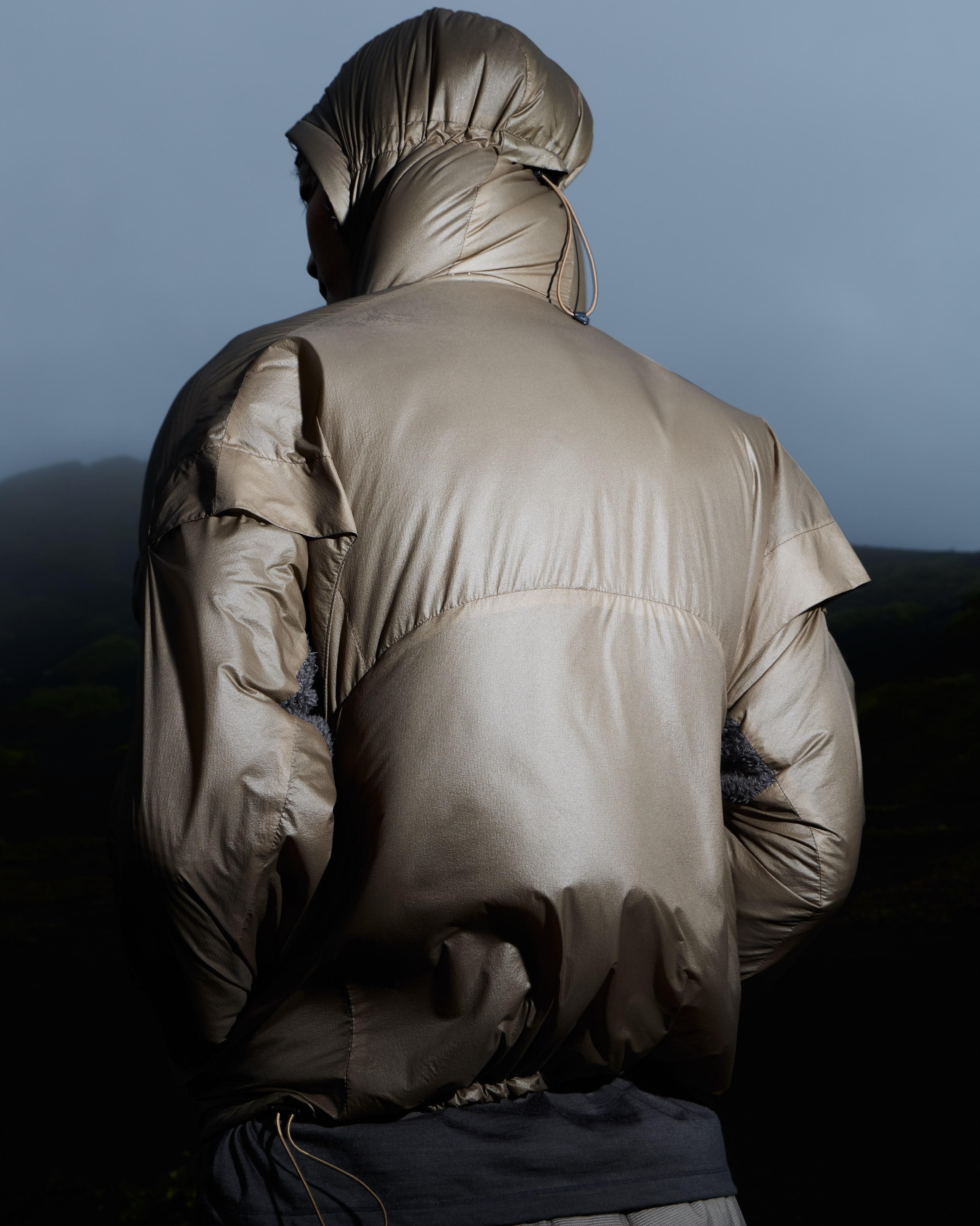
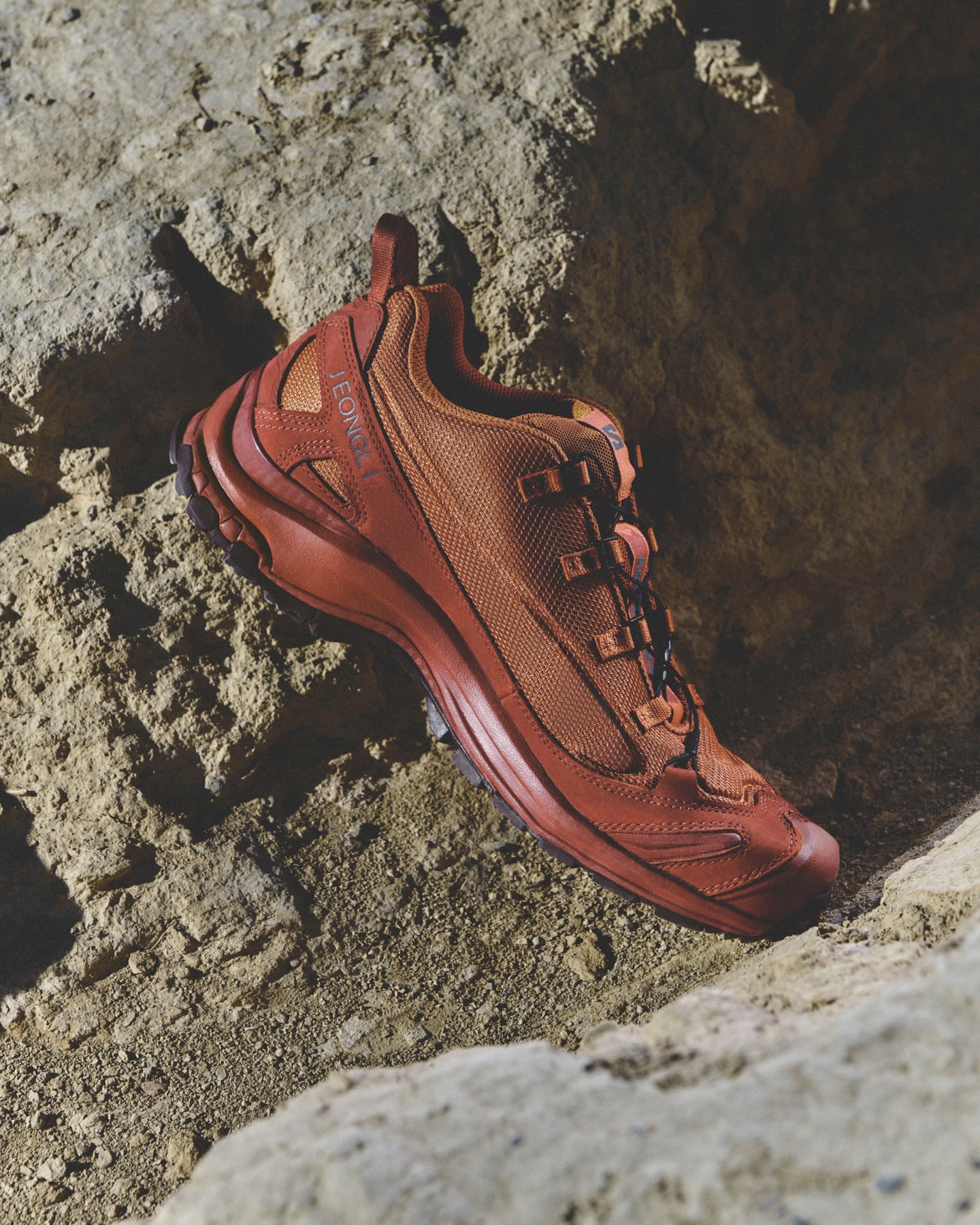
JEONGLI pushes the boundary farther. The brand describes what it makes as “Innovative Citywear,” inspired by the coexistence of concrete and nature in the modern city. That description could almost serve as a thesis for the Korean outdoor movement itself.
Technical fabrics and functional details are present, but conventional categories begin to dissolve. A shell doesn't necessarily look like a traditional hiking shell. Pants can borrow from climbing, military clothing and fashion simultaneously. Layering becomes part performance system, part styling exercise.
For much of the last decade, fashion's relationship with outdoor equipment was relatively straightforward: take something recognizably designed for the wilderness and wear it somewhere unexpected. A Gore-Tex shell in the city, trail runners with trousers or a climbing pack on the subway worked because the contrast was the point.
JEONGLI represents what happens after that contrast disappears. Outdoor clothing becomes simply another design vocabulary.
GOYOWEAR
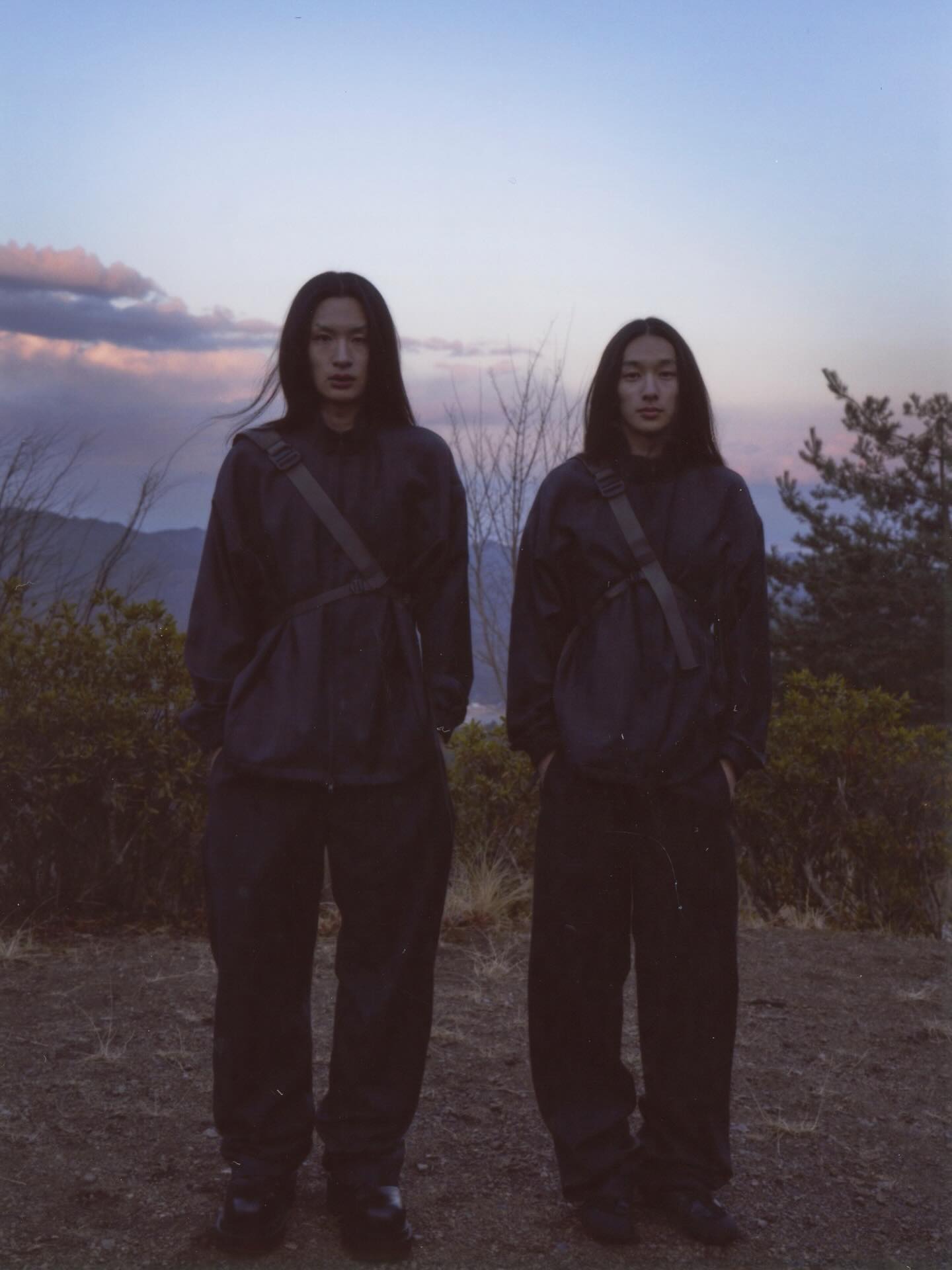
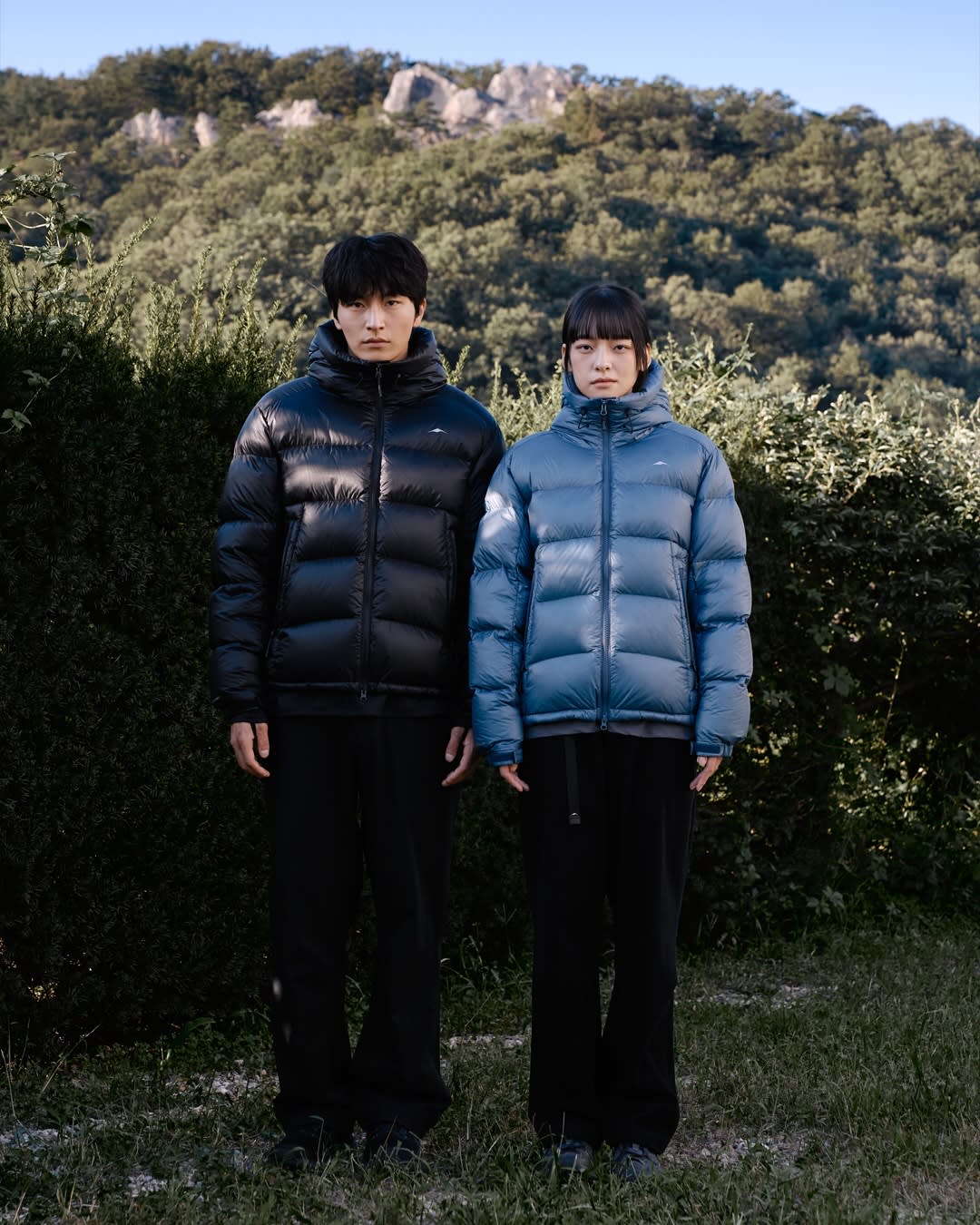
GOYOWEAR offers a quieter interpretation of the same idea. Founded in 2020, the brand works with familiar performance categories—technical pants, insulation, vests and lightweight outerwear—but loosens the silhouettes and strips away much of the aggressive visual language traditionally associated with technical equipment.
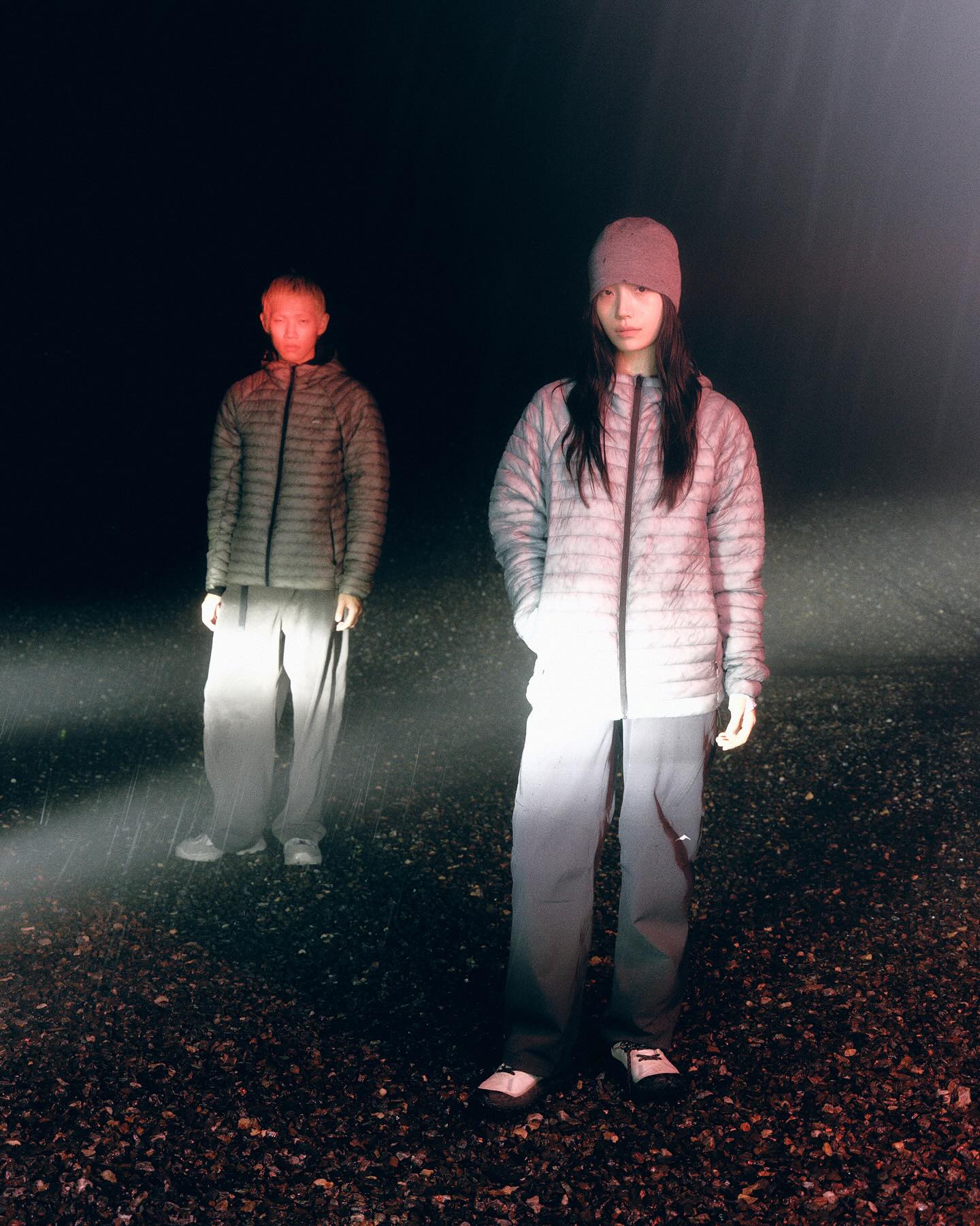
The clothes still look capable; they just don't look like they are constantly trying to prove it. That restraint is becoming one of the more interesting characteristics of Korea's independent outdoor scene, where performance doesn't need to mean fluorescent panels, enormous logos or a silhouette that announces the activity it was designed for.
A piece can work for hiking and still look ordinary enough to wear for everything surrounding the hike. GOYOWEAR makes that middle ground the point.
WELTER EXPERIMENT
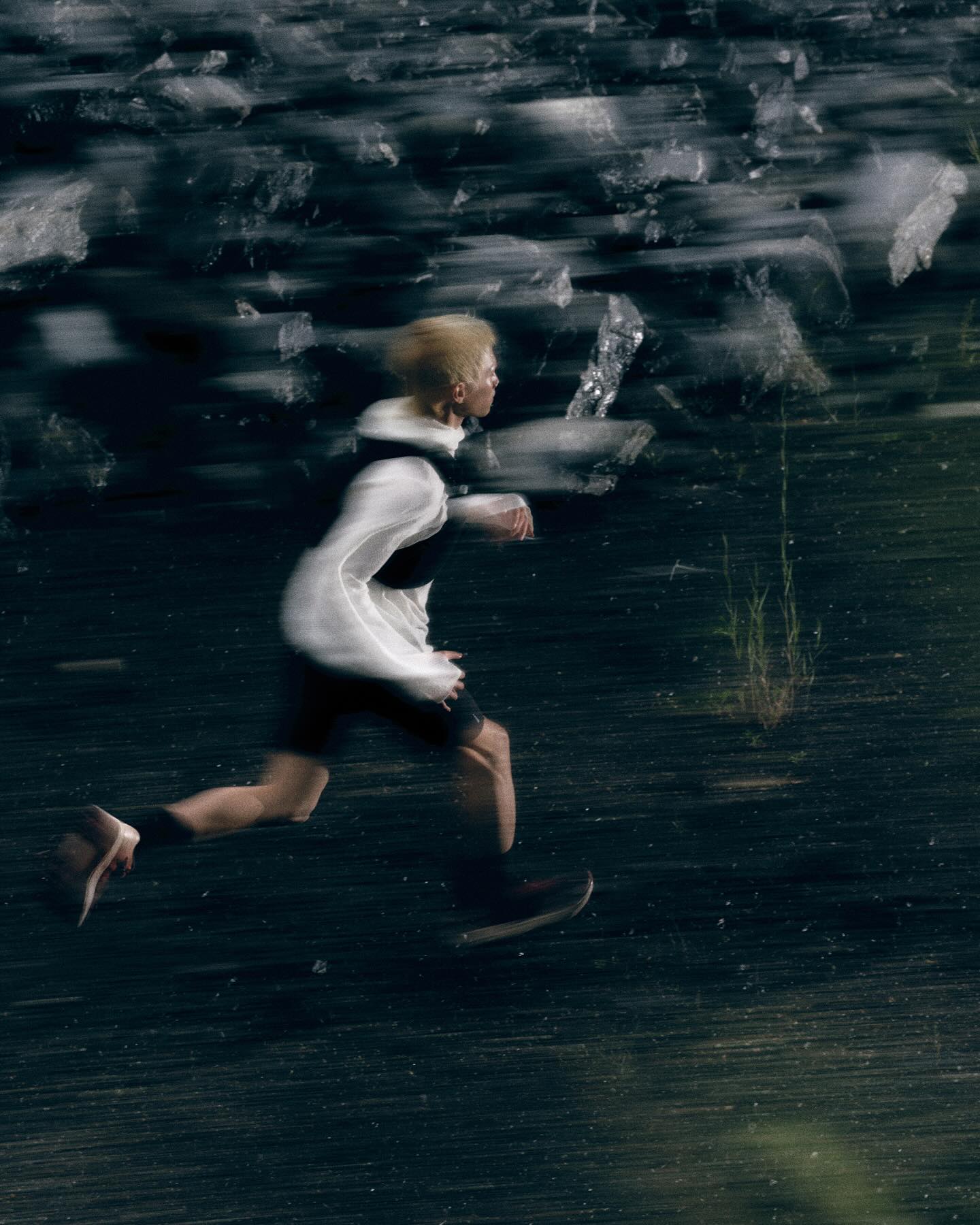
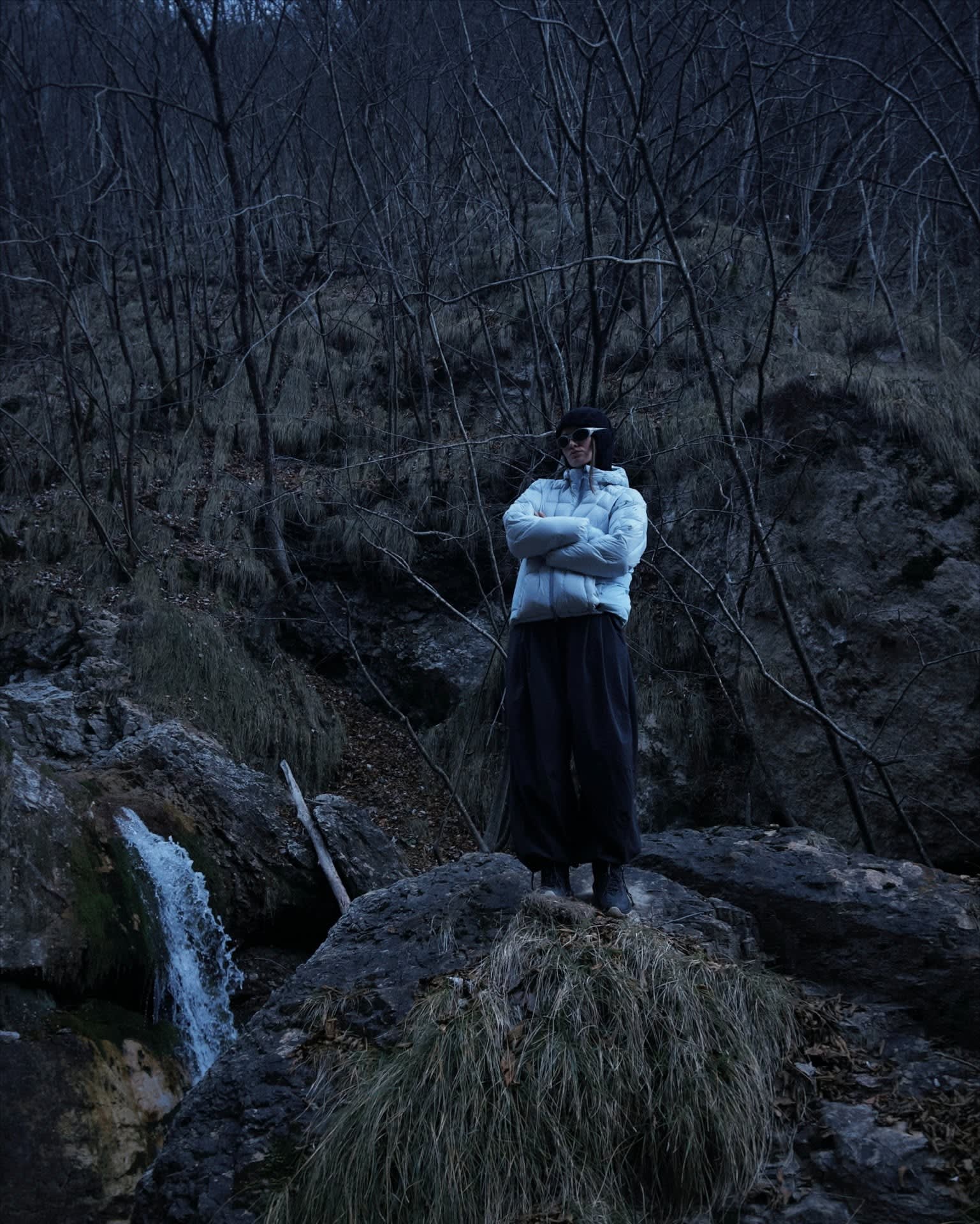
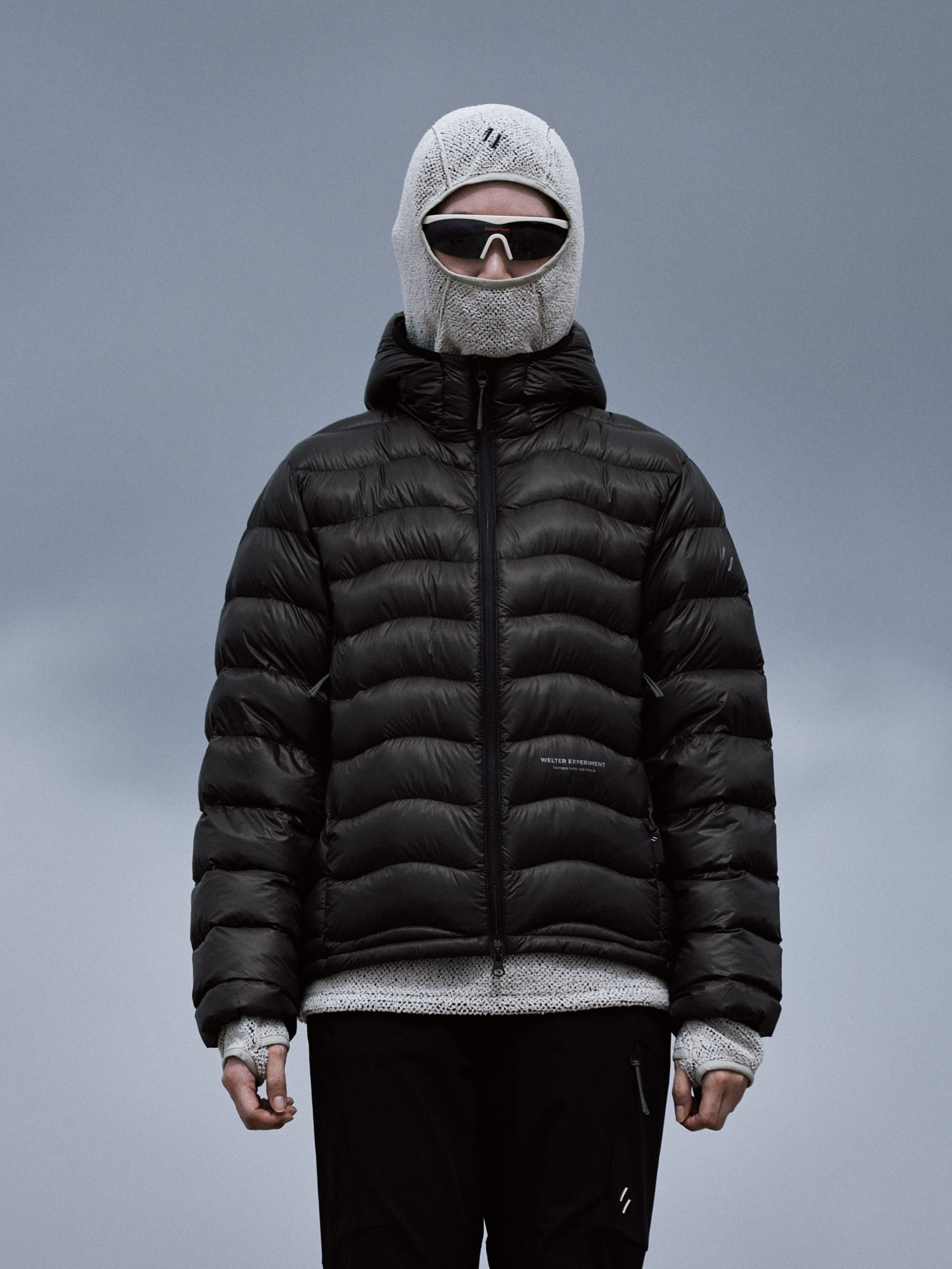
WELTER EXPERIMENT brings experimentation back toward actual outdoor use. Founded in Seoul in 2021, the brand works with technical materials and utilitarian construction but grounds those ideas in hiking and community events.
That relationship matters because, as outdoor aesthetics have moved deeper into fashion, it has become increasingly easy to build an outdoor-looking brand without much connection to outdoor activity.
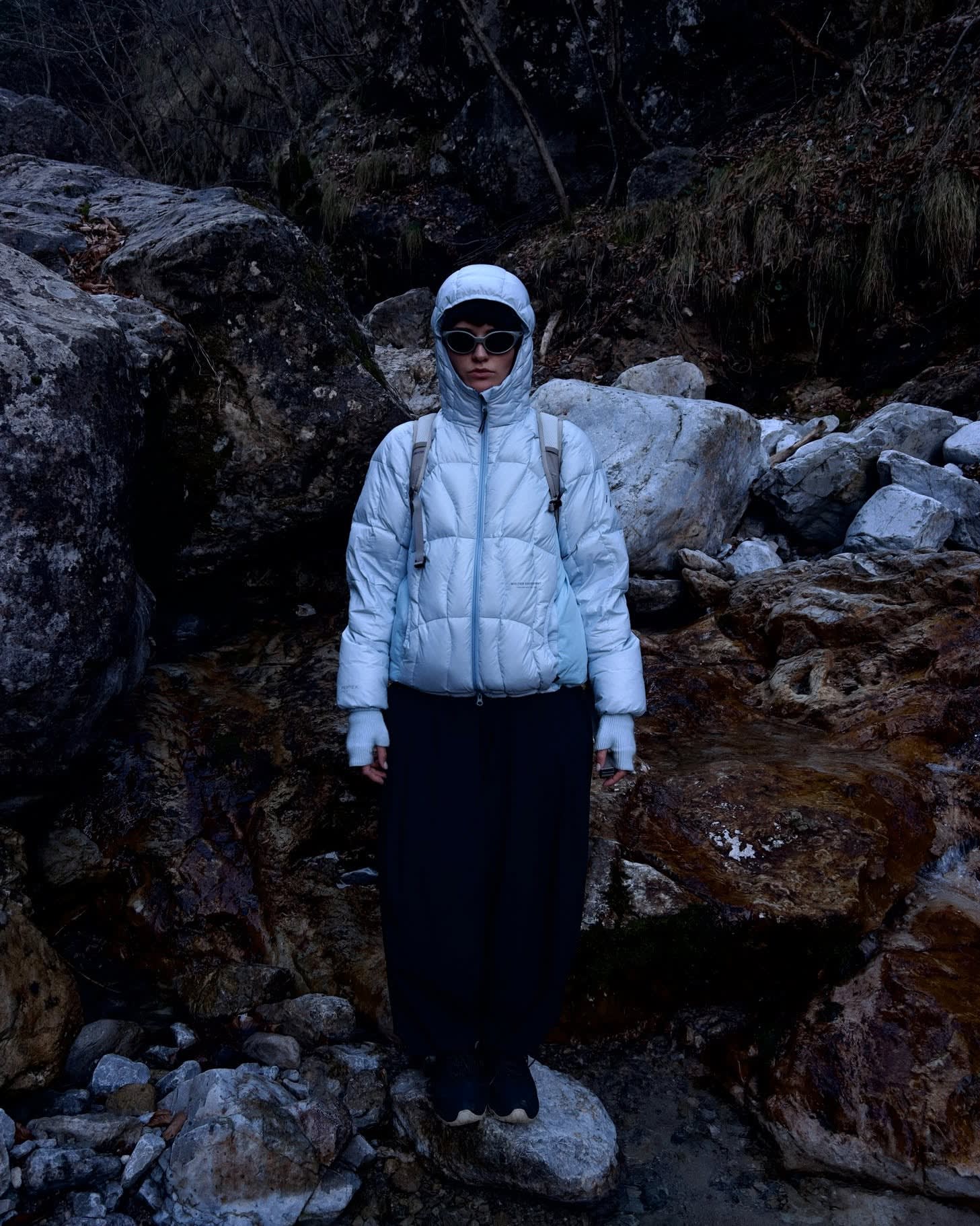
WELTER EXPERIMENT keeps the two closer together. Performance fabrics and functional details aren't simply visual references; they are part of clothing intended to move outside.
The resulting pieces still don't feel trapped by traditional outdoor design. The mountain becomes the testing ground rather than the uniform.
HIKER WORKSHOP
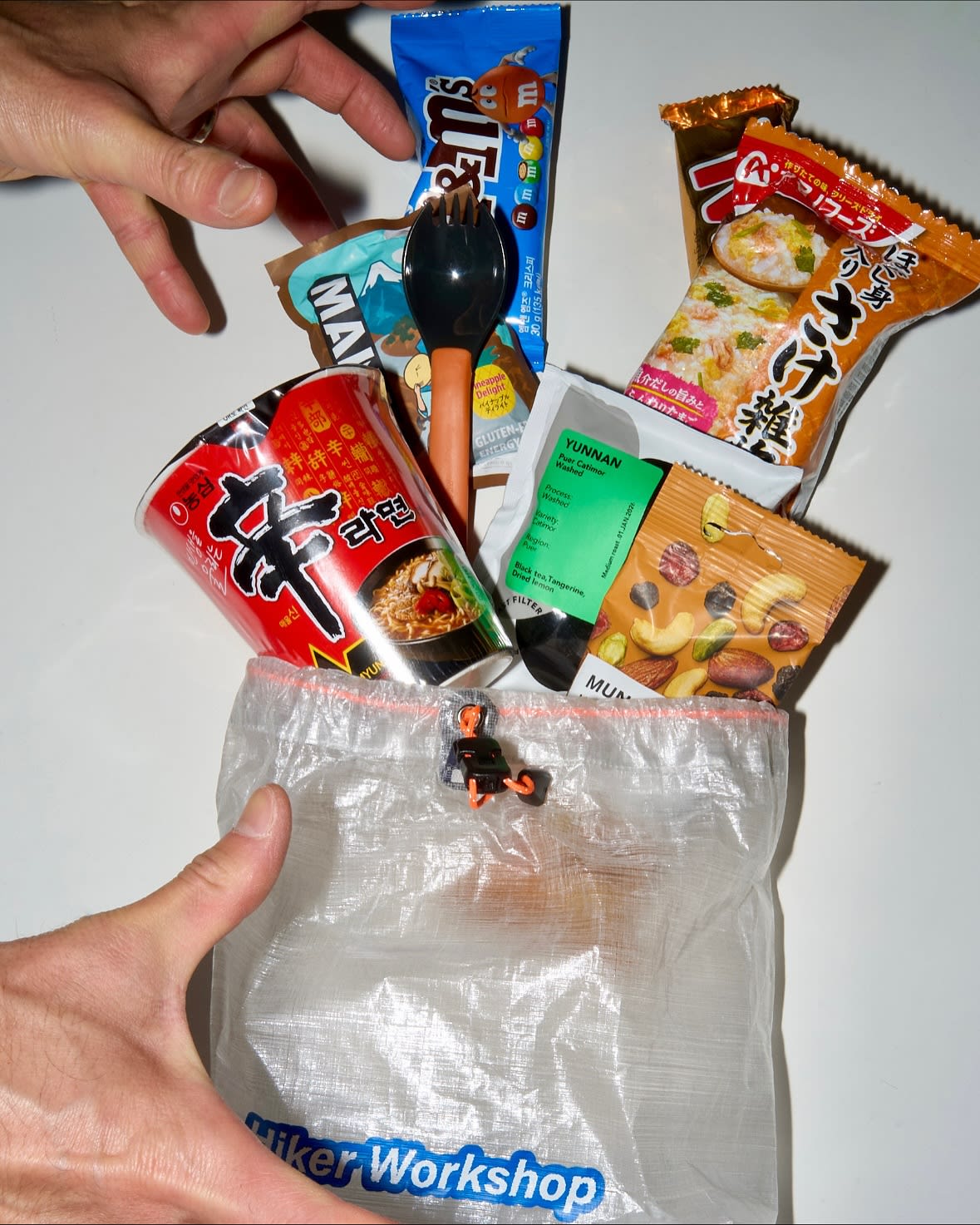
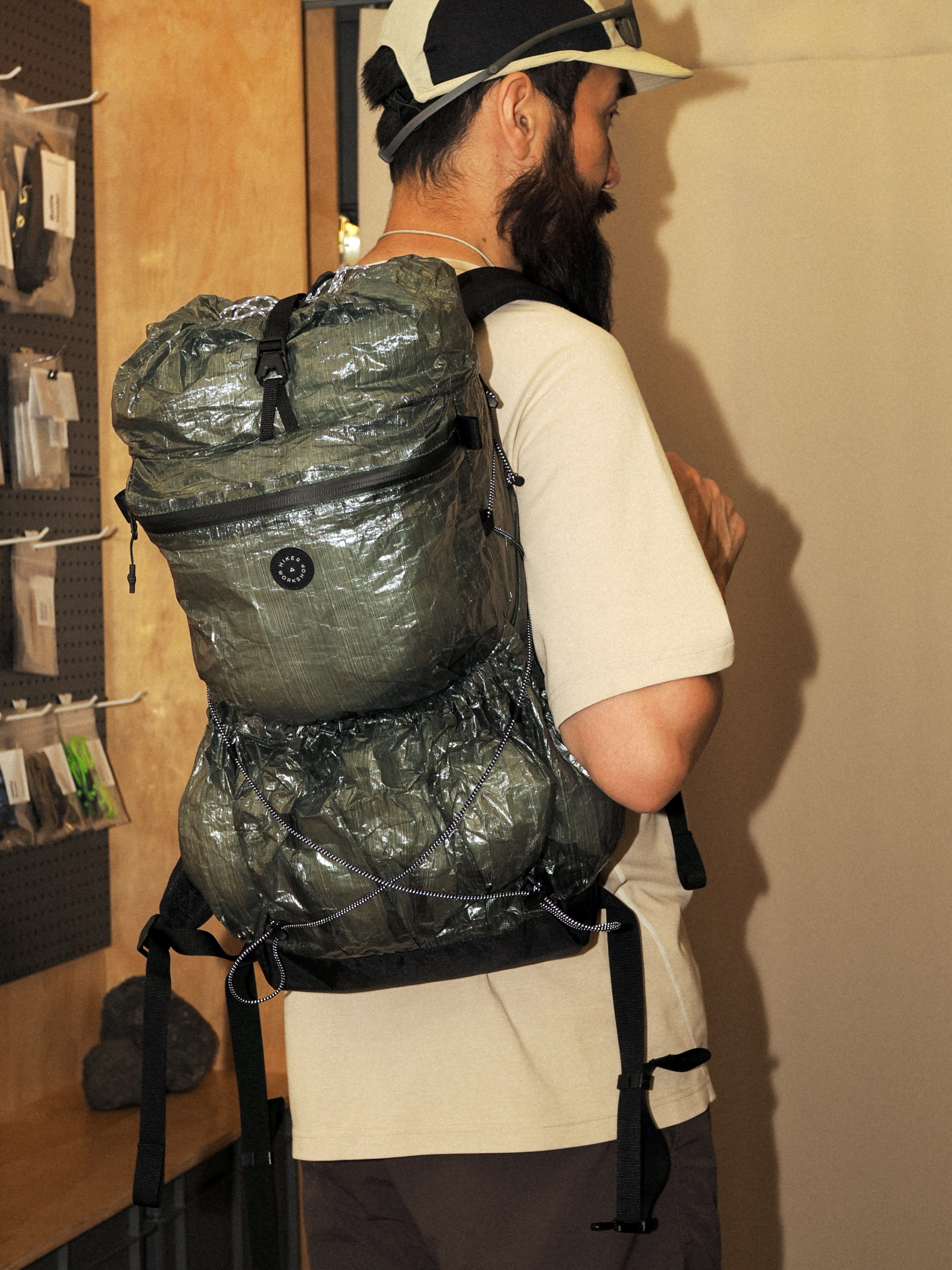
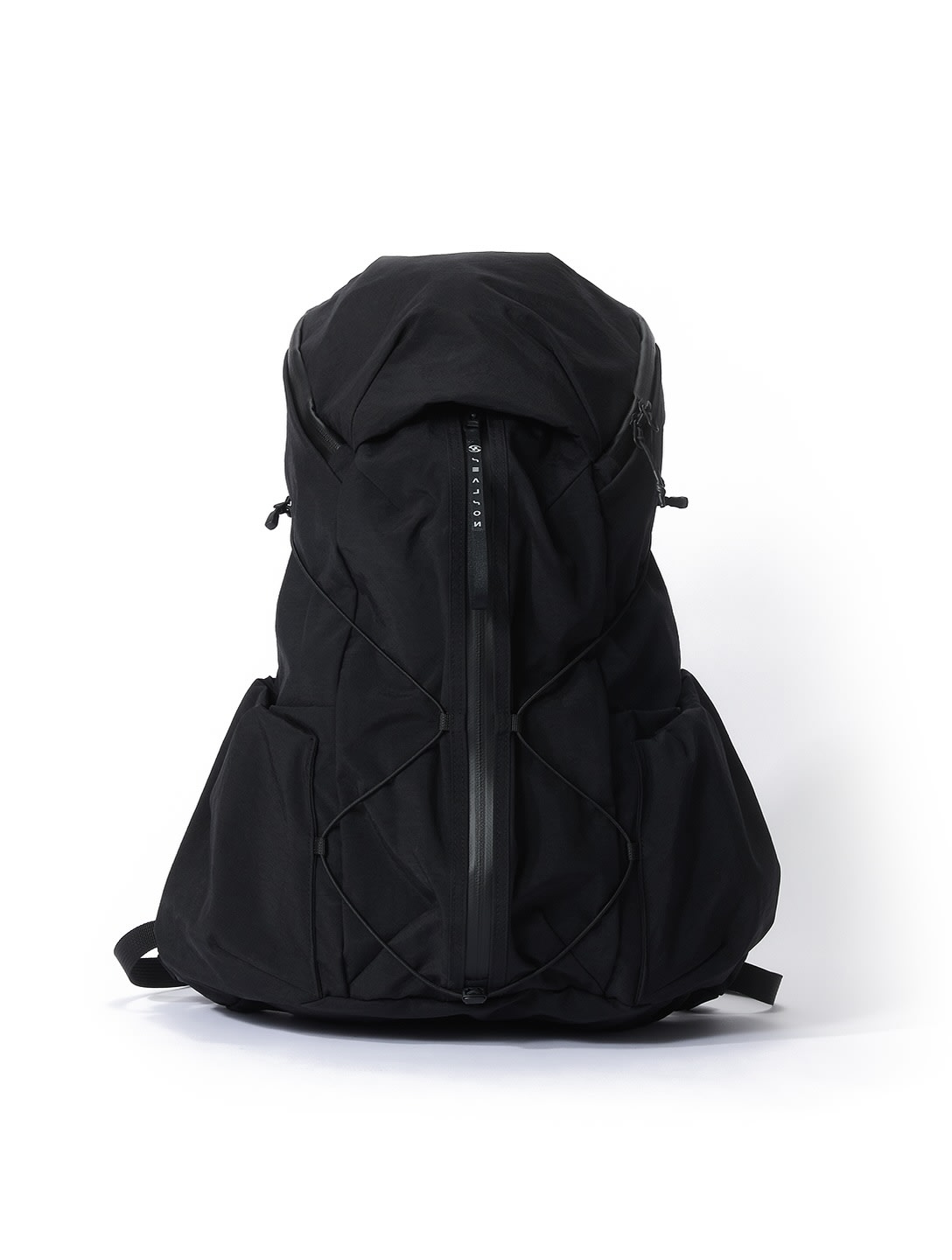
HIKER WORKSHOP shifts the story from clothing back to equipment. Its lightweight backpacks, sacoches, pouches and accessories belong to the same broader ultralight movement that has transformed backpacking elsewhere, but the visual language feels distinctly Korean.
Construction is exposed rather than hidden, with mesh, cord, webbing and technical fabrics becoming part of the design. The equipment can be minimal without feeling purely utilitarian, demonstrating that Korea's emerging outdoor aesthetic isn't limited to apparel.
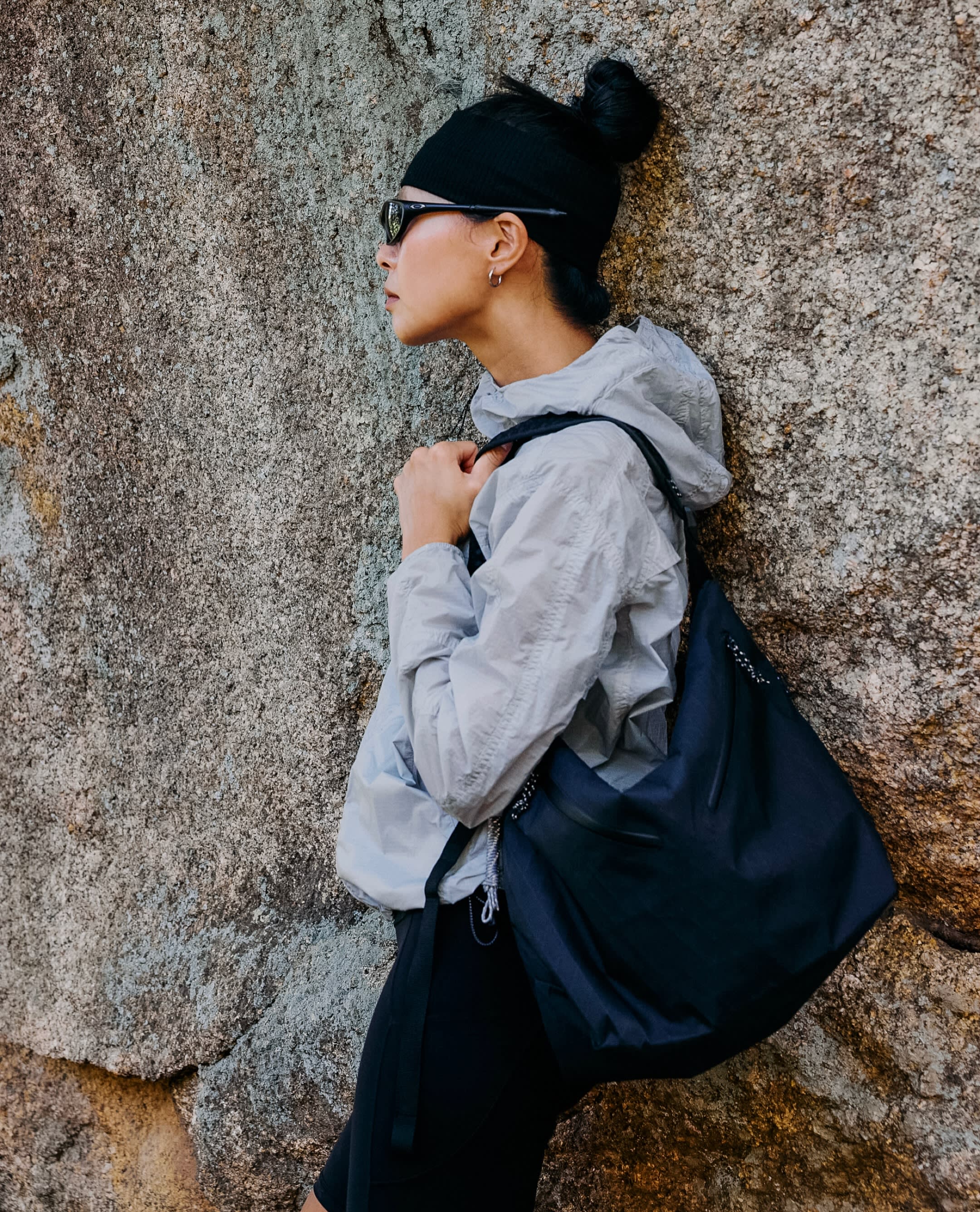
That balance is especially visible in its packs. Weight and function remain central, but they aren't treated as reasons for an object to be visually anonymous. Proportions, material combinations and small graphic details give the equipment an identity beyond its specifications. It's a different interpretation of ultralight than the almost aggressively utilitarian approach associated with many American cottage brands: reducing weight doesn't require reducing personality.
The same ideas appearing in Korean technical clothing are showing up in the objects people carry. HIKER WORKSHOP makes a backpack feel simultaneously like trail equipment and industrial design.
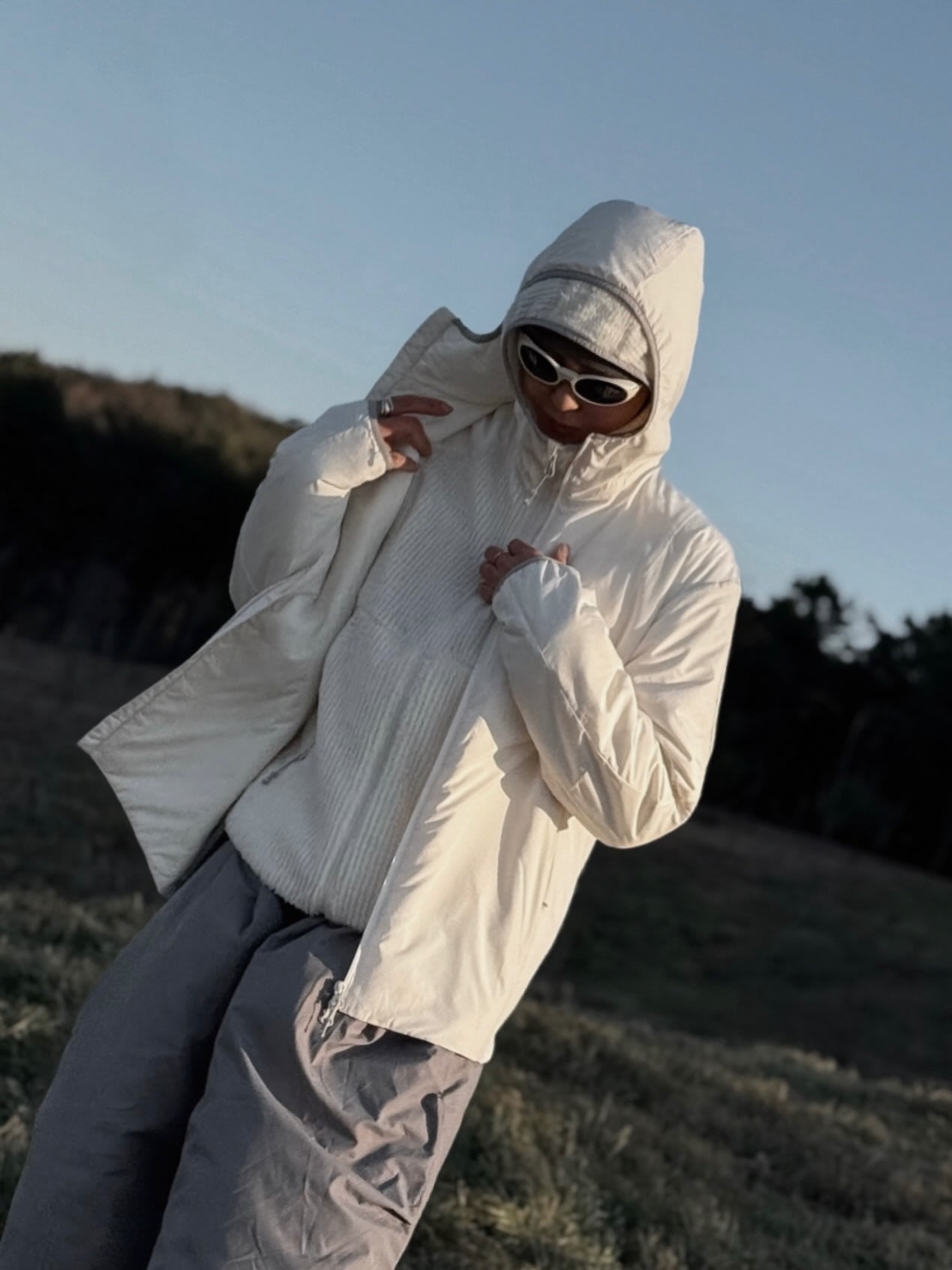
URBANSIDE
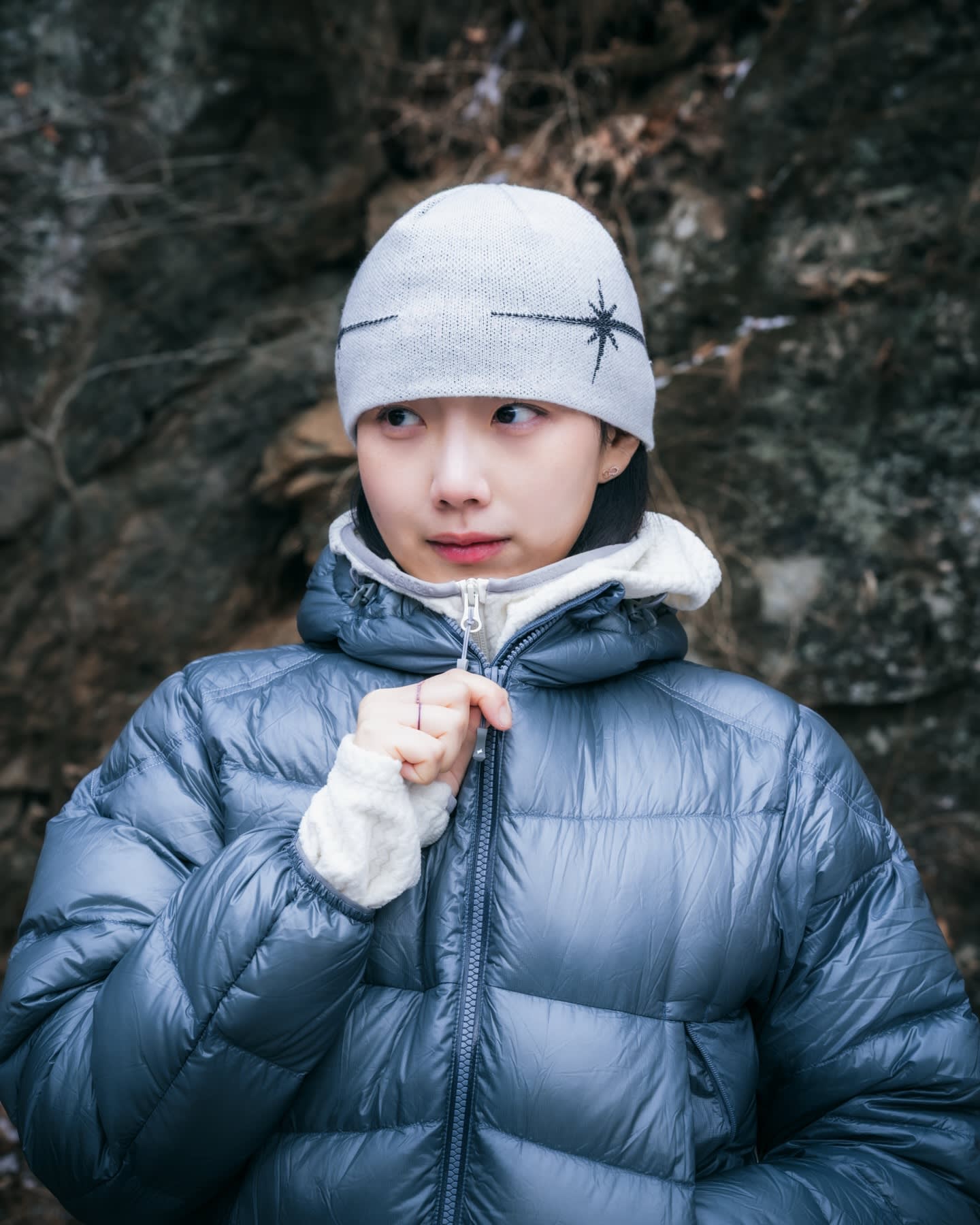
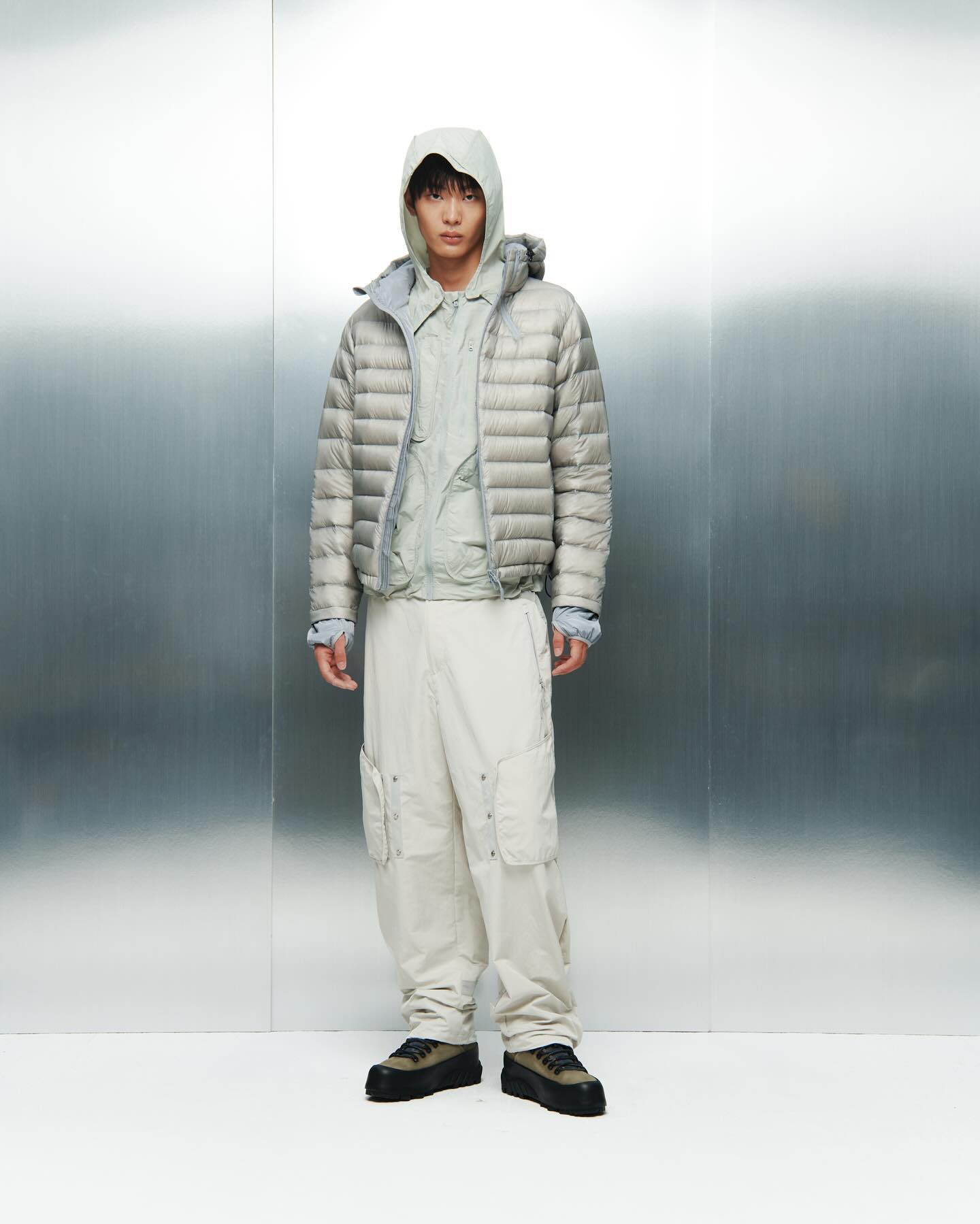
URBANSIDE sits somewhere between performance equipment and fashion. The brand works with genuinely technical materials—including ultralight fabrics and high-fill-power insulation—but packages them in proportions and colors that feel more closely connected to Seoul than to a traditional alpine catalog.
That combination is clearest in pieces like its ultralight down jackets, where materials normally discussed almost entirely through specifications become part of the visual identity. Lightweight nylons create softer, less structured silhouettes, while high-performance insulation allows the garments to remain warm without the bulk associated with traditional expedition down. The technology isn't hidden beneath the design; it helps determine the design.
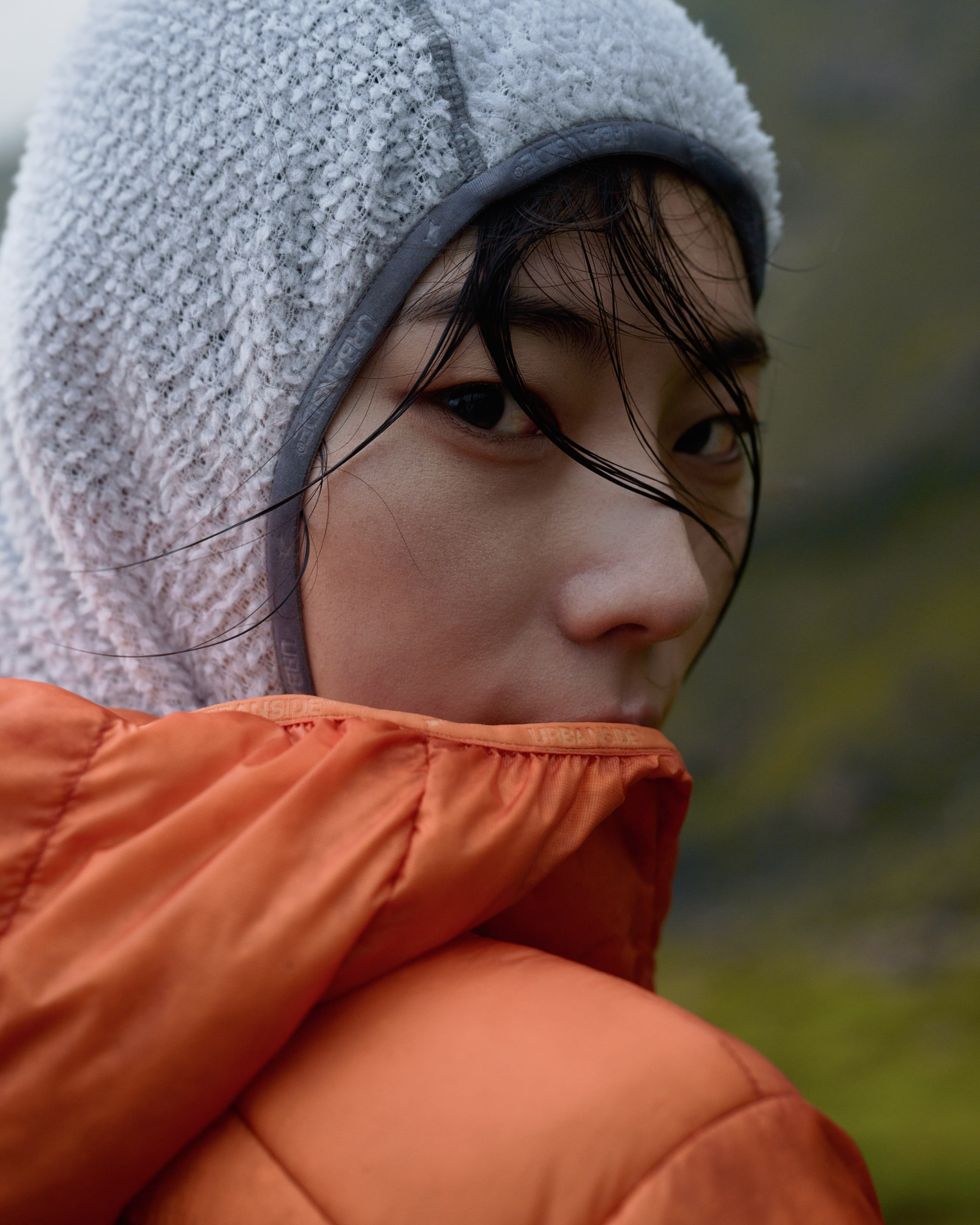
For decades, the outdoor industry tended to treat performance specifications and aesthetics as separate conversations: first make the product work, then decide what it should look like. URBANSIDE increasingly treats the two as the same problem.
A 10-denier fabric isn't just lighter; it changes how a jacket hangs, folds, packs and moves. High-fill-power down isn't simply a number on a hangtag; it changes what an insulated jacket can look like. In that sense, URBANSIDE represents one of the more interesting ideas running through Korea's new outdoor scene: technical specifications can become part of the aesthetic rather than something that exists underneath it.
SAN SAN GEAR
SAN SAN GEAR takes these ideas furthest from the trail. It is arguably more fashion label than outdoor brand now, but that makes it useful for understanding where the influence of Korean outdoor design is heading.
Technical fabrics, modular construction, unusual proportions, cords and utility details are pulled into clothing that can feel simultaneously like hiking equipment, futuristic workwear and Seoul streetwear. Rather than reproducing familiar outdoor silhouettes, SAN SAN GEAR takes the components of technical clothing apart and rearranges them. Pockets become exaggerated, adjustment systems become visible, and functional details that might disappear into a traditional performance garment are allowed to become part of its character.
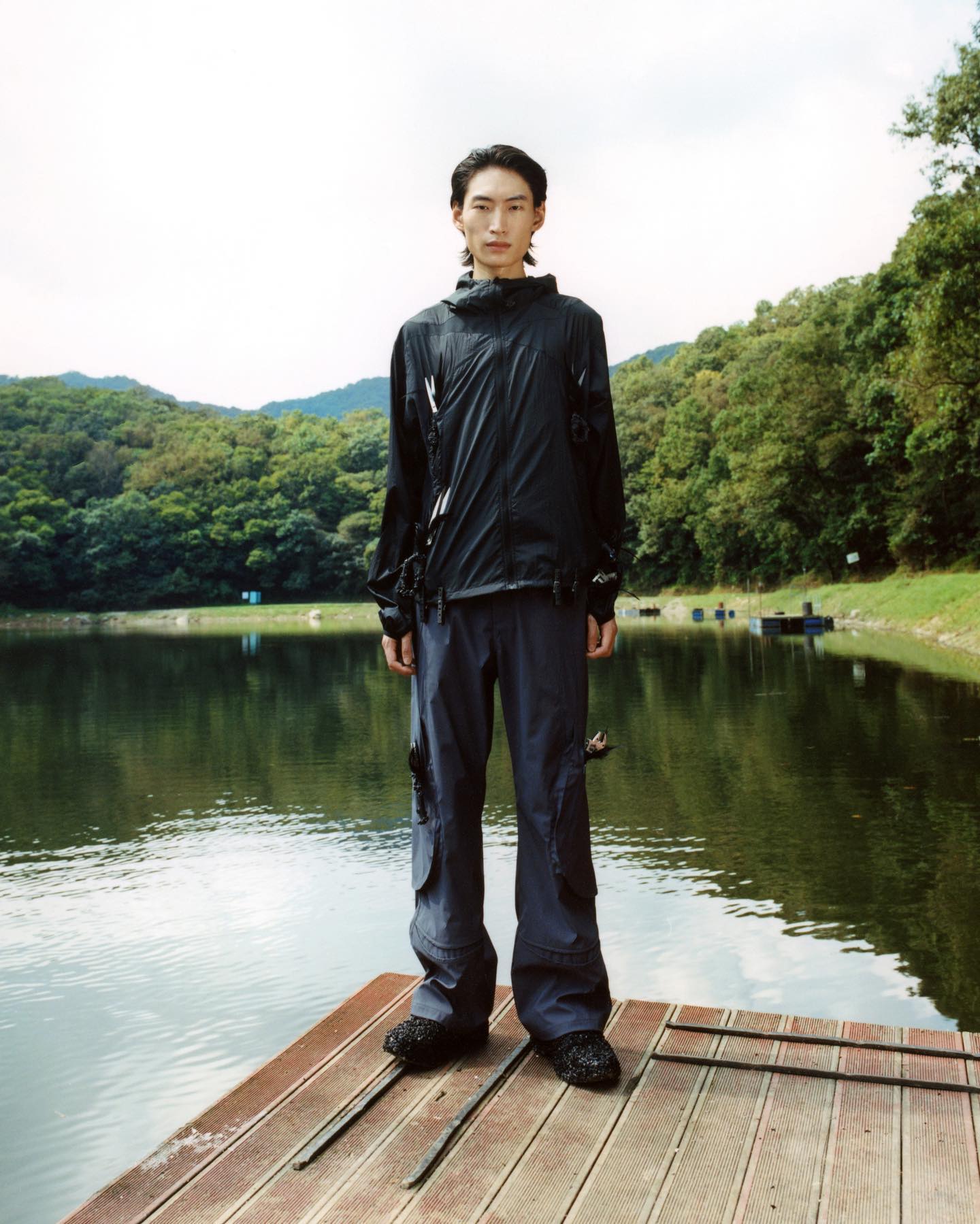
That approach has carried SAN SAN GEAR well beyond Korea's outdoor scene. Collaborations with larger sportswear and footwear companies have introduced its visual language to a much broader audience, but the underlying idea remains recognizable: performance design can be treated as raw material rather than a fixed set of rules. A feature doesn't necessarily need to justify itself with an expedition for it to communicate movement, protection or utility.
The outdoors becomes a reference rather than necessarily a destination. Once technical design becomes part of the broader culture, a garment no longer needs to justify every pocket or adjustment system through an expedition. Function itself becomes an aesthetic language, and SAN SAN GEAR lives comfortably in that territory.
OUTDOOR WITHOUT THE COSTUME
Put these brands together and a pattern starts to emerge. CAYL begins with climbing and ultralight hiking. HIKER WORKSHOP applies a similar sensibility to equipment. GOYOWEAR and WELTER EXPERIMENT move technical clothing more comfortably between mountain and city. ROOTFINDER treats performance construction as an opportunity for experimentation, while JEONGLI pushes the vocabulary into citywear. Somewhere Outside expands what an outdoor lifestyle can include, URBANSIDE makes technical specifications part of the aesthetic, and SAN SAN GEAR carries the language almost completely into fashion.
These aren't different versions of the same Korean outdoor brand. They're points along a spectrum, and that spectrum may be more interesting than any individual company.
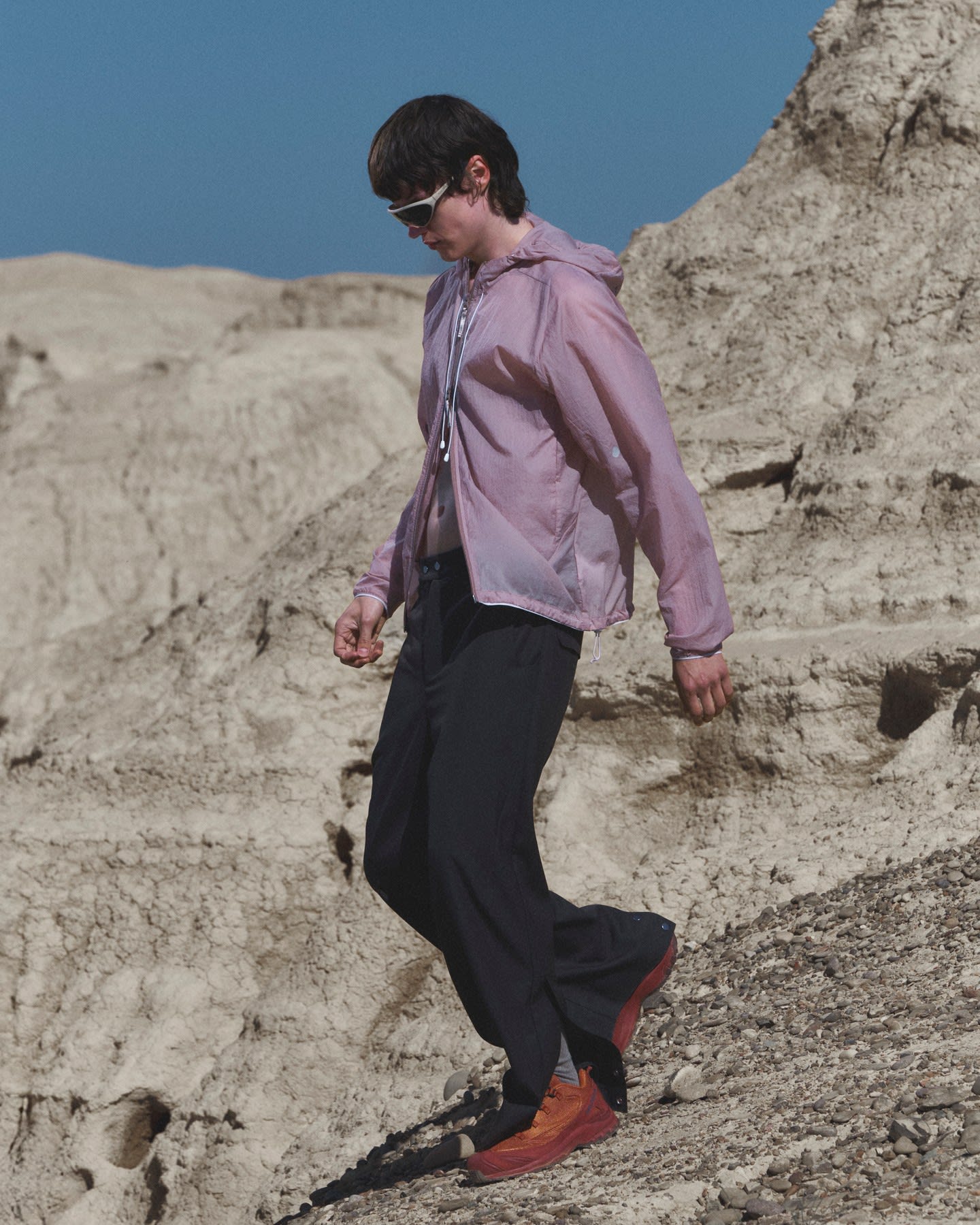
The first wave of gorpcore depended on the outdoor costume. Part of the appeal was the contradiction: a mountaineering shell worn to dinner, trail shoes on a subway or climbing pants worn by someone who had never climbed. The product belonged to one world and the wearer deliberately placed it in another.
Korea's emerging outdoor scene increasingly feels like what happens next. The contradiction disappears. A CAYL backpack can be serious ultralight equipment and an object of design at the same time. HIKER WORKSHOP can make backpacking equipment that feels completely at home in Seoul. JEONGLI can borrow construction from climbing without requiring the wearer to ever touch a carabiner. Somewhere Outside can design for hiking and commuting in the same breath.
Technical clothing becomes ordinary clothing, outdoor culture becomes everyday culture, and the mountain remains present without needing to be announced.
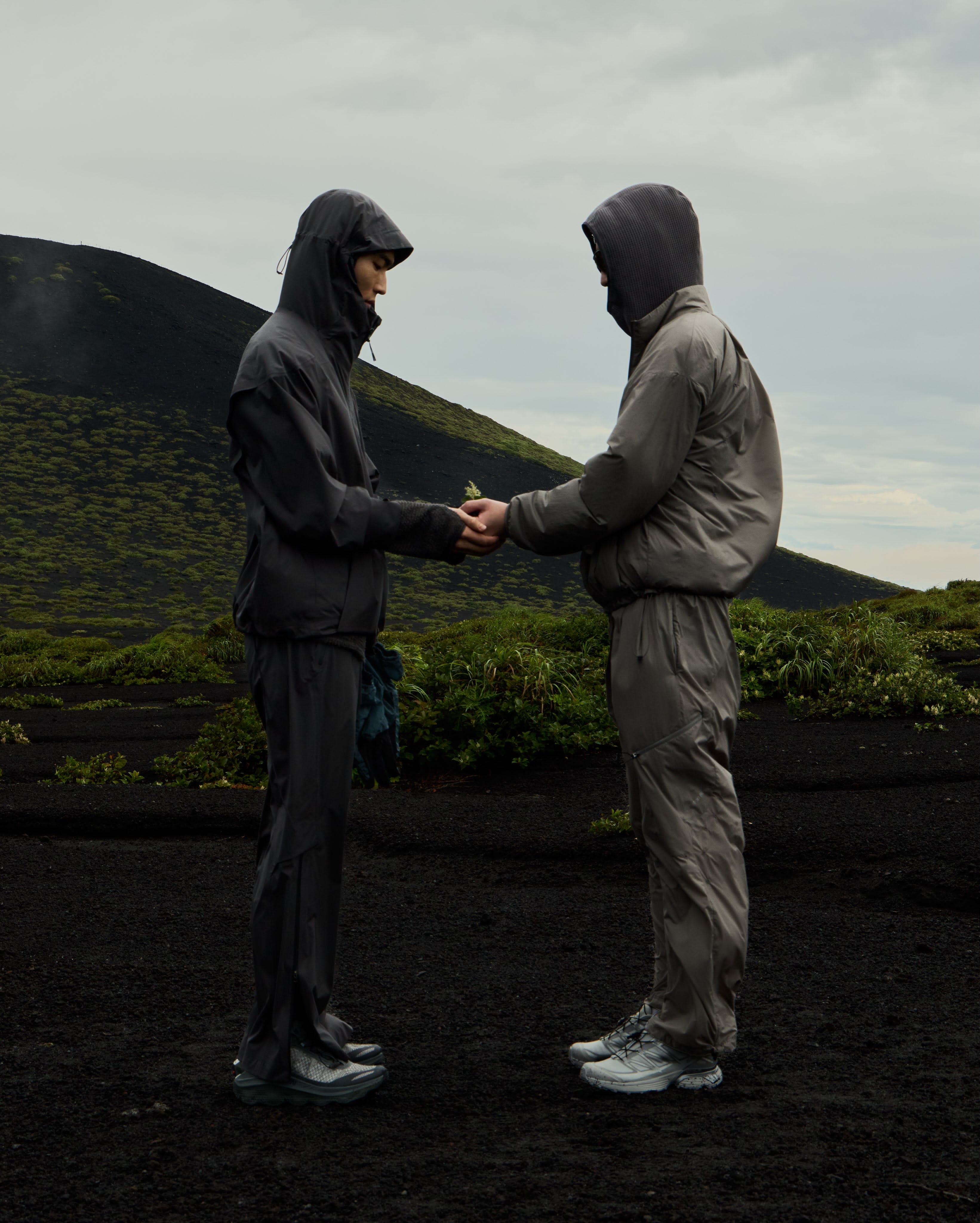
AFTER JAPAN
For years, Western consumers interested in the intersection of design and the outdoors knew to look toward Japan. Japanese companies developed a particularly compelling interpretation of outdoor design: meticulous, material-driven and unusually comfortable moving between technical performance and everyday life. Eventually, the rest of the world learned the vocabulary: Snow Peak, Goldwin, And Wander, Montbell.
What is emerging from Korea doesn't replace that tradition. It offers another one.
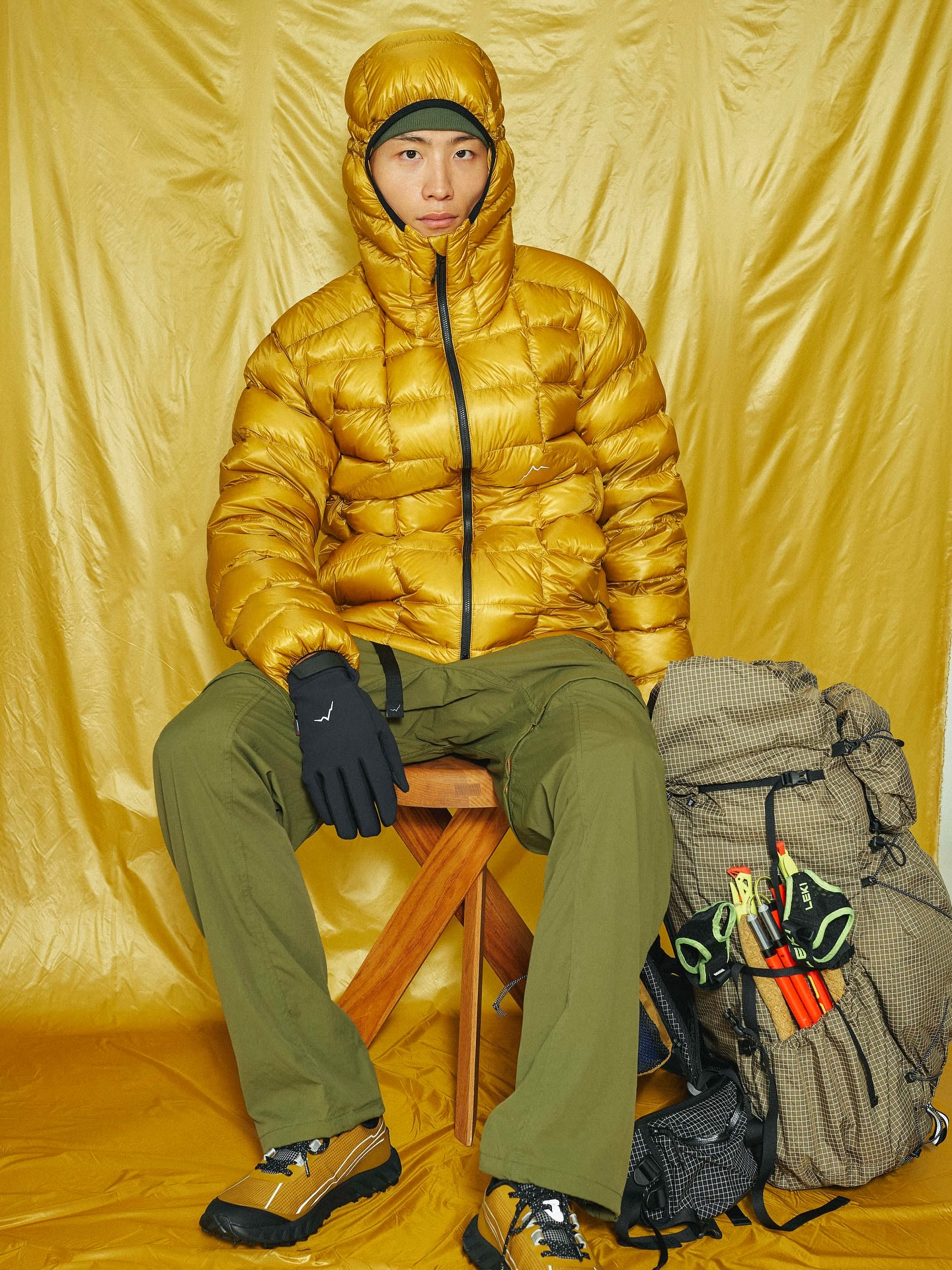
Korean outdoor design feels younger, more urban and less concerned with maintaining the boundaries separating hiking, running, climbing, fashion and everyday life. That may have something to do with Seoul itself. When the mountain is already part of the city, there is less reason to dress as though you're crossing from one world into another.
You simply go outside.
Korea didn't invent technical clothing. It may be showing us what happens when technical clothing stops belonging exclusively to the outdoors.
No products available.
Shop Korean outdoor brands on WeekEnds today.
Related Articles

August 10, 2026
The Rise of China’s Independent Outdoor Brands
Explore the rise of China’s independent outdoor brands, from UPPERVOID and Aonijie to a new generation reshaping trail, snow, camping, and technical design.
Read →
August 4, 2026
The Future of Outdoor Hardware
The future of outdoor gear is in the details. Discover how independent brands are reinventing buckles, zippers, fasteners, and hardware through design.
Read →
July 30, 2026
Why Every Great Outdoor Town Has One Legendary Sandwich Shop
Discover why every great outdoor town has a legendary sandwich shop, from Bishop and Chamonix to Girona and Canmore. Explore the independent bakeries, delis, and cafés that fuel adventure and define outdoor culture.
Read →