
The New Outdoor Luxury
by Gene Han
Luxury used to mean distance.
A chalet in the Alps. A private club. A four-wheel-drive that spent more time outside restaurants than on dirt roads. The appeal was often rooted in exclusivity rather than experience.
Today's version looks different.
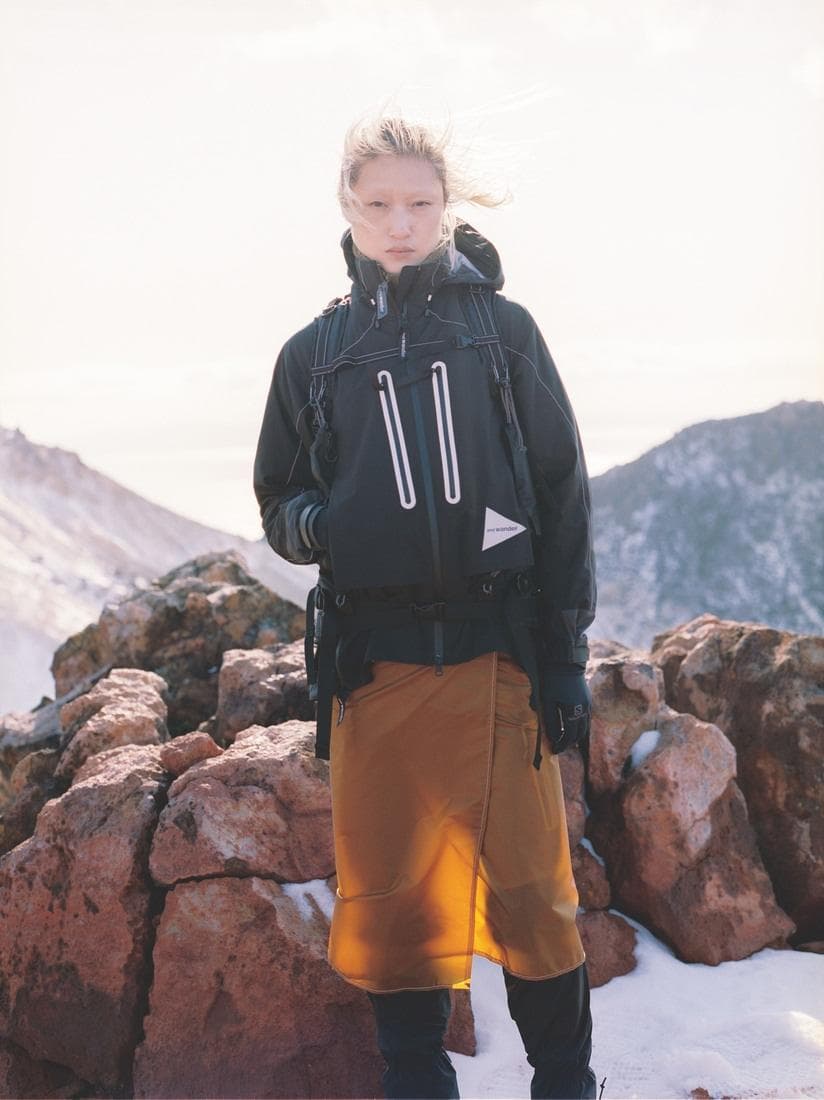
Across the outdoor industry, a quiet shift is underway. Consumers are spending more on products designed to help them slow down, spend longer outside, and move more comfortably through nature. The status symbol isn't necessarily the most expensive jacket anymore. It's having the time, knowledge, and equipment to disappear into the mountains for a weekend.
That shift is changing what luxury means—and which brands are winning because of it.
From Performance to Permanence
The outdoor industry spent decades selling performance.
Lighter backpacks. Warmer insulation. More breathable membranes. Better waterproof ratings.
Performance still matters, but for many consumers it has become the baseline rather than the differentiator.
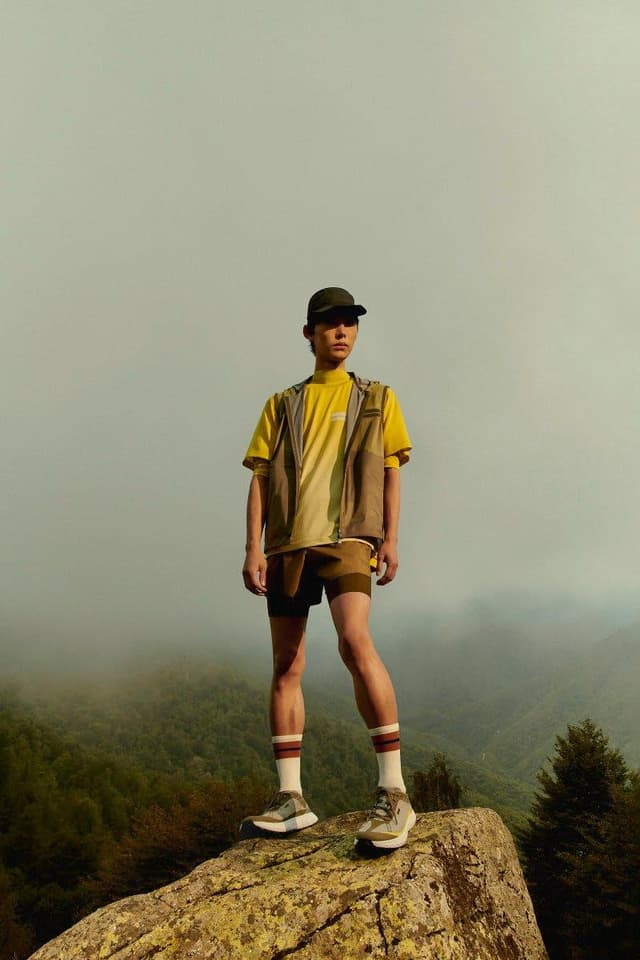
Increasingly, premium brands are competing on qualities that are harder to quantify: craftsmanship, repairability, longevity, materials, aesthetics, and emotional attachment.
Products are expected to age well rather than simply survive abuse.
A waxed cotton jacket that develops character over a decade. A titanium mug carried on every camping trip. Leather hiking boots that can be resoled instead of replaced. A handmade axe passed between generations.
These aren't disposable purchases. They're objects people expect to keep.
Time Has Become the Ultimate Luxury
Perhaps the biggest change isn't the products themselves.
It's what people are buying with them.
After years of remote work, flexible schedules, and renewed interest in spending time outside, many consumers now value experiences over accumulation. The premium isn't simply paying for better gear—it's paying for more meaningful time outdoors.
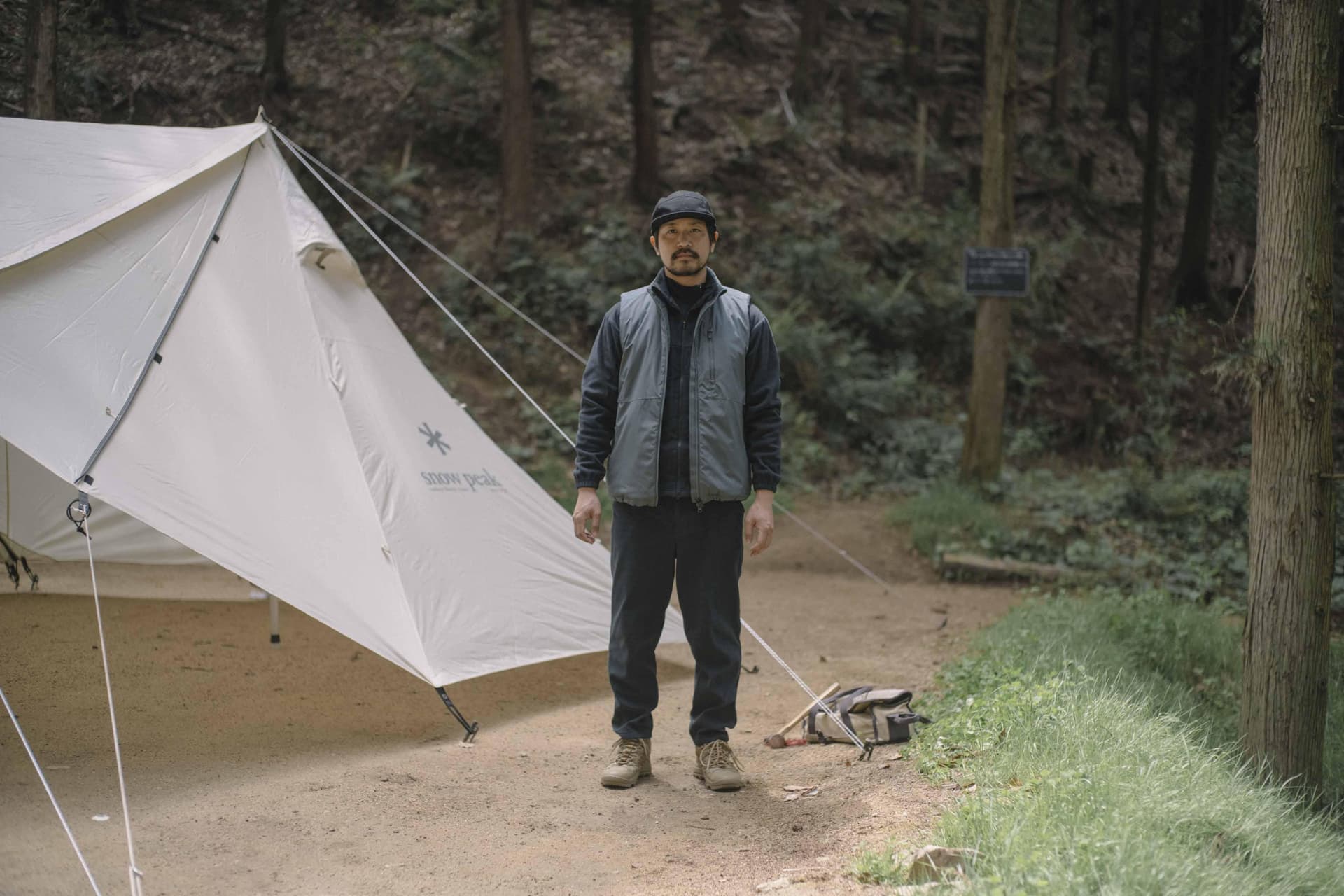
A lightweight shelter makes a weekend escape easier.
A comfortable trail shoe encourages longer hikes.
A high-quality sleeping bag turns camping from something endured into something anticipated.
The gear becomes a means of creating better experiences rather than an end in itself.
That's a very different value proposition than selling technical specifications alone.
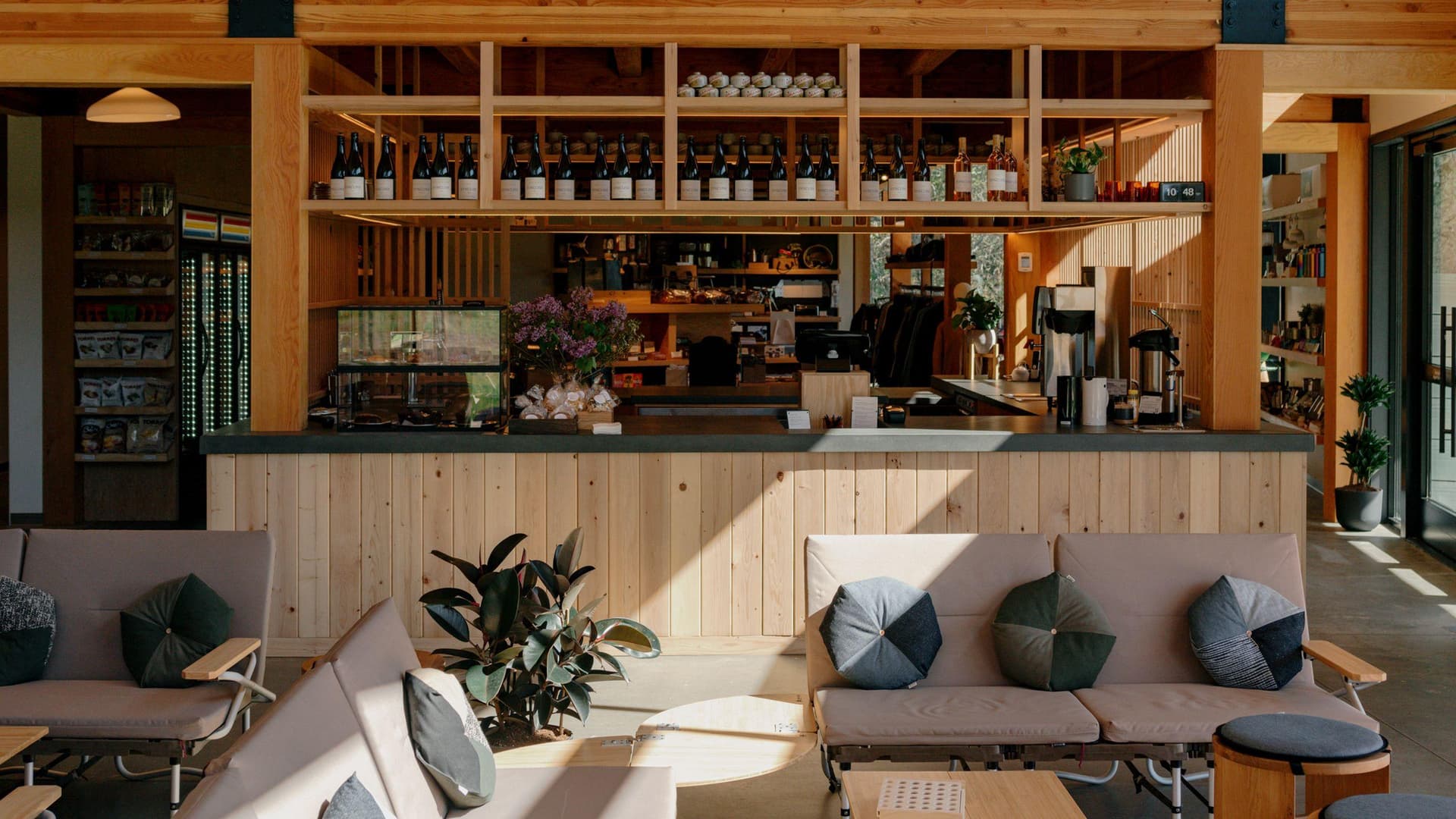
Hospitality Is Becoming Part of the Product
One of the clearest signals of this new luxury is the way outdoor brands are expanding beyond apparel.
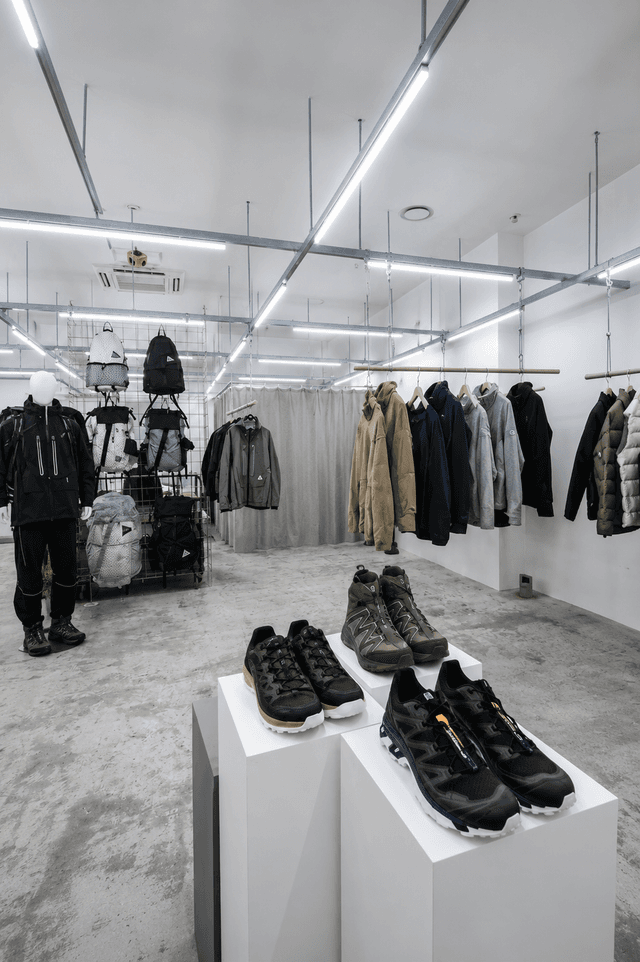
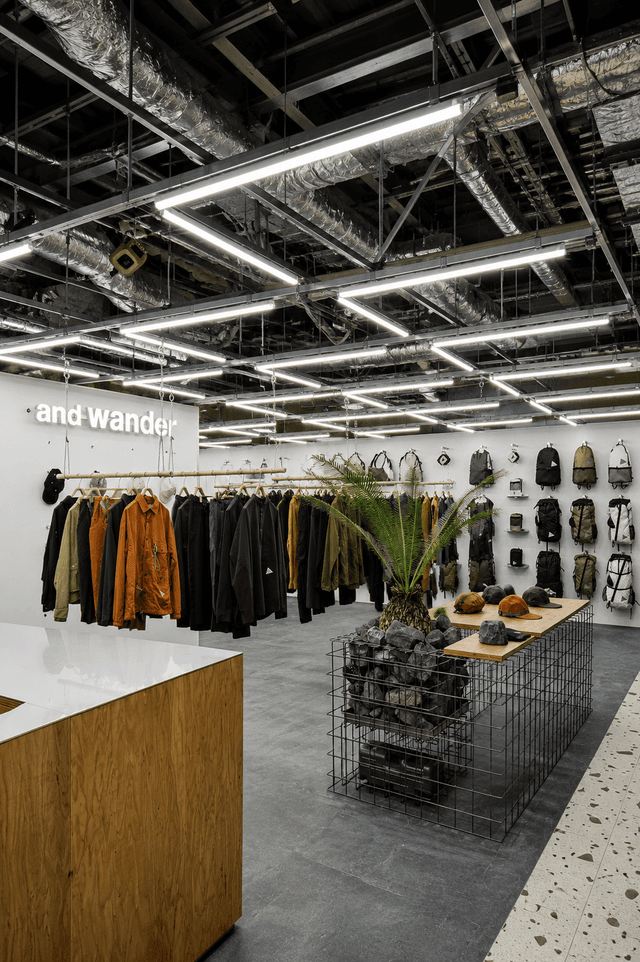
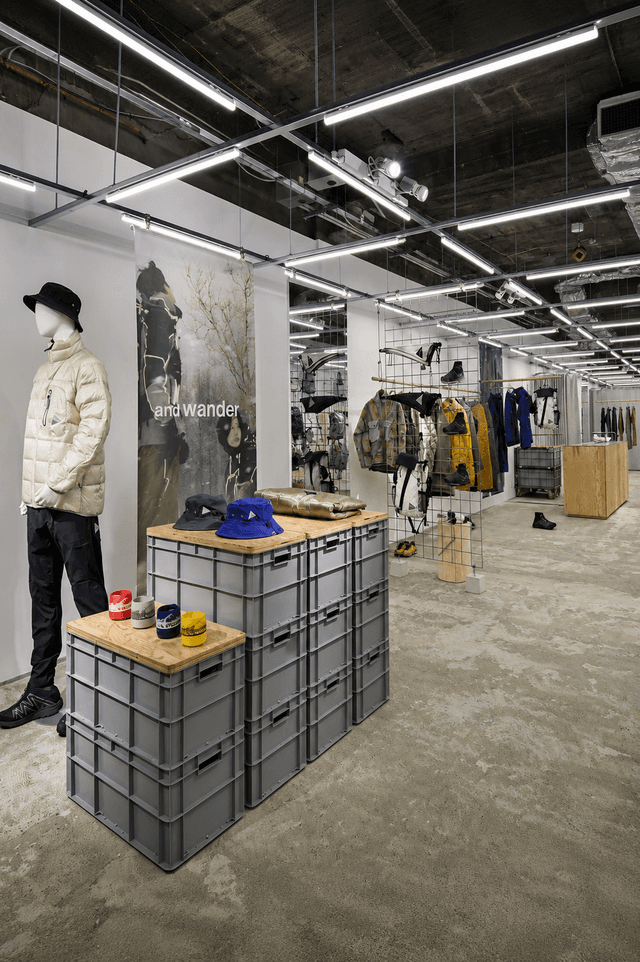
Stores increasingly resemble cafés, galleries, libraries, or community spaces. Customers don't simply buy products—they attend group runs, climbing nights, workshops, dinners, film screenings, and local events.
Some brands now operate cabins, retreats, rental programs, repair studios, and hospitality experiences alongside their retail businesses.
The physical product remains important, but it's increasingly surrounded by a broader ecosystem of culture and community.
Luxury is becoming less transactional and more experiential.
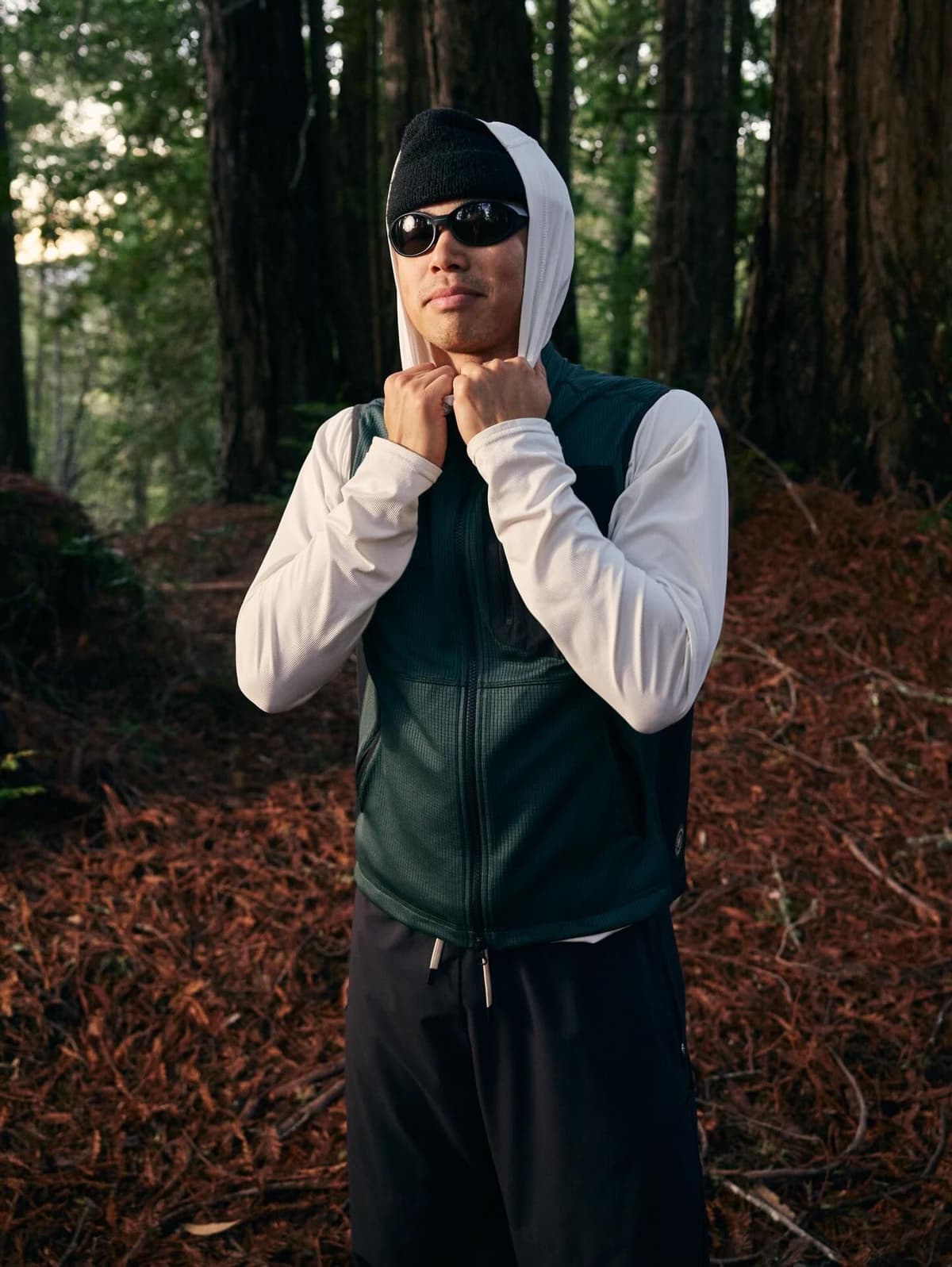
Materials Matter More Than Logos
Consumers spending at the premium end of the market have become remarkably fluent in materials.
Five years ago, few people outside the industry discussed grid fleece, Dyneema, Alpha Direct, merino micron counts, or bio-based membranes.
Today those conversations happen daily across social media, Reddit, YouTube, and outdoor communities.
Knowledge has become part of consumption.
Rather than buying a jacket because of a visible logo, many shoppers now purchase based on fabric technologies, manufacturing methods, country of origin, repair programs, and environmental impact.
The material story has become part of the luxury story.
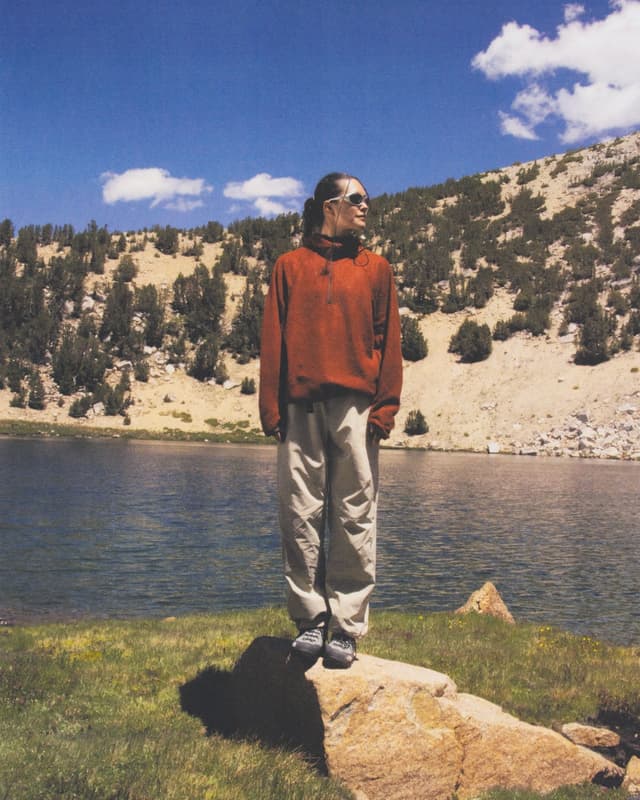
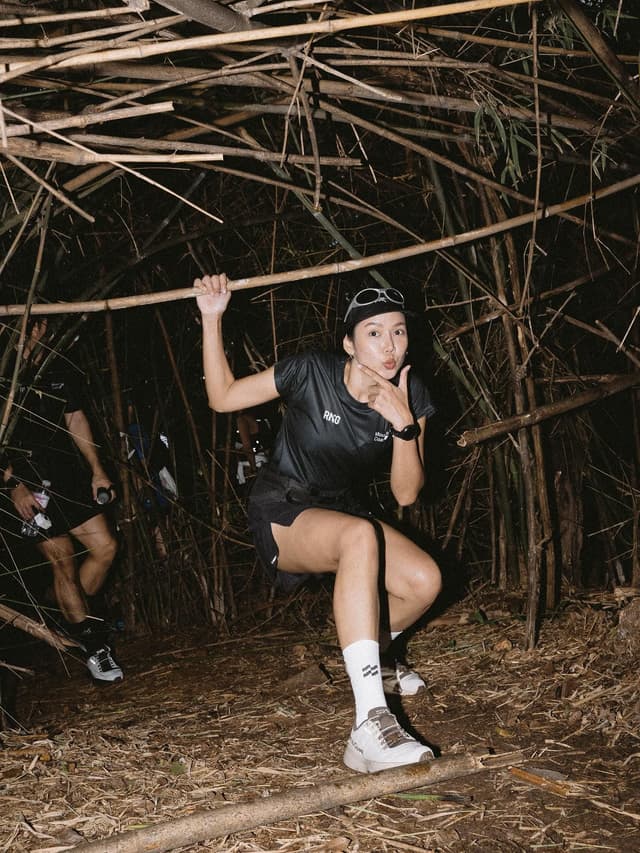
Independent Brands Are Benefiting
Interestingly, many of the biggest beneficiaries aren't necessarily the largest companies.
Smaller independent brands often have the flexibility to manufacture in smaller batches, experiment with unusual materials, collaborate with niche designers, and develop products without needing mass-market appeal.
Their customers aren't always looking for maximum performance.
They're looking for products with personality.
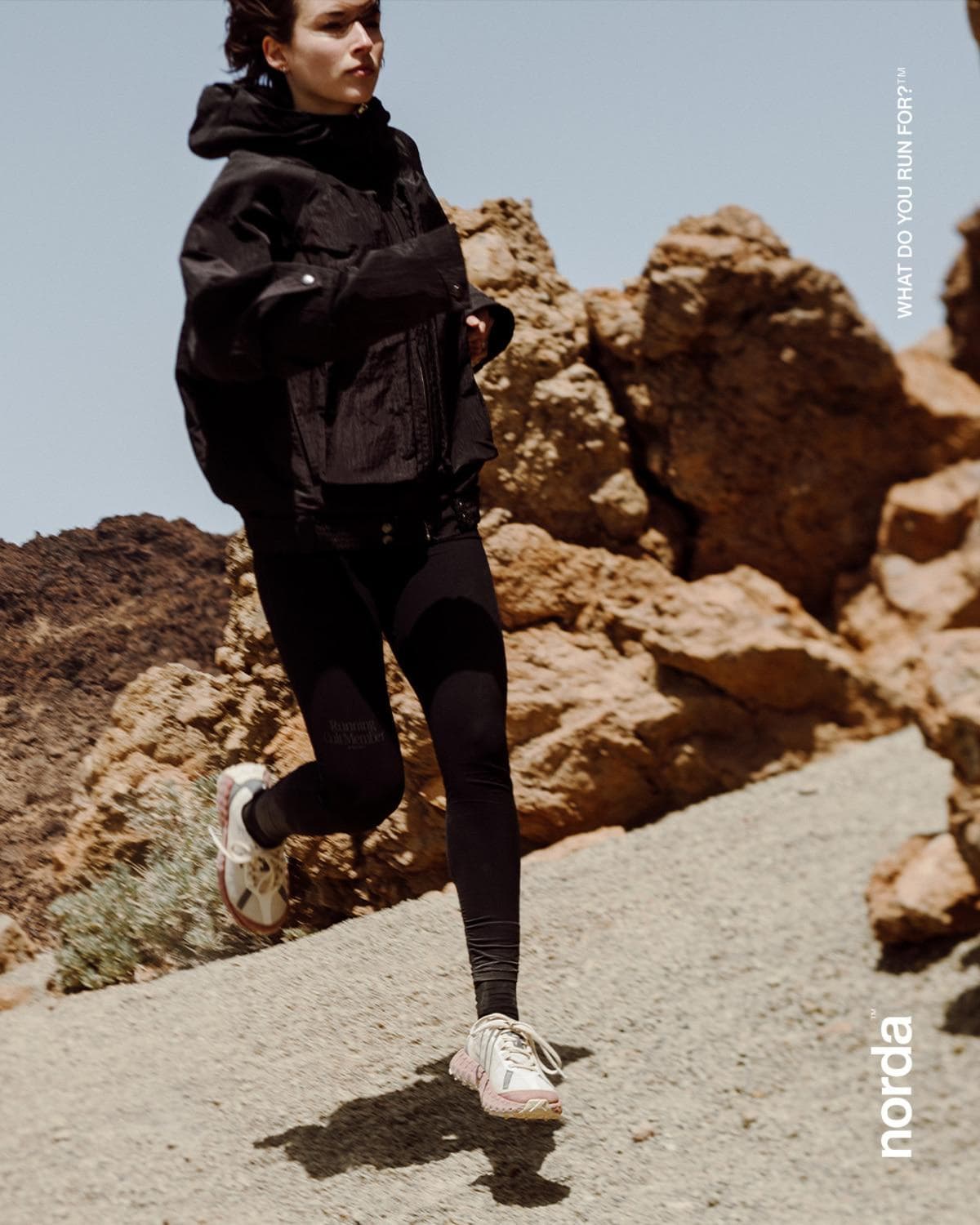
Brands like Norda, ROA, and wander, Somewhere Outside Hiking Club, Snow Peak, and emerging designers across Japan, South Korea, and Europe have built devoted followings by combining technical credibility with distinctive design languages.
In many ways, they're closer to luxury fashion houses than traditional outdoor companies.
Quiet Design Is Replacing Loud Branding
The aesthetic has evolved as well.
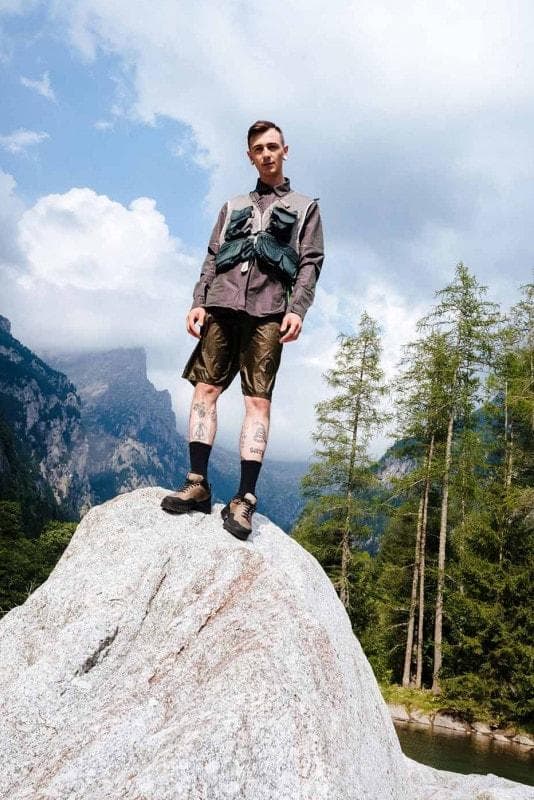
Bright colors and oversized logos haven't disappeared, but many premium outdoor brands are moving toward quieter palettes, subtle detailing, refined tailoring, and garments that transition easily between city streets and mountain trails.
The best products don't immediately announce themselves.
Their value reveals itself through construction, materials, and use.
It's the outdoor equivalent of quiet luxury—not because it's understated for the sake of fashion, but because confidence rarely needs to shout.
The Market Outlook
The outdoor industry's premium segment appears increasingly resilient.
Consumers may buy fewer products overall, but they're demonstrating a greater willingness to invest in equipment that lasts longer, performs better, and delivers a stronger emotional connection.
That doesn't necessarily mean spending more for the sake of spending more.
It means buying fewer things—and expecting far more from each one.
For brands, the implication is clear. Competing on specifications alone is becoming increasingly difficult. Competing on craftsmanship, culture, storytelling, hospitality, and long-term ownership may prove to be the stronger strategy.
The new outdoor luxury isn't defined by price tags.
It's defined by thoughtful design, lasting quality, meaningful experiences, and the freedom to spend more time outside.
Related Articles

July 6, 2026
The New Fishing Market Report (2026)
Explore the trends shaping modern fly and spin fishing, from independent brands and technical apparel to conservation, travel, and community.
Read →
June 30, 2026
No Budget, No Problem: How 'For The Sake of It' Got Made With a $50 Lens and Zero Clients
Three filmmakers, a $50 eBay lens, a ratchet-strapped RED camera, and a film about doing things just because. This is how passion projects get made.
Read →
June 28, 2026
Somewhere Outside: Designing for Everything Between Leaving and Returning
Step inside Somewhere Outside with founder Caizhu Jo as he discusses outdoor design, Korean culture, storytelling, and creating gear for everyday adventure.
Read →