
AMUNT Treats Outdoor Clothing as an Ongoing Field Study
by Gene Han
The Barcelona label develops technical apparel through real use and feedback from its community, within a wider culture of routes, books and life in the mountains.
There is a tendency in outdoor clothing to present every product as a conclusion.
Years of research. Thousands of hours of testing. The perfect fabric. The definitive solution to whatever problem the garment was designed to solve. By the time it reaches a product page, uncertainty has conveniently disappeared.
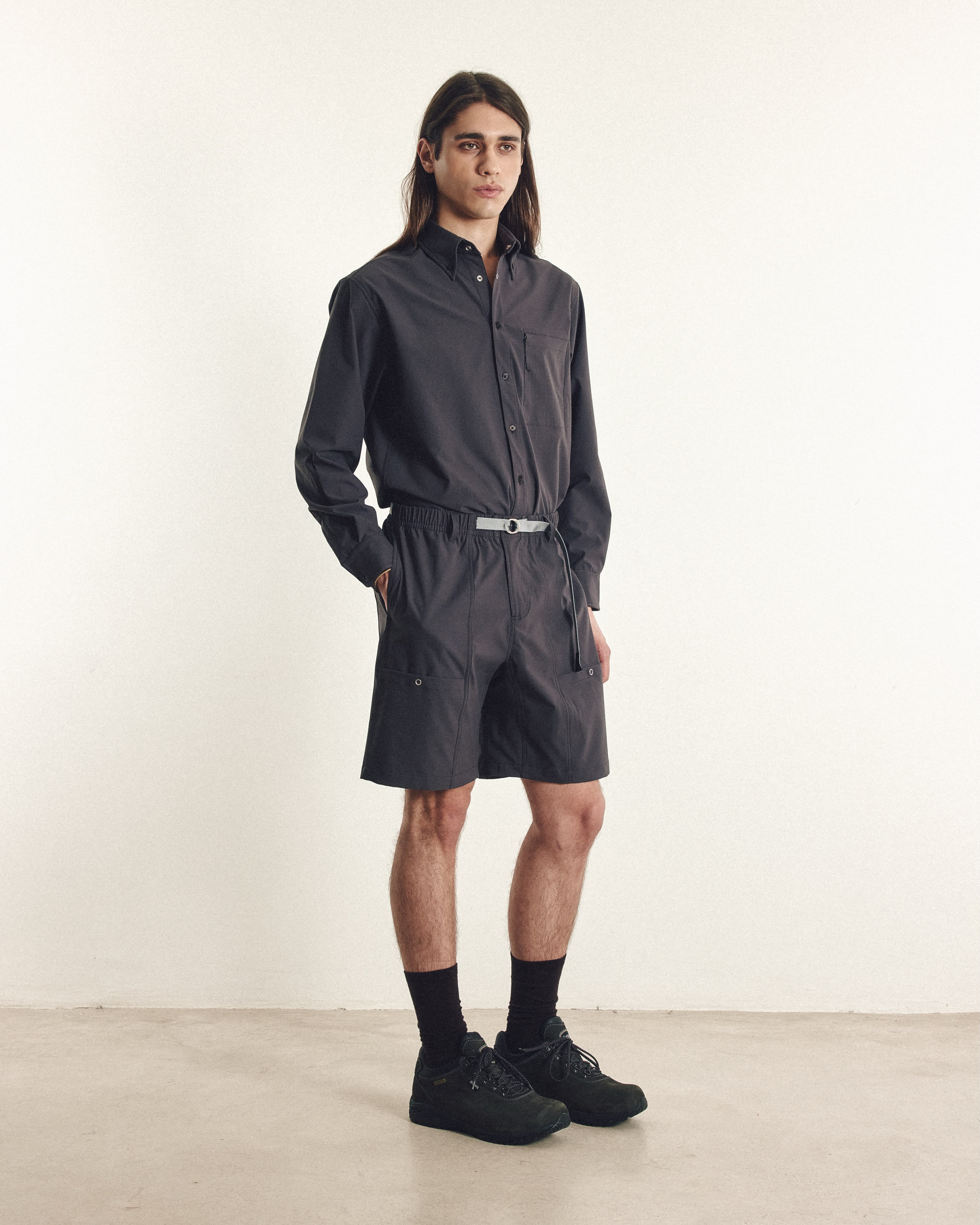
AMUNT is interested in something closer to the opposite.
The Barcelona-based outdoor label describes itself as an “ongoing study of movement in landscape,” designing clothing for climbing, walking and thinking. More importantly, it doesn’t treat production as the point where the design process stops.
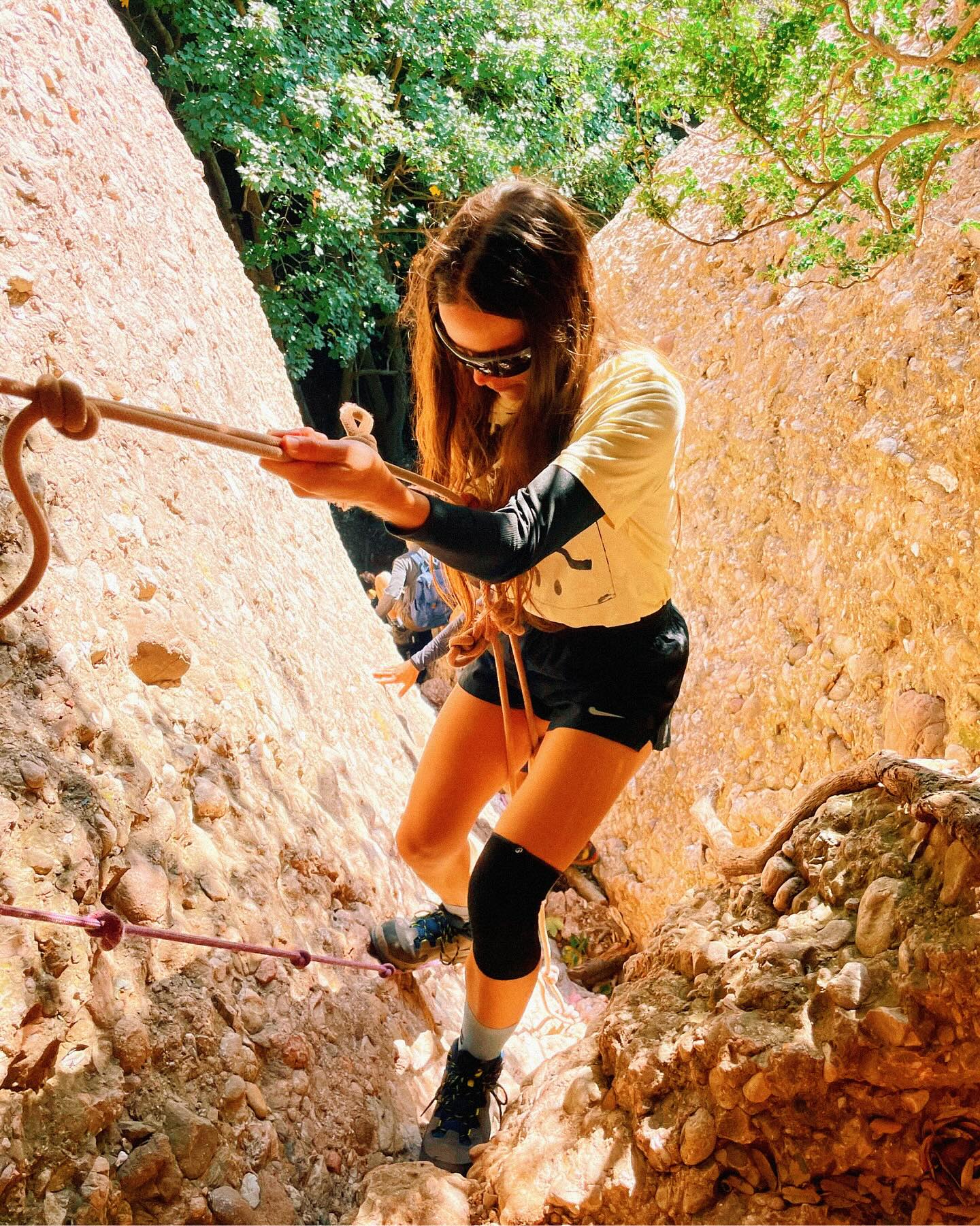
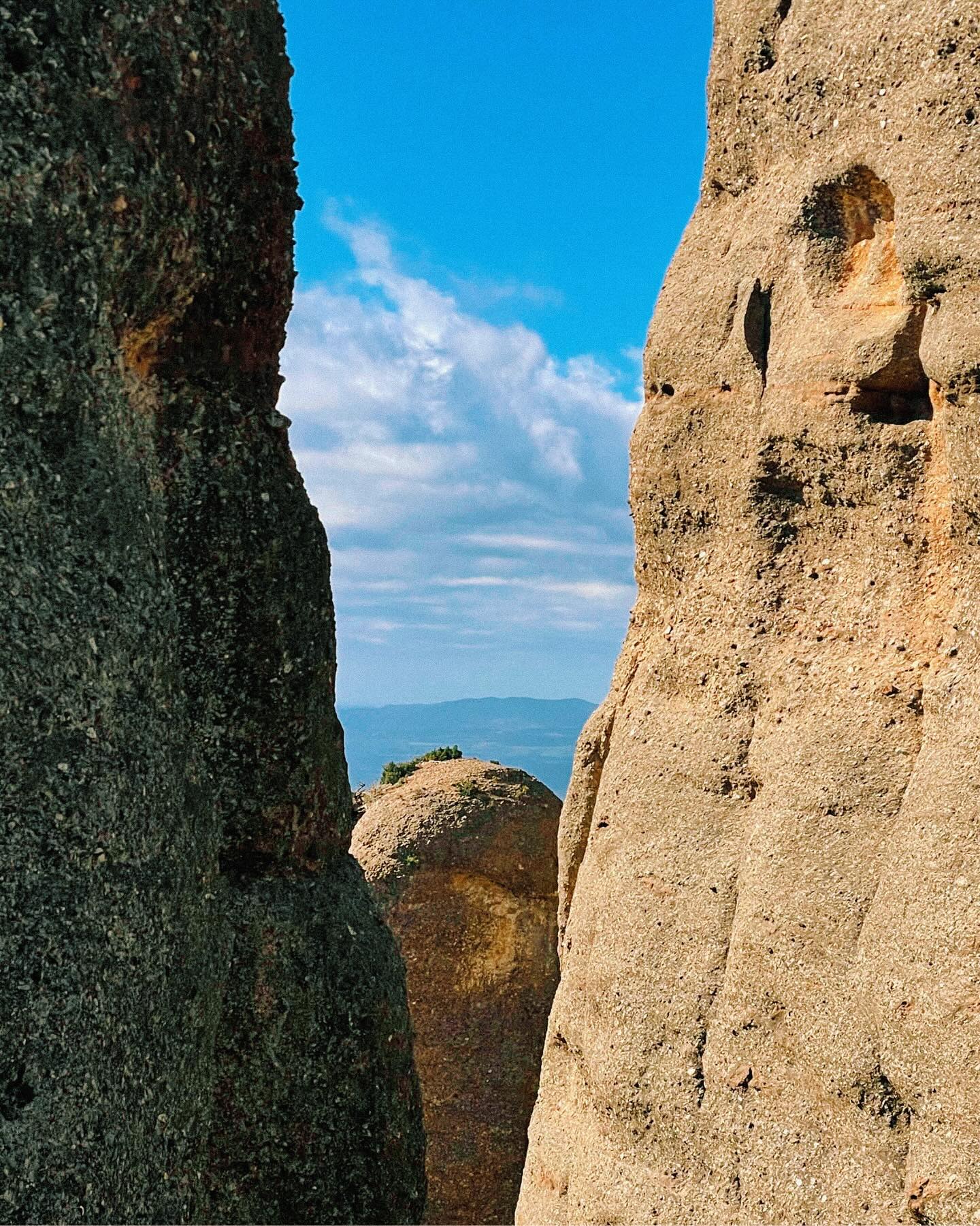
For AMUNT, the mountains aren’t simply where finished products go to be photographed.
They’re part of the design studio.
The Field Study
Rather than organize itself around the traditional Spring/Summer and Fall/Winter calendar, AMUNT works through what it calls Field Studies.
Each begins with a specific need, activity and context. Clothing is developed within that context, tested, adjusted and returned to it. Eventually, when a garment feels sufficiently resolved, AMUNT releases it in controlled quantities.
Part of that approach is intentional. Part of it also reflects the reality of being a small, independent label. As AMUNT explains, “At this stage, we cannot always work with the manufacturers we would ideally choose, or reach the minimum quantities required for certain fabrics and trims. Those limitations become part of the process too, and force us to make decisions carefully.”
But the Field Study remains open.
Production becomes another stage of testing rather than the conclusion of development. For AMUNT, a garment does not become definitive simply because it has entered production. Real use, changing conditions and later iterations continue to inform how the product evolves.
For years, outdoor companies have divided the experience of being outside into increasingly specific categories: hiking shirt, climbing pant, approach short, travel layer, lifestyle piece.
AMUNT does not dismiss those distinctions. In fact, it takes them seriously. Each garment begins with a specific need and activity, and is designed to fulfil a clear functional purpose. What the brand chooses not to define too rigidly is what happens afterwards. Once a garment is out in the world, people inevitably find their own ways of wearing and using it.
Clothing for the Whole Day
Look closely at the collection and there isn’t much of it yet. AMUNT launched only a few months ago, and the current range reflects the beginning of a much broader product system. Upcoming releases include garments developed with Polartec Alpha, Polartec Delta and Polartec Power Stretch, alongside other pieces currently in development, including an ultralight windbreaker.
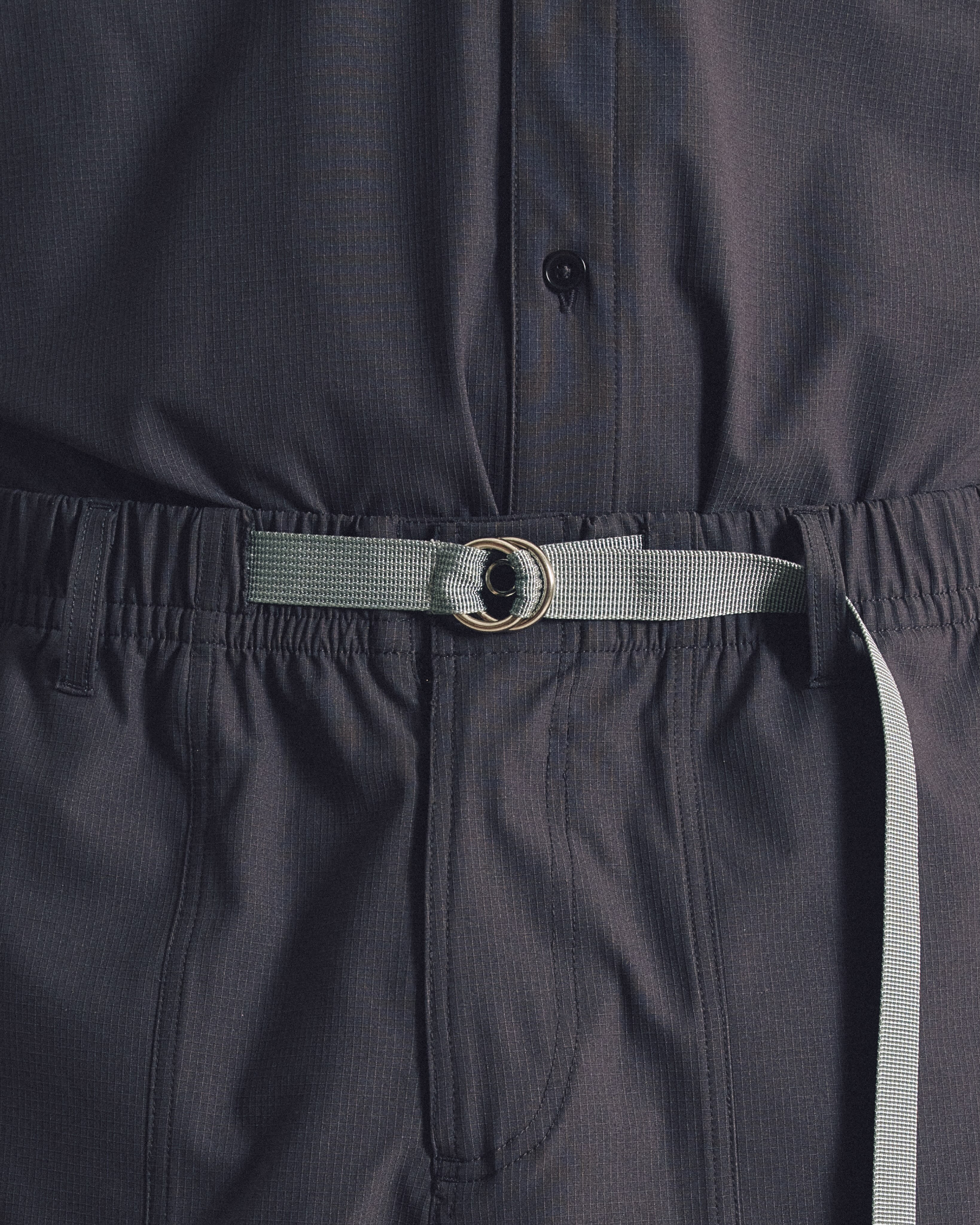
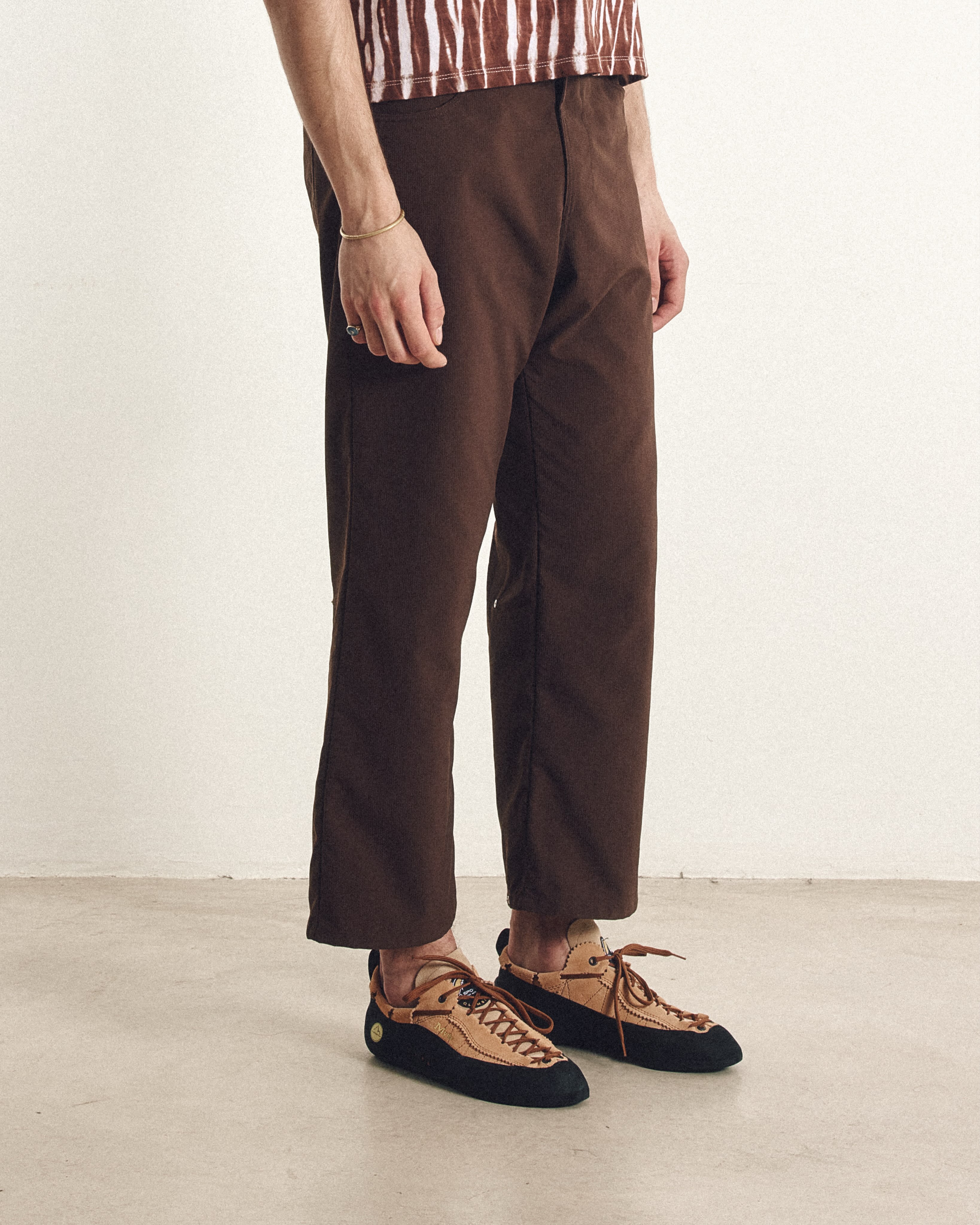
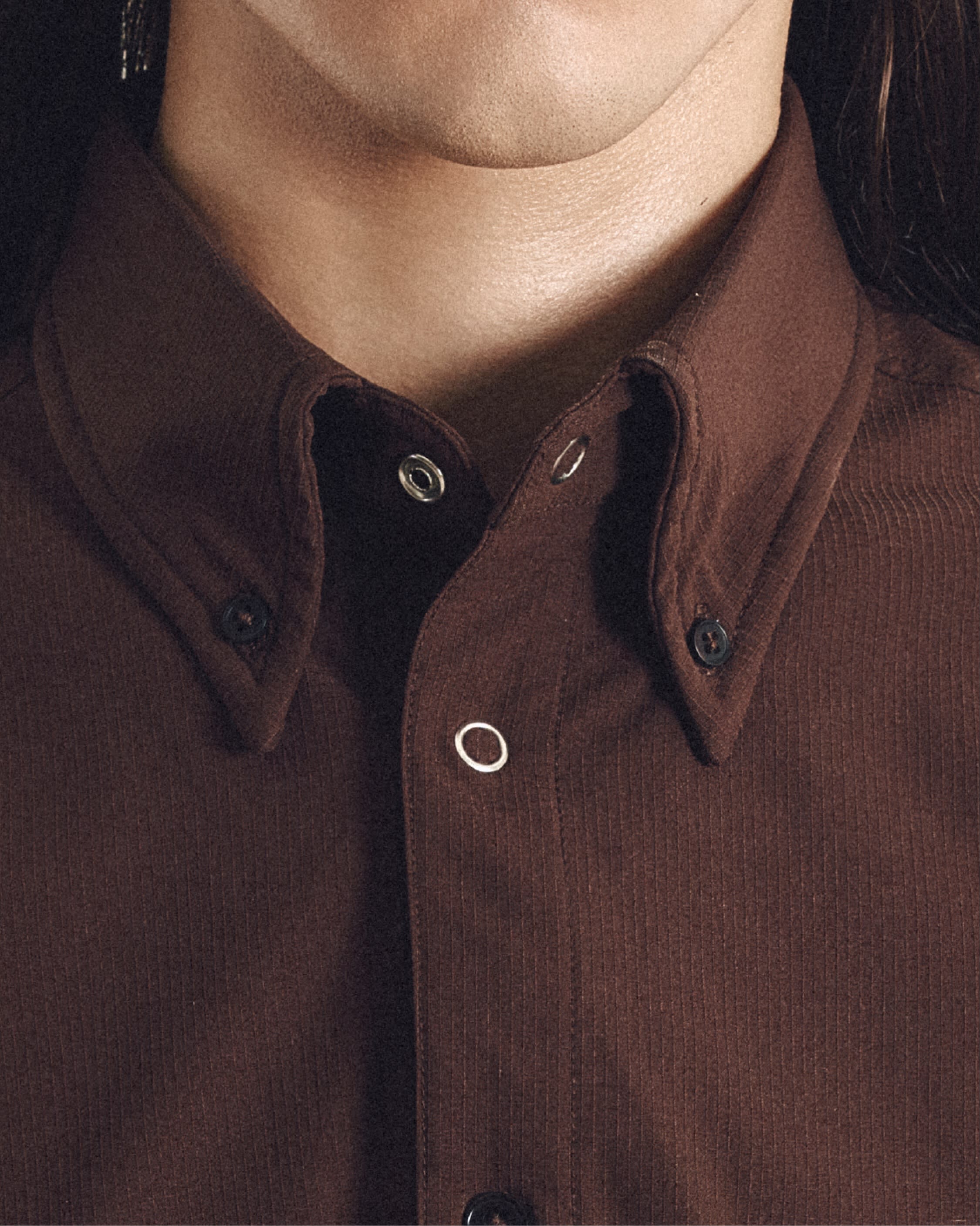
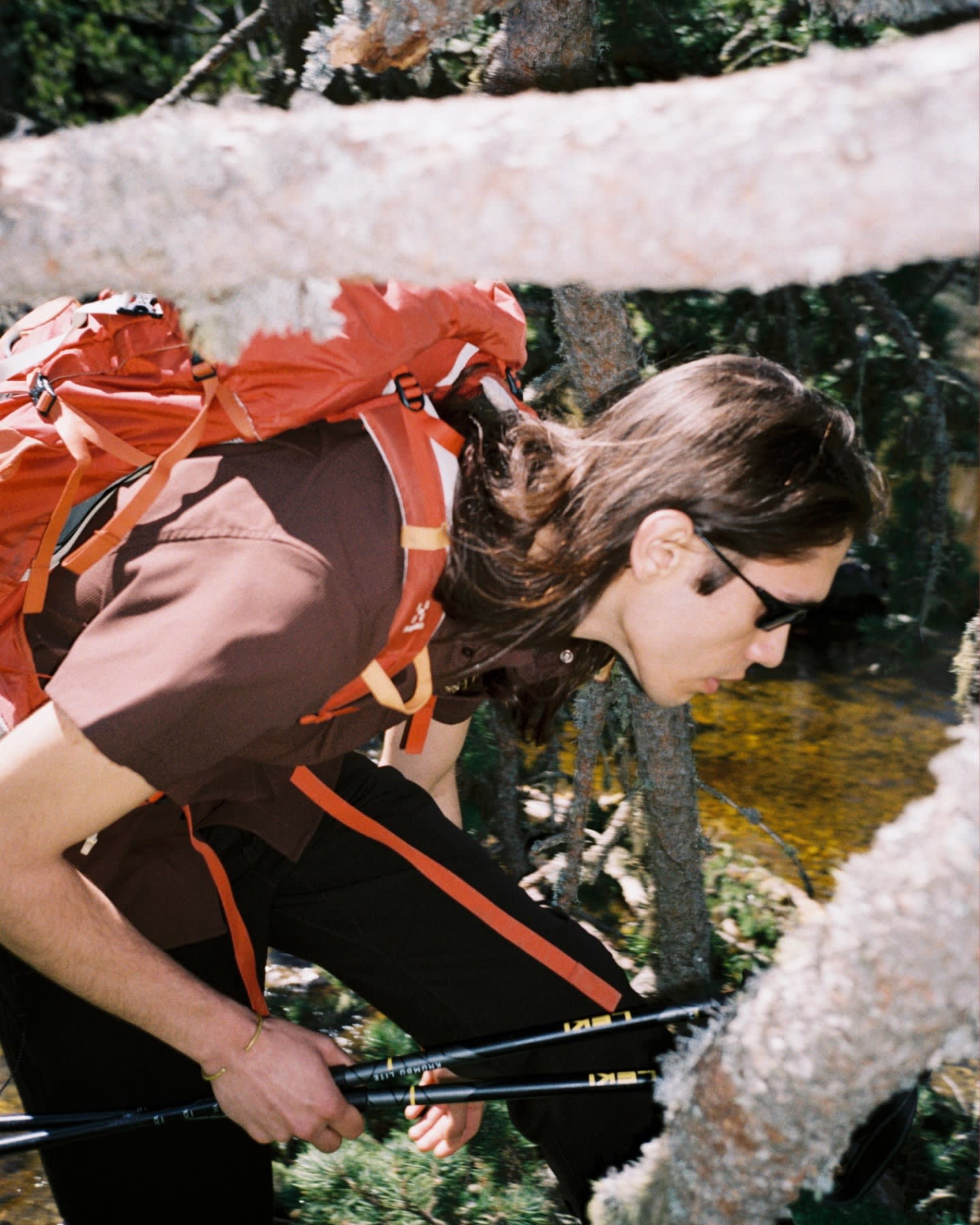
The PICOT RipFlow Shirt and CORDINO RipFlow Short were both developed around RipFlow, a Sorona ripstop fabric that behaved differently in use than AMUNT first expected. It proved less lightweight than initially imagined, but significantly quicker drying, moving both garments towards cooler conditions than those they were originally designed for. The PARABOLT EchoAir Pant remains one of the clearest expressions of the brand’s climbing focus, while the PASTOR 4 Knots Cap, despite being made from poplin, has proven highly functional in activity and has become one of AMUNT’s best-selling products.
None of these pieces scream performance.
That’s intentional.
AMUNT starts each garment from a specific need and a specific activity. Function comes first, and each piece is designed to perform clearly within that context. What the brand does not try to control is what happens afterwards. A garment developed for climbing may naturally move into other parts of the day, and ultimately the person wearing it decides how far that use extends.
This is also where AMUNT differs from more conventional technical outdoor communication. The brand does not question technical categories. It takes them seriously. What it questions is the idea that functionality, design and culture need to be treated as separate things. The technical intent remains present, but AMUNT chooses to communicate it without relying on overly performance-driven or epic language.
A day outside rarely fits into one single activity.
You drive somewhere. Walk. Climb. Stop for lunch. Walk again. Sit beside a river. Get coffee on the way home.
The clothing has to exist through all of it.
Technical Garments With Cultural Memory
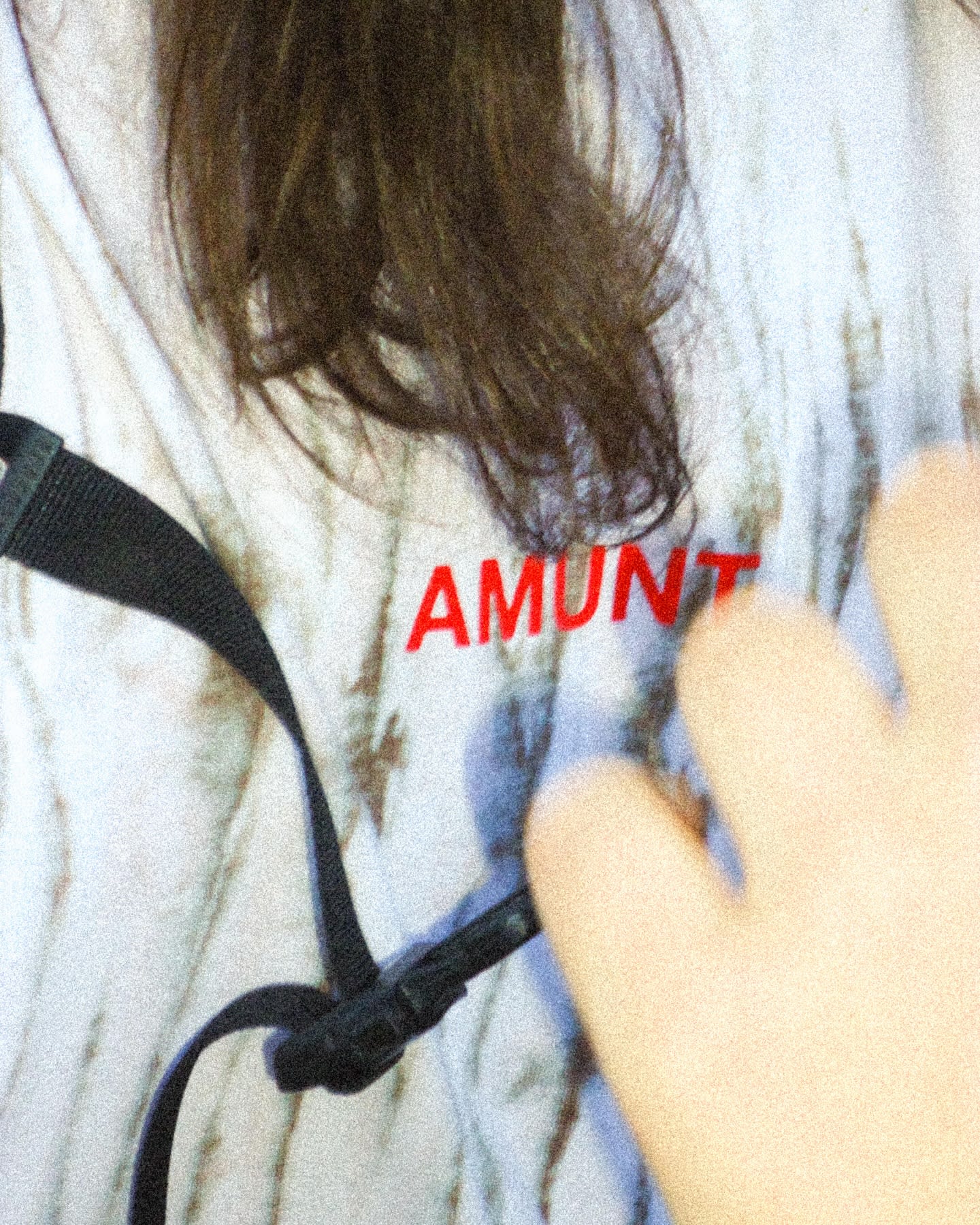
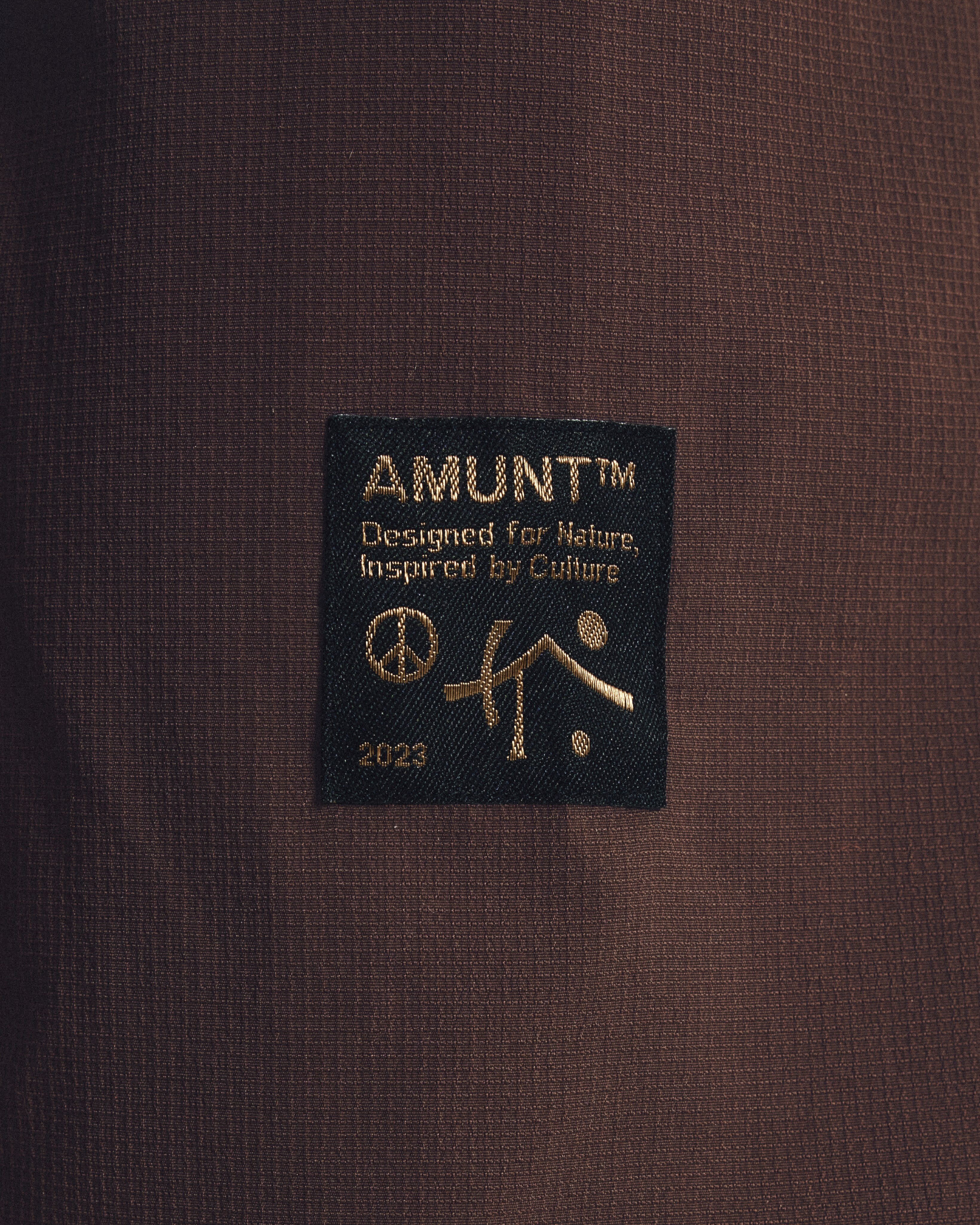
AMUNT’s proposition sits in the relationship between function, design and culture rather than treating them as separate territories. The technical purpose of a garment matters, but so does the wider context it belongs to and the references that shape it.
The brand uses the phrase “technical garments with cultural memory.”
That cultural component isn’t relegated to campaign imagery. Alongside the clothing, AMUNT has built an editorial space called Approach. Today it includes Microtrips, playlists and writing around books, but the format is intentionally open. It may grow into interviews, conversations or simply remain a place to explore subjects the founders are interested in without too much formality.
The shop occasionally reflects that same curiosity. Alongside technical garments, AMUNT recommends a small selection of books such as Mountaineering: The Freedom of the Hills, Mountain Style: British Outdoor Clothing 1953–2000, and Irene Solà’s When I Sing, Mountains Dance. They are not a defining part of the business, but another way of sharing some of the references that sit around the project.
Those references reveal something broader about AMUNT’s interests.
Not simply climbing, but the culture that forms around climbing.
Not simply mountains, but how people interpret mountains.
And not simply outdoor clothing, but the design, history and use of the objects created for spending time outside.
Creative director and co-founder Martí Canillas studied fashion before graphic design and typography, and his interest in garments sits somewhere between equipment and artifact. Writing about Mountain Style, he describes becoming fascinated with seams, pockets, collars, fabric weights and the way garments change after years of use. Climbing, skiing and spending more time in the mountains eventually transformed clothing from image into tool.
That progression, from fashion to graphic design to mountains, helps explain why AMUNT doesn’t quite resemble a conventional technical apparel company.
Its references come from more places.
The Mountain Isn’t Content
There is another idea running through AMUNT that feels particularly relevant right now.
Outdoor culture has become extraordinarily good at turning landscapes into images.
Perfect campsites. Golden-hour ridgelines. Trail running filmed from drones. Alpine lakes framed behind carefully styled equipment.
AMUNT is interested in something less idealized.
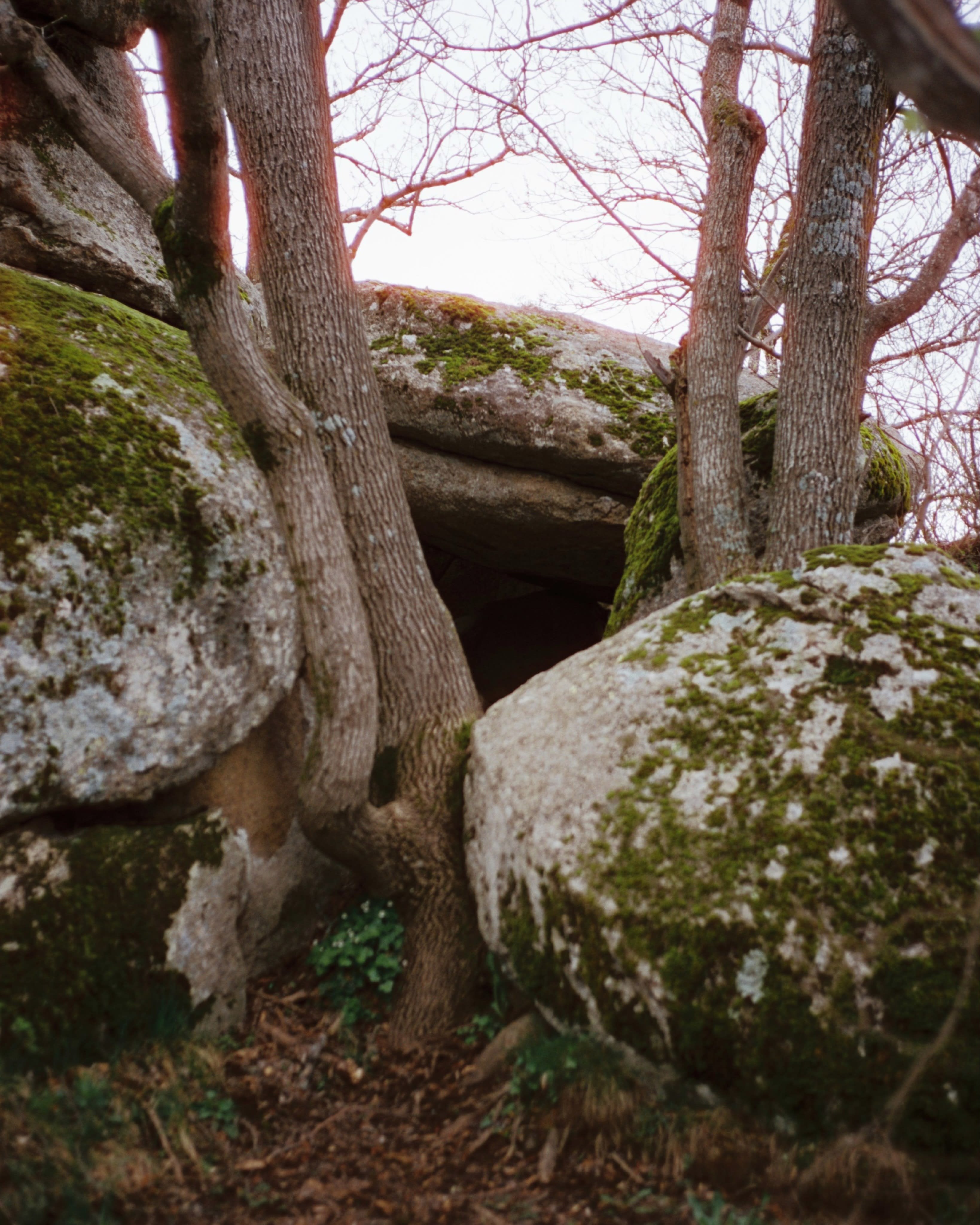
For the brand, the mountain can be beautiful, uncomfortable, violent, humorous, dirty and indifferent at the same time. Nature isn’t scenery waiting to become content. It is a complex place shaped by weather, animals, work, history and the people moving through it.
That perspective also shapes how AMUNT builds community around the project.
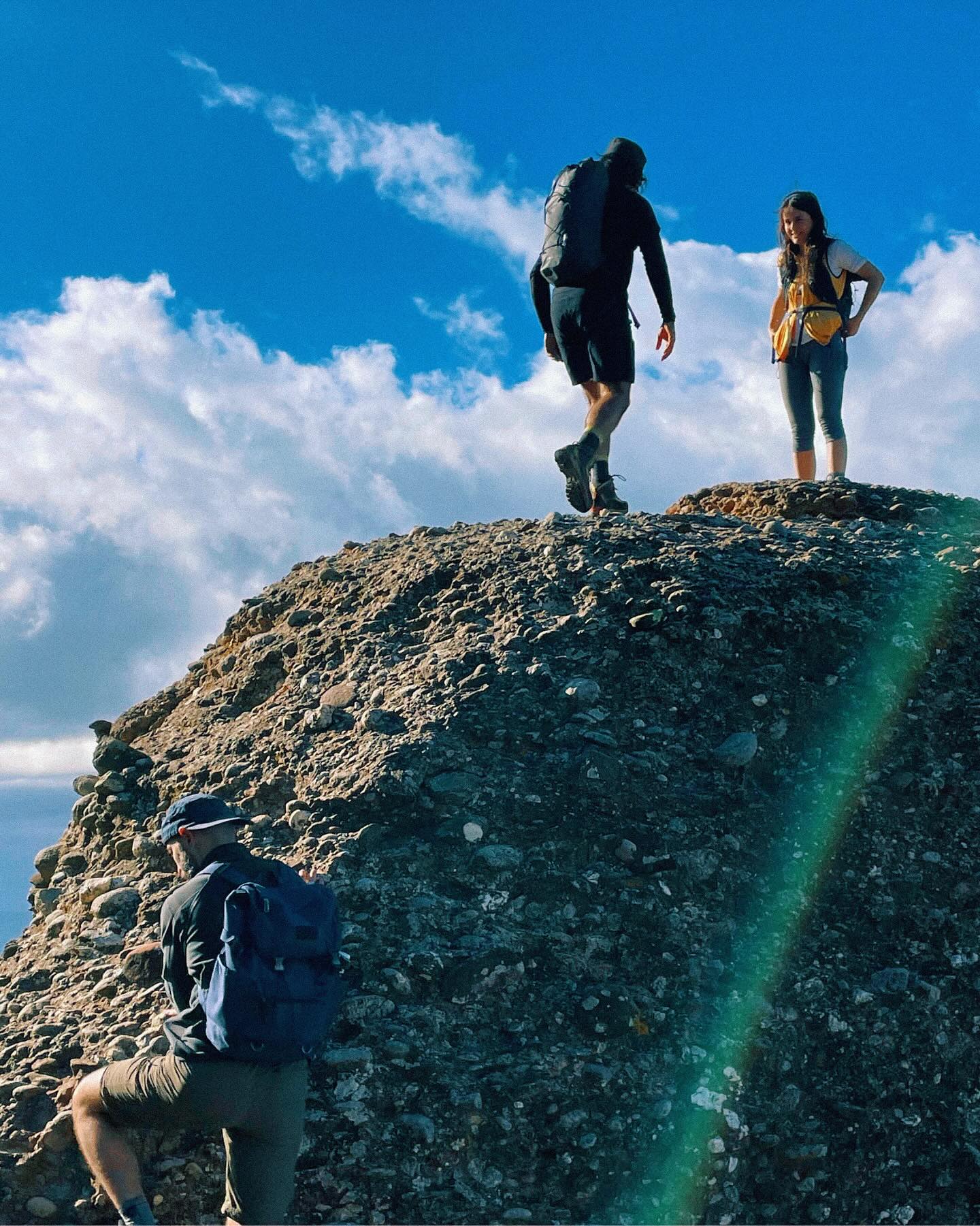
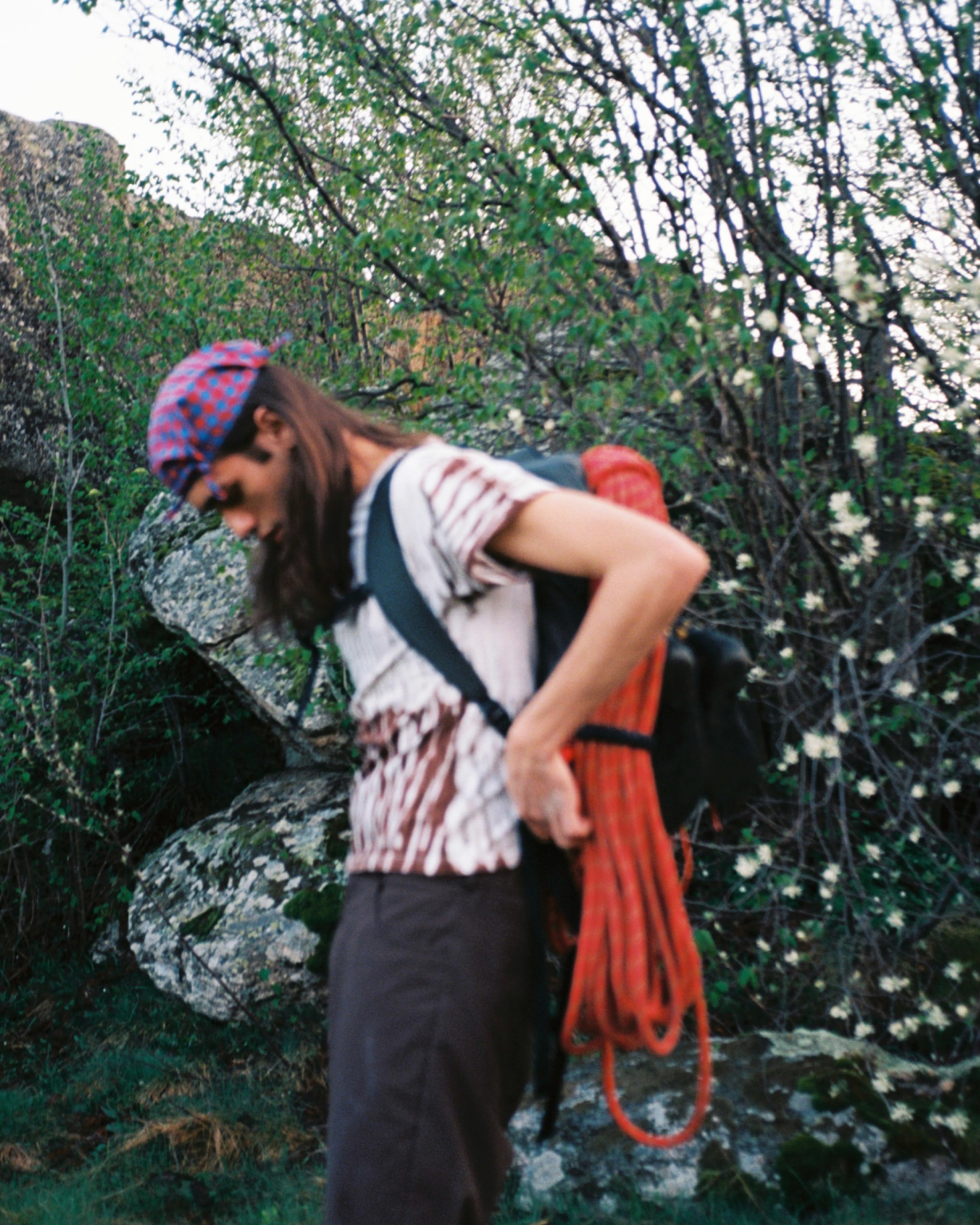
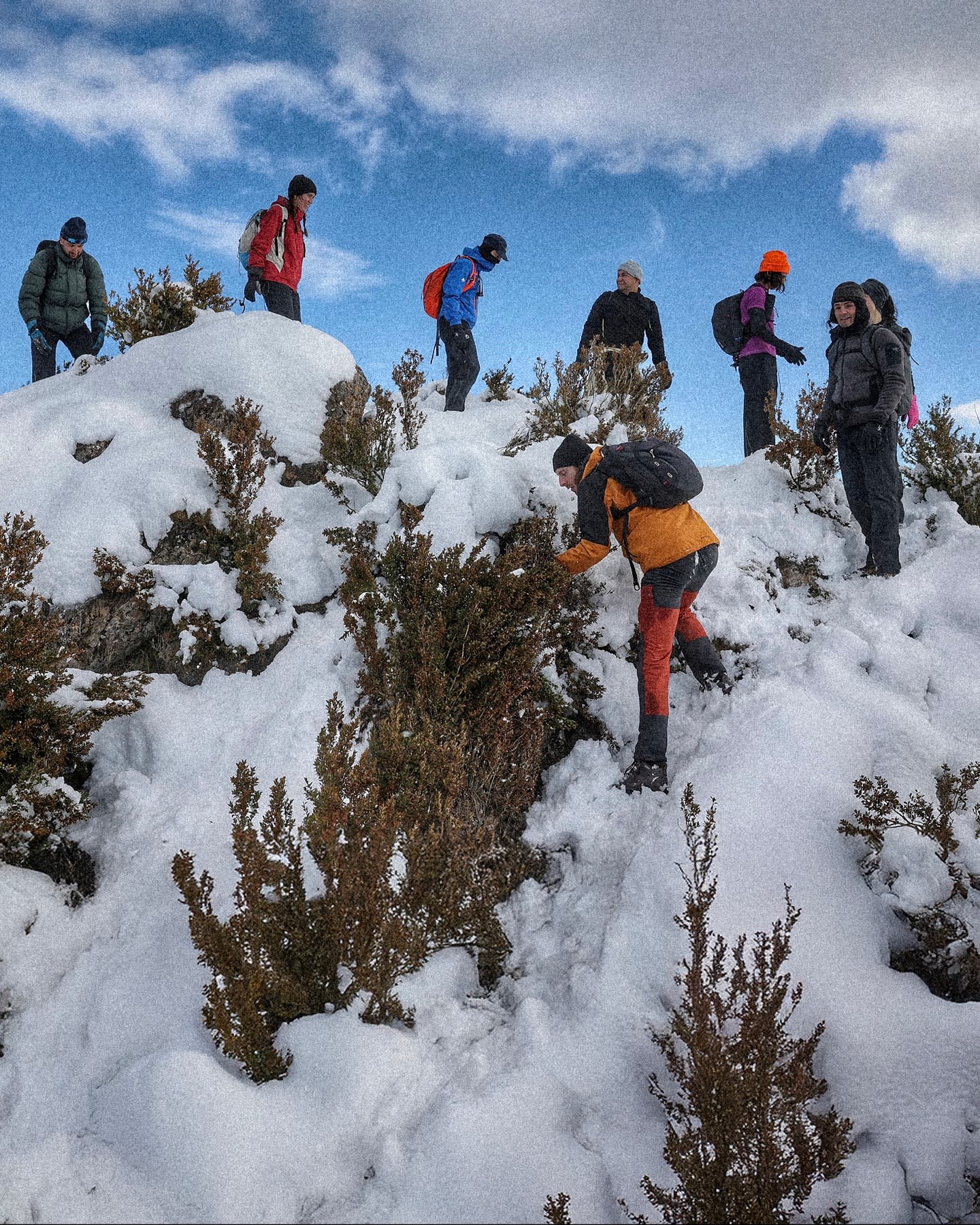
The brand organizes small hiking, climbing and snow outings designed to bring people together in the environments that inform the work. They are not conceived as commercial tours, but as small collective experiences run close to cost, where routes, conversations, equipment and shared time outside naturally overlap.
Product, editorial and experience begin to connect.
A route through the Pyrenees becomes a Microtrip.
A Microtrip can reveal new needs, ideas or ways of using existing garments.
Those observations can feed back into future Field Studies.
And the clothing returns to the same environments where those ideas began.
What Comes Next
AMUNT arrives at an interesting moment for outdoor clothing.
Technical fabrics have become ubiquitous. Trail shoes are everyday footwear. Climbing silhouettes have entered fashion. Gorpcore has already passed through enough trend cycles that merely making a technical-looking jacket no longer constitutes much of an idea.
For smaller brands, the opportunity is increasingly about building a point of view around the equipment.
AMUNT’s is unusually coherent.
It proposes that outdoor clothing can be technical without becoming sterile, culturally informed without becoming an exercise in styling, and specific to the mountains without pretending the rest of life disappears when you leave them.
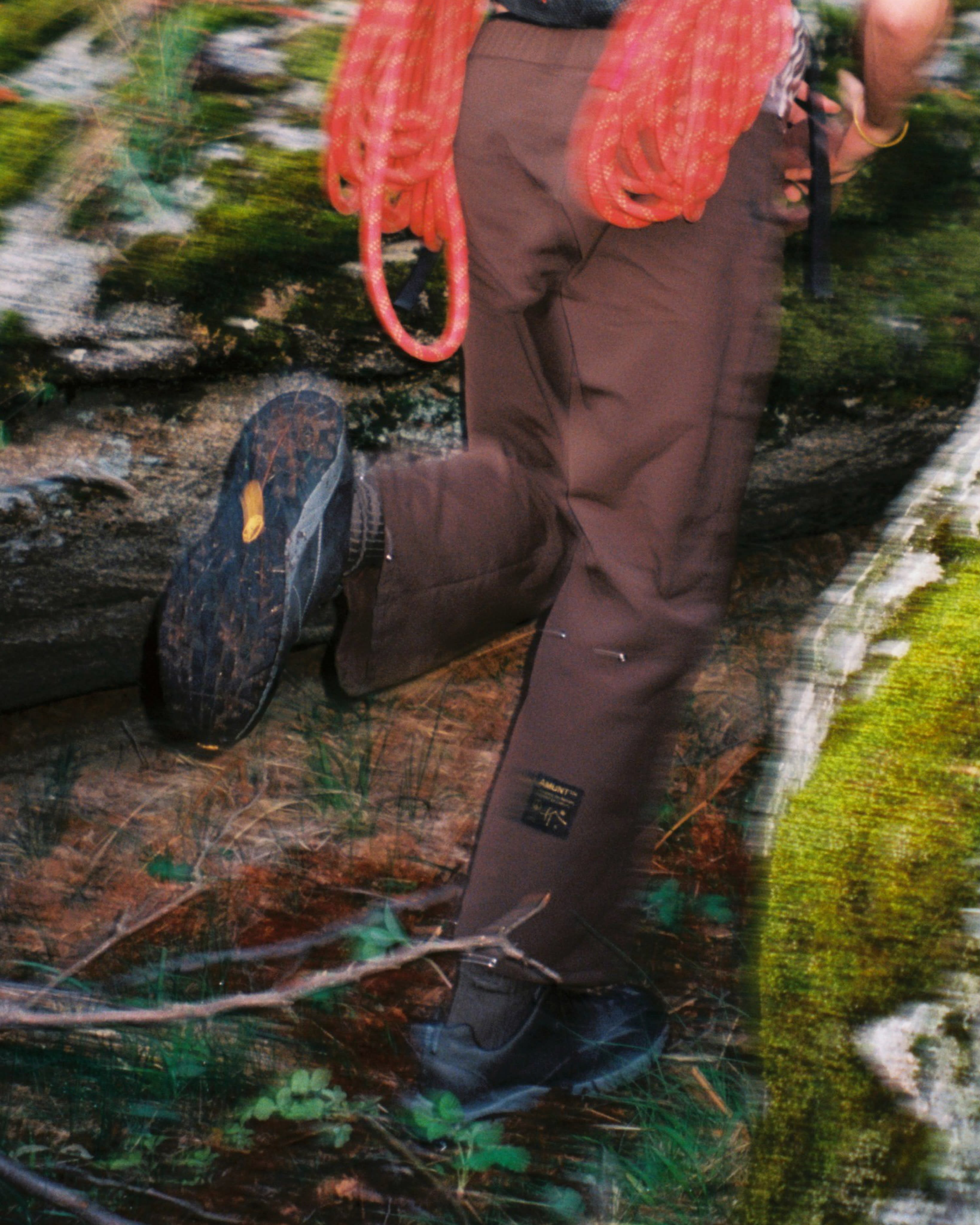
That point of view also leaves room for iteration. A garment is released when AMUNT believes it is ready, but real use can still inform what comes next: a revised detail, a different material or an entirely new product. The point is not that the original was unfinished. It is that development does not stop producing information once something enters the world.
For a brand only a few months into its life, that leaves plenty of room for what comes next.
New materials. New garments. New Field Studies. And a clearer understanding of what AMUNT can become with each one.
No products available.
Shop AMUNT on WeekEnds today.
Related Articles
September 9, 2026
The New Outdoor is Old
Outdoor gear is looking backward. Explore how heritage design, natural materials, archival silhouettes and old-school functionality are shaping its future.
Read →
September 3, 2026
The Future of Outdoor Isn’t Another Trend
WeekEnds talks with RANGE founder Jeanine Pesce about the future of outdoor culture, from preparedness and independent brands to AI, human touch, and what comes after gorpcore.
Read →
September 1, 2026
Nocs Provisions Wants You to Look Closer
Nocs Provisions is reimagining binoculars with colorful, durable optics designed to make exploring nature more accessible, curious and fun.
Read →