
Finding Your Own Way: CJ Lowe on Outdoor Culture, Identity, and Building LOWE
by WeekEnds
At some point, outdoor clothing stopped being exclusively about the outdoors. Waterproof shells became fashion statements, trail shoes found their way into city wardrobes, and technical equipment became a means of communicating identity as much as preparing for an adventure. Today, the distinction between participating in outdoor culture and simply looking the part has become increasingly difficult to define.
For CJ Lowe, founder of independent clothing brand LOWE, that tension presents both an opportunity and a problem. More people are discovering the outdoors, but not everyone arriving understands the culture, responsibility, or experiences that originally gave the clothing its meaning.
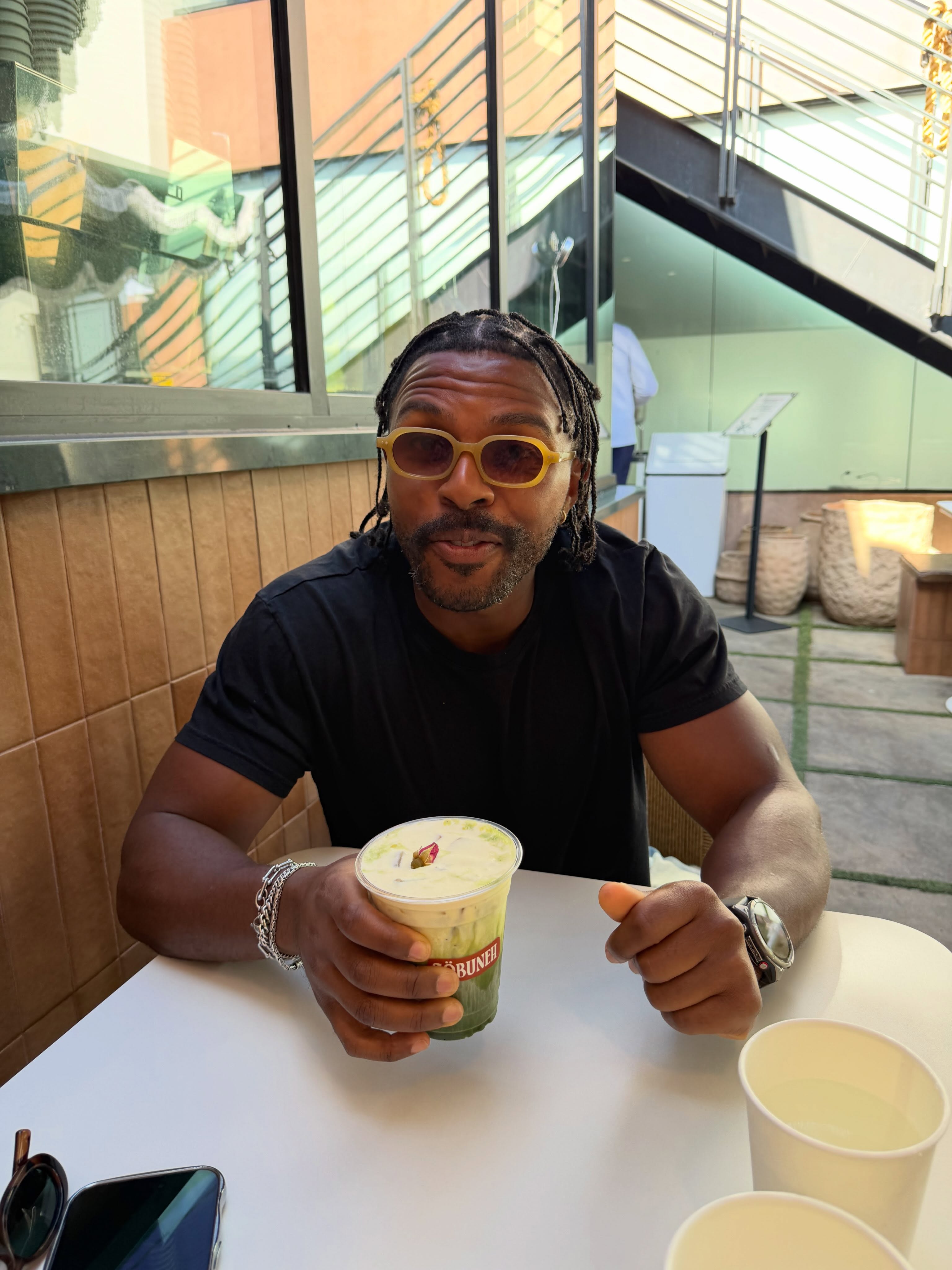
On this episode of WeekDays, WeekEnds co-founders Derek Siegel and Mateo Moreno sit down with Lowe to explore how outdoor culture became a form of social currency, what authenticity means in an industry increasingly driven by storytelling, and how an independent designer can establish a distinct point of view in a market crowded with familiar references.
The conversation moves between fashion, identity, entrepreneurship, and the increasingly fluid definition of outdoor apparel. At its center is a question that extends well beyond clothing: What does it mean to find your own way when everyone seems to be following the same path?
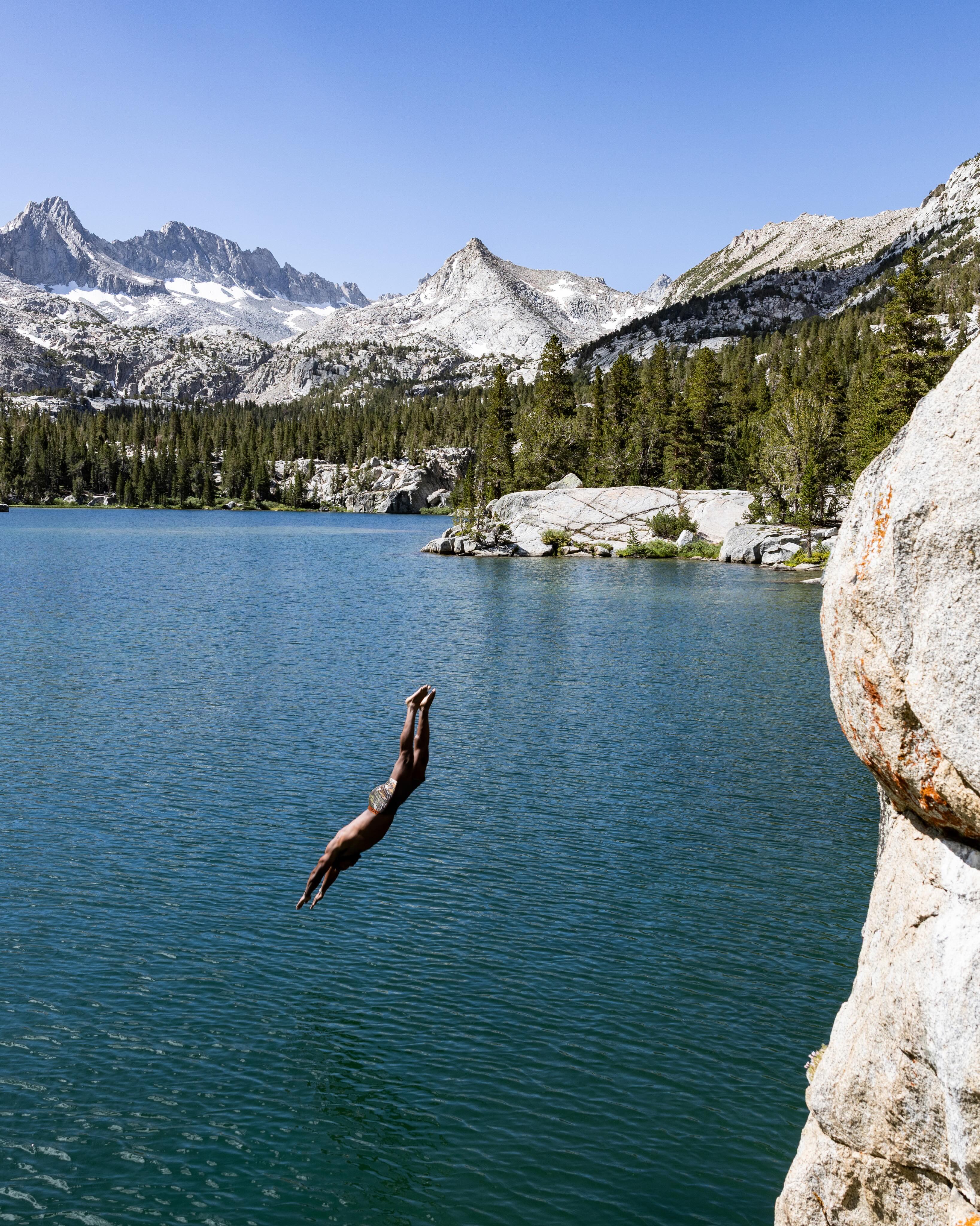
Photo: LOWE
When the Outdoors Became an Identity
The popularity of outdoor clothing has introduced an interesting contradiction. People increasingly want to associate themselves with outdoor activities, even when those activities play a relatively small role in their lives.
Lowe sees the appeal. As daily life becomes more digital, spending time outside offers something increasingly difficult to find elsewhere: physical presence, perspective, and the feeling of being part of something larger than yourself.
He describes the experience of standing in a mountain valley and realizing how small you are in relation to the landscape. That sense of perspective is part of what keeps him returning to the outdoors, whether he's hiking, snowboarding, running, or mountain biking.
But the cultural popularity of outdoor activities has also transformed technical clothing into a symbol of belonging. An expensive Arc'teryx jacket or pair of Salomon shoes can communicate taste, financial means, or affiliation with a particular community, regardless of whether the wearer ever puts the product through its intended use.
Lowe suggests that the appeal goes beyond status. Clothing offers a way to participate in an identity, even by association. Someone wearing the same jacket as a celebrated climber or influential musician can feel connected to the world that person represents.
The question is whether that connection eventually leads to meaningful participation.
Lowe welcomes the growing interest in outdoor recreation, but worries about what happens when aesthetic participation isn't accompanied by an understanding of outdoor responsibility. He recalls visiting Yosemite and watching visitors discard fruit peels along the trail, apparently unaware that biodegradable waste still violates Leave No Trace principles.
For Lowe, the issue isn't whether newcomers belong outside. It's whether the culture can welcome them while preserving the places that attracted them in the first place.
Creating Something That Feels Like You
Lowe didn't start his brand because he believed outdoor clothing needed another technical innovation. He started because he couldn't find products that reflected his personality.
Walking through outdoor retailers, he encountered plenty of capable equipment, but much of the clothing shared a familiar visual language: earth tones, muted colors, and designs intended to appeal to the broadest possible audience.
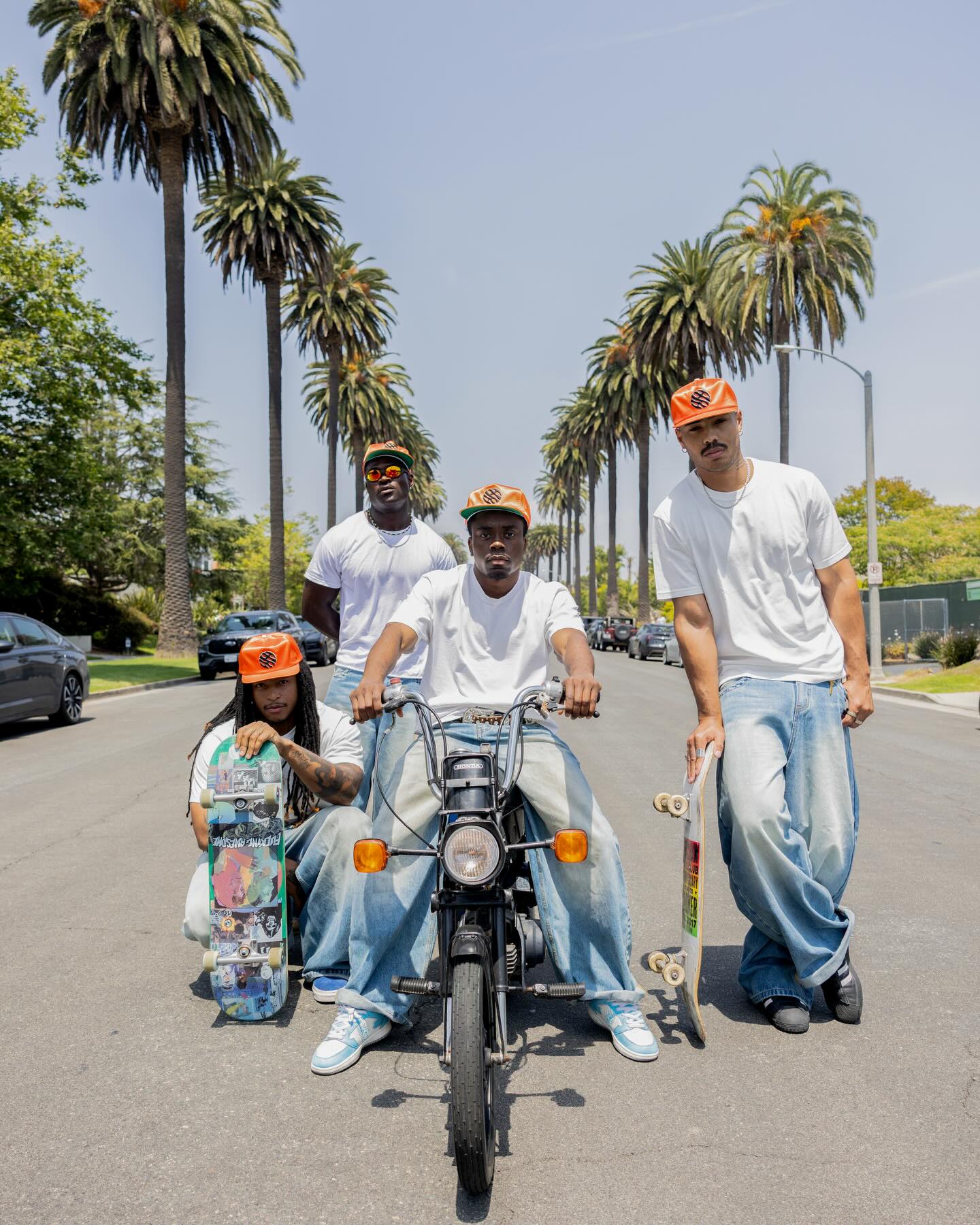
As someone drawn to expressive clothing, bright colors, denim, and unconventional silhouettes, Lowe felt there was room for a different perspective.
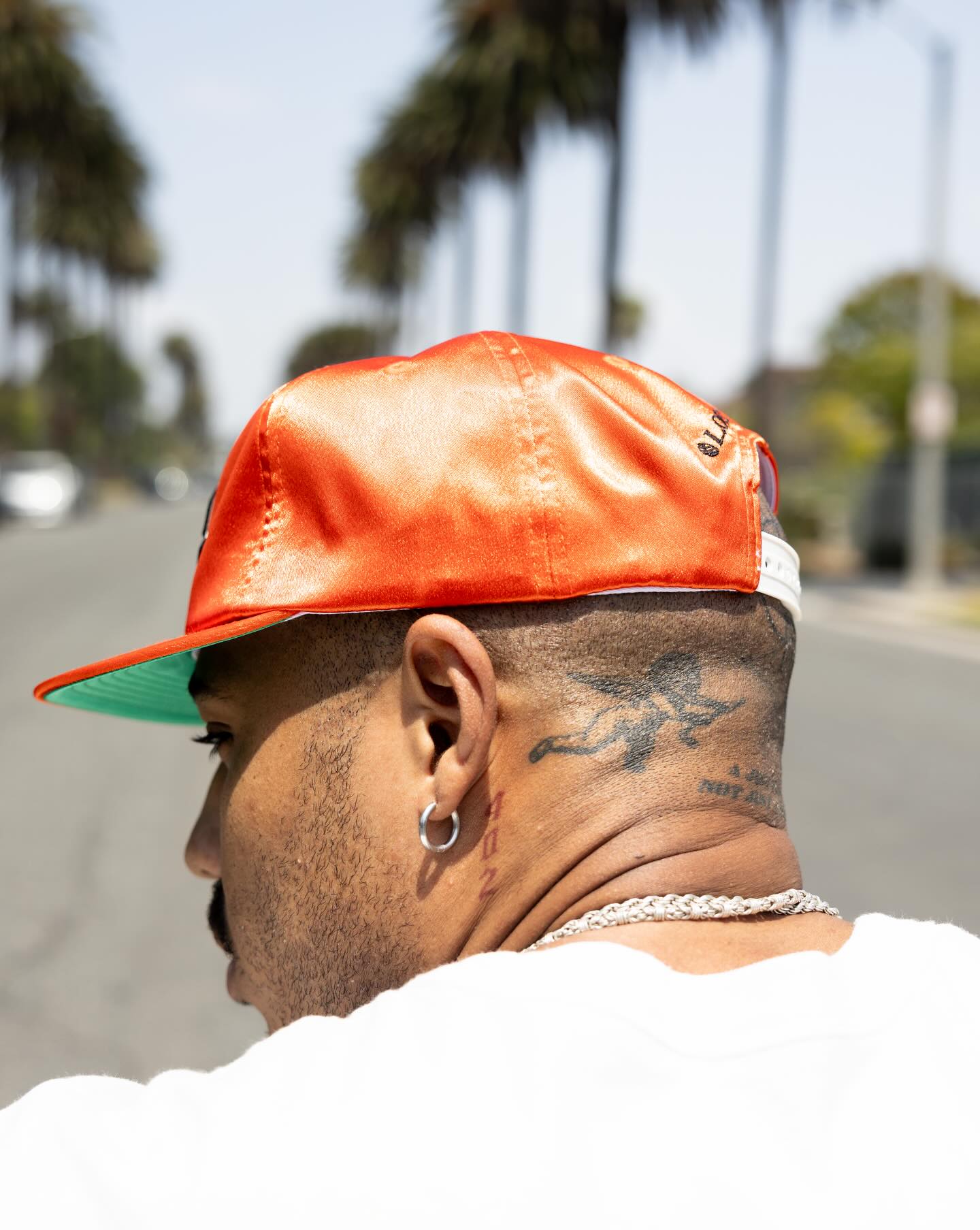
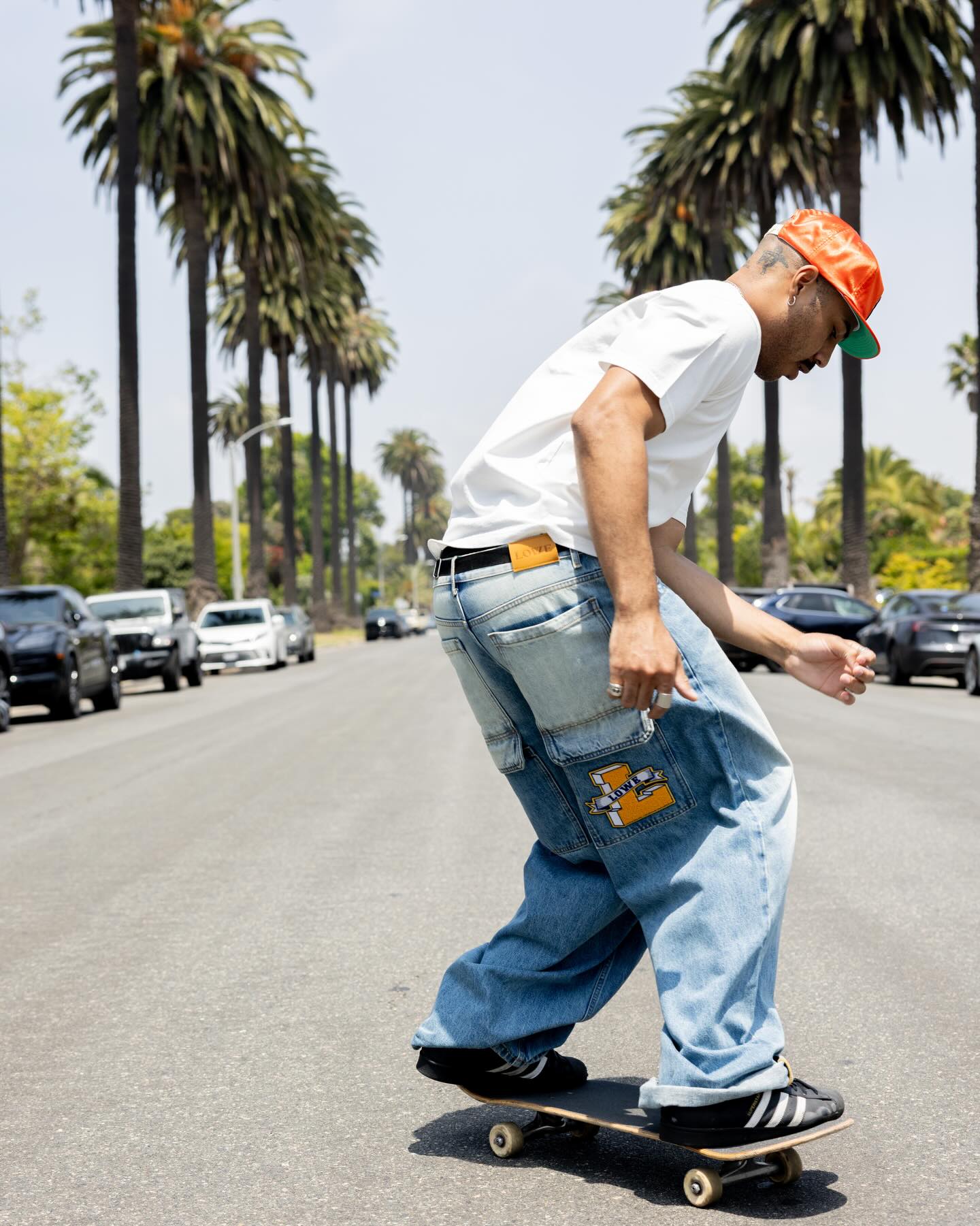
Photo: LOWE
That observation became the foundation for LOWE, a brand organized around two complementary categories: On Trail and Off Trail.
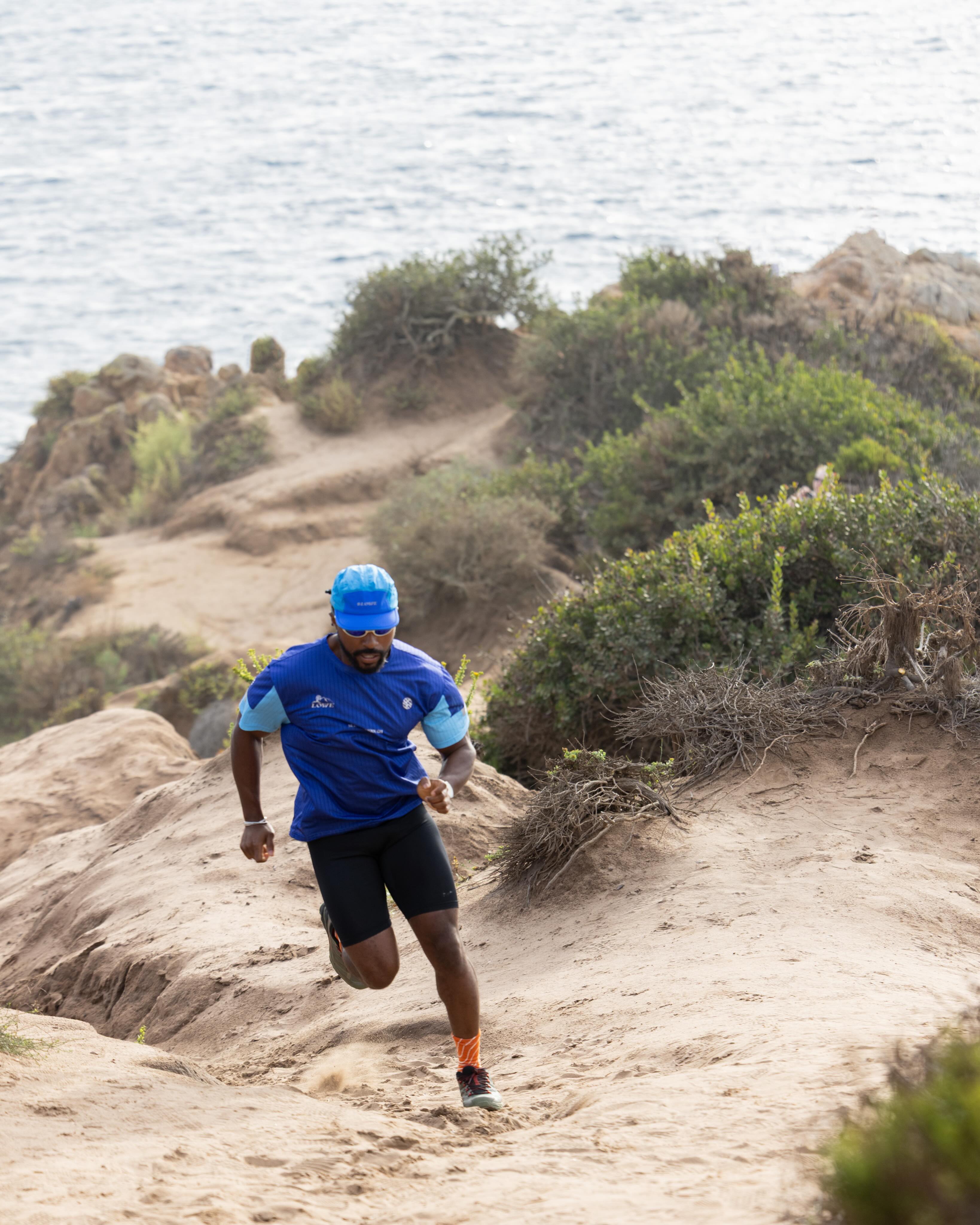
On Trail encompasses technical products designed for activities such as running, hiking, and snowboarding. Off Trail draws from denim, cowboy culture, and everyday clothing. Rather than treating performance and personal style as competing ideas, Lowe sees both as expressions of the same person.
His first product was a pair of baggy denim pants, an unconventional starting point for a company associated with outdoor exploration. Since then, he has developed running hats, socks, outerwear, and backpacks, often beginning with problems he encounters personally.
Running hats don't always fit his head comfortably. Athletic shirts can feel restrictive through the chest and arms. Ski touring backpacks frequently force users to choose between minimal weight and practical storage.
These are relatively specific frustrations, but Lowe believes they offer a more meaningful foundation for product development than simply reproducing what is already popular.
His approach also reflects a broader challenge facing independent brands. With vintage outdoor catalogs, Japanese fashion, workwear, and climbing culture circulating constantly through social media, the same references increasingly produce similar results.
Lowe describes this as a convergence of design. To resist it, he looks beyond conventional outdoor inspiration, drawing from vintage clothing, weather maps, historical imagery, and collages made by his father.
The objective isn't necessarily to invent an entirely new category of clothing. It's to develop a recognizable perspective from influences that feel personal rather than borrowed.
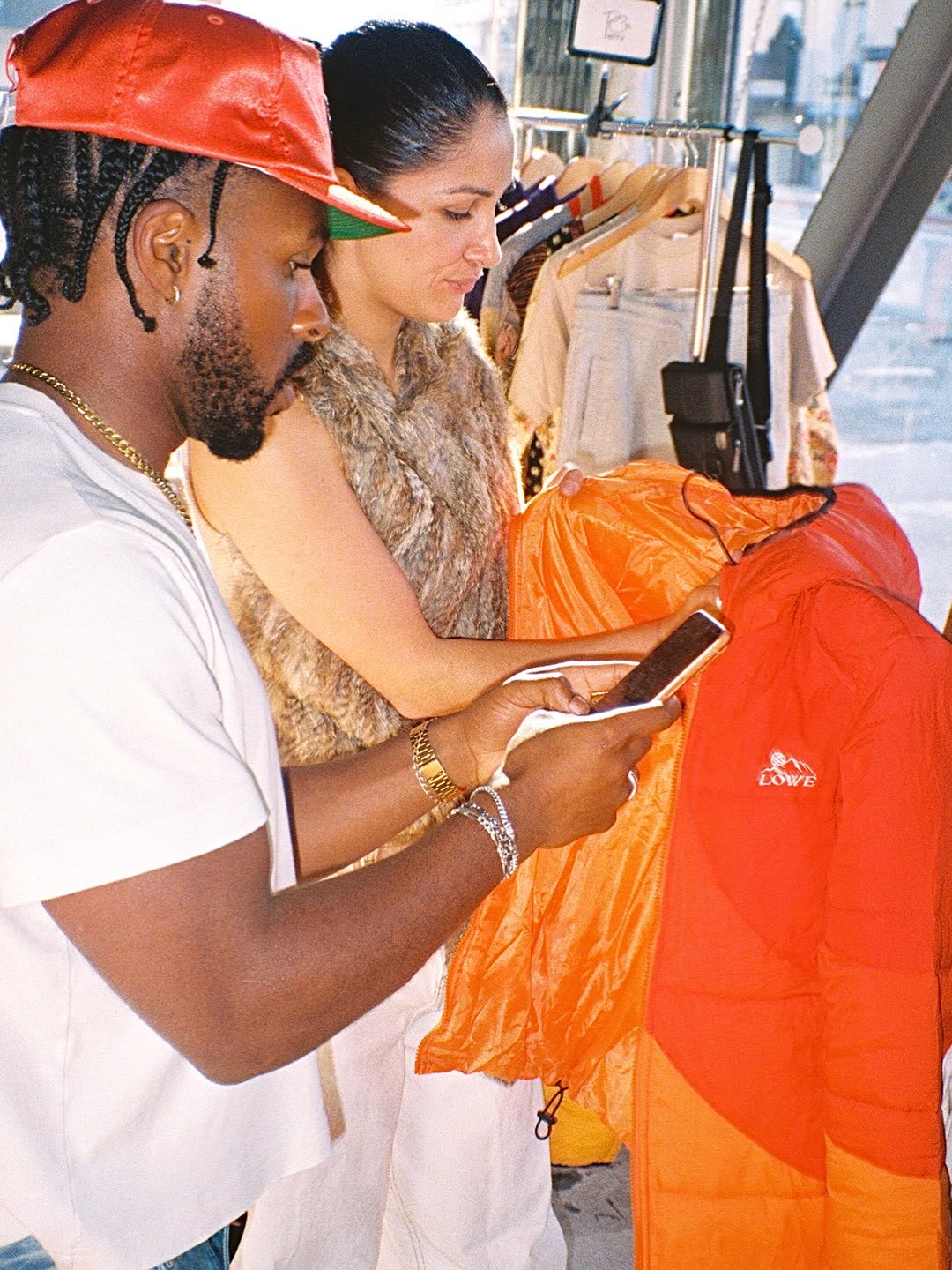
Photo: LOWE
A Different Route Into Fashion
Lowe's professional background is another departure from the conventional fashion-founder narrative.
Trained as a pharmacist, he works as a medical science liaison at AstraZeneca. Although he wanted to attend the Fashion Institute of Technology after high school, his father encouraged him to pursue a stable profession and use that career to support his creative interests.
For years, fashion remained a passion alongside his work in healthcare. Eventually, encouragement from friends who had built independent brands helped convince him to begin making products of his own.
One friend offered particularly straightforward advice: stop waiting for the perfect website, logo, or visual identity and start with a sample.
Lowe took that advice, producing his first sample within two weeks of their conversation.
His experience in healthcare also informs a more ambitious objective for LOWE. Much of his professional motivation has centered on improving access to health education, particularly for communities that have historically faced barriers within the healthcare system.
He sees a parallel in outdoor recreation, where cost, representation, and cultural expectations can discourage people from participating.
Growing up, Lowe recalls being told that activities such as hiking and snowboarding were things white people did. He rejects the premise entirely. The outdoors, he argues, doesn't belong to any particular demographic, and participation shouldn't depend on wearing the right brands or identifying with a narrow cultural image.
That belief gives LOWE a purpose beyond clothing. Lowe hopes eventually to sponsor outdoor experiences for children from urban communities, introducing them to activities such as snowboarding, mountain biking, and horseback riding while providing the equipment needed to participate.
For him, making outdoor culture more inclusive means creating actual opportunities to experience it, not simply expanding the audience for outdoor-inspired fashion.
Performance Still Matters
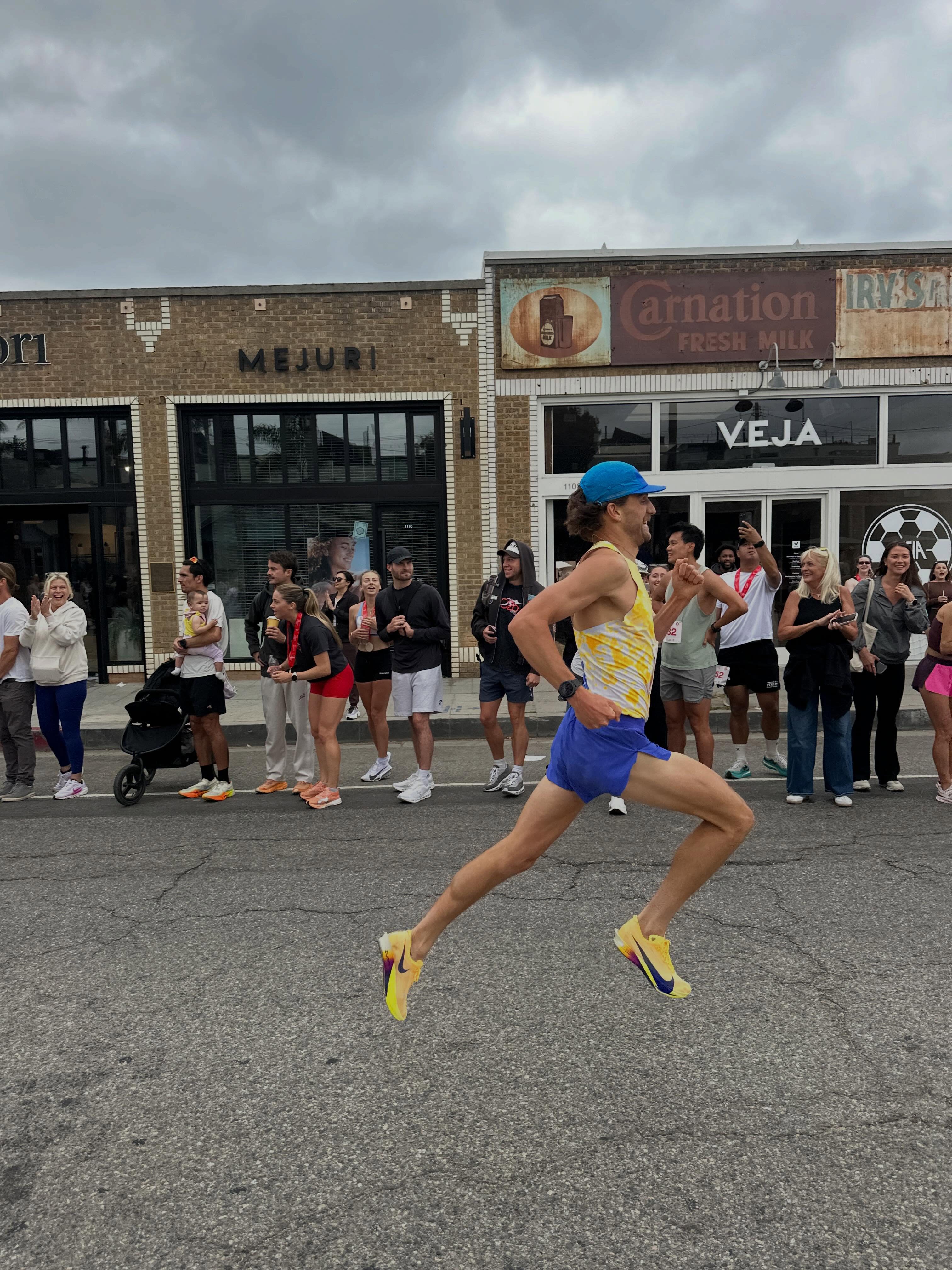
Although LOWE embraces expression and experimentation, Lowe is clear that technical products must perform as advertised.
He describes wearing samples for months before considering them ready for customers, repeatedly running in and washing garments, testing outerwear in rain and mud, and evaluating how products hold up during their intended activities.
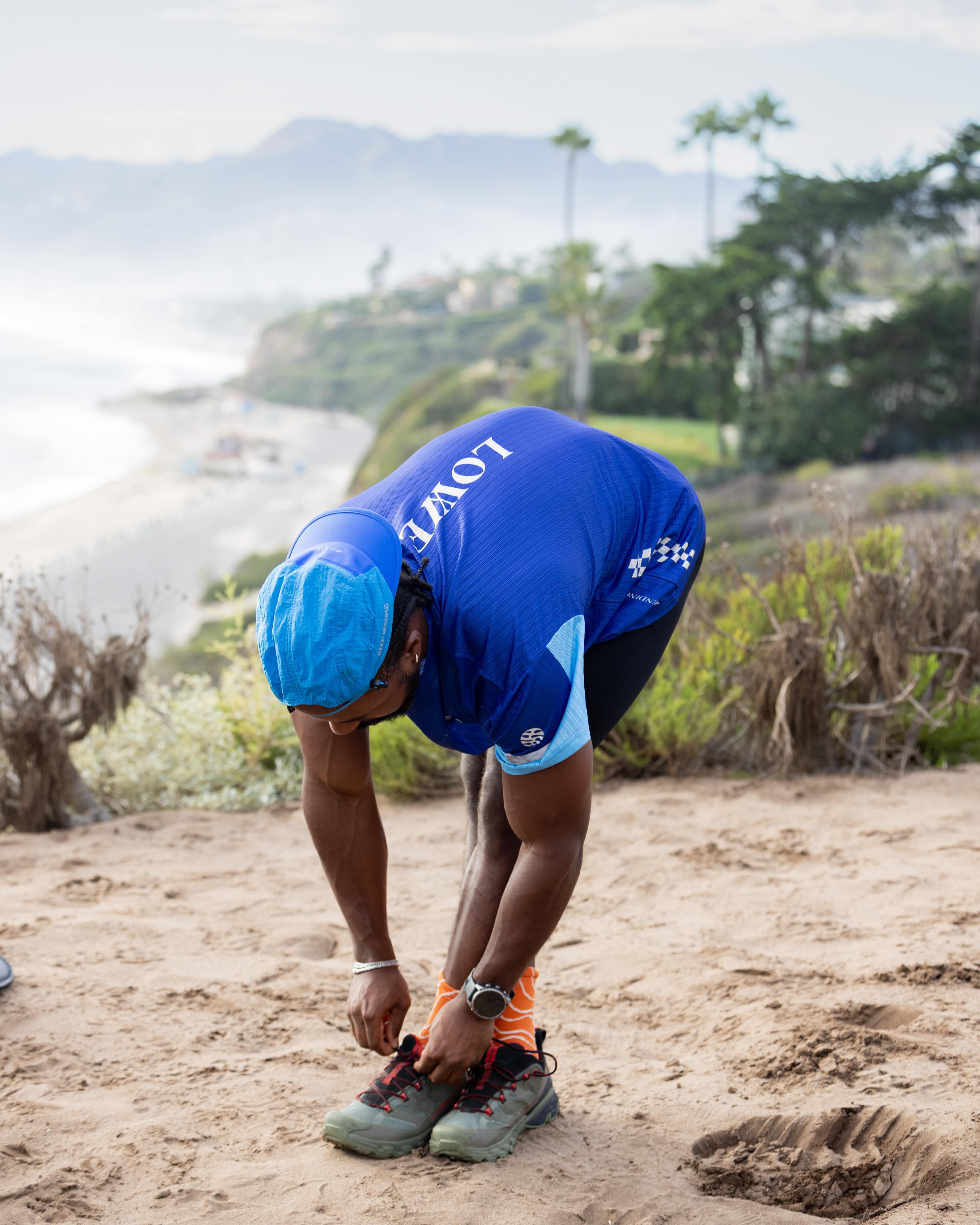
Photo: LOWE
A waterproof jacket that fails in the field isn't merely a disappointing purchase. It represents a failure of the trust between a brand and its customer.
This commitment becomes particularly important as LOWE moves into more demanding categories, including waterproof shells, insulated jackets, and ski touring backpacks.
Lowe is interested in ultralight ripstop fabrics and three-layer waterproof constructions, but he is equally concerned with usability. His developing ski touring backpack illustrates the trade-off: a highly specialized pack might serve a narrow group of experienced users exceptionally well, while a more adaptable design could accommodate both mountain travel and everyday use.
The difficulty is deciding how much specialization improves a product before it begins limiting its usefulness.
That tension reflects a larger shift in outdoor apparel. As consumers assemble wardrobes from increasingly specialized independent labels, brands must decide whether to serve particular activities or build broader identities that can travel between them.
Lowe suspects the distinction will become less important over time. The next generation of outdoor brands, he suggests, may simply describe themselves as clothing companies making products for the different ways people live.
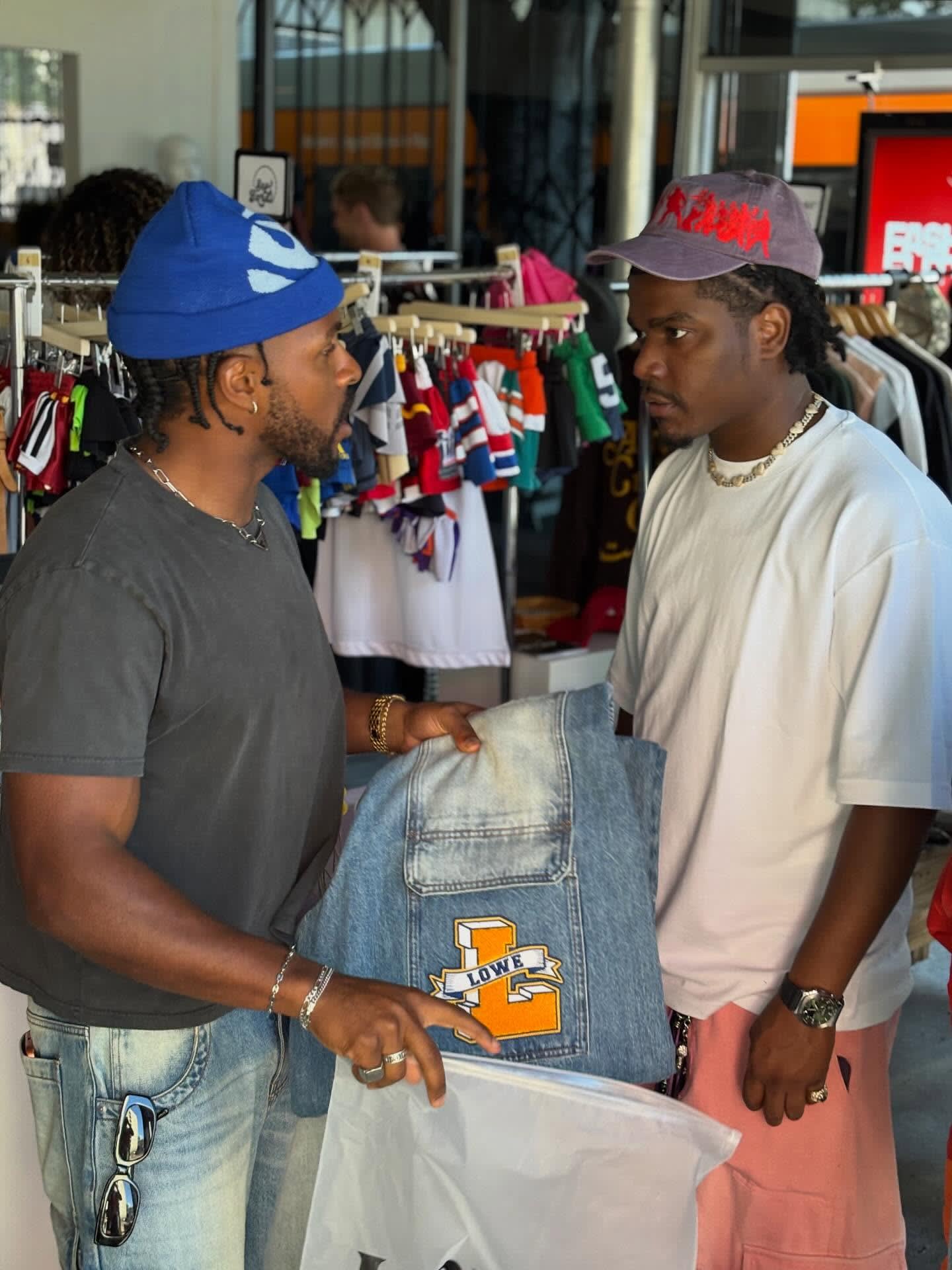
Photo: LOWE
The Reality of Building an Independent Brand
Creating a compelling product is only one part of building a sustainable company.
For Lowe, some of the steepest learning curves have involved the least glamorous aspects of entrepreneurship: taxes, bookkeeping, compliance, manufacturing, and the ongoing administrative costs of operating a business.
But an even more personal challenge has emerged as the brand has grown: learning to relinquish control.
Until now, Lowe has handled nearly every part of the business himself, from design and sourcing to photography, website development, and product launches. Combined with his full-time career, that level of involvement has become increasingly difficult to sustain.
Delegating creative work introduces its own complications. When the brand carries your family name and reflects your personal identity, allowing someone else to interpret your ideas can feel like surrendering part of what makes the company distinctive.
Lowe recognizes that his desire to oversee everything may eventually become the very thing preventing the business from progressing.
The discussion reveals a familiar paradox for independent founders. The obsessive attention to detail that helps establish a brand's identity can also make it difficult to build the systems and relationships required to grow.
Looking back on his first year, Lowe believes he also spread himself too thin by developing too many products simultaneously. Rather than concentrating on bringing one strong idea to market, he frequently moved between samples, categories, and new concepts.
His advice to aspiring founders is to focus on doing one thing exceptionally well before moving to the next.
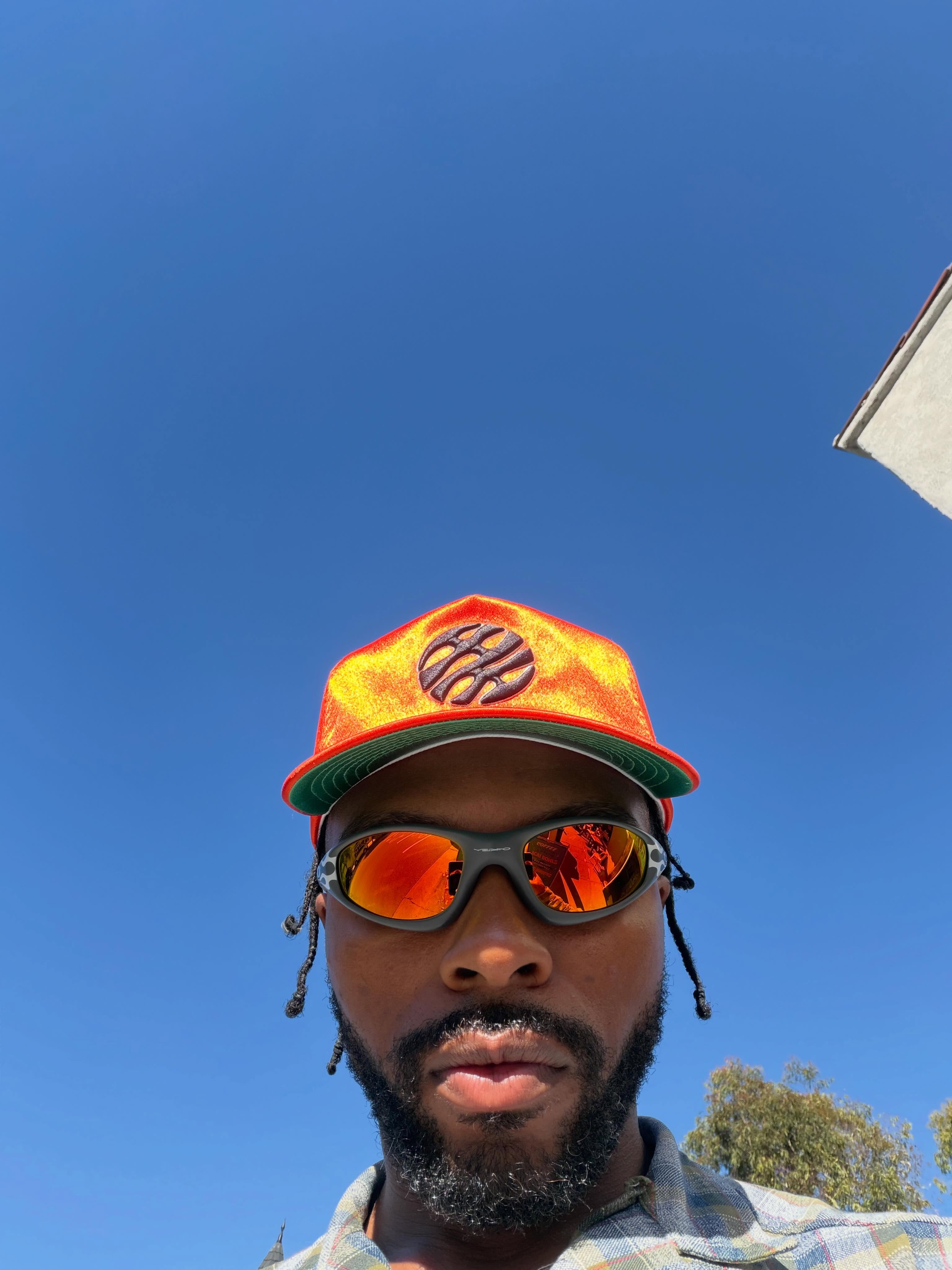
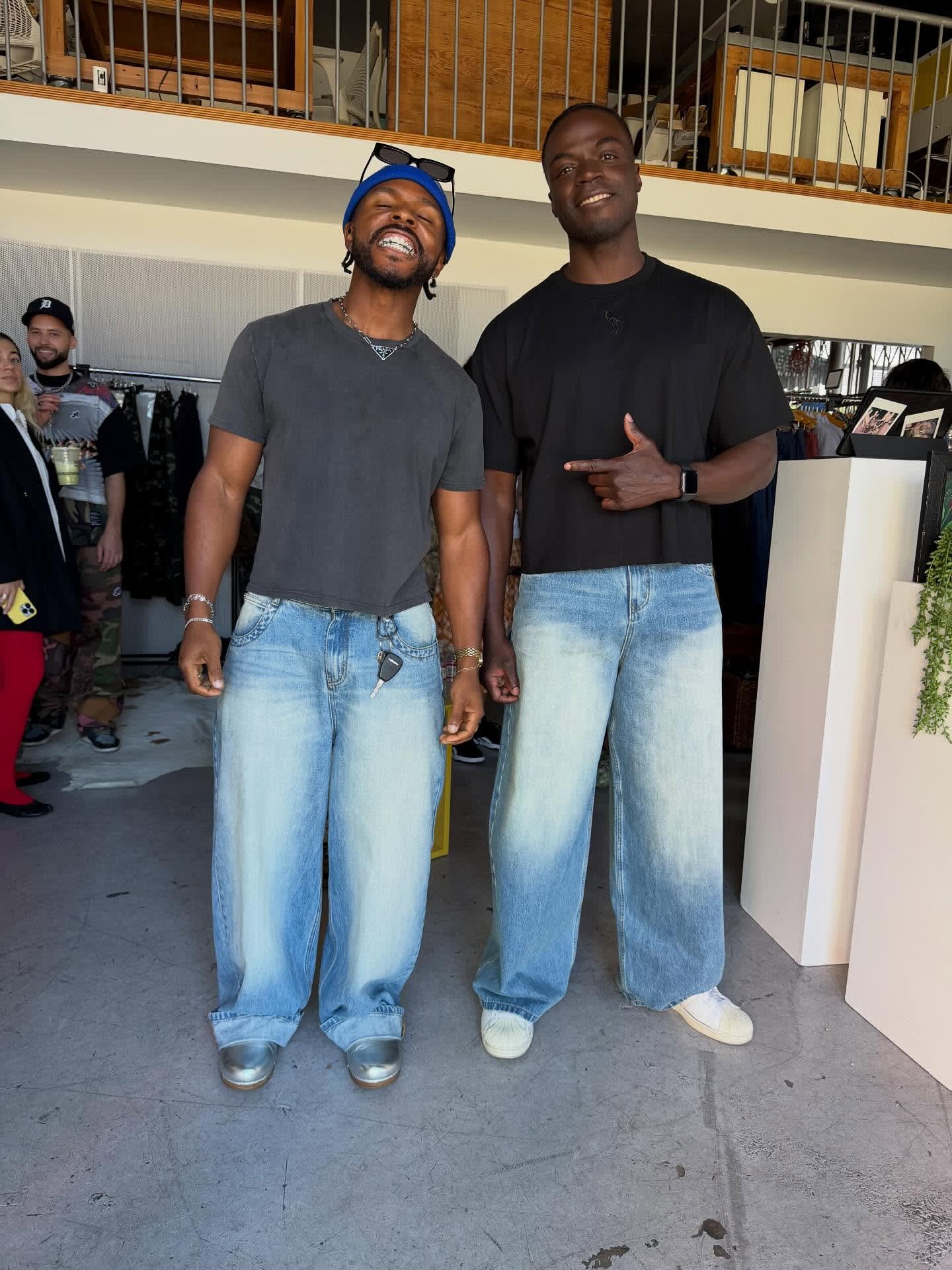
Finding Your Own Way
The philosophy behind LOWE is summarized in three phrases: Find Your Way, See It Through, and Where There's a Will, There's a Way.
Each comes from Lowe's personal experiences and family influences.
"Find Your Way" emerged from a conversation with his mother when he was questioning whether he had started his brand too late. She reminded him that everyone follows a different path and that his progress shouldn't be measured against someone else's timeline.
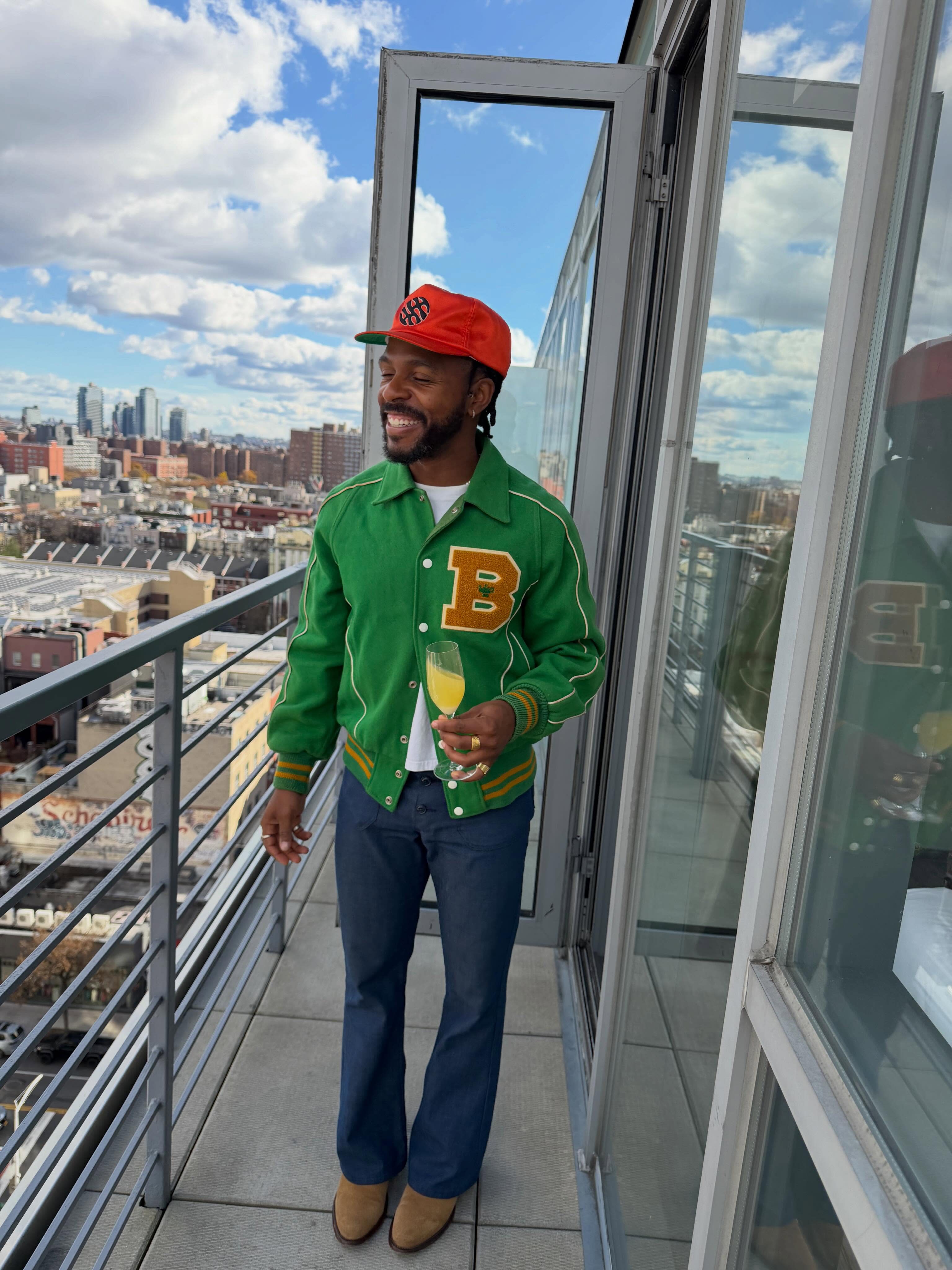
"See It Through" reflects his father's insistence on finishing what you begin, while "Where There's a Will, There's a Way" represents the determination required to overcome obstacles.
Together, these ideas offer a broader definition of exploration. It isn't limited to reaching a remote mountain or completing a difficult expedition. It can describe starting a business, training for a first race, developing a creative practice, or discovering an unfamiliar interest.
That philosophy also shapes Lowe's vision for the future of outdoor culture. Rather than focusing exclusively on new fabrics, silhouettes, or marketing strategies, he hopes emerging brands will take greater responsibility for preserving natural spaces and introducing new communities to outdoor recreation.
It's an ambition that connects the seemingly separate sides of his work: technical apparel and denim, healthcare and fashion, personal expression and community participation.
As outdoor clothing becomes increasingly disconnected from the activities that inspired it, LOWE offers an alternative perspective. The clothes can be expressive, the brand can have a point of view, and the products can participate in contemporary fashion without losing their relationship to the physical world.
Ultimately, the most interesting thing about LOWE may not be any particular garment. It's the belief that outdoor culture becomes more meaningful when more people are free to participate in it on their own terms.
In an industry increasingly preoccupied with what it means to look outdoorsy, CJ Lowe is more interested in what it means to get outside, discover something new, and find your own way.
No products available.
Shop LOWE on Weekends today.
Related Articles
November 19, 2026
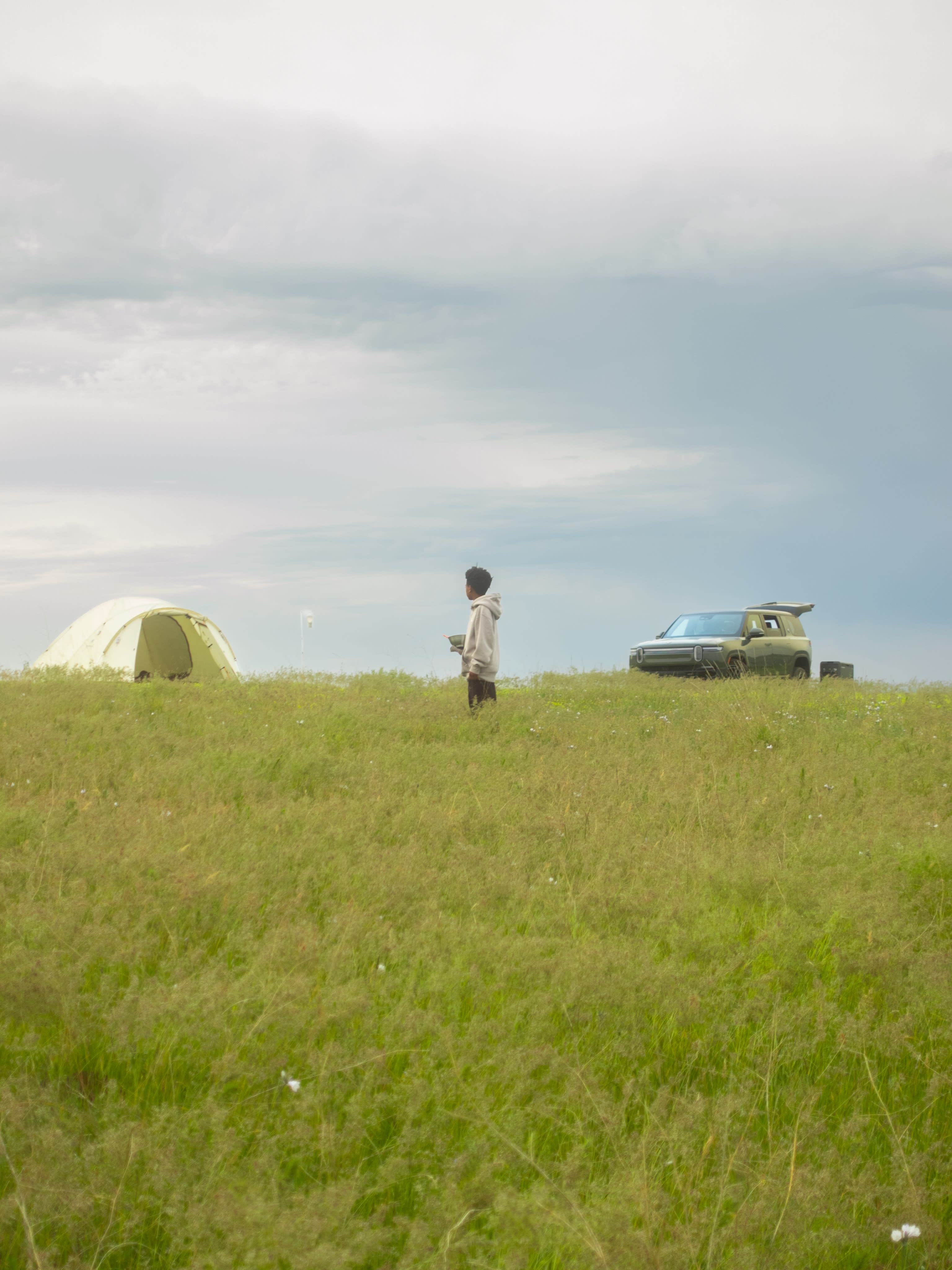
The Outdoors Doesn't Have to Be Earned: Rashad Frazier on Camp Yoshi, Hospitality, and the Art of Belonging
Rashad Frazier is challenging the outdoor industry's obsession with technical expertise. His alternative: good food, good company, and belonging.
Read →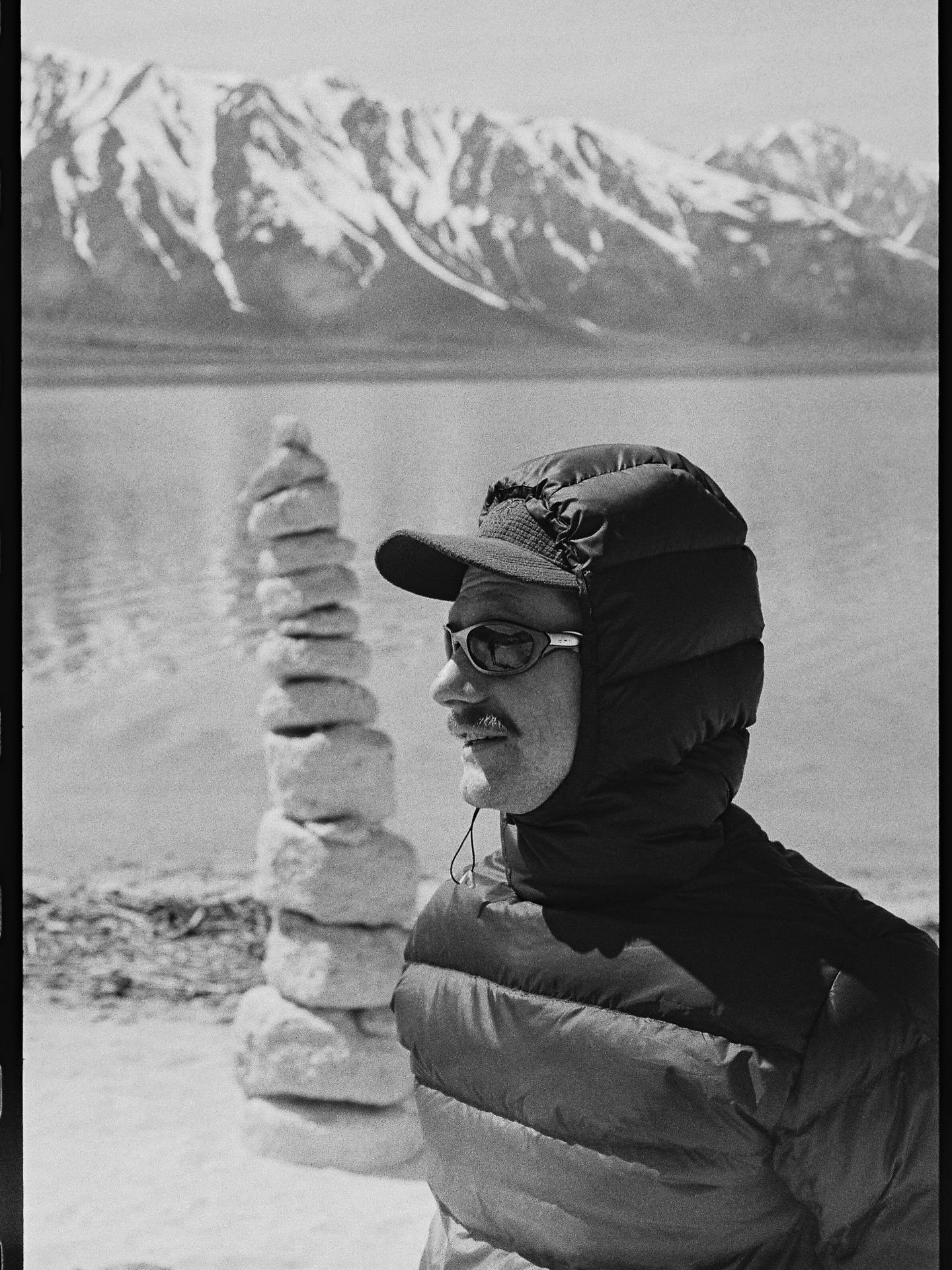
November 17, 2026
tèmi Is Making Technical Outerwear Personal Again
Founder Gabriel Patterson is building tèmi around a deceptively simple idea: knowing who made your clothing should matter as much as what it can do.
Read →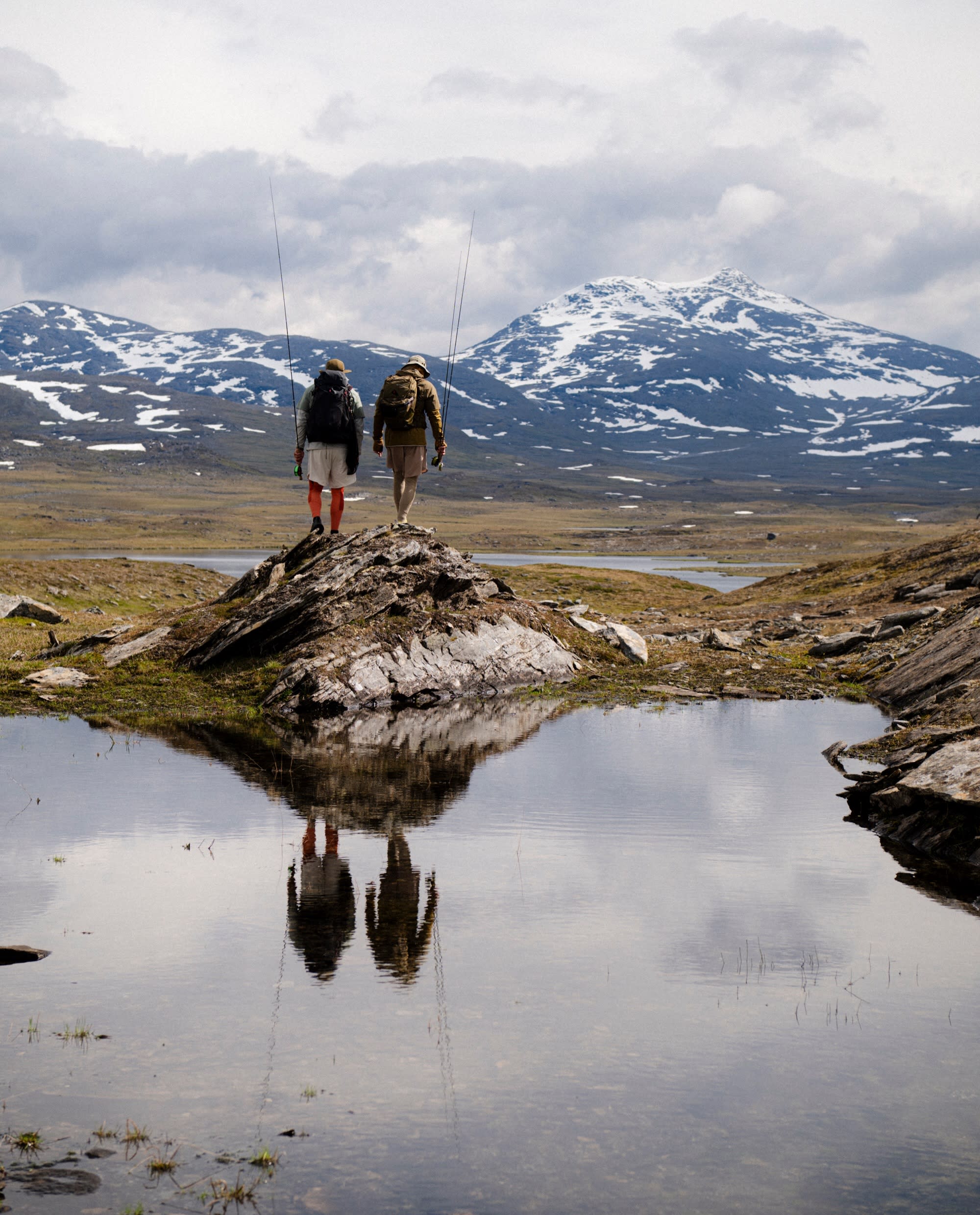
November 14, 2026
The Great Outdoor Unbundling
Why outdoor shoppers are mixing specialist brands — Hyperlite, Senchi, NNormal, Yamatomichi, Satisfy and more — instead of buying everything from one label.
Read →