tèmi Is Making Technical Outerwear Personal Again
by WeekEnds
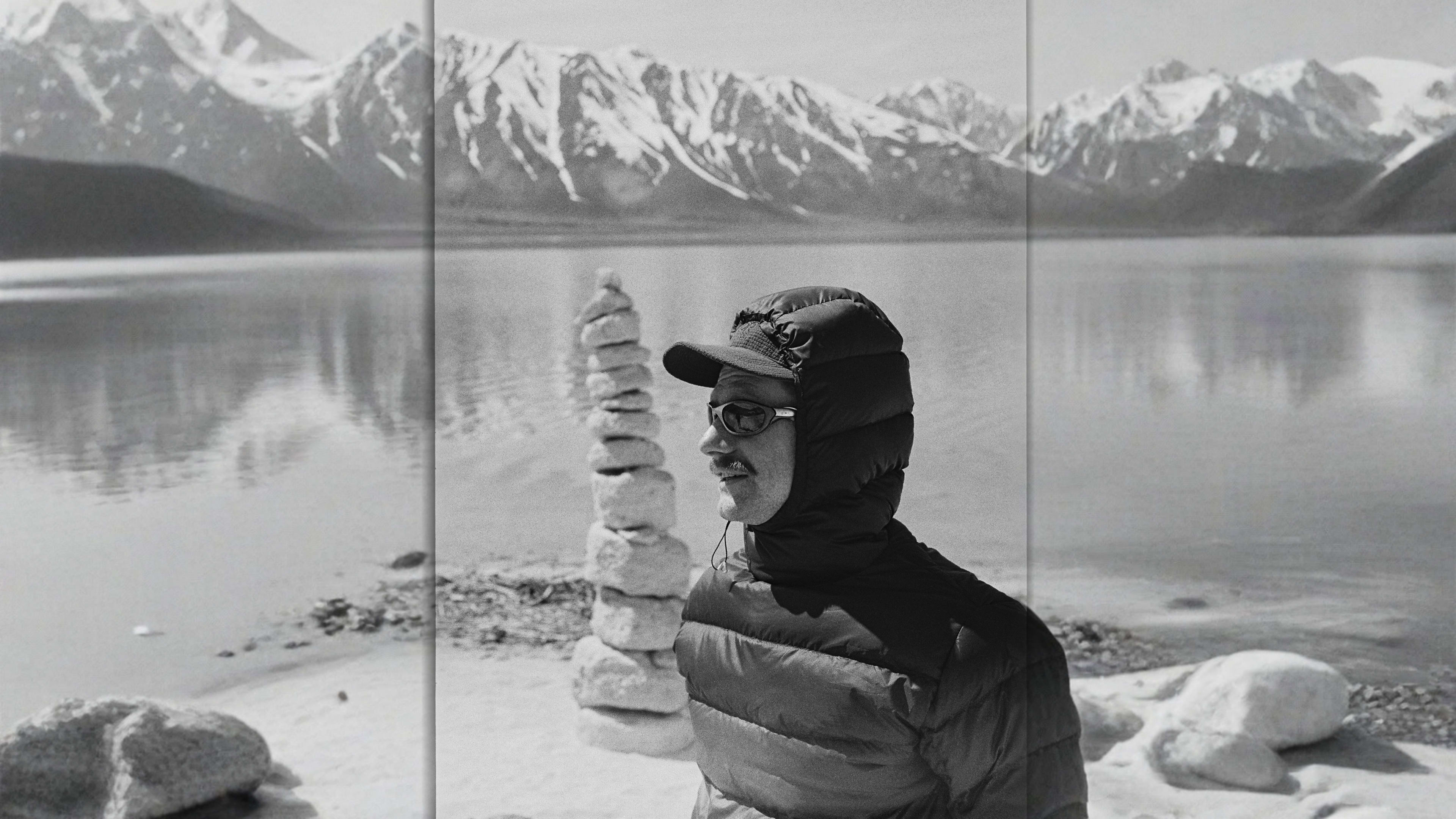
From a 50-mile manufacturing radius in California to experimental materials and individually numbered garments, founder Gabriel Patterson is building an outdoor brand around a deceptively simple idea: knowing who made your clothing should matter as much as what it can do.
The modern outdoor jacket is a remarkably sophisticated object. Its fabrics are engineered to resist water, regulate temperature, reduce weight, and withstand abrasion. Its construction can involve dozens of components drawn from suppliers scattered across multiple continents, each contributing a specific piece of performance to the final assembly. Every seam, membrane, and insulation layer can be described through an increasingly precise language of grams, millimeters, and fill power.
Yet for all that technical sophistication, there is one question most outdoor brands struggle to answer with the same precision: Who actually made it?
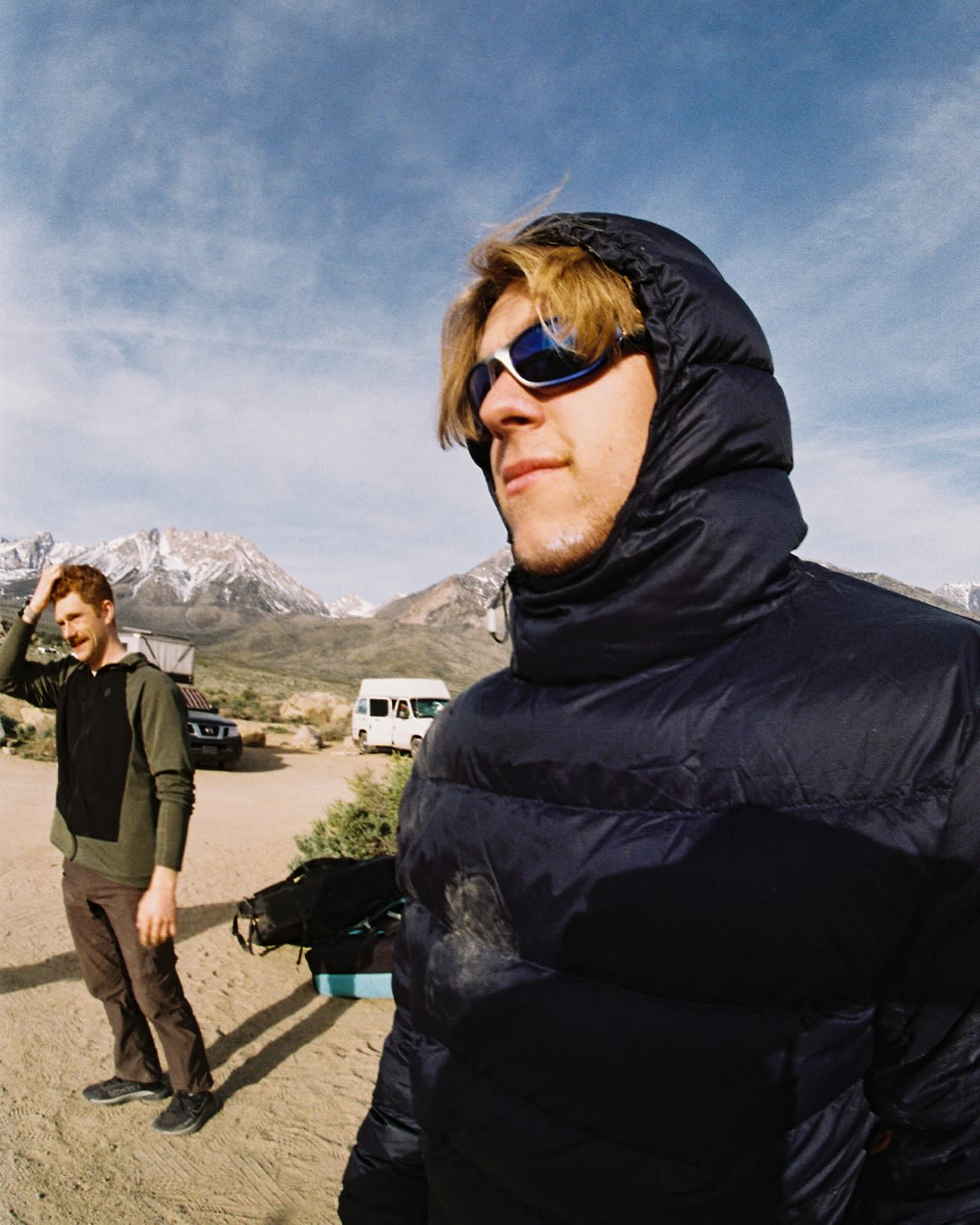
Photo: tèmi
For tèmi, a small technical apparel company based in the San Francisco Bay Area, that question sits at the center of the business. Founded by materials scientist Gabriel Patterson, tèmi is an experiment in bringing the human side of clothing production back into focus. Its garments are developed and manufactured through a local network of specialists, with the brand's technical outerwear produced within a roughly 50-mile radius of the Bay Area.
The approach is deliberately small. Production runs are limited, individual garments are numbered by hand, and materials are selected with attention to both performance and provenance. Rather than building a sprawling seasonal assortment, tèmi concentrates on a handful of products that express its ideas about durability, ownership, and manufacturing.
In an outdoor industry accustomed to global supply chains and constant product expansion, tèmi is asking whether a more intimate relationship between designer, maker, and wearer might produce something more meaningful. And perhaps something better.
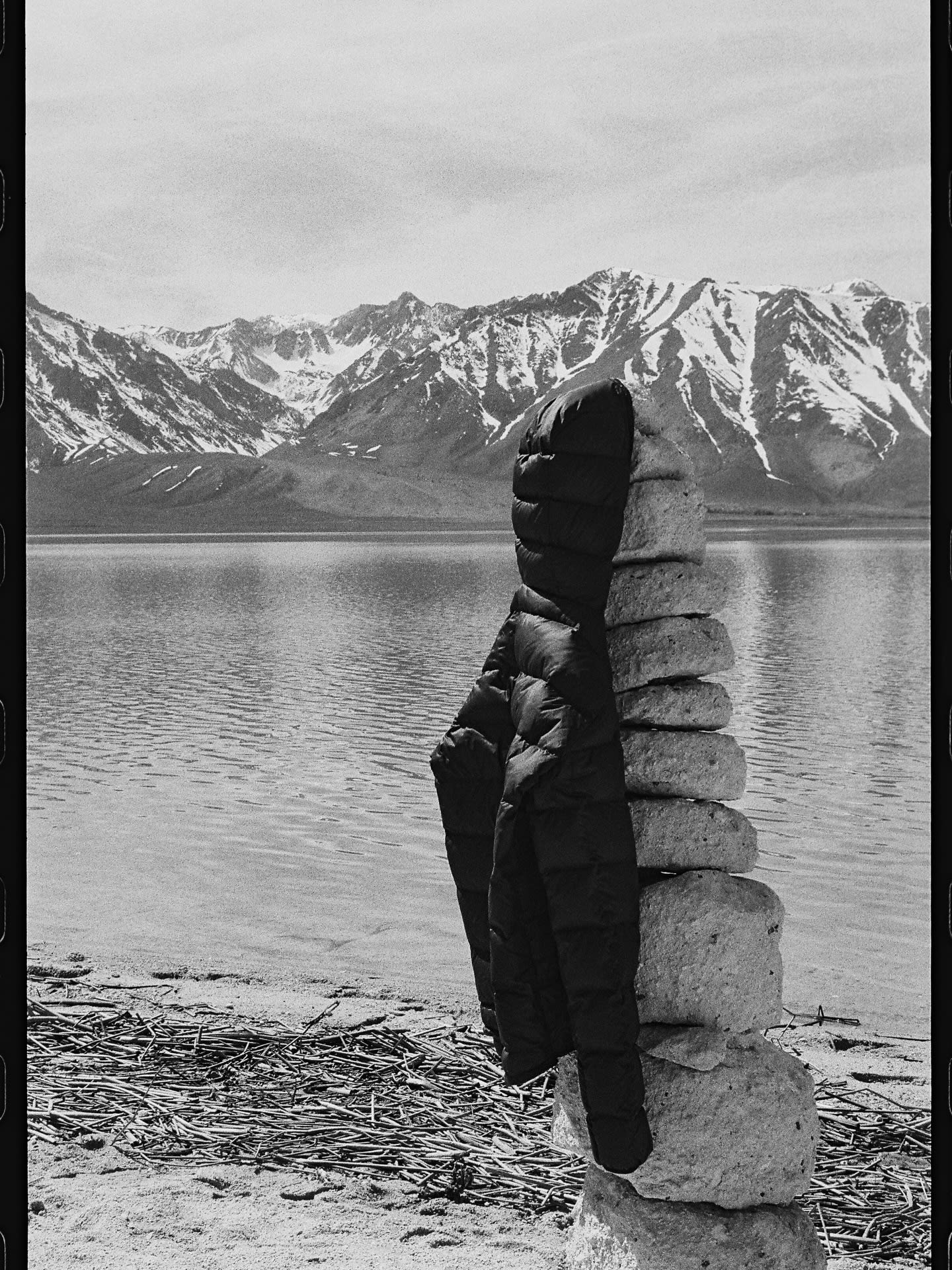
Photo: tèmi
From Materials Science to Mountain Clothing
Patterson's path into apparel began long before tèmi existed. Raised in Santa Fe, New Mexico, he grew up around the high desert and the southern Rockies, developing interests in sports, music, climbing, and skiing. The landscape of the American Southwest became an early influence, connecting outdoor activity with a broader appreciation for place, craft, and material culture.
After studying environmental science at Colorado College, Patterson pursued a PhD in fiber and polymer science at the University of California, Davis, where his research focused on renewable materials and the intersection of science, sustainability, and design. Professional experiences with SCARPA and REI further connected that scientific background to the practical demands of outdoor equipment.
This combination of interests helps explain why tèmi feels different from many emerging outdoor labels. Patterson approaches clothing not simply as a designer interested in silhouette, or as an outdoor enthusiast looking to improve existing gear, but as someone preoccupied with the relationships between materials, manufacturing processes, environmental consequences, and human behavior.
A fabric, from that perspective, is never just a fabric. It represents a series of decisions about resources, chemistry, processing, labor, and eventual disposal. A jacket, similarly, is not simply the sum of its technical specifications. It is a condensed record of choices made by people, in specific places, using specific tools. For Patterson, the challenge is to make those decisions visible again.
His stated ambition is to build clothing that carries the story of the people and places behind it, restoring a connection that industrialized apparel production has largely obscured.
The 50-Mile Jacket
Most outdoor brands design products in one country, source textiles in another, and assemble garments wherever manufacturing capacity and economics make the most sense. There are legitimate reasons for this arrangement. Specialized factories have developed extraordinary expertise over decades, and global manufacturing networks allow companies to produce technically complex products at prices that would otherwise be difficult to achieve.
But geographic distance also creates a separation between the people who imagine a product and the people responsible for making it. Over time, that distance can become structural: designers and makers may never meet, problems are translated through intermediaries, and the garment itself becomes something closer to an output than a collaboration.
Tèmi has chosen a different arrangement. Its manufacturing network is concentrated around the San Francisco Bay Area. Design takes place in Berkeley, pattern development in Orinda, cutting and sewing in San Leandro, and down filling and quilting in San Jose. The distances between these operations are small enough that manufacturing can remain a direct, ongoing relationship rather than an abstract series of purchase orders.
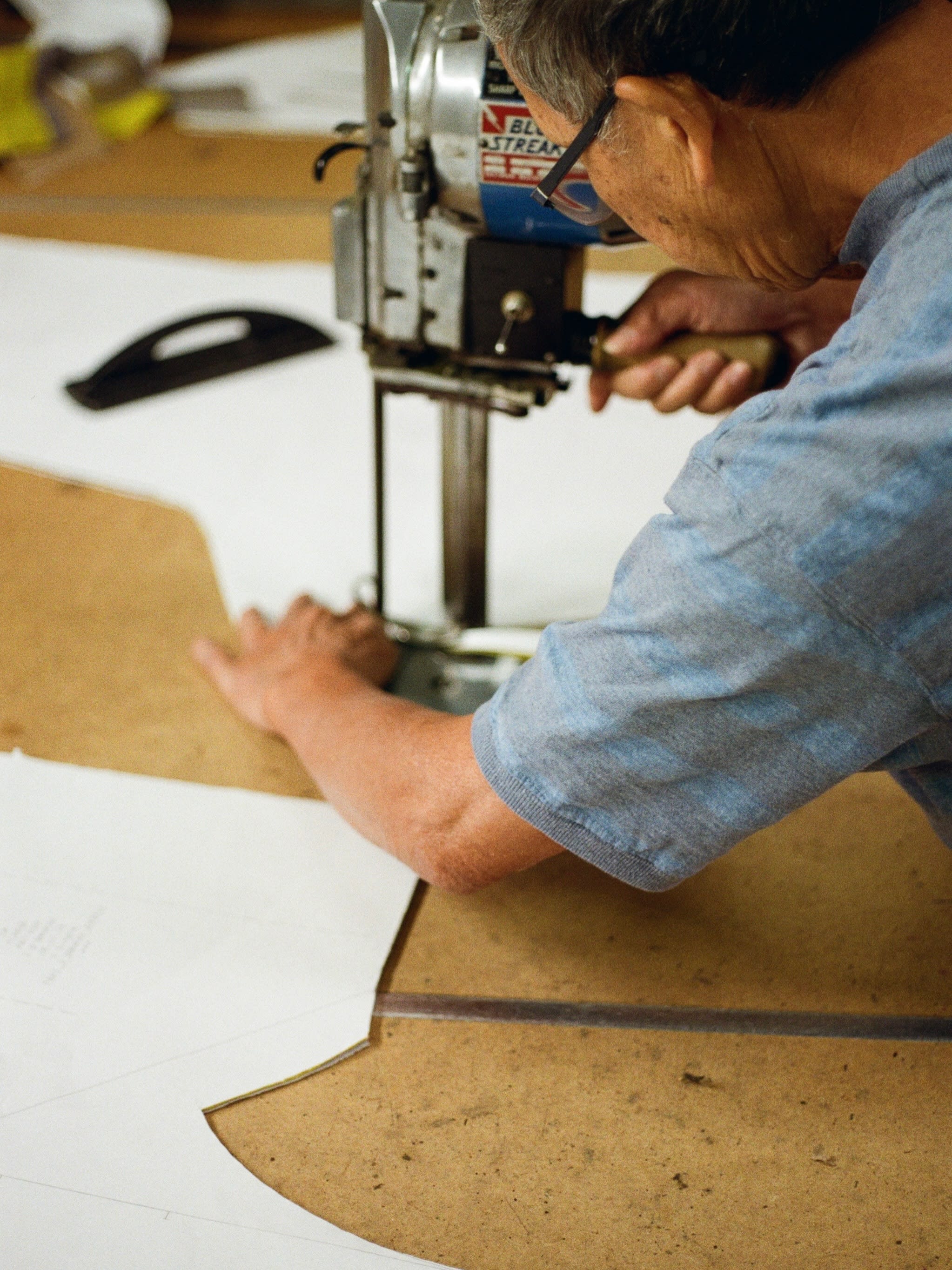
Photo: tèmi
This proximity has implications beyond geography. A designer can work more closely with a patternmaker. Construction challenges can be addressed in person, with the people actually sewing the garment. Quality control becomes an ongoing conversation rather than a final inspection after a shipment arrives from overseas.
The brand also emphasizes paying skilled makers fair California wages, treating manufacturing expertise as a central part of the product's value rather than simply a cost to be minimized.
None of this makes local production inherently superior to overseas manufacturing. Some of the world's most accomplished technical apparel factories operate in Asia and Europe, and manufacturing quality ultimately depends on expertise, equipment, and execution rather than nationality. What tèmi's model offers is something different: a shorter distance between intention and execution, and a reminder that the supply chain itself can be part of a product's design.
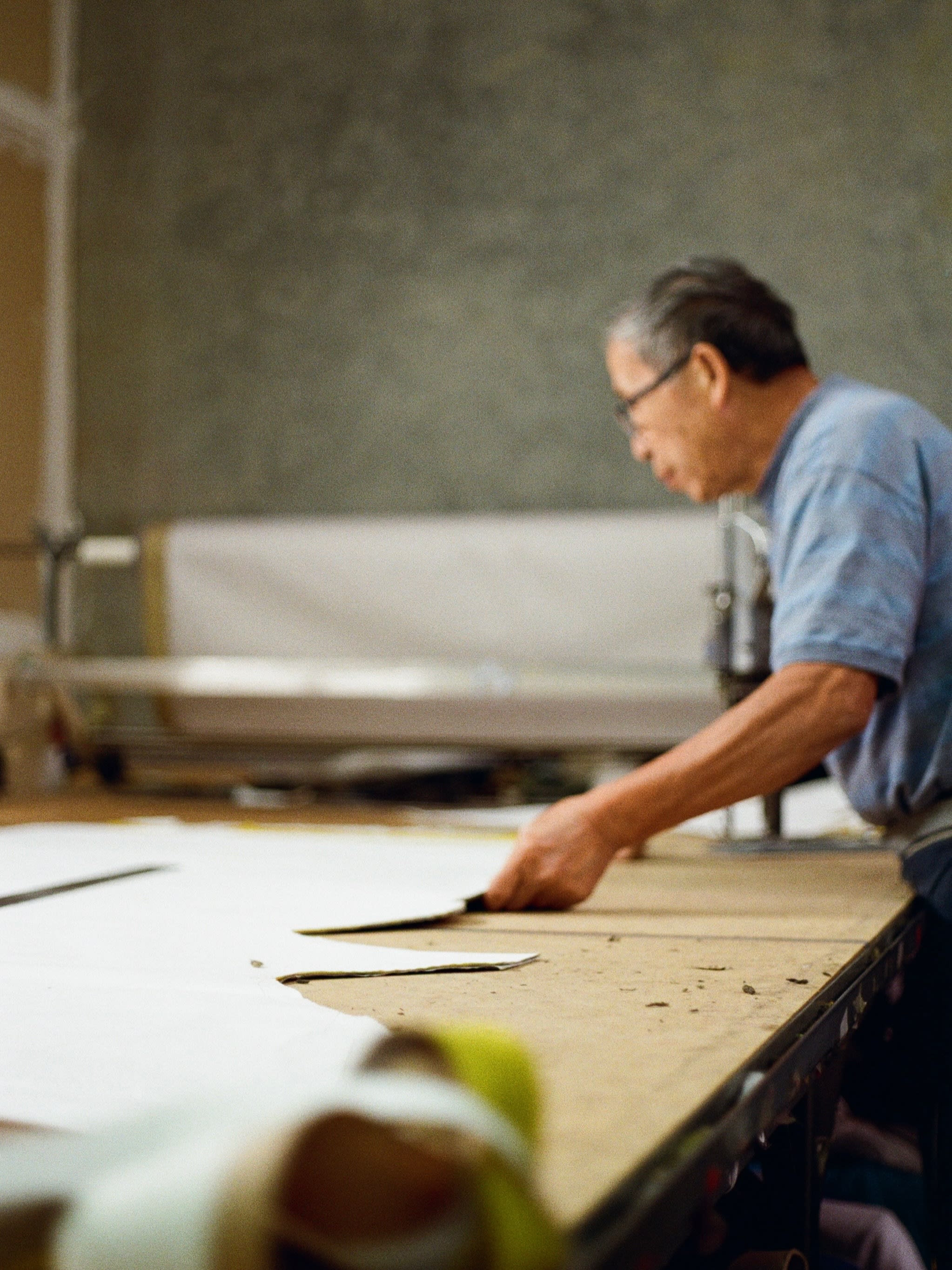
Photo: tèmi
One Pattern, Two Approaches to Performance
The clearest expression of tèmi's philosophy is its Anorak 2.0. Rather than creating an extensive range of jackets for narrowly defined activities, the company has developed two versions around a shared pattern.
The Cocoon, presented in translucent white, uses NetPlus recycled fishing-net material and 850-fill goose down. The Technical, finished in a saturated field yellow, incorporates a Dimpora Bio Shield waterproof-breathable membrane alongside recycled materials and down insulation. Both are intended to move between alpine environments and everyday life — the kind of garment that performs on a ridgeline and still makes sense on a Tuesday morning.
The choice of materials is significant. Recycled fishing-net fibers address one part of the industry's dependence on virgin synthetic resources, giving a second life to materials that would otherwise accumulate in oceans and landfills. Down remains a compelling insulation material because of its warmth-to-weight ratio, compressibility, and long service life when properly cared for.
Dimpora's membrane technology introduces another dimension: the search for waterproof-breathable performance without the conventional reliance on PFAS chemistry. The company describes its Bio Shield membrane as bio-based and produced without PFAS or solvents — a quiet but substantial departure from the industry standard, at a moment when regulators and consumers are both beginning to look more closely at what, exactly, keeps a jacket dry.
These material choices do not eliminate the environmental impacts of making technical clothing. Down, synthetic textiles, membrane manufacturing, and garment finishing all carry their own trade-offs. But they demonstrate how a small company can approach material selection as a series of deliberate compromises rather than an exercise in maximizing a single performance metric.
There is also a visual confidence to the Anorak 2.0. Its shape and construction make it recognizable without depending on oversized logos or aggressive technical styling. The translucent white and saturated yellow finishes give the garments a distinct identity, while the shared pattern suggests an interest in refining one design over time rather than continually replacing it.
The production model reinforces that restraint. Tèmi describes its second batch as a limited run of 60 individually numbered garments. At a time when scarcity is frequently manufactured as a marketing device, tèmi's limited quantities reflect a more tangible constraint: the capacity and economics of making technically complex garments through a small local production network.
The Material Has a History
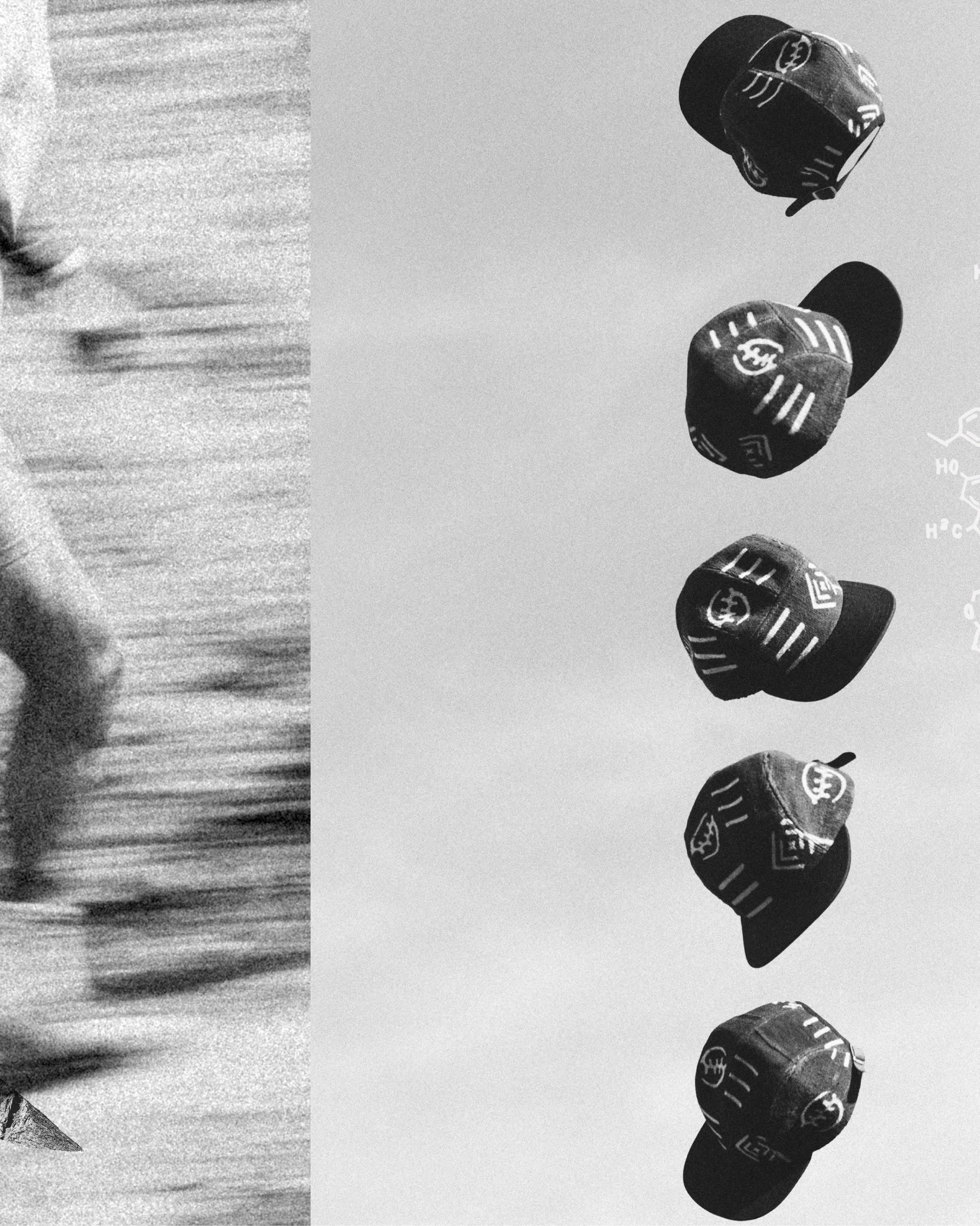
Photo: tèmi
While technical outerwear is the brand's most immediately recognizable expression, tèmi's Origins collection reveals another side of Patterson's interests. The collection is structured less like a conventional apparel release and more like a materials study — an exhibition, almost, with garments as the exhibits.
Its first edition includes ten one-of-one hats made with heritage West African textiles, alongside small runs of T-shirts and bandanas using reclaimed cotton and biochar-based printing.
The hats incorporate bōgōlanfini, a textile tradition most closely associated with Mali, in which cotton is woven and dyed through processes involving plant extracts and fermented mud. Unlike industrial textiles engineered for absolute consistency, these fabrics carry variations that emerge from the hands, materials, and processes used to create them. Each one is, in a literal sense, unrepeatable.
Tèmi transforms the cloth into contemporary headwear while explicitly acknowledging the textile tradition from which it comes. The hats were made by Andrew Wilson in Detroit, extending the brand's interest in skilled independent makers beyond its California outerwear network.
The accompanying graphics function almost like research notes. References to the Sangre de Cristo Mountains connect Patterson's upbringing in New Mexico to his experiences climbing in the region. Other elements trace the origins of bōgōlanfini, the plants involved in traditional dyeing, and the chemistry of biochar.
The biochar ink is particularly revealing. Derived from reclaimed wastewater organics, it connects the collection to Patterson's scientific interests in carbon utilization and waste-to-material systems — the idea that the byproducts of one process might become the raw materials of another.
A bandana becomes a way to discuss material recovery. A hat becomes an introduction to textile history. A graphic becomes a record of geography and process. Rather than presenting sustainability through a familiar aesthetic of muted earth tones and natural textures, tèmi attempts to make the history of an object part of the experience of owning it.
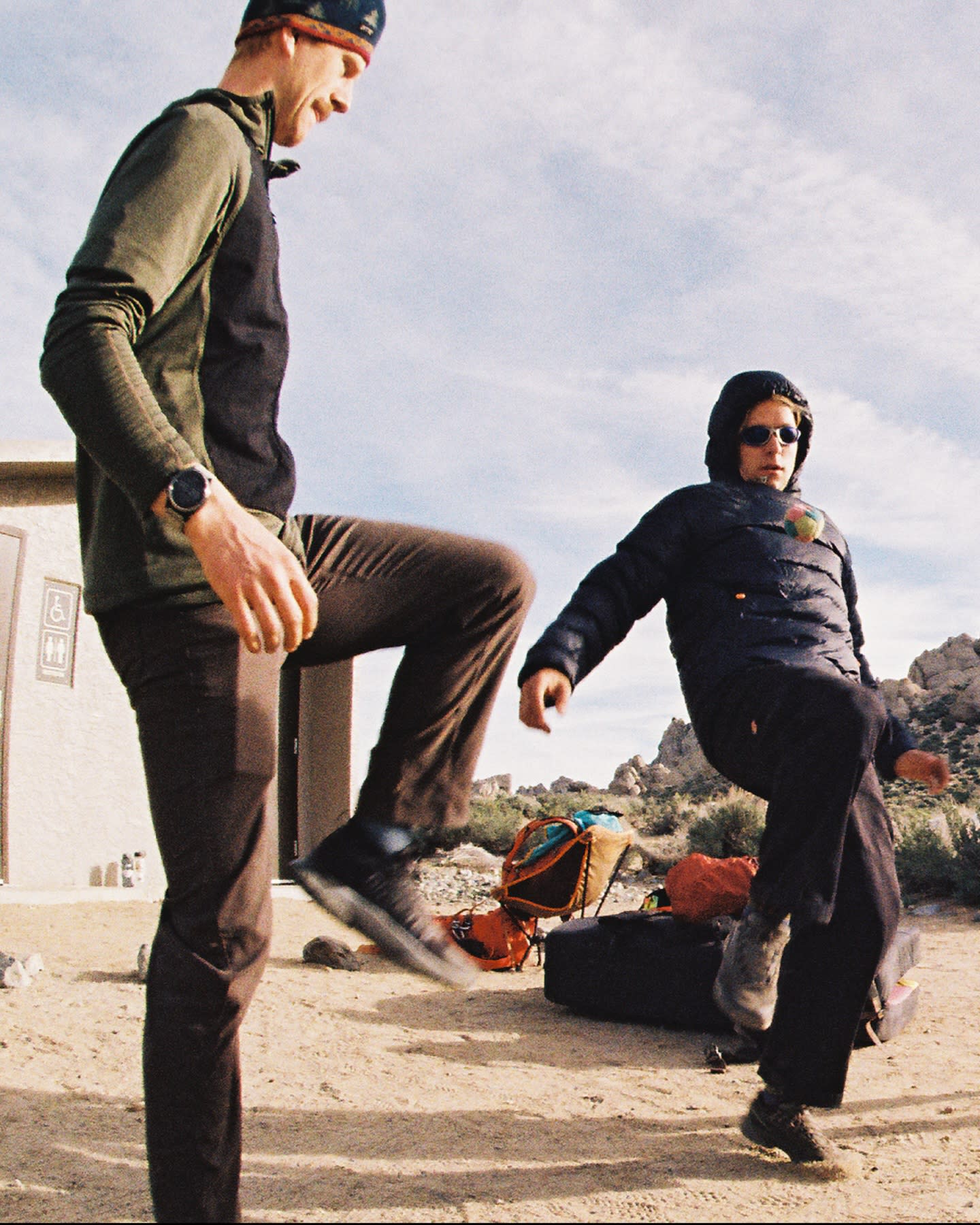
Photo: tèmi
What Does It Mean to Own Something?
There is a personal dimension to the brand's name. Tèmi comes from Yorùbá, where it means "mine" or "belonging to me." It is also the name of Patterson's German shorthaired pointer, whose name was inspired by the Nigerian musician Tems.
That combination of linguistic meaning and personal history is fitting for a company concerned with the relationships people develop with objects.
In the conventional apparel business, ownership begins at the point of purchase. A customer selects a product, pays for it, wears it, and eventually replaces it. Tèmi proposes a longer relationship, one in which garments are intended to be durable and repairable, remaining with their owners for as long as possible.
This is a familiar principle within outdoor culture, where well-used jackets, repaired backpacks, and resoled boots often acquire meaning through the experiences they accumulate. But tèmi extends that idea backward, toward the garment's creation.
What if the relationship begins not when someone first wears a jacket, but when they understand the people who made it? What if a garment's provenance becomes as meaningful as the places it eventually travels?
There is a useful tension here. Individually numbered garments and limited editions can encourage collecting and exclusivity, while durability and repairability suggest everyday use rather than preservation. Tèmi's challenge is to make sure its products are worn hard enough to justify the care invested in producing them.
The strongest expression of its philosophy will not be a perfectly preserved jacket in a collector's archive. It will be one that has accumulated years of use, repairs, and personal history — scuffed at the cuffs, faded at the shoulders, still in rotation.
A Different Measure of Scale
The outdoor industry has long associated success with expansion. More categories, more distribution, more markets, more seasonal releases. Even independent brands that begin with a singular product often face pressure to broaden their assortment as they grow.
Tèmi's model raises an interesting alternative. If a company is built around a small network of highly skilled makers, what happens when demand exceeds their capacity? Does it expand production geographically, add manufacturing partners, increase prices, accept longer lead times, or deliberately remain small?
These are not abstract questions. Local manufacturing, limited production, specialized materials, and fair wages create real economic constraints. A technical anorak priced in the hundreds of dollars is not accessible to every outdoor enthusiast, regardless of how thoughtfully it is produced.
And a small manufacturing footprint does not automatically translate into a smaller environmental footprint. Material sourcing, transportation, product longevity, energy use, and end-of-life considerations all matter, and none of them are solved by proximity alone. The case for tèmi ultimately rests on whether its approach creates lasting value for the wearer, the maker, and the product itself.
That value is harder to communicate than a waterproof rating or a fill-power number. It requires customers to care about things they cannot necessarily see when trying on a jacket.
But it also points toward a potentially important future for independent outdoor brands. Rather than attempting to compete with established companies on assortment, advertising budgets, or global distribution, a small label can build its identity around decisions that larger organizations may find difficult to replicate.
Not simply a distinctive aesthetic, but a distinctive way of making things.
Beyond the Technical Specification
Outdoor apparel has become exceptionally good at explaining what products do. We know how much they weigh, how much water pressure their membranes can withstand, how efficiently their insulation traps heat, and how small they pack.
We know considerably less about the human systems that make those achievements possible.
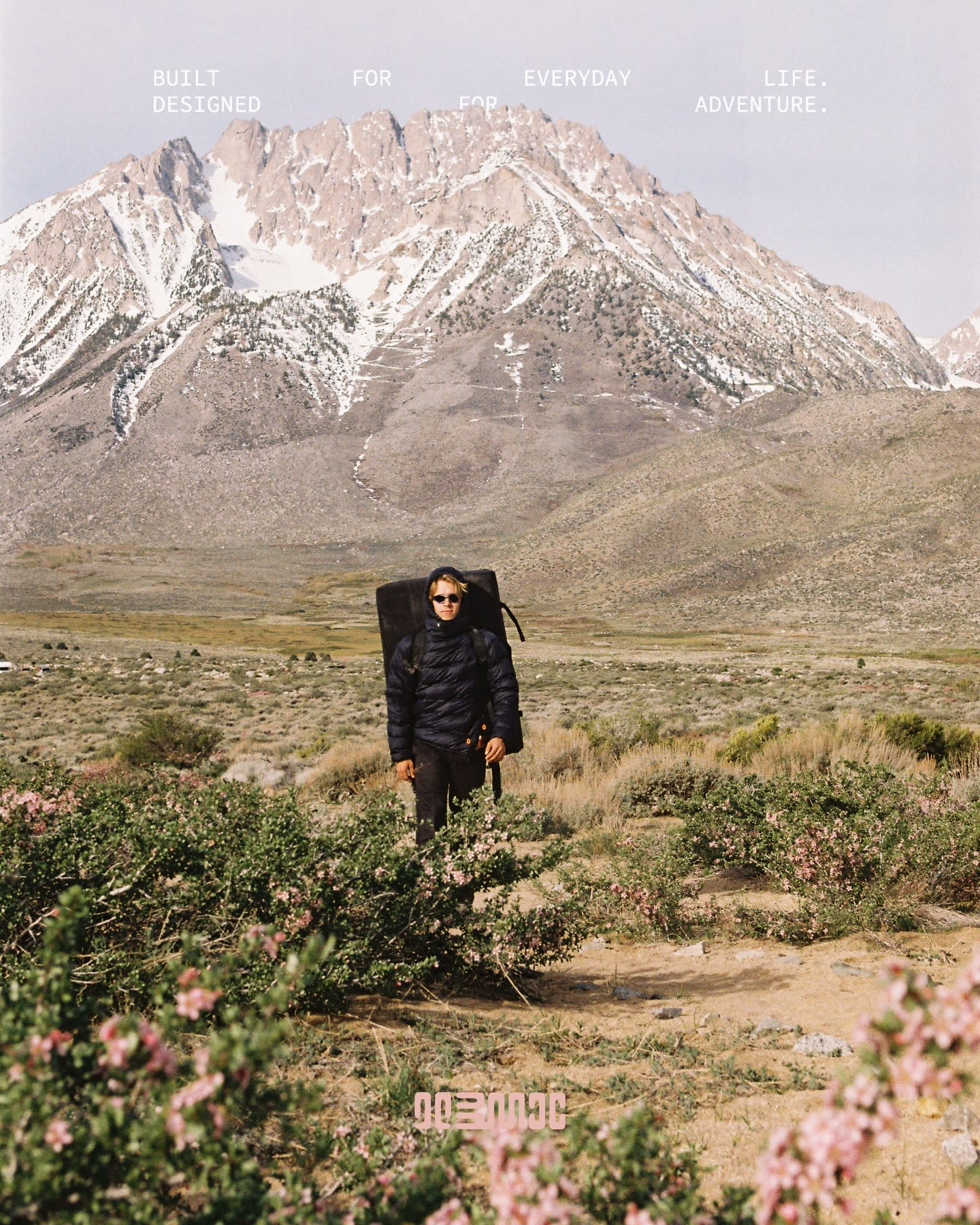
Photo: tèmi
Tèmi is interesting because it refuses to separate the two. Its jackets are technical objects, but they are also the result of relationships between a materials scientist, patternmakers, sewing specialists, textile suppliers, and the people who eventually wear them.
Its materials are chosen for performance, but also for the histories and consequences they carry. Its limited production runs are a constraint, but also a way of maintaining proximity to the manufacturing process. Its name is a statement about ownership that applies as much to the maker as to the buyer.
None of these ideas is entirely new. Small outdoor manufacturers, independent makers, and repair-focused brands have practiced versions of them for decades. What makes tèmi distinctive is the way Patterson brings them together through the perspective of a materials scientist, connecting advanced technical fabrics with local craftsmanship and a broader curiosity about cultural and material history.
The result is an outdoor brand that seems less interested in producing the next essential piece of equipment than in reconsidering what makes a piece of equipment worth owning in the first place.
In an industry where progress is usually measured by what gets added to a garment, tèmi suggests that progress might also come from shortening the distance between the people who make it and the people who wear it. And from remembering that even the most technical jacket is, ultimately, something made by human hands.
No products available.
Shop tèmi on Weekends today.
Related Articles
November 14, 2026
The Great Outdoor Unbundling
Why outdoor shoppers are mixing specialist brands — Hyperlite, Senchi, NNormal, Yamatomichi, Satisfy and more — instead of buying everything from one label.
Read →
November 11, 2026
Shane Wallace on Why Culture Is Harder to Scale Than Commerce
Shane Wallace reflects on Active Ride Shop, skate culture, legacy brands, and the challenge of balancing authenticity, community, and commercial growth.
Read →
November 3, 2026
Maurizio Donadi on the Value of What Already Exists
Transnomadica founder Maurizio Donadi joins WeekEnds WeekDays to discuss vintage clothing, creative freedom, fashion archives, and the future of retail.
Read →