The Art of Playing Slowly: Yuichi Uchida on Snow Peak and a Different Way to Be Outdoors
by WeekEnds
In this episode of WeekDays, we sit down with Yuichi Uchida, Chief Brand Officer at Snow Peak USA, to explore the Japanese relationship with nature, the emotional value of well-designed objects, and the contradictions of building an outdoor business around the idea that we might all need a little less.
The American outdoor industry has long been preoccupied with the language of achievement. Go further. Move faster. Climb higher. Carry less. From ultralight backpacking to technical mountaineering, much of the equipment we surround ourselves with is designed to help us overcome the limitations of our bodies and the environments we enter.
Snow Peak offers a different proposition: slow down, bring your friends, cook a meal, build a fire, and stay awhile. For Yuichi Uchida, Chief Brand Officer at Snow Peak USA, this distinction isn't a criticism of American outdoor culture. It represents another way of understanding what time outdoors can offer us — and, perhaps, a reminder of something we have gradually forgotten.
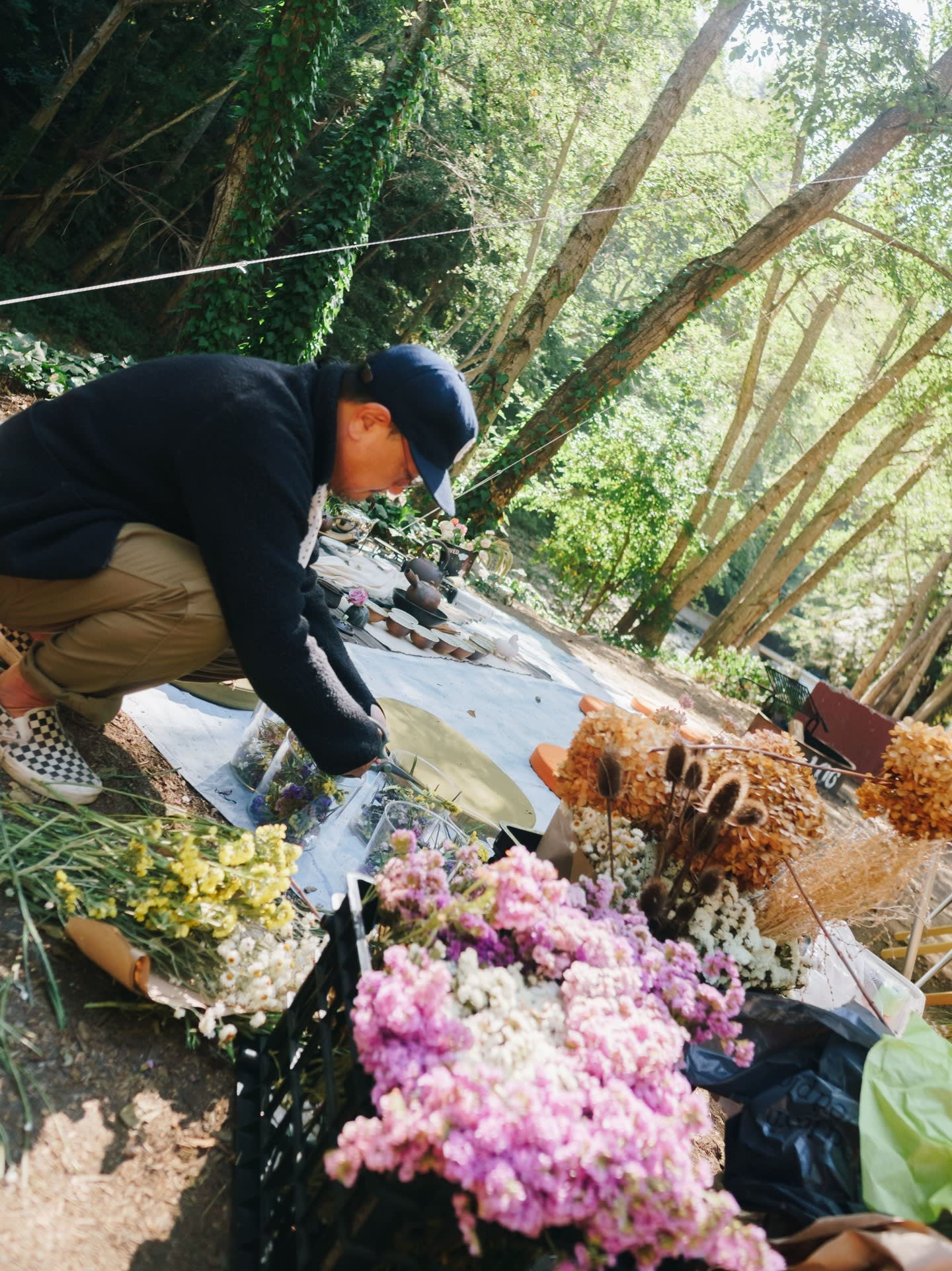
Photo: Snow Peak
In our latest episode of WeekDays, we spoke with Uchida about the intersection of Japanese culture, industrial design, hospitality, consumerism, and the increasingly complicated relationship between modern life and the natural world. What began as a conversation about camping became a conversation about how to live.
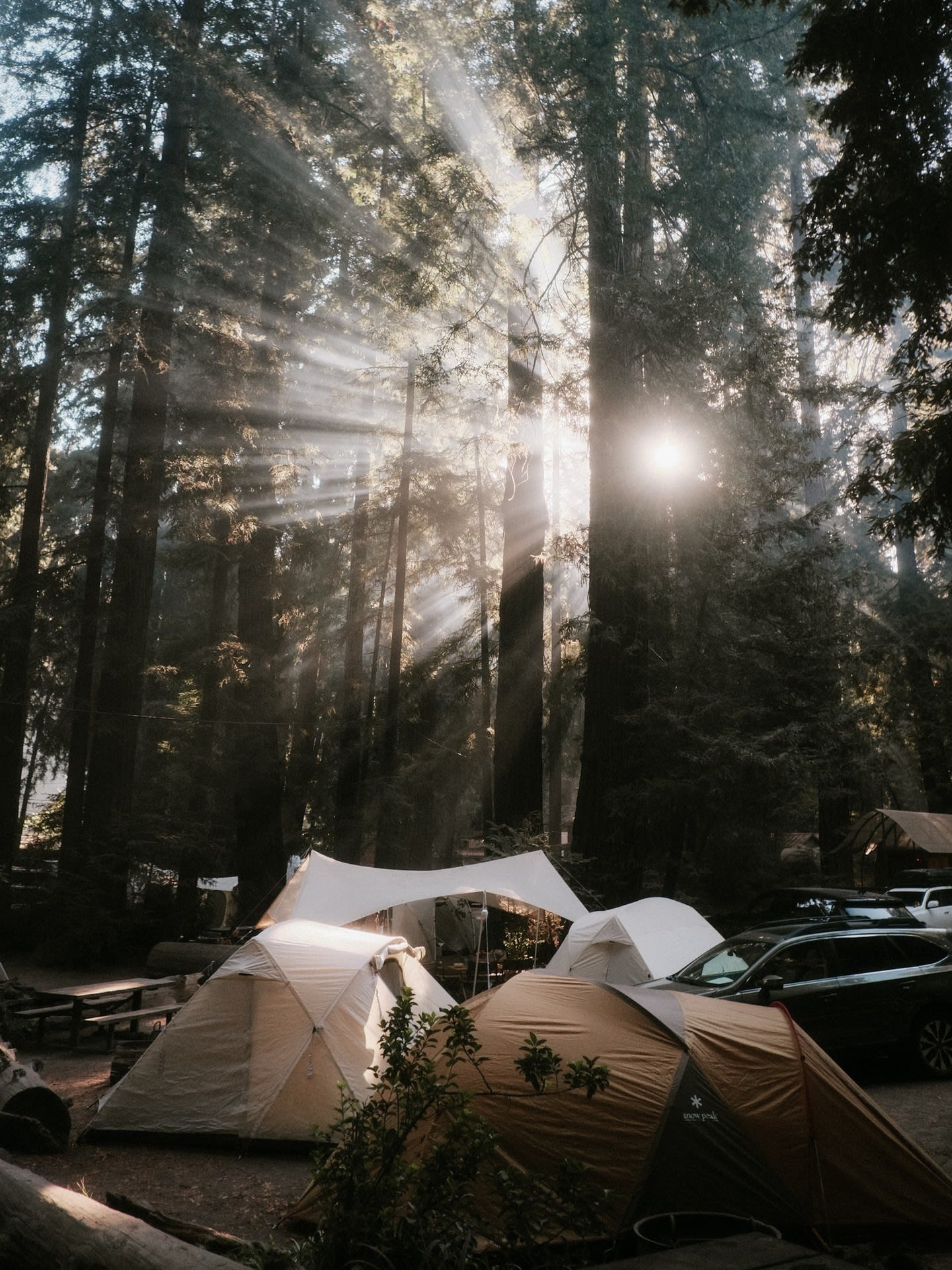
Photo: Snow Peak
When Nature Is the Main Character
Uchida grew up in Nagano, Japan, surrounded by mountains and with an appreciation for camping and fishing. When he moved to New York roughly three decades ago to pursue a creative career, that relationship with nature became more difficult to maintain. It was through camping with American friends — and, eventually, rediscovering the outdoors in the Catskills — that he began to recognize how culturally specific his own understanding of nature had been.
He describes a philosophical distinction between entering nature as a place in which to challenge oneself and entering it as a place to which one already belongs.
Nature is the main character.
In his interpretation of the Japanese relationship with the natural world, humans are not separate from nature. The forest is not necessarily a destination, the mountain is not an obstacle, and the river is not something to conquer. They are environments in which we can recover a sense of belonging.
This doesn't diminish the value of endurance, exploration, or technical accomplishment. Uchida himself admires aspects of American outdoor education and the traditions of fly fishing that he discovered in New York. But it raises an interesting question about the degree to which contemporary outdoor culture has become an extension of the very world we are trying to escape. We leave our offices, our schedules, and our screens behind, only to bring with us the same obsession with optimization, measurable progress, and personal achievement. Perhaps one of the most radical things we can do outdoors is nothing particularly impressive at all.
Noasobi and the Rediscovery of Play
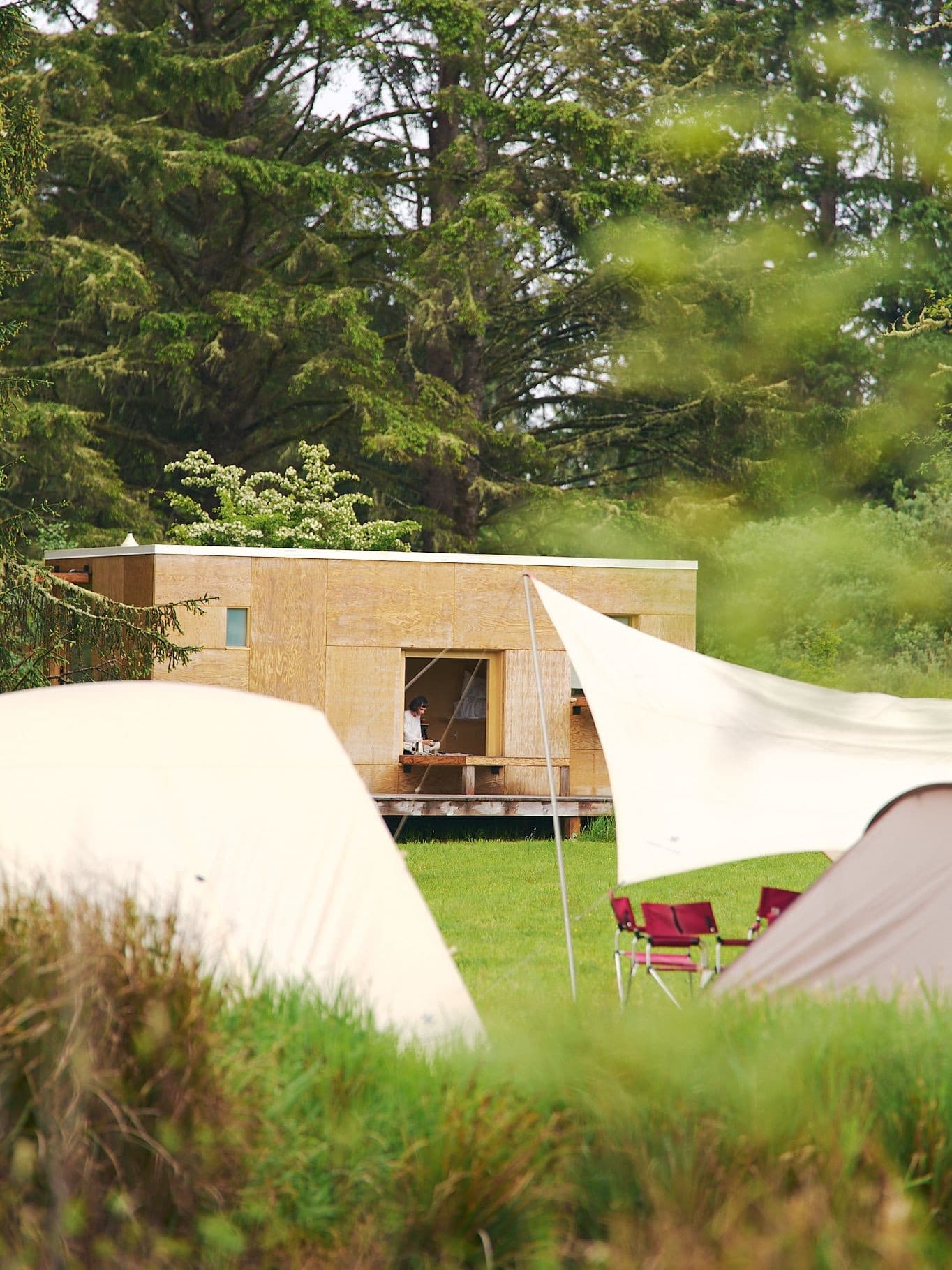
Central to Snow Peak's philosophy is the Japanese concept of Noasobi (野遊び) — the act of playing in nature. For Uchida, the word carries a certain nostalgia. It evokes childhood memories of running through mountains and hills without a predetermined objective, before time outdoors became something to schedule, measure, or justify.
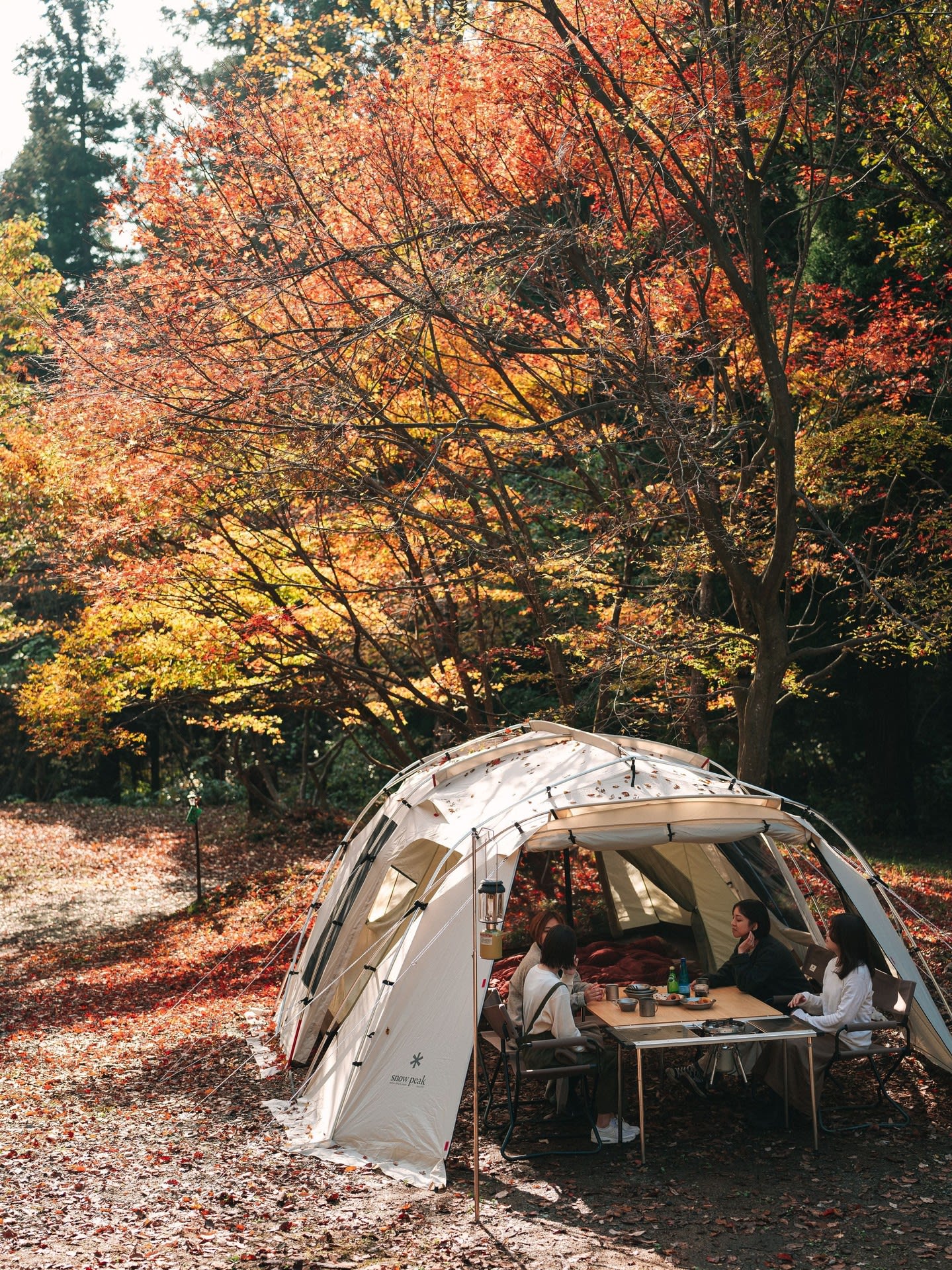
Snow Peak's interpretation of Noasobi is particularly relevant to urban dwellers who have gradually become disconnected from that experience. Importantly, it doesn't require traveling somewhere extraordinary. Uchida believes that an authentic relationship with nature can exist even in the middle of New York City. It might be found in the changing colors of leaves along a sidewalk, the movement of clouds between buildings, or the simple act of sitting outside with a heightened awareness of one's surroundings.
He compares it to the mindset associated with meditation or yoga. The quality of the experience depends as much on our attention as it does on our geography. Nature is not necessarily somewhere else; sometimes, we have simply stopped noticing it.
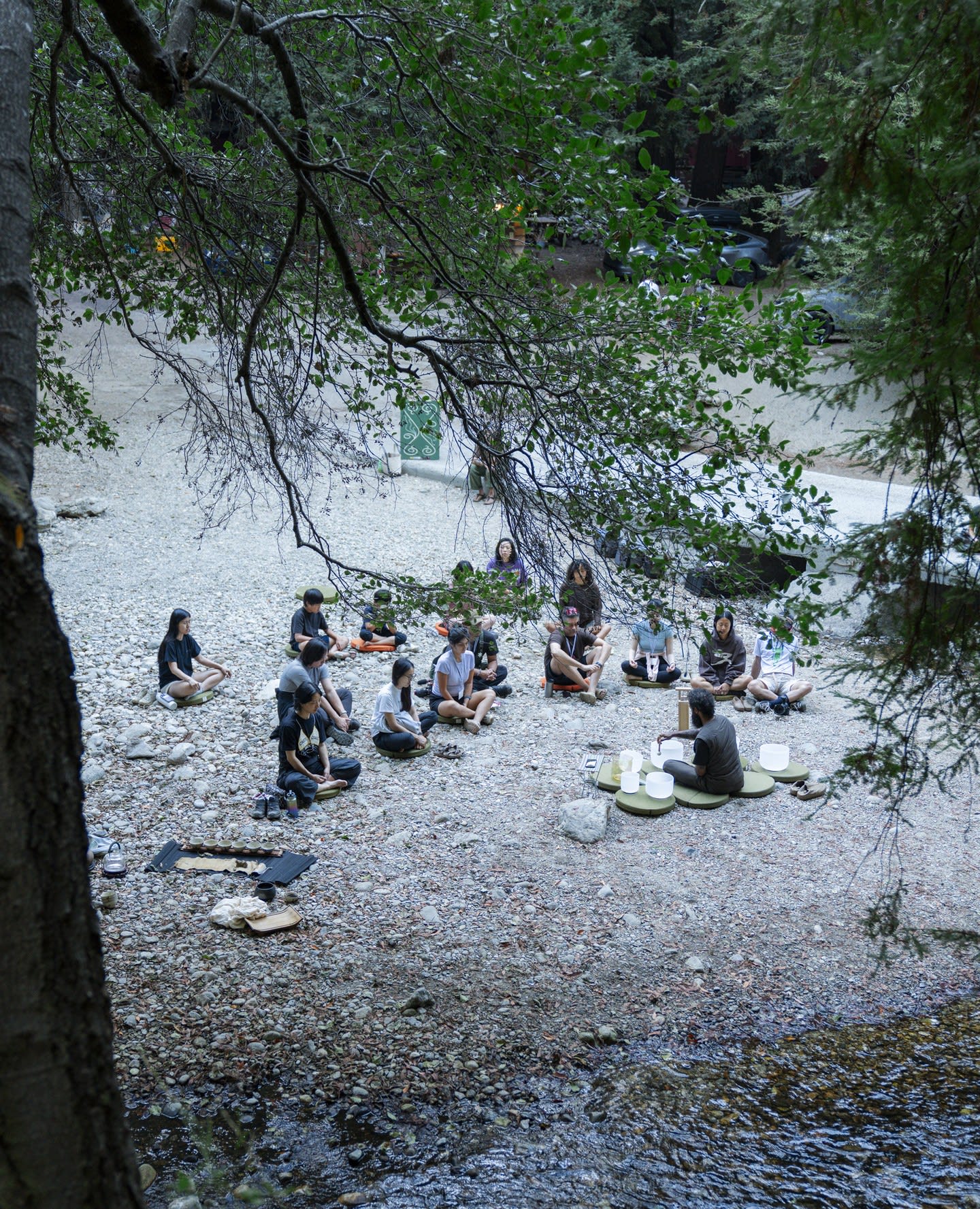
Photo: Snow Peak
Camping as an End in Itself
During Snow Peak's efforts to better understand the American market, Uchida and his team uncovered a particularly revealing cultural distinction. In their discovery sessions, the three leading activities associated with camping in the United States were hiking, swimming, and biking. In Japan, they were cooking, stargazing, and forest bathing.
For many Americans, camping is the infrastructure that enables another activity. The campsite is a place to sleep before tomorrow's hike, ride, or climb. In the style of camping that Snow Peak champions, the campsite itself is the destination. Preparing a meal, having a conversation, and watching the stars are not incidental moments between activities; they are the activities themselves.
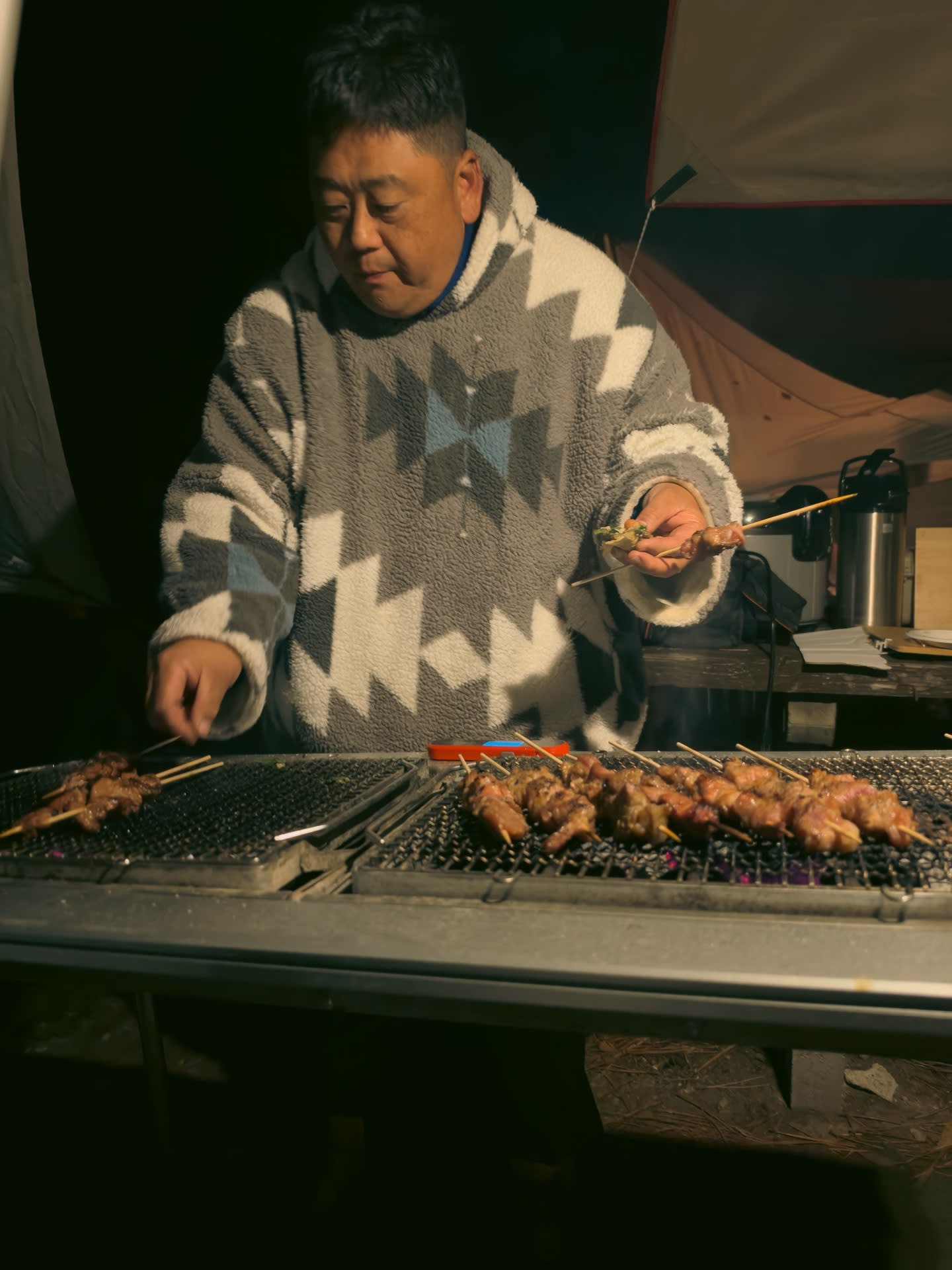
Photo: Snow Peak
From a commercial perspective, this creates an interesting challenge. It is relatively easy to develop and market equipment around the measurable demands of mountain biking or trail running. But how do you sell equipment for stargazing? How do you design a product around the pleasure of an unhurried conversation?
For Snow Peak, the answer is comfort. Its chairs, tables, shelters, cooking systems, and fire pits collectively create something closer to an outdoor living room. They are designed not simply to help people endure the outdoors, but to make spending extended periods of time there genuinely desirable. Comfort, in this context, is not the absence of adventure. It is an invitation to participate.
The Functional Beauty of Everyday Objects
Few outdoor companies have developed a design language as recognizable as Snow Peak's. A titanium mug, a folding chair, or a stainless-steel fire pit can often be identified without the presence of a logo. There is a visual consistency across its products that feels closer to industrial design or architecture than to conventional outdoor equipment.
Uchida, whose professional background is in graphic design, describes this quality as functional beauty. Even the handle of a mug can embody a relationship between utility, proportion, material, and visual restraint. The object doesn't need to announce its capabilities; its design communicates them.
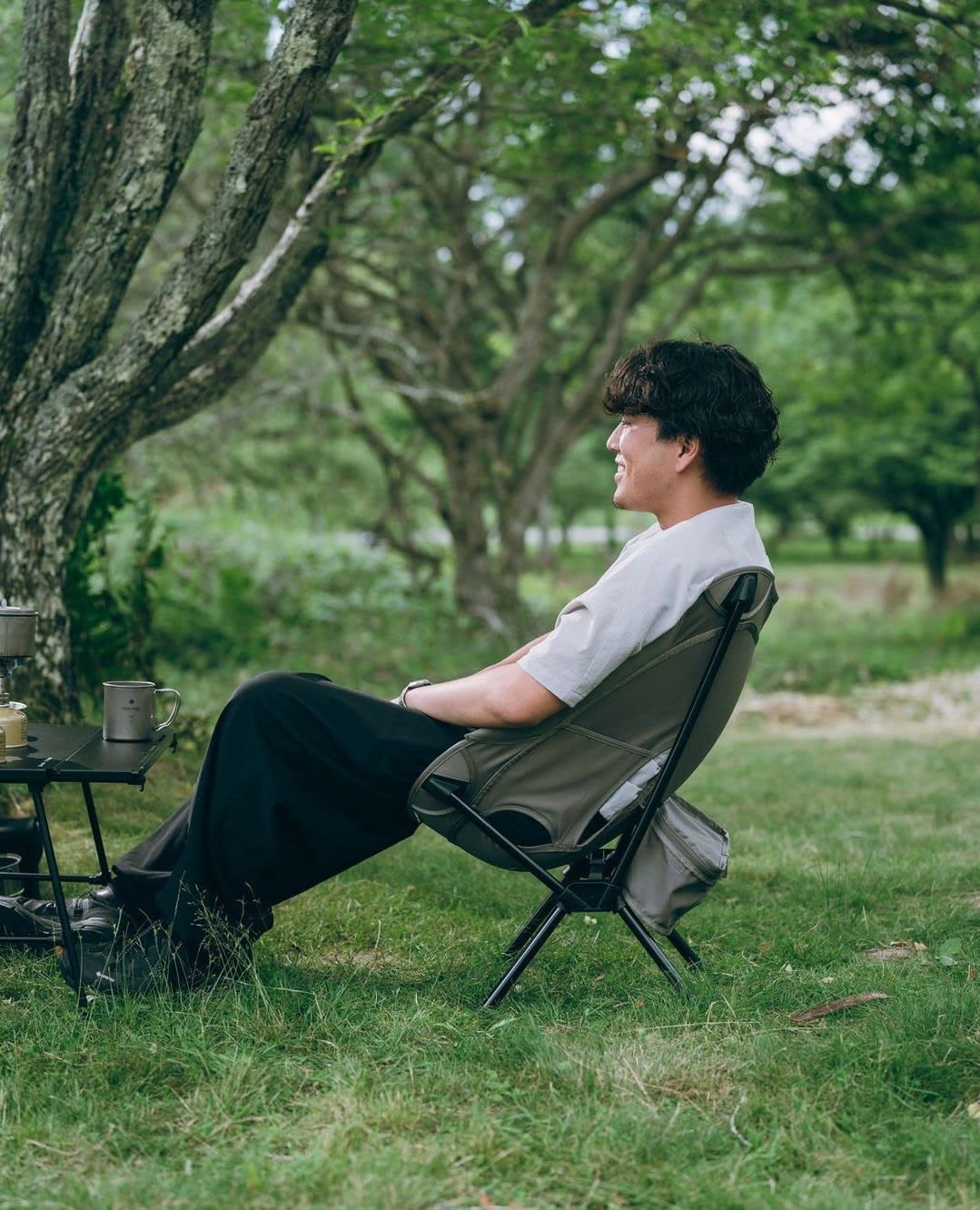
Photo: Snow Peak
This is perhaps why Snow Peak products so easily transcend their intended environments. A camping chair can become a piece of living room furniture. A lantern can illuminate a dinner table. A titanium mug can become part of someone's morning routine, regardless of whether they are waking up in a tent or an apartment.
But their appeal extends beyond aesthetics. Uchida describes how his own titanium mug evokes memories of camping. His daughter, who shares his enthusiasm for the outdoors, uses one for similar reasons. His wife, who does not share the same connection to camping, has little interest in using one at home.
The material and functionality of the mug are identical in each instance. What differs is the emotional association. For Uchida and his daughter, the object becomes a small, portable reminder of an experience they value. It is an interesting explanation for how certain utilitarian products evolve into cultural objects. Their value is no longer determined exclusively by what they do, but by what they allow us to remember.
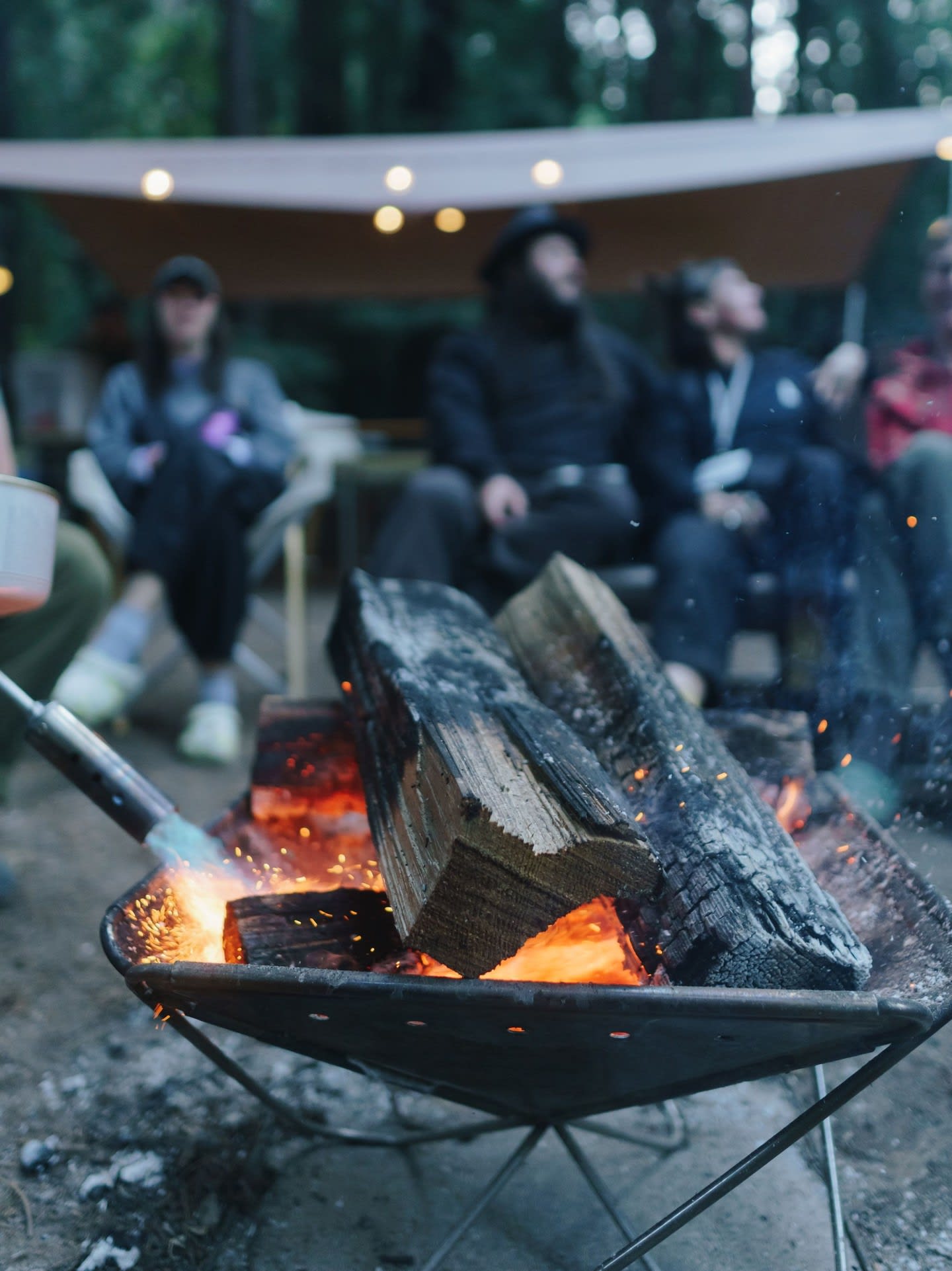
Photo: Snow Peak
Designing for the Next Generation
At the time of our conversation, Snow Peak's Takibi Fire & Grill was celebrating its 30th anniversary. Among the stories the company had been collecting were those of younger campers using fire pits inherited from their parents. The same piece of equipment that once brought one generation together around a fire was now doing the same for another.
Snow Peak's longstanding commitment to repair and lifetime warranties reflects an ambition to create products capable of surviving these transitions. This represents a fundamentally different relationship with product ownership from the one encouraged by much of contemporary consumer culture. When we expect to replace something in two years, we interact with it differently than when we expect to own it for twenty. The possibility of repair changes how we perceive damage, while the possibility of inheritance changes how we perceive ownership. An object becomes something we maintain rather than something we merely consume.
There is, however, an inherent contradiction in building a growing consumer business around products that rarely need replacing. Uchida acknowledges it openly. Snow Peak still needs to sell products, generate revenue, and sustain its operations. Durability is a philosophical commitment, but the company is not immune to the commercial realities of the outdoor industry.
The brand faces another contradiction in the collecting culture that has developed around its equipment. While collecting can be an expression of appreciation for good design, Uchida would rather see those objects being used. A beautifully engineered piece of camping equipment that never leaves its packaging may represent a successful transaction, but it has arguably failed to fulfill its intended purpose. For a brand built around the restorative qualities of time outdoors, the ultimate measure of a product's success should extend beyond the point of purchase.
A Company That Didn't Believe in Marketing
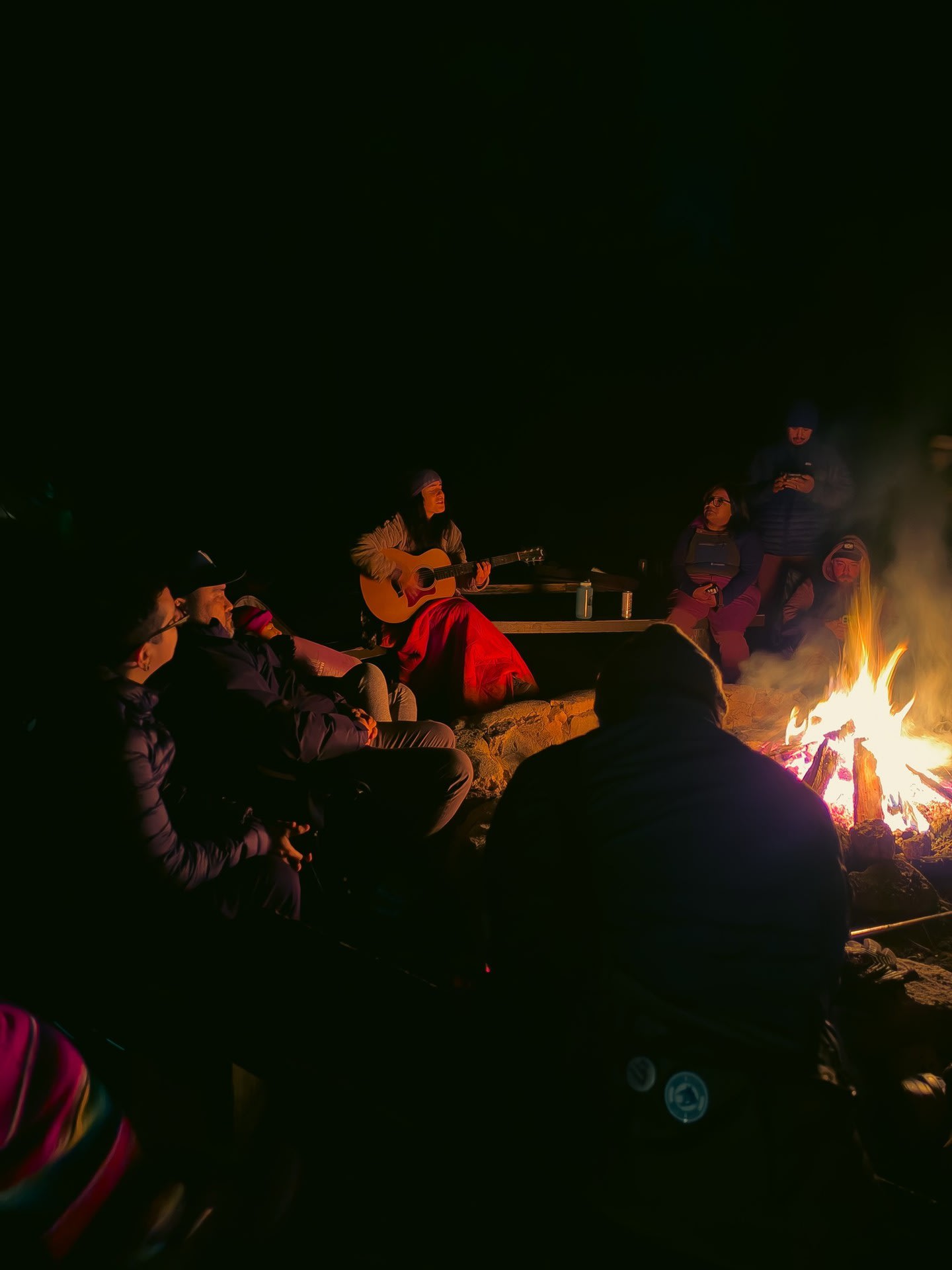
When Uchida joined Snow Peak, he encountered an unusual corporate philosophy. There were no formal brand guidelines, no established marketing department, and a CEO who publicly expressed that the company did not do marketing. The reasoning was equally unusual: Snow Peak didn't view its customers as a market, but as a community of camping friends.
For Uchida, who had spent years working in advertising and creative agencies, this presented both a challenge and an opportunity. The task was not to introduce conventional sales promotion into the organization, but to develop a way of communicating the company's philosophy to people who had not yet encountered it. Marketing, in this interpretation, was less about creating demand than finding more people with whom to share an experience.
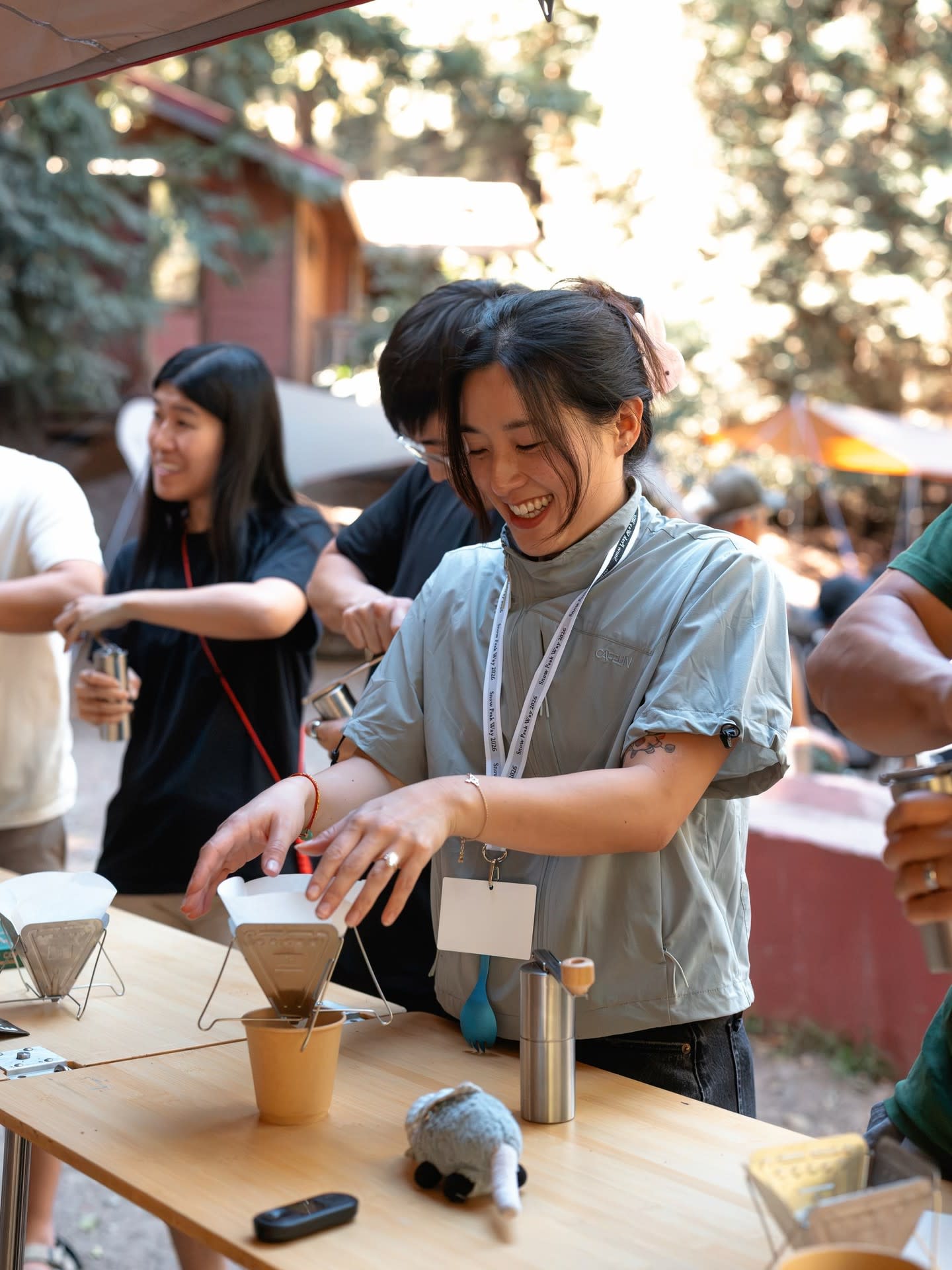
Photo: Snow Peak
It is a distinction that has become increasingly relevant in an industry where brands routinely use the language of community to describe what are effectively audiences. An audience can be acquired through advertising, but a community requires participation, shared experiences, and relationships that exist independently of a transaction.
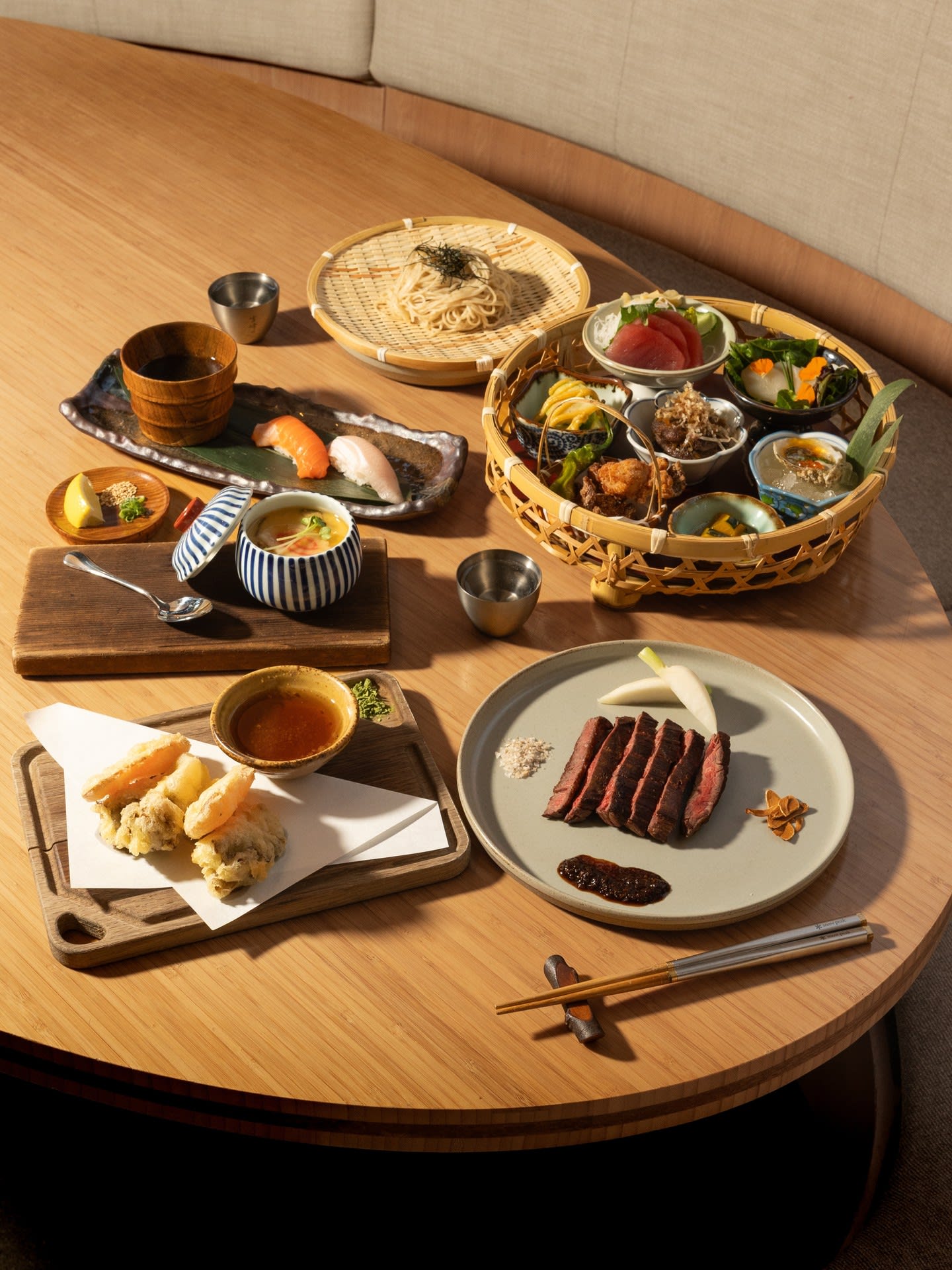
Snow Peak's expansion beyond traditional product categories is a natural extension of this philosophy. Its retail spaces, Takibi restaurant in Portland, Campfield in Long Beach, Washington, and community camping events are not simply alternative channels through which to sell equipment. They provide environments in which the company's ideas can be experienced directly.
As Uchida explains, it is difficult to communicate an unfamiliar style of camping without actually showing people what it feels like. The Campfield is particularly interesting in this respect. Its attention to cleanliness, comfort, and the design of shared facilities challenges the assumption that an authentic outdoor experience must involve a certain degree of suffering. A clean bathroom or a hot shower might seem like an insignificant detail to an experienced outdoorsperson. To someone who has never camped before, however, it could be the difference between feeling intimidated and feeling welcome.
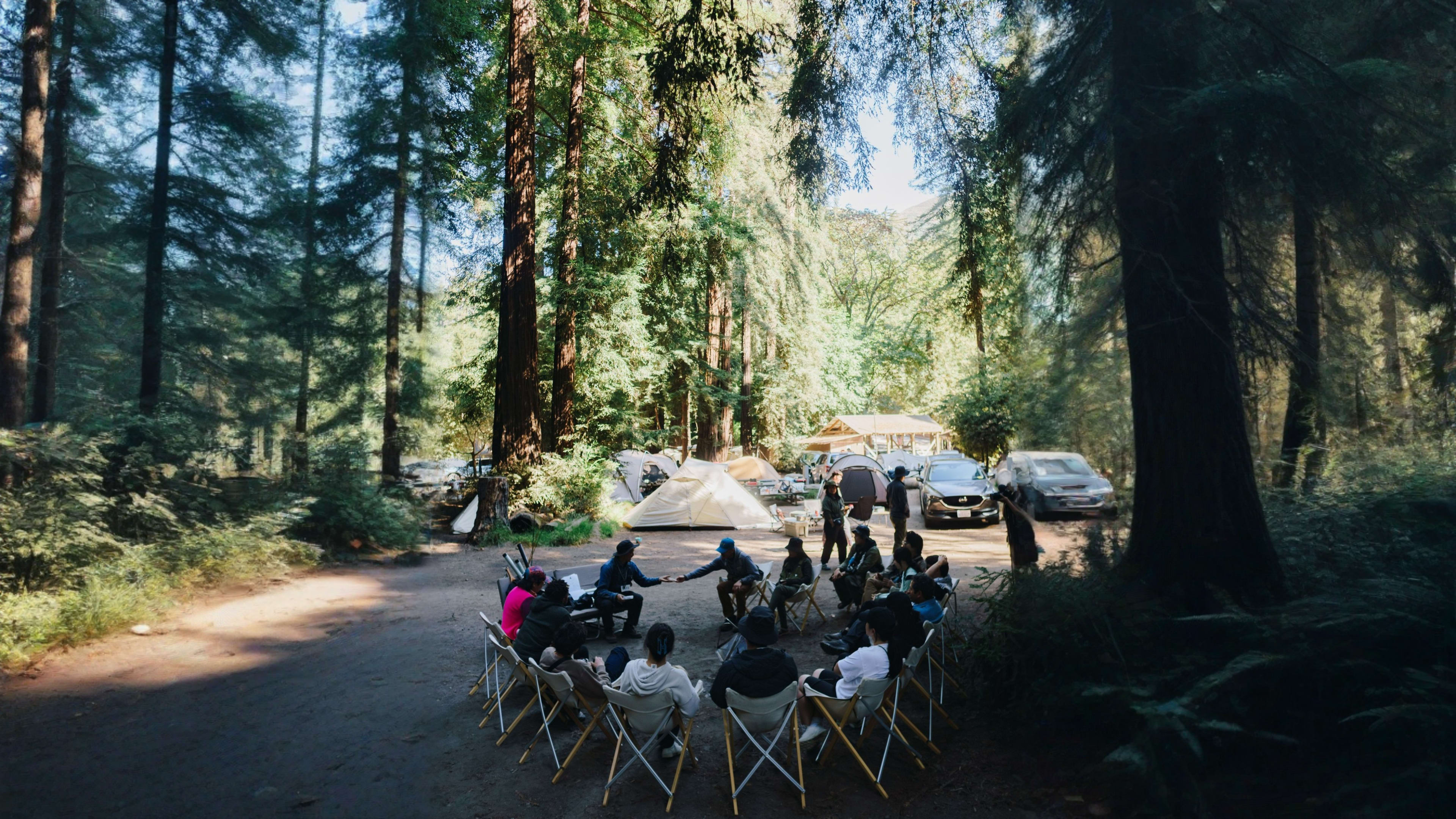
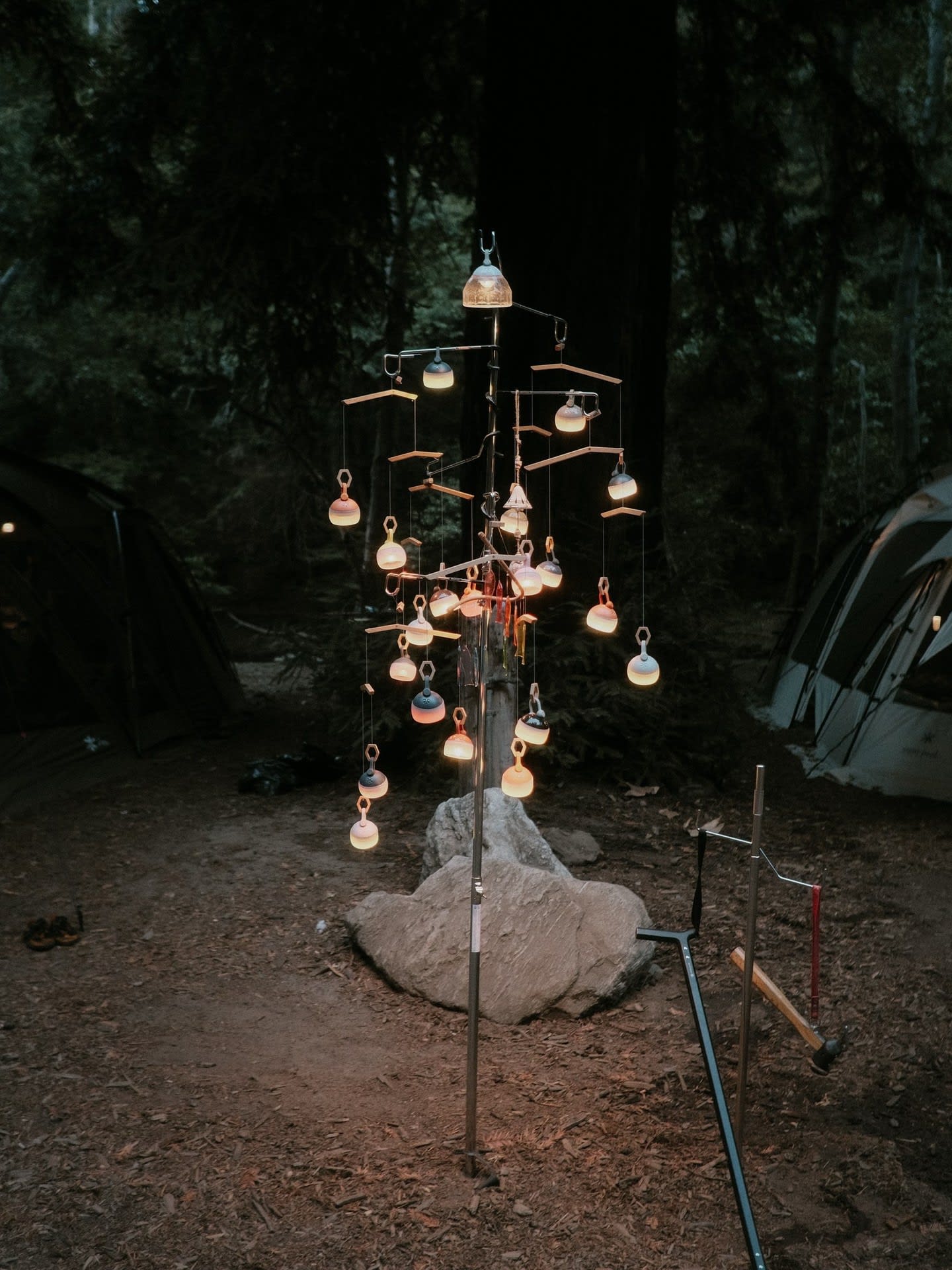
Snow Peak describes its role in these experiences as that of a generous host. Uchida recounts how relationships formed during camping events have developed into genuine friendships. Customers have become people who stay at his family's apartment when visiting New York, and who welcome his family into their own homes when traveling elsewhere. At a recent Snow Peak gathering in Big Sur, approximately 500 to 550 campers came together. There were a handful of workshops, but the central activity was simply camping together. We asked Uchida whether an event at which nobody purchased anything could still be considered a success. For him, particularly when such events introduce new people to the outdoors, the experience alone can constitute success.
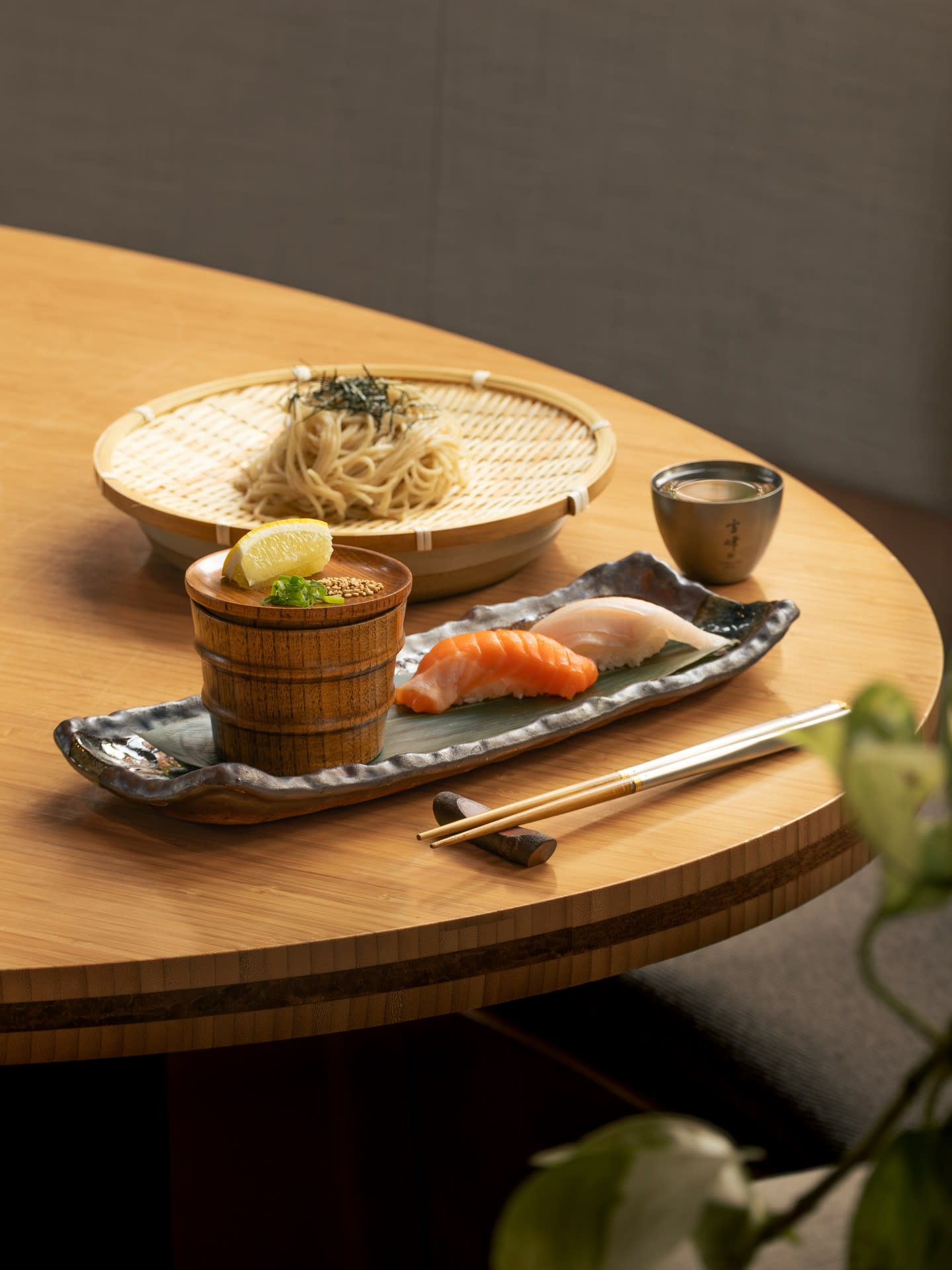
Photo: Snow Peak
The Contradictions of a Premium Outdoor Brand
There is an unavoidable tension between Snow Peak's ambition to welcome more people outdoors and the premium prices of its equipment. If reconnecting with nature is something that should be accessible to everyone, what role should expensive camping equipment play?
Uchida doesn't pretend to have resolved this question. Producing high-quality, durable equipment is increasingly expensive. Reducing prices at the expense of quality could undermine the very experience Snow Peak hopes to facilitate. Yet the price of admission to the brand can also create a perception of exclusivity.
Uchida distinguishes between being a premium brand and being a luxury brand. The former, in his view, is justified by the quality and longevity of the products and the experiences they enable. The latter risks making ownership itself the aspiration. It is an especially relevant distinction as outdoor apparel and equipment become increasingly intertwined with fashion, design, and lifestyle consumption. Are more people being introduced to the outdoors, or are more people simply being introduced to outdoor products? The two are not necessarily the same.
Snow Peak's challenge is to ensure that its equipment remains a means rather than an end. As Uchida explains, the message should not be that you need a particular product to live well. Rather, the products are tools that can make a desirable way of living easier to achieve. If Snow Peak succeeds in convincing people to live more simply, does that eventually mean they should buy less? Philosophically, Uchida acknowledges, the answer is yes. As a member of the company's management team, however, he must also reconcile that philosophy with the need to operate a sustainable business. The significance of Snow Peak's approach lies not in having eliminated this contradiction, but in continuing to confront it.
A Chair and a Cup of Coffee
Before joining Snow Peak, Uchida worked with MTV and major advertising agencies, contributing to global campaigns and Super Bowl commercials. Over time, he became increasingly uncomfortable promoting things with which he had little personal connection. He recalls spending years working on beer advertising despite not drinking himself. The work could be creatively compelling, but the message was not necessarily his own. His eventual transition into the outdoor industry represented an opportunity to align his professional voice with his personal values.
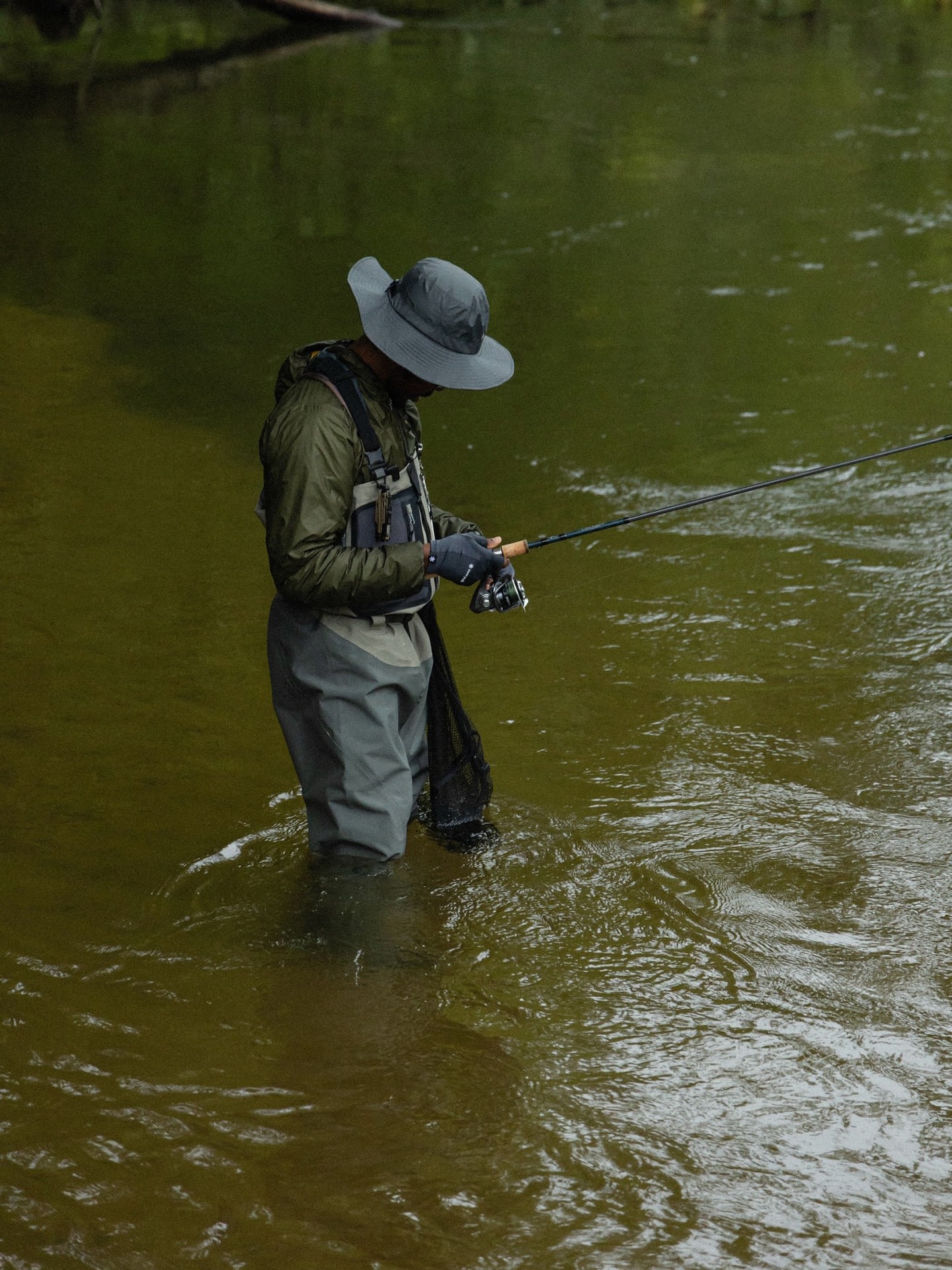
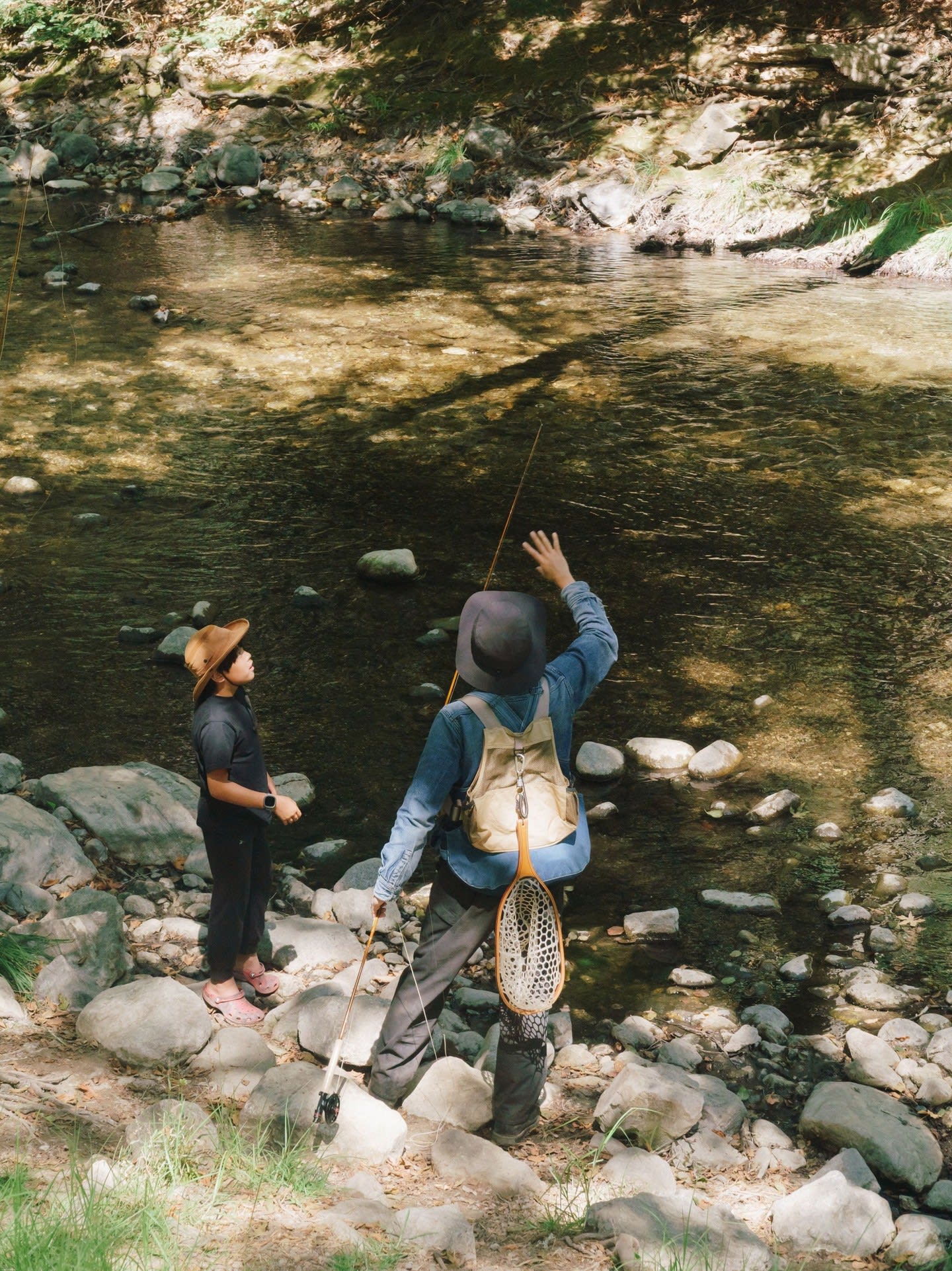
Few things illustrate that alignment better than his passion for fly fishing. Uchida first became interested in the activity after watching older fishermen standing quietly in a river in the Catskills. It was early in the morning, the landscape was covered in fog, and the scene possessed an almost cinematic beauty. What began as an aesthetic fascination evolved into an appreciation for the complexity of the river's ecosystem. Fly fishing requires an understanding of insects, currents, seasonal changes, and the behavior of fish. It rewards observation and patience as much as technical skill.
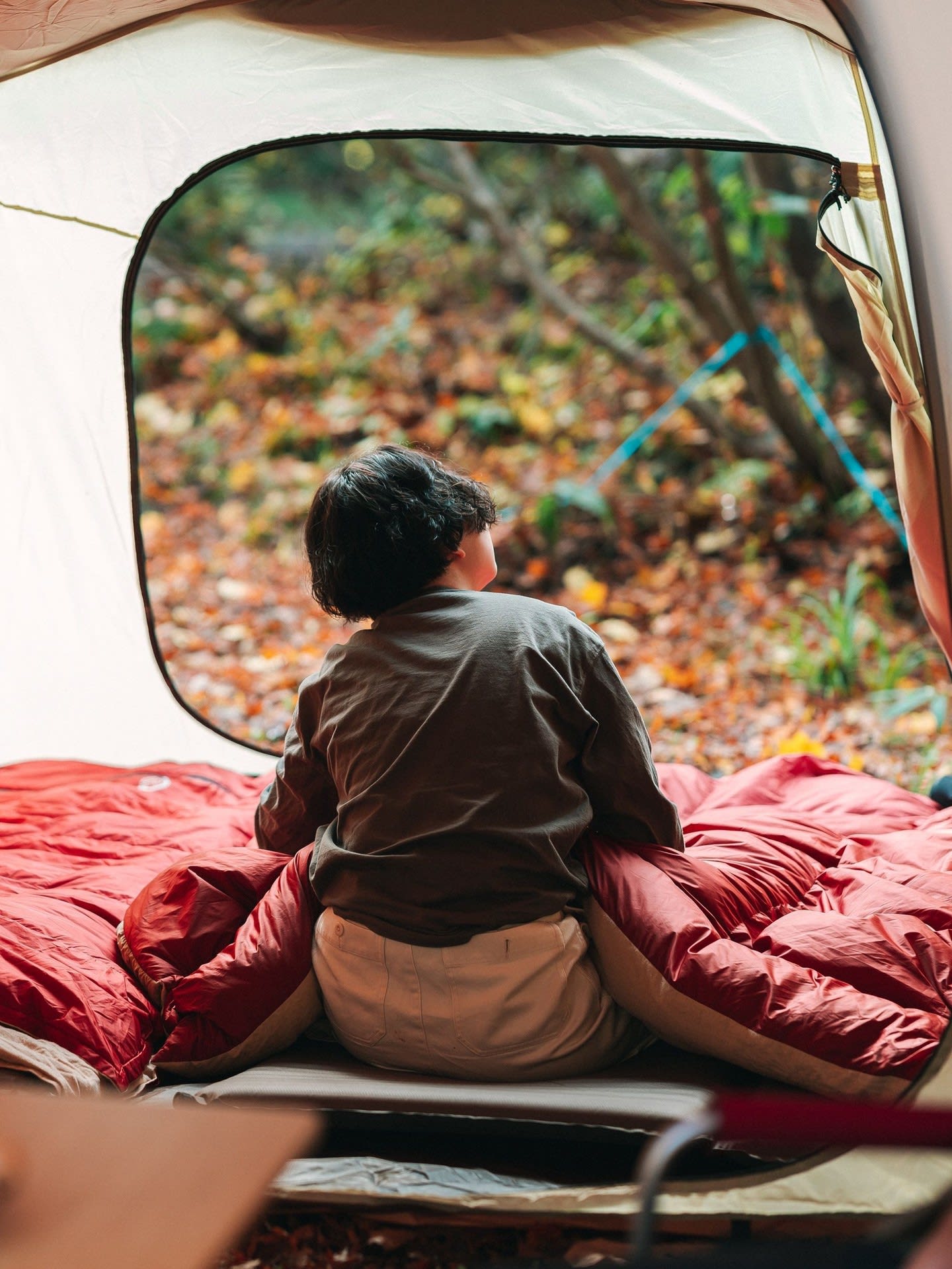
Photo: Snow Peak
For Uchida, some of his happiest moments are spent simply standing in the water, watching insects hatch and fish rise. Catching a fish is only one part of the experience. The greater pleasure is in becoming sufficiently attentive to understand what is happening around him. In many ways, it is the most personal expression of everything we discussed throughout our conversation: the idea that our relationship with nature deepens when we become less concerned with imposing ourselves upon it.
At the end of our conversation, we asked Uchida what someone could do to experience the outdoors differently this weekend. No new equipment, no extraordinary destination, no ambitious itinerary — just a change in their relationship with being outside. His answer was remarkably simple. If you're comfortable sitting on the ground, bring a cup of coffee and sit outside. If you're not comfortable sitting on the ground, bring a chair.
That's enough.
There is something particularly refreshing about hearing this from the Chief Brand Officer of a company that makes some of the world's most desirable camping equipment. Snow Peak's greatest contribution to outdoor culture may ultimately be less about the objects it produces than the permission it gives us to experience nature differently: to spend time outside without needing to accomplish something, to appreciate objects without constantly replacing them, to gather with people without needing an occasion, and to find comfort without feeling that we have compromised the authenticity of an experience.
The art of playing slowly is not about rejecting adventure or ambition. It is about recovering the curiosity and freedom that made being outdoors enjoyable in the first place, before we felt compelled to turn every experience into an accomplishment. Perhaps the future of outdoor culture doesn't need to be defined exclusively by how much further we can go, how much faster we can move, or how much more sophisticated our equipment can become. Perhaps it can also be defined by how present we are when we get there, and how content we are to stay.
No products available.
Shop Snow Peak on Weekends today.
Related Articles
November 25, 2026
The Rain Jacket After Fifty Washes
Why washing a waterproof jacket may restore performance — and what Houdini, Klättermusen and Finisterre reveal about rainwear durability.
Read →
November 25, 2026
Endeavor: The Design Culture Built by Riders
How Endeavor's rider-owned family of brands — Airhole, Sandbox and Transform — carries forward snowboarding's tradition of making things work better.
Read →
November 21, 2026
Finding Your Own Way: CJ Lowe on Outdoor Culture, Identity, and Building LOWE
The founder of LOWE on how outdoor culture became social currency, authenticity in a crowded market, and finding your own way through fashion and identity.
Read →