
Endeavor: The Design Culture Built by Riders
by WeekEnds
How Endeavor and a family of independent snowboard brands carry forward the sport's tradition of experimentation, individuality and making things work better.
Snowboarding has never been particularly good at leaving things alone.
Before it was an Olympic sport, a global industry or a category occupying entire floors of outdoor retailers, it was a collection of people experimenting with ways to get down a mountain. They borrowed ideas from surfing and skateboarding, modified equipment, challenged conventions and built a culture around the idea that there might be a more interesting way to do things.
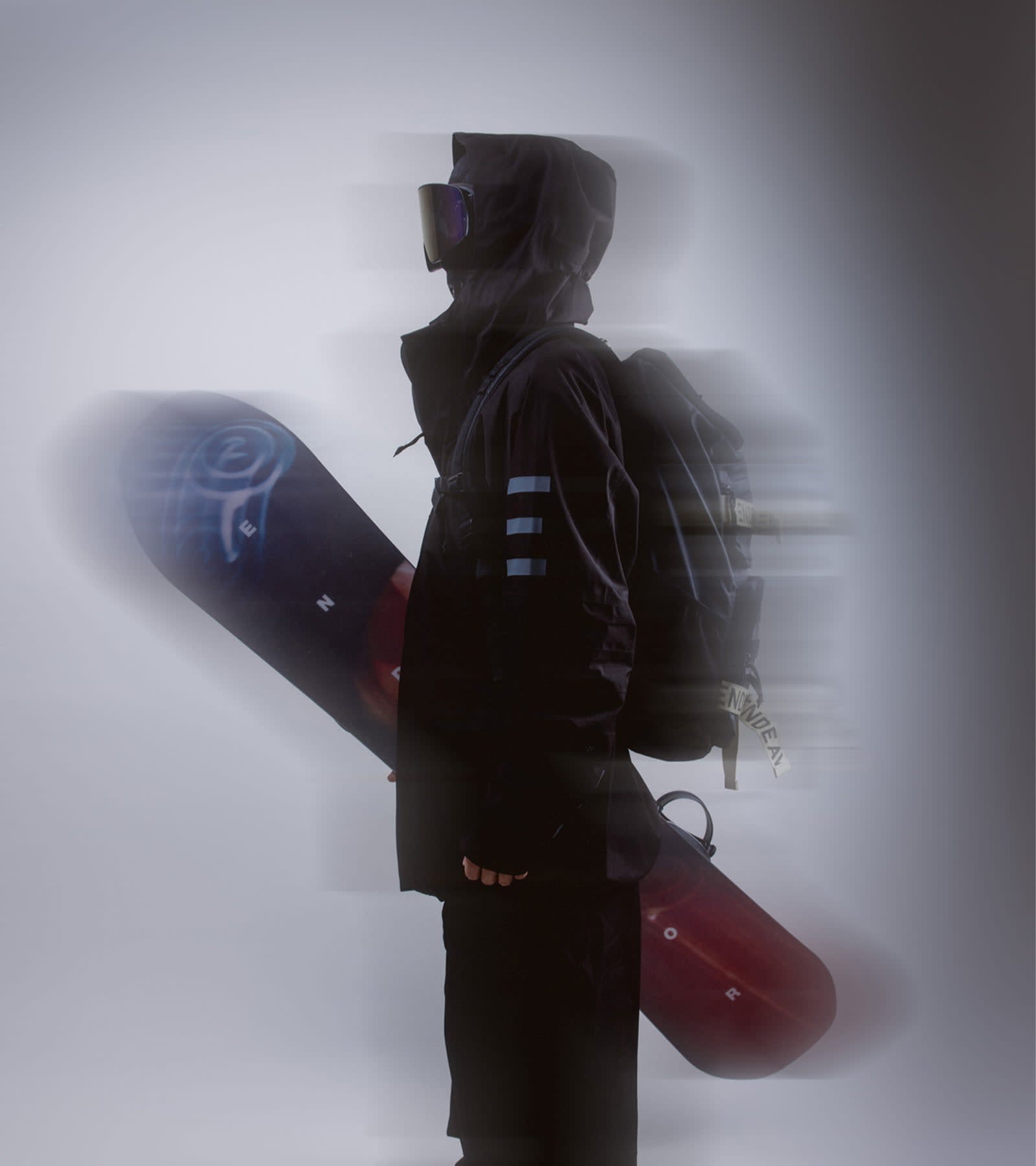
An Endeavor board heading for the hill. Photo: François Marclay
That instinct extended well beyond the board itself. Clothing was altered, bindings were modified and equipment was adapted to suit a sport that hadn't yet written its own rules. Much of what became standard snowboard equipment began as someone's improvised solution to a problem.
It's a history worth remembering as technical outdoor equipment becomes more sophisticated, specialized and expensive. For all the advances in materials and manufacturing, the relationship between the person making something and the person using it remains one of the most interesting questions in product design. Who understands an object better than someone who depends on it?
In North Vancouver, a group of snowboarders has spent more than two decades exploring that question.
Their work now lives under Endeavor Design Inc., the independent, rider-owned company behind Endeavor Snowboards, Airhole Facemasks, Sandbox Helmets and Transform Gloves. Four brands with different origins and identities, connected by a belief that equipment should be informed by the culture and experience of the people who use it.
What makes their story interesting isn't the number of products they make. It's how many of those products began with someone deciding that the existing options weren't quite right.
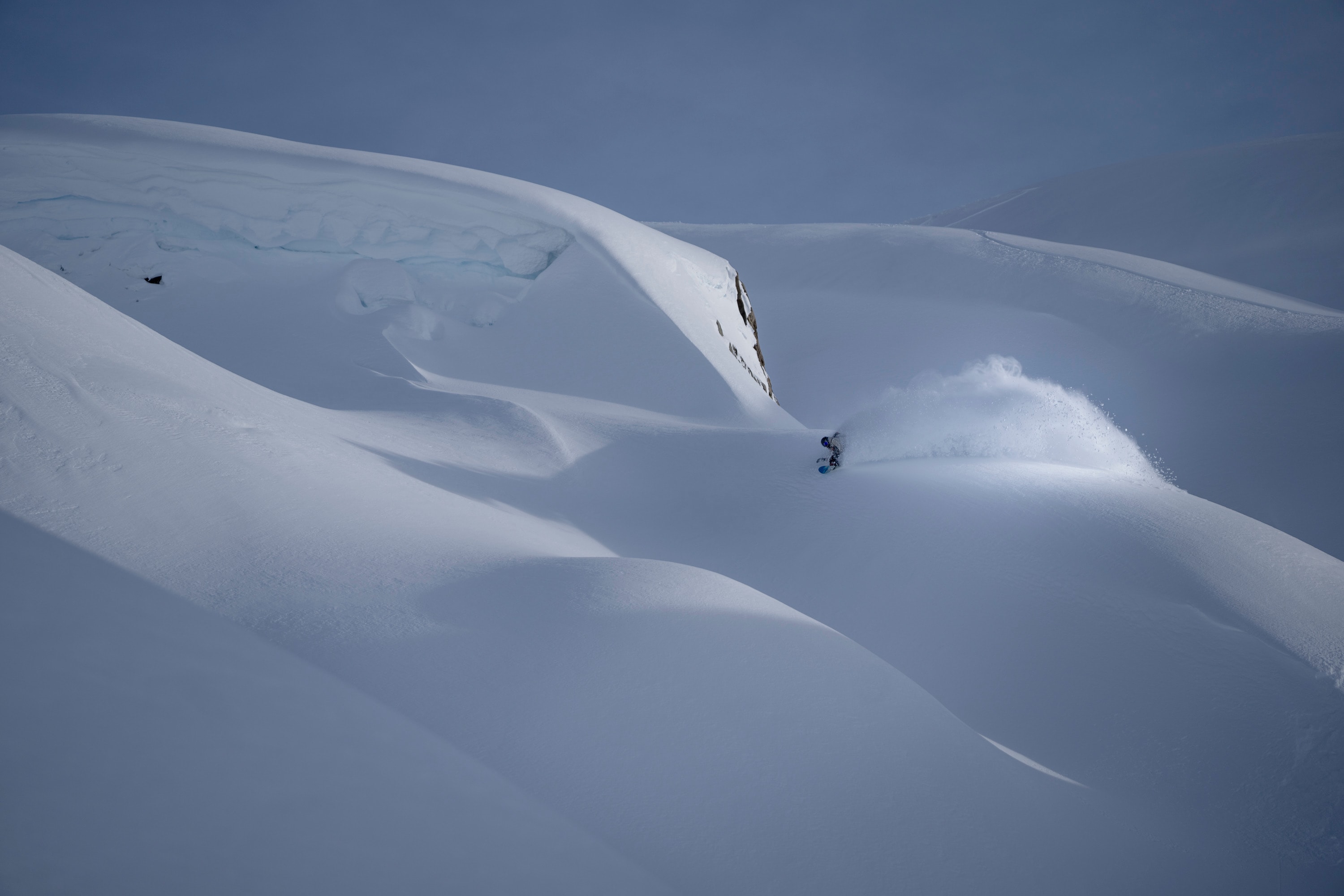
Founder Max Jenke, still riding it: a powder slash at Rutherford, British Columbia, February 2026. Photo: Mason Mashon
A Different Way Down
When Canadian pro snowboarder Max Jenke founded Endeavor Snowboards in Vancouver in 2002, snowboarding was entering an interesting period.
The sport had grown well beyond its countercultural beginnings. Major manufacturers had established themselves, competitions were becoming more visible and snowboarding was building the commercial infrastructure of a mainstream industry. But its creative identity remained tied to something less institutional.
Snowboarders were still making videos with their friends, discovering new terrain, developing their own visual languages and treating equipment as an extension of personal style. A board wasn't simply a piece of sporting equipment. Its shape, graphics, construction and the people associated with it all said something about how its owner approached the mountain.
Jenke came out of that environment. He came up riding Cypress, Mount Seymour and Whistler, filmed with British Columbia's influential Wildcats crew and landed the covers of Blunt in 1998 and Transworld SNOWboarding in 1999. Endeavor was a chance to build boards from inside the culture rather than from the outside looking in. In the early days that was literal: the crew sanded their own cores, because otherwise there were no boards.
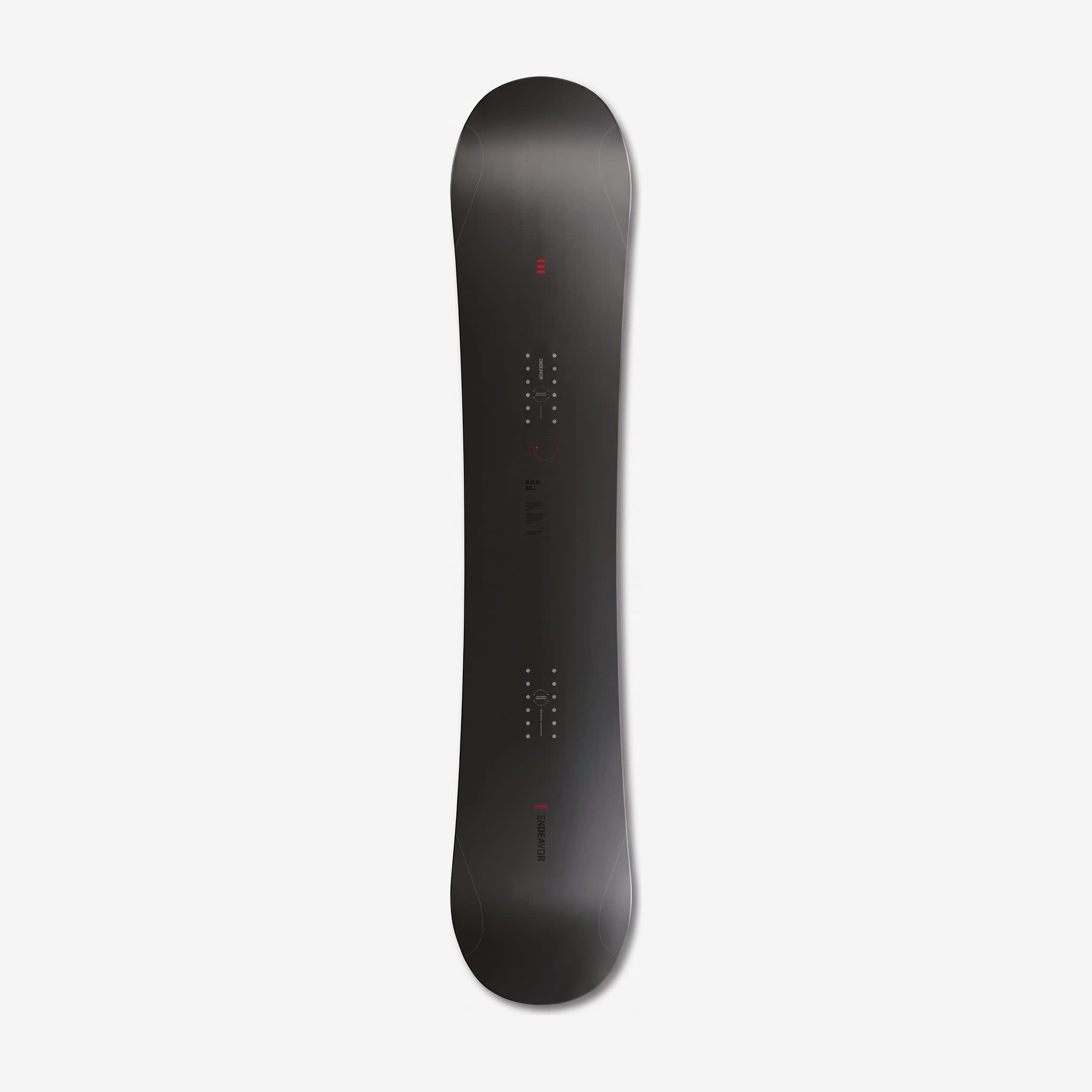
The company built its identity at the intersection of technical construction and creative expression. Art and design weren't additions applied after the functional work was complete. They were part of the reason to make the product in the first place. Endeavor still works closely with artists — Maks Eidelson alone is behind 14 of its board graphics — and its Pro boards carry Phonon, a carbon and fibreglass laminate pressed in a single continuous pass in Magog, Quebec.
That distinction matters. Outdoor equipment is usually discussed in the language of performance: lighter, stronger, warmer, more breathable. Those improvements are important, but they don't fully explain why people get attached to particular objects, or why some pieces of equipment become cultural artifacts while others disappear. A snowboard can be technically excellent and still feel anonymous.
Endeavor understood that how something looks, what it represents and the experience of using it are not separate considerations. As the company grew, that philosophy began to extend beyond snowboards.
No products available.
The Value of a Small Frustration
Anyone who has spent a cold day riding knows the problem.
You pull a facemask over your nose and mouth to keep warm. You breathe into it. Moisture collects in the fabric, your goggles fog and the thing that's supposed to make you more comfortable becomes another problem to manage.
For years, this was simply part of the experience. In 2006, Canadian pros and fellow Wildcats Chris Brown and Kale Stephens decided it didn't have to be.
They began cutting up old jackets and sewing their own facemasks on a grandmother's sewing machine. Their solution was almost comically straightforward: put a hole where your mouth goes.
Airhole was born.
The idea worked because it came from a precise understanding of the problem. The designers weren't trying to reinvent winter clothing. They were fixing one small but persistent annoyance that they knew intimately.
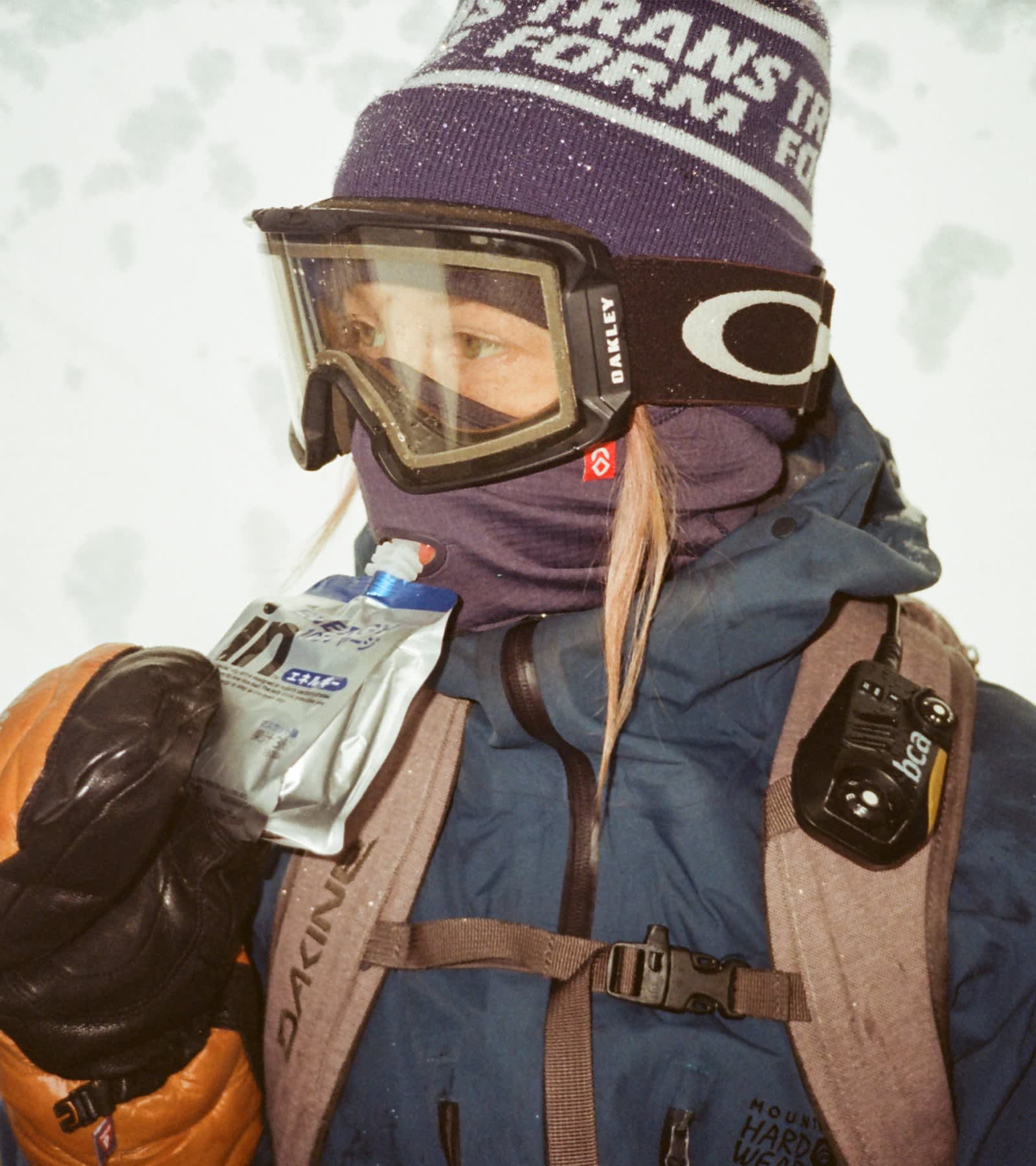
A rider in goggles and a purple Airhole on a snowy day. Photo: Isami Kiyooka
There's something appealing about the simplicity of that approach. No elaborate explanation is needed to understand an Airhole facemask. Its defining feature is visible immediately.
Twenty years later, that original idea is still at the center of the brand — Terje Haakonsen still wears the original — even as the materials and applications have evolved. The Hyper Hole, Therma Flex and Polartec Power Dry balaclavas explore different approaches to breathability, warmth, stretch and moisture management. The Polar Fleece balaclava carries on in both the recognizable Original Hole and the more understated laser-cut version.
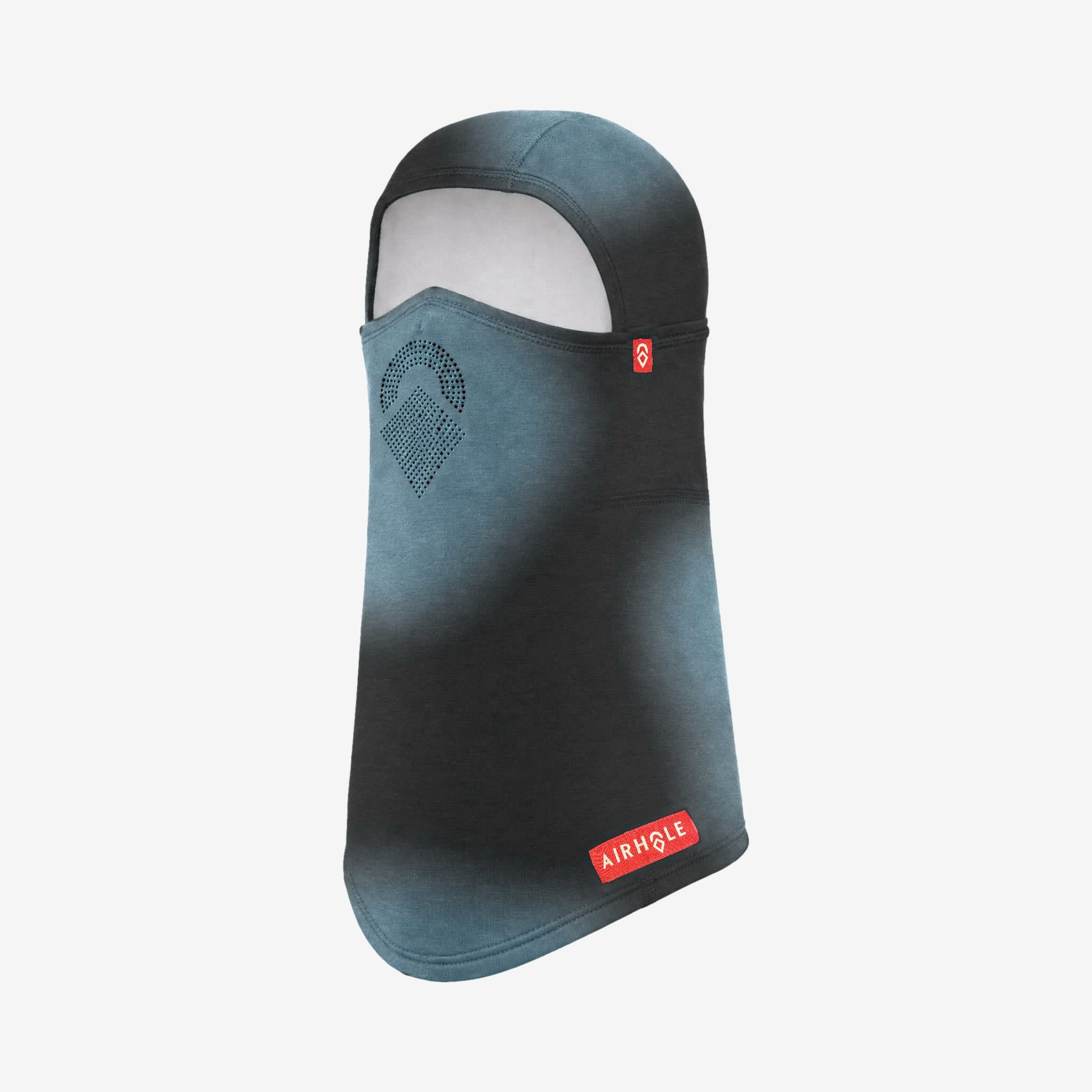
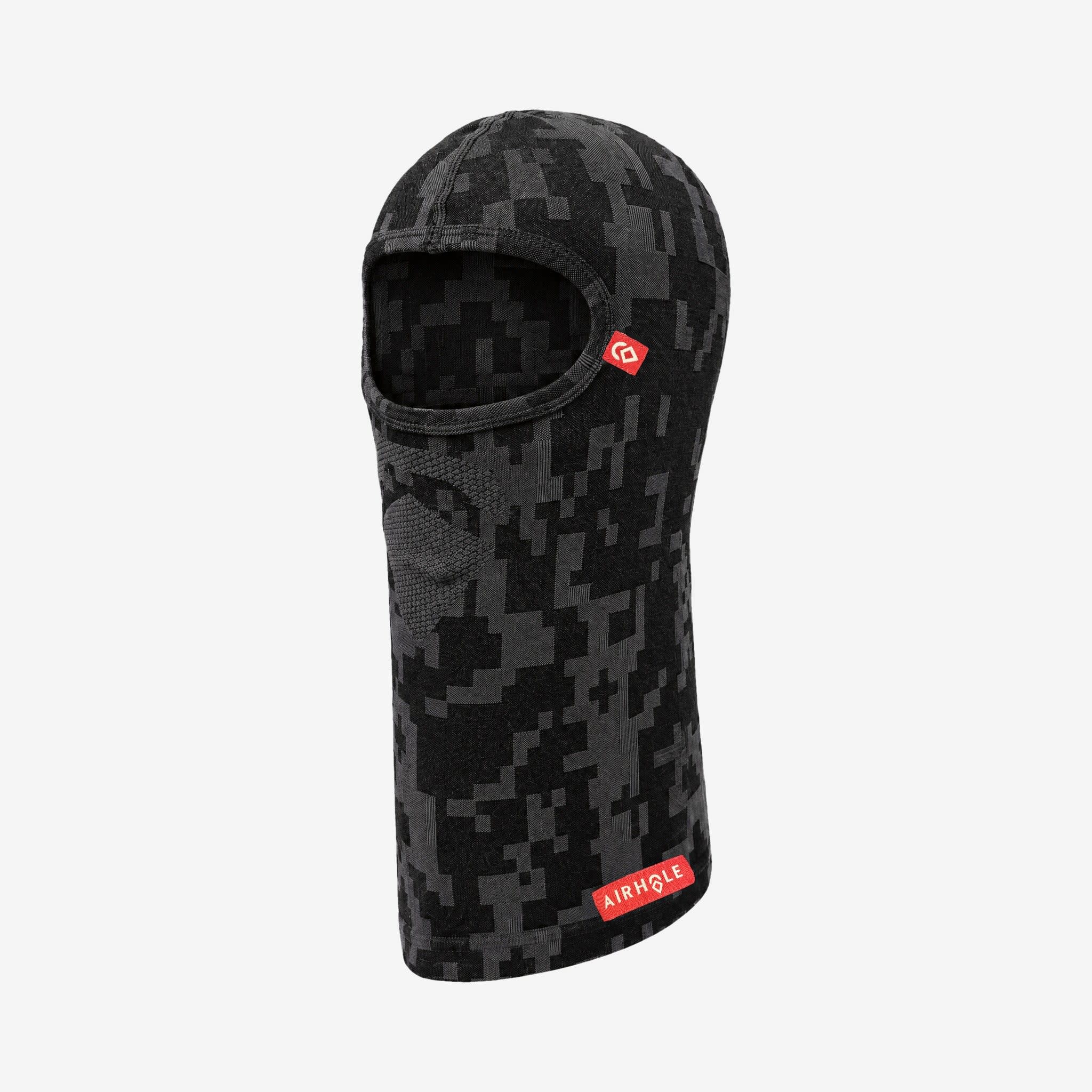
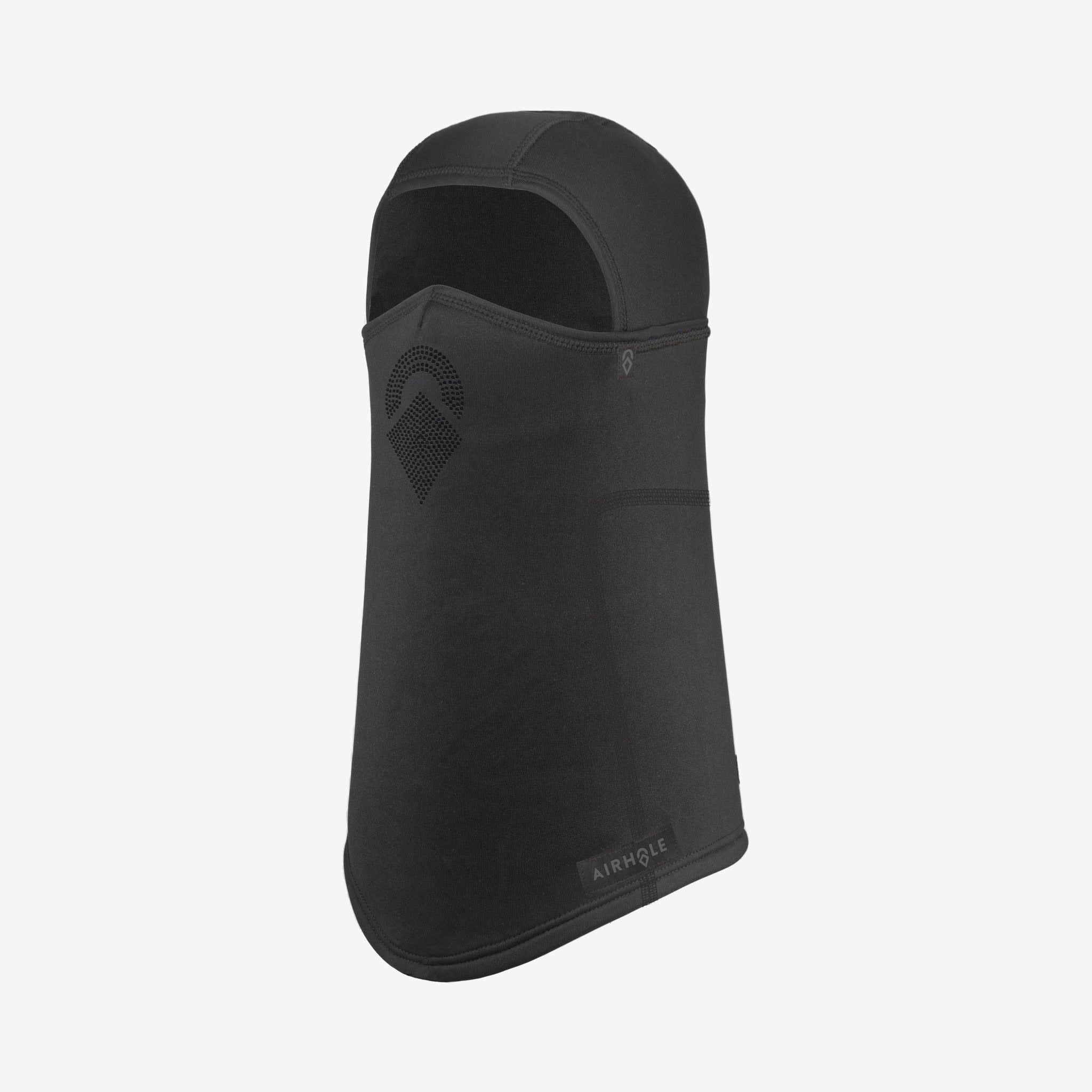
Different materials and constructions, but the same underlying question: how can something as ordinary as covering your face work a little better?
It's a modest ambition, perhaps, but one that has produced a remarkably enduring piece of snowboard design. The best ideas often seem obvious in retrospect.
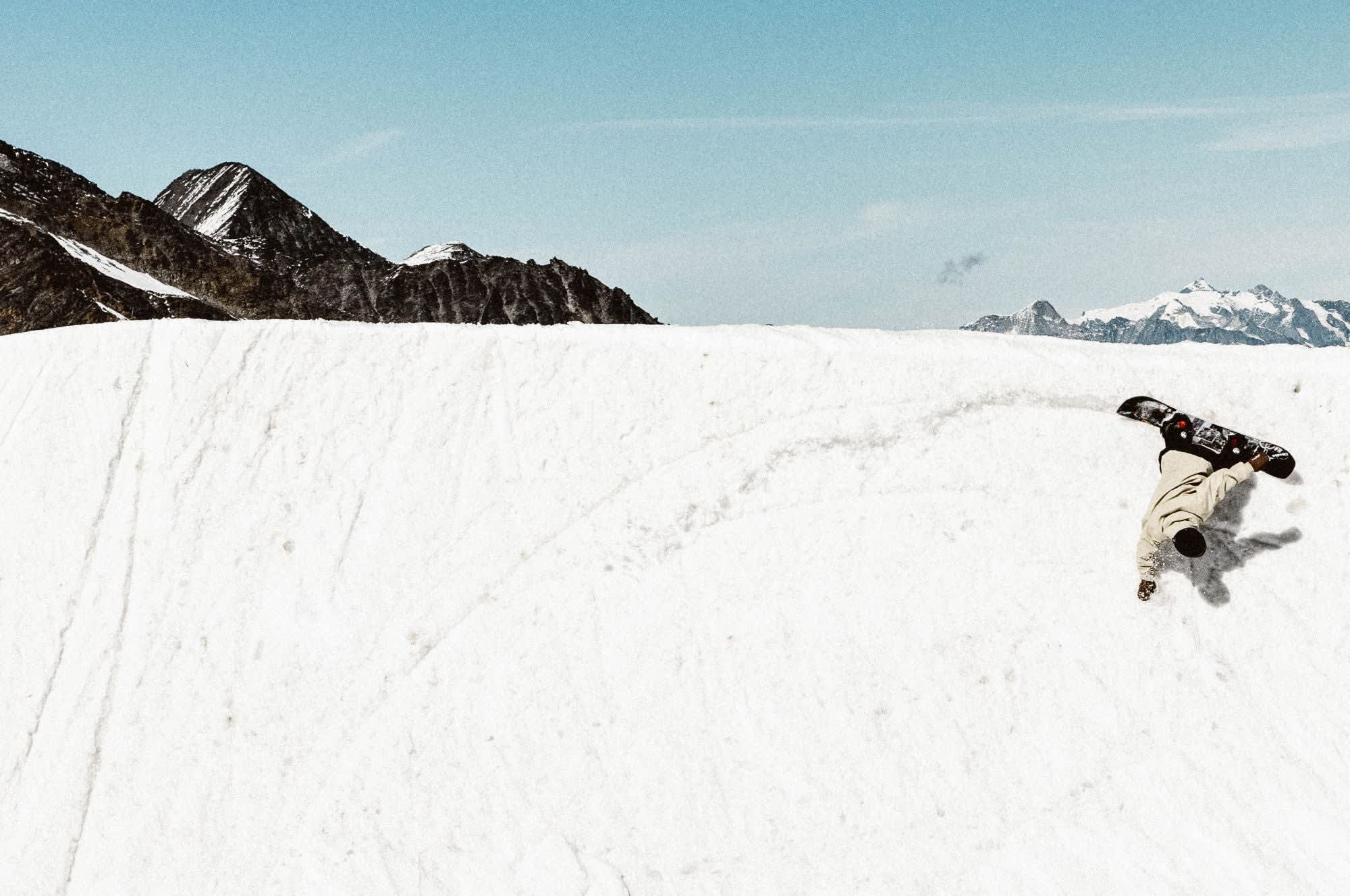
A summer session on the glacier. Photo: Isami Kiyooka
No products available.
Looking Like You Belong
Functionality, however, is only part of the equation.
Snowboarding has always been unusually sensitive to the look of its equipment. Not simply because riders care about fashion, although they certainly do, but because style has always been one of the ways the sport sets itself apart.
The relationship between skateboarding and snowboarding is instructive here. Both developed cultures in which the way something is done matters almost as much as what is accomplished. Style isn't an accessory to performance. It's part of how performance is understood.
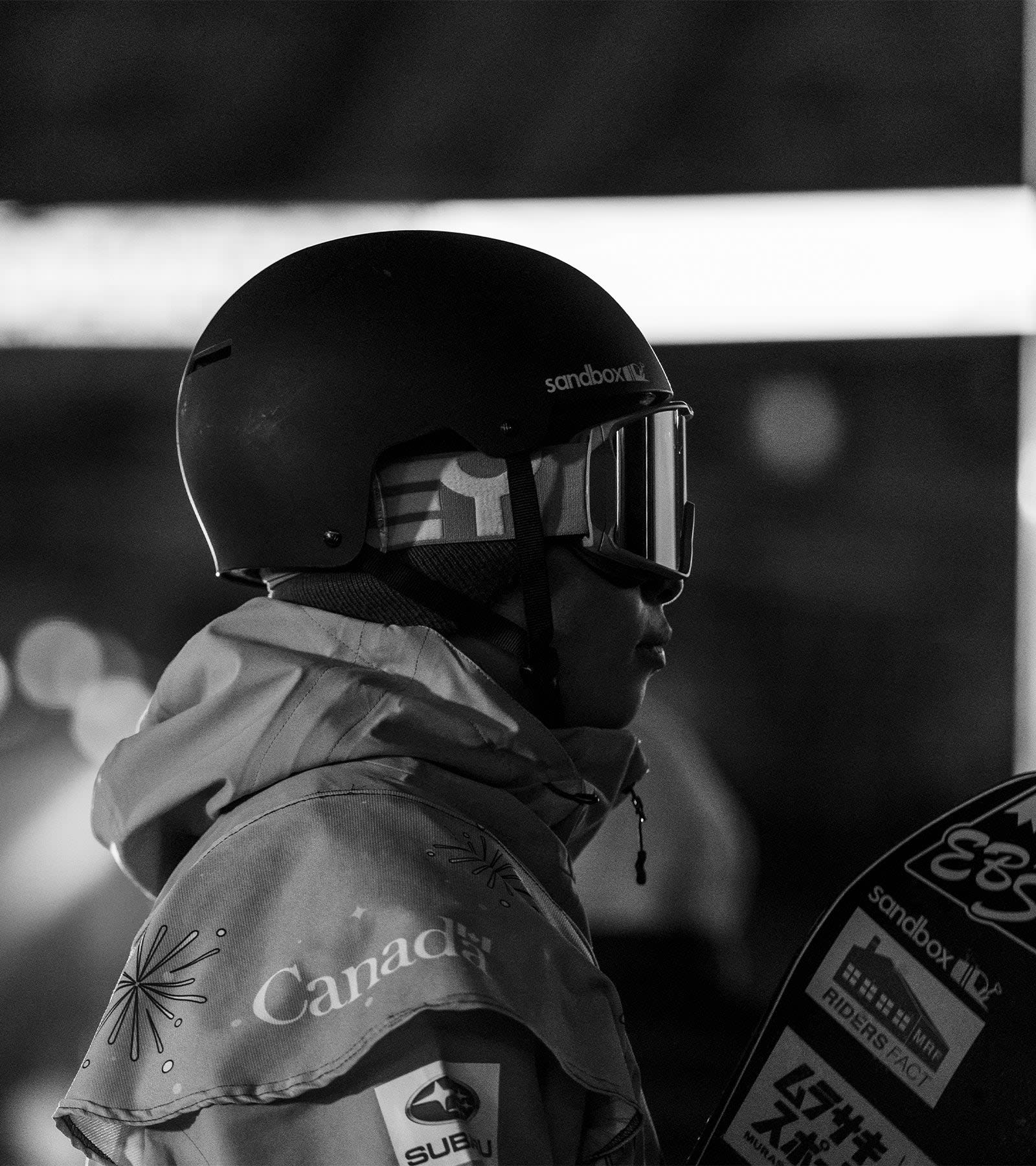
The Sandbox profile, side on. Photo: Isami Kiyooka
That created an interesting problem when Whistler made helmets mandatory in its terrain parks in 2007. Pro snowboarder and Seymour Kid Kevin Sansalone saw a chance to rethink protective equipment that many riders felt was visually disconnected from their sport.
The result was Sandbox.
Rather than treating a helmet's appearance as secondary to its function, Sandbox recognized that design could decide whether someone wanted to wear it at all. The original Classic, with its signature brim, clean profile and certified protection, offered an alternative to the conventional shapes of winter sports. The design became recognizable in its own right.
Today the Classic 2.0 continues that lineage alongside the cleaner, brimless Icon. Both come with and without MIPS, so riders can choose their protection without giving up the silhouette they prefer. The Profile and lightweight Legend X extend the collection with different approaches to fit and shape, and team riders get a say too: Yuto Miyamura chose the graphic on his own signature Sandbox helmet.
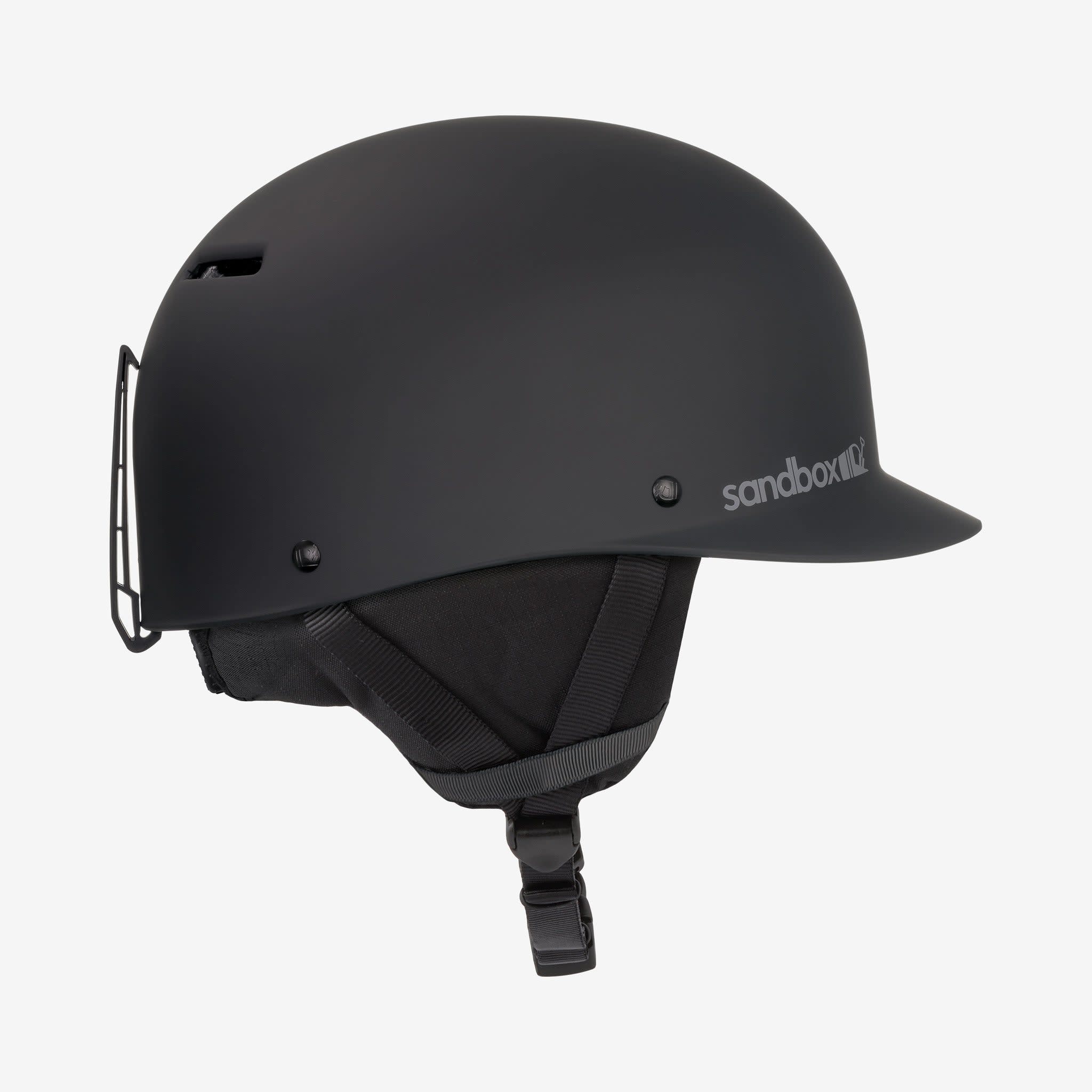
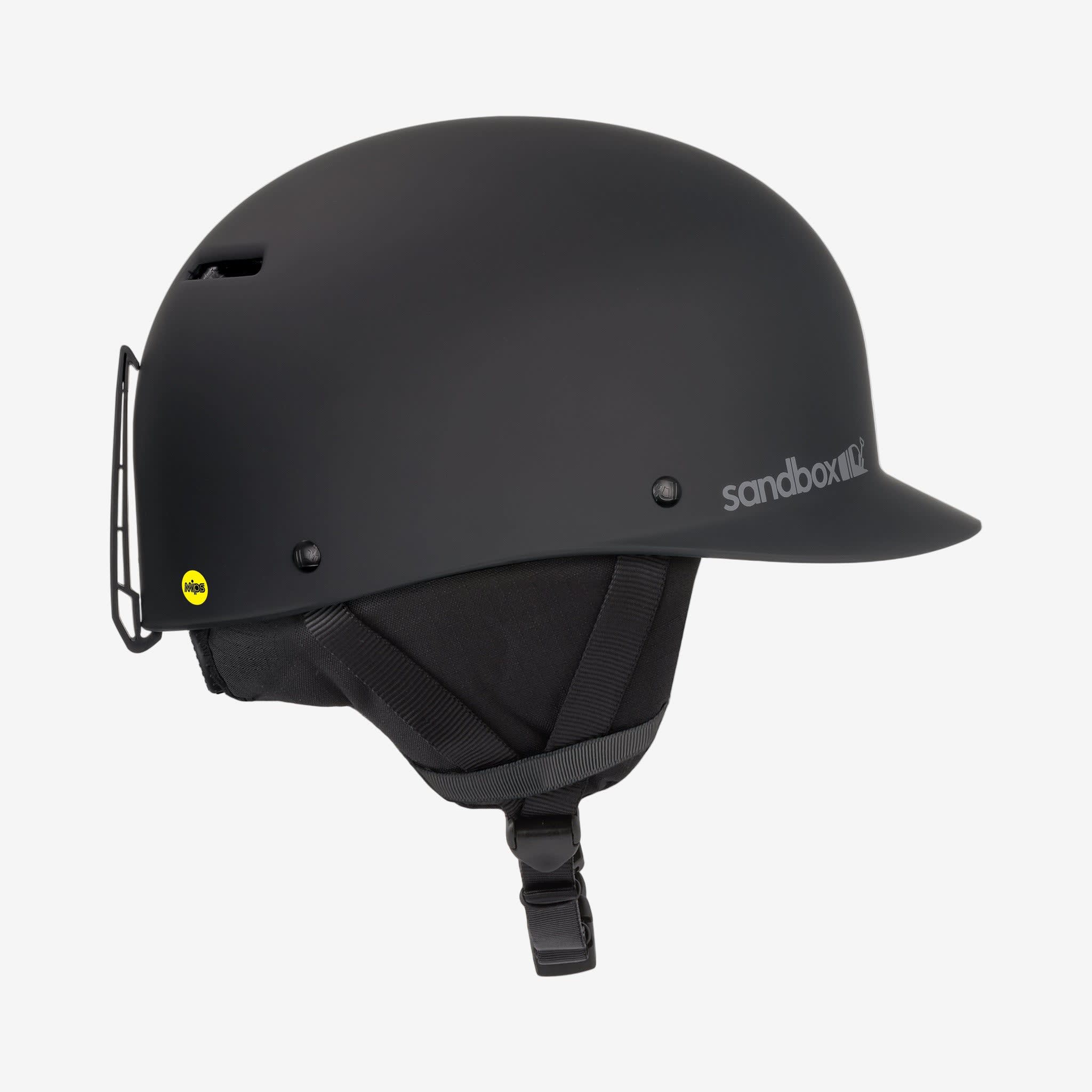
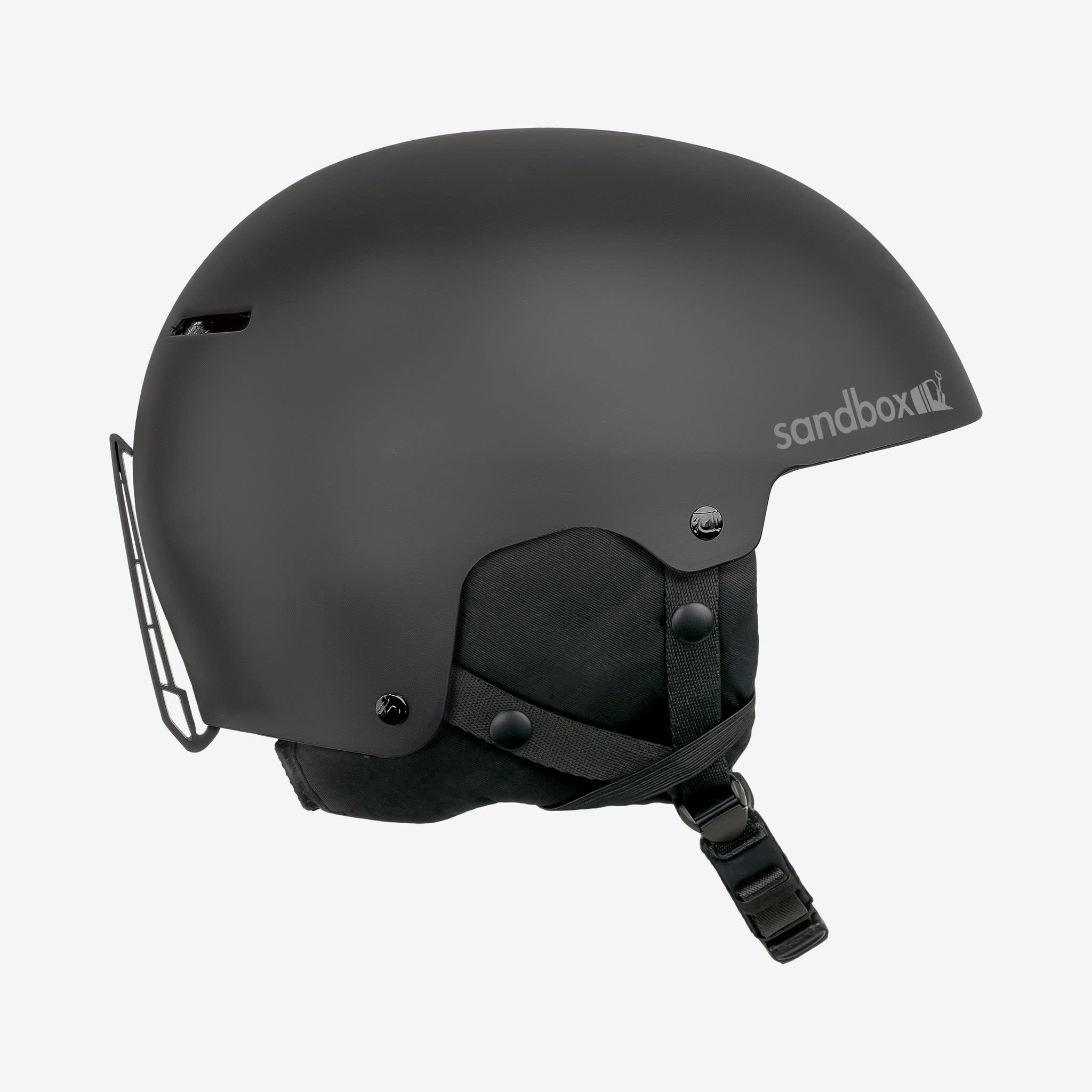
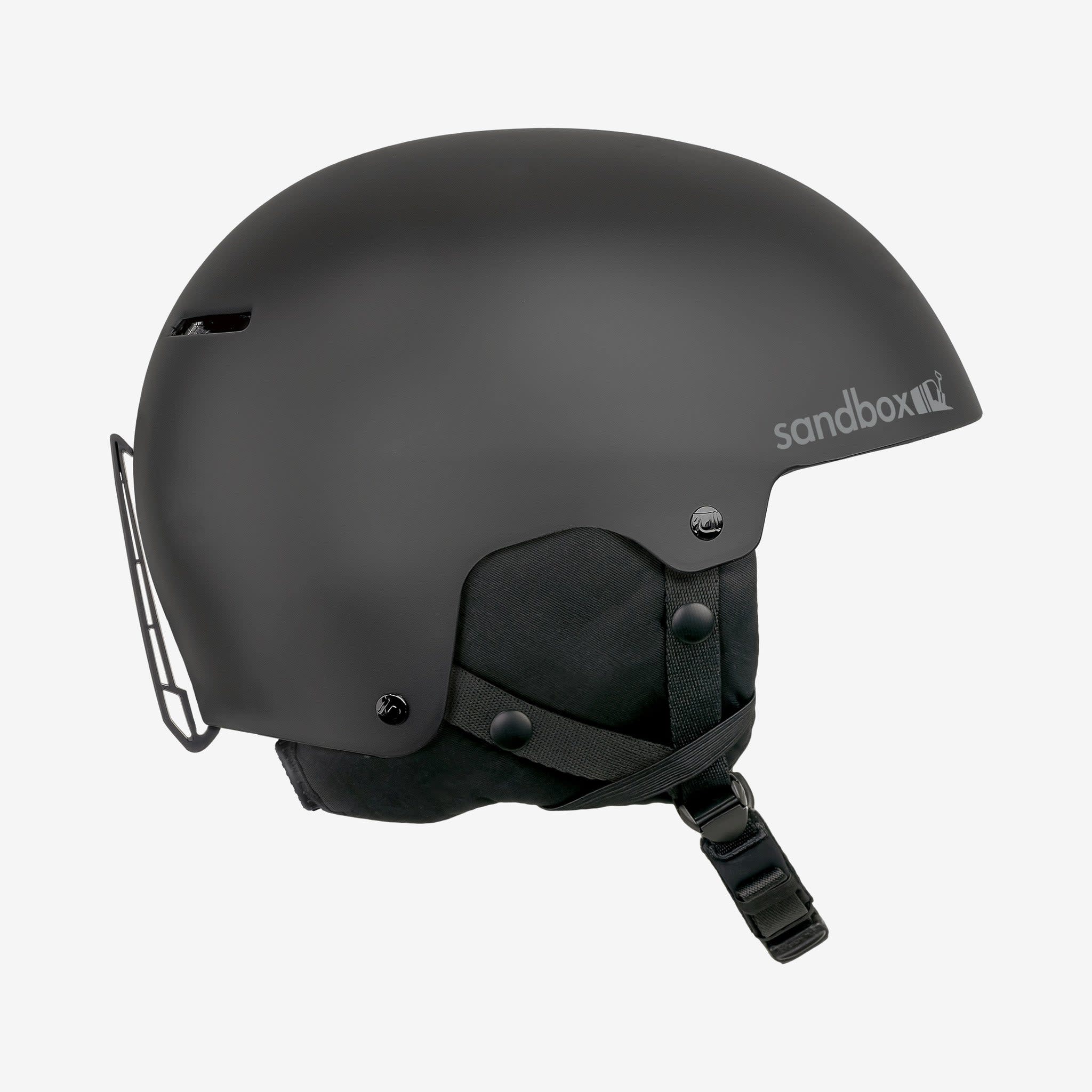
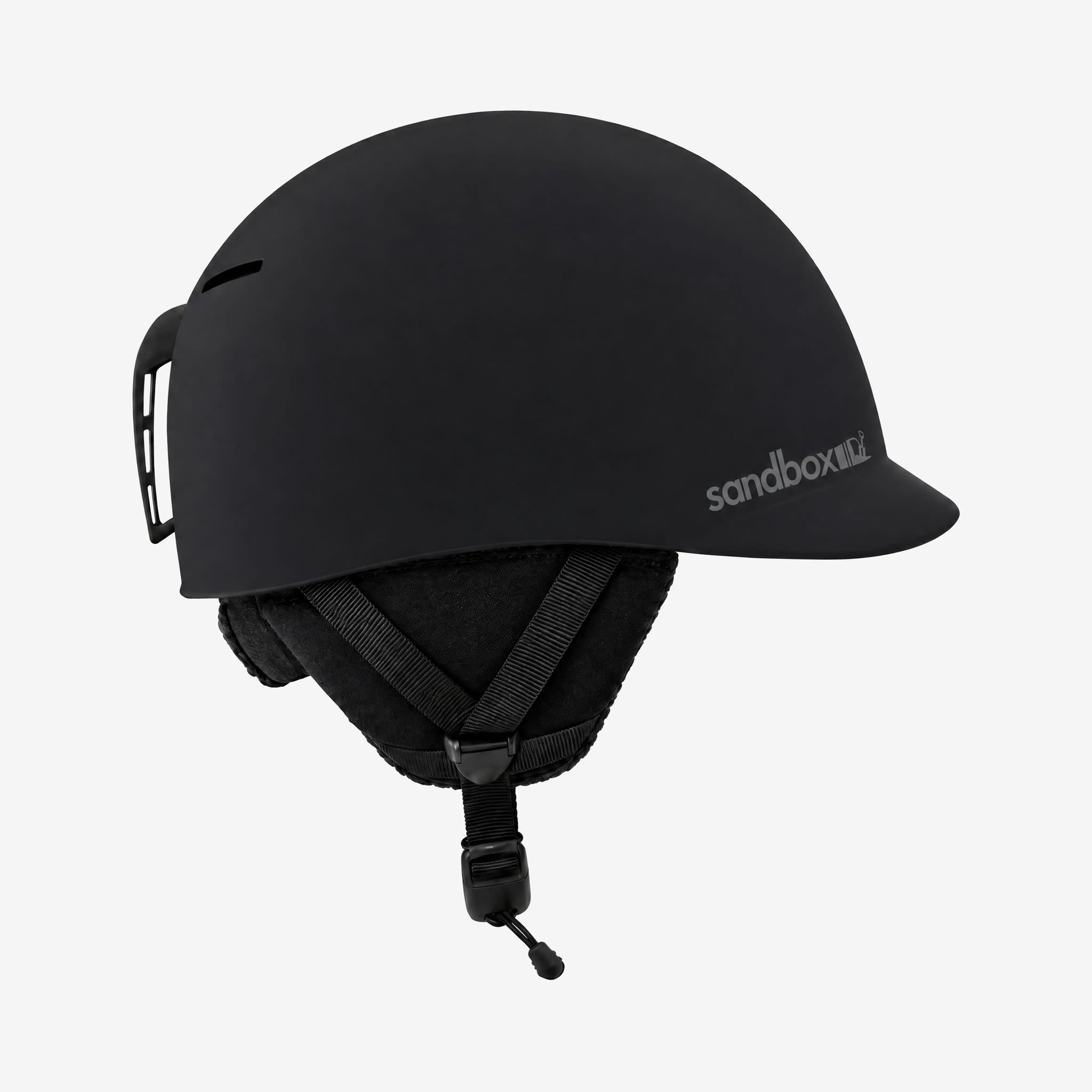
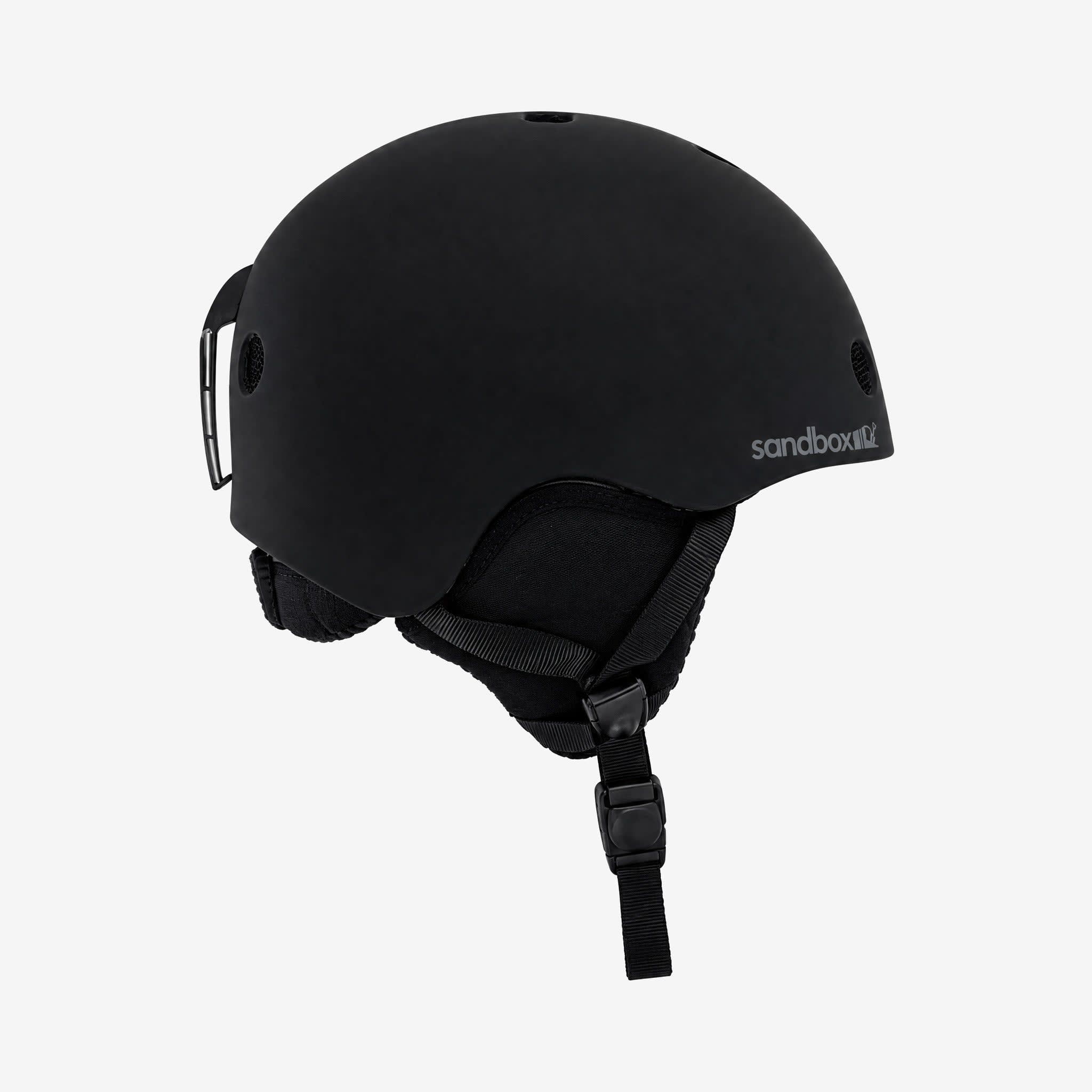
What connects these helmets isn't a single technical feature. It's an understanding that protective equipment also has to live within a particular culture.
This is one of the more overlooked parts of good design. An object can meet every functional requirement and still fail to connect with the person expected to use it. Sandbox's contribution was to take that connection seriously.
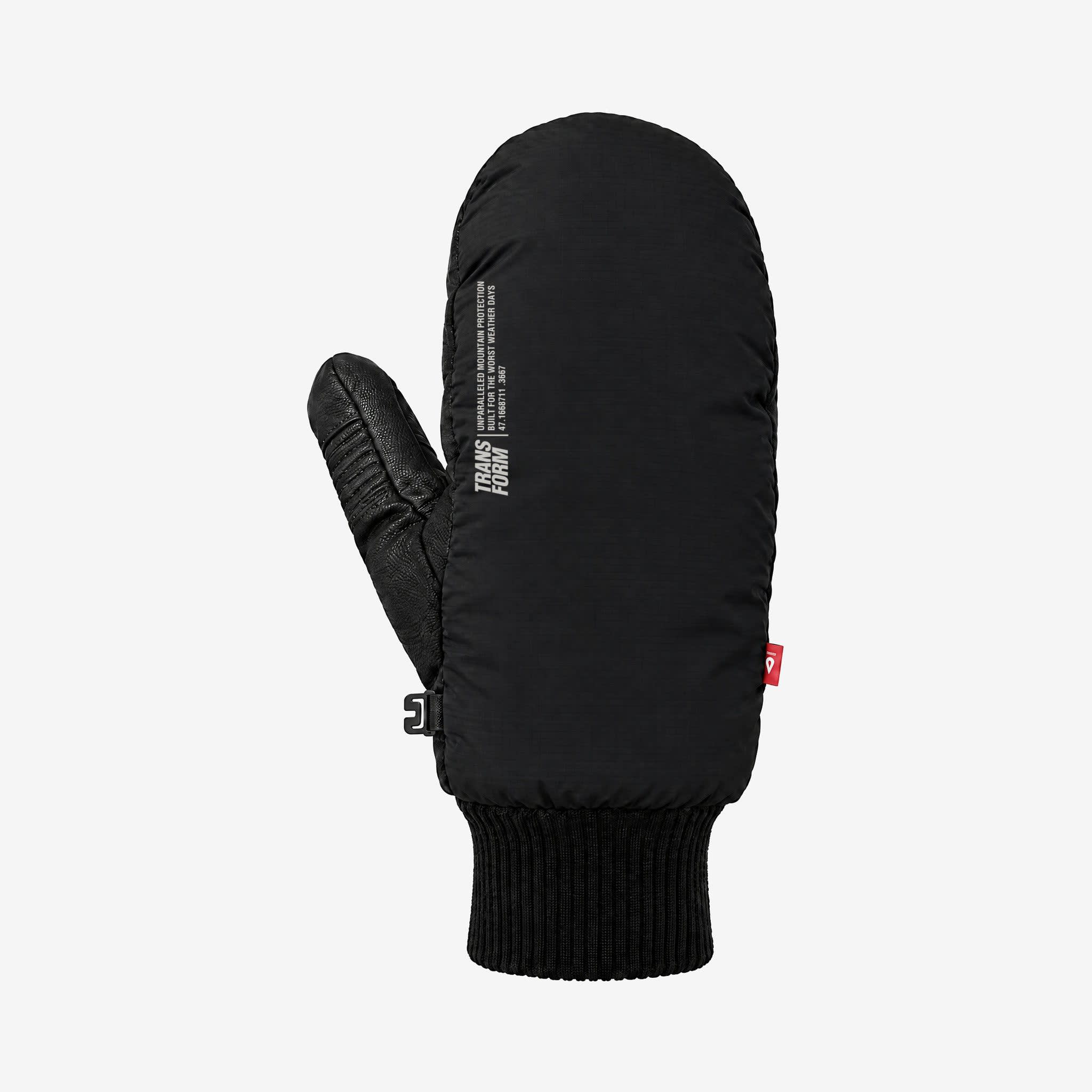
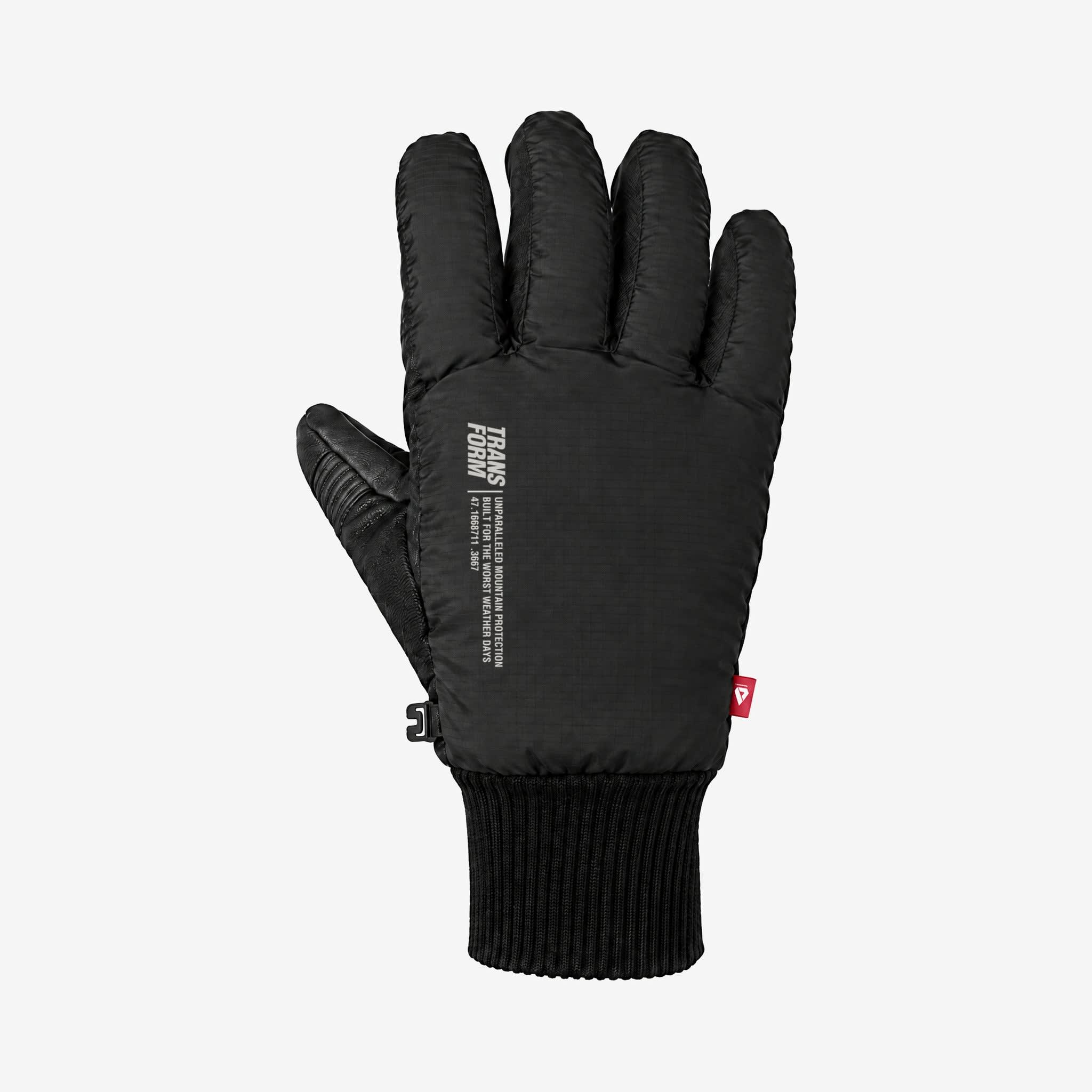
No products available.
Nothing Extra
There's a particular frustration in buying a piece of equipment that looks like it should last for years, only to discover its limits halfway through a season.
Gloves are especially prone to this. They have a simple job, but the conditions are demanding. They need to keep hands warm and dry while surviving constant contact with bindings, boards, zippers, snow and abrasive surfaces, and still leave enough dexterity to handle small tasks without coming off every few minutes.
And because they're worn almost continuously, every unnecessary detail gets noticed.
In 2007, British snowboarder Tom Kingsnorth got tired of gloves that looked loud and fell apart fast, so he started making his own. He wanted gloves that were durable, functional and visually restrained. There was no reason, he believed, for snowboard gloves to be complicated.
Transform's approach has stayed remarkably consistent. Nearly two decades later, Kingsnorth still designs every glove, keeping a direct line between the person who identified the problem and the person responsible for solving it. Eero Ettala and Henna Ikola ride their own Transform pro models.
The KO mitts and gloves are the clearest expression of that philosophy, and the KO mitt is the one riders keep coming back for. Their straightforward construction and understated look reflect a preference for equipment that does its job without demanding attention.
The choice between a mitt and a glove is itself a reminder of how personal equipment can be. Some riders prioritize warmth, others dexterity. Neither preference is complicated, but both make a real difference over the course of a day.
Transform doesn't need to turn that decision into a grand technological statement. Sometimes good design means knowing what to leave out.
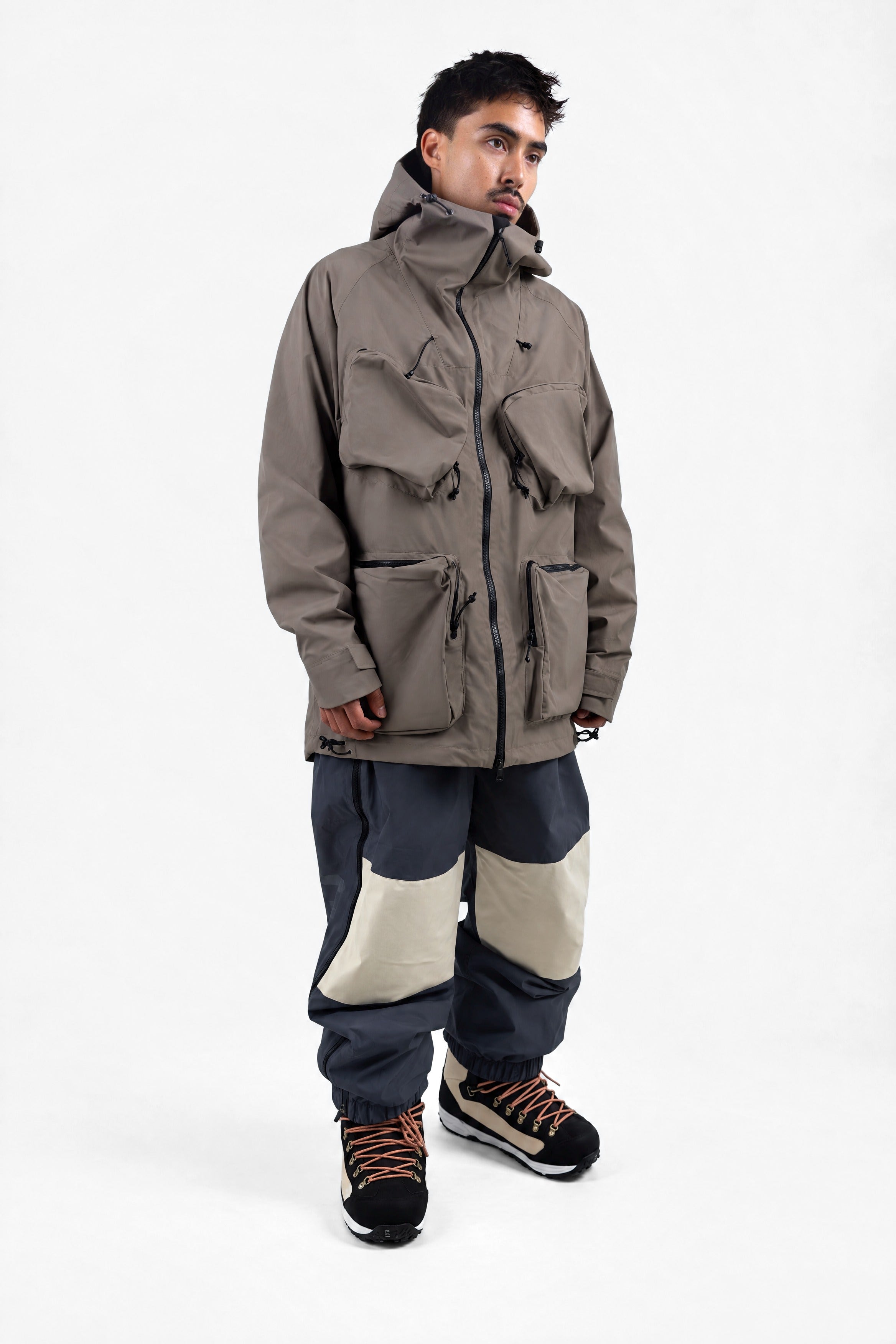
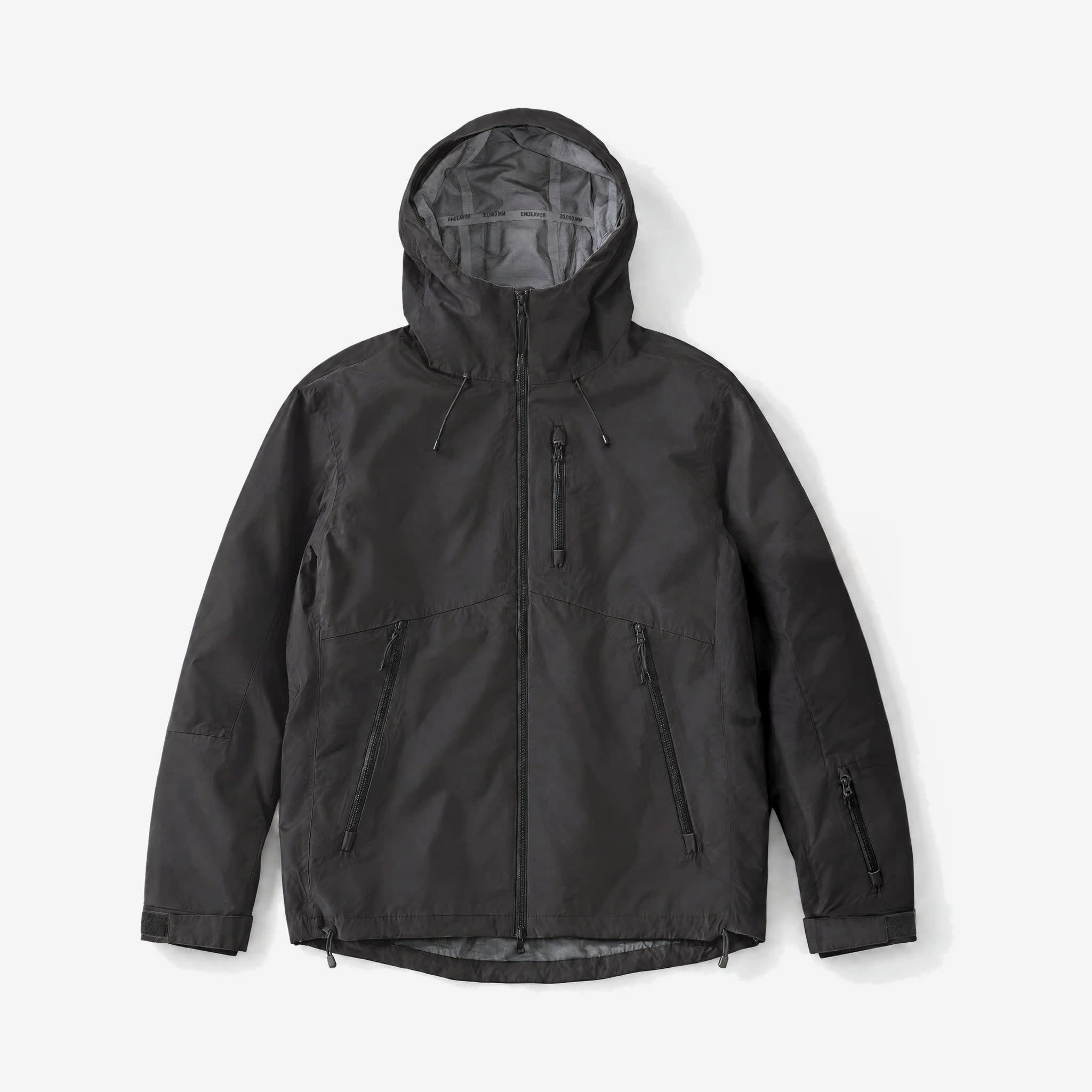
Endeavor outerwear, FW26/27. Photo: François Marclay
The Rest of the Experience
Of course, snowboarding doesn't begin when you strap in, and it doesn't end when you unclip your bindings.
There's the drive to the mountain, the gear piled into the back of a vehicle, the early morning walk through a parking lot, the inevitable change in weather and the job of getting everything home again. These moments rarely appear in the imagery used to sell winter sports equipment, but they take up a good part of the day.
They also present their own design problems.
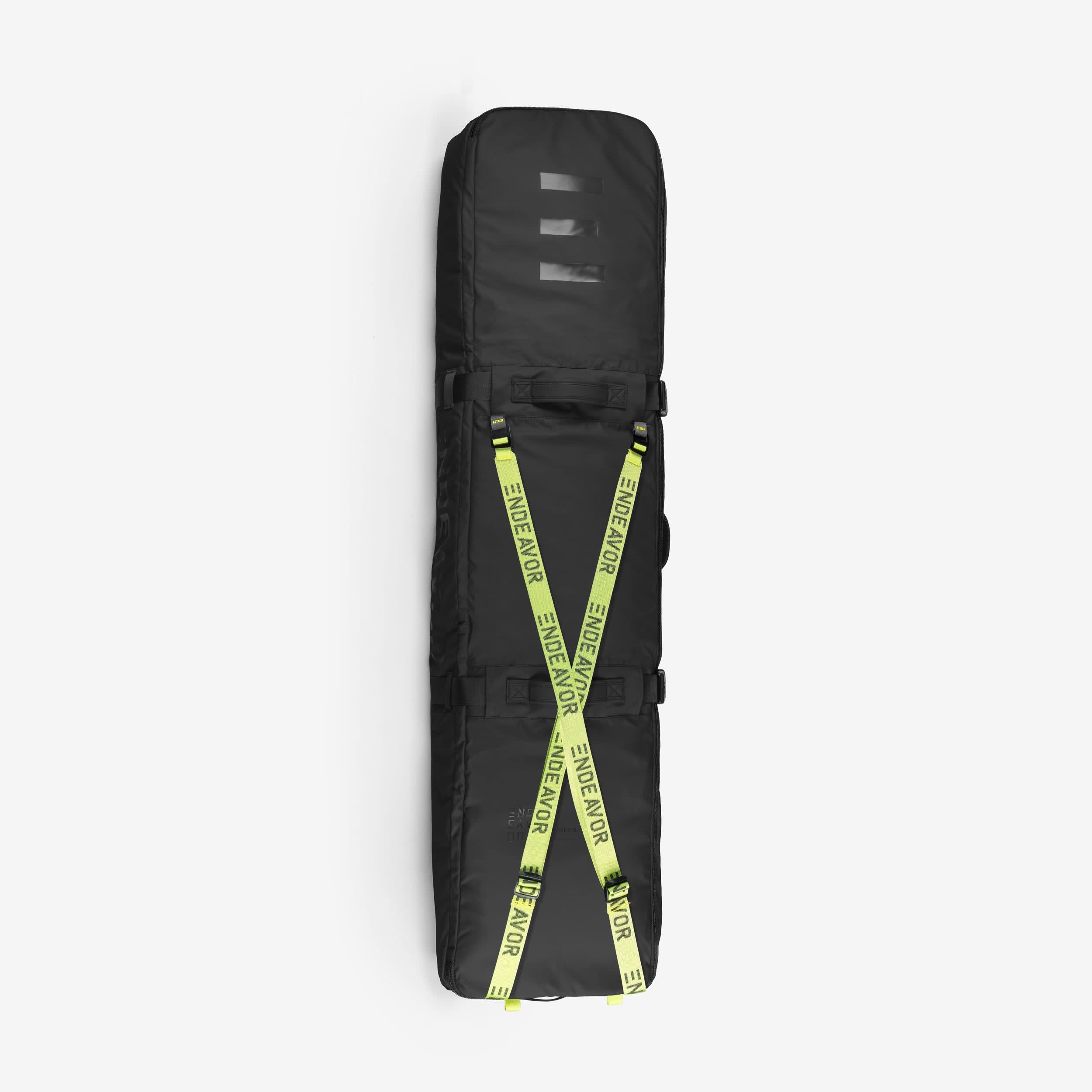
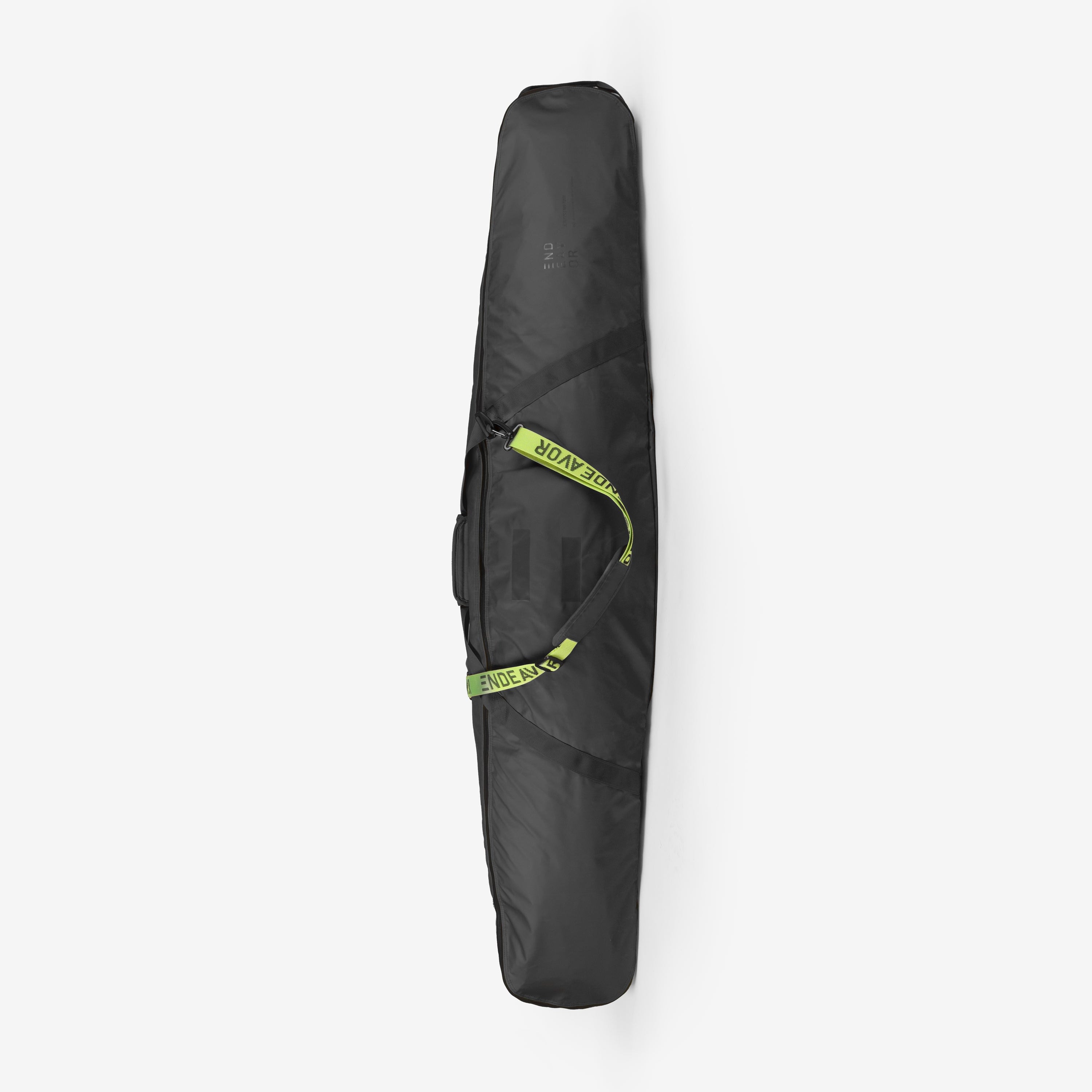
Endeavor's Utility and Trail board bags deal with the practical realities of moving equipment around: the wheeled Utility for longer trips through airports and unfamiliar terrain, the lightweight Trail for a weekend in the mountains.
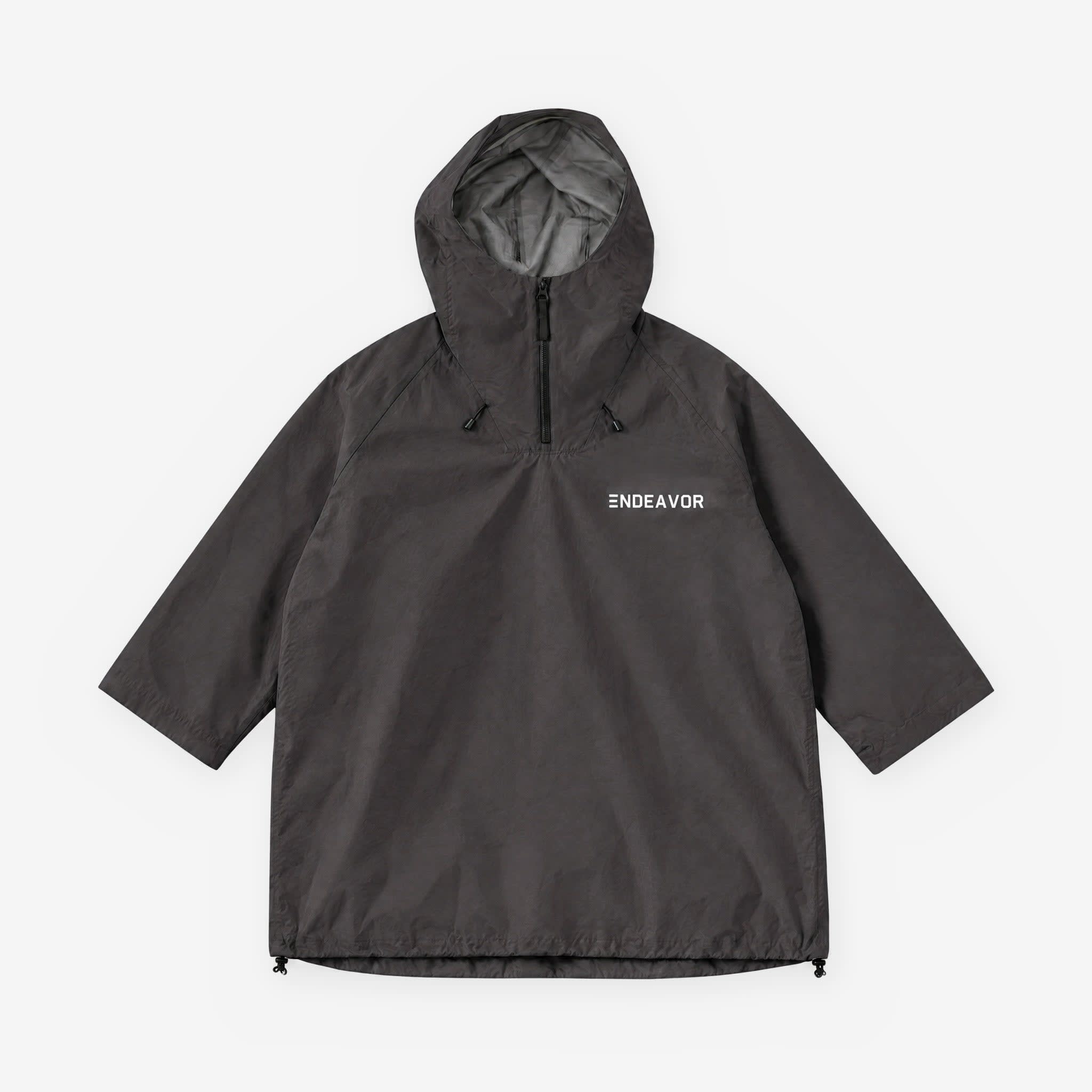
The company's outerwear takes a similarly broad view of the relationship between people and their environment. The 3L Shelter jacket is a three-layer storm shell, waterproof to 20,000mm, fully seam-sealed, with a helmet-compatible hood and a bio-based DWR finish. The 3L Scout Poncho explores a different silhouette for weather protection. Both are built around layering: the shell handles the weather and the warmth goes underneath, so you can adjust as the day changes.
These products may seem removed from the original ambition of making snowboards, but they're connected by the same curiosity. What happens before and after the riding? Which objects become indispensable? Which details are needlessly difficult? Where might a different approach make the day better?
The answers aren't always more technology. Sometimes they come from paying closer attention.
Keeping It Personal
There's a tendency to tell the history of outdoor equipment as a sequence of technological breakthroughs: new waterproof membranes, lighter insulation, stronger composites, more sophisticated manufacturing.
Those developments have changed what people can do outdoors. But they tell only part of the story. The other part is about people who use equipment in ways its designers didn't anticipate, who get frustrated by small shortcomings, or who simply want something that better reflects who they are.
Snowboarding has been particularly good at producing those people. Its history is full of riders who became filmmakers, photographers, artists, shop owners, designers and manufacturers. The line between taking part in the culture and contributing to it has always been unusually thin.
Endeavor Design Inc. belongs to that tradition.
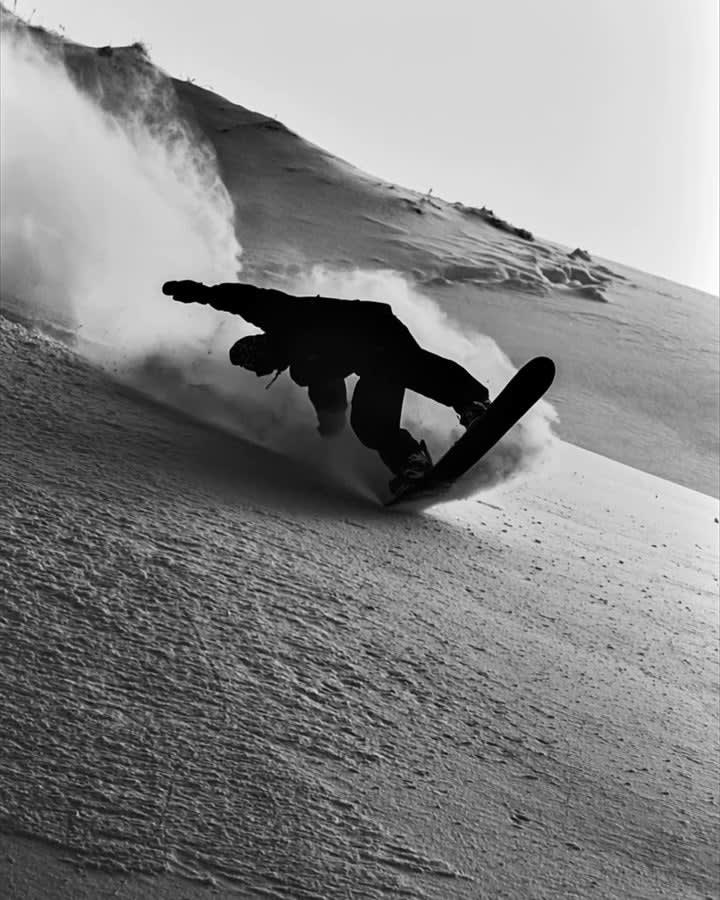
KING, an Endeavor film. Film by Klorklor.
What began as a snowboard company in Vancouver has grown into a family of brands that together cover much of the experience of riding. Yet each keeps a distinct identity, shaped by the particular problem or perspective that brought it into existence.
Airhole didn't begin because the market needed another facemask company. Sandbox wasn't created simply to expand into helmets. Transform wasn't founded to round out a product assortment. Each began with someone who believed an existing object could be better.
There's an important difference between that kind of product development and spotting a market opportunity, building a brand around it and finding an audience afterward. Neither approach guarantees a better product. But the first offers something increasingly hard to manufacture: a genuine connection between an object and the people who made it.
Endeavor has grown considerably since 2002. It became a Certified B Corporation in 2022 — independently verified by B Lab and re-certified since — and it remains rider-owned and family-operated. That continuity is notable in an industry where independent brands are often absorbed into larger portfolios, and where the distance between product development and actually riding can grow wide.
As another winter approaches, the company's story is a useful reminder of what made snowboarding's design culture interesting in the first place.
Not every innovation needs to transform an industry. Not every product needs to introduce an entirely new technology. And not every meaningful design decision can be measured in grams, millimetres or lab results.
Sometimes it begins with a wet facemask, an uncomfortable helmet, a worn-out glove or a board that doesn't quite feel right. Someone notices, and decides to make something different.
No products available.
Shop Endeavor on Weekends today.
Related Articles
November 25, 2026
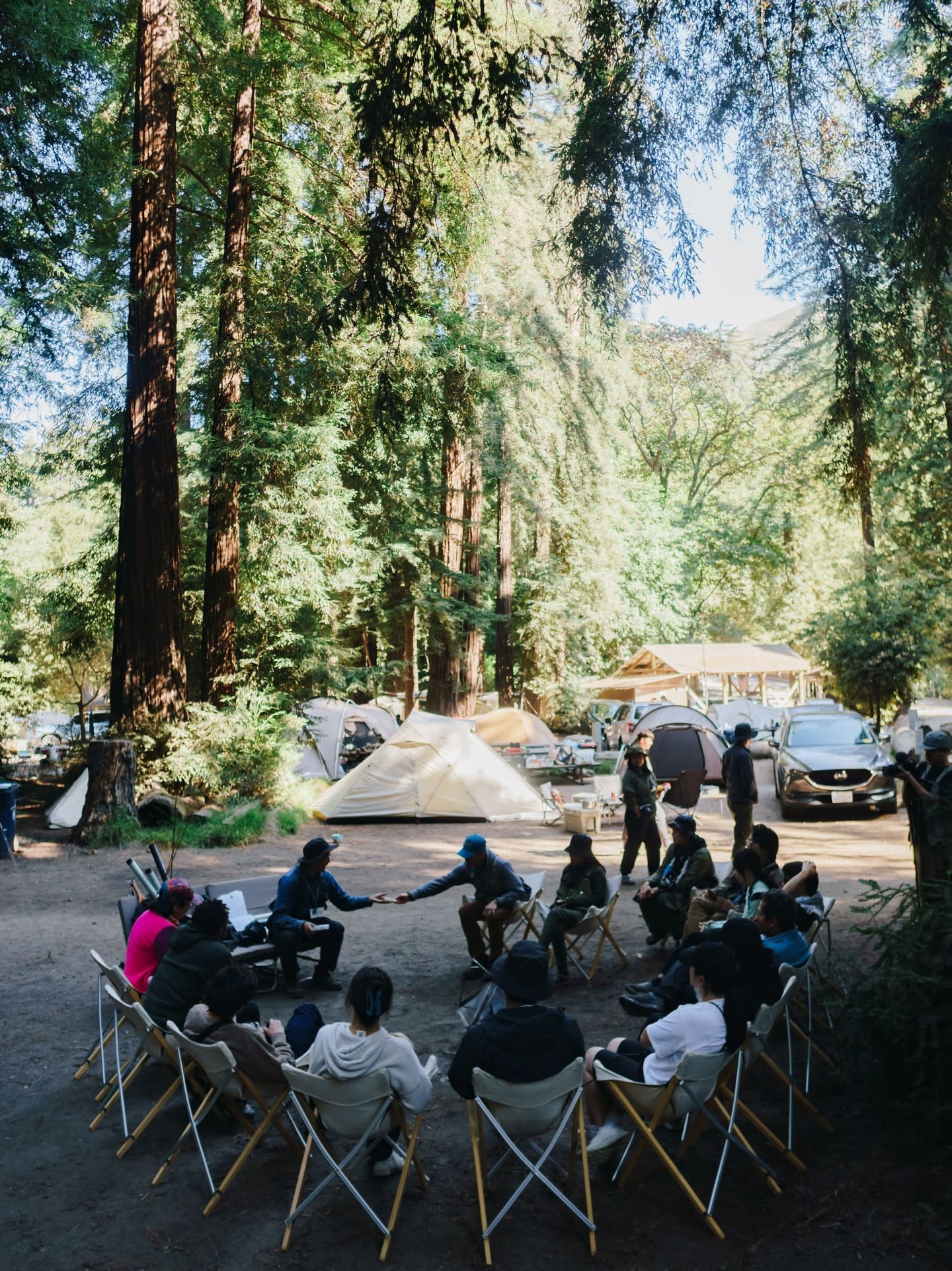
The Art of Playing Slowly: Yuichi Uchida on Snow Peak and a Different Way to Be Outdoors
A conversation with Yuichi Uchida, Chief Brand Officer at Snow Peak USA, on noasobi, functional beauty, and building an outdoor brand around slowing down.
Read →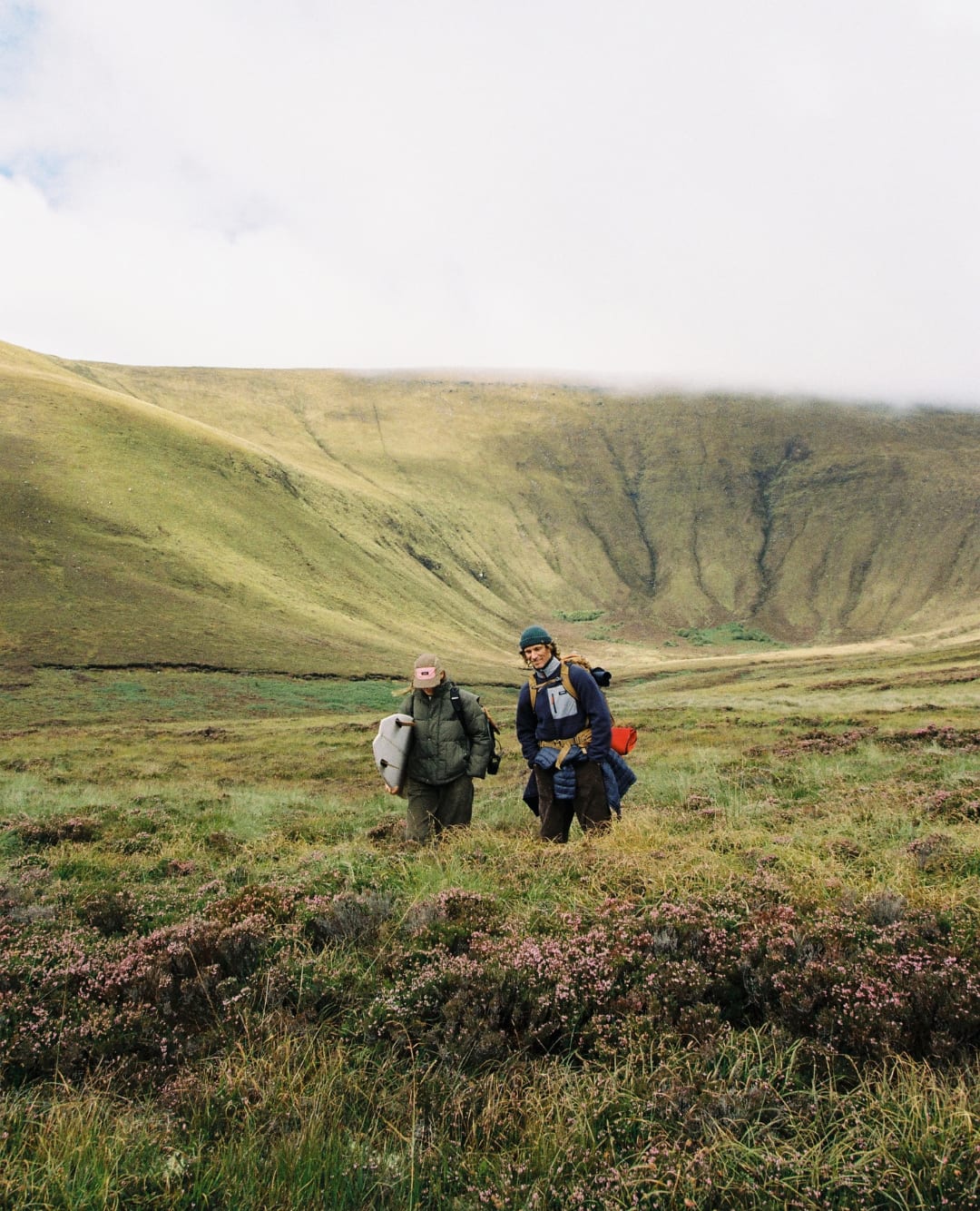
November 25, 2026
The Rain Jacket After Fifty Washes
Why washing a waterproof jacket may restore performance — and what Houdini, Klättermusen and Finisterre reveal about rainwear durability.
Read →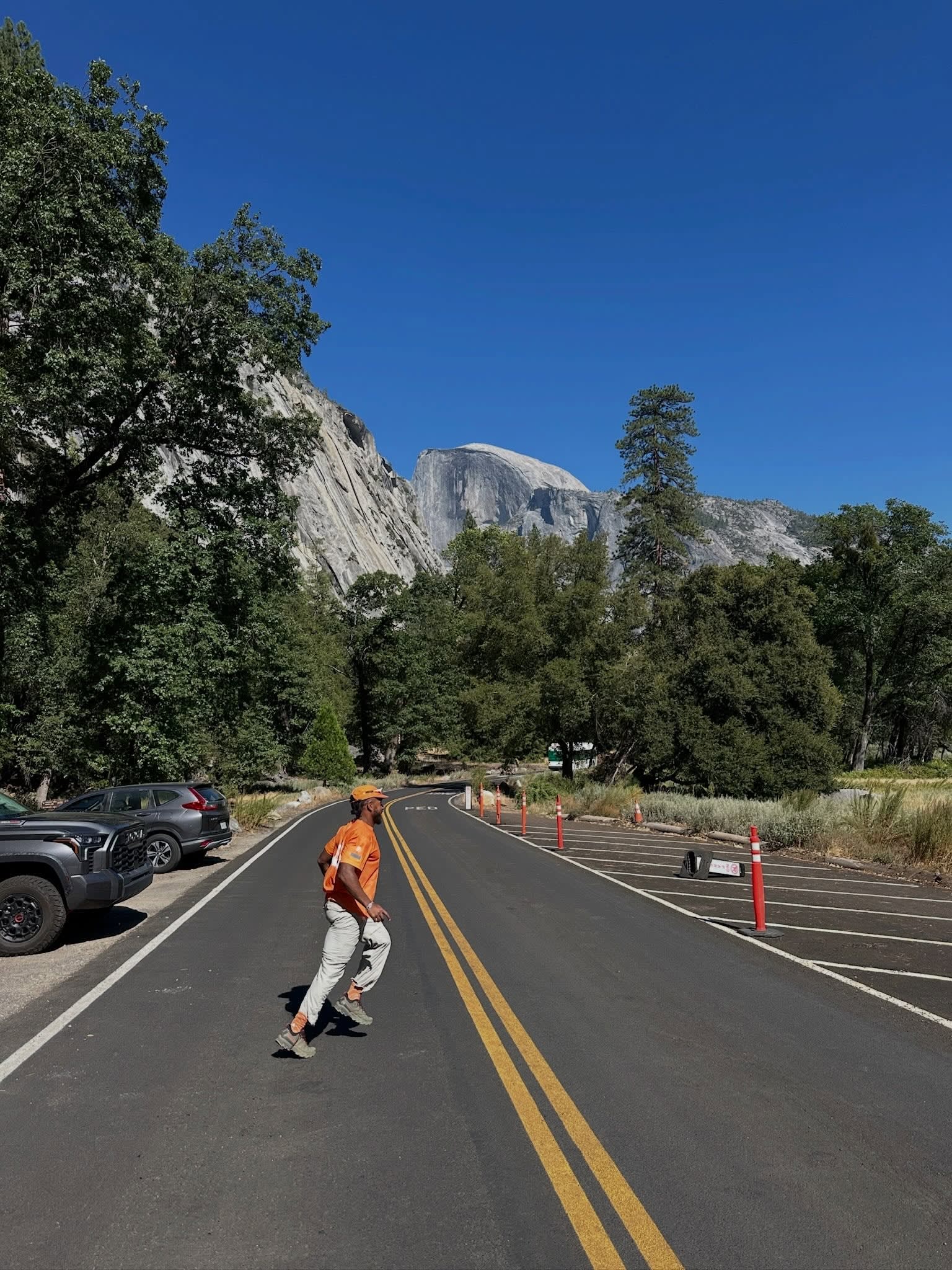
November 21, 2026
Finding Your Own Way: CJ Lowe on Outdoor Culture, Identity, and Building LOWE
The founder of LOWE on how outdoor culture became social currency, authenticity in a crowded market, and finding your own way through fashion and identity.
Read →