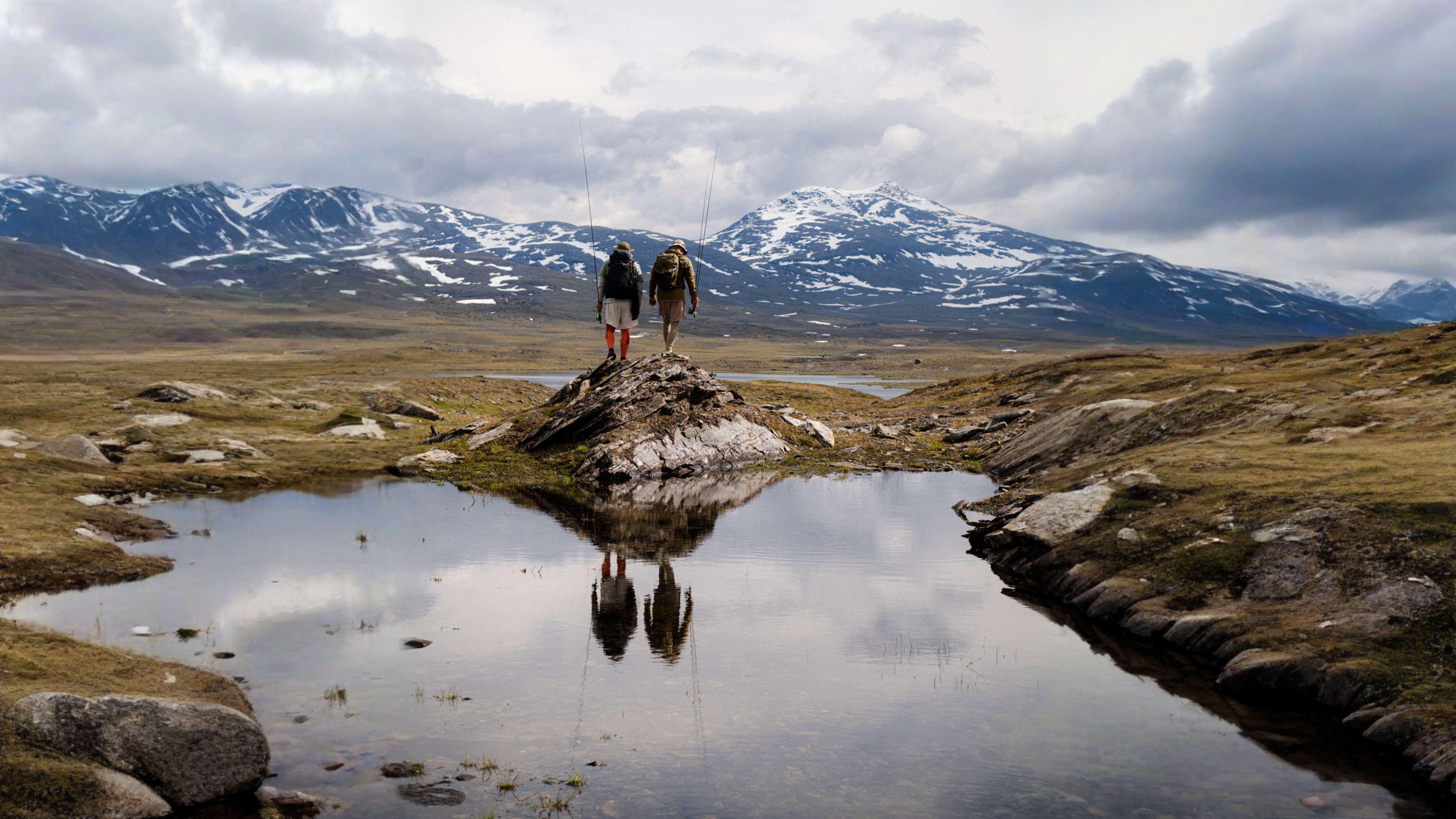
The Great Outdoor Unbundling
by WeekEnds
For most of the modern outdoor industry's life, the premise was simple: find a brand you trust, and let it dress you.
A Patagonia customer could pick up a fleece, a rain shell, a backpack and a pair of hiking pants without ever leaving the brand's orbit. The North Face covered everything from expedition gear to school backpacks. Arc'teryx started in alpine shells and slowly expanded outward into a full wardrobe. Loyalty was reinforced by consistency. Once you trusted a company's take on performance, fit and quality, buying something else with the same label felt like a reasonable shortcut.
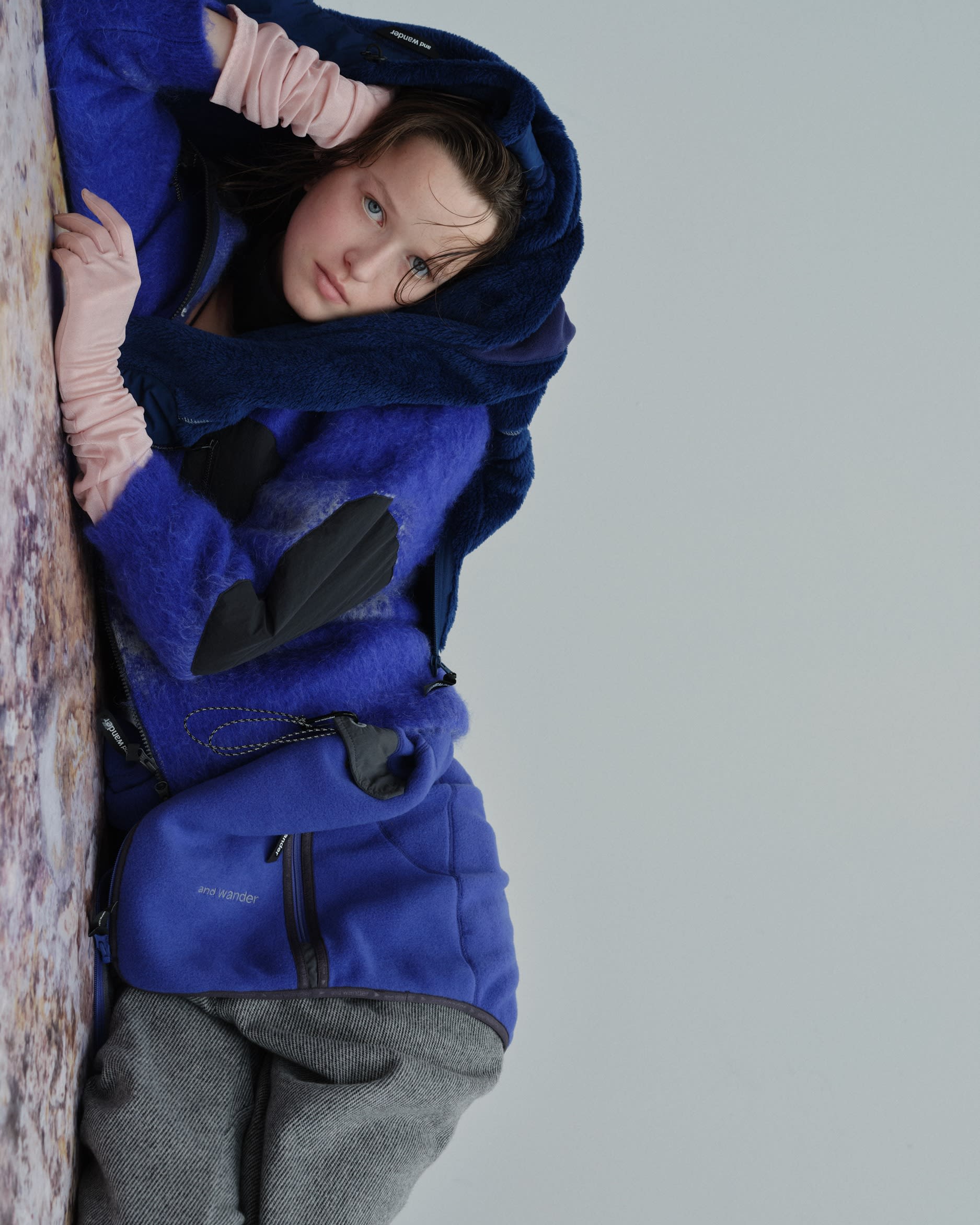
and wander / @andwander_official
That model hasn't gone anywhere. But it's running into a different kind of competition.
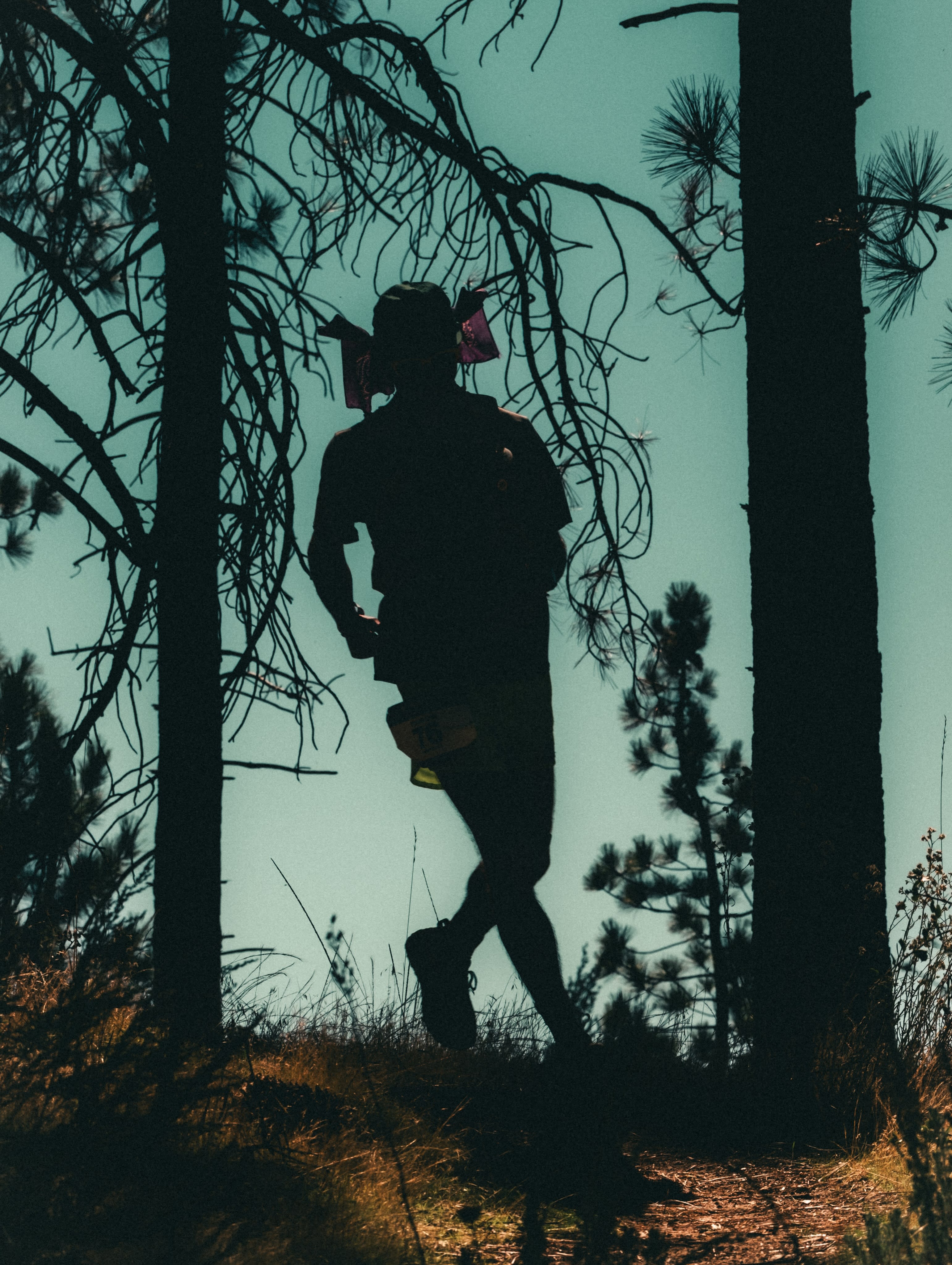
Today, someone heading into the mountains might wear a shell from Klättermusen, carry a pack from Hyperlite Mountain Gear, pull on a Senchi fleece underneath, and lace up trail shoes from NNormal or Norda. Their running vest might come from Yamatomichi, their sandals from Bedrock or Luna, their cap from Satisfy, their puffy from Nanga. Their favorite piece of kit might be something made by one person in a workshop in Maine or Nagano.
These choices aren't exactly a rejection of the big outdoor brands. They reflect a different relationship with brands altogether.
People aren't looking for one company to define their outdoor identity anymore. They're assembling that identity themselves.
The outdoor wardrobe is becoming unbundled.
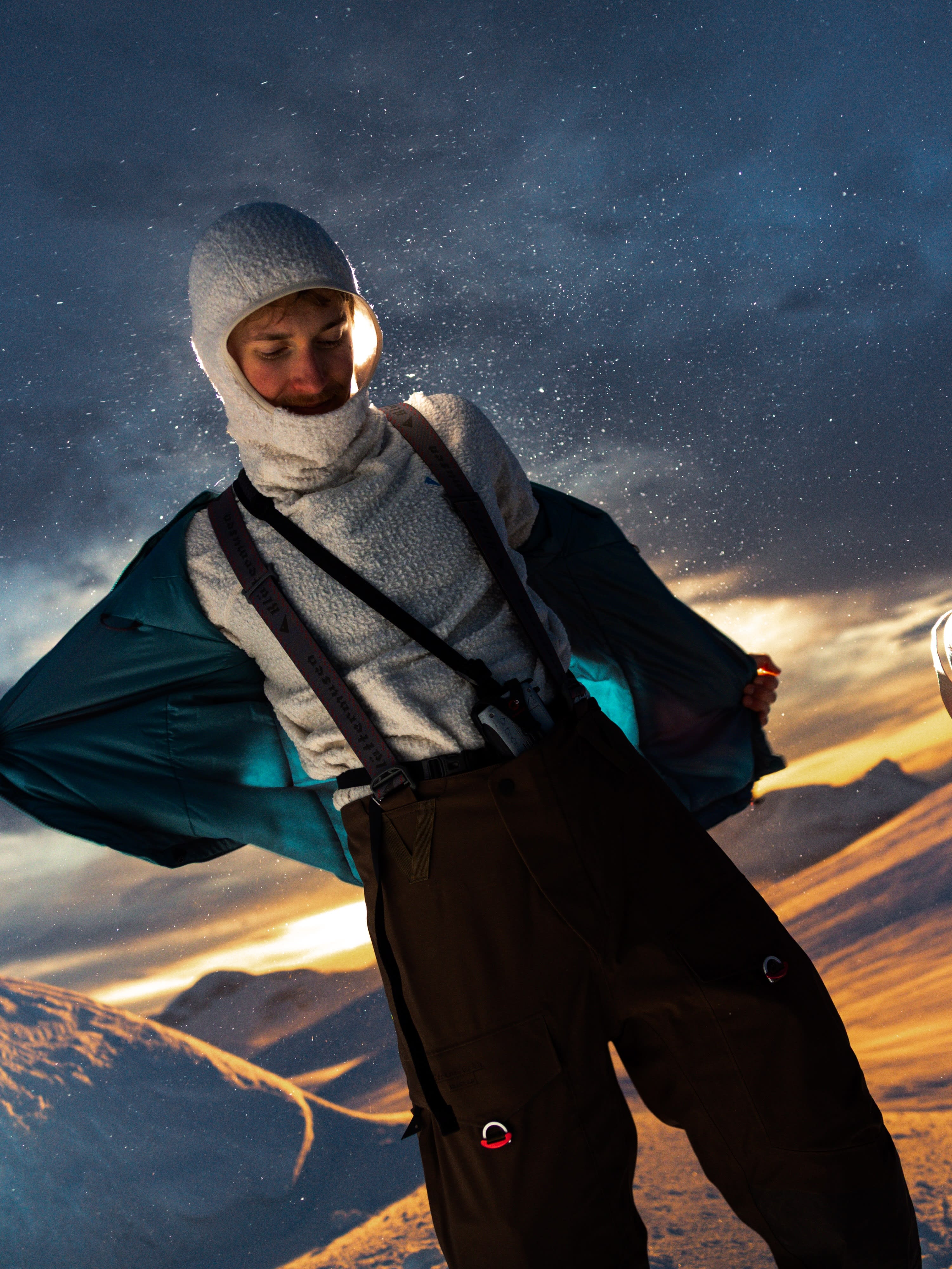
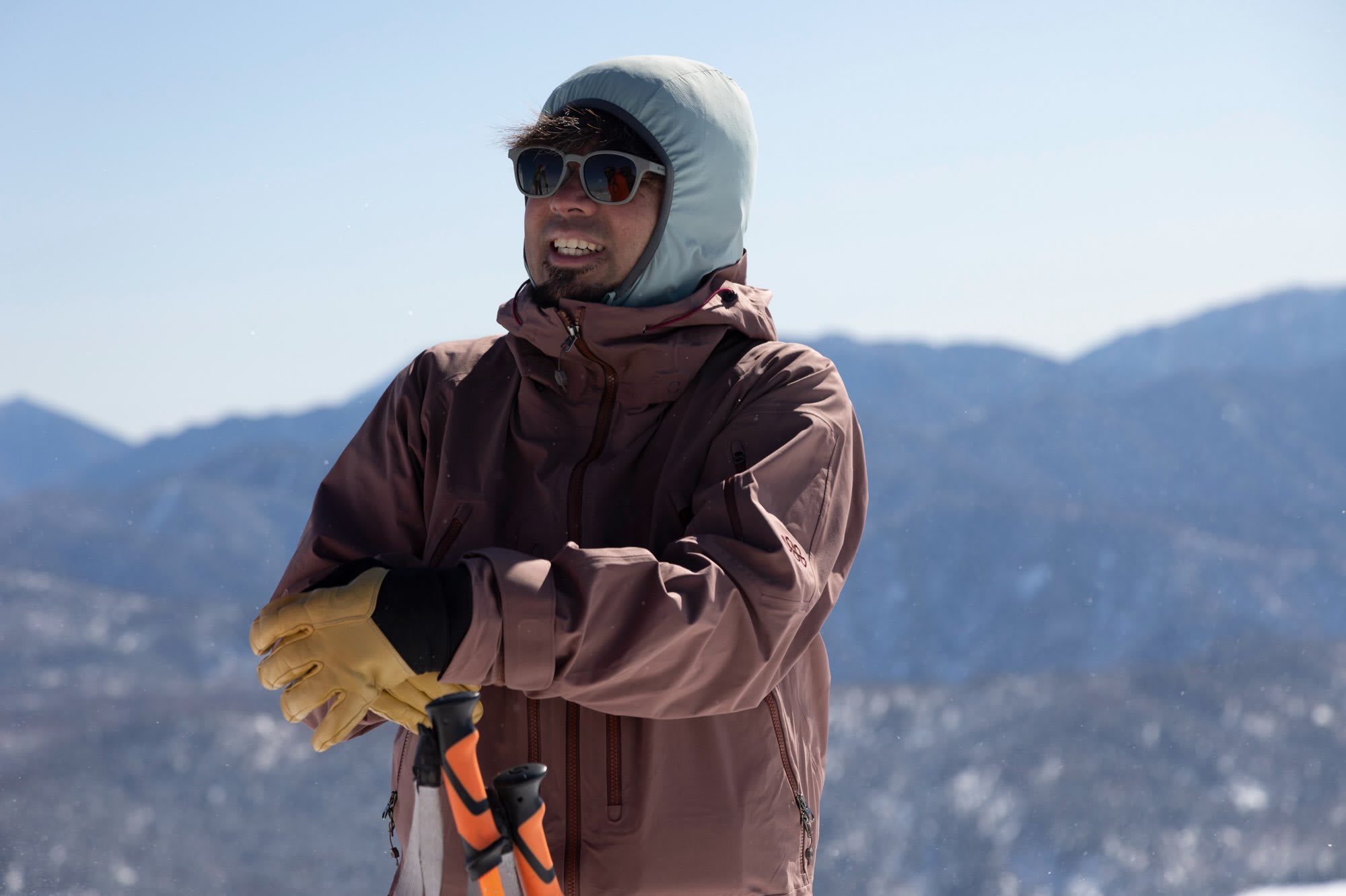
Klättermusen / @klattermusen
From brand loyalty to product loyalty
Outdoor brands used to offer something broader than equipment. They offered a worldview.
Patagonia represented environmental responsibility and climbing culture. The North Face was shorthand for exploration. Arc'teryx became synonymous with technical precision. Each one built a recognizable identity, and people expressed their own relationship with the outdoors partly through the label on their chest.
That shorthand worked best when information was scarce. A brand's reputation acted as a stand-in for evaluating gear you couldn't easily research. If a company made an exceptional climbing jacket, it was reasonable to assume its other products were in the same range.
But expertise is rarely spread evenly across a catalog.
A company might make outstanding packs and unremarkable clothing. Another might be exceptional at waterproof shells but have little particular advantage in footwear. A third might produce a beautifully considered fleece without any interest in building an entire apparel system around it.
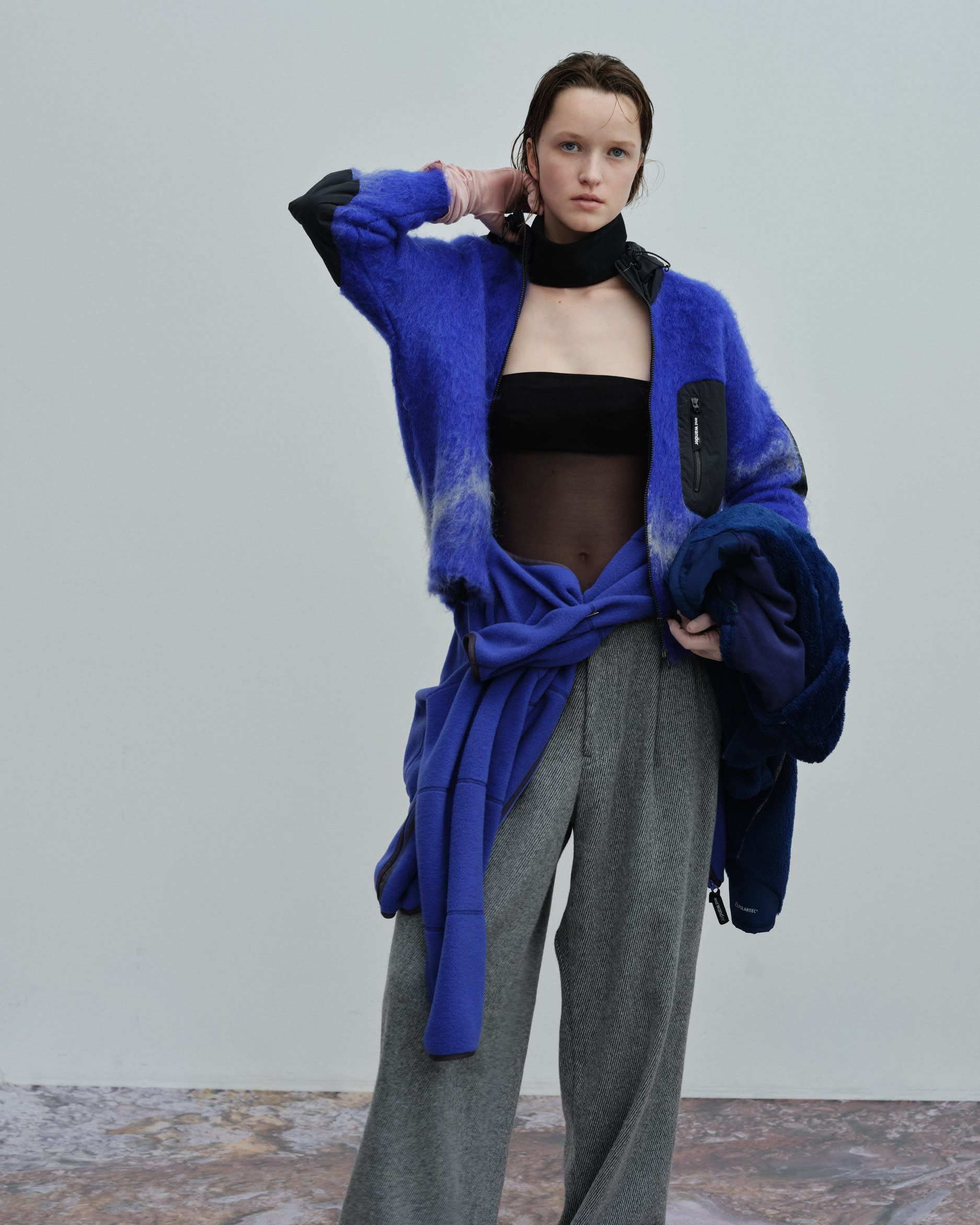
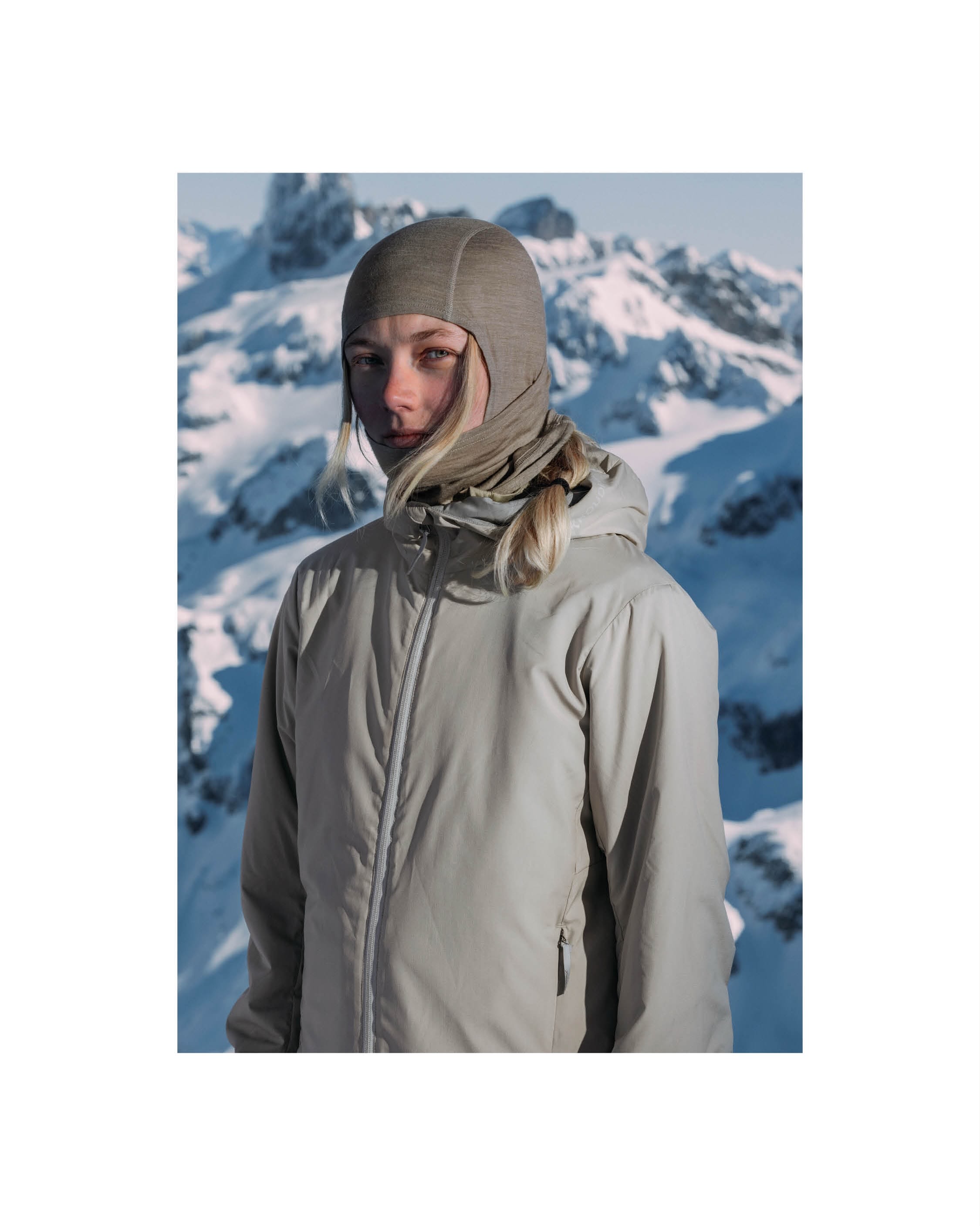
and wander / @andwander_official
People now have the tools to notice these differences.
Instead of asking which outdoor brand is best, they ask which brand makes the best product for a specific purpose.
It sounds subtle. It isn't.
Brand loyalty encouraged people to buy across categories. Product loyalty encourages them to find the strongest solution inside each category, no matter who makes it.
The result is a wardrobe pulled from many competing philosophies instead of one company's complete collection.
The rise of the specialist
The modern outdoor industry contains a strange number of companies built around solving narrow problems very well.
Hyperlite Mountain Gear built its identity around weather-resistant Dyneema packs and minimalist construction. Pa'lante developed a following for its stripped-back designs and a specific idea of how a pack should move with the body. Senchi Designs became recognizable for featherweight Alpha Direct fleece. Bedrock Sandals built a reputation around a particular approach to minimalist footwear.
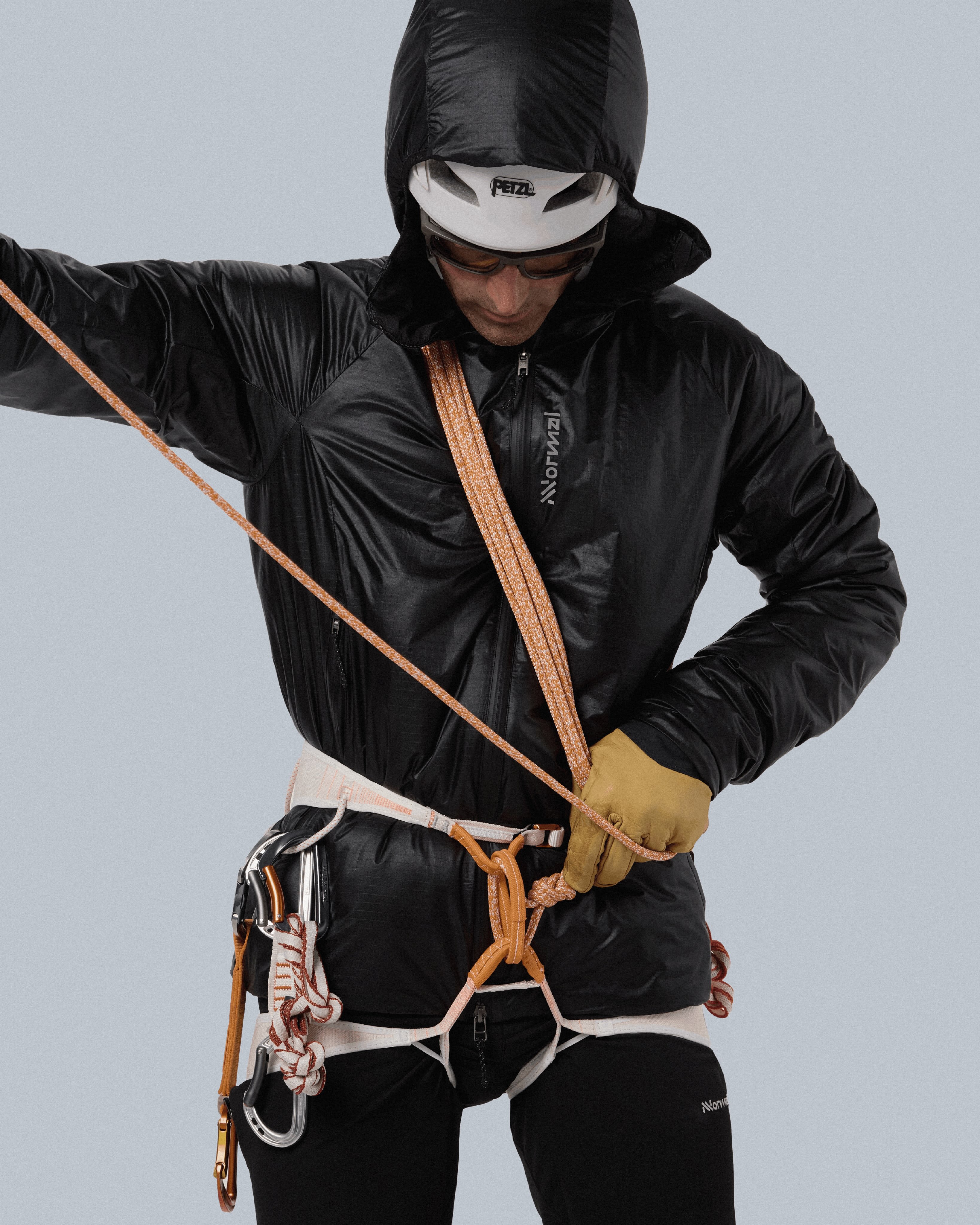
NNormal / @nnormal_official
Around them is a quieter cottage layer that keeps expanding. Superior Wilderness Designs and Atom Packs build custom frameless packs from small workshops. Yamatomichi, out of Kamakura, has become one of the most influential ultralight brands in Asia almost entirely by word of mouth. Timmermade and Nunatak make down and Alpha layers in single-digit batches. Norda and Speedland reimagined what a trail shoe could cost and look like. VJ Sport, a small Finnish company, became a cult favorite among fell runners long before most Americans had heard of it.
None of these companies need to compete across every category to matter.
Their narrowness is often the point.
A specialist can focus development on a handful of products. It can respond to feedback from a specific community — thru-hikers, sky runners, pack rafters, bike campers — rather than a diffuse general customer. It can refine construction details that would look trivial to a general buyer but matter enormously to someone using the gear for a thousand miles.
Hyperlite Mountain Gear / @hyperlite_mountain_gear
Think about a pack maker focused almost entirely on long-distance hiking. Its customers care intensely about shoulder-strap geometry, side-pocket reach, hip-belt removability, fabric weight, and how a pack behaves as its load shrinks over a week on trail.
A diversified outdoor company has to balance those considerations against a much wider audience, price band and commercial reality.
Neither approach is automatically better. A larger company usually has more testing infrastructure, more sourcing leverage, better warranty systems and manufacturing experience. But a specialist can sometimes pursue a more precise answer to a narrower question.
And in a market where someone in Denver can discover and buy a pack built in Japan, that precision becomes commercially valuable.
The specialist no longer needs to build a complete wardrobe to earn a place in one.
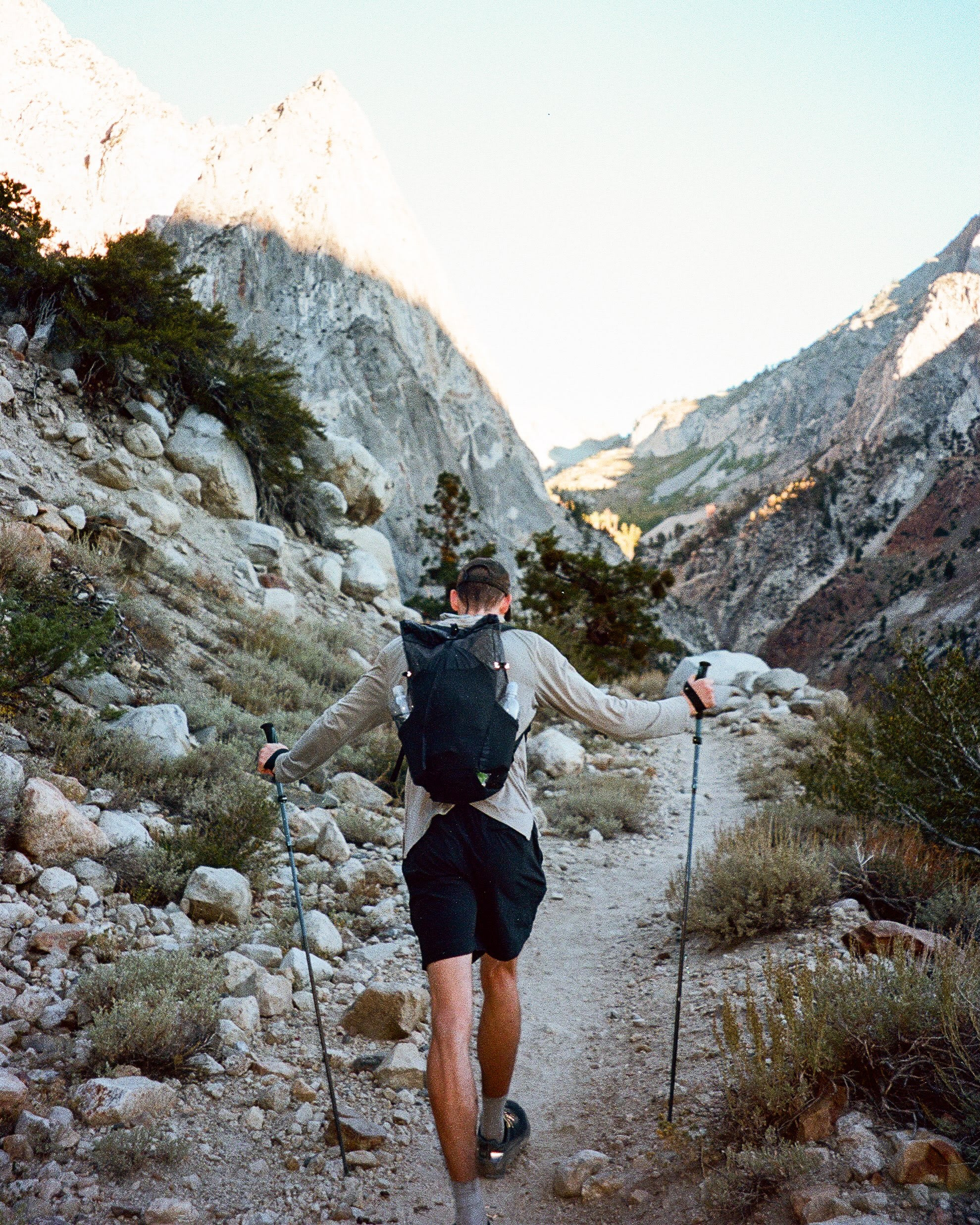
Pa'lante / @palantepacks
No products available.
Discovery replaced distribution
For most of the outdoor industry's history, distribution decided which brands people encountered.
Specialty retailers had limited floor space. Buyers made their selections months in advance. National brands had the money to maintain wholesale relationships, print catalogs, support sales reps and keep inventory flowing.
Smaller manufacturers faced a brutal version of the same problem: even if they made an exceptional product, getting it in front of enough people was prohibitively expensive.
The internet quietly rearranged the economics of discovery.
An independent pack maker can show a product through a two-minute video. A long-distance hiker can publish a detailed review after three thousand miles of use. A designer can explain an unusual construction choice directly to the people most likely to appreciate it.
Online communities let expertise circulate outside traditional retail and advertising channels.
A product can develop a reputation before it ever shows up on a shelf.
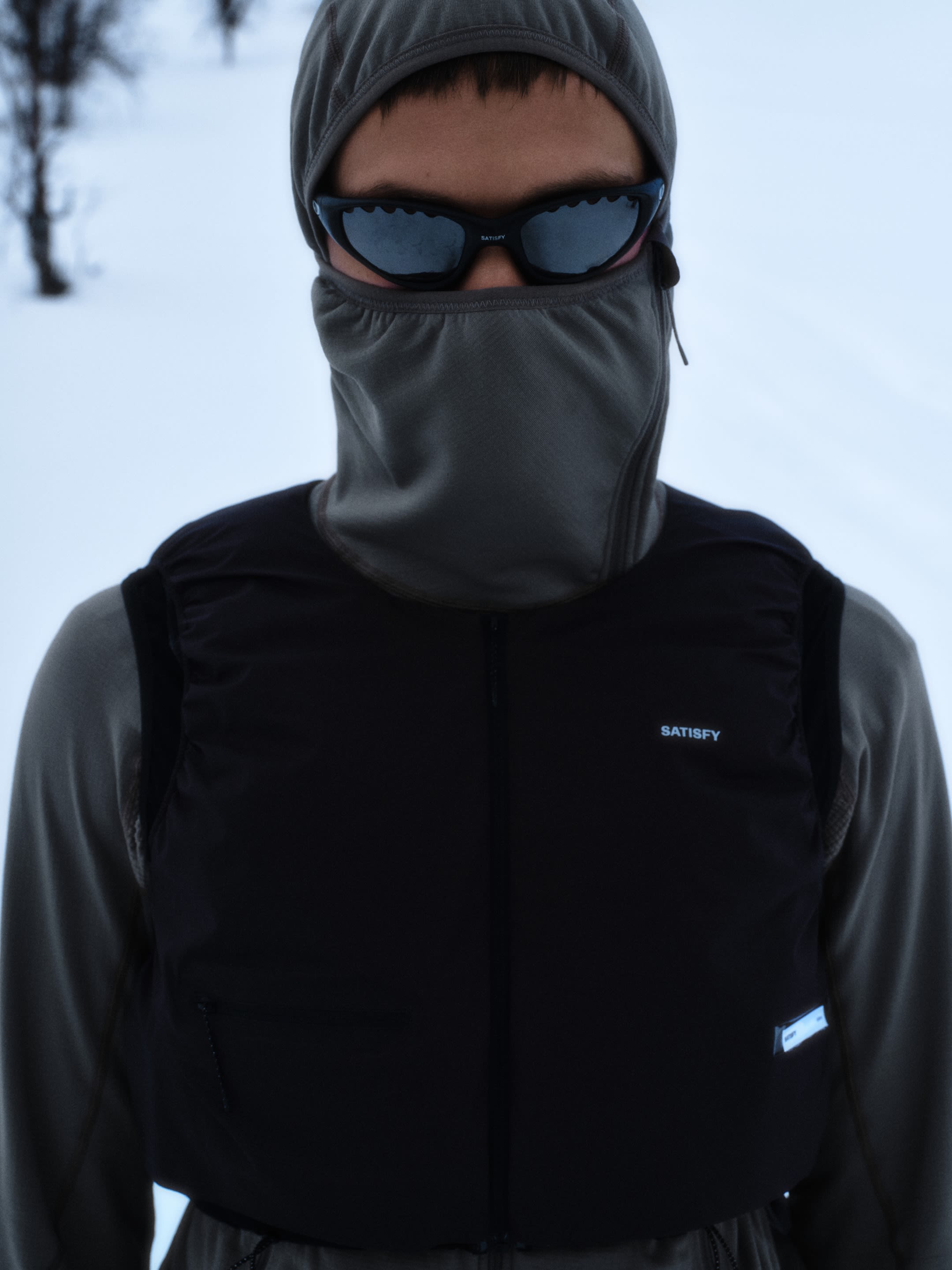
SATISFY / @satisfyrunning
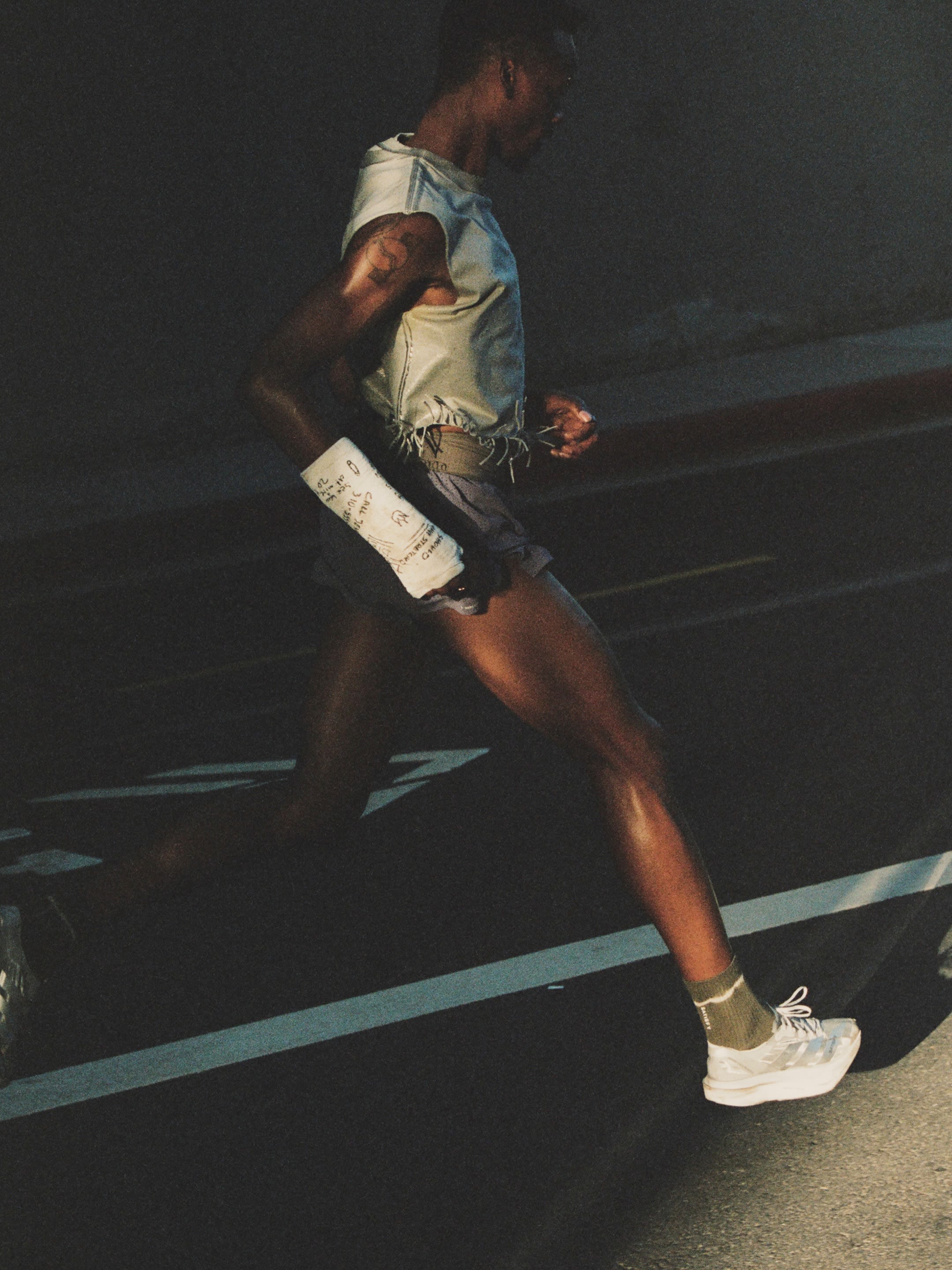
This is how brands like Senchi, Pa'lante and Yamatomichi grew from obscurity to months-long waitlists without conventional advertising. It's how Norda went from an unknown Canadian startup to a cult trail shoe in two years. It's how Satisfy, which began as a small French running label with a specific aesthetic sensibility, became a reference point for how running apparel could look.
Distribution isn't irrelevant. Manufacturing capacity, fulfillment, customer service, returns and international shipping remain real obstacles for small companies.
But people no longer need to meet a brand on the wall of a local outdoor store to become interested in it.
They can find it through a niche community, examine its construction, compare it against alternatives, and buy it directly from a workshop halfway around the world.
The traditional advantage of being everywhere has been challenged by the possibility of being unusually relevant somewhere.
The outdoor wardrobe as a personal edit
There's also a cultural dimension to all this.
Outdoor clothing has drifted beyond the boundaries of individual sports. A technical shell can be worn on a mountain, during a commute, or thrown over everyday clothes. A trail shoe can quietly become someone's preferred travel footwear. A climbing pant can be valued as much for its silhouette as for its range of motion.
As outdoor products get folded into everyday wardrobes, they get evaluated through a broader set of criteria.
Performance still matters. So do proportion, color, texture, versatility and personal taste.
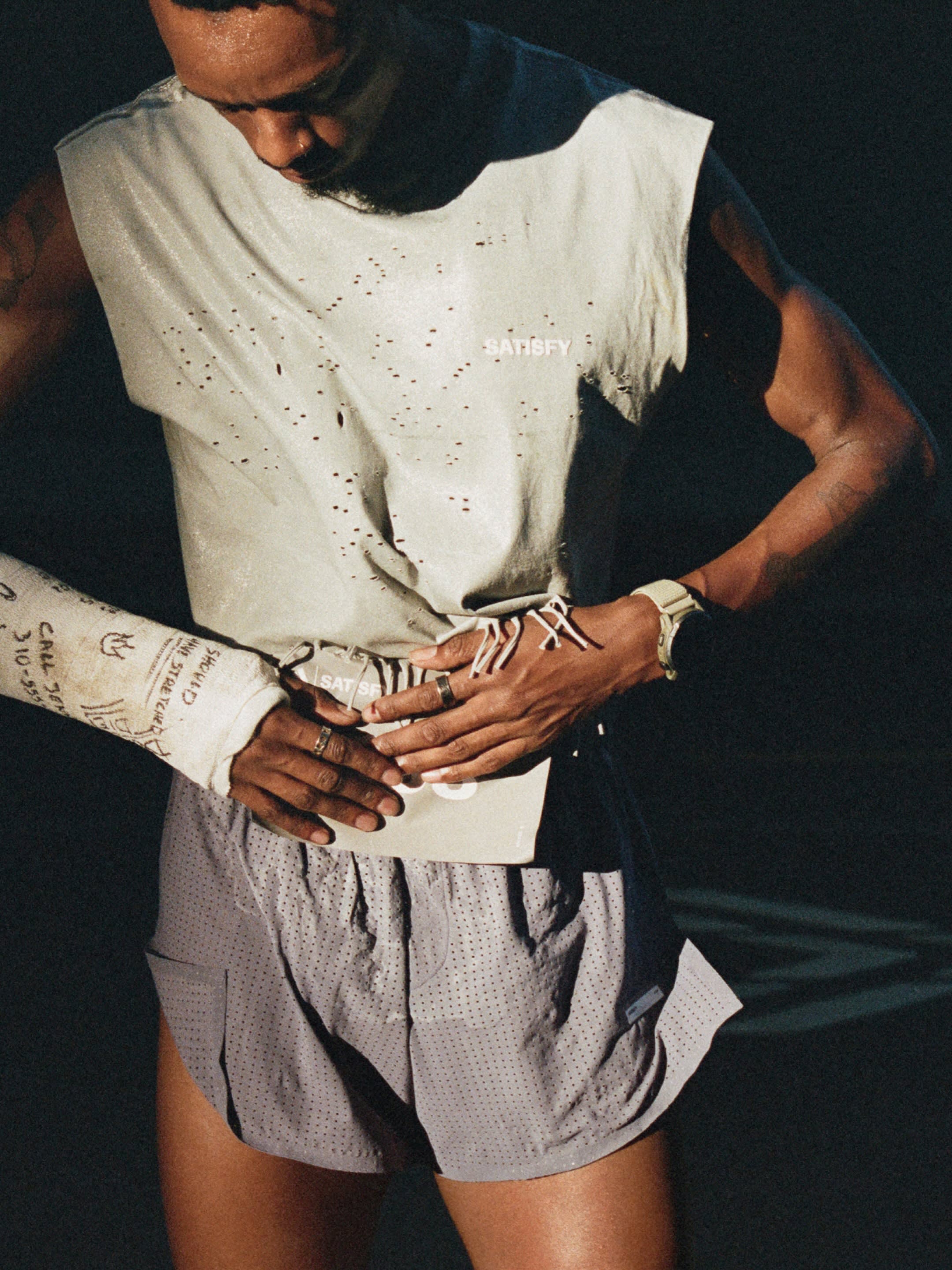
SATISFY / @satisfyrunning
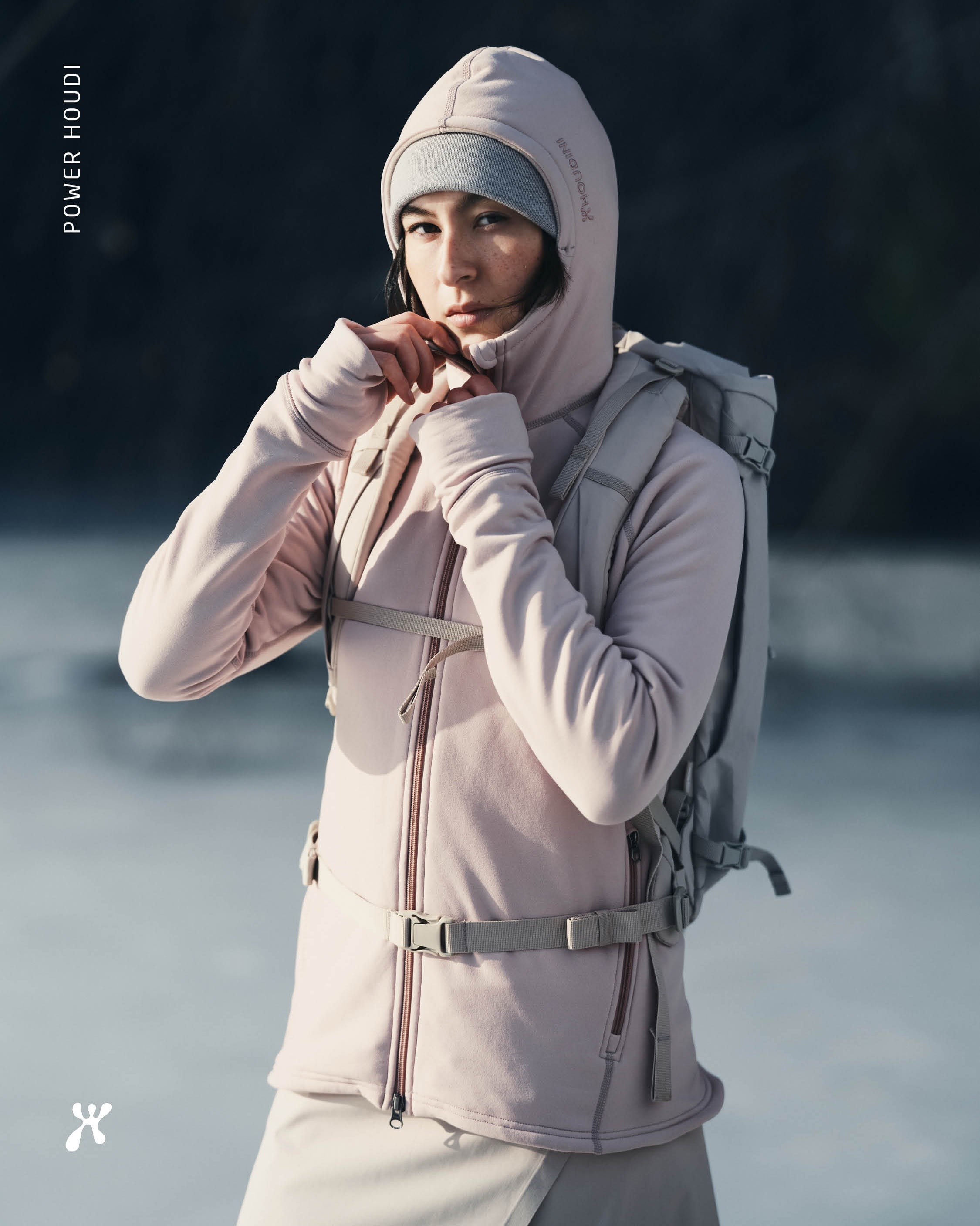
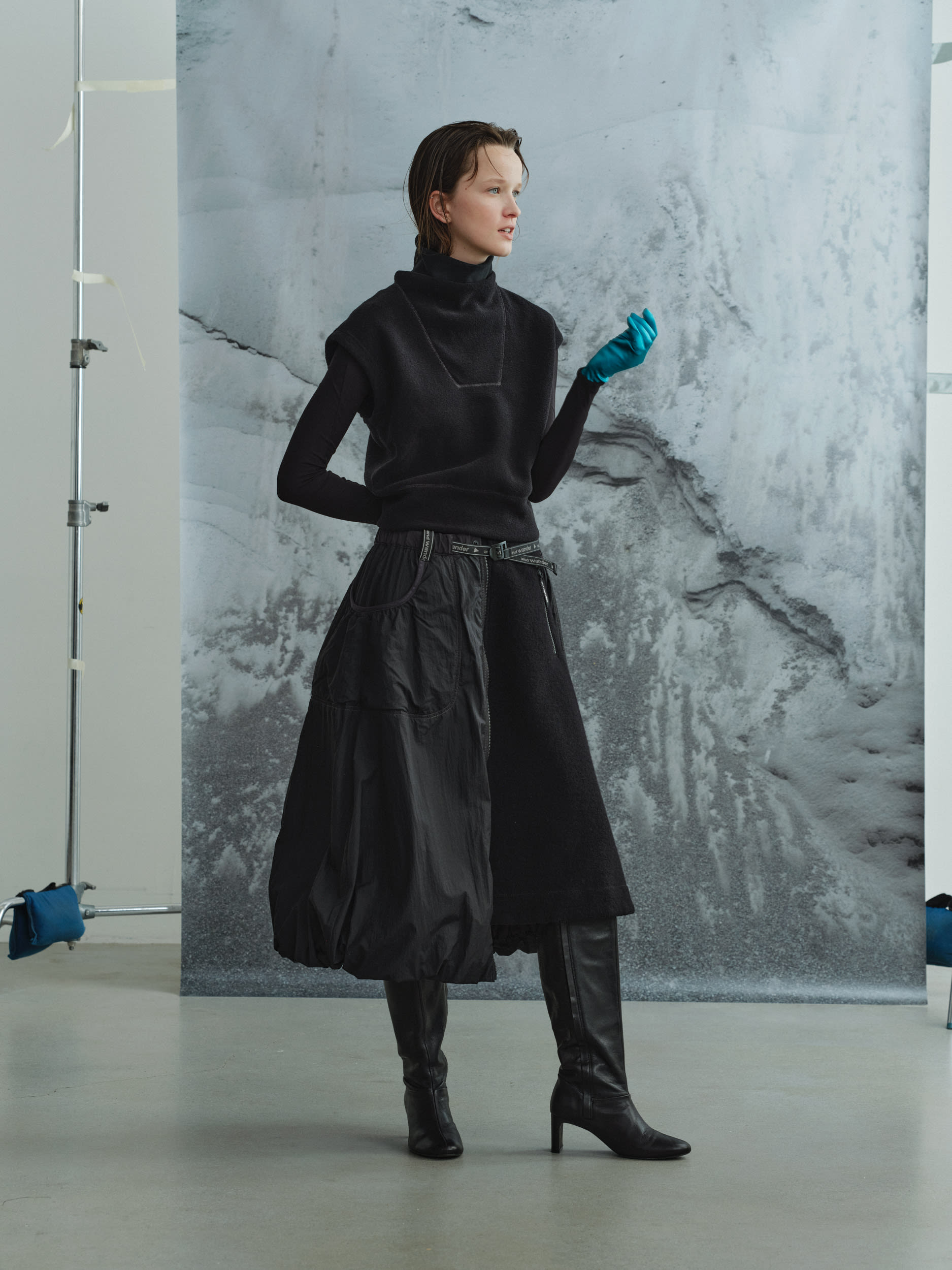
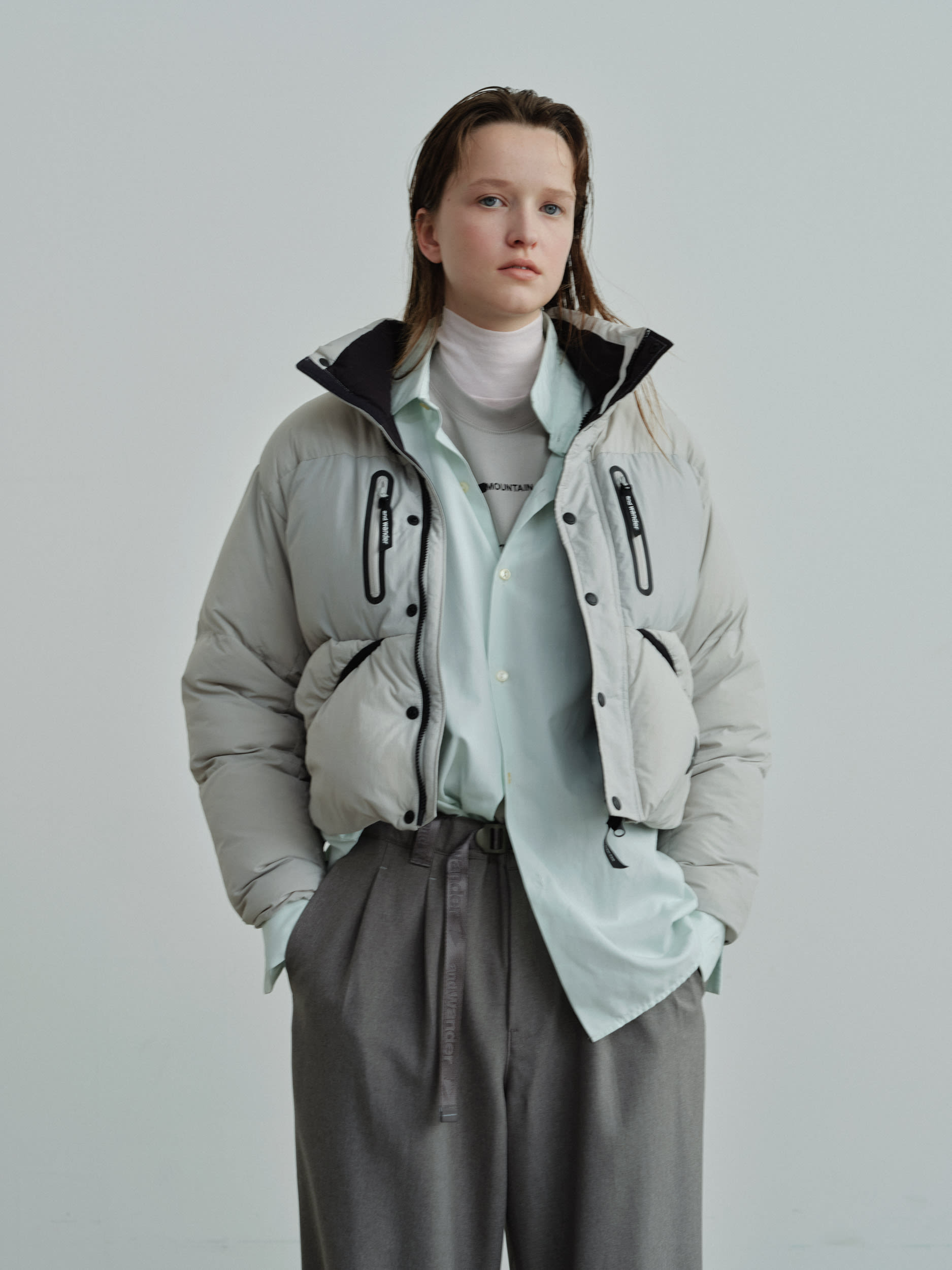
Someone might prefer the restrained design of And Wander or Snow Peak, the material thinking of an American cottage maker like Senchi, the shape language of a European running brand like NNormal, the historical references of a heritage mountaineering label, and the quiet utility of something like Houdini or Teton Bros.
No single company is going to satisfy all of that.
This is where outdoor consumption starts to look a lot like the way people engage with independent fashion.
A wardrobe isn't a uniform purchased from one manufacturer. It's an arrangement of objects collected for different reasons, sometimes complementary and sometimes a little contradictory.
The combinations themselves become expressions of taste.
In this environment, brand identity still matters. But its role shifts.
Instead of inviting people into an entire brand universe, companies have to make products distinctive enough to earn a place in someone else's.
The consumer becomes the curator.
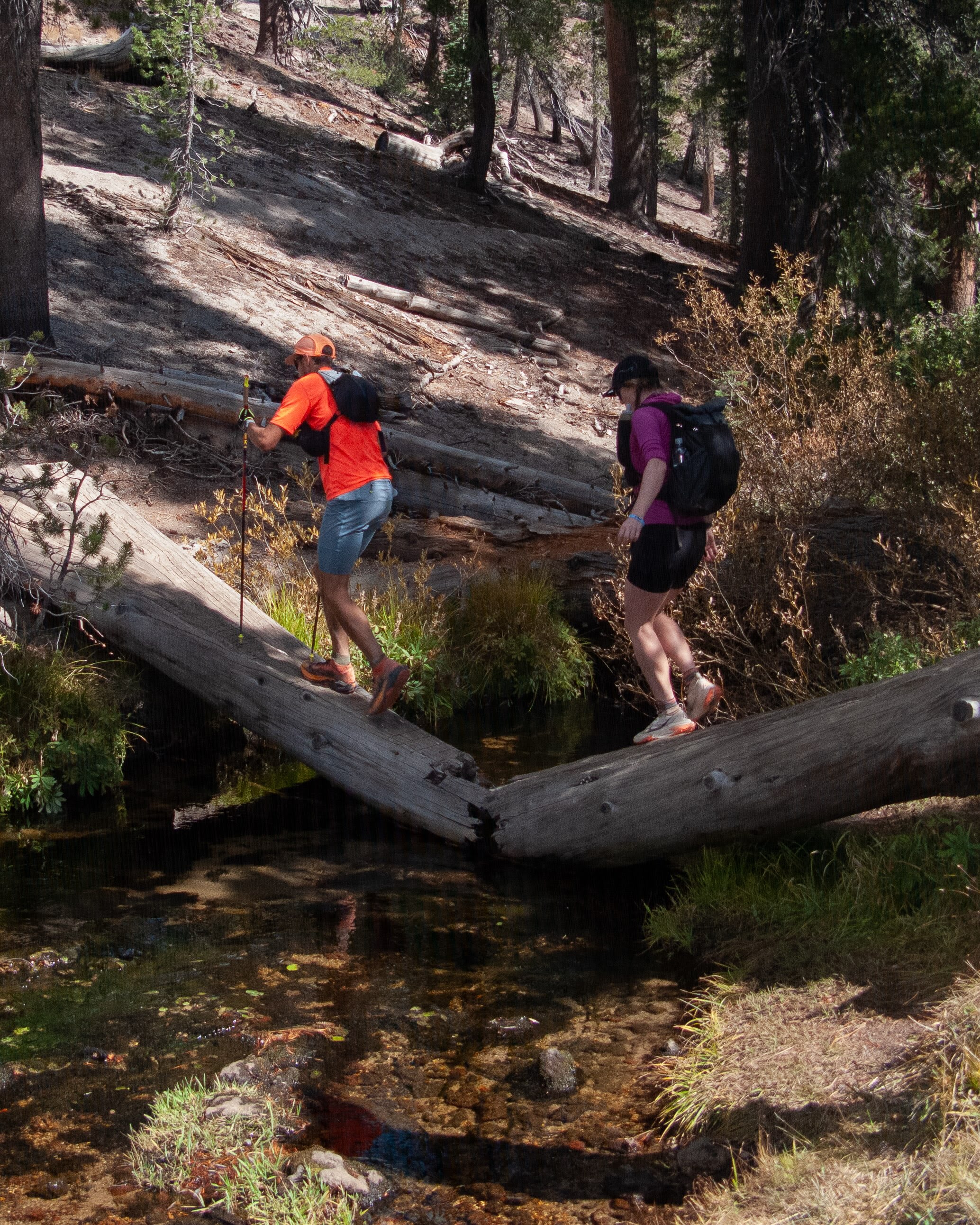
Pa'lante / @palantepacks
The consumer is changing, too
The unbundling of the outdoor wardrobe is happening alongside a broader change in outdoor participation.
The Outdoor Industry Association's 2026 participation report counts 183.2 million Americans in outdoor recreation, 59% of the population aged six and older. The number of participants keeps climbing. The intensity isn't. The average participant now takes five fewer outings a year than in 2019.
More people are going outside. Most are doing it less often.
That matters, because someone who hikes occasionally, runs during the week, travels frequently and wears outdoor clothing around the city has different needs than someone whose kit is organized around one serious pursuit.
The OIA's 2025 consumer research found that casual and active-lifestyle participants account for more than 90% of outdoor market spending. Its retail research pointed to footwear and accessories as stronger-performing categories than equipment and apparel in 2024.
None of that directly proves people are buying from more brands than they used to. That would need longitudinal research into the number of labels showing up in individual closets.
But it does suggest that the old picture of the deeply committed outdoor consumer no longer describes most of the market.
The person buying a technical jacket today may not want to become an alpinist. They may just want an exceptionally good jacket.
And the company making it no longer needs to satisfy every other part of their outdoor life to sell it to them.
The problem for the full-line outdoor brand
For established outdoor companies, this creates an uncomfortable strategic question.
If people increasingly pick individual products instead of complete brand ecosystems, what's the advantage of making everything?
Large outdoor brands have long benefited from expanding into adjacent categories. A customer who trusted a company's jackets could be nudged toward its pants, packs, footwear and accessories.
That strategy increased the commercial value of each customer. It also helped spread marketing, retail and distribution costs across a wider catalog.
But expansion comes with a cost: every new category opens another door for a specialist to outperform the generalist.
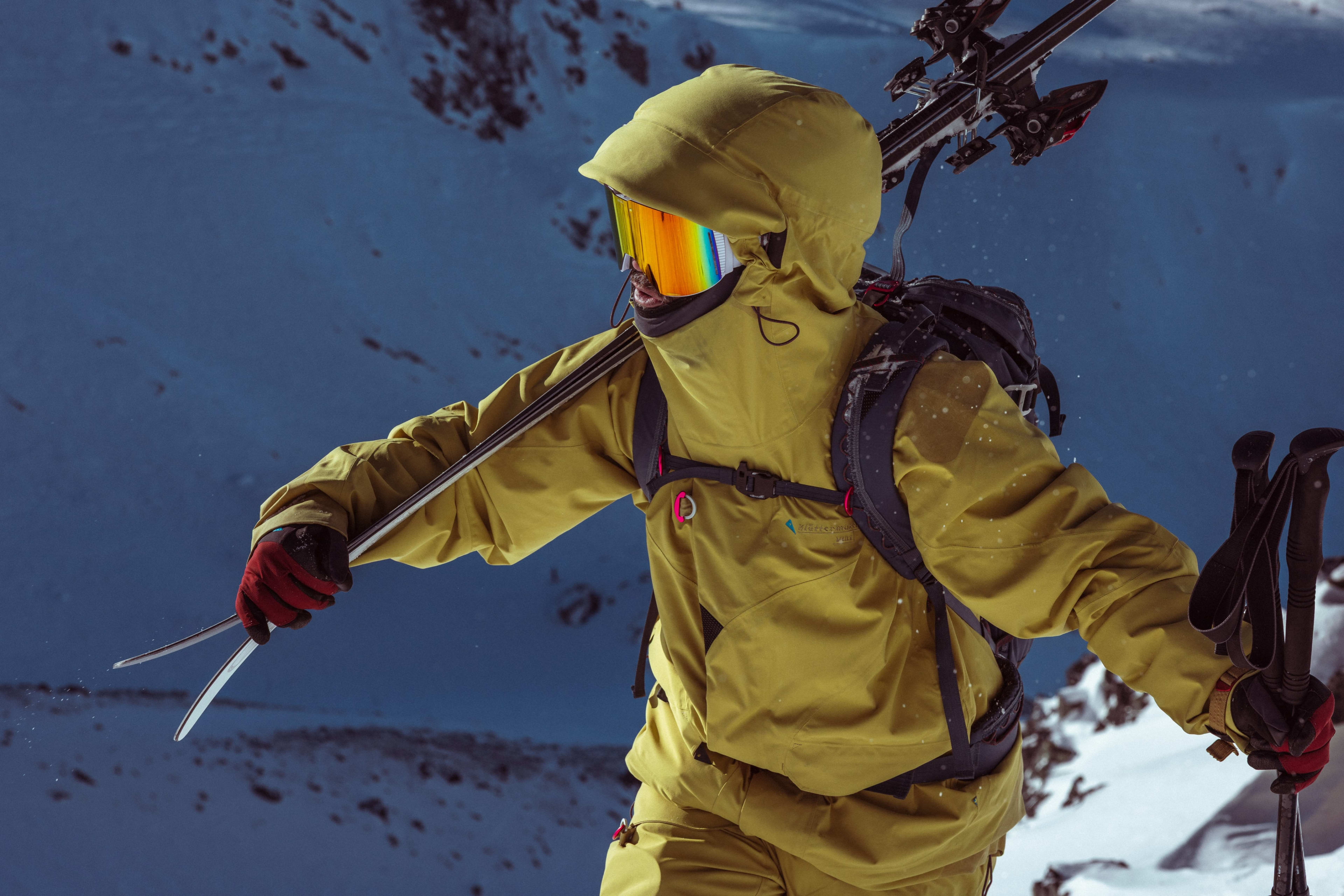
Klättermusen / @klattermusen
A brand might have an exceptional reputation in alpine shells without quite the same authority in trail shoes. Its design language might translate beautifully into packs but less convincingly into everyday clothing.
As people become more comfortable mixing brands, companies may find it increasingly hard to coast on reputation alone when selling products outside their core.
There are limits to this argument. Large companies still have real advantages in technical research, material sourcing, quality control and warranty support. An integrated layering system can genuinely benefit from fit and compatibility across pieces.
The future probably doesn't belong exclusively to specialists.
But established brands may need to become more selective about where they compete.
Instead of trying to dominate every outdoor category, they may find more value in making fewer products that are difficult to replace.
In an unbundled market, being indispensable in one category may matter more than being adequate in ten.
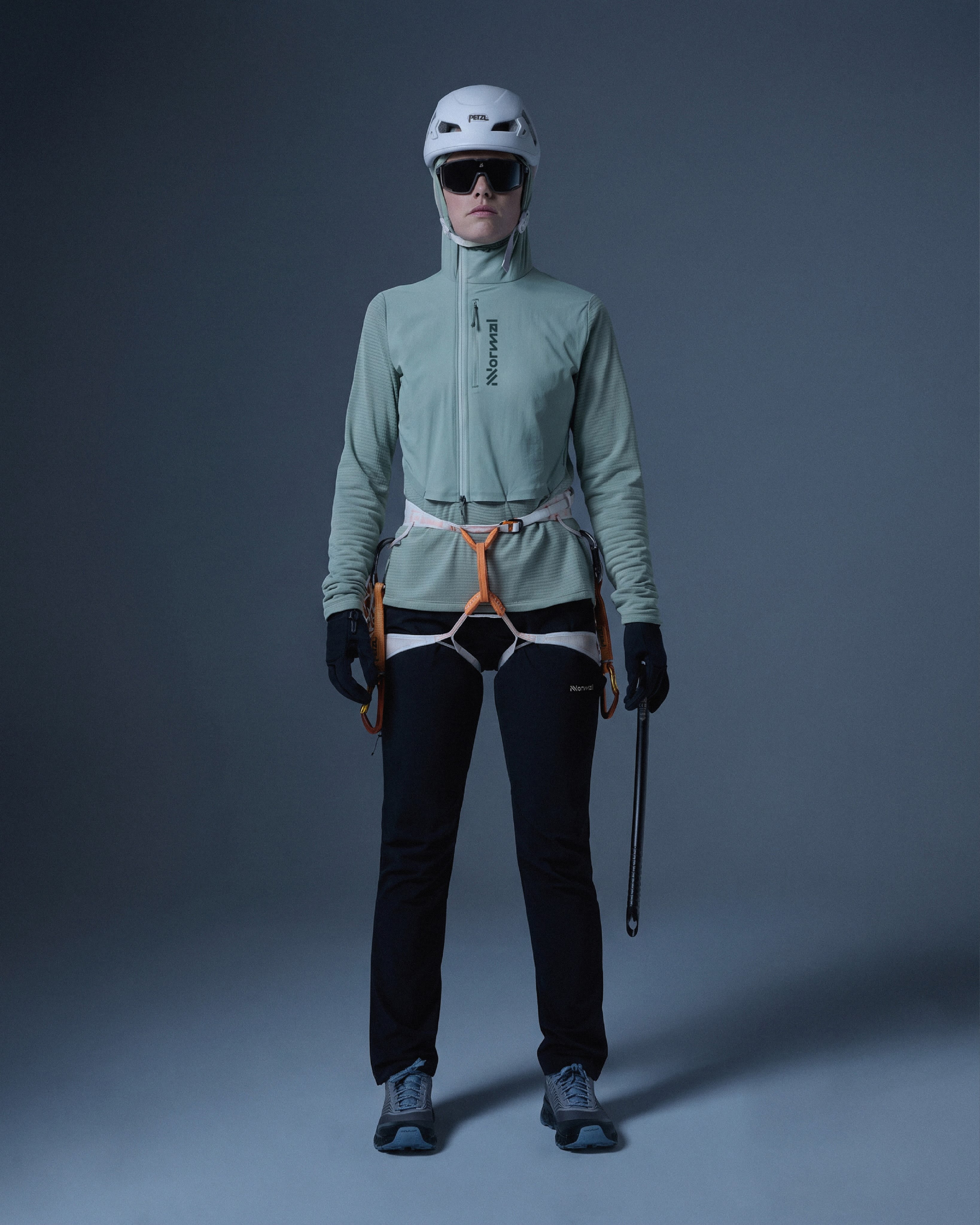
NNormal / @nnormal_official
The new role of the outdoor retailer
The same shift creates a different kind of opportunity for specialty retail.
Historically, a store's value came partly from access. People visited retailers because they stocked the brands they already trusted.
But if people increasingly build their kit from a broad collection of specialists, the retailer's role shifts from distributor to editor.
The question isn't just which brands a store carries. It's why those brands belong together.
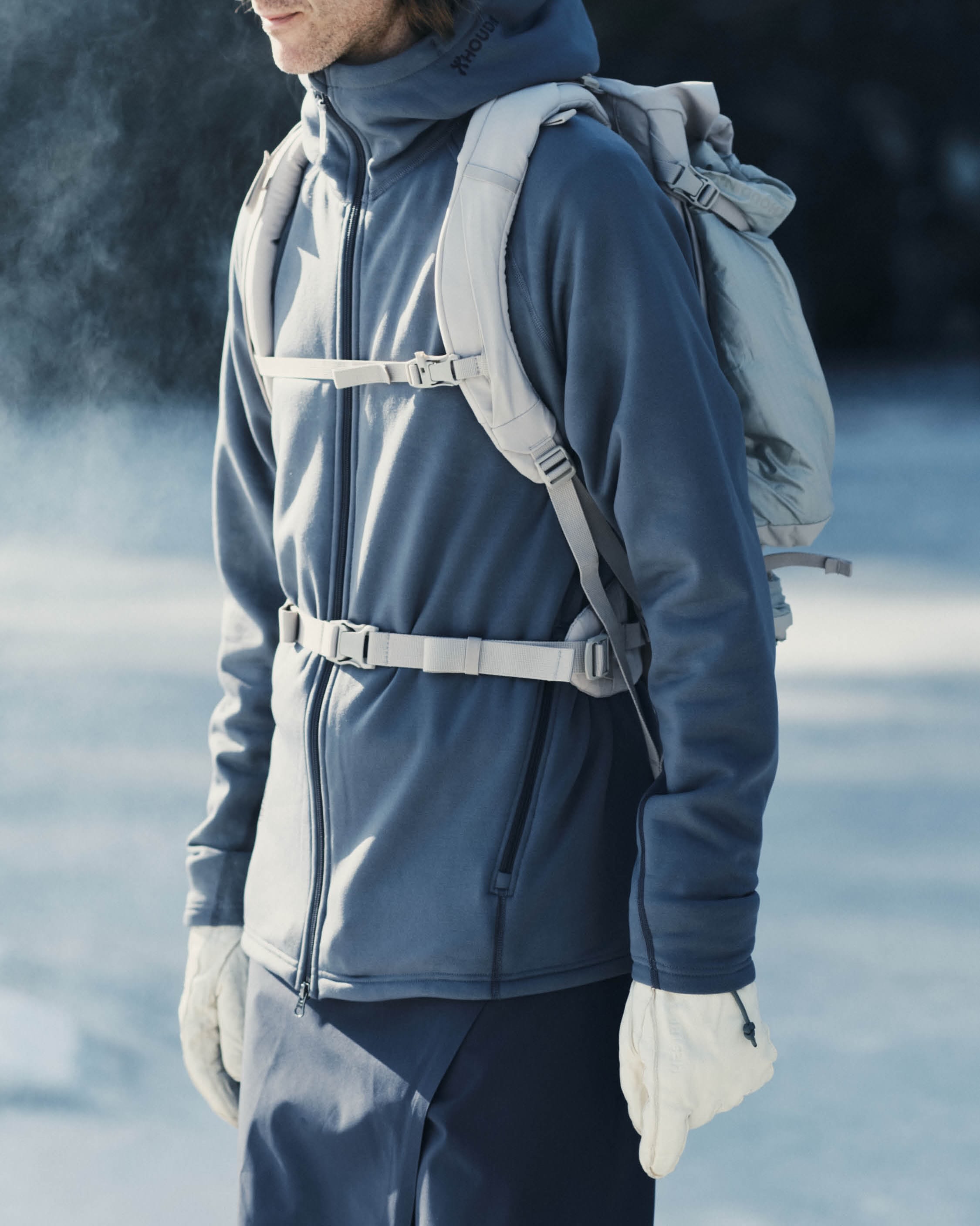
Houdini / @houdinisportswear
A strong specialty retailer can pair a Yamatomichi pack with a Houdini shell and a pair of NNormals, then explain how those three things solve different problems or complement each other. It can place a Senchi fleece alongside a Teton Bros. hardshell and a Pa'lante hip pack and show how a thoughtful ultralight system comes together.
It can introduce people to companies they would never have found on their own.
It can also offer something individual brand websites rarely can: comparison across competing design philosophies, side by side.
The retailer becomes a curator of solutions rather than a distributor of labels.
That shift is especially relevant for independent outdoor stores, where buying decisions have always reflected a particular point of view. A tightly edited collection of specialized products can communicate more about a store's expertise than a sprawling assortment organized around familiar logos.
The operational challenge is real, though.
Small manufacturers often struggle with consistent inventory, wholesale pricing, delivery schedules and customer support. Some prefer to sell directly. Others produce quantities too small to satisfy conventional retail expectations.
Curating an unbundled outdoor wardrobe means managing an increasingly complicated network of suppliers.
The opportunity is greater differentiation. The cost is greater complexity.
The limits of unbundling
It's tempting to treat the proliferation of independent outdoor brands as an unqualified improvement.
More choices, more specialized products and more distinctive design languages sound like obvious wins.
But fragmentation has its own problems.
People can get overwhelmed by the number of options. Evaluating technical claims across dozens of manufacturers takes time and a certain amount of expertise. Smaller brands may have limited warranty infrastructure, uncertain replacement-part availability or inconsistent sizing year over year.
The same digital channels that let excellent independent products find an audience also reward novelty, scarcity and constant product discovery.
Someone who once bought a complete kit from one established manufacturer may now feel quietly obligated to investigate dozens of alternatives before deciding on anything.
The pursuit of specialized gear can become its own form of unnecessary consumption.
Buying a different jacket for every narrowly defined use case isn't inherently more thoughtful than buying several products from one company.
There's also a difference between specialization and superiority. A small manufacturer isn't automatically more innovative, durable or responsible than a large one. Some are. Some aren't.
The value of unbundling depends on whether it leads to better decisions, not just more purchases.
Hyperlite Mountain Gear / @hyperlite_mountain_gear
The future is a wardrobe, not a uniform
The outdoor industry spent decades building brands large enough to become complete worlds.
Someone could enter one of those worlds through a jacket or a backpack and eventually buy almost everything they needed under the same logo. The model produced powerful businesses, recognizable identities and products that shaped outdoor recreation for generations.
Another model is now growing up alongside it.
Someone can discover a specialist in Kamakura, order a frameless pack from a workshop in Pennsylvania, pull on trail shoes from Andorra, slip into a fleece sewn in Colorado and track down a discontinued anorak through a secondhand marketplace.
and wander / @andwander_official
They can combine products that were never designed to exist within the same collection.
It's not exactly a rejection of brand loyalty. It's a more selective version of it.
Someone might stay loyal to one company for packs, another for footwear and a third for shells. They may admire a brand without wanting to buy its entire catalog.
For independent makers, this is the opening. They don't need to talk anyone out of their favorite established brand. They only need to make one product compelling enough to earn its place beside it.
For retailers, it's a chance to help people navigate an increasingly fragmented market with a point of view.
And for the largest outdoor companies, it raises a question that will keep getting louder with every new category they enter:
What do we make that someone else cannot make better?
The next generation of outdoor consumers may still love brands. They may even love more of them than ever before.
They just don't need any single one to make everything.
No products available.
Shop independent outdoor on Weekends today.
Related Articles
November 11, 2026
Shane Wallace on Why Culture Is Harder to Scale Than Commerce
Shane Wallace reflects on Active Ride Shop, skate culture, legacy brands, and the challenge of balancing authenticity, community, and commercial growth.
Read →
November 3, 2026
Maurizio Donadi on the Value of What Already Exists
Transnomadica founder Maurizio Donadi joins WeekEnds WeekDays to discuss vintage clothing, creative freedom, fashion archives, and the future of retail.
Read →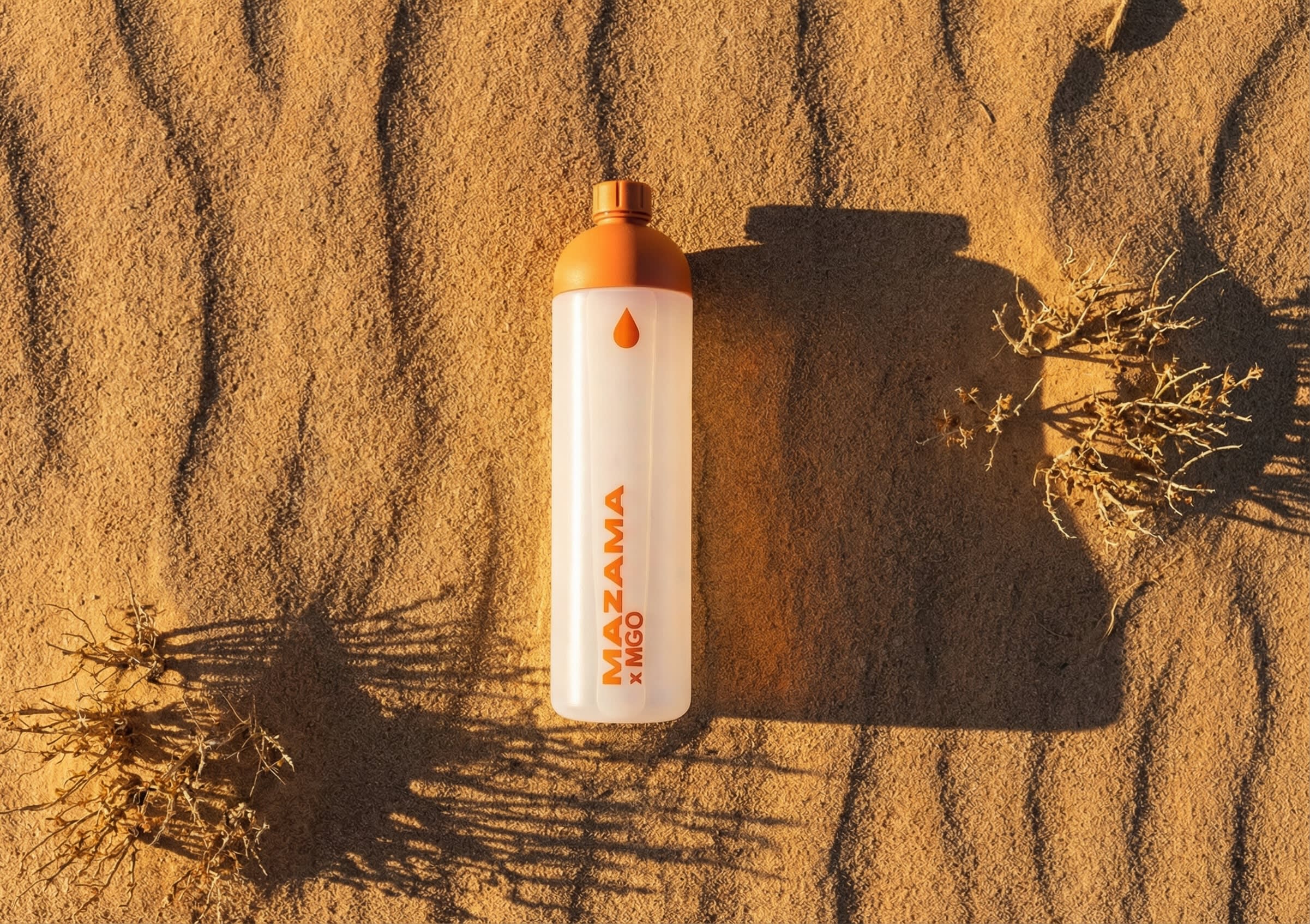
October 14, 2026
Mazama Designs Is Rethinking the Most Overlooked Piece of Outdoor Gear
Bend, Oregon-based Mazama Designs rethinks outdoor hydration through innovative reservoirs, modular systems, and thoughtfully engineered gear built to last.
Read →