
Dust Wants Trail Running to Feel Dirty Again
by Gene Han
Born from long days in the American West, the San Francisco running brand is building a different kind of outdoor uniform—one that values personality as much as performance. Its first women's collection takes that philosophy further.
Trail running has become remarkably good at measuring itself.
Distance. Pace. Heart rate. Elevation gain. Recovery scores. Carbon plates. Foam compounds. Every run can be recorded, analyzed, shared and compared. Even disappearing into the mountains now comes with a dashboard.

Dust seems interested in what happens when you leave some of that behind.
Founded in San Francisco in 2025, the young outdoor apparel brand was born from long days in the American West. Dirt roads, mountain towns, public lands and the kind of adventures that rarely go according to plan. Its philosophy is straightforward: make clothing for people who live outside, whether they're running, traveling, exploring or simply spending the day somewhere without cell service.
Its mantra is even simpler: Stay Alive.
It sounds almost obvious, but within a running industry increasingly organized around performance, optimization and technology, the sentiment feels quietly oppositional.
Dust isn't asking how fast you went. It's asking whether you had a good time getting there.
Running Without the Uniform
There is a recognizable uniform to contemporary trail running.
Five-inch technical shorts. Hydration vest. Ultralight shell. Performance cap. Wraparound sunglasses. Shoes with increasingly elaborate midsoles and increasingly complicated names.
Dust understands that world but doesn't particularly look like it belongs to it.
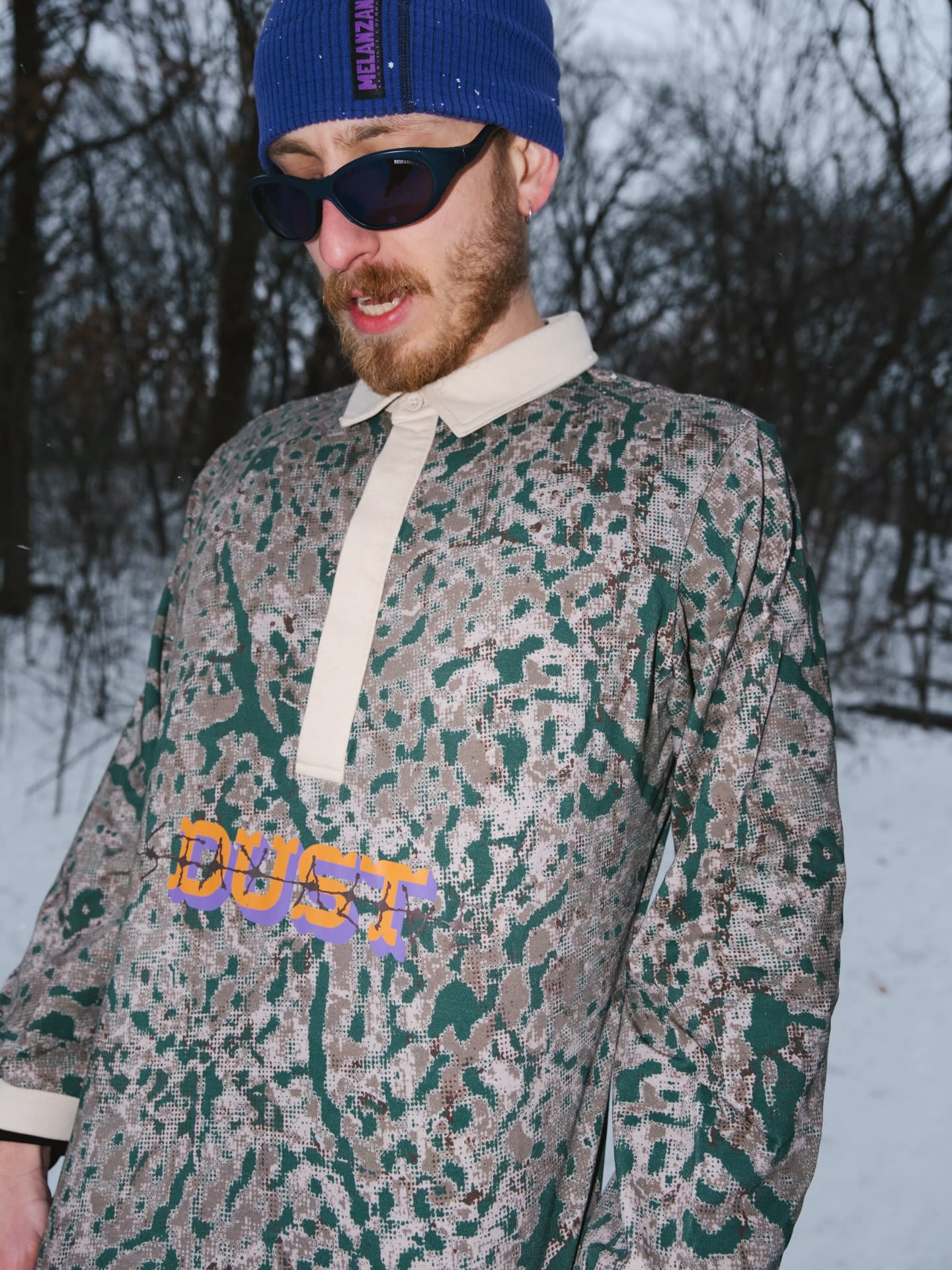
Its early collections instead borrow from workwear, ranch clothing and the visual language of the American West. There is a Mechanic Shirt, a Western Vest, cotton popovers, running shorts, ripstop hats and socks called Dirt Dancers. The result looks less like something engineered inside a performance laboratory and more like the contents of a duffel bag tossed into the back of an old pickup.
That's deliberate.
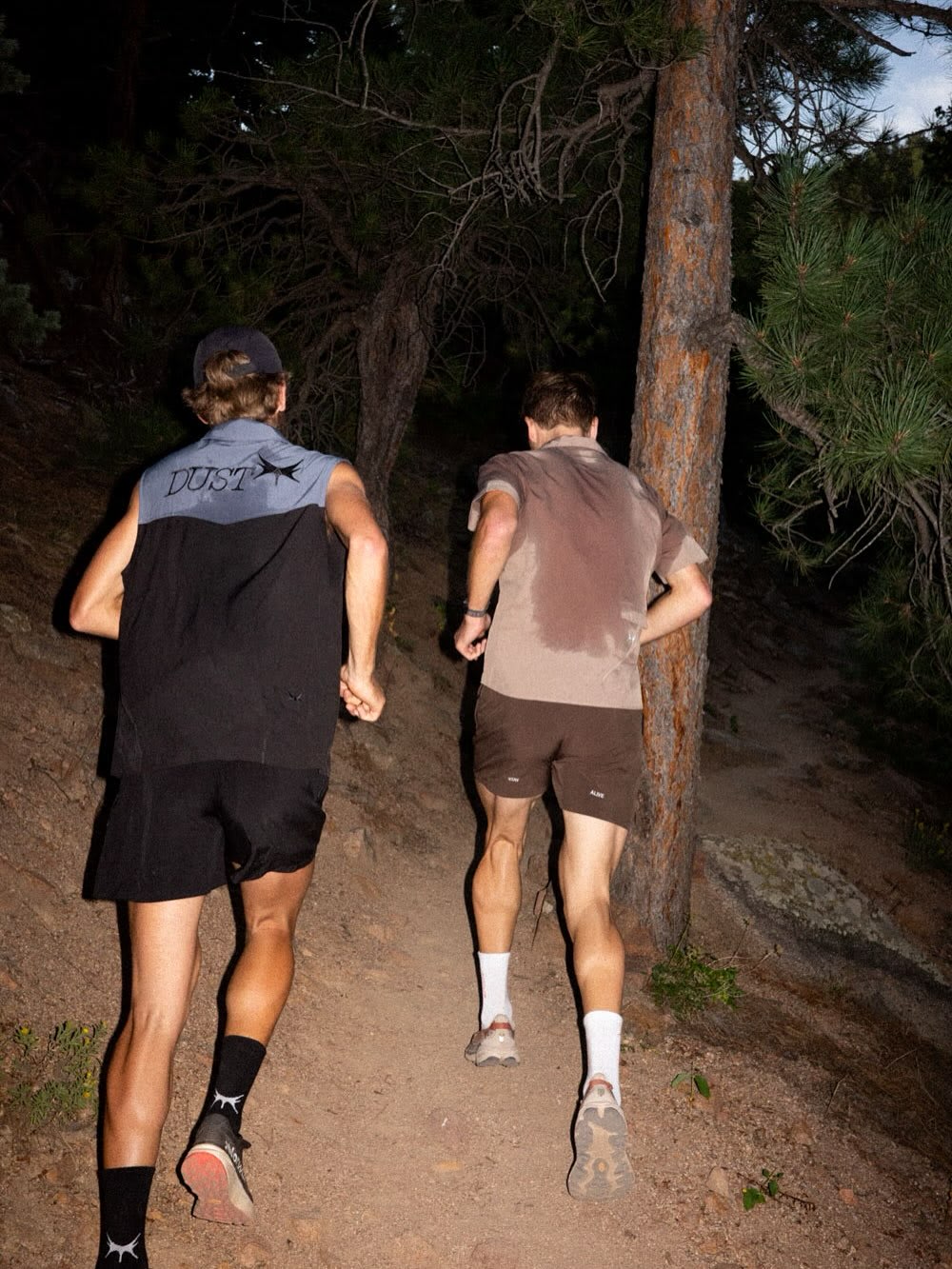
The Mechanic Shirt, for example, takes the silhouette of a traditional work shirt and rebuilds it in perforated stretch fabric, complete with a magnetic rear pocket. The Quickdraw Short is considerably more conventional from a performance standpoint, with lightweight stretch fabric, zip pockets and an internal drawcord, but carries an embroidered reminder to Stay Alive.
Dust isn't rejecting technical apparel as much as questioning what technical apparel has to look like.
That distinction matters. Outdoor brands have spent decades communicating performance through visual codes: seam taping, reflective details, engineered paneling, futuristic typography and fabrics whose names sound like military research projects. The assumption is that if a garment performs technically, it should advertise that fact.
Dust takes the opposite approach. The technology can stay underneath. On the surface, the clothes are allowed to have some personality.


A Different Kind of Women's Running Kit
That philosophy is becoming more interesting as Dust expands beyond its original collection.
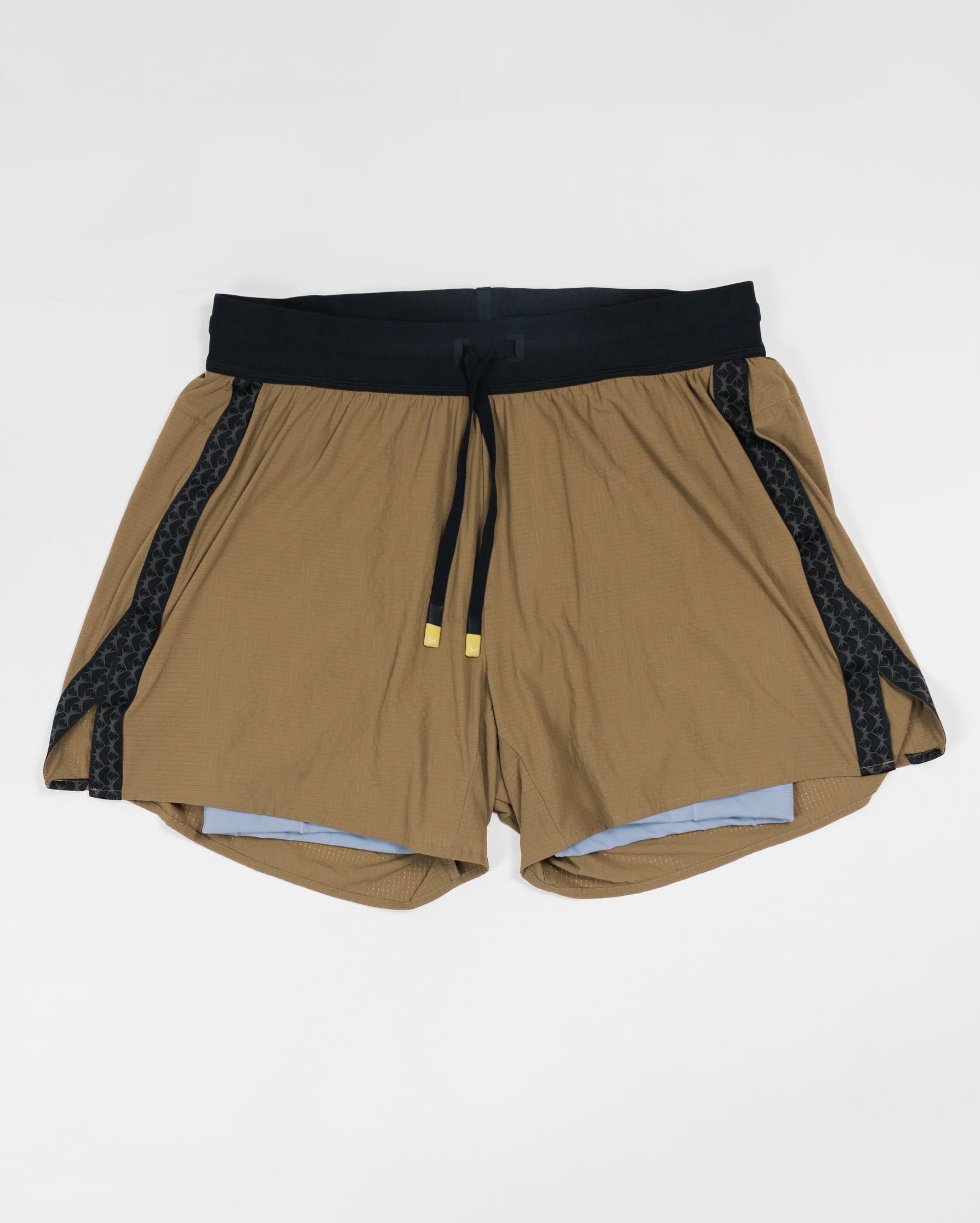
In September, the brand introduced its first women's range, developed in collaboration with Boulder-based designer and trail runner Nora Wornhoff. The three-piece collection includes the Trail Crop, Women's 2-in-1 Shorts and Racerback Trail Tank, bringing Dust's distinctive visual identity into a category where the tension between function and aesthetics is particularly apparent.
Women's running apparel has no shortage of technical innovation. Supportive compression fabrics, integrated storage, moisture management and increasingly specialized silhouettes have become standard expectations. But the category still has a tendency to look remarkably uniform, with familiar combinations of fitted tops, compression shorts and performance fabrics offered in slightly different colors.
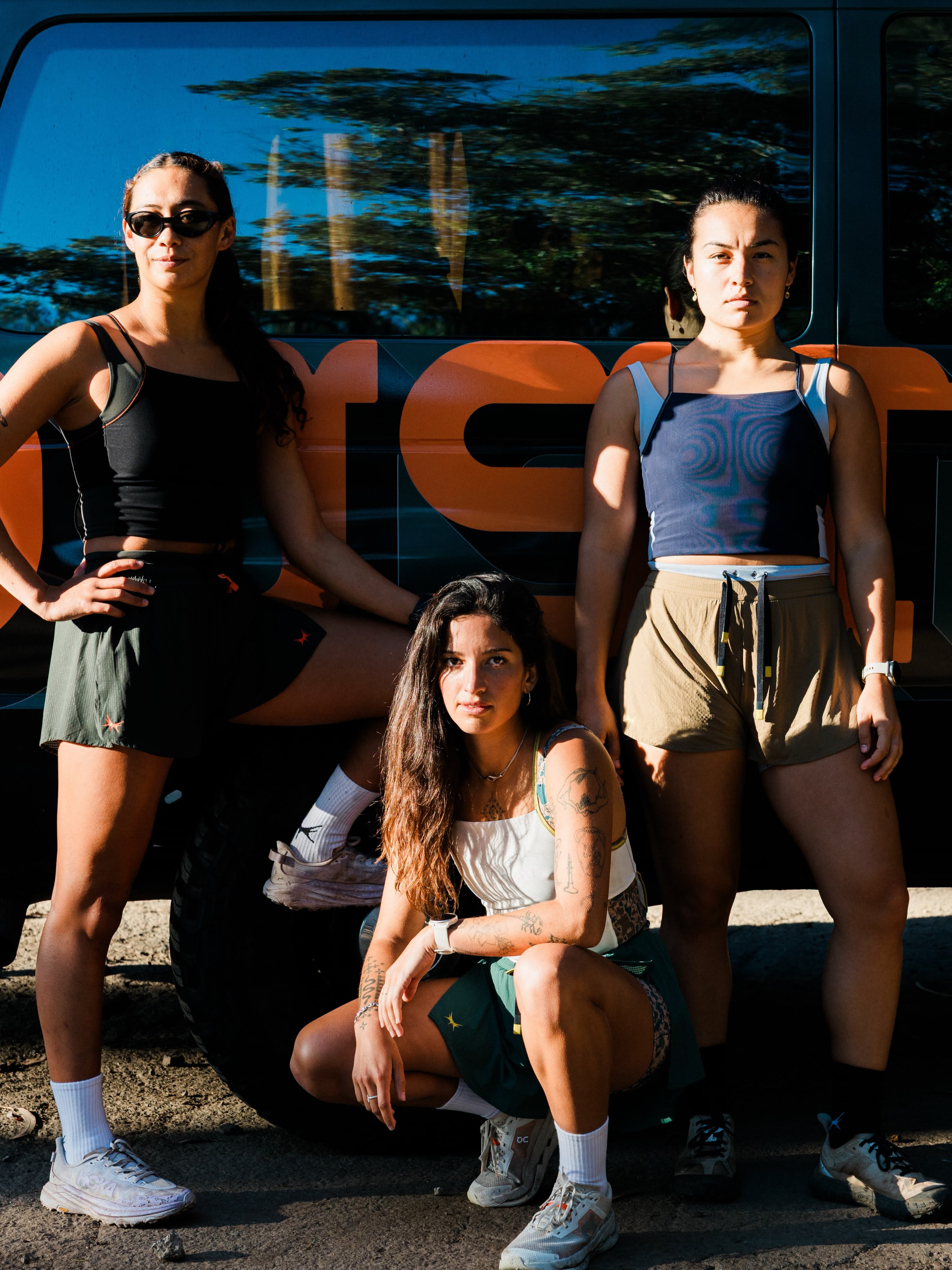
Dust saw an opportunity to make something that worked just as hard without looking like everything else on the trail.
The Trail Crop is double-layered and supportive, with enough coverage to wear independently and integrated pockets for carrying essentials. The Women's 2-in-1 Shorts combine a lightweight outer shell with a smooth, supportive liner, generous storage and a folded-over waistband finished with double drawstrings. The Racerback Trail Tank completes the outfit as a lightweight layer designed to sit over the crop or another sports bra.
Together, the pieces are intended to function as a complete running kit, capable of handling a big day in the mountains while retaining the playful, slightly unconventional character that defines Dust.
What makes the collection interesting isn't necessarily any single technical innovation. It's the idea that serious performance clothing doesn't have to surrender its personality to be taken seriously.
The collaboration with Wornhoff also suggests a thoughtful direction for the young brand. Rather than simply adapting existing men's styles into smaller silhouettes, Dust developed a women's collection around the particular demands of running, support, comfort and storage while keeping its established design language intact.
For an independent outdoor label still defining its identity, that's a meaningful distinction. Expanding into a new category is relatively easy. Making that expansion feel like a natural extension of the brand is considerably harder.

The New American Outdoor
Dust describes itself as a world built by, with and for people who live outside. Its identity is shaped by the American West, but this isn't the pristine West of national park advertising.
It is a messier version.
Dust. Trucks. Sweat. Long days. Friends. Trails without much concern for whether the activity taking place on them qualifies as running, hiking or simply screwing around outside.
That looseness puts Dust within an emerging generation of outdoor brands reconsidering what American outdoor culture should look like.
For much of the industry's history, outdoor imagery tended toward two poles. There was expedition: remote landscapes, extreme athletes and equipment designed around survival. And there was recreation: smiling hikers standing at scenic overlooks in remarkably clean clothing.
A newer generation has introduced something more social.
The outdoors isn't necessarily an escape from culture anymore. It is culture.
Running clubs meet outside coffee shops. Trailheads become social spaces. Camping trips resemble road trips. Climbing, surfing, hiking and running overlap with music, photography, independent magazines and fashion.
Dust's world makes sense within that shift. Its imagery and language position running less as a sport requiring a dedicated identity and more as one ingredient in a larger life outside. You can run in the clothes, but you don't have to stop wearing them when the run ends.
That sounds like a small distinction. Culturally, it represents a meaningful departure from the way performance apparel has traditionally been marketed.

Performance Clothing for People Who Don't Want to Look Like Athletes
The outdoor industry's collision with fashion has already transformed hiking.
Trail shoes migrated from mountains to cities. Technical shells became everyday jackets. Hiking pants became fashion objects. Brands once sold primarily through specialty outdoor retailers suddenly appeared inside boutiques.
Running appears to be entering a similar phase.
The interesting question isn't whether fashion will adopt running products—it already has. The more interesting question is what happens when brands begin designing performance products from outside traditional performance culture altogether.
Dust offers one possible answer.

Its Mechanic Shirt contains the breathability and stretch expected from running apparel but looks like something that could reasonably be worn to a bar afterward. Its cotton popovers move even further away from conventional performance logic. The Western Vest seems almost intentionally difficult to categorize.
The women's collection introduces another dimension to that proposition. Where the early products often disguised technical functionality beneath casual or workwear-inspired silhouettes, the Trail Crop and 2-in-1 Shorts are unmistakably athletic. Rather than hiding their purpose, they reinterpret what that purpose can look like.
This is an important evolution. Dust isn't limited to making running clothes that resemble everyday clothing. It can also make recognizable performance apparel that feels culturally distinct from the category around it.
The brand's expansion reinforces that ambition. A new men's technical tee and two running trucker hats were planned to follow the women's launch, with leggings and additional cold-weather offerings later in the fall.
The product range is growing, but the underlying idea remains consistent: outdoor clothing should work exceptionally well without requiring everyone who wears it to look the same.
Maybe the future of outdoor apparel isn't simply making casual clothing increasingly technical. Maybe it's making technical clothing increasingly personal.

More Than a Running Brand
Perhaps one of the most revealing products in Dust's early collection wasn't clothing at all.
It was a ten-dollar zine.
Dust Zine #1 appeared alongside the shirts, shorts and hats, a small but telling addition for a company interested in the raw, analog experience of the trail.
The zine signals something important about building an outdoor brand today: product alone rarely creates a world.
The most compelling independent labels increasingly operate somewhere between apparel company, media project and community. They publish magazines, organize runs, make films, host gatherings and collaborate with artists. The garment becomes an entry point into a broader cultural proposition.
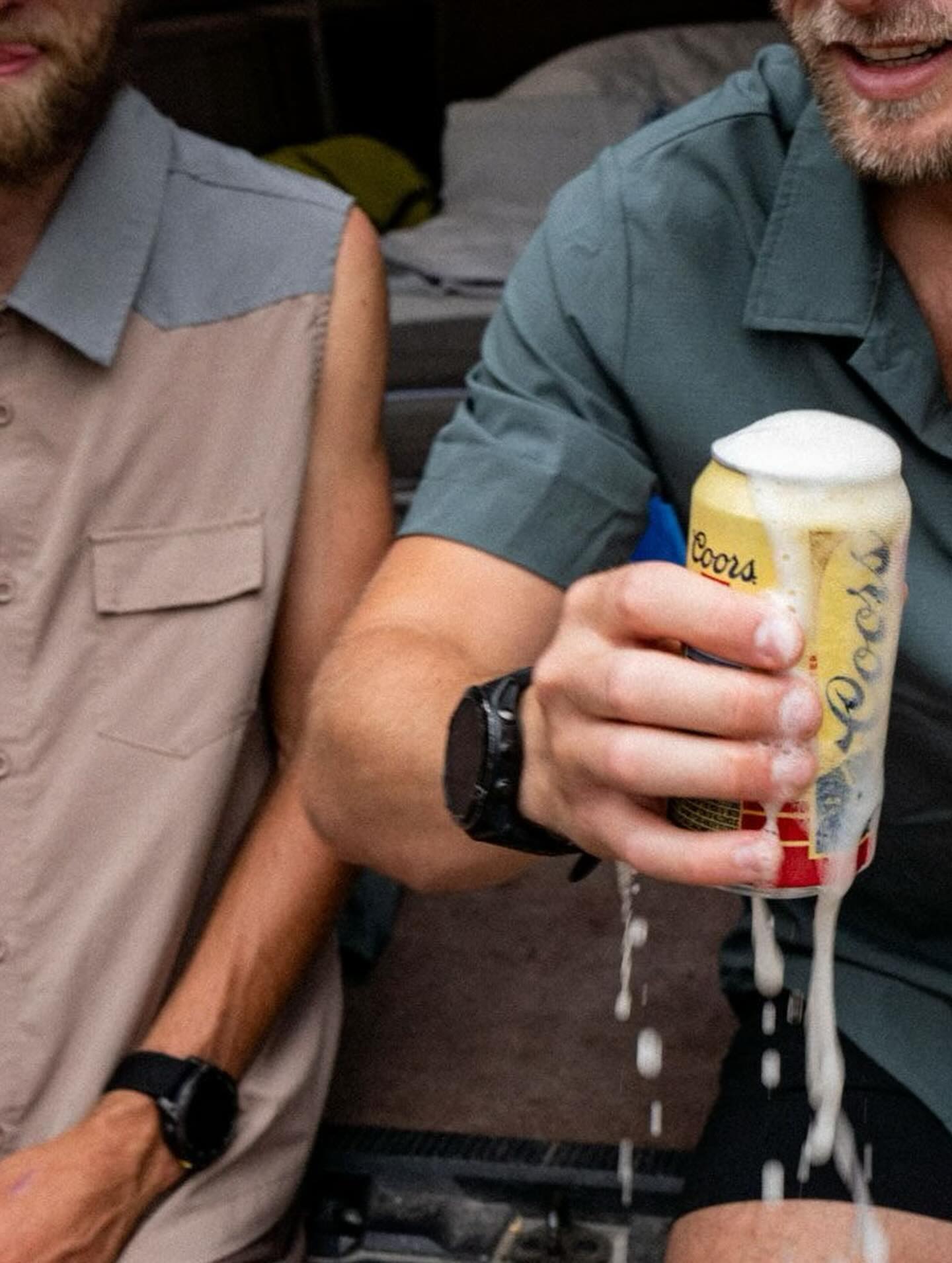
For smaller brands competing against companies capable of spending millions on product development and athlete sponsorships, that cultural layer can become the advantage.
The biggest running companies can make extraordinarily sophisticated equipment. What they cannot necessarily manufacture is the feeling of belonging to something independent, spontaneous and genuinely connected to the people wearing it.
Dust's emphasis on public lands, dirt roads and unplanned adventures provides the foundation for that kind of identity. Its growing product assortment gives people more ways to participate in it.
The challenge, as the brand expands, will be preserving the looseness that made it interesting in the first place.


Stay Alive
There is an appealing contradiction at the center of Dust.
Running is inherently physical, yet the modern experience surrounding it has become increasingly digital.
We map the route before leaving. A watch tells us when to speed up. Headphones provide entertainment. GPS records where we've been. An app evaluates what happened afterward.
The body runs through the landscape while an invisible layer of technology sits on top of the entire experience.
Dust's answer isn't some purist rejection of technology. Its clothing uses contemporary performance materials, and its expanding technical collection makes clear that functionality remains central to the brand.

Instead, it offers a useful reminder about why people started doing this in the first place.
To move. To get tired. To get dirty. To go somewhere with friends. To feel the weather change. To spend a few hours occupying your body instead of analyzing it.
The arrival of the women's collection makes that idea feel more substantial. Dust is no longer simply experimenting with a different aesthetic for trail running. It is beginning to build a broader wardrobe around a different understanding of what outdoor performance can look and feel like.
In an industry constantly searching for the next technical breakthrough, Dust is building around something considerably older: the simple pleasure of going outside and coming home covered in dirt.
Stay Alive.
No products available.
Shop Dust for your next trail run on WeekEnds today.
Related Articles
October 1, 2026
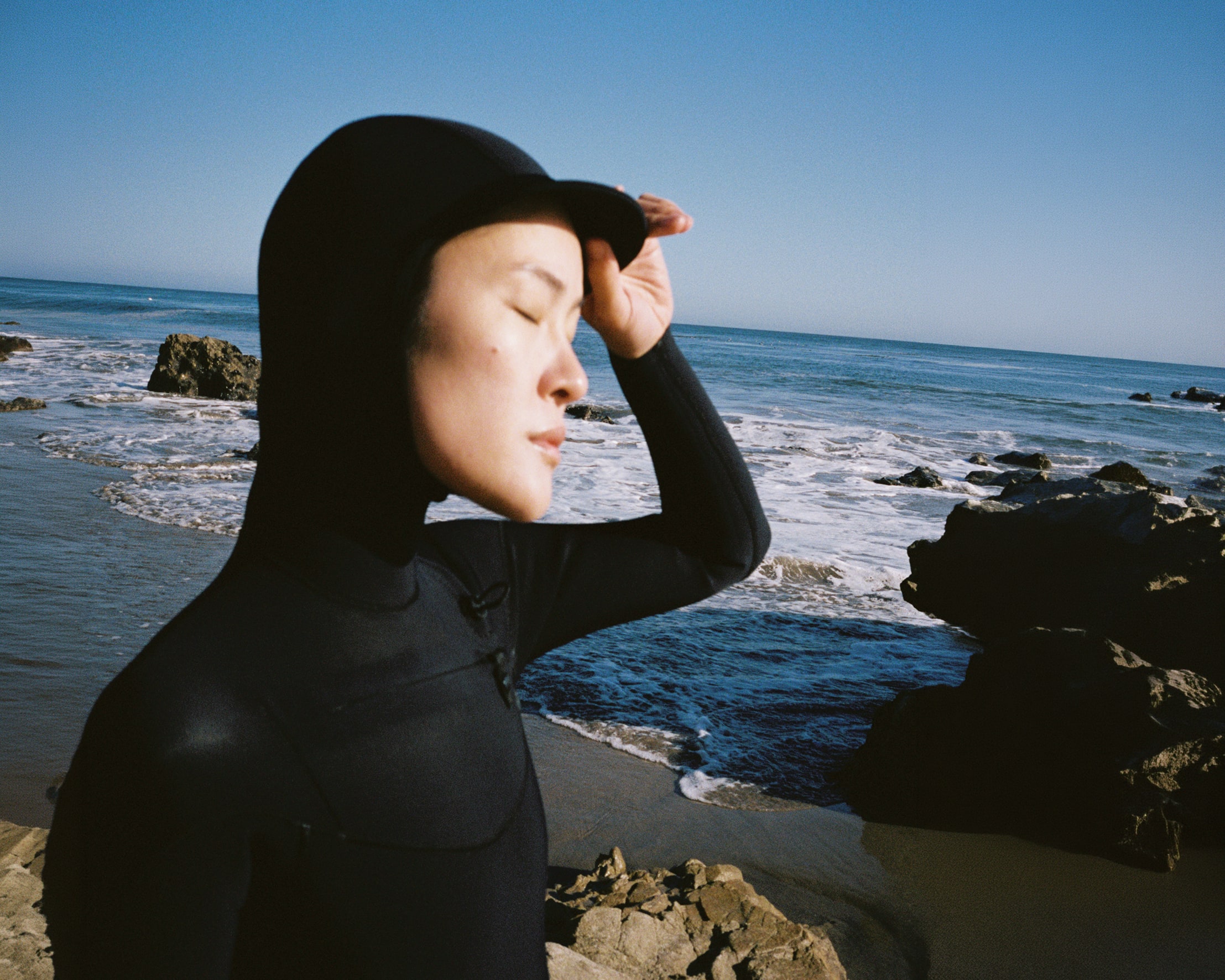
Vampire Surf Club Wants You to Stay Out Longer
Vampire Surf Club blends luxury fashion and technical surfwear, creating sun-protective gear designed to keep surfers in the water longer.
Read →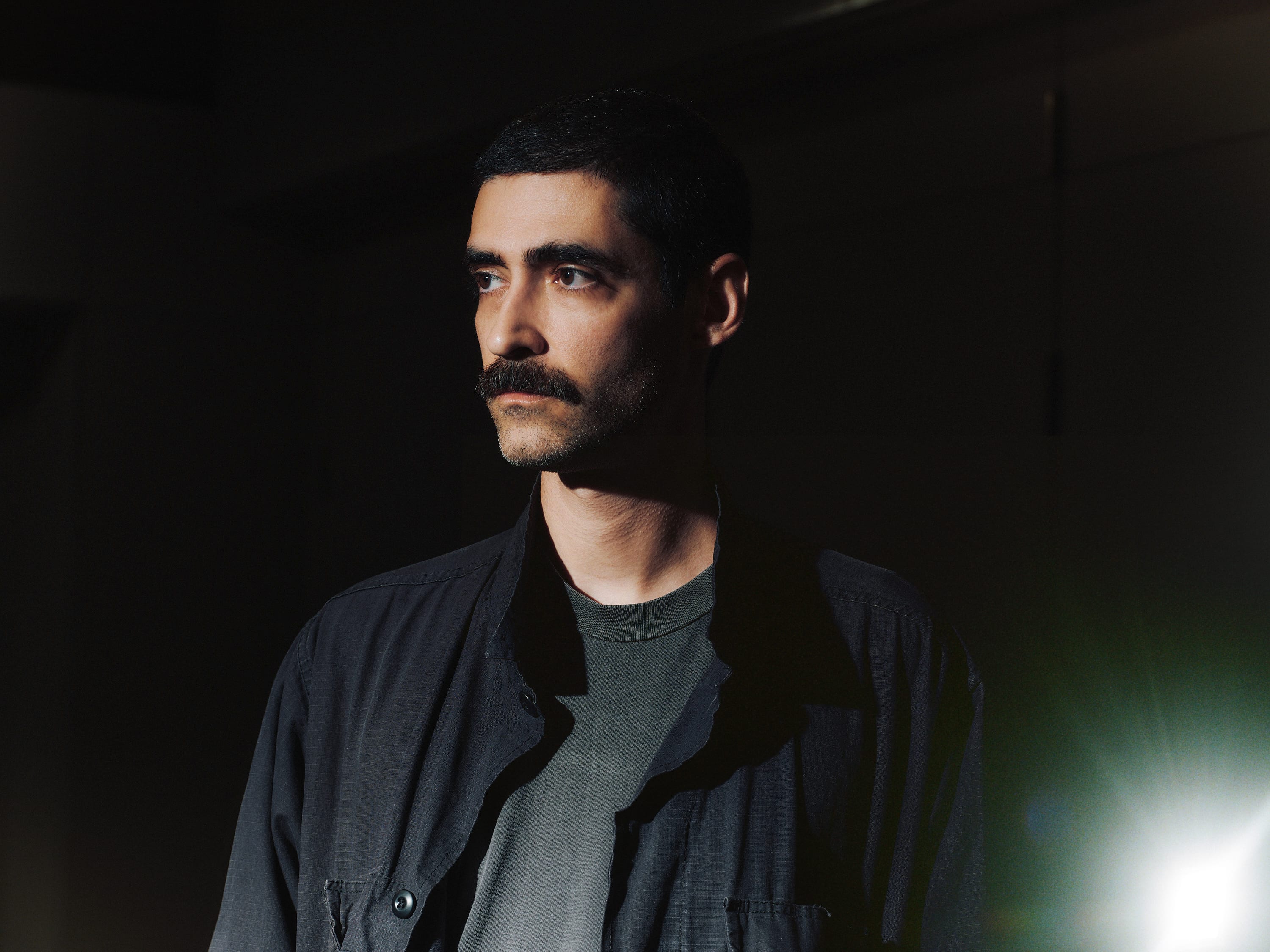
September 24, 2026
Nur Abbas is Designing Ultralight
Nur Abbas, founder of Gnuhr, explores ultralight as a design philosophy built around utility, reduction, experimentation and genuine innovation.
Read →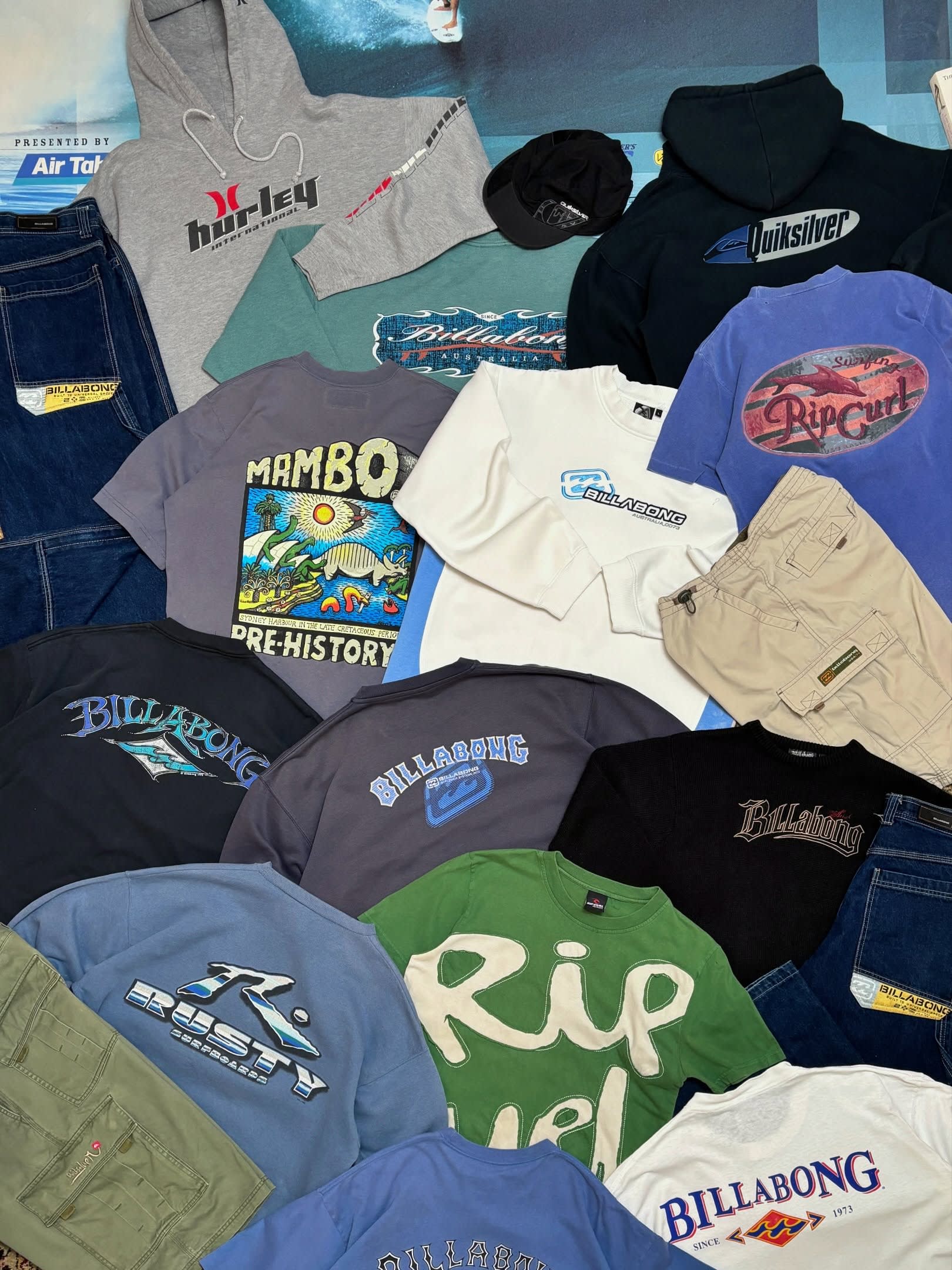
September 21, 2026
When Surf Brands Were Weird: The Lost Surf Brands of the '90s
Explore the forgotten surf brands of the ’90s and Y2K—and why their strange graphics, subcultures and vintage pieces resonate again today.
Read →