
In Defense of Spaces That Actually Give a Damn
by Gene Han
Last weekend, roughly 300 climbers gathered in Truckee for Queer Ascent—Arc'teryx's third annual climbing clinic designed around shared identity rather than shared Instagram aesthetics. No hero shots. No brand-deal photography. Just people learning to climb without performing for anyone but themselves.
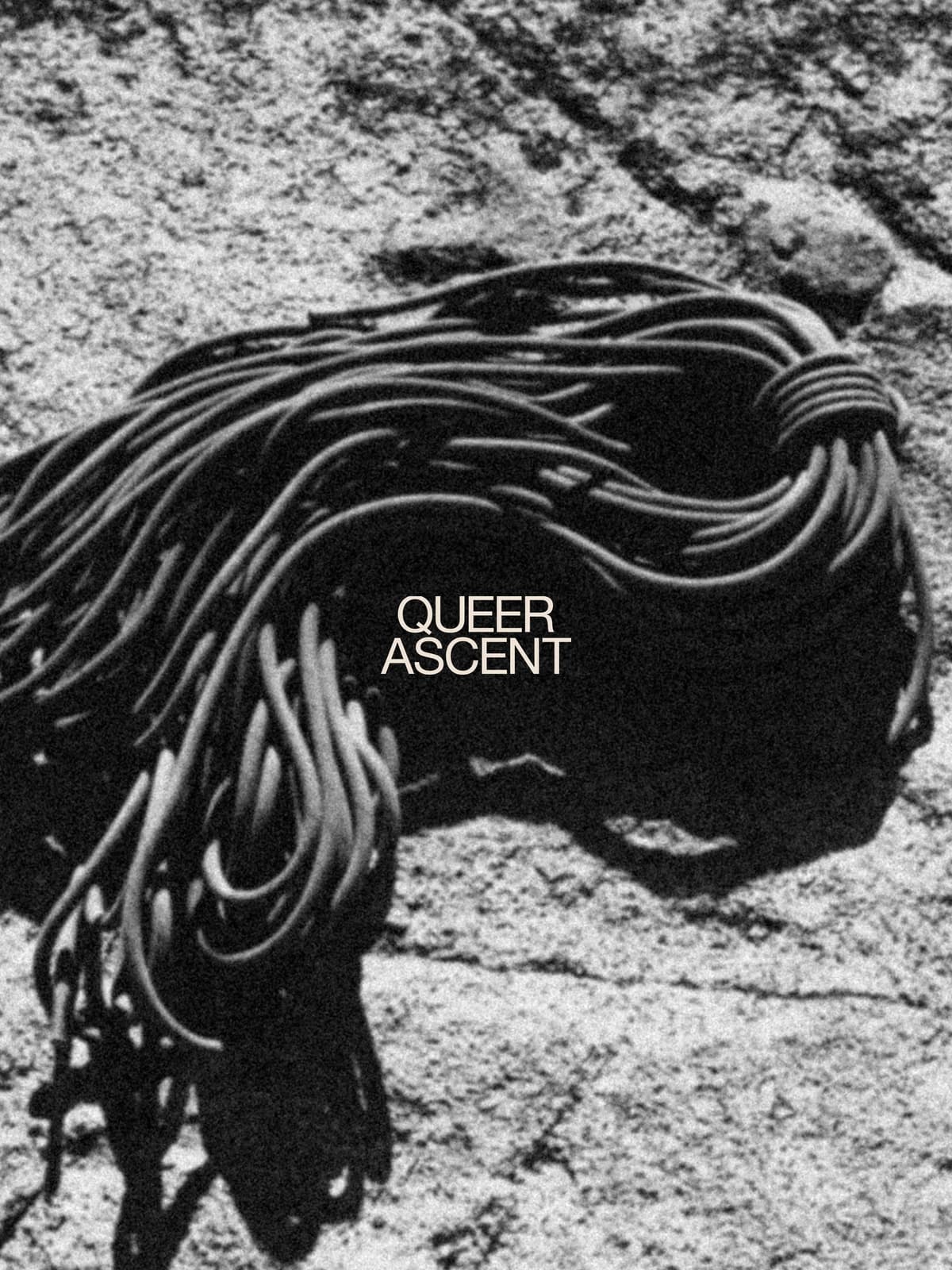
Mountain Gazette covered the event, focusing on what happens when outdoor spaces prioritize actual inclusion over the kind of performative diversity that brands love to spotlight. Jordan Cannon, the South Carolina climber behind the clinic, framed it simply: when you're around people with shared experience, you can 'go into space with a little less weight on your shoulders.'
The clinic drew over 300 participants—more than the previous two years combined. Ages ranged from 18 to 50-plus, with people traveling from Vancouver, Utah, Pennsylvania, and the Bay Area. Not because they needed different ropes or different rock, but because they needed different social calculus.
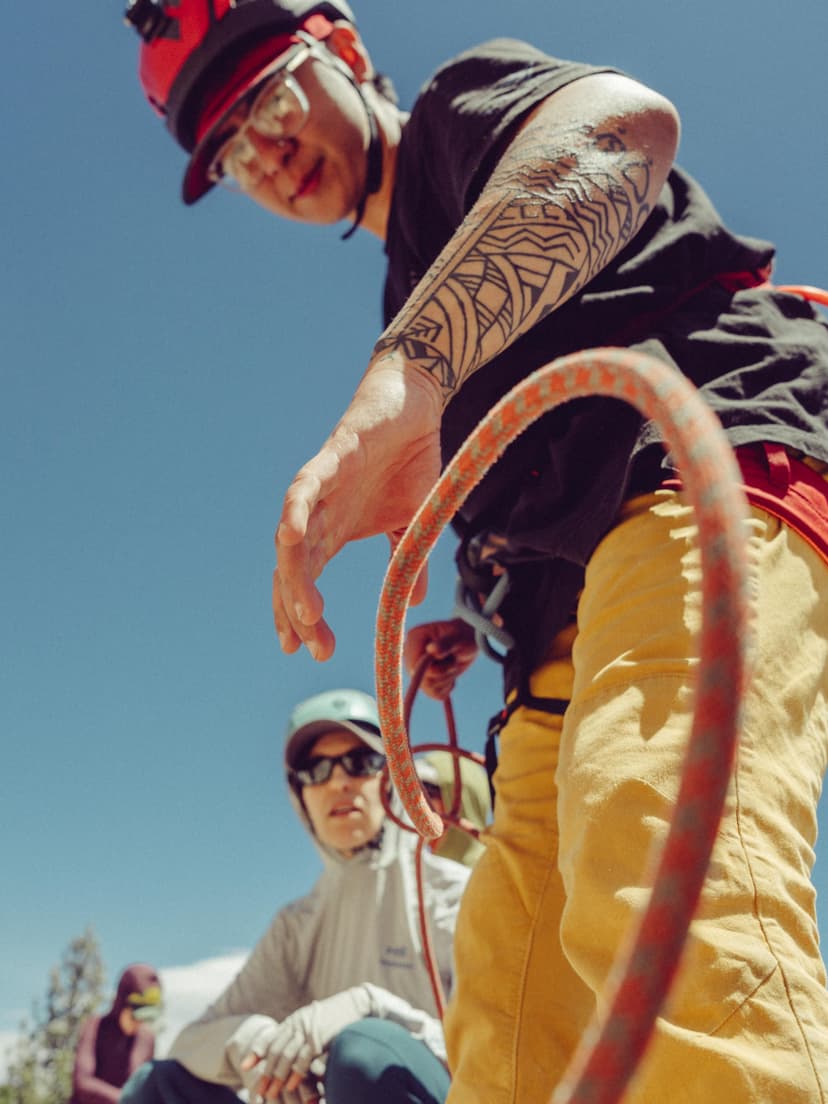
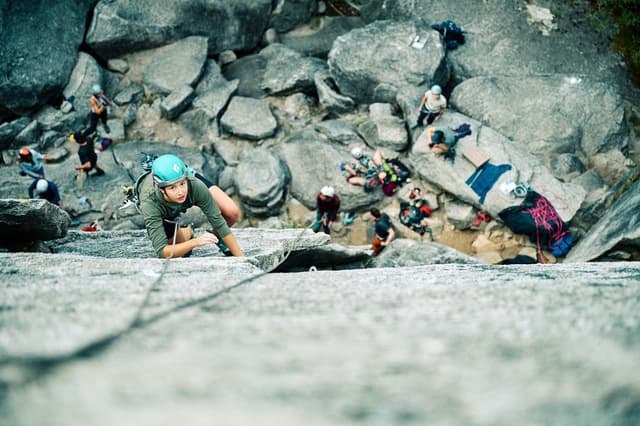
Here's what stood out: the instruction itself. Clinic leader Marian 'May' Perez from Rise Outside focused less on technical skills and more on trust-building. Participants shared moments when they felt empowered and when they didn't. They were trusted to tie their own knots, complete their own belays, figure things out themselves. No instructor swooping in to fix the final step.
The weekend coincided with Truckee Pride Week, prompting the inevitable question from readers: what does sexuality have to do with the outdoors? It's a fair question from people who've never had to scan for safety cues or edit how they talk about their lives while setting up a belay. The answer isn't complicated—some people get to treat outdoor spaces as neutral because they've never felt unwelcome in them.
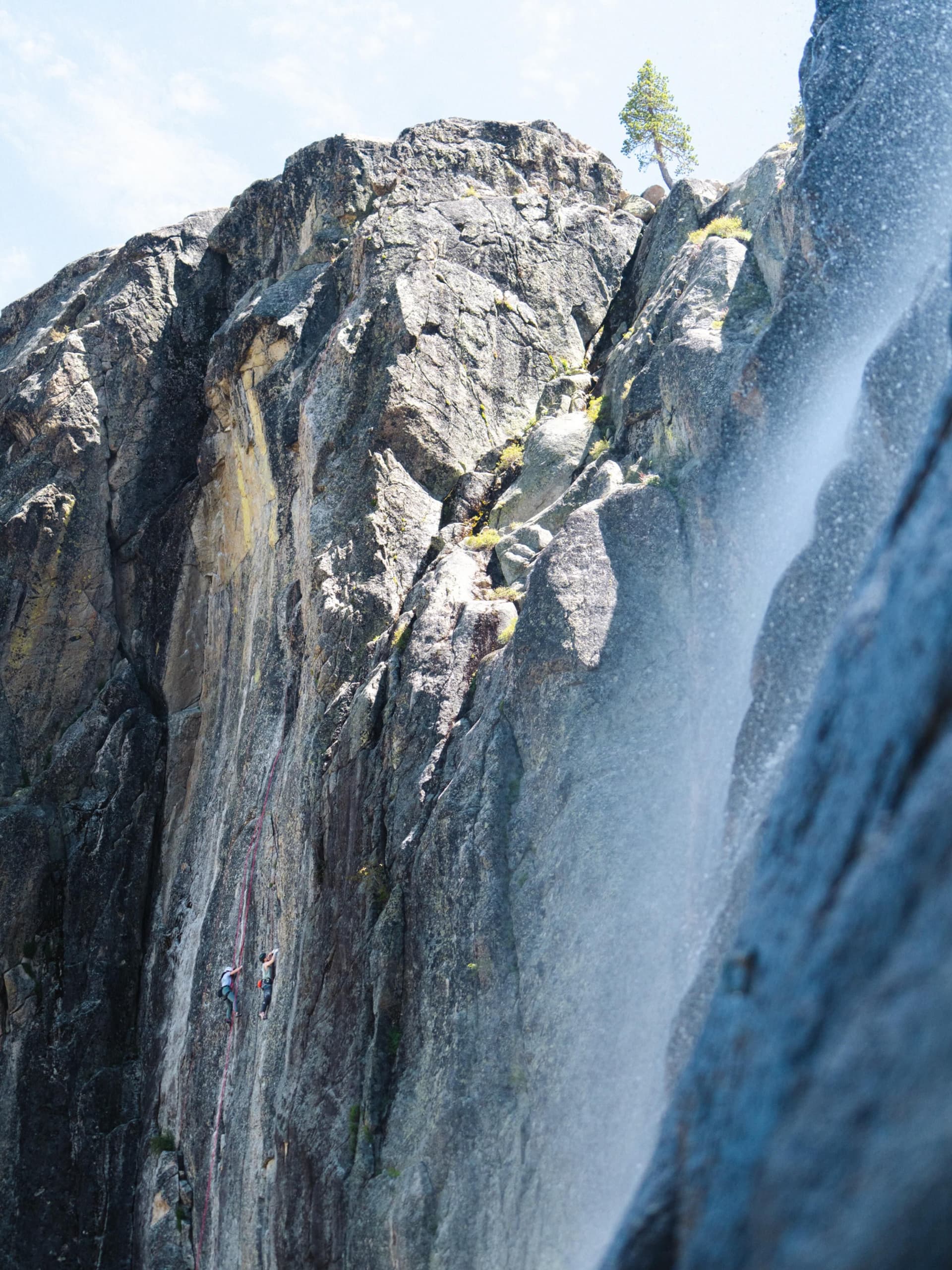
Cannon's take cuts through the noise: 'It's not uncommon, before someone is able to accept their sexuality and come out, to think this is your biggest weakness. But once you flip that script, being true to who you are can become your greatest superpower because it fosters more genuine connections.' That shows up on the wall, he says.
This isn't about redefining climbing or making the mountains more woke. It's about recognizing what climbing already demands—trust, communication, partnership—and creating conditions where those things can actually happen. When people aren't spending energy managing how they're perceived, they can focus on movement, technique, and joy.
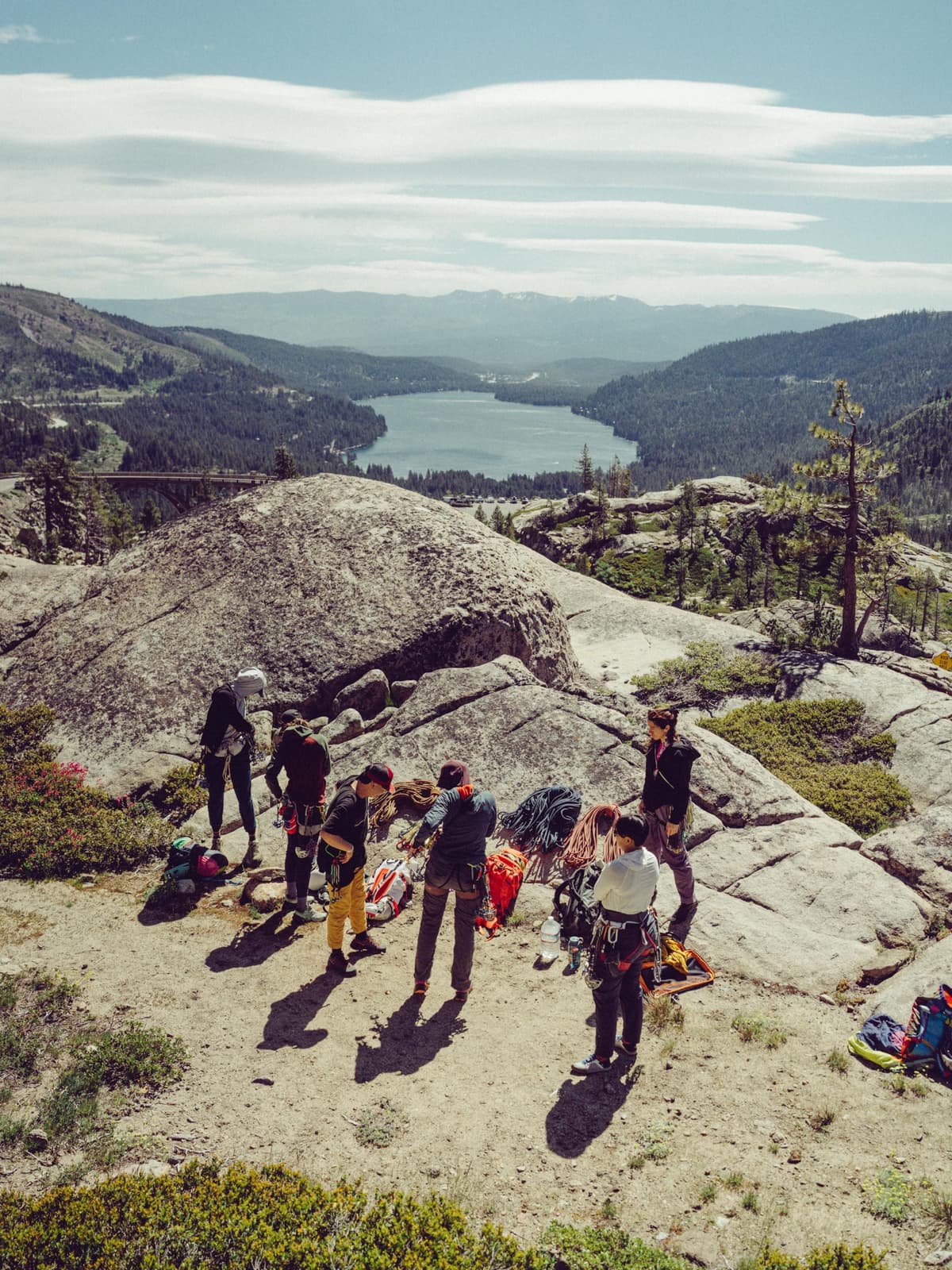
The outdoor industry loves talking about access and inclusion, usually while selling $600 puffers and sponsored van life content. Queer Ascent suggests a different approach: build actual spaces for actual people, then let them climb. Revolutionary concept, apparently.
Related Articles

July 28, 2026
The Outdoor Store Isn't Dead. It Just Changed Its Job.
Independent outdoor retailers are redefining modern retail by creating memorable spaces, building community, and proving that discovery matters more than convenience.
Read →
July 27, 2026
Why Small Outdoor Brands Are Winning Attention
Discover why small outdoor brands are capturing consumer attention through authentic storytelling, thoughtful design, and community-driven growth over scale.
Read →
July 15, 2026
Blue Monte: The New Geography of Outdoor Culture
Discover how Blue Monte is redefining modern outdoor apparel with understated technical design, blending urban life, travel, and the outdoors into one seamless lifestyle.
Read →