
Maurizio Donadi on the Value of What Already Exists
by Derek Siegel
The Transnomadica founder joins WeekEnds WeekDays to discuss his unlikely journey through fashion, the emotional power of vintage clothing, why retail has lost its sense of discovery, and the freedom of creating without a fixed destination.
After more than three decades working with some of the most influential names in fashion—Benetton, Diesel, Armani, Ralph Lauren, and Levi’s—Maurizio Donadi arrived at a deceptively simple realization: the most interesting thing you can do with clothing isn't necessarily to make more of it.
Dustin Aksland
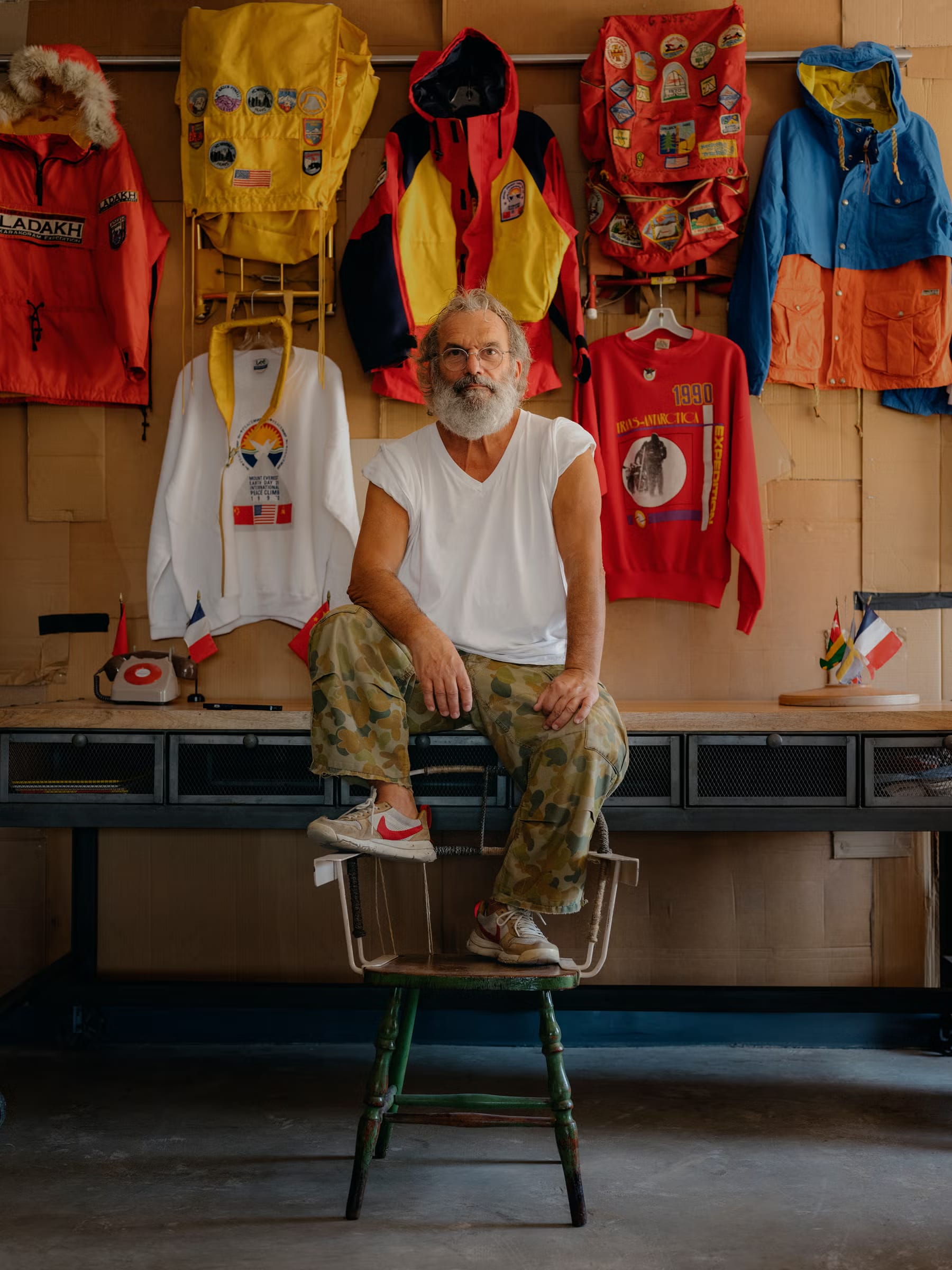
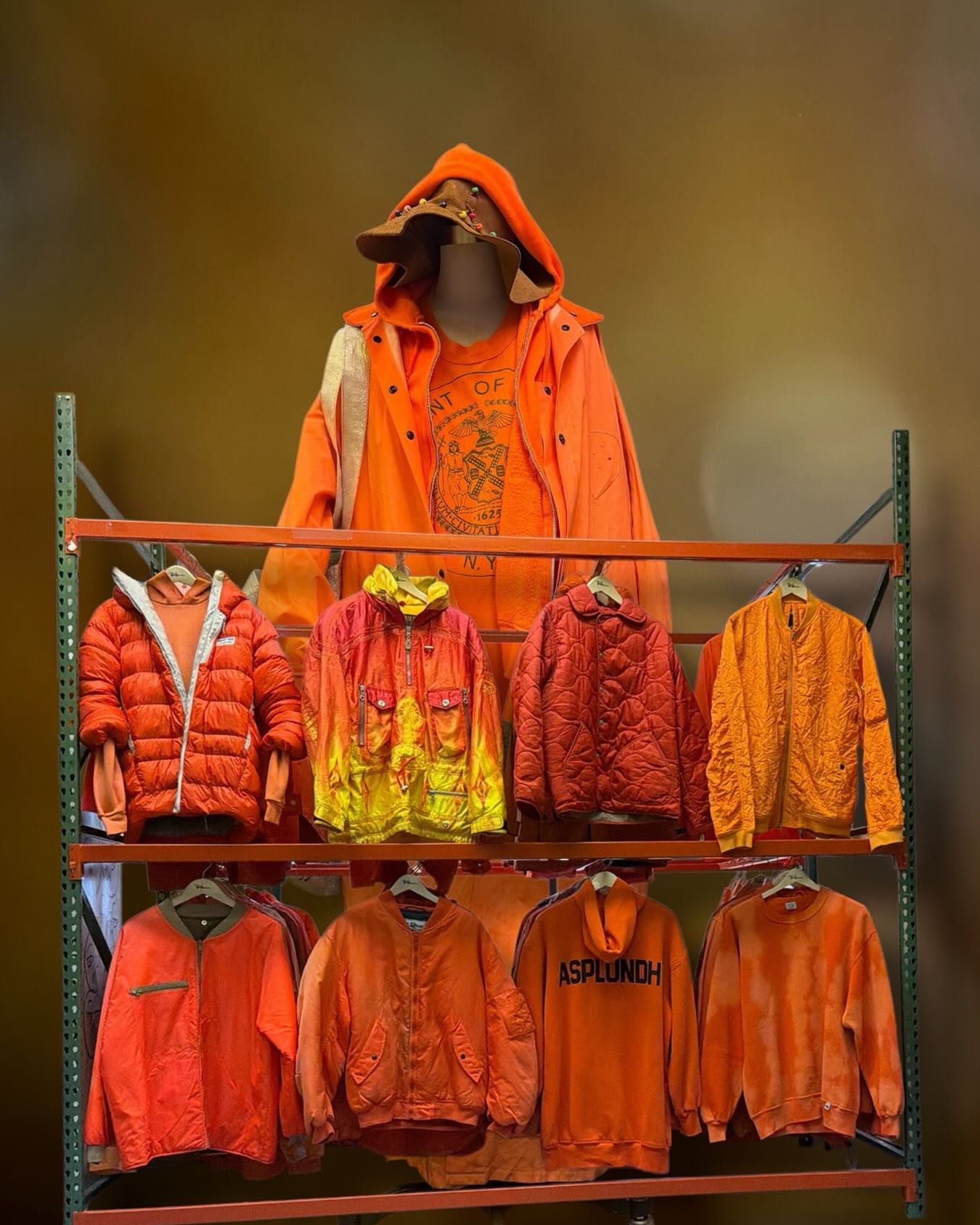
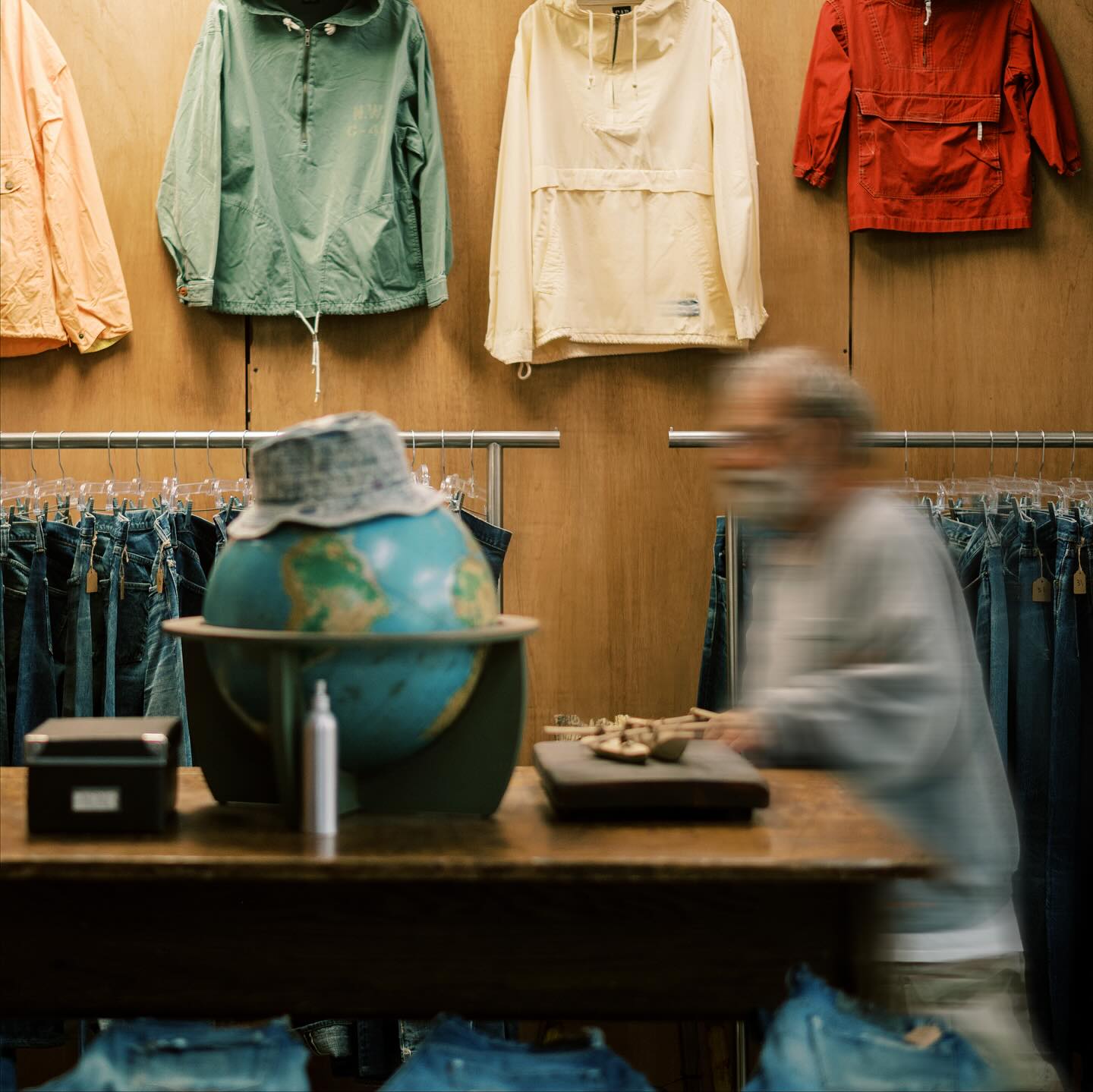
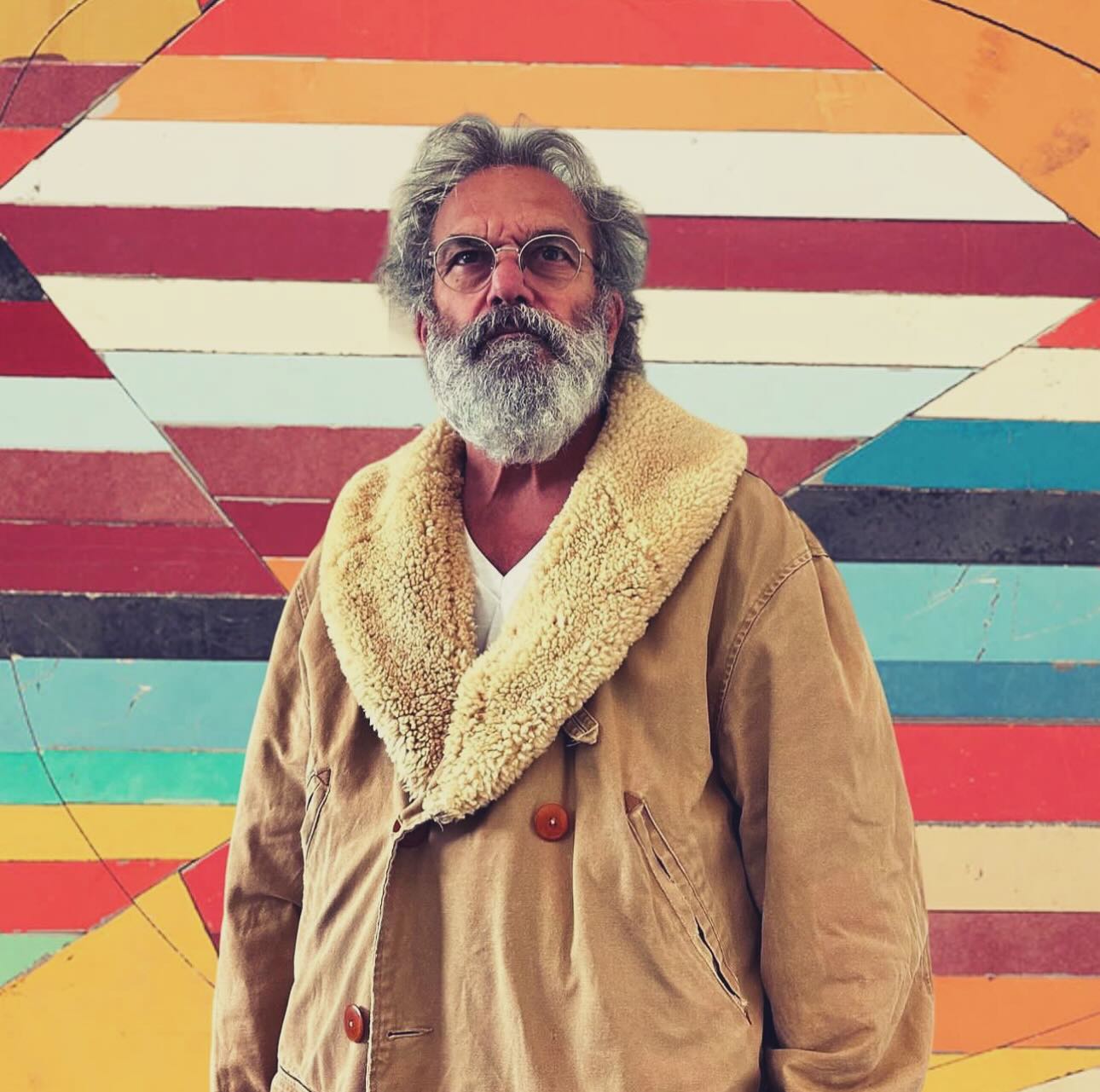
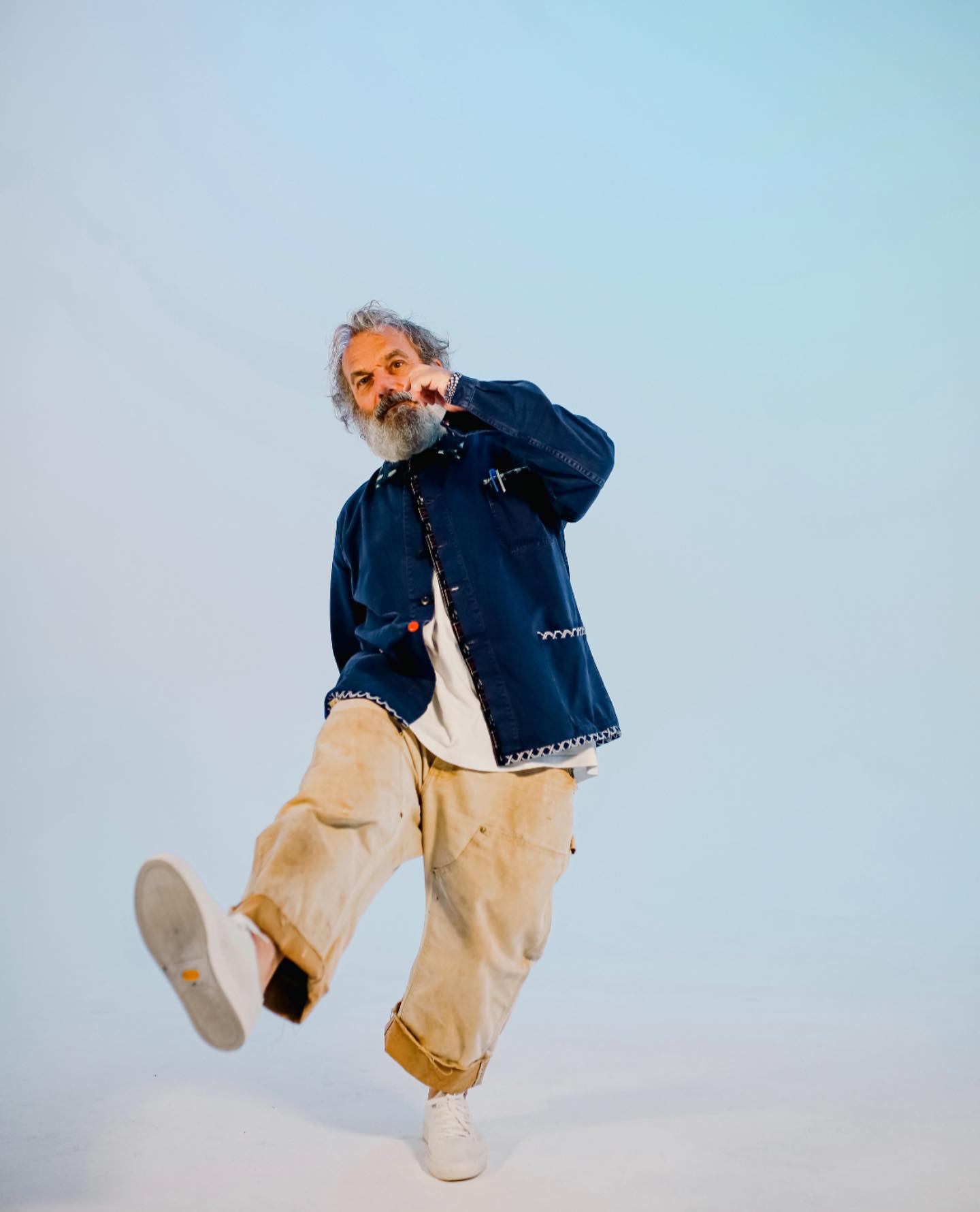
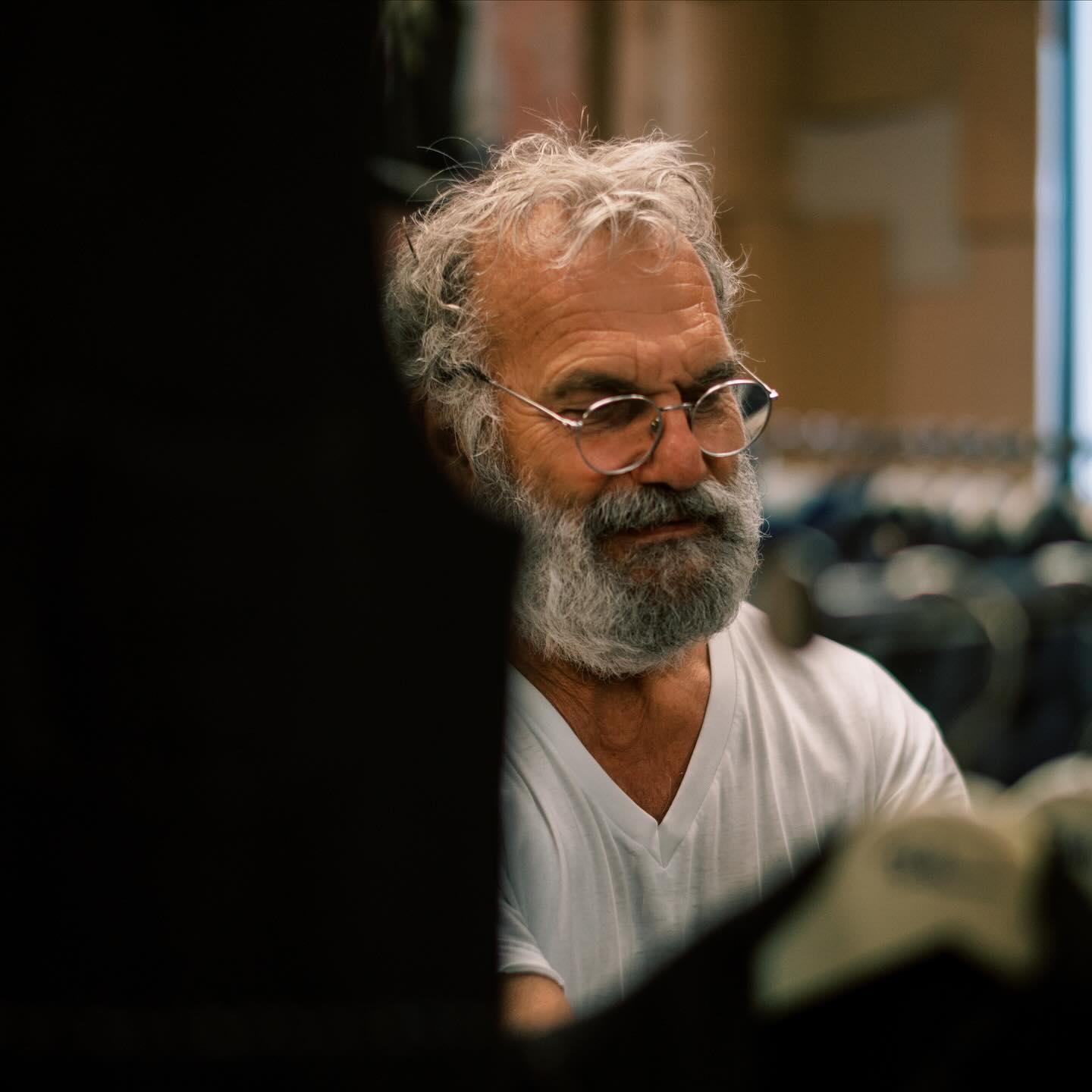
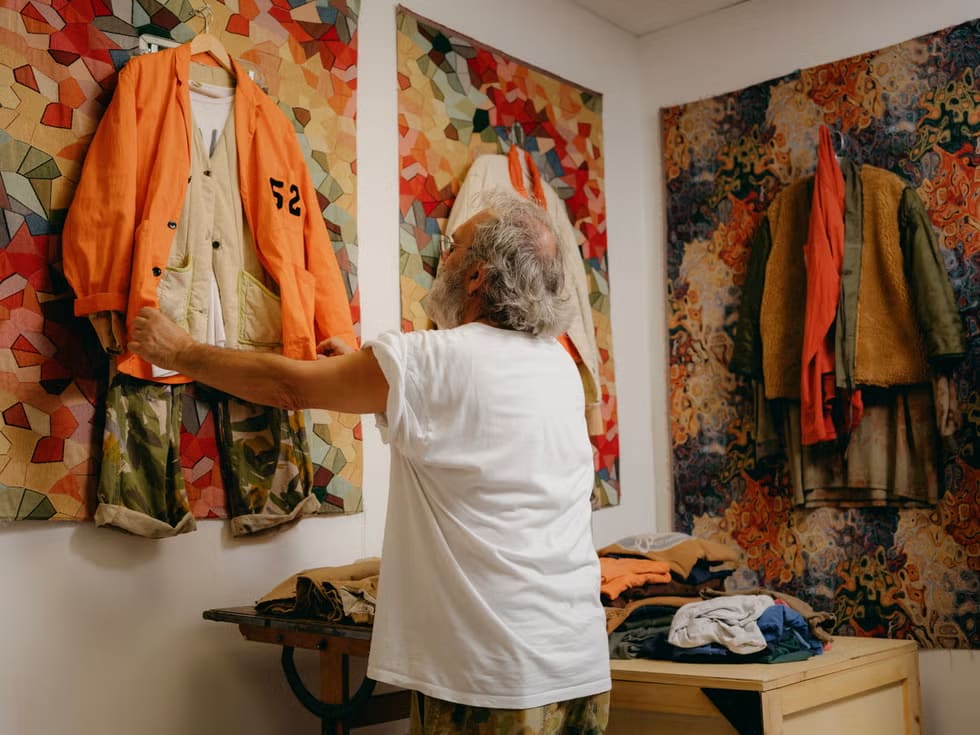
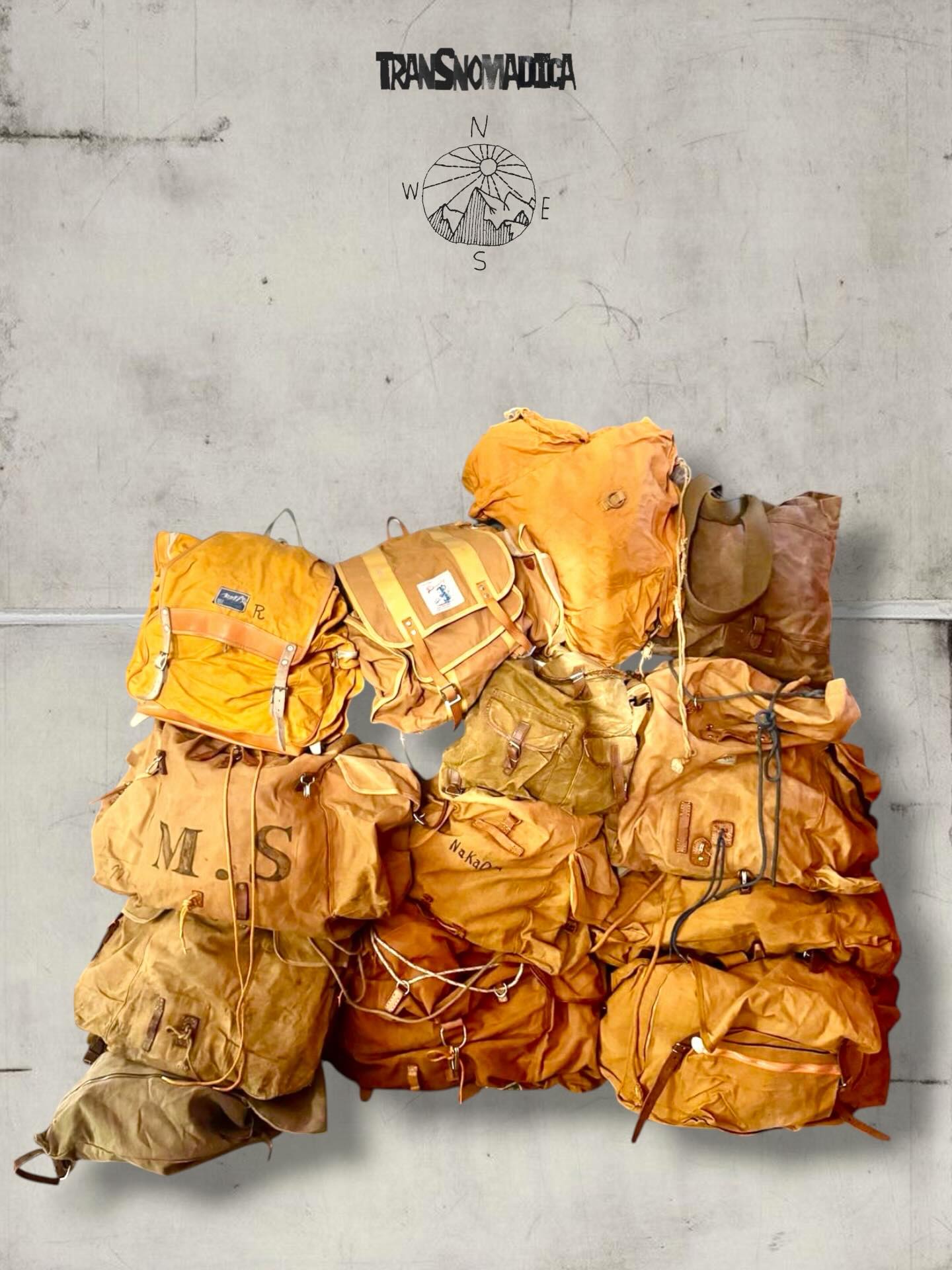
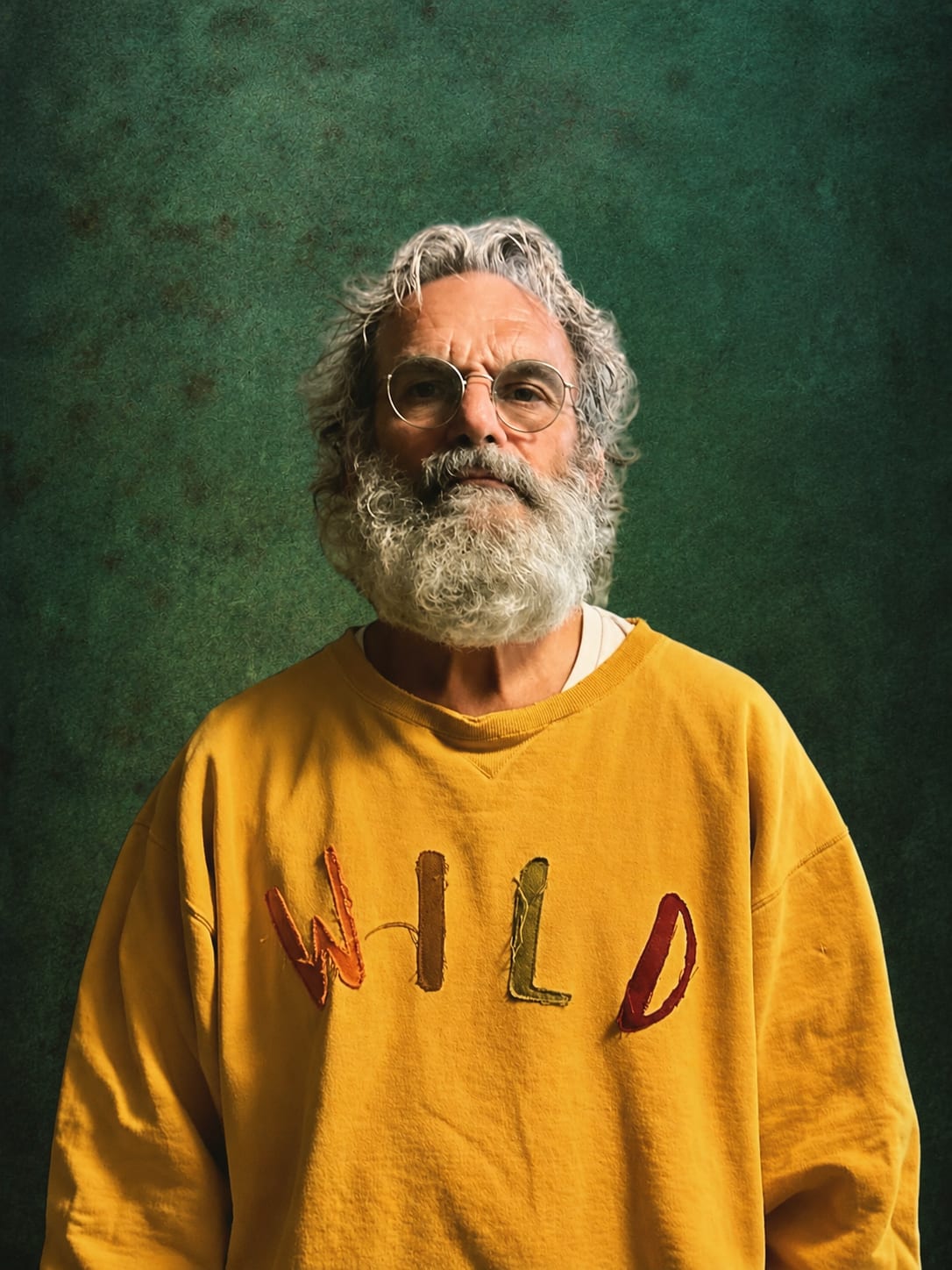
Today, Donadi is the founder of Transnomadica, a creative practice that defies easy classification. Part archive, part research studio, part retail experiment, it houses an extraordinary collection of vintage and secondhand clothing alongside objects, artifacts, and materials that Donadi has gathered over decades. The collection serves as a resource for designers, brands, and anyone interested in understanding how objects acquire meaning over time.
But Transnomadica is less concerned with nostalgia than with possibility. For Donadi, an old jacket is not simply a reference to be reproduced. It's evidence of a life lived, a design problem solved, a material transformed by use, and perhaps the beginning of an entirely new idea.
On this episode of WeekEnds WeekDays, Maurizio joins hosts Derek Siegel and Mateo Moreno for a wide-ranging conversation about the relationship between history and creativity, the limitations of corporate fashion, and what independent retail might become in a world where nearly everything is available to everyone.
An Unlikely Education in Fashion
Maurizio's career didn't begin with an obsession for clothing. Born in the Italian countryside in 1957, he remembers a childhood defined by simplicity, when water came from an outdoor pump and everyday life moved at a considerably different pace.
An excellent student until adolescence, he eventually found himself more interested in rock music, theater, sports, literature, and the cultural experimentation of the 1970s than in formal education. He left school and spent three years working in a steel factory.
By his early twenties, he had already experienced marriage, fatherhood, and the responsibilities of raising a young son. Fashion was nowhere in the picture.
Then, in 1980, a chance encounter with an old friend introduced him to an opportunity at Benetton. There were no positions available in Italy, but the company offered him a job in Paris starting fifteen days later. Maurizio sold his belongings, moved with his son, and began working in a warehouse.
It was not a calculated career move. He simply wanted a better job and the opportunity to experience another country.
Over the following decades, he would move through Benetton, Diesel, Armani, Ralph Lauren, and Levi's, working alongside some of the industry's most influential creative leaders. Yet he credits his unconventional beginnings with shaping an approach that remained remarkably consistent throughout his career.
Fashion, he argues, requires leadership and conviction. Someone must ultimately make decisions and take responsibility for them. But conviction should not be confused with ego. His experience outside the industry taught him to listen, remain curious, and recognize the contributions of others.
That distinction would become central to the philosophy behind Transnomadica.
Seeing Beyond the Object
Maurizio doesn't approach clothing primarily as something to wear. He approaches it as an object capable of communicating ideas.
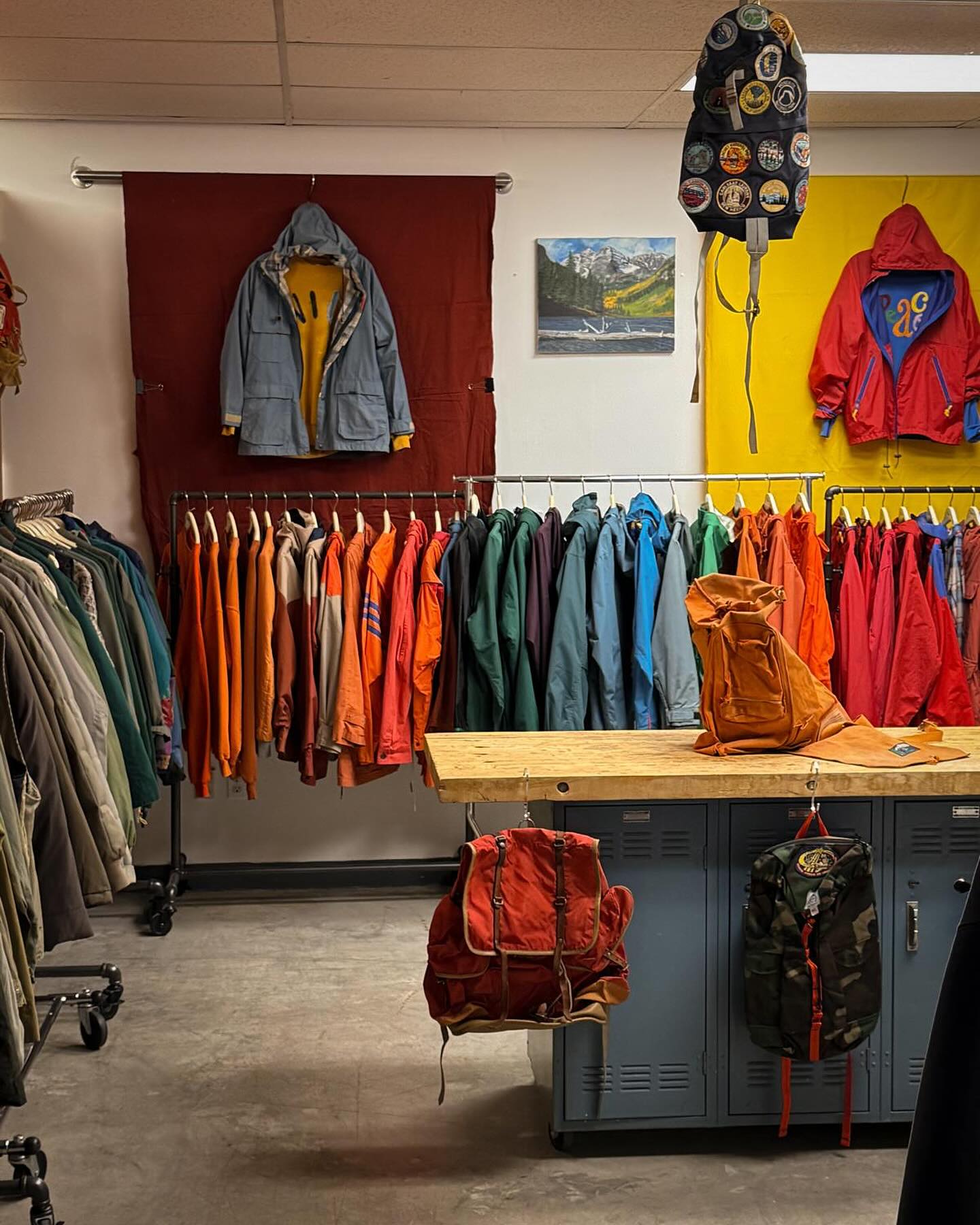
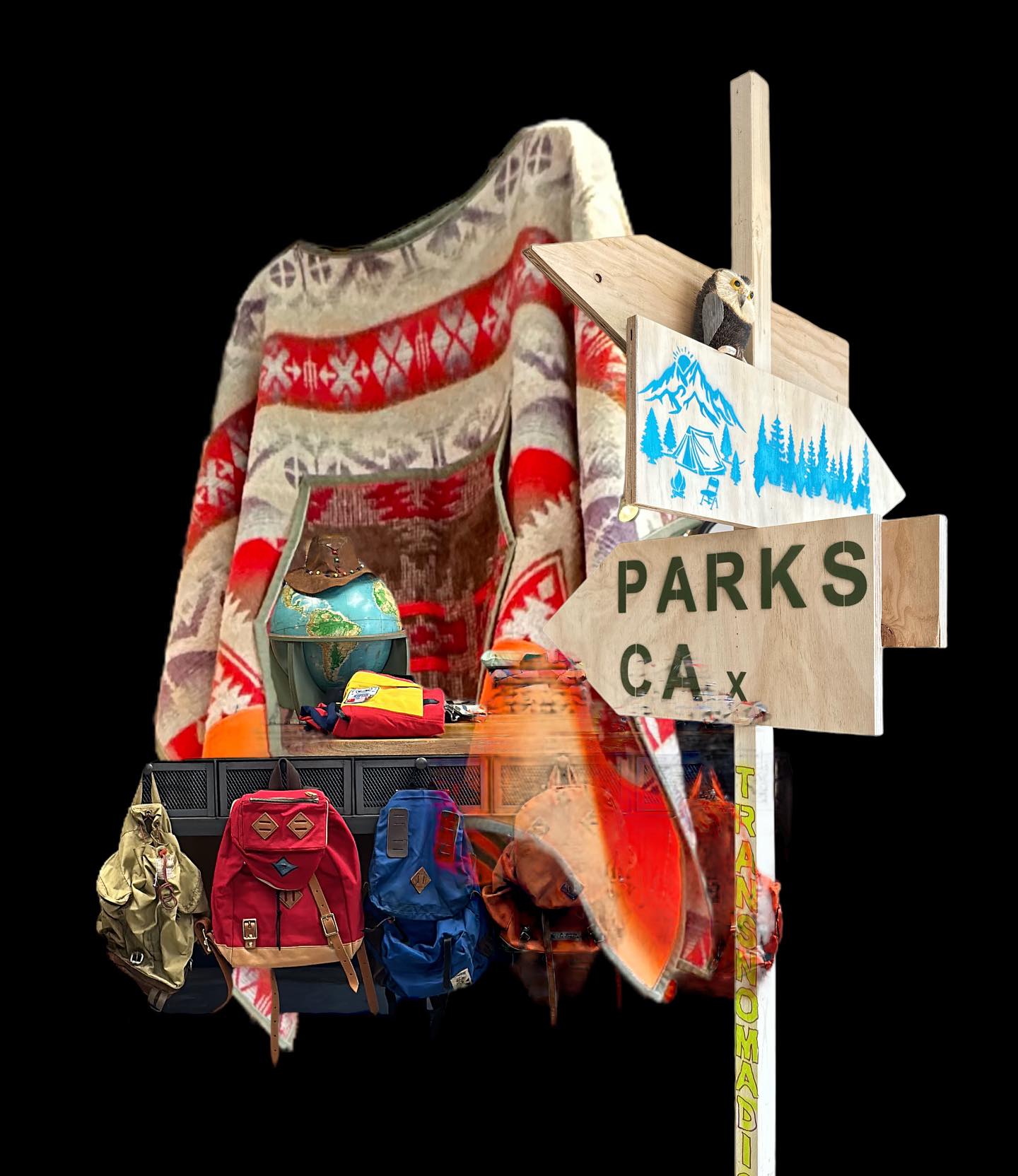
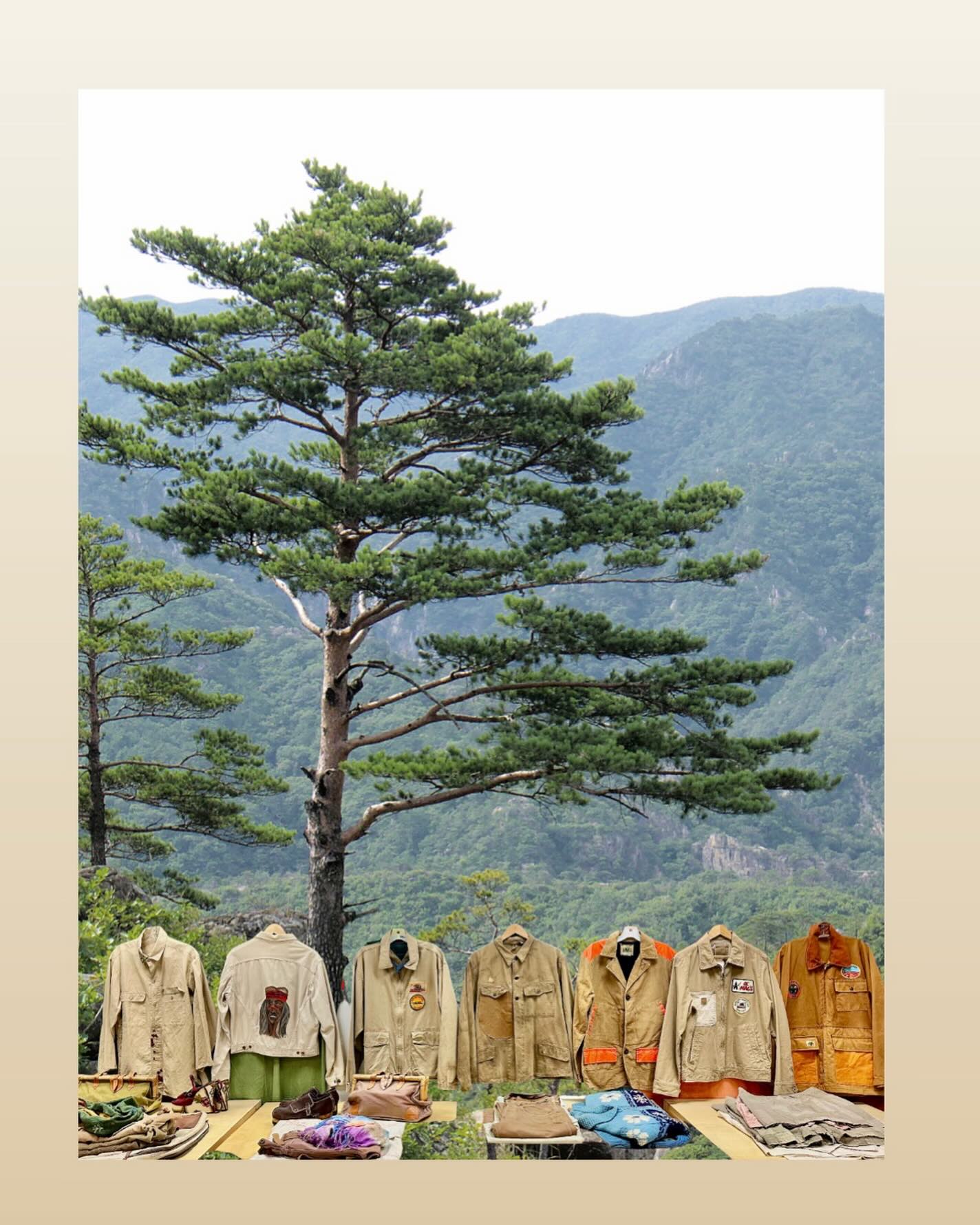
A garment might interest him because of its construction, an unusual color combination, a repair, or an unexpected relationship with something entirely unrelated to fashion. His studio contains countless objects that have little obvious connection to apparel but serve as important sources of inspiration.
Rather than organizing creativity around a predetermined outcome, Maurizio prefers to assemble things, rearrange them, and discover relationships that weren't initially apparent.
His interest lies as much in changing perception as in designing products.
This explains why his collection isn't governed by conventional ideas of rarity or financial value. A relatively ordinary secondhand garment can be just as compelling as a highly collectible historical piece if it has the ability to provoke an emotional response.
As he explains, the history of an object can deepen its appeal, but it isn't necessarily what makes the object beautiful in the first place.
The emotional connection comes first. Provenance, age, and historical significance follow.
It's a distinction that challenges the way much of the vintage market operates, where value is often determined by scarcity, recognizable labels, and the perceived importance of a particular era.
Maurizio is more interested in the evidence of human interaction: a garment that has been altered, repaired, worn unevenly, or transformed by its owner. These details reveal something about the person who used it and the circumstances in which it existed.
His curiosity is almost anthropological. He imagines meeting the people who once owned the clothing in his archive, learning where they traveled, what they did, and why they wore the things they wore.
The object becomes a point of entry into a much larger human story.
Why Real Wear Is Difficult to Reproduce
Contemporary fashion has developed increasingly sophisticated techniques for making new clothing appear old. Industrial washing, distressing, fading, and artificial repairs can produce remarkably convincing approximations of garments that have experienced decades of use.
Maurizio is not categorically opposed to these techniques.
He points to Ralph Lauren's Double RL as an example of a company capable of producing exceptionally convincing vintage-inspired clothing through highly skilled manufacturing and finishing.
But he believes most attempts fall short.
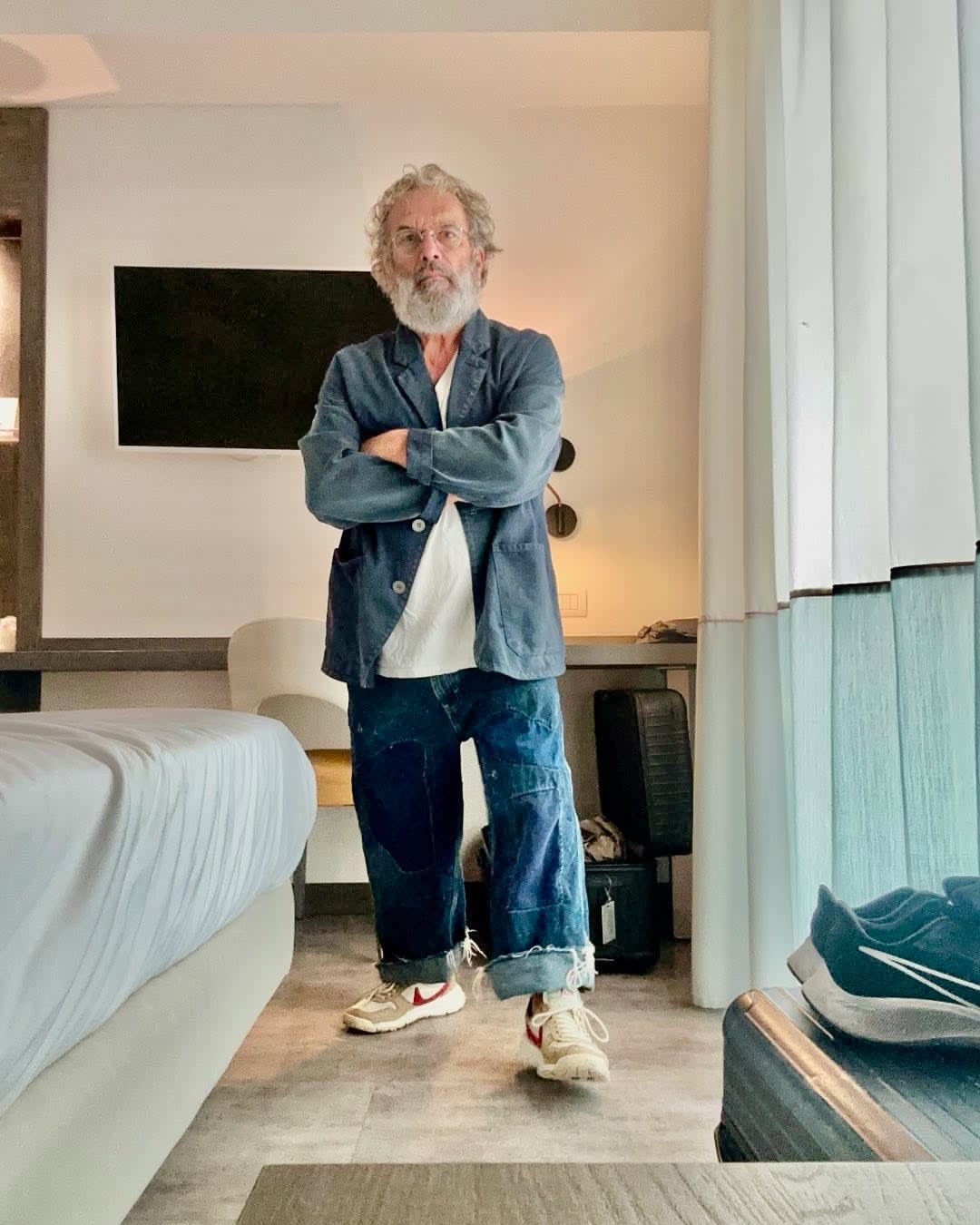
The problem isn't simply technical execution. It's that the marks left by actual use have a relationship to the garment that manufactured distressing rarely captures.
A faded shoulder, an improvised repair, or a pocket worn through after years of use represents something more than a visual effect. It is the result of an interaction between a person, an object, and time.
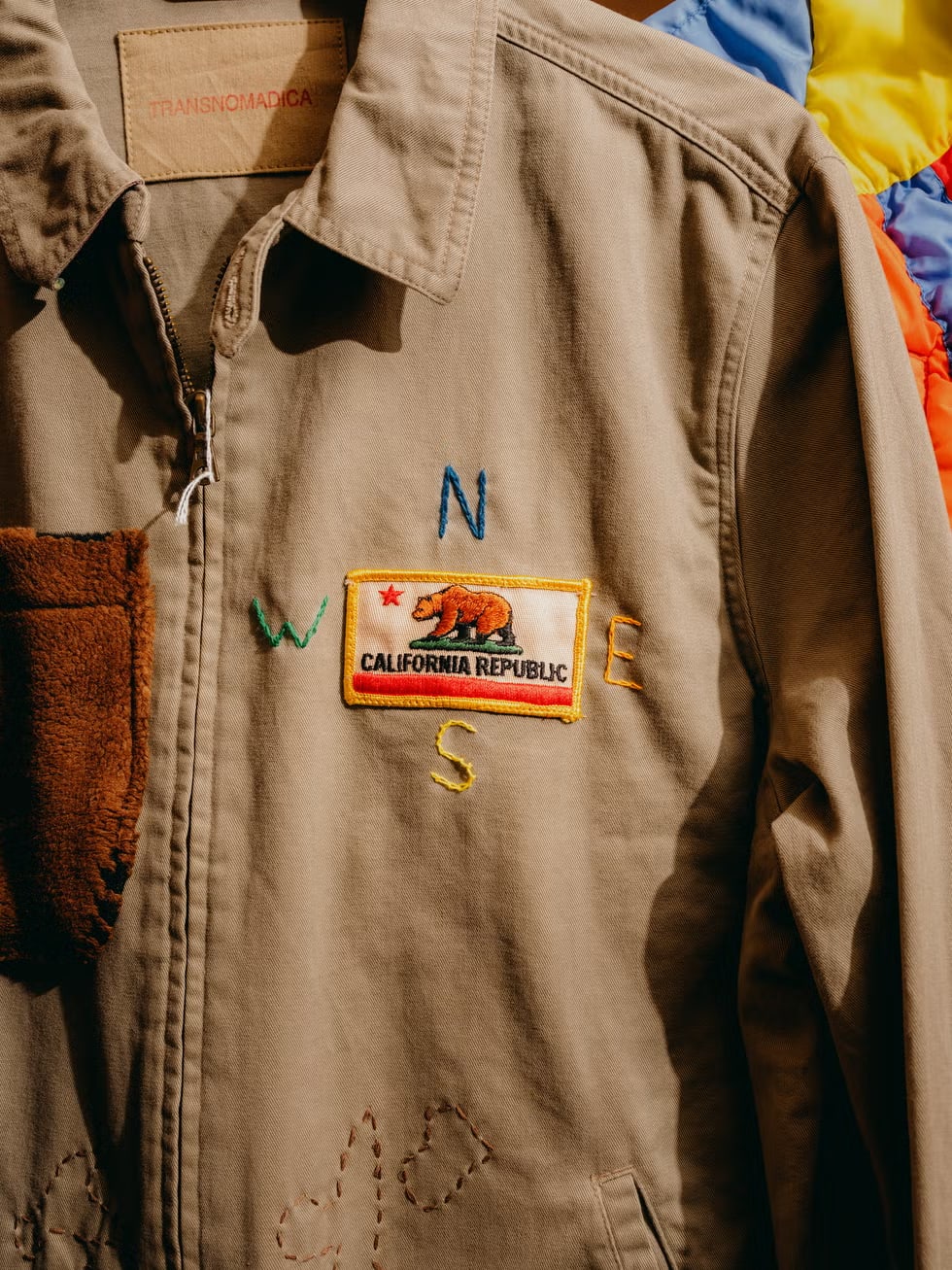
For Maurizio, a more interesting approach is to begin with existing secondhand clothing that may have little collectible value and transform it through thoughtful repair or modification.
Rather than manufacturing the appearance of a history, the process builds upon one that already exists.
This is an important distinction in Transnomadica's work. Creativity doesn't have to begin with an untouched material or a new design. It can begin with recognizing an overlooked quality in something that already exists and finding a way to make it relevant again.
The Archive as a Creative Resource
Maurizio's fascination with historical clothing was reinforced during his time at Levi's, where he oversaw premium collections including Levi's Vintage Clothing, Made & Crafted, and Levi's RED.
The company's extensive archive represented an extraordinary opportunity to connect historical research with contemporary design.
For Maurizio, the archive was never supposed to function merely as a repository of old products. It could become the foundation for future creative direction.
He points to lesser-known pieces from Levi's history, including denim-covered down jackets, as evidence of how much remains unexplored within even the most familiar brands.
Levi's may be synonymous with denim, but its history contains a much broader range of products and ideas than its dominant commercial identity suggests.
The same principle applies to Ralph Lauren, which Maurizio praises for its ability to study, interpret, and refine historical American clothing.
During the conversation, Derek raises the role of Japanese brands in preserving American clothing traditions, from Ivy League style to workwear and outdoor equipment. Maurizio agrees, noting the depth of research, collecting, publishing, and exhibition work devoted to these subjects in Japan.
The broader lesson is that heritage becomes valuable when it is actively studied and interpreted, rather than simply used as a marketing claim.
An archive should expand a brand's possibilities, not confine it to reproducing its past.
Transnomadica and the Freedom of Not Having a Plan
After leaving corporate fashion in 2012, Maurizio began building a practice around the independence he had increasingly come to value.
The result was Transnomadica, which he describes using an unusual term: adhocracy.
Derived from ad hoc, the concept represents the opposite of the rigid corporate structure he had spent decades navigating. Instead of building an organization around standardized processes, fixed services, and predictable outputs, Maurizio wanted to create an environment where each day could unfold differently.
The studio encompasses nearly 9,000 square feet and houses an estimated 10,000 to 20,000 carefully selected pieces. Maurizio sources the objects himself, while a small team helps organize, present, and continually reinterpret the collection.
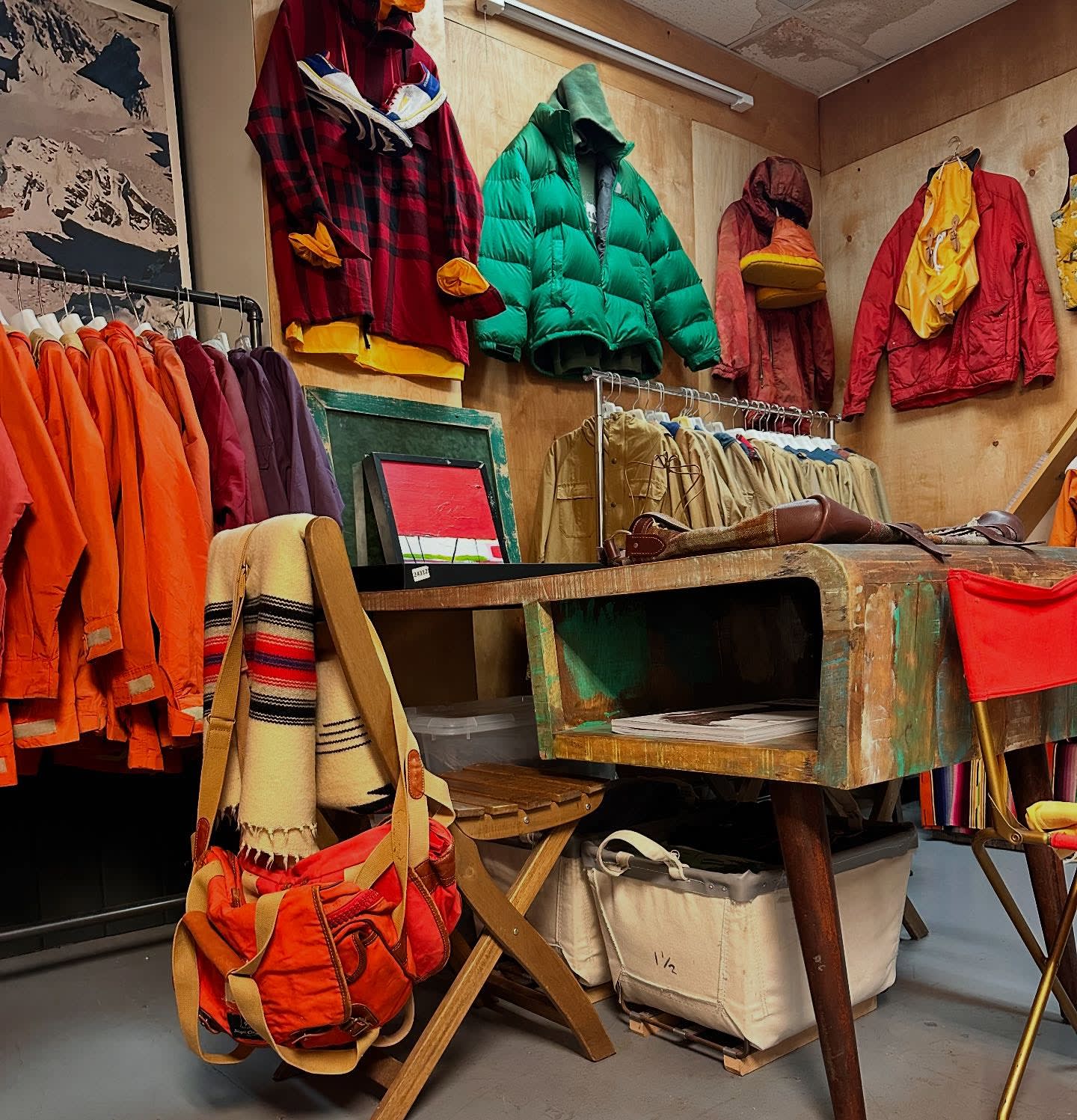
Sometimes the studio is commissioned by brands for creative projects. Sometimes it sells or rents objects. Sometimes the team produces photographs or experiments with displays without any immediate commercial purpose.
There is no fixed menu of services.
This ambiguity is intentional. Maurizio considers it an advantage that people struggle to define exactly what Transnomadica does.
His preferred explanation is much simpler:
"We are in the business of inspiration."
That philosophy also informs the economics of the business.
Maurizio is clear that independence doesn't eliminate the need for revenue. Instead, commercial projects make the independence possible.
"With that money we finance our freedom."
Profit, in this framework, is not necessarily an invitation to expand indefinitely. It is a resource that allows the studio to continue experimenting, support its employees, and pursue projects that might not generate immediate financial returns.
It's an alternative to the conventional expectation that every creative business should continually become larger, more structured, and more efficient.
For Maurizio, the ability to remain curious is itself a measure of success.
Has Fashion Become Better at Selling Than Making?
When Mateo asks whether the fashion industry has become better at making products or simply better at selling them, Maurizio answers without hesitation: selling.
Despite advances in branding, distribution, and marketing, he believes the underlying quality of much contemporary clothing has remained relatively flat.
The gap between a product's intrinsic quality and its selling price can increasingly reflect the cost of the machinery built around it: advertising, brand positioning, and the systems required to maintain desirability.
Maurizio doesn't suggest that all contemporary manufacturing is inferior. He even praises improvements in Zara's product quality and presentation, despite his reservations about fast fashion.
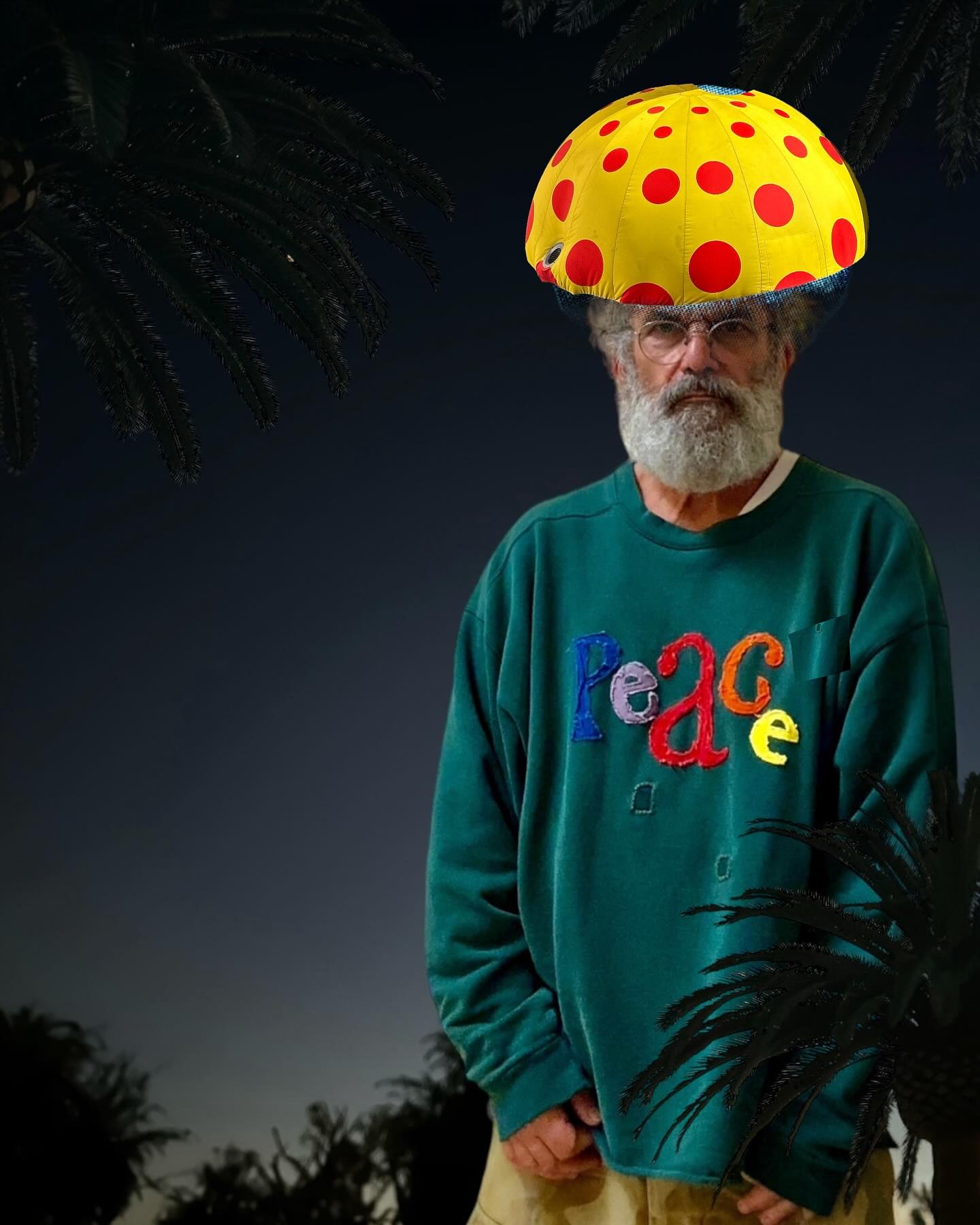
His criticism is directed toward an industry that has become exceptionally sophisticated at creating demand without necessarily delivering a corresponding improvement in the objects being sold.
He also sees a structural conflict between creativity and the way large organizations operate.
"Control is the enemy of creativity."
Creative work doesn't necessarily happen on a nine-to-six schedule, yet corporations frequently attempt to manage it through standardized hours, rigid hierarchies, and increasingly complicated approval processes.
At Levi's, Maurizio tried to bridge the divide by encouraging designers to understand finance, shipping, logistics, and production costs, while bringing commercial teams closer to the creative process.
The objective wasn't to remove business constraints. It was to build enough mutual understanding that creative and commercial teams could work together without undermining each other.
He argues that education and trust are essential to this relationship, and that companies often fail when they neglect either.
Retail Needs to Surprise Us Again
Perhaps the conversation's most direct challenge to the industry concerns the future of retail.
The internet has fundamentally changed what it means to operate a store. Consumers can purchase products directly from brands, compare prices instantly, and participate in an enormous global resale market.
For independent retailers, the competitive landscape has become particularly difficult. Rent remains expensive, product exclusivity is increasingly rare, and the brands they carry are often competing directly with them through their own e-commerce operations.
Maurizio believes the traditional retail proposition has been permanently compromised.
But he doesn't believe physical retail is finished.

Instead, he argues that stores must recover something that has largely disappeared from contemporary shopping: the ability to create an emotional experience.
He recalls the historical ambition of American department stores to "surprise and delight" their customers.
Today, he suggests, very little surprises us. Consumers encounter the same products, imagery, and brand environments across physical stores, social media, and digital marketplaces.
Even luxury has become increasingly standardized, with familiar names occupying the same prominent positions in airports and shopping districts around the world.
For Maurizio, the problem is not simply oversaturation. It's the disappearance of discovery.
A compelling store should offer something that cannot be entirely anticipated before entering. It should express a point of view, introduce unexpected relationships, and create an experience that extends beyond the transaction.
That might mean unusual merchandise, an unexpected environment, or a more imaginative interpretation of what a particular brand or retailer represents.
For independent retailers, the opportunity is not necessarily to compete with larger companies on selection, price, or convenience. It's to become more distinctive in the experiences they create.
In a market where nearly everything can be purchased anywhere, the reason to visit a store has to become something more than access to inventory.
The Most Sustainable Clothing May Already Exist
The conversation eventually turns toward one of the central contradictions of modern fashion: an industry built around continually producing new things while increasingly acknowledging the environmental consequences of overproduction.
Maurizio argues that the enormous volume of clothing already in circulation represents an underutilized resource.
His position is not that new clothing should cease to exist, but that the industry needs to rethink what it produces, how long those products remain useful, and what happens to them afterward.
Instead of treating design and manufacturing as the beginning and end of a product's commercial life, companies should consider durability, repairability, modification, and reuse from the outset.
Derek introduces another dimension to the problem: economic incentives.
Brands typically capture revenue when a product is sold for the first time, but much of the subsequent value generated through vintage collecting, resale, and archival appreciation exists outside their businesses.
If brands could participate in that downstream value, they might have stronger financial reasons to produce better products, support longer lifespans, and rethink their relationship with resale.

Maurizio agrees that meaningful solutions may come from outside traditional fashion, particularly through technology and a better understanding of consumer behavior.
He also points to the practical difficulty of changing established supply chains. Genuine sustainability can require new materials, suppliers, factories, components, and production methods—changes that are costly and complicated for large companies built around existing systems.
The challenge is not simply to communicate sustainability more effectively. It is to restructure the business so that making fewer, better, longer-lasting things becomes economically viable.
In that sense, Transnomadica offers more than an aesthetic argument for vintage clothing. It demonstrates how existing objects can remain culturally and commercially productive long after their original sale.
Rediscovering the Optimism of the Outdoors
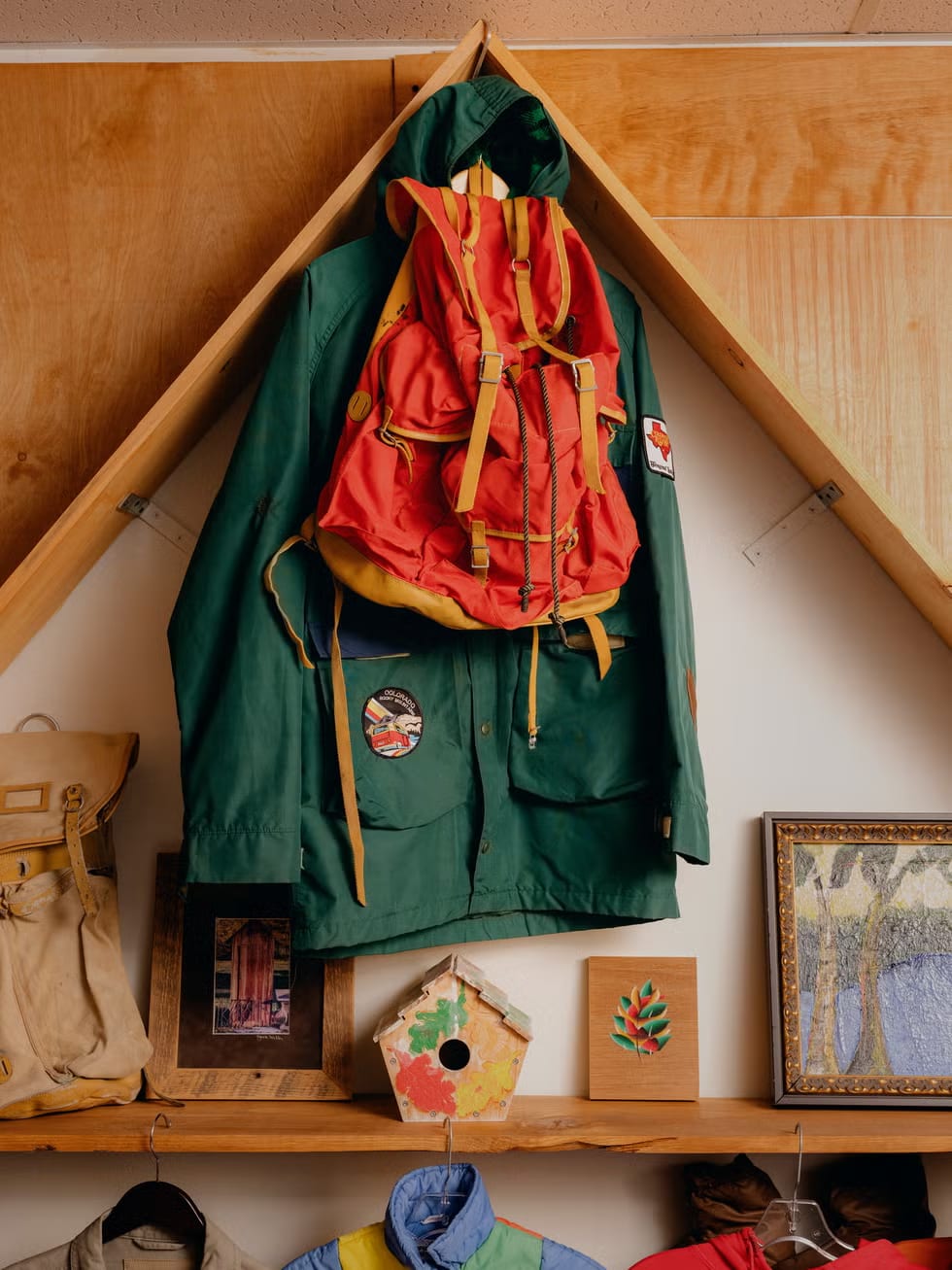
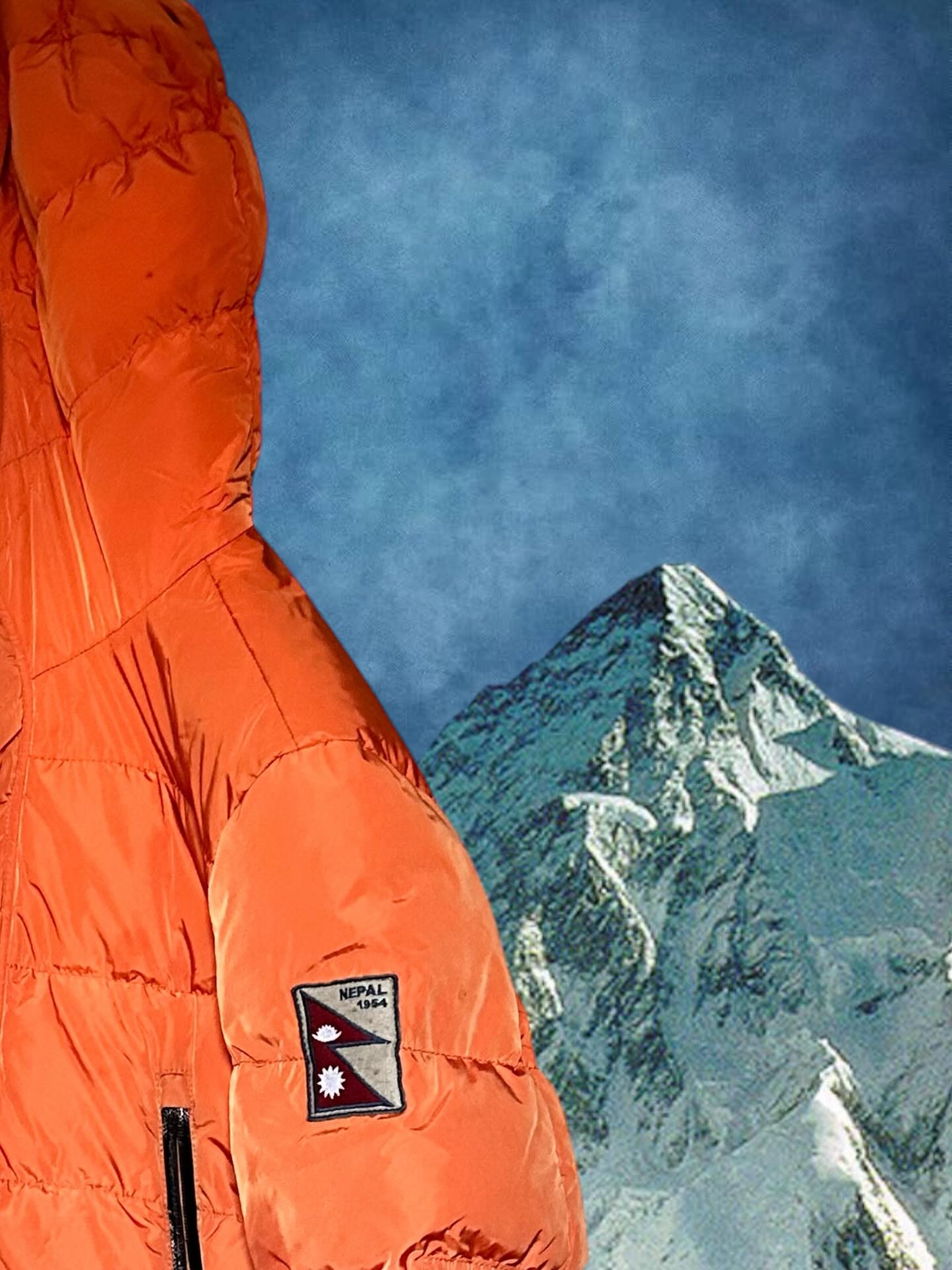
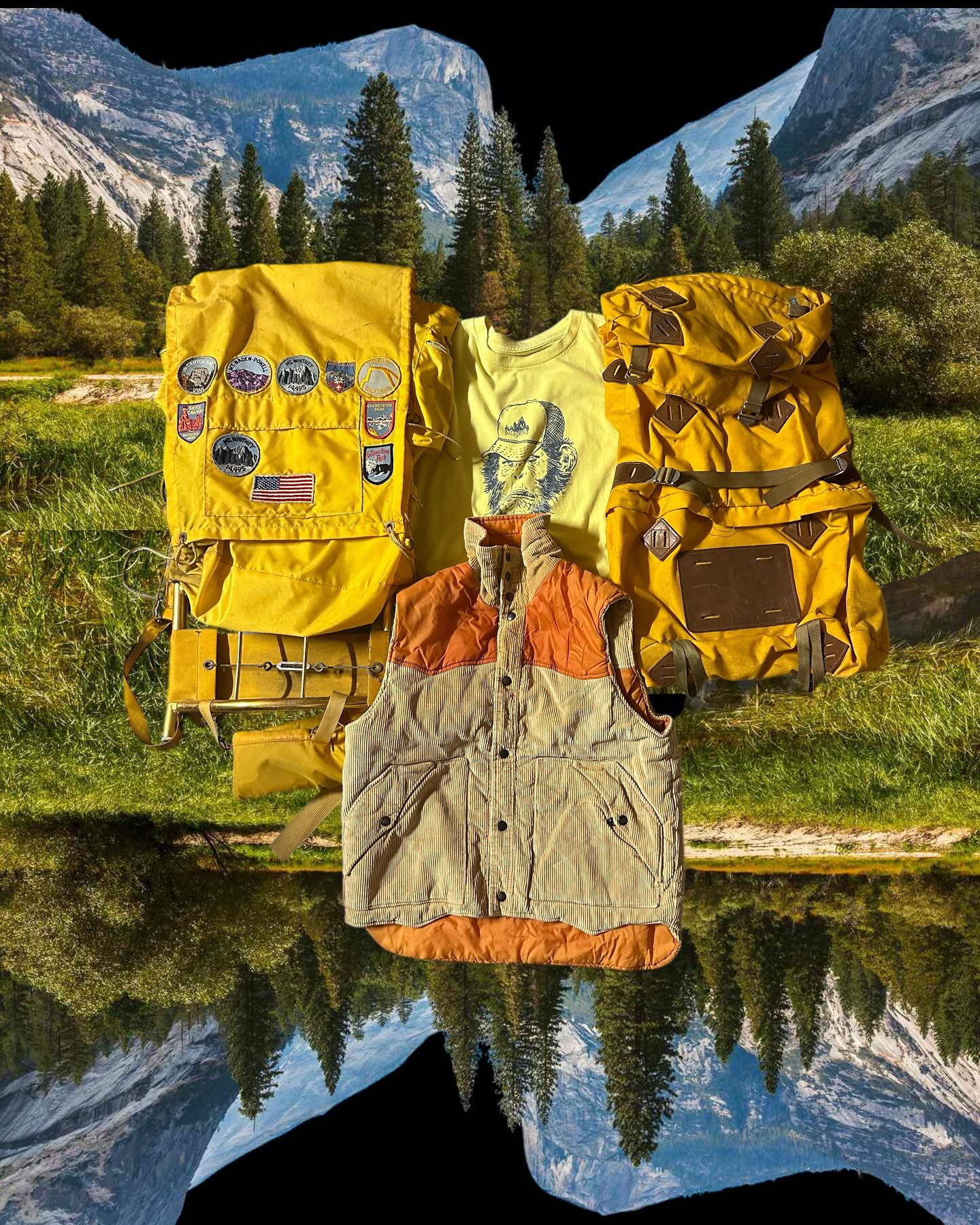
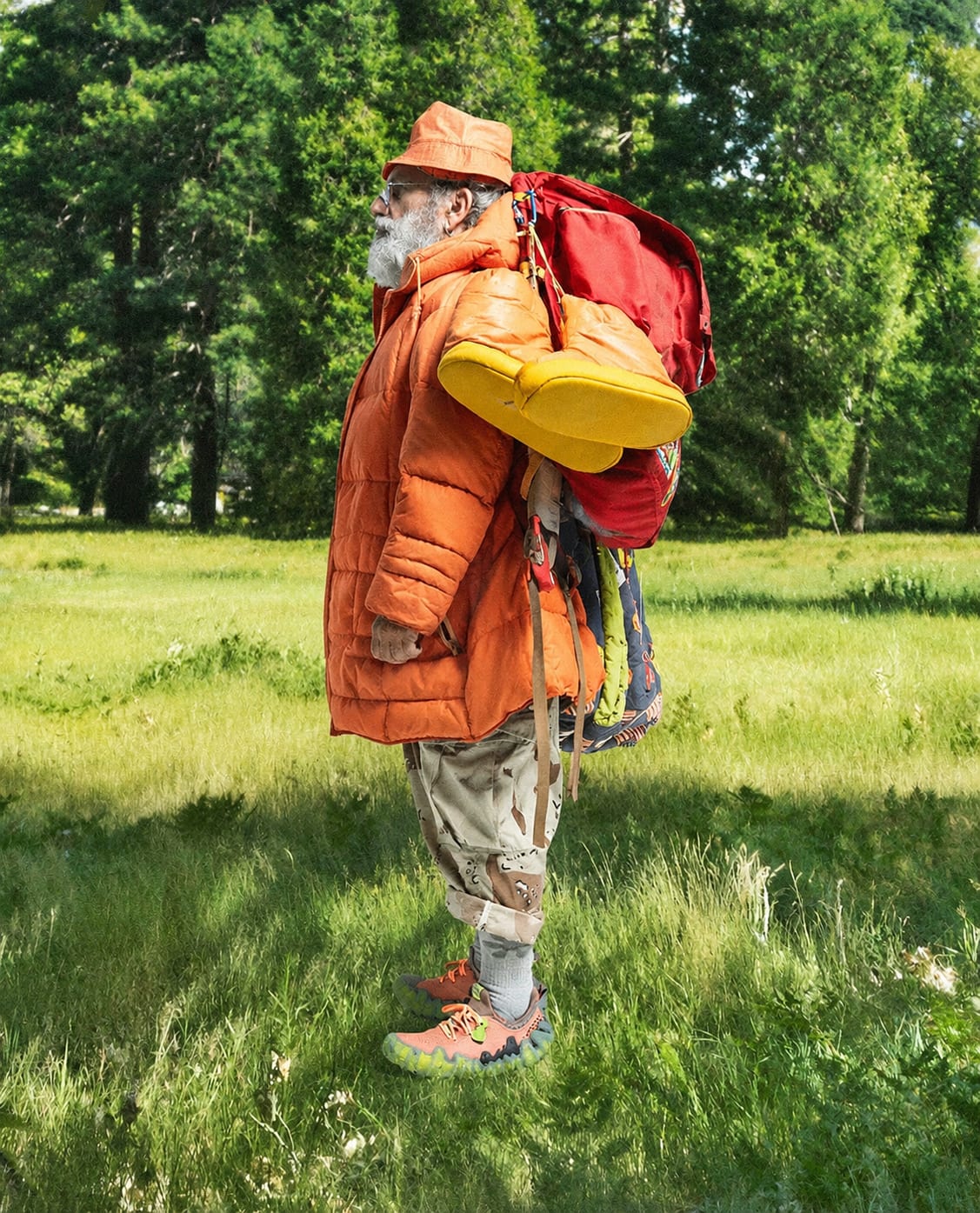
Toward the end of the conversation, Maurizio turns to a more recent area of fascination: American outdoor culture in the late 1970s and early 1980s.
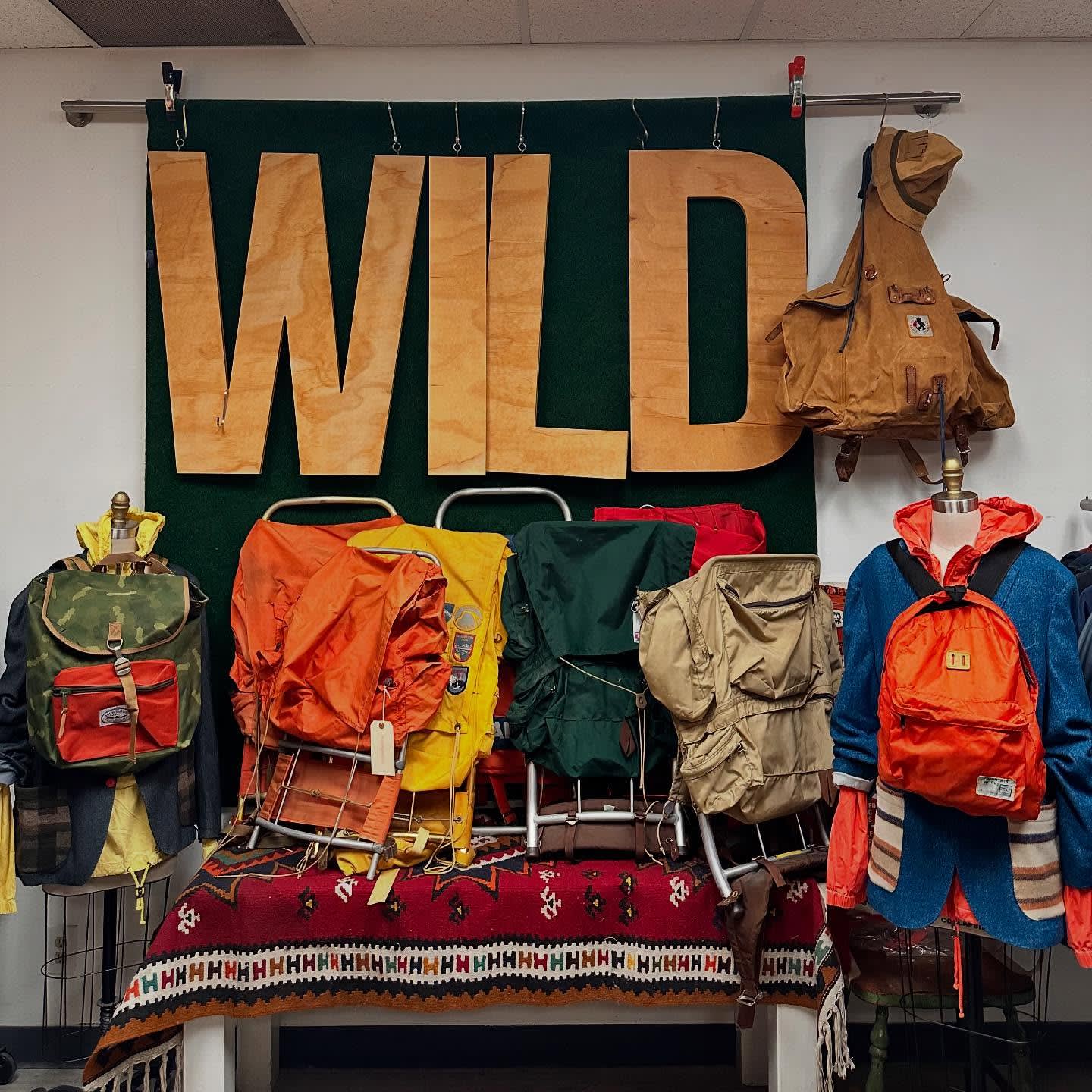
He is particularly interested in the generation of outdoor brands that emerged around Boulder, Colorado, including Holubar, Sierra Designs, Alpine Designs, and Gerry.
These companies helped define a different relationship with outdoor equipment.
Rather than designing exclusively for mountaineering expeditions or highly technical pursuits, they created clothing and equipment for a generation interested in hiking, camping, and spending weekends outdoors with friends.
The products were often lightweight, colorful, playful, and optimistic.
For Maurizio, they reflect a moment when outdoor recreation was becoming a more accessible part of everyday life, and when the clothing associated with it communicated enjoyment rather than extreme performance.
His fascination also extends beyond the garments themselves.
Having grown up in Italy and later become an American citizen, Maurizio speaks with genuine affection about the scale and beauty of the American landscape: its mountains, rivers, forests, enormous skies, and seemingly endless open spaces.
He connects that appreciation to Jack Kerouac's On the Road, particularly its closing passage, which he sees as an enduring expression of the American experience.
What interests him most is the preservation of that sense of possibility, both in the natural world and in the objects created to experience it.
It's a fitting subject for someone who has spent much of his life studying the relationship between clothing, culture, and the people who inhabit both.
The Future Doesn't Have to Be New
When Derek asks what Maurizio is looking forward to after spending so much of his life examining the past, his answer is characteristically unconventional.
"I'm looking forward to the next hour."
It's not an attempt to avoid the question. It is perhaps the clearest expression of the philosophy behind Transnomadica.
After decades inside an industry obsessed with forecasting trends, planning collections, and predicting consumer demand, Maurizio has built a creative practice around the freedom not to know exactly what comes next.
His work suggests that innovation doesn't always require invention, and that progress doesn't necessarily mean abandoning what came before.
Sometimes the most original idea begins with an old jacket, an overlooked object, or a question nobody thought to ask.
And sometimes the most valuable thing a creative business can produce is the freedom to keep exploring.
Watch the full episode: Maurizio Donadi on WeekEnds WeekDays
Related Articles

October 14, 2026
Mazama Designs Is Rethinking the Most Overlooked Piece of Outdoor Gear
Bend, Oregon-based Mazama Designs rethinks outdoor hydration through innovative reservoirs, modular systems, and thoughtfully engineered gear built to last.
Read →
October 12, 2026
Why Titanium Became an Outdoor Obsession
How titanium became an outdoor obsession, from ultralight gear to minimalist design, and the independent brands redefining premium outdoor equipment.
Read →
October 8, 2026
Dust Wants Trail Running to Feel Dirty Again
Meet Dust, the San Francisco trail running brand blending Western-inspired style, technical performance, and a fresh approach to outdoor apparel.
Read →