
Mazama Designs Is Rethinking the Most Overlooked Piece of Outdoor Gear
by Gene Han
Born in Oregon and obsessed with the mechanics of carrying water, Mazama Designs is making the humble hydration system worthy of a closer look.
Outdoor gear tends to announce itself.
A new shell arrives with a proprietary membrane. A trail shoe gets a radically sculpted sole. Packs become lighter, tents become smaller and seemingly every season brings another material promising to change how we move through the mountains.
Then there is the hydration reservoir: a piece of equipment most of us barely think about until it leaks, tastes like plastic or stops delivering water halfway through a ride.
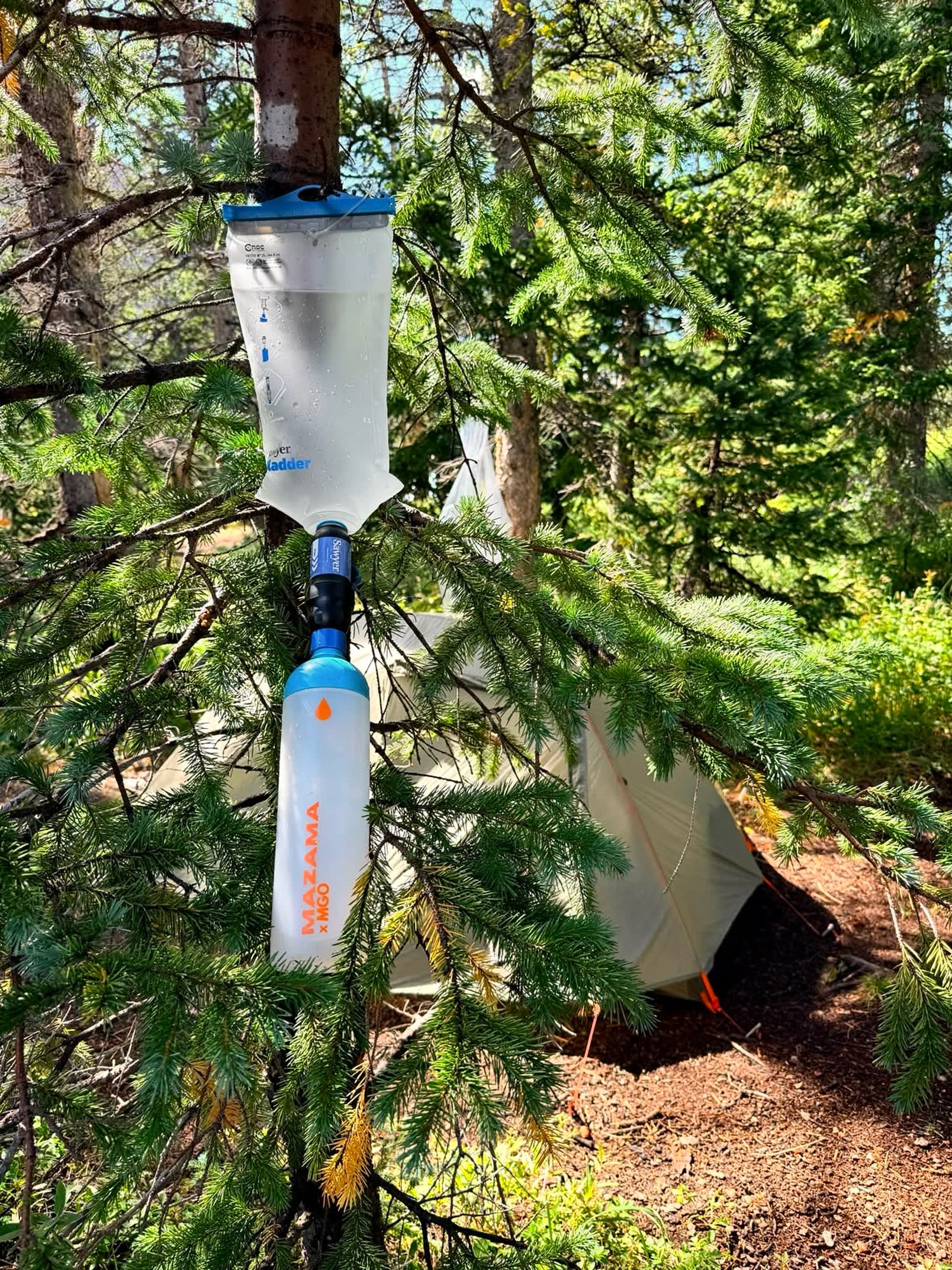
Mazama Designs has built an entire company around the idea that we should probably be paying more attention.
Based in Bend, Oregon, Mazama designs hydration reservoirs, bottles, packs, filters and the small ecosystem of valves, tubes and connectors that keep water moving. The brand takes its name from Mount Mazama, the collapsed volcano whose caldera now contains Crater Lake—a fitting reference point for a company almost entirely preoccupied with water.
But what makes Mazama interesting isn't simply that it makes hydration equipment. It's the degree to which the company treats hydration as a design problem.
The Hardware Matters
There is a certain category of outdoor equipment that disappears when it works correctly.
Buckles. Zippers. Tent poles. Pack suspension. Water reservoirs.
Nobody finishes a long ride talking about how well their bite valve performed. But spend six hours on a bike with one that drips down your shirt, delivers barely enough water or requires two hands to reconnect, and suddenly the engineering becomes extremely important.
Mazama lives in these details.
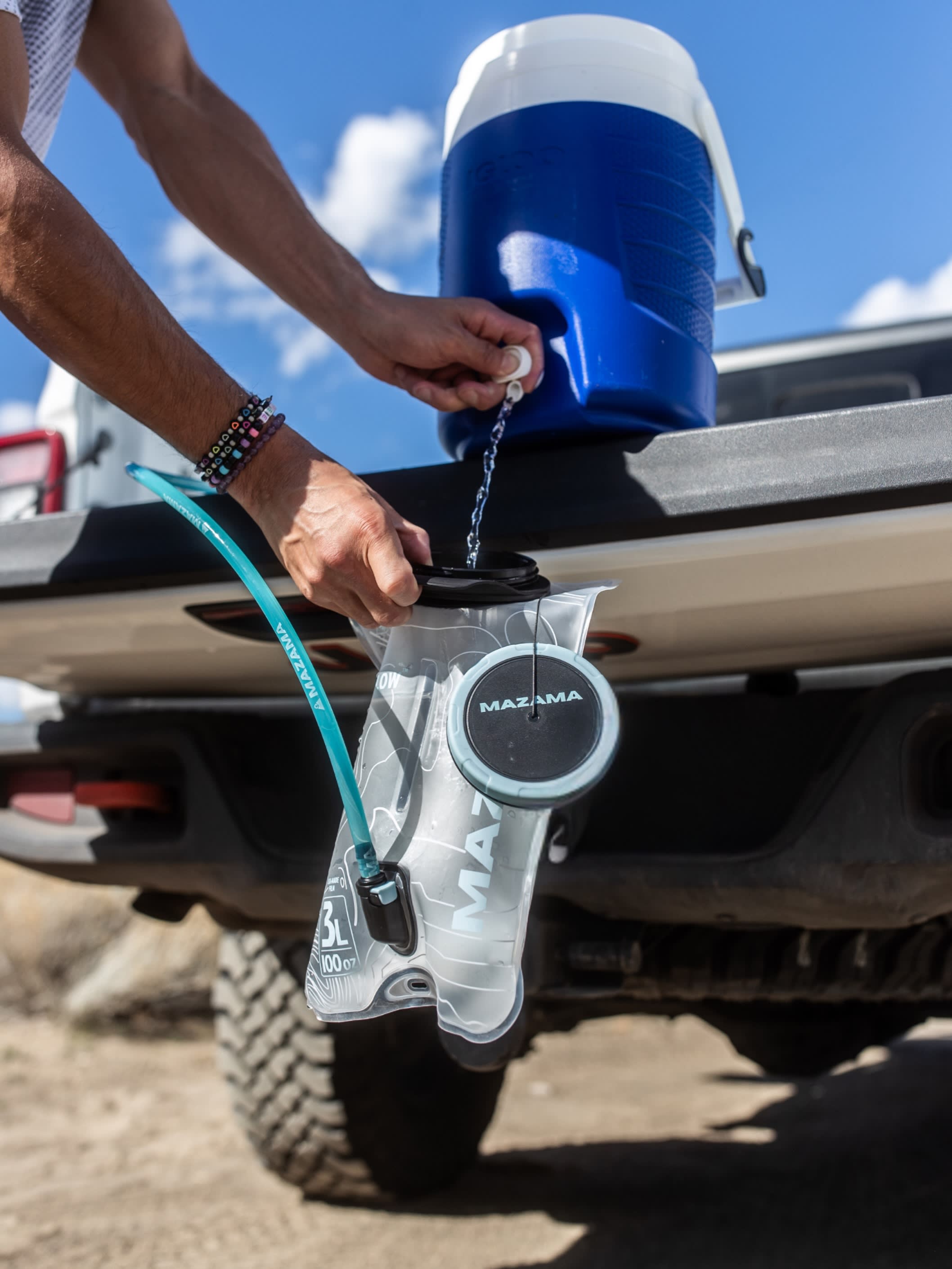
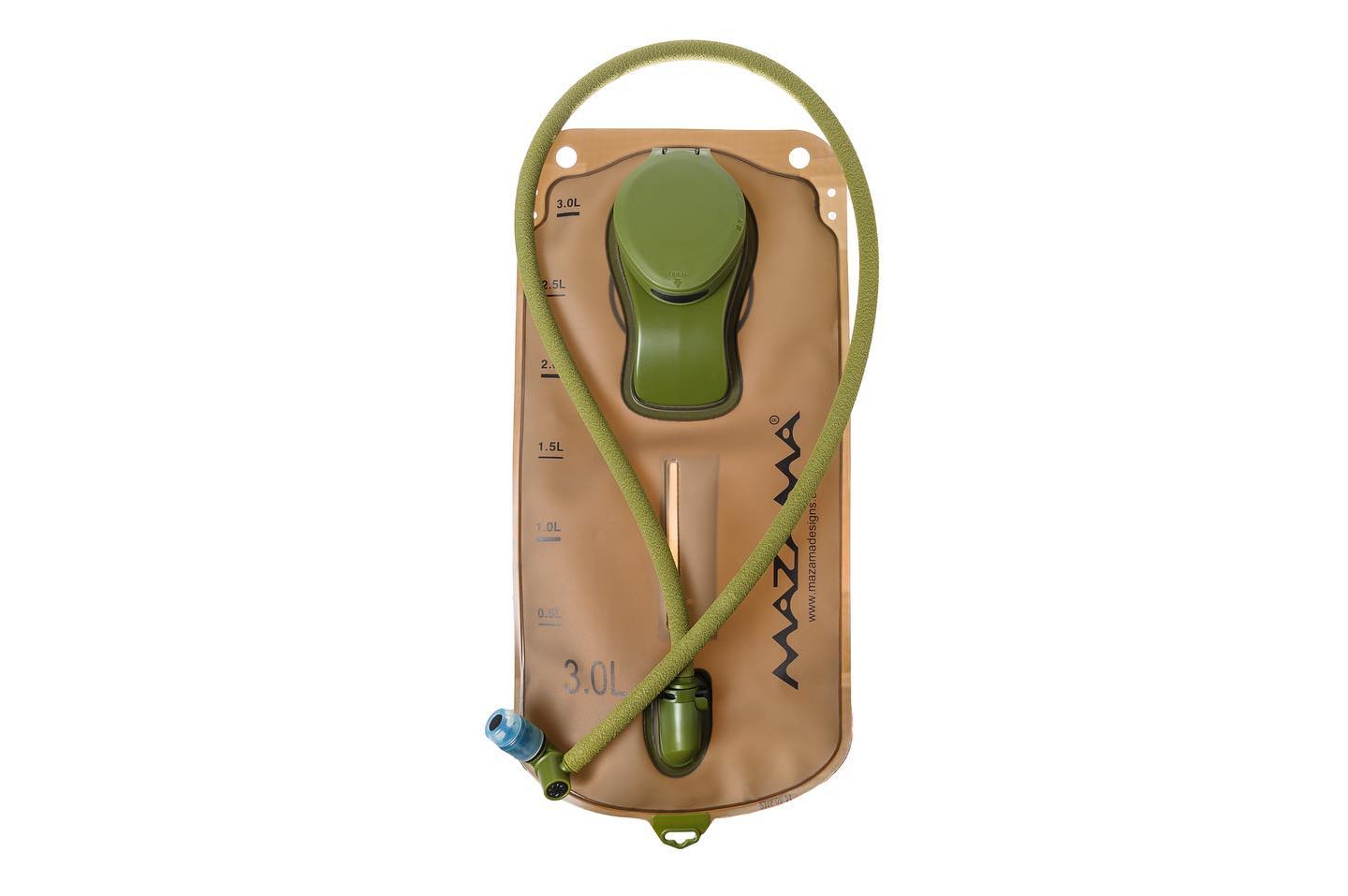
Its reservoirs use taste-free, USA-sourced PVC- and BPA-free film, while its systems are designed around practical features like quick disconnects, wide fill openings and compatibility with packs from other manufacturers. Rather than forcing users into a closed ecosystem, Mazama says its replacement reservoirs fit packs from brands including CamelBak, Osprey and Dakine.
The company has also developed its own hydration technologies. INSOTEK insulation is designed to regulate temperature, while its patented GYZR and VYPR bite valves focus on improving water flow. On certain insulated reservoirs, Mazama claims its insulation can keep water cool 40 percent longer than its standard reservoir, alongside valves designed to increase flow.
None of this is particularly glamorous.
That's partly the point.
Designing the System, Not Just the Object
There is a broader shift happening in outdoor product design toward modularity.
Consumers increasingly expect to repair, replace or reconfigure equipment rather than throw an entire product away because one component failed. Mazama's approach fits naturally into that philosophy.
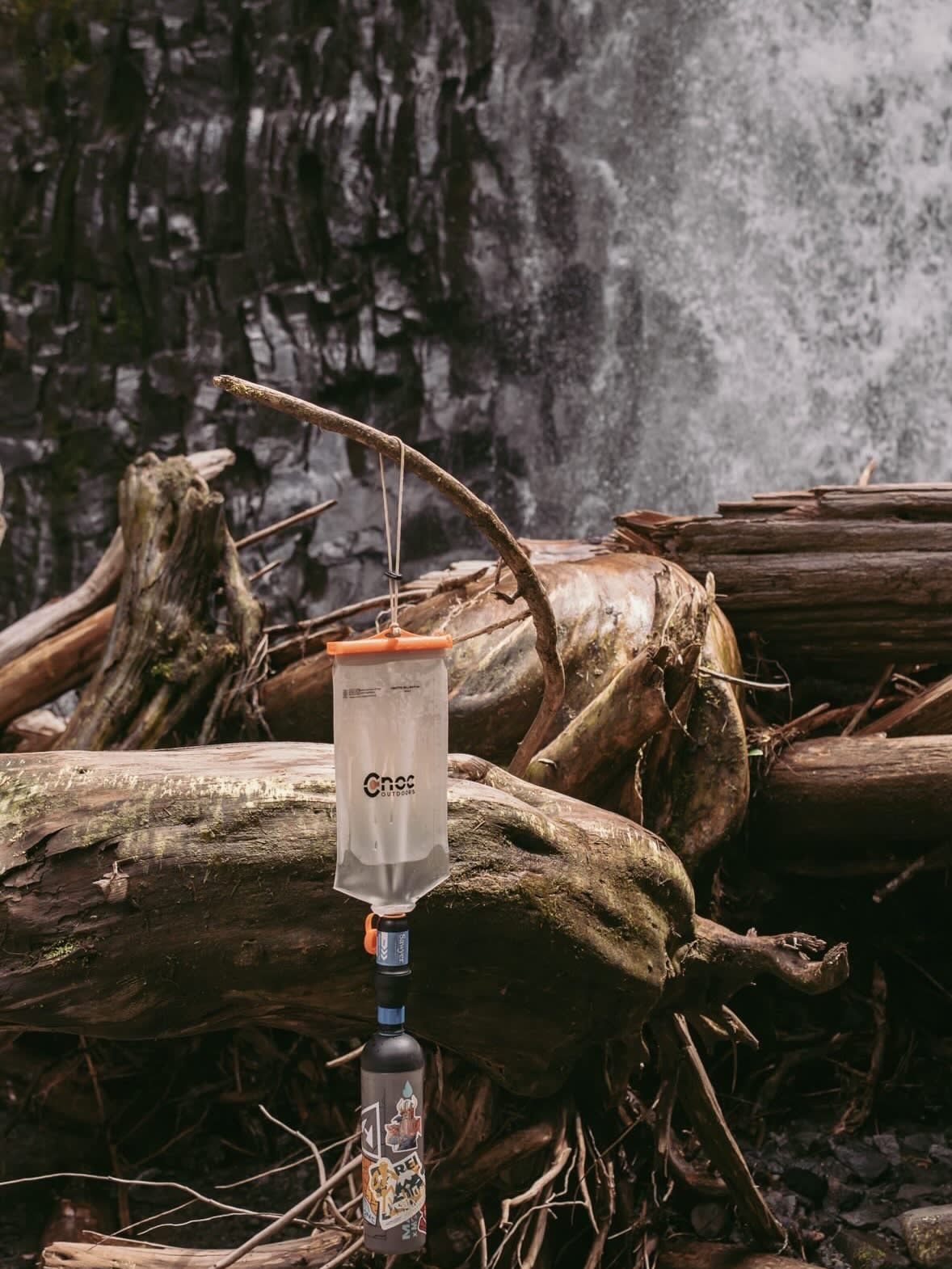
Its catalog extends beyond complete reservoirs into replacement tubes, valves, quick-connect fittings, caps and conversion kits. A reservoir can move between packs. A soft bottle can connect to another system. A worn component can be replaced without replacing everything around it.
Mazama itself has described modular hydration—interchangeable hoses, filter-ready designs and universal-fit systems—as an increasingly important direction for the category.
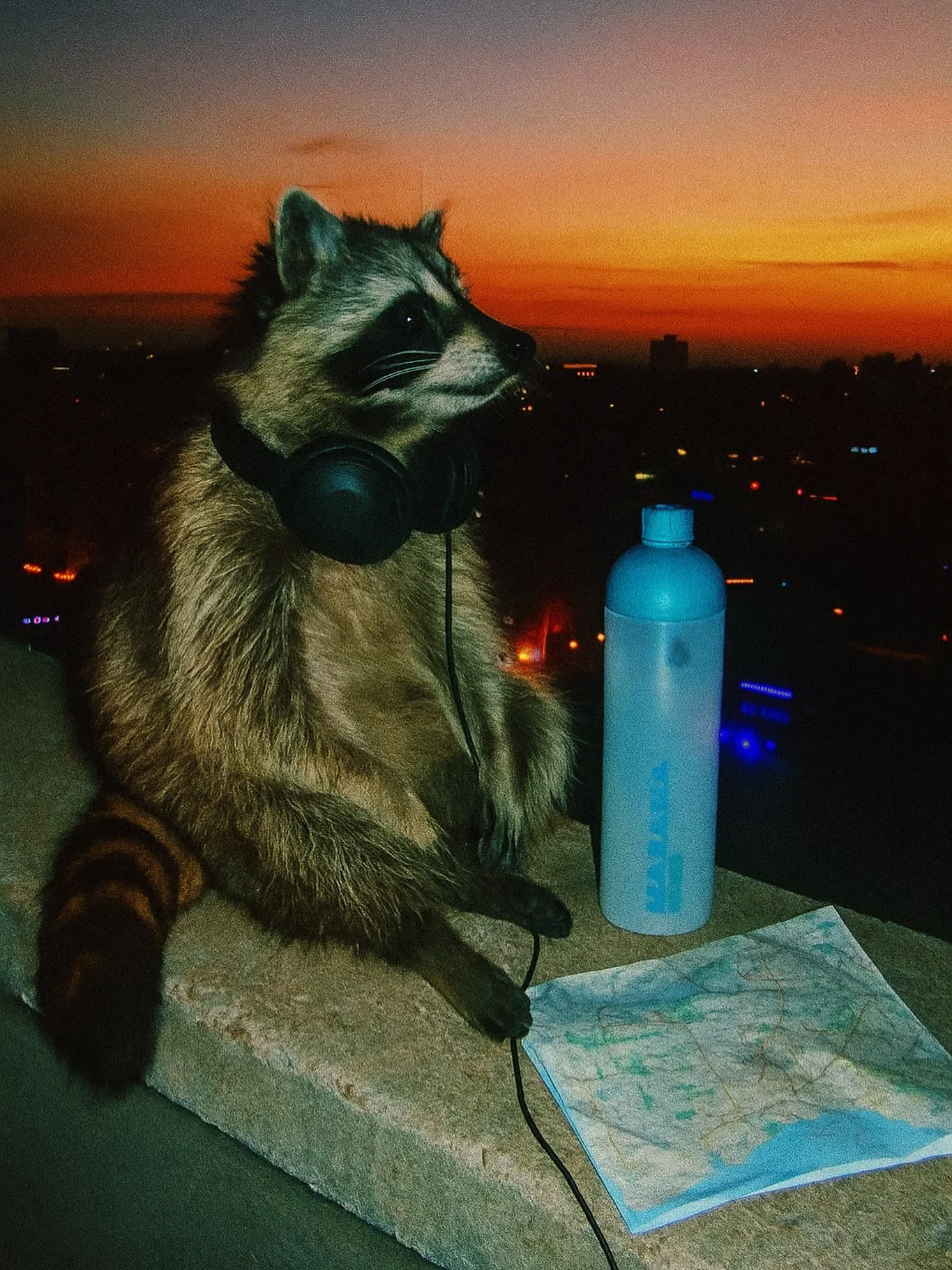
It's a small example of a much larger idea: good outdoor equipment should behave more like a system of useful parts than a collection of disposable products.
That philosophy feels particularly relevant as outdoor brands wrestle with sustainability. Recycling programs and lower-impact materials matter, but perhaps one of the simplest environmental interventions is making products that remain useful longer.
Mazama says responsible sourcing and fair labor practices are central to its approach, but durability and adaptability may ultimately be the more interesting parts of the sustainability equation.
From the Backcountry to the Everyday
The company's ambitions are also moving beyond the hydration bladder.
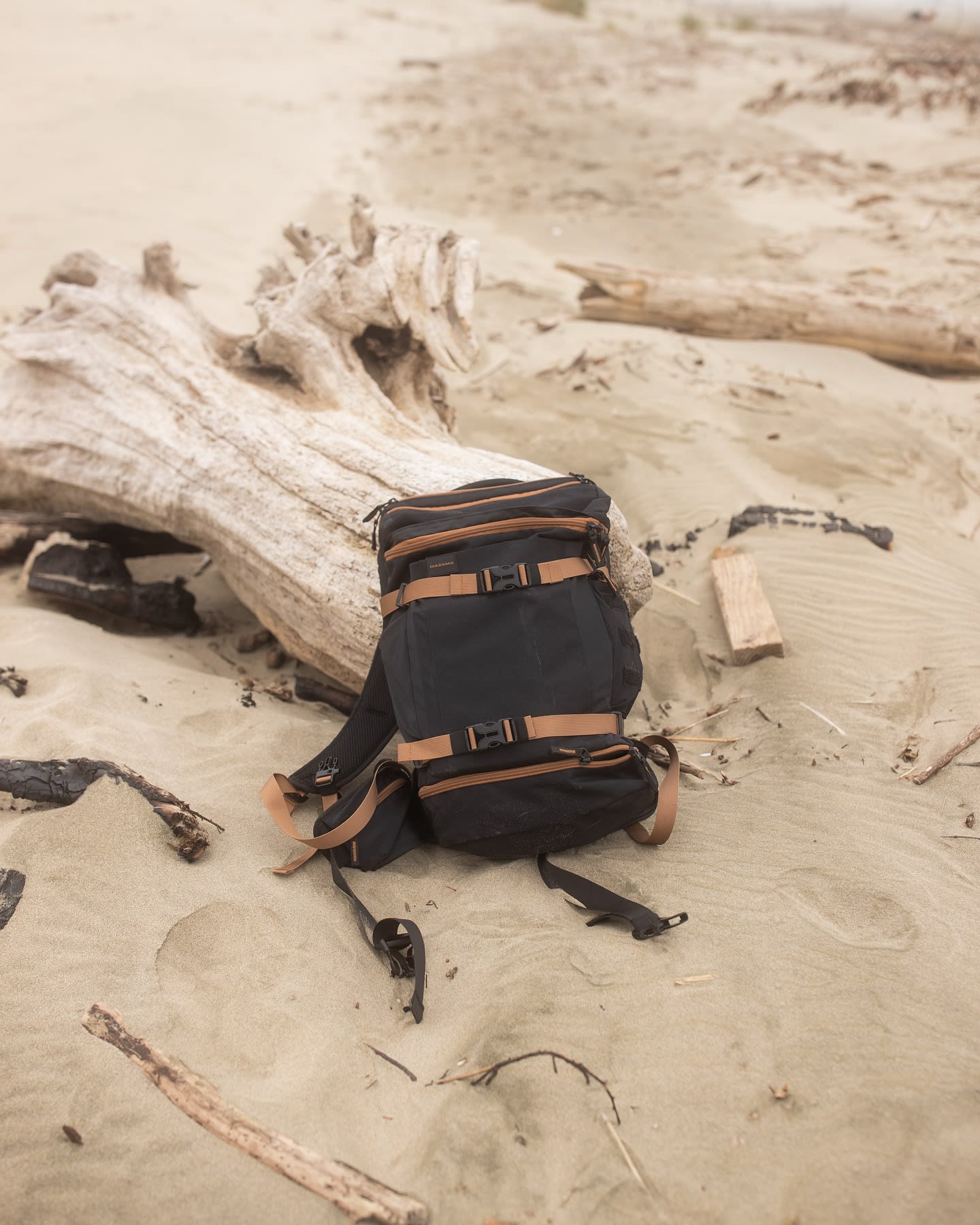
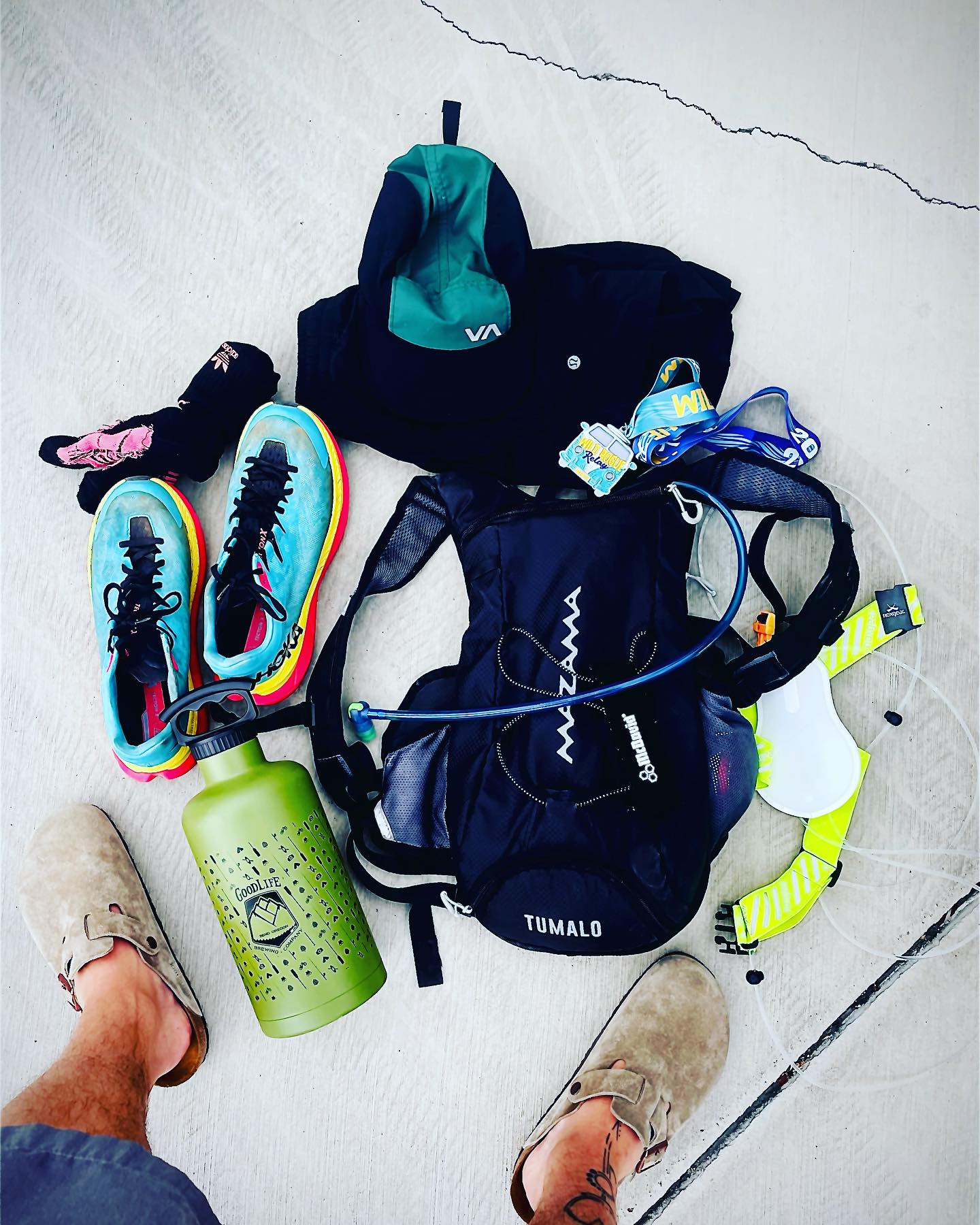
Its M!GO bottles bring the same thinking into a more everyday format, while the Aqua Bend collapsible bottles cater to runners and people looking to minimize packed volume. The DAE Pack pushes Mazama further toward becoming a complete hydration brand rather than simply a reservoir manufacturer.
That expansion mirrors what has happened across outdoor culture more broadly.
The boundary between "outdoor gear" and everyday objects has become increasingly difficult to locate. Trail shoes commute to offices. Technical shells appear at restaurants. Climbing pants rarely need to encounter a climbing wall.
A water bottle might sit on a desk Monday through Friday and end up clipped to a pack on Saturday.
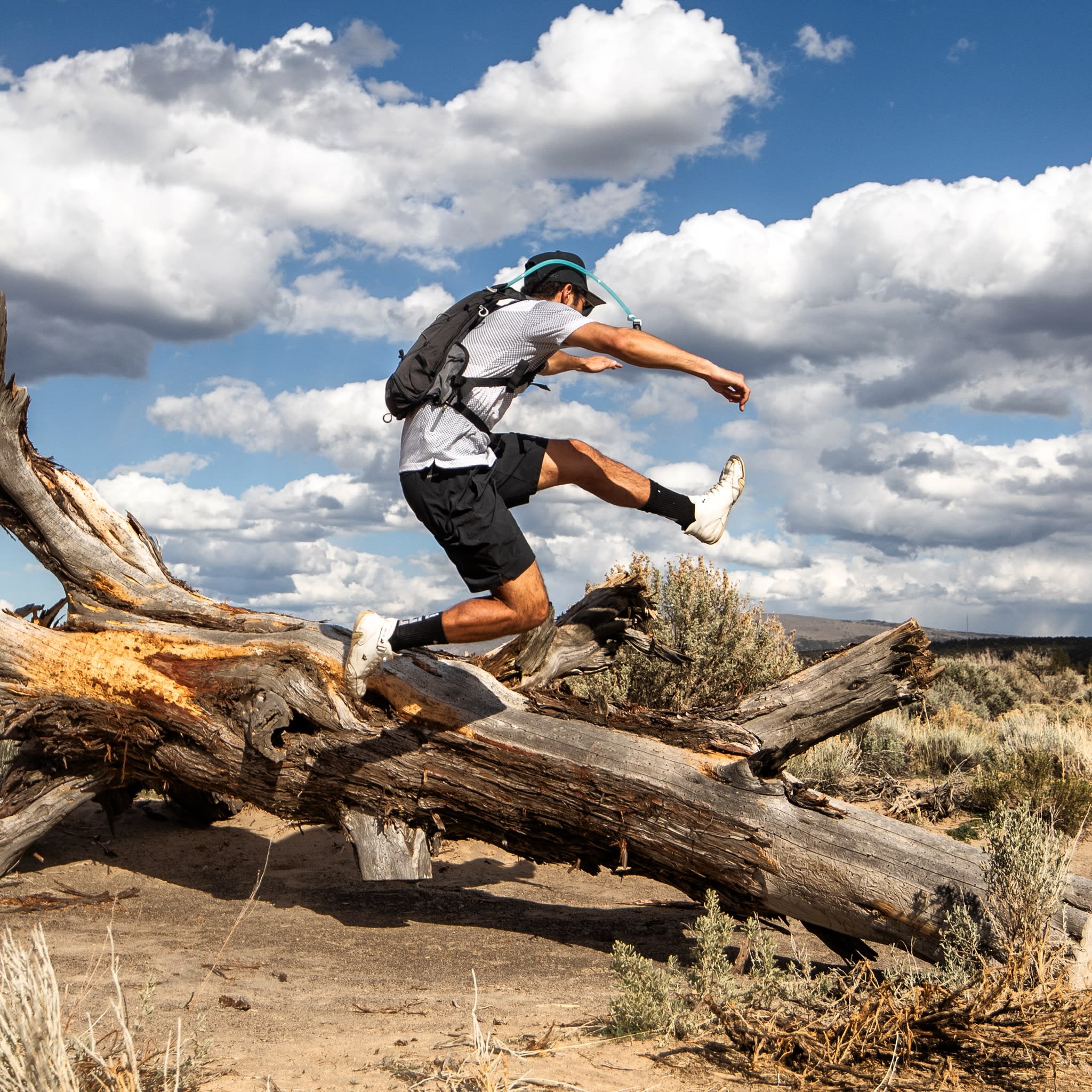
Mazama seems comfortable operating somewhere inside that overlap. Its own writing increasingly frames hydration less as something reserved for serious expeditions and more as a daily ritual—equipment that should transition between a morning commute, a workout and a weekend outside.
Stay Light. Stay Moving.
There is something refreshingly straightforward about Mazama's proposition.
The brand repeats a simple phrase: Stay Light. Stay Moving.
In an industry increasingly skilled at turning relatively simple objects into elaborate technological narratives, Mazama is working on a less visible layer of the outdoor experience: making sure the water gets from your pack to your mouth without becoming an inconvenience.
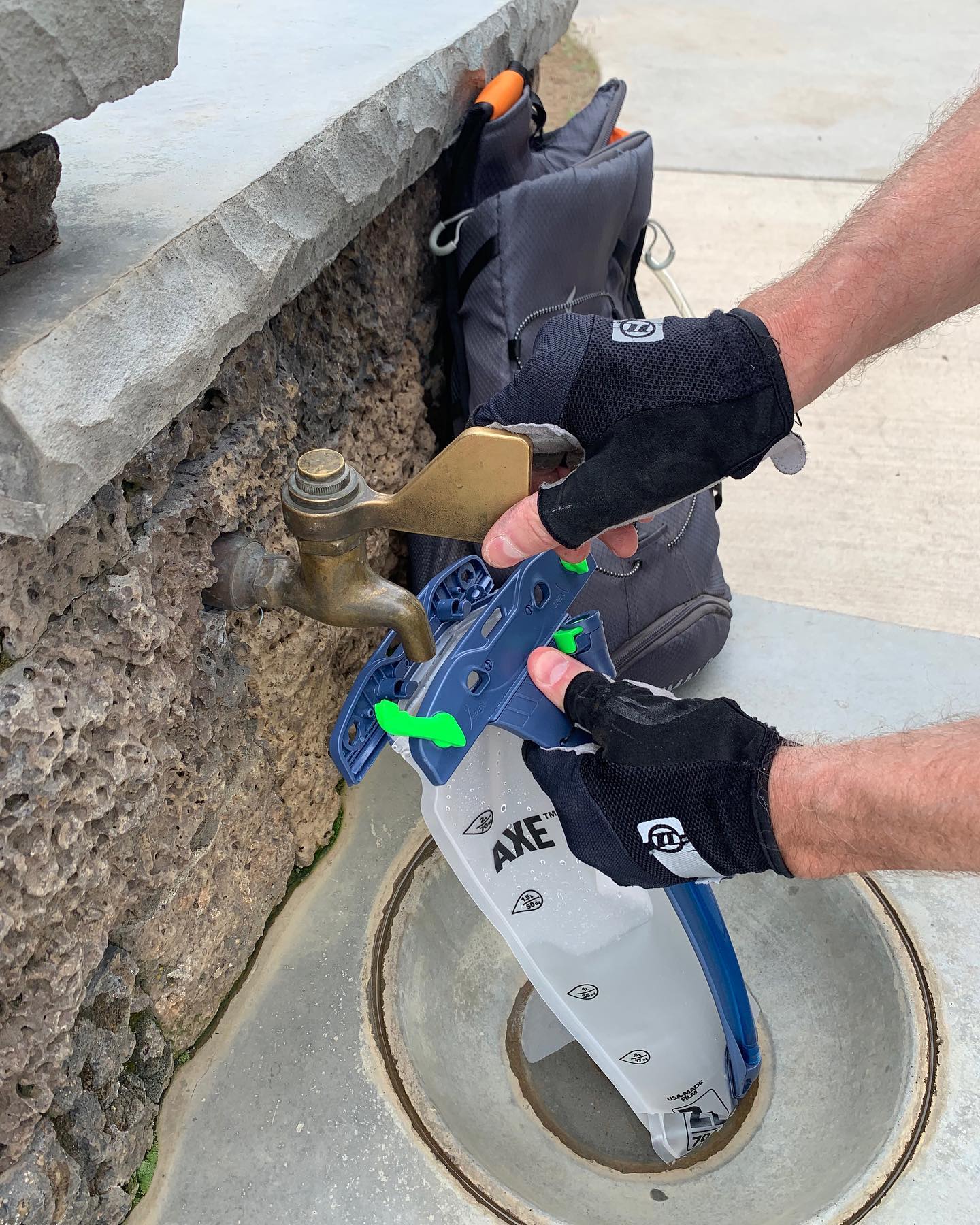
It is industrial design at its most practical.
The best hydration system isn't necessarily the one you notice. It's the one you fill in the morning, throw into a pack and forget about for the rest of the day.
For Mazama Designs, making something forgettable might actually be the highest compliment.
No products available.
Shop Mazama Designs hydration and pack gear on WeekEnds today.
Related Articles
October 12, 2026
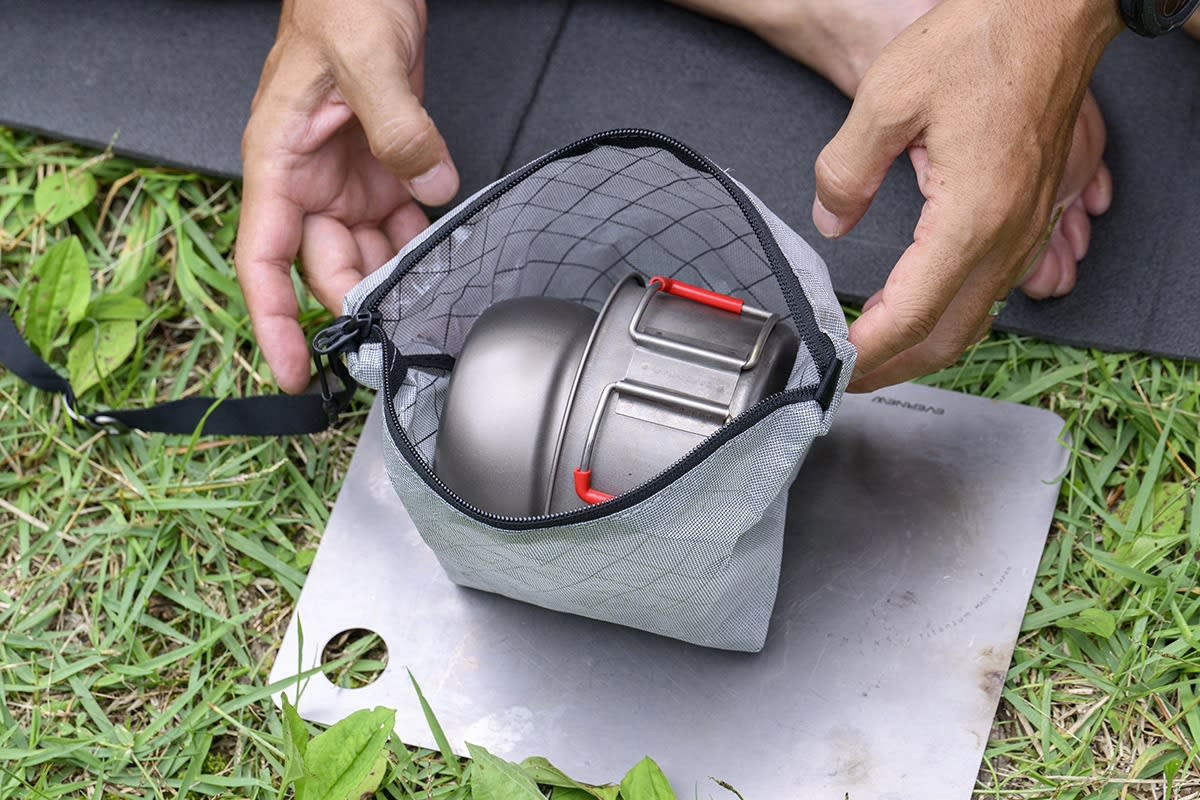
Why Titanium Became an Outdoor Obsession
How titanium became an outdoor obsession, from ultralight gear to minimalist design, and the independent brands redefining premium outdoor equipment.
Read →
October 8, 2026
Dust Wants Trail Running to Feel Dirty Again
Meet Dust, the San Francisco trail running brand blending Western-inspired style, technical performance, and a fresh approach to outdoor apparel.
Read →
October 1, 2026
Vampire Surf Club Wants You to Stay Out Longer
Vampire Surf Club blends luxury fashion and technical surfwear, creating sun-protective gear designed to keep surfers in the water longer.
Read →