
Mimikai: The Bug Spray That Learned from a Tomato
by Gene Han
The outdoor industry has spent decades chasing lighter jackets, stronger fabrics, and cleaner water filters. But one of the least glamorous essentials—the humble bug spray—has remained largely unchanged. Walk into any campsite and you're still choosing between chemical-heavy repellents that smell like a hardware store or "natural" alternatives that offer little more than optimism.

Mimikai believes there should be a third option.
Rather than inventing a new chemical, the company started by asking a different question: How does nature already solve this problem?
That answer wasn't found in a laboratory. It was growing wild in North Carolina.
Nature Was Already Doing the Research
The story begins with an unusual patch of wild tomatoes.
Researchers at North Carolina State University noticed that while surrounding plants were constantly under attack from insects, these tomatoes remained almost untouched. The reason wasn't luck—it was chemistry. The plants naturally produced Undecanone, a botanical compound that disrupts the way mosquitoes and ticks locate humans, effectively making nearby targets far less detectable.
For decades, the insect repellent conversation has been dominated by DEET and picaridin. They work, but many outdoor enthusiasts have simply accepted the tradeoff of harsh odors, sticky skin, or concerns about frequent use.
Mimikai wondered if the better solution had already evolved millions of years ago.
After partnering with the scientists behind the original discovery, founders Stephanie Watson and Michelle Arnau spent seven years refining the ingredient into an EPA-registered insect repellent designed to provide reliable mosquito and tick protection while maintaining a skin-friendly, non-irritating formulation when used as directed.


Less Survival, More Enjoyment
There's something interesting happening across the outdoor industry.
Brands are increasingly designing products that disappear into the experience rather than demanding your attention. Trail shoes feel more like running shoes. Camping cookware resembles home kitchens. Rain jackets drape like everyday clothing.
Mimikai fits comfortably within that philosophy.
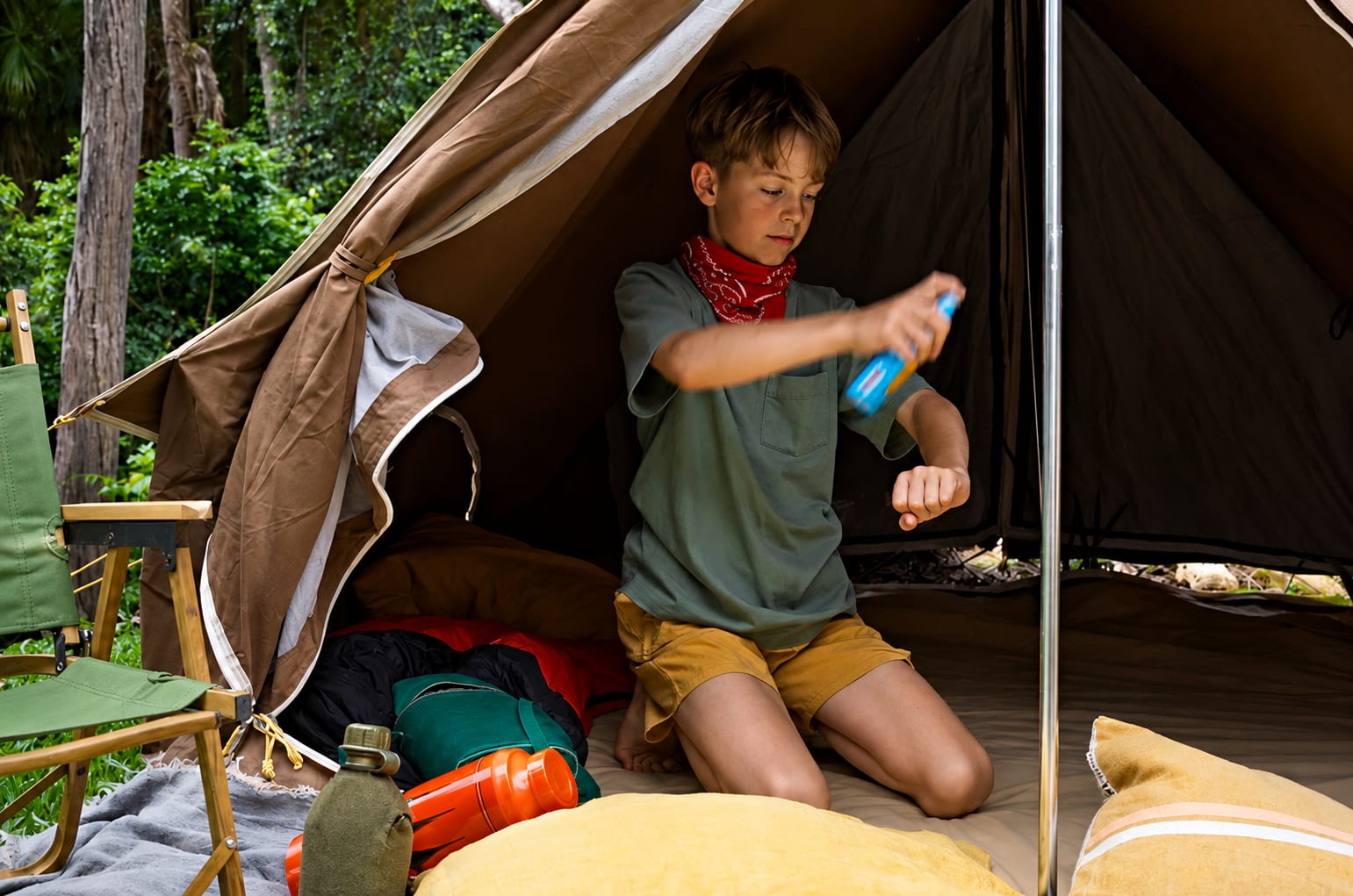
Instead of treating bug spray as an unpleasant necessity, it approaches it like personal care—lightweight, clean-feeling, pleasantly scented, and designed to be something you actually want to apply before heading outside. The goal isn't to remind you that you're wearing protection. It's to help you forget about bugs altogether.
It's a subtle shift, but one that reflects where outdoor design is heading: performance without punishment.

Biomimicry Beyond Footwear
Outdoor brands often borrow from nature.
Velcro famously came from burrs clinging to clothing. Technical fabrics imitate animal insulation. Running shoe traction studies mountain goats and geckos.
Mimikai joins that lineage through biomimicry—the practice of studying natural systems instead of attempting to out-engineer them. Rather than creating another synthetic barrier, the company refined a defense mechanism that plants have relied upon for generations.
In many ways, it's less about invention than translation.
Nature had already solved the problem.
Humans simply needed to pay attention.


Designed for Modern Outdoor Life
Mimikai's audience doesn't necessarily look like the traditional image of backcountry adventurers.
Its products appear as naturally in a Brooklyn park as they do on a trailhead. They're clipped to diaper bags, tossed into climbing packs, packed for music festivals, and carried on camping weekends.
That versatility feels intentional.
The brand has recently shown up alongside partners including REI, Goop, and Teva activations, positioning itself somewhere between outdoor gear, wellness, and modern travel rather than belonging exclusively to any one category.
It's a reflection of how outdoor culture itself has evolved. Time outside isn't confined to expeditions anymore. It happens during evening bike rides, picnics after work, neighborhood parks, and weekends spent chasing a little fresh air.
Protection should fit that lifestyle, too.

A New Kind of Outdoor Essential
Most outdoor innovations become visible.
Lighter tents. Warmer insulation. Faster shoes.
Mimikai represents a quieter kind of progress.

It takes an object that nearly everyone dislikes using and reimagines it through thoughtful design, scientific research, and an appreciation for nature's own engineering. The result isn't just another bottle of bug spray—it's an example of how the next generation of outdoor products may emerge from paying closer attention to the ecosystems around us instead of trying to replace them.
Sometimes innovation isn't about inventing something entirely new.
Sometimes it's about finally listening to what the natural world has been saying all along.
No products available.
Shop Mimikai insect repellant on WeekEnds today.
Related Articles
October 14, 2026
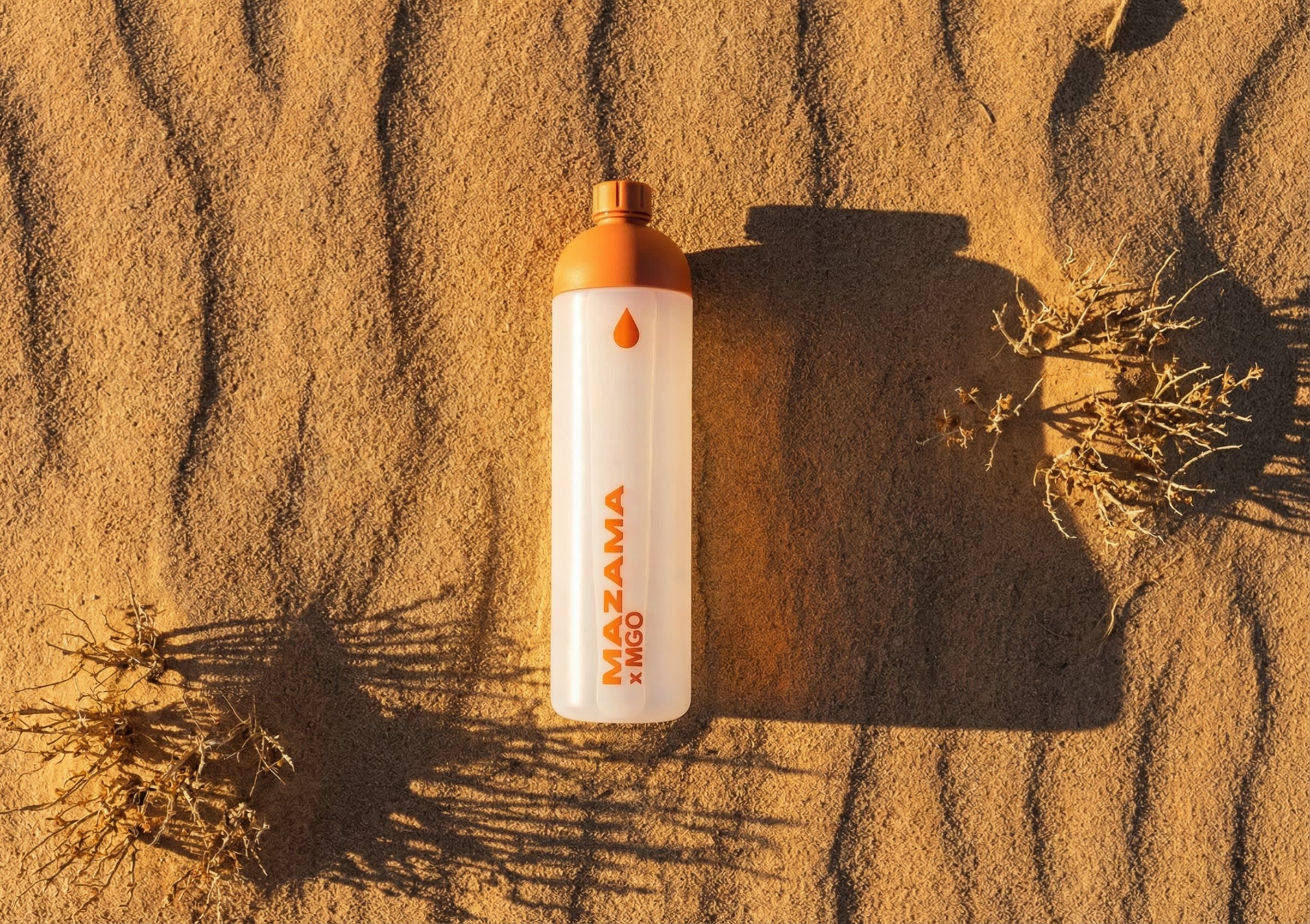
Mazama Designs Is Rethinking the Most Overlooked Piece of Outdoor Gear
Bend, Oregon-based Mazama Designs rethinks outdoor hydration through innovative reservoirs, modular systems, and thoughtfully engineered gear built to last.
Read →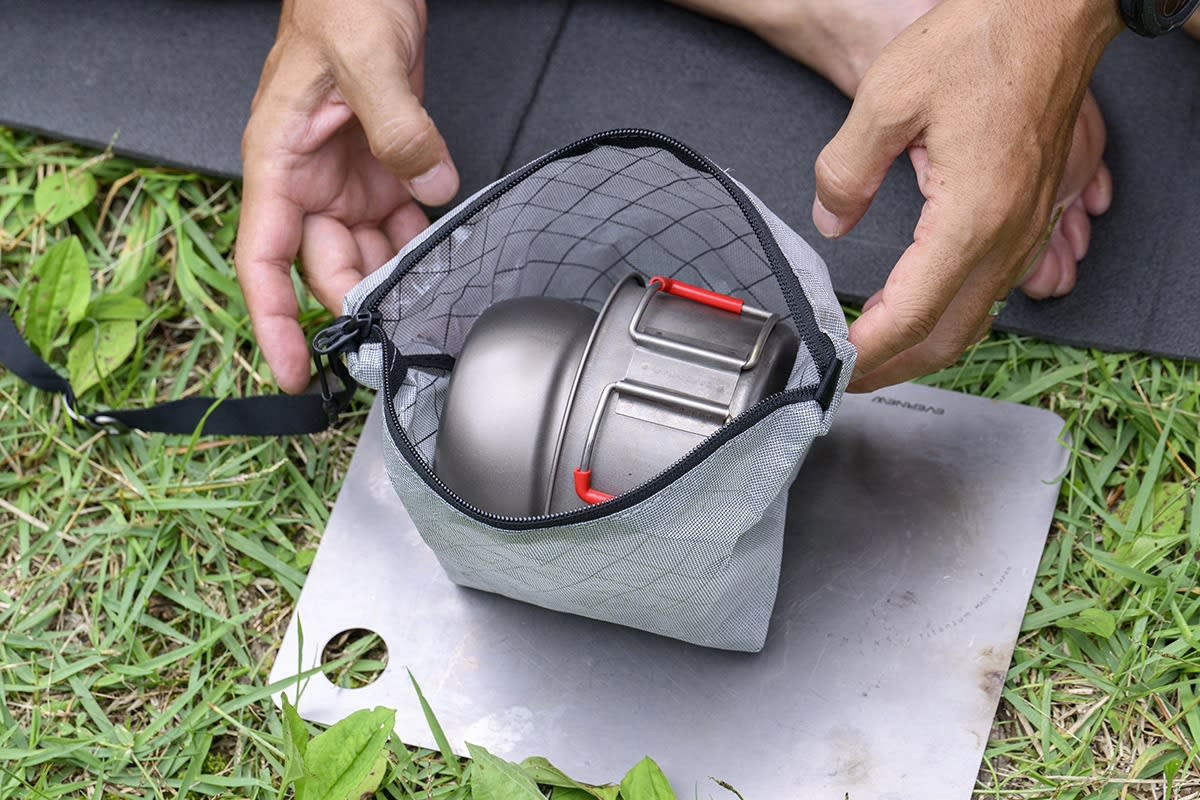
October 12, 2026
Why Titanium Became an Outdoor Obsession
How titanium became an outdoor obsession, from ultralight gear to minimalist design, and the independent brands redefining premium outdoor equipment.
Read →
October 8, 2026
Dust Wants Trail Running to Feel Dirty Again
Meet Dust, the San Francisco trail running brand blending Western-inspired style, technical performance, and a fresh approach to outdoor apparel.
Read →