
Print Magazines Still Refuse to Go Digital
by Gene Han
For the better part of two decades, media executives have been asking the same question:
Why print anything at all?
The internet won. Social media accelerated it. AI is about to flood every feed with more content than any human could possibly consume. Every year brings more platforms, more newsletters, more videos, more podcasts, more content.
And yet, a growing number of independent publishers are doing something that appears irrational on paper.
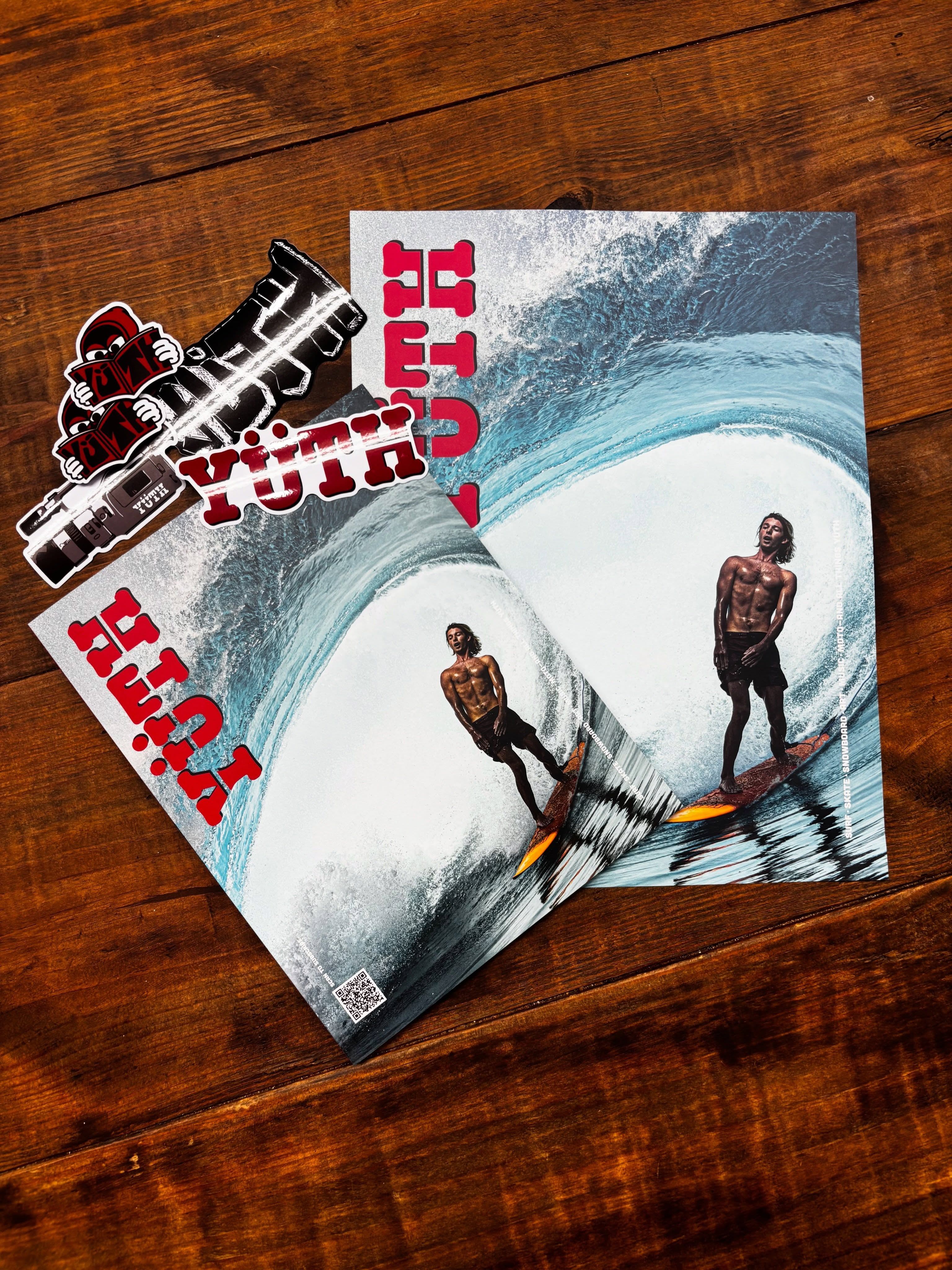
They're printing magazines.
Not PDFs. Not newsletters. Not "digital-first media brands."
Actual magazines.
Thick paper. Perfect-bound spines. Objects.
The assumption was that print would become obsolete. Instead, it became scarce. And scarcity has a funny way of creating value.
While legacy publishers continue consolidating, reducing frequency, or shifting resources toward digital products, a new generation of niche magazines has emerged around communities that care less about scale and more about depth.
Print didn't disappear.
It simply stopped competing with the internet and started offering something the internet can't.
The New Print Movement
You can see it happening across culture.
Fashion has Apartamento, Buffalo Zine, and Fantastic Man. Running has Like The Wind. Surf has The Surfer's Journal.
But some of the most interesting examples are emerging from outdoor culture itself.
Yuth is a biannual print publication built around mountain culture, design, and contemporary outdoor life. Equal parts journal and art object, its issues lean heavily into photography, essays, and visual storytelling that wouldn't feel out of place on a gallery shelf. Rather than chasing gear reviews or breaking news, Yuth treats the outdoors as culture.


Summit Journal takes a similarly deliberate approach. Published from the UK, the magazine has become known for long-form reporting, expedition narratives, and thoughtful essays that explore why people climb, ski, run, and travel in wild places. The publication feels closer to literary journalism than traditional outdoor media, prioritizing depth over volume.

Then there's BESIDE, the Montreal-based print publication that has built an entire ecosystem around the relationship between humans and nature. Part magazine, part design project, part community platform, BESIDE publishes essays, photography, architecture, conservation stories, and reflections on how we inhabit the natural world. The magazine's physical format is intentionally beautiful, designed to be kept rather than discarded.

Climbing has recently welcomed Vermin, an independent print magazine focused on the people, stories, photography, and creative culture surrounding climbing. Rather than centering grades, competitions, or gear launches, Vermin documents the personalities and subcultures that make climbing interesting in the first place. The result feels less like sports media and more like a cultural archive.
Despite covering different communities, these publications share something important:
None are trying to compete with Instagram, TikTok, YouTube, or Substack.
They're doing something those platforms struggle to do.
They're creating context.

The Value of Curation
The internet solved distribution.
What it didn't solve was meaning.
Every niche community now has infinite content. Outdoor culture is no exception. Every climb is documented. Every run is tracked. Every adventure is filmed, edited, posted, and optimized for engagement.
What communities increasingly lack isn't information.
It's curation.
A printed magazine acts as an editor's argument.
It says: these stories matter enough to save.
These photographs deserve more than a swipe.
This moment is worth documenting.
That's increasingly valuable in outdoor culture, where algorithms tend to reward immediacy, outrage, and novelty rather than thoughtfulness.
The best magazines aren't simply publishing content.
They're preserving culture.


Digital Made Print More Valuable
The irony is that digital media may have made print stronger.
When everything exists everywhere all at once, permanence becomes a feature.
A magazine on a coffee table occupies physical space in your life. It can be borrowed by a friend. Rediscovered years later. Found accidentally.
It becomes part of a place.
Most digital media doesn't.

Websites disappear. Platforms change. Algorithms shift. Entire archives vanish when companies shut down or stop paying hosting bills.
Print remains one of the most durable forms of cultural preservation ever invented.
That's part of the appeal.
But there's also something simpler happening.
People are tired.
Tired of notifications.
Tired of feeds.
Tired of consuming every story through the same glowing rectangle.
Reading a magazine requires a different pace.
You can't open twelve tabs.
You can't doomscroll.


You can't skim a feature in three seconds before moving on to the next distraction.
You either engage with it or you don't.
For outdoor culture especially, that slower rhythm feels increasingly aligned with why many people go outside in the first place.
Not for optimization.
Not for engagement.
Not for content.
For presence.

The economics tell an interesting story. Summit Journal admits they're expensive but argues that quality costs money — both in printing and paying contributors what they deserve. They've built a subscriber-revenue model that breaks free from advertising influence. No listicles. No sponsored content disguised as editorial. No gear reviews cluttering up their pages.
This anti-digital stance feels refreshing in an era where every publication chases the same algorithmic attention. These magazines treat each issue like a keepsake rather than disposable content. They're betting that people still want something permanent — something that doesn't disappear when the server goes down or the platform changes its terms.

The approach flies in the face of publishing conventional wisdom. No SEO optimization. No viral potential. No real-time engagement metrics. Just stories worth keeping and images worth printing on heavy stock paper. Whether this old-school rebellion can survive long-term remains to be seen, but for now, these magazines are proving there's still an audience for ink and paper.
In a world drowning in digital noise, maybe the most radical thing you can do is refuse to join the feed at all.
Magazines as Artifacts
The publications finding success today aren't trying to win the content arms race.
They're creating artifacts.
Objects worth keeping.
Objects worth collecting.
Objects that reflect the values of the communities they're made for.
That's why magazines like Yuth, Summit Journal, BESIDE, Vermin, Like The Wind, and The Surfer's Journal continue to find devoted audiences despite decades of predictions that print was finished.

The future of magazines probably isn't weekly newsstand dominance.
It's something closer to vinyl records.
Smaller audiences.
Better products.
Greater meaning.
Print lost the scale game years ago.
But it may have won the relevance game.
Related Articles
September 21, 2026
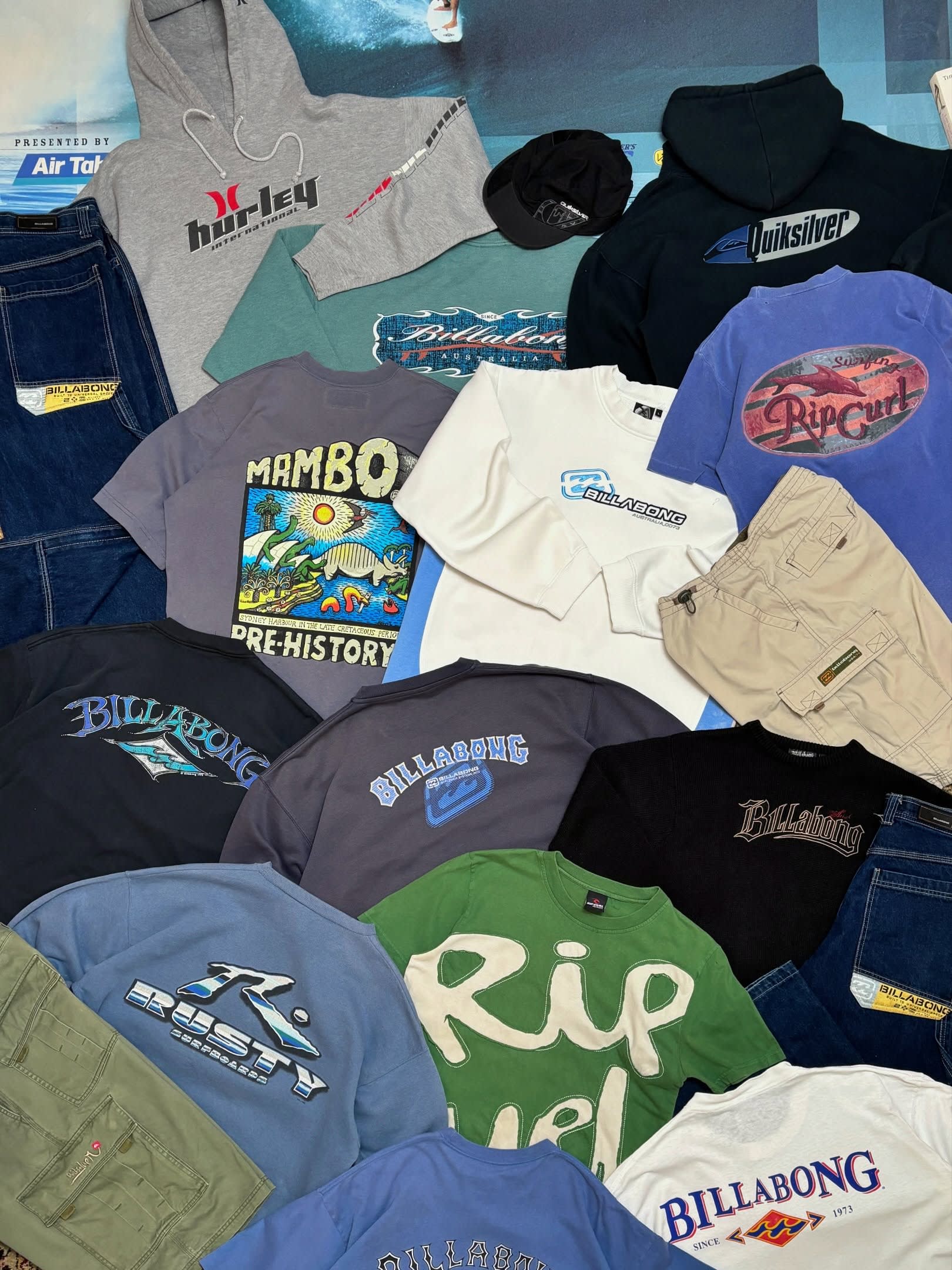
When Surf Brands Were Weird: The Lost Surf Brands of the '90s
Explore the forgotten surf brands of the ’90s and Y2K—and why their strange graphics, subcultures and vintage pieces resonate again today.
Read →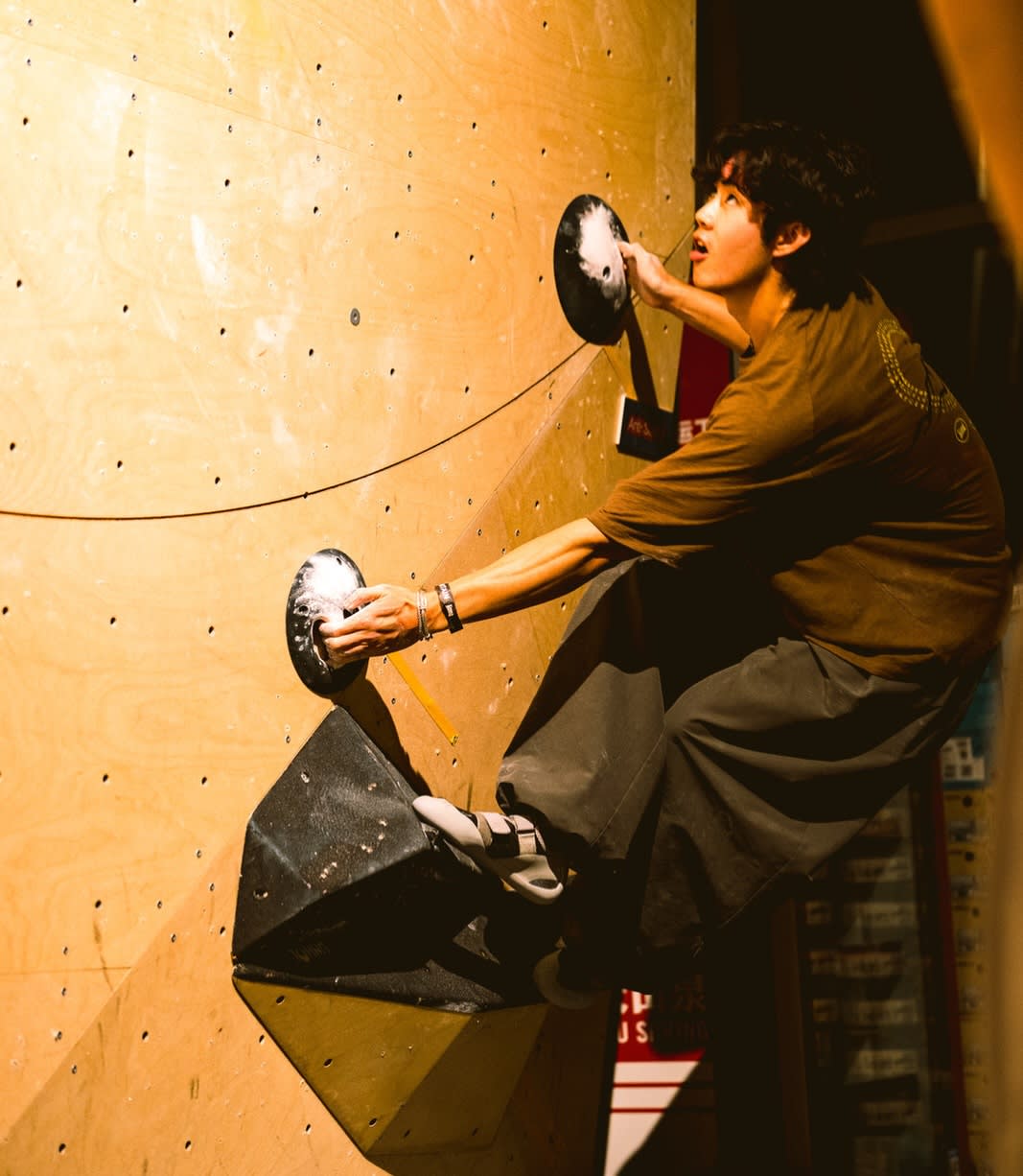
September 17, 2026
Saturn LA Is Building Outdoor Clothing From the Outside In
Saturn LA founder Ryan Cheung talks climbing, streetwear, Chinese outdoor design, independent brands, and the future of technical clothing on WeekEnds WeekDay
Read →
September 16, 2026
The People Designing the New Outdoors
Meet the designers, makers, editors and community builders reshaping outdoor culture, from Gnuhr and CAYL to Field Mag, USAL. Goodlids and more.
Read →