
Saturn LA Is Building Outdoor Clothing From the Outside In
by Derek Siegel
On WeekEnds WeekDays, Saturn LA founder Ryan Cheung talks climbing, streetwear, Chinese outdoor design, the advantage of being small, and why the next generation of outdoor brands may not look much like outdoor brands at all.
The most interesting outdoor brands right now might be the ones least concerned with being accepted by the outdoor industry.
Saturn Los Angeles is a useful example.
Founded by Ryan Cheung when he was 17, Saturn didn't begin with a technical shell, a climbing trip or a manifesto about reconnecting people with nature. It started as a skate brand made by a teenager who liked vintage clothing, mythology and streetwear.
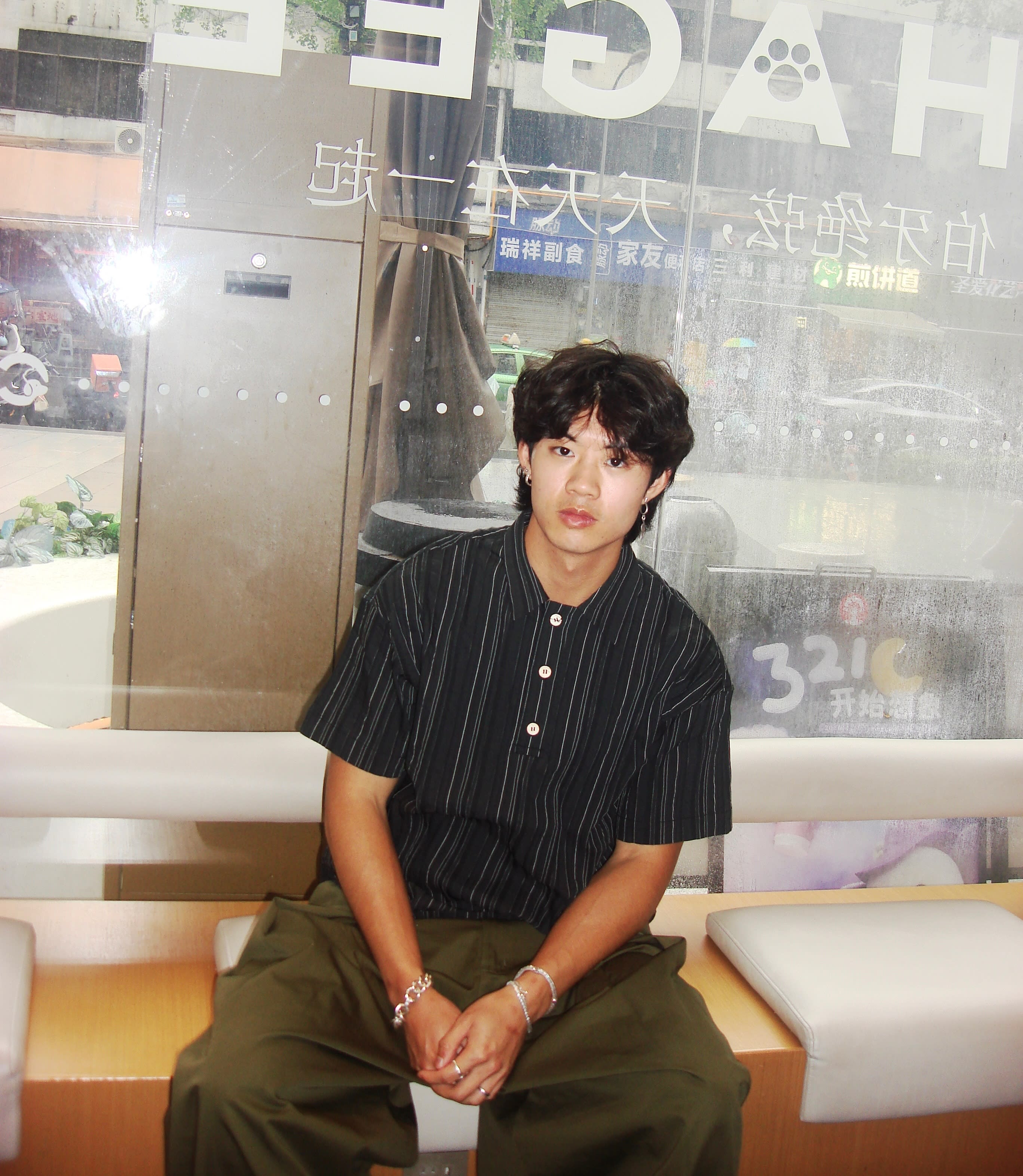
Five years later, Saturn sits somewhere between climbing clothing, Los Angeles streetwear, Asian fashion and experimental technical design.
Whether that makes it an outdoor brand is almost beside the point.
"I think I do," Cheung says when asked if he considers Saturn one. "But I wouldn't go as far as to say it is like a true outdoor brand like some of these other brands are positioning themselves."
That ambiguity might be precisely what makes Saturn interesting.
Past, Present, Future
Saturn's identity makes more sense when Cheung explains it through time.
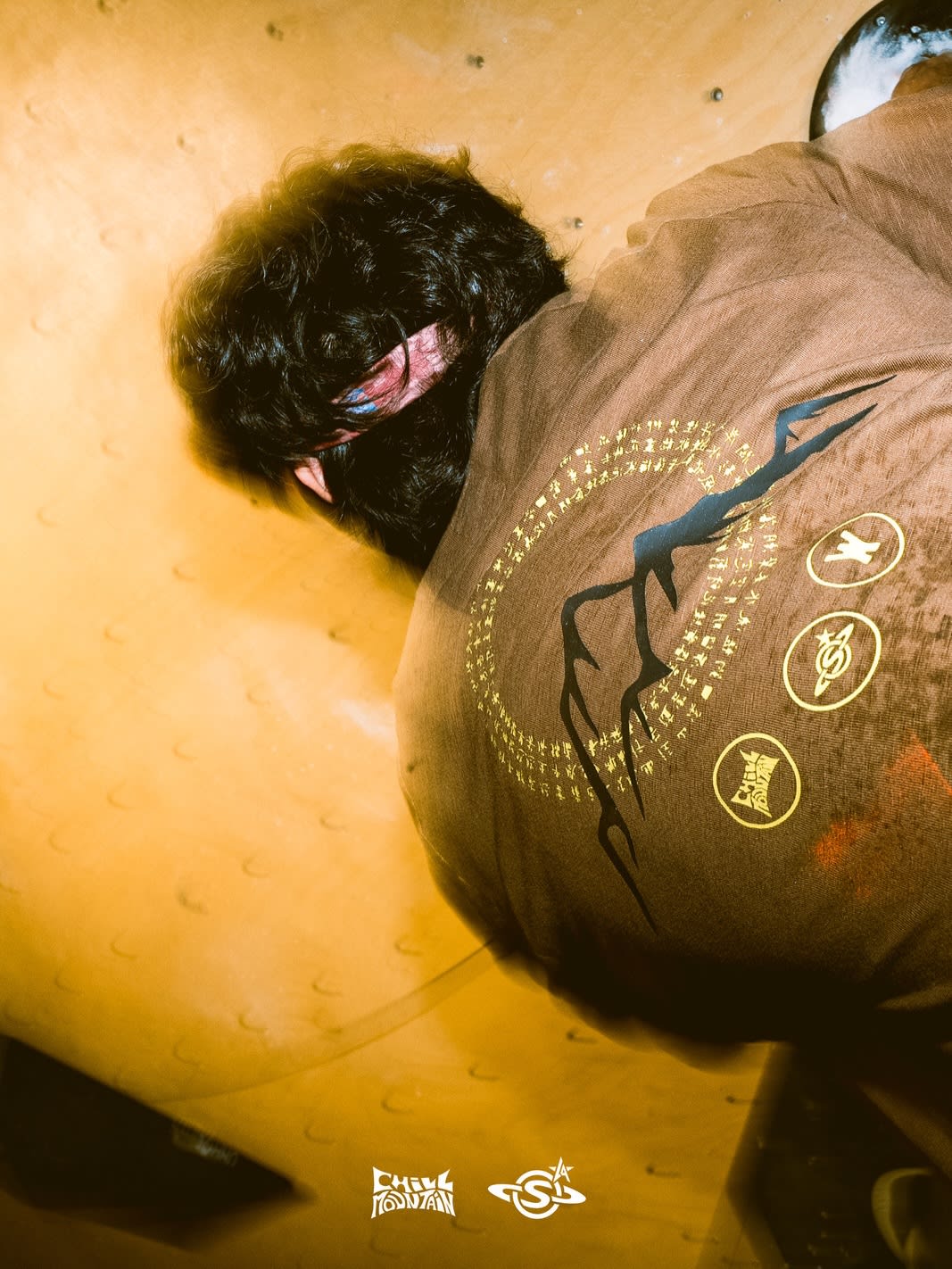
The name traces back to his childhood obsession with Percy Jackson. Kronos, the Greek Titan associated with time, becomes Saturn in Roman mythology. Cheung liked the idea enough that it eventually became the framework for the entire brand.
The past is mythology and vintage clothing.
The present is Los Angeles streetwear, climbing and Asian fashion.
The future is experimentation: new silhouettes, technical fabrics and the idea of exploration implied by Saturn as a planet.
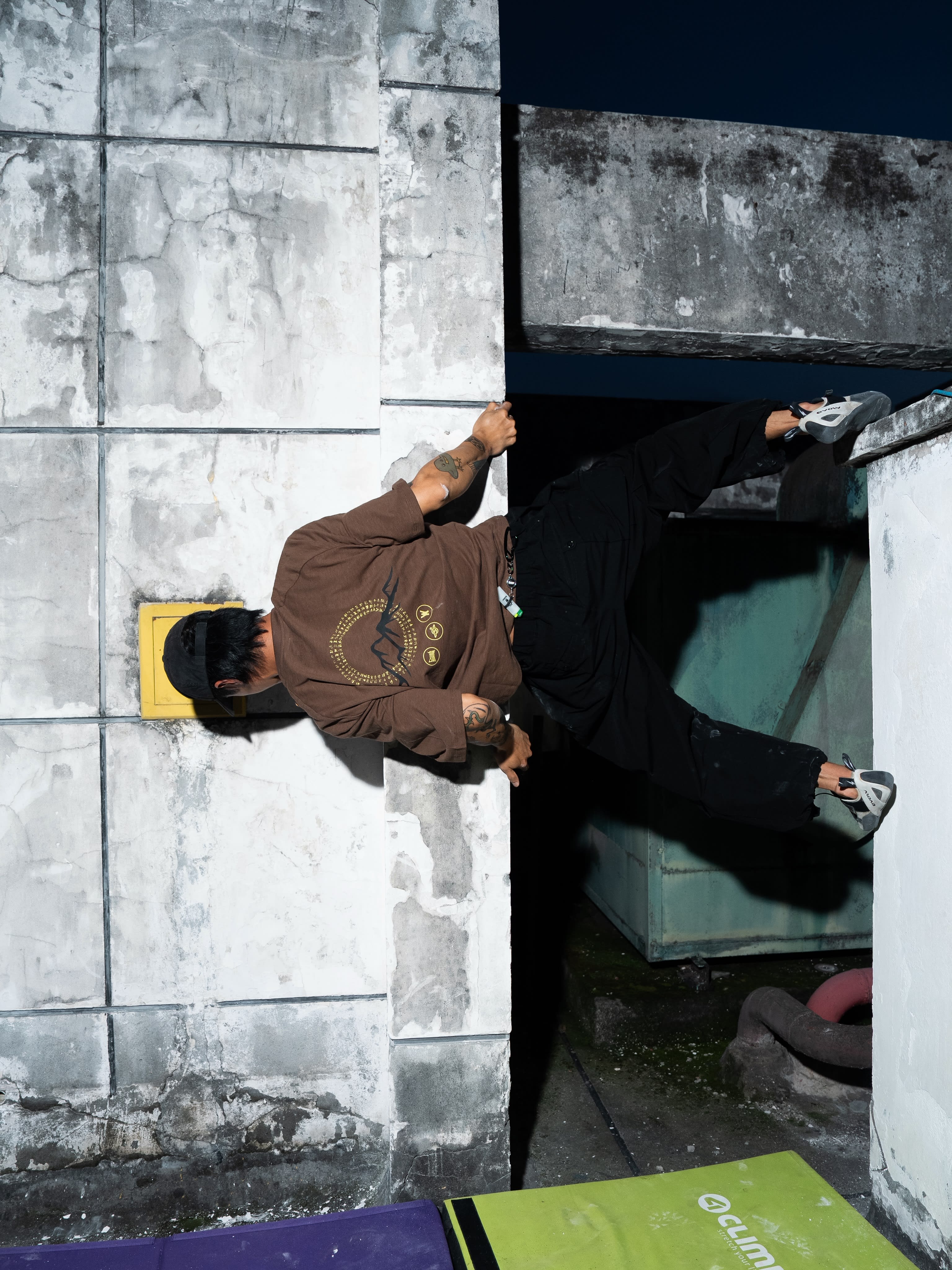
Rather than choosing between those references, Cheung keeps layering them.
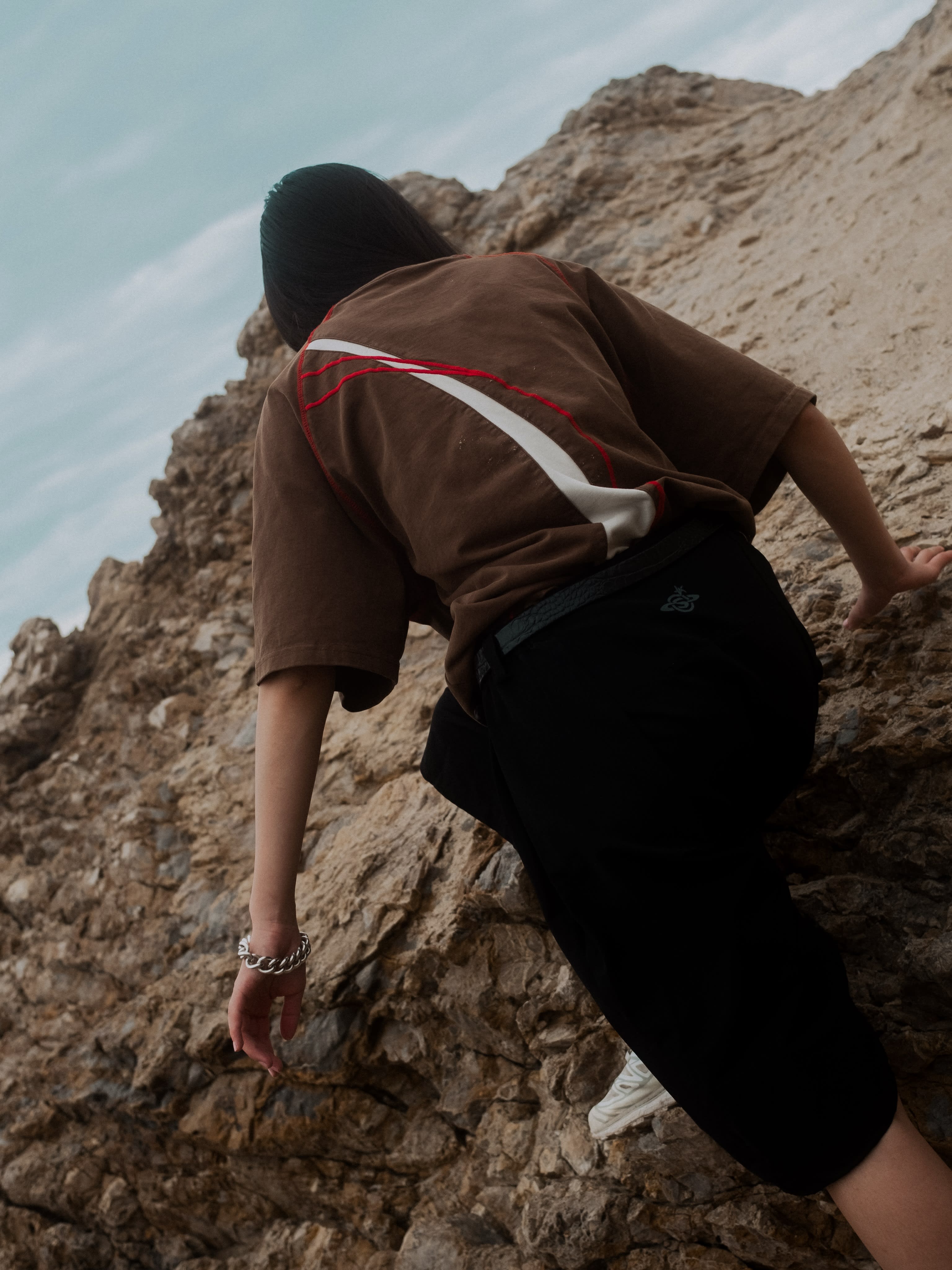
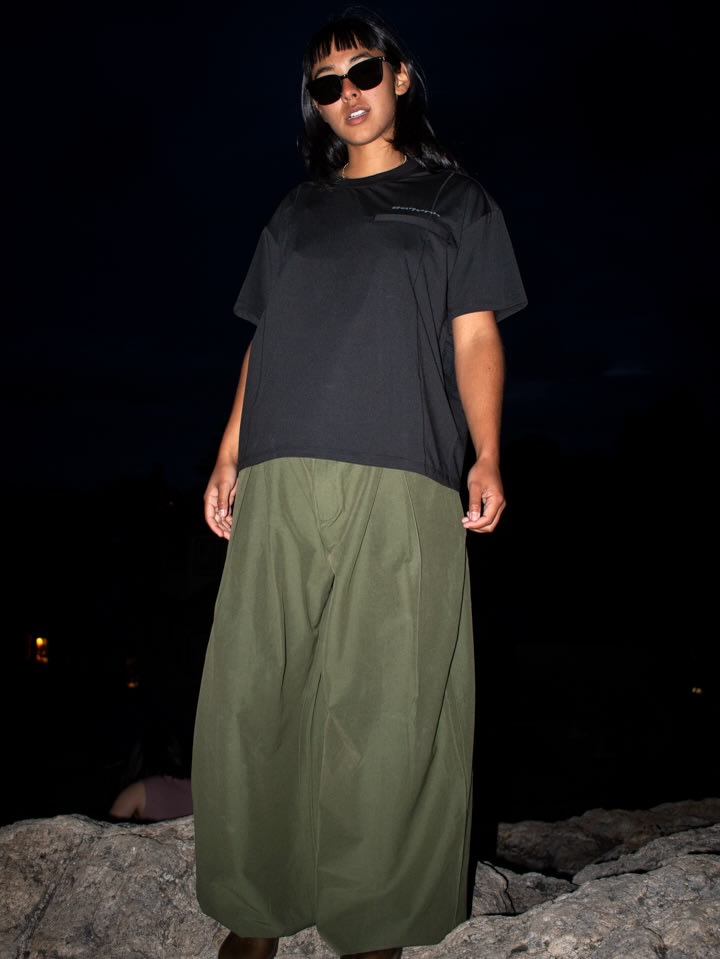
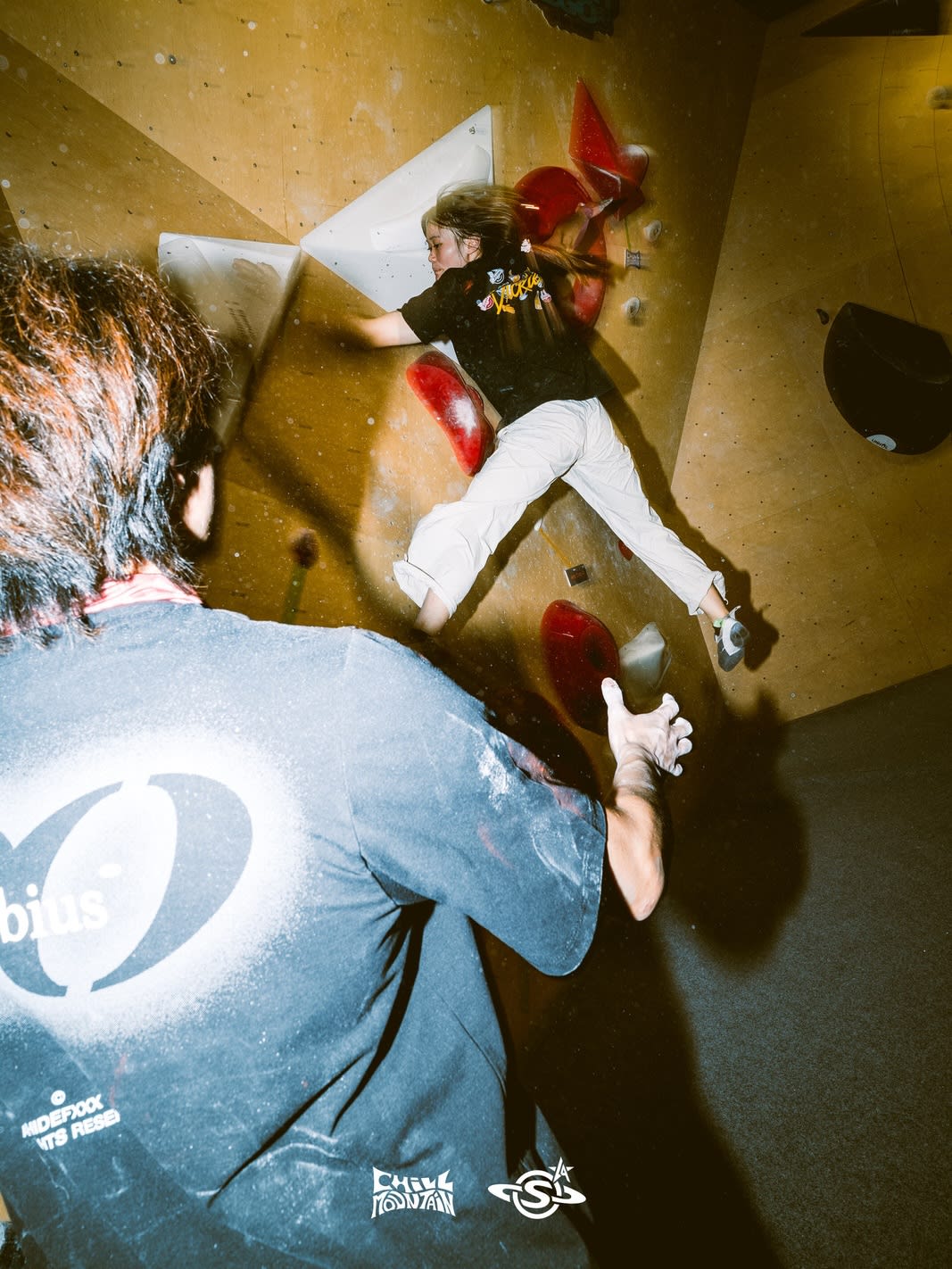
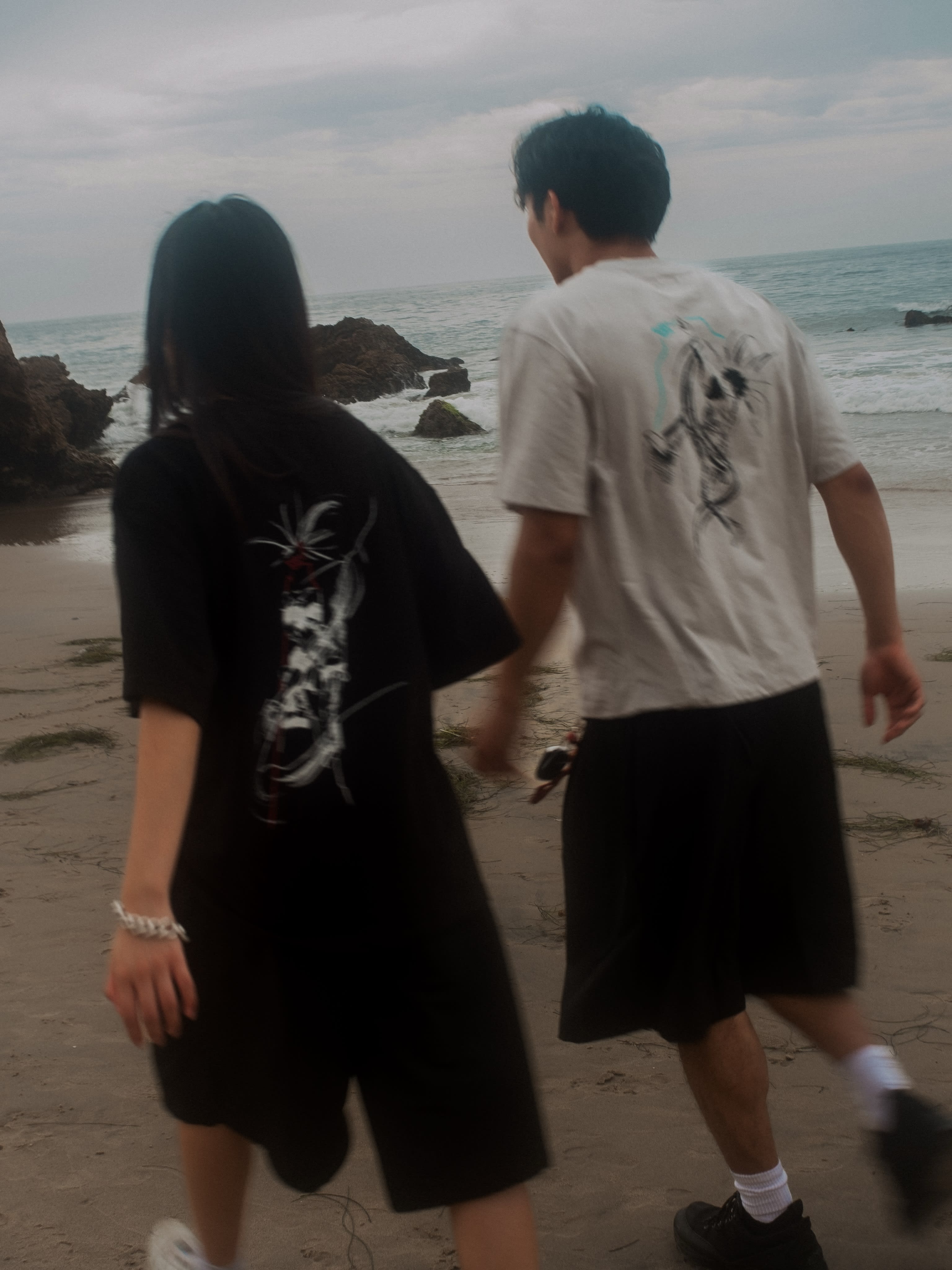
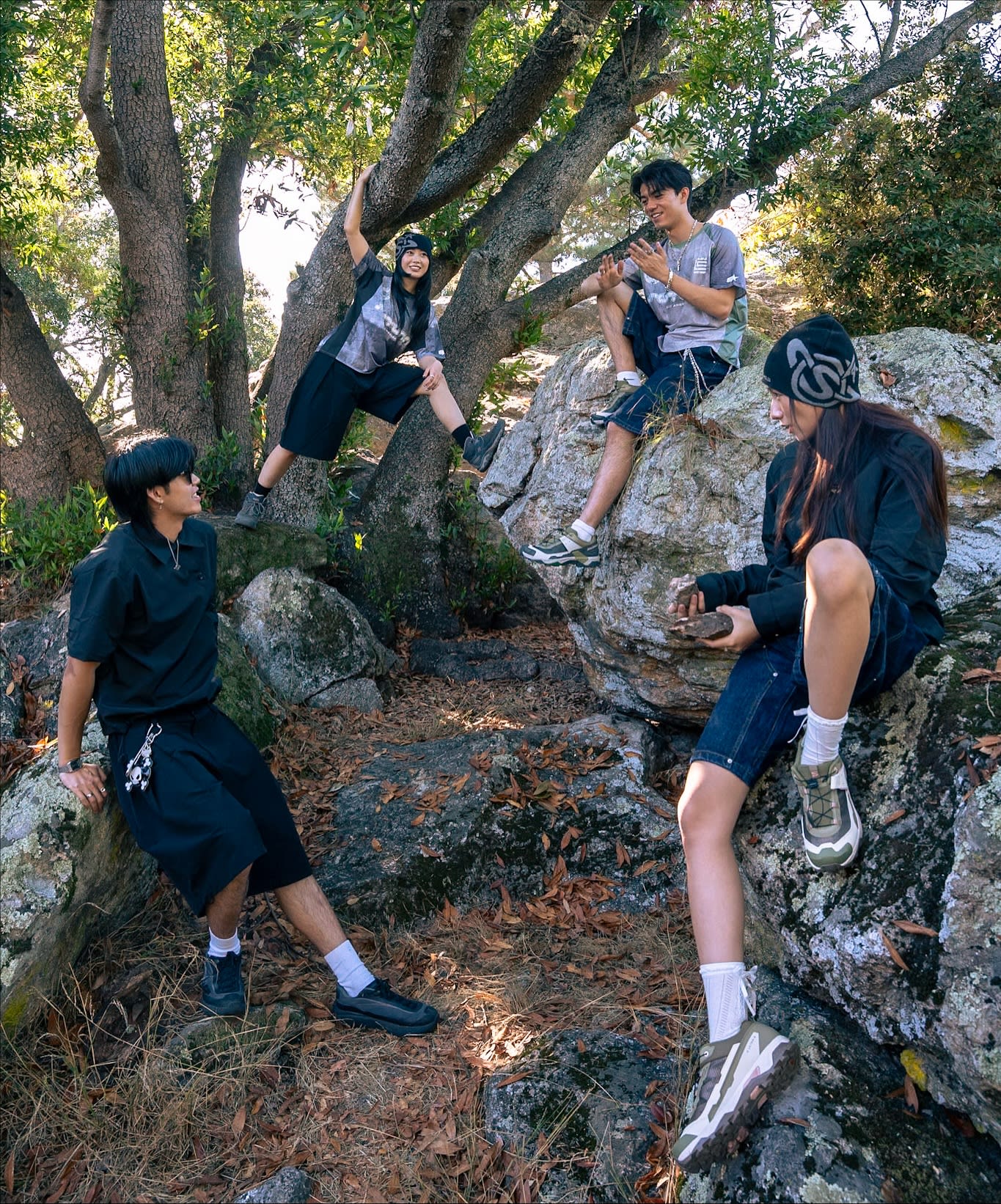
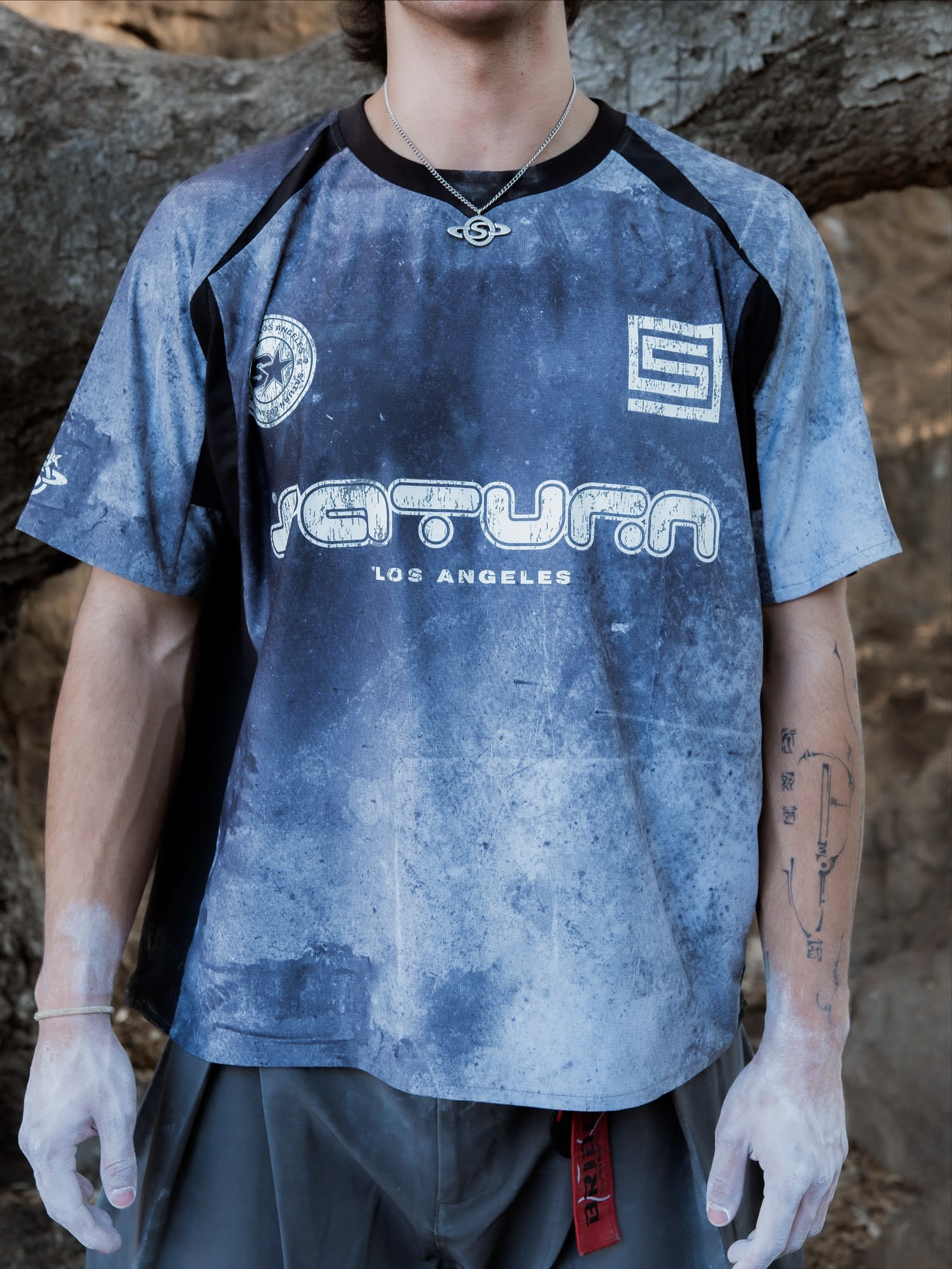
A pair of pleated trousers becomes a climbing pant, made with chalk-resistant fabric, hidden zip pockets and adjustable hems. An athletic shirt gets a Mandarin collar. A fleece incorporates Chinese knotting. Upcoming pants draw directly from Greek gods including Poseidon, Hades and Gaia.
The result isn't quite streetwear with technical pockets added to it, nor is it conventional climbing apparel made more fashionable.
Saturn is attempting to design from the overlap.
Cheung describes one pair of pants as something that could theoretically move between a wedding, the gym, a climbing wall and an ordinary day around Los Angeles.
It's an unusually broad performance brief, but it also reflects how a younger generation actually uses clothing. The boundary between the technical wardrobe and the rest of the wardrobe is becoming increasingly difficult to locate.
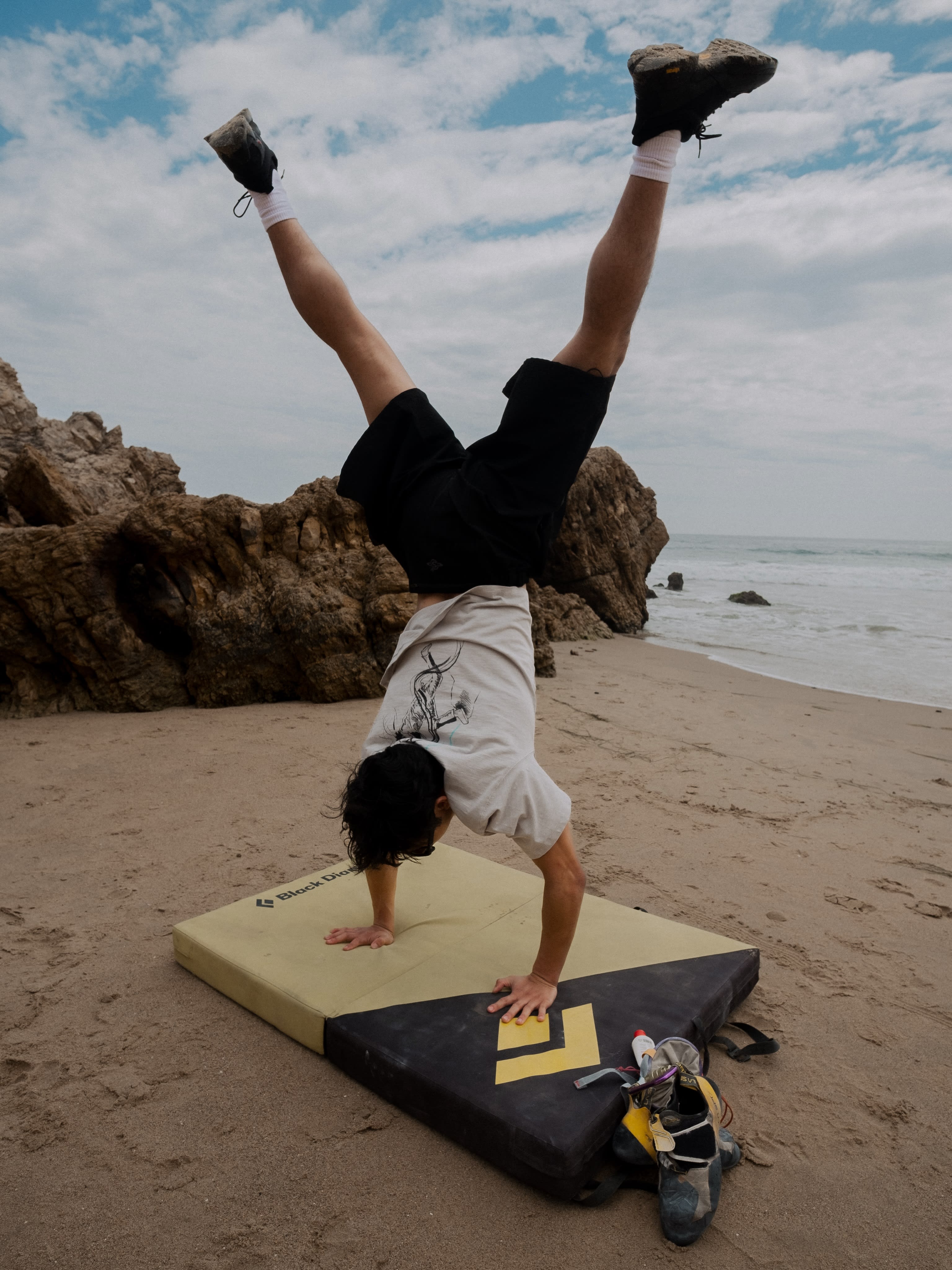
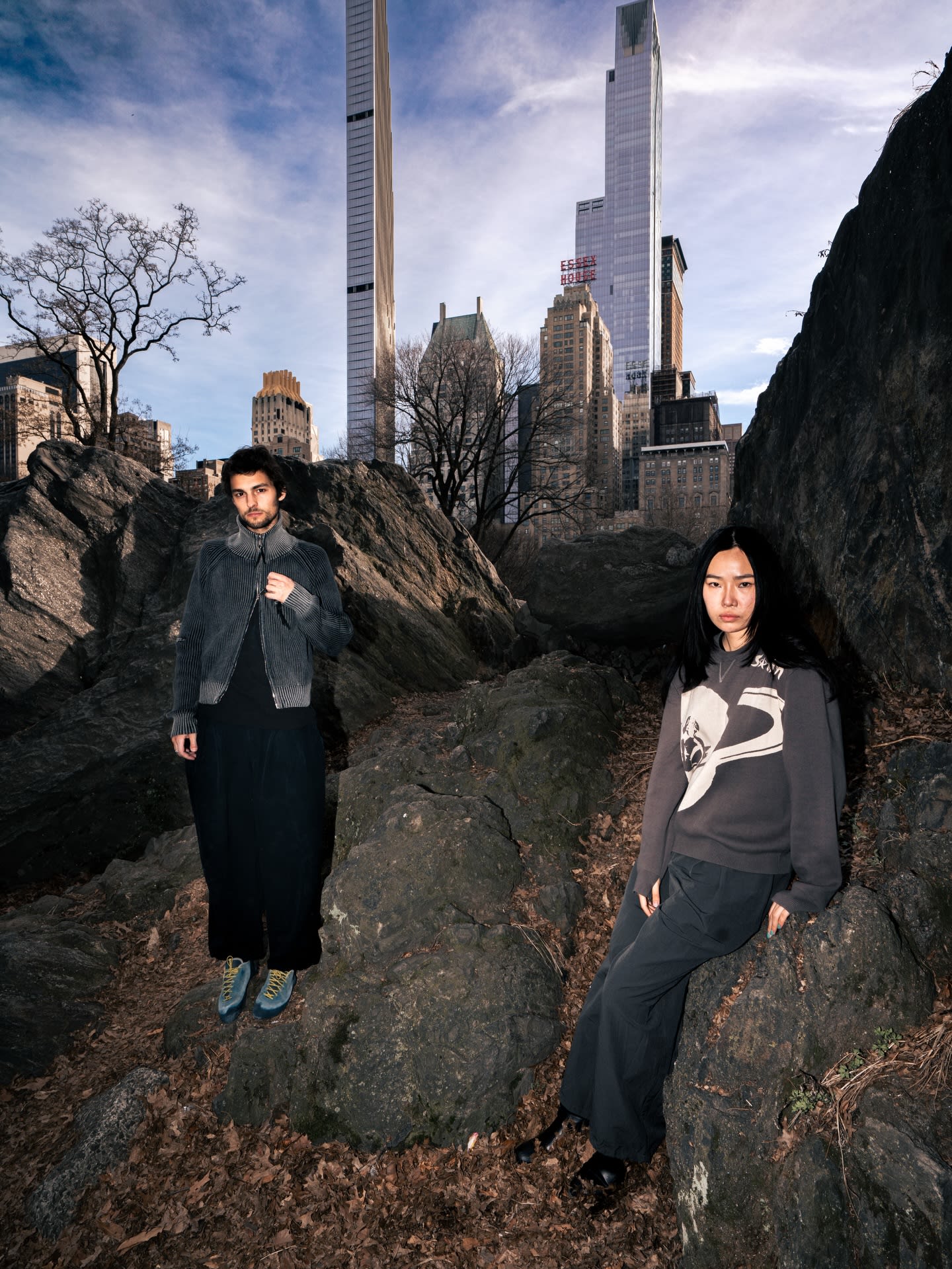
From Dickies to Climbing Pants
When Cheung started climbing in 2022, he wasn't wearing outdoor clothing.
"I would wear like a Supreme shirt and then like a pair of Dickies to the gym," he says.
His wardrobe came from skateboarding, vintage and hype culture. The aesthetic simply followed him onto the climbing wall.
So did the logic behind it.
Skateboarding has always been unusually good at allowing functional clothing to emerge without explicitly announcing itself as performance apparel. Loose pants, durable fabrics and oversized silhouettes work because people actually move in them.
Climbing presented a similar opportunity.
Cheung had started Saturn as a skate brand in 2021 before gradually moving toward general streetwear. The clothes sold, but something was missing.
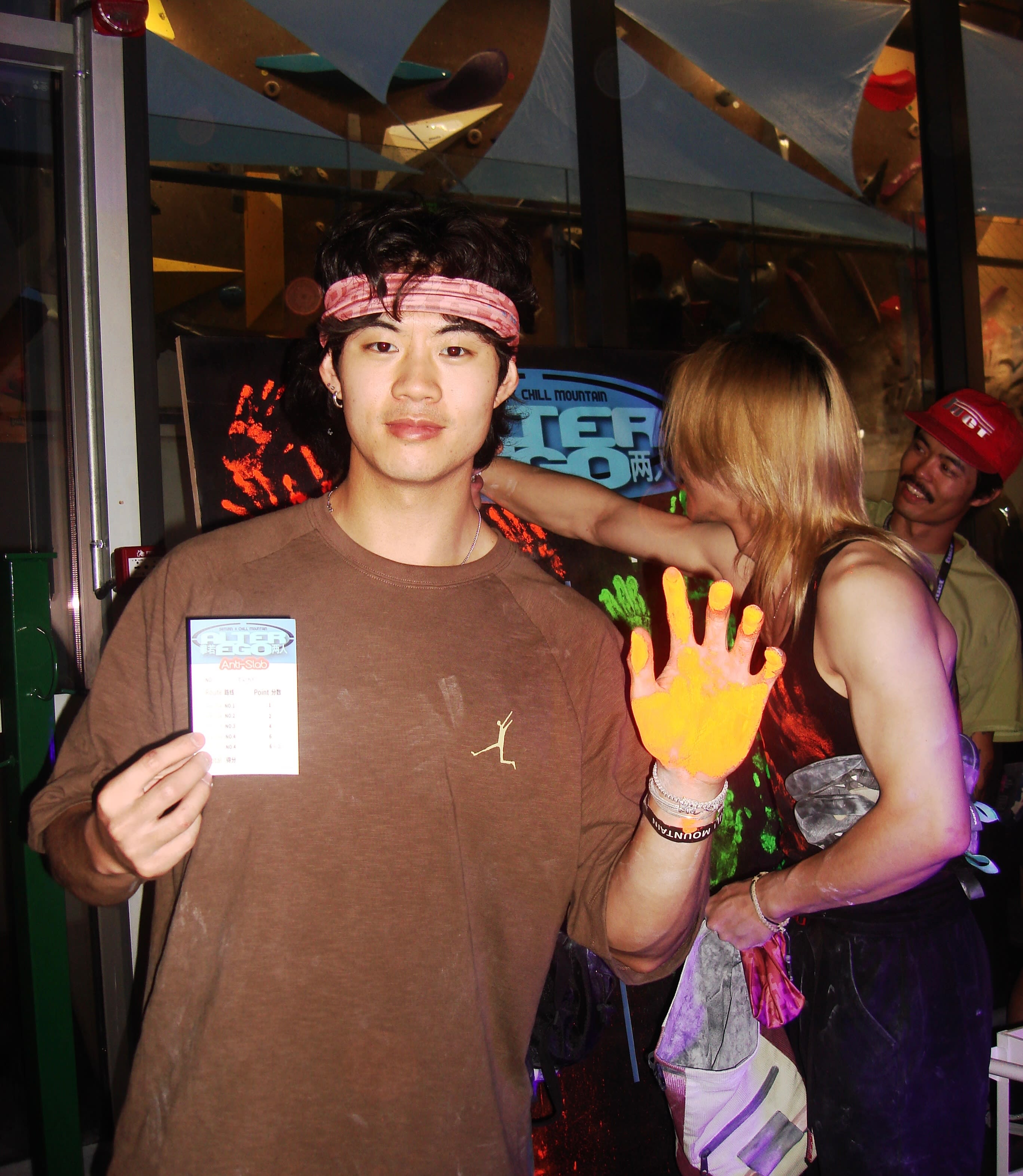
"When Saturn became a streetwear brand, it was great in terms of just selling products, but it was where Saturn's identity kind of got lost."
Climbing eventually provided the missing structure.
After roughly six months in the sport, Cheung herniated a disc and spent two and a half years unable to climb or train normally. Instead of moving away from climbing, Saturn became a way of remaining connected to it.
At the same time, Cheung was watching the increasing collision between fashion and sport, including from inside the industry during an internship with Adidas' collaborations team.
The combination suddenly felt obvious.
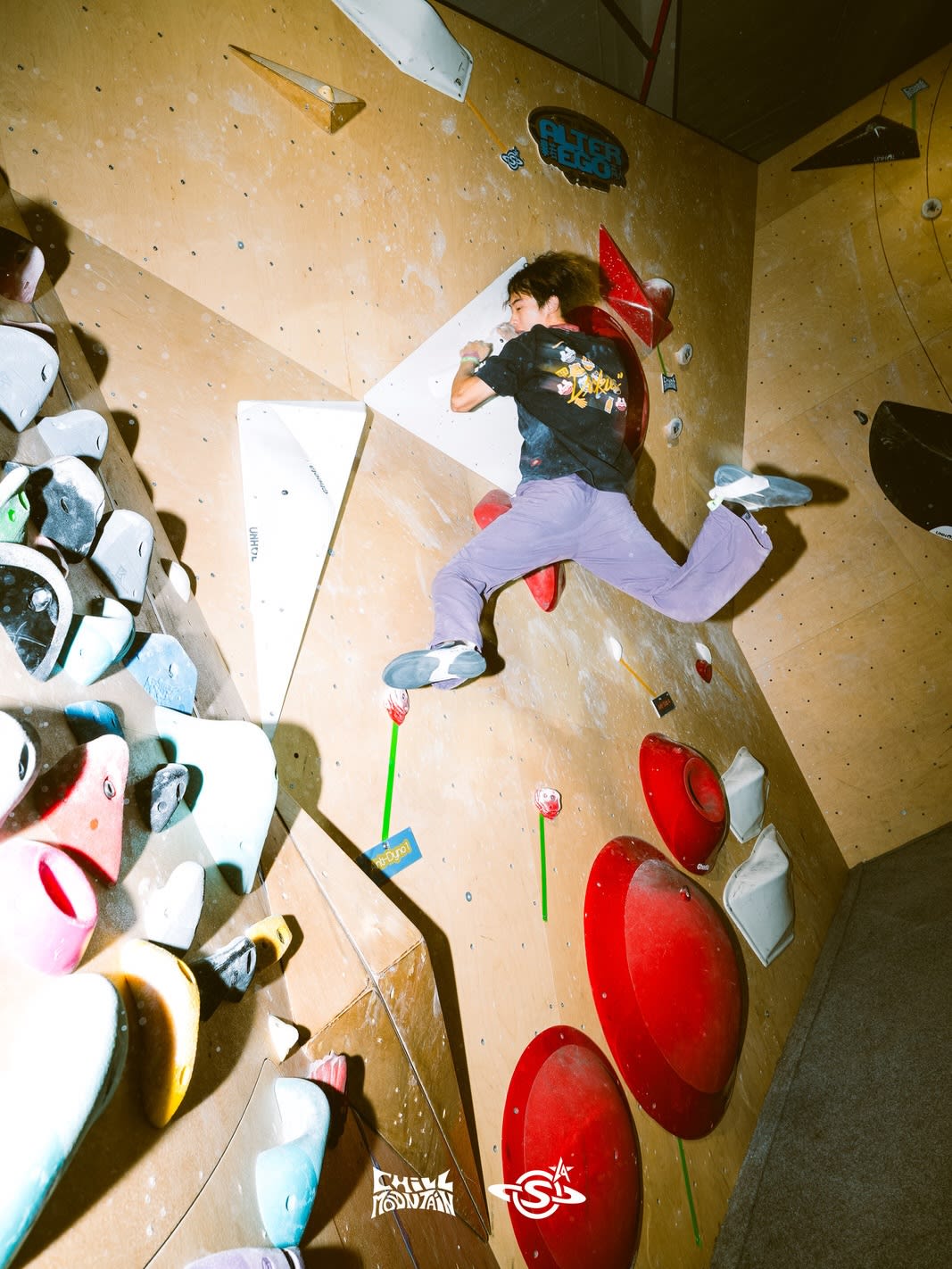
In May 2025, Saturn released its first climbing-streetwear collection.
Cheung says the brand subsequently grew from roughly 20,000 followers to nearly 100,000.
The numbers mattered, but perhaps more important was that Saturn finally had a world around it.
You Don't Have to Climb
One of the recurring questions Cheung gets from customers is whether they need to climb to wear Saturn.
The answer is no.
He recalls seeing someone post about wearing Saturn pants despite not climbing, joking that he felt like he was LARPing as a climber.
Cheung doesn't particularly care.
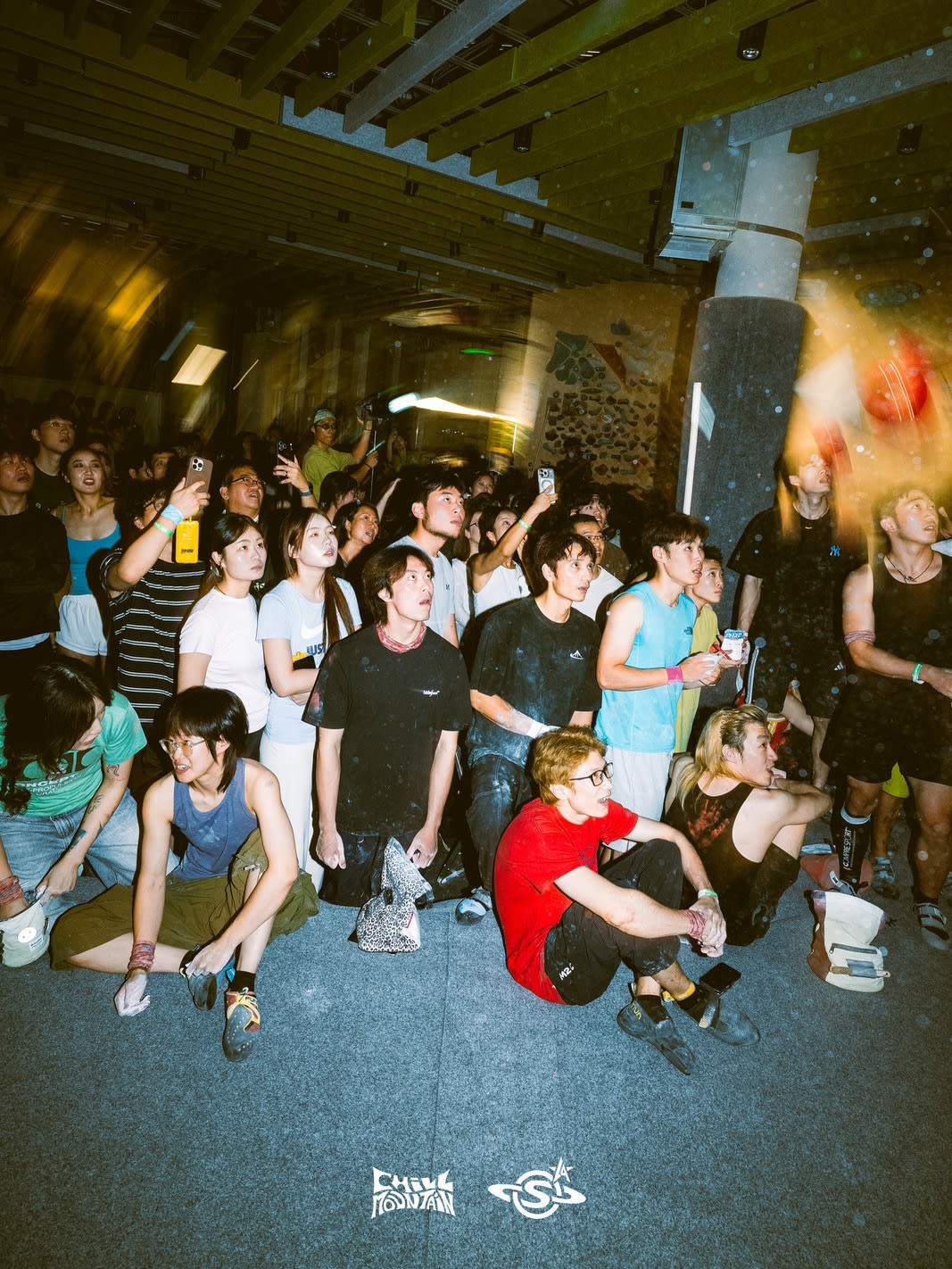
Climbing gives Saturn a culture, a use case and a community. It doesn't have to become an entrance requirement.
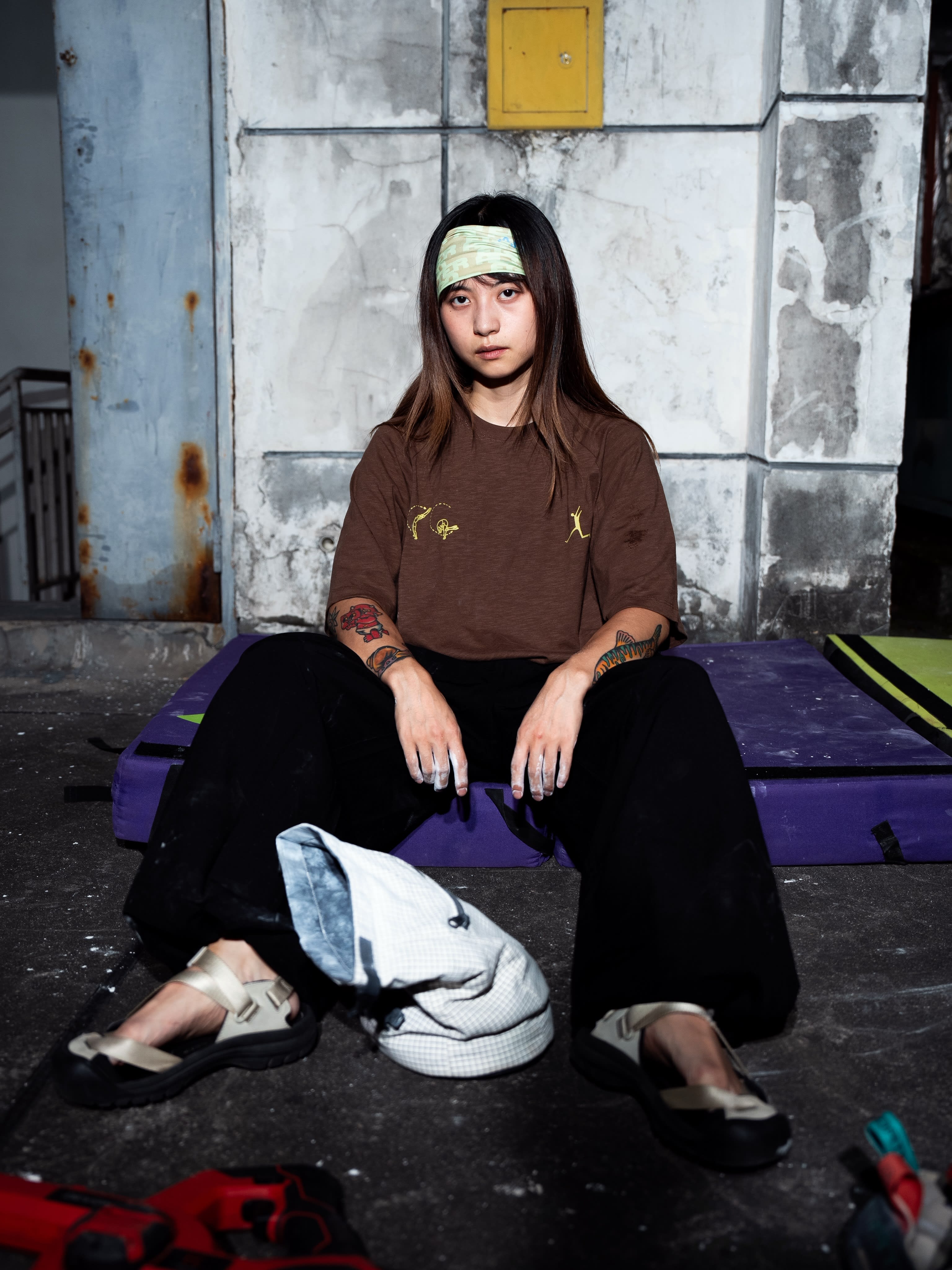
That distinction matters because outdoor fashion has spent years negotiating the question of authenticity. Gorpcore brought technical clothing into cities, and suddenly garments originally designed around mountains were being worn by people whose primary interaction with elevation might be an escalator.
Saturn approaches the same intersection from the opposite direction.
Instead of taking an established outdoor uniform into the city, Cheung is taking the clothing languages he already knows—streetwear, skateboarding and Asian fashion—and asking how they might function outdoors.
It is a subtle but important inversion.
The objective isn't to dress like a climber.
It is to make clothing for people whose lives might include climbing.
The Advantage of Not Knowing the Rules
This same dynamic helps explain Cheung's fascination with China.
As a Chinese-American designer who regularly visits China, Cheung sees a technical-fashion ecosystem that remains surprisingly invisible to much of the Western outdoor market.
"It's mind-blowing to me, the things that I see there," he says. "It's so good."
Cheung believes Chinese fashion can feel years ahead of the United States in certain areas, particularly where outdoor design, streetwear and experimental silhouettes intersect.
Part of the advantage may be historical.
The Western outdoor industry carries a century of visual codes: mountaineering, alpine equipment, expedition imagery, military surplus, American workwear and the increasingly standardized language of technical performance.
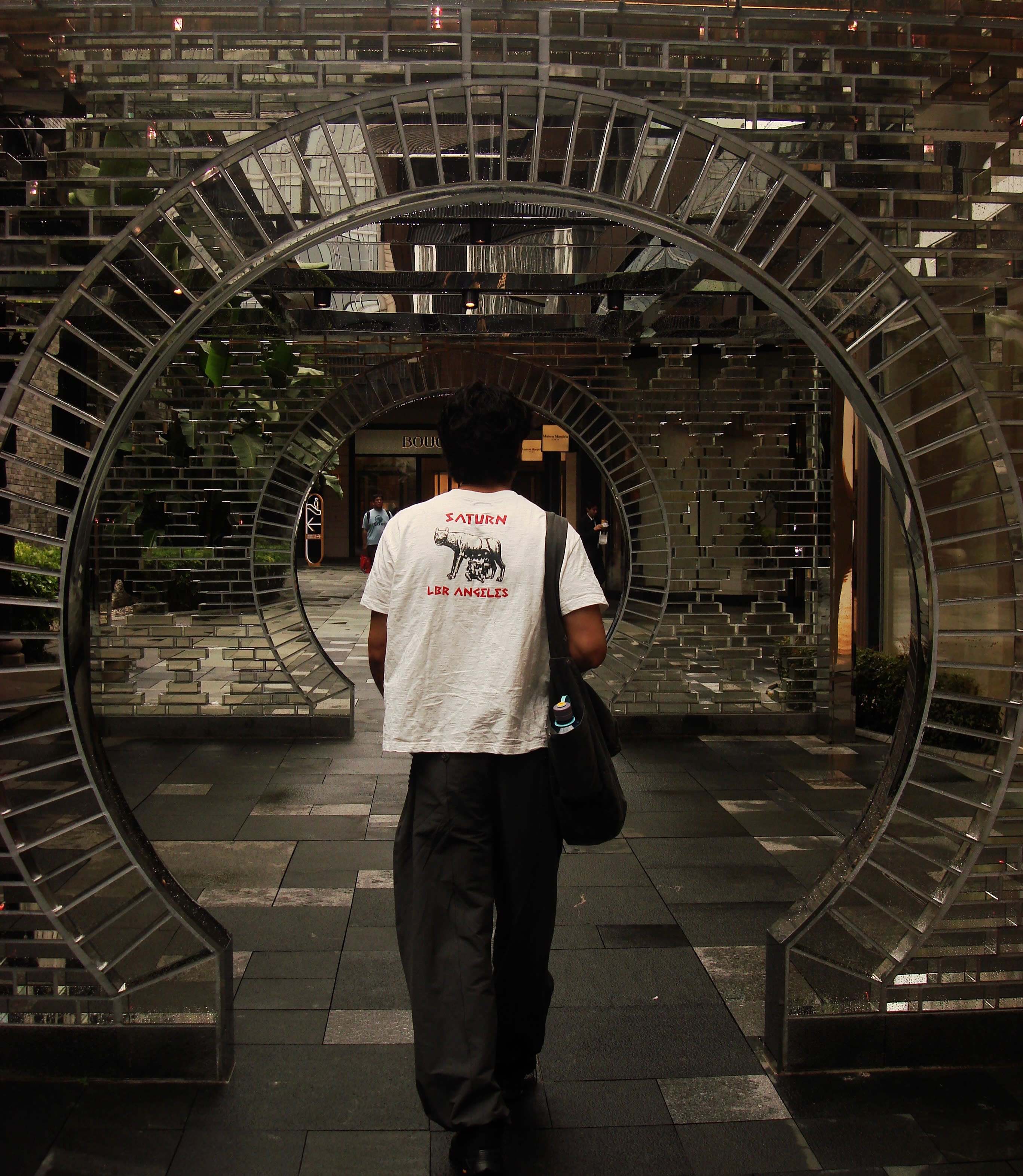
Many emerging Chinese brands appear less interested in obeying those conventions.
That doesn't mean Chinese outdoor design developed without Western influence. China spent decades manufacturing enormous amounts of Western outdoor equipment and apparel, developing extraordinary technical knowledge in the process.
What's changing is where that expertise is being directed.
Instead of merely manufacturing someone else's idea of outdoor clothing, a generation of Chinese designers is increasingly creating its own.
For Cheung, that produces a much more interesting feedback loop. He isn't looking east for inexpensive versions of Western products. He is looking at Chinese designers because they are proposing ideas he isn't seeing elsewhere.
Saturn then filters those ideas through Los Angeles, climbing, mythology and Cheung's own Chinese-American identity.
The result isn't simply East or West.
It is the product of someone who belongs to both.
The New Outdoor Brand Doesn't Need Permission
Twenty years ago, starting an outdoor company generally required access.
You needed manufacturers, pattern makers, retailers, sales representatives, industry relationships and enough capital to place meaningful production orders. Distribution itself functioned as a gatekeeper.
Most of those barriers haven't disappeared.
But they have weakened.
"Anyone can start a brand," Cheung says.
You can learn to make a tech pack on YouTube. You can find factories online. Shopify can provide the storefront. Instagram and TikTok provide global distribution channels for attention.
Saturn itself is partially a product of that infrastructure.
Its first release in February 2021 consisted of four products and roughly 200 units. Cheung invested around $2,000.
He received two orders.
Rather than stop, he decided to post three TikToks every day for the remainder of the year.
Most went nowhere.
Then, in December, one video featuring a hoodie reached roughly 250,000 views. Cheung released the hoodie a week later. The initial 50 units disappeared in less than two minutes, and a preorder ultimately moved roughly another 200.
The lesson wasn't simply that TikTok could sell hoodies.
It was that a small brand could manufacture its own distribution.
That changes who gets to participate.
Start With the Audience
Cheung's advice to someone thinking about launching a brand today is surprisingly radical for someone who makes clothes:
Don't start with clothes.
"Just start posting content you care about and then develop the brand on the back end."
The traditional sequence was product, company, distribution, audience.
Social media allows the order to reverse.
A founder can develop a perspective publicly, attract people interested in that perspective and eventually create physical products for the community that has formed around it.
It also changes the meaning of a founder-led brand.
Cheung doesn't separate Saturn neatly from himself. The brand has moved from skateboarding to streetwear to climbing because Cheung did.
"Saturn evolves as I evolve as a person."
In a market flooded with brands capable of manufacturing essentially the same garments, that continuity may become more important than any individual product.
Factories can reproduce a silhouette.
They can't reproduce someone's history.

Making Clothes Is Still Hard
The barriers around branding may have collapsed.
The barriers around making genuinely good products haven't.
Cheung says one of the most difficult parts of running Saturn is simply time.
A product might take six months to a year to move from idea to warehouse. Samples arrive incorrectly. Fabrics don't behave as expected. Factories miss details. Shipping slips. Marketing plans collide with production delays.
Meanwhile, the next collection has to be designed before the current one is even released.
For a small founder-led operation, product development becomes an exercise in simultaneously inhabiting several different years.
Cheung wants Saturn's 2027 products largely designed and in development during 2026.
The complexity increases as Saturn becomes more technical.
One recent modular button-up includes an asymmetric placket, disguised snaps, removable sleeves, three rear pockets for storing those sleeves, adjustable elements and performance fabric intended to feel athletic while still appearing relatively formal.
Explaining the shirt takes several minutes.
Developing it took considerably longer.
And Cheung wants to go further.
His next frontier is proper technical outerwear.
Making an interesting jacket is one problem.
Making an interesting jacket that also performs outdoors is another.
The Physical World Matters More
For all of Saturn's success online, Cheung doesn't imagine its future as purely digital.
Quite the opposite.
He sees physical retail as essential, particularly for outdoor clothing.
Technical products contain information that photographs struggle to communicate: fabric hand, weight, construction, movement, pocket placement, hardware and fit.
But retail does something else too.
It gives brands context.
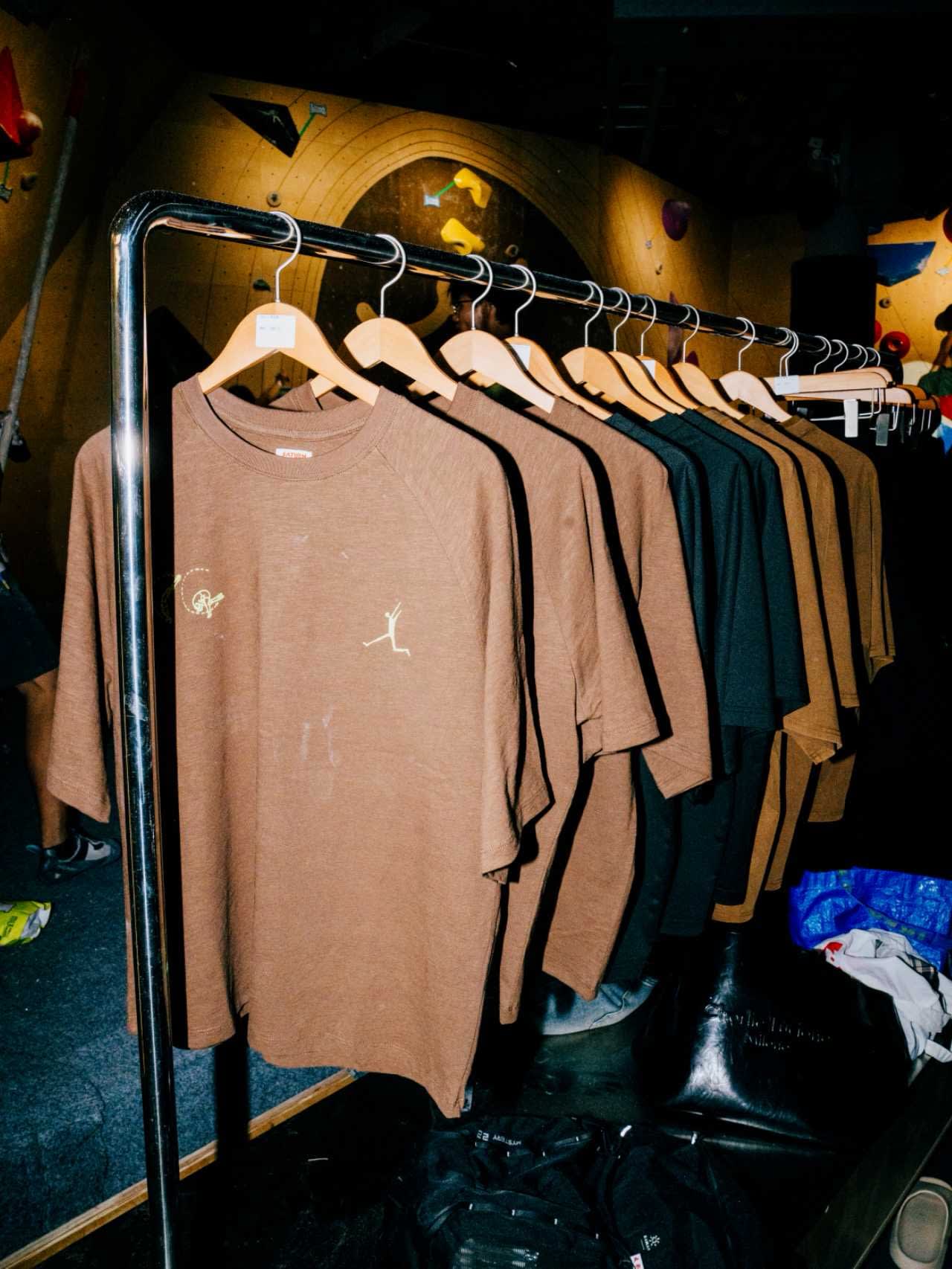
Saturn sitting inside a climbing gym communicates one version of the company. Saturn inside an outdoor retailer communicates another. Put it next to and wander and the customer understands it differently again.
Retail becomes a form of editorial.
Cheung ultimately imagines Saturn having its own space: part store, part café, part workspace and part miniature climbing gym.
The products would be there, but shopping wouldn't necessarily be the primary reason to visit.
The idea sounds increasingly familiar across the independent outdoor world.
As commerce becomes more digital, brands are becoming more interested in physical spaces.
The internet solved distribution.
It didn't solve belonging.
Small Brands, Global Audiences
This raises another question: if starting a brand is becoming easier, do we still need global outdoor companies?
Cheung thinks we do, but perhaps not in the same form.
The next generation of global brands may begin as intensely local ones.
Saturn is explicitly Saturn Los Angeles. Its identity depends on the city, the climbing community around it, Cheung's background and the particular mixture of cultures he encounters there.
The internet allows that specificity to travel.
Collaborations can accelerate it further.
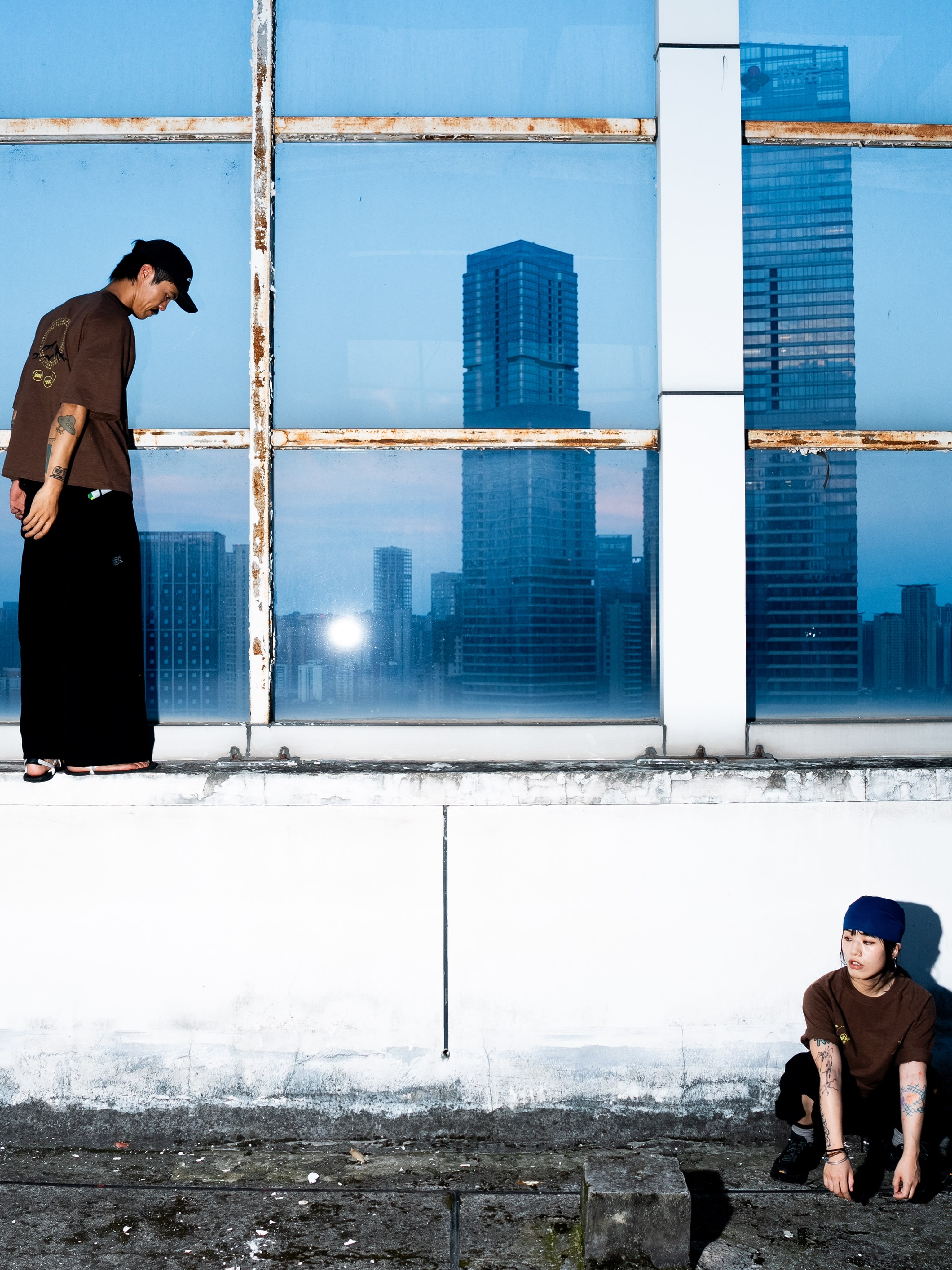
Cheung sees partnerships between large and small brands as an exchange. A global company gives the smaller label reach and infrastructure. The independent brand gives the larger company cultural specificity and credibility.
His ambition is eventually to take Saturn into that world, potentially through a partnership with a major sportswear company on footwear capable of moving between streetwear, climbing and the approach to the rock.
But even if Saturn eventually sells everywhere, Cheung doesn't want it to become nowhere.
"Saturn Los Angeles is still going to be Los Angeles even if it goes worldwide."
That might be the more interesting model for global outdoor brands going forward.
Not universality.
Specificity at scale.
What Comes After Gorpcore
At the end of the conversation, Cheung is asked what Saturn would need to accomplish over the next five years for him to consider it successful.
There is no revenue target.
No store count.
No acquisition.
No declaration that Saturn needs to become the next global outdoor giant.
"If the brand's still going, it worked."
It is an unexpectedly modest answer from someone who has spent much of his adult life building the company.
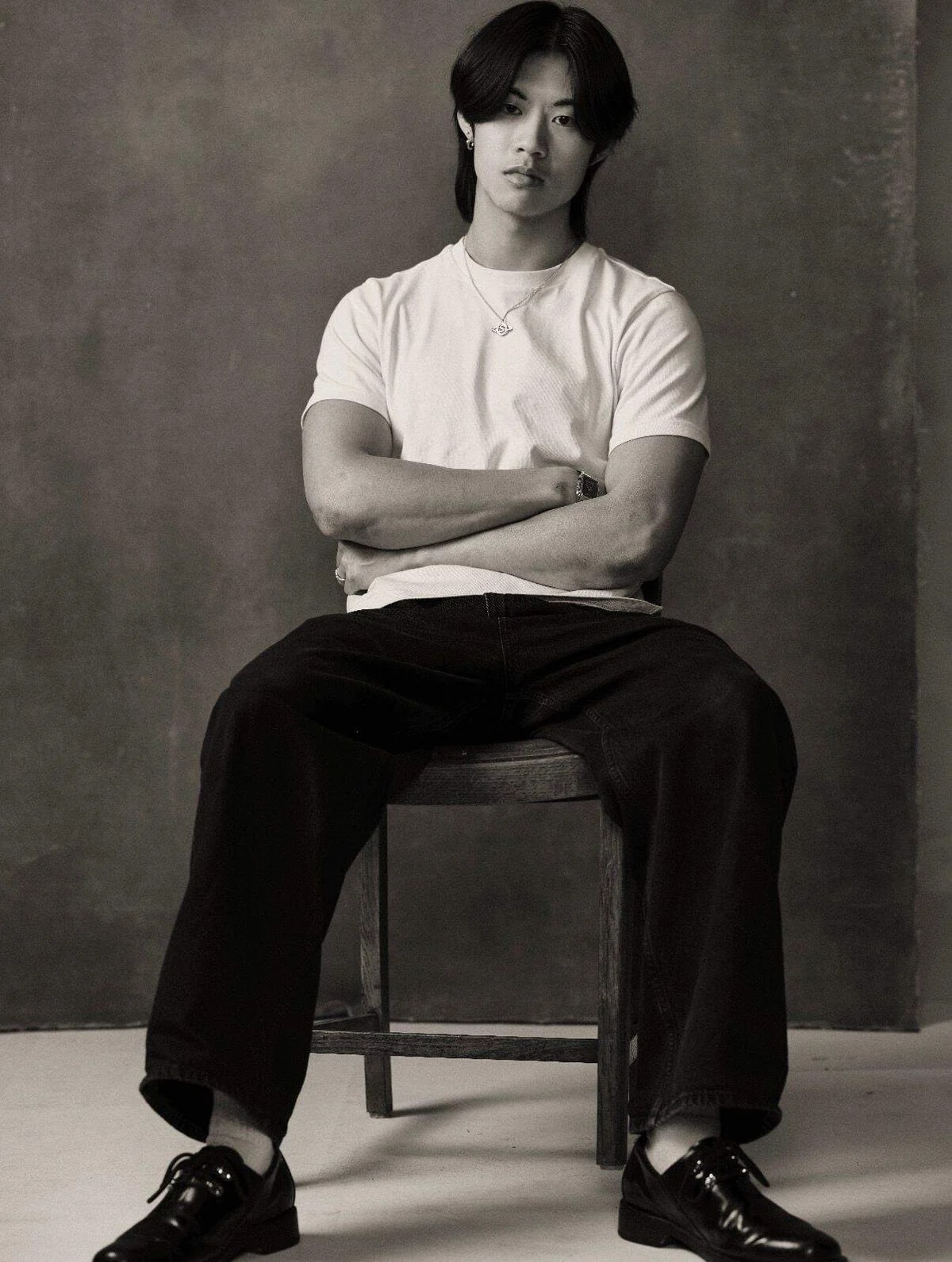
But it also reveals something important about independent brands.
Attention is relatively easy to manufacture now. Longevity isn't.
The internet can produce a brand overnight. It can also move on from one almost as quickly.
Saturn's answer is not to outrun that cycle by predicting every trend. It is to construct a brand capable of changing alongside its founder.
Skateboarding became streetwear.
Streetwear became climbing.
Climbing is becoming technical apparel.
Chinese design, Los Angeles, mythology and whatever Cheung discovers next will continue entering the system.
That may ultimately be Saturn's most useful idea.
The future of outdoor clothing doesn't necessarily belong to brands that have perfected what an outdoor brand is supposed to look like.
It may belong to the ones still figuring it out.
Ryan Cheung is the founder of Saturn Los Angeles. He joined Derek Siegel and Mateo Moreno on WeekEnds WeekDays to discuss the evolution of Saturn LA, climbing and streetwear, Chinese outdoor design, independent brands, retail, collaborations and the future of technical clothing.
Watch the full episode on YouTube.
Related Articles
September 16, 2026
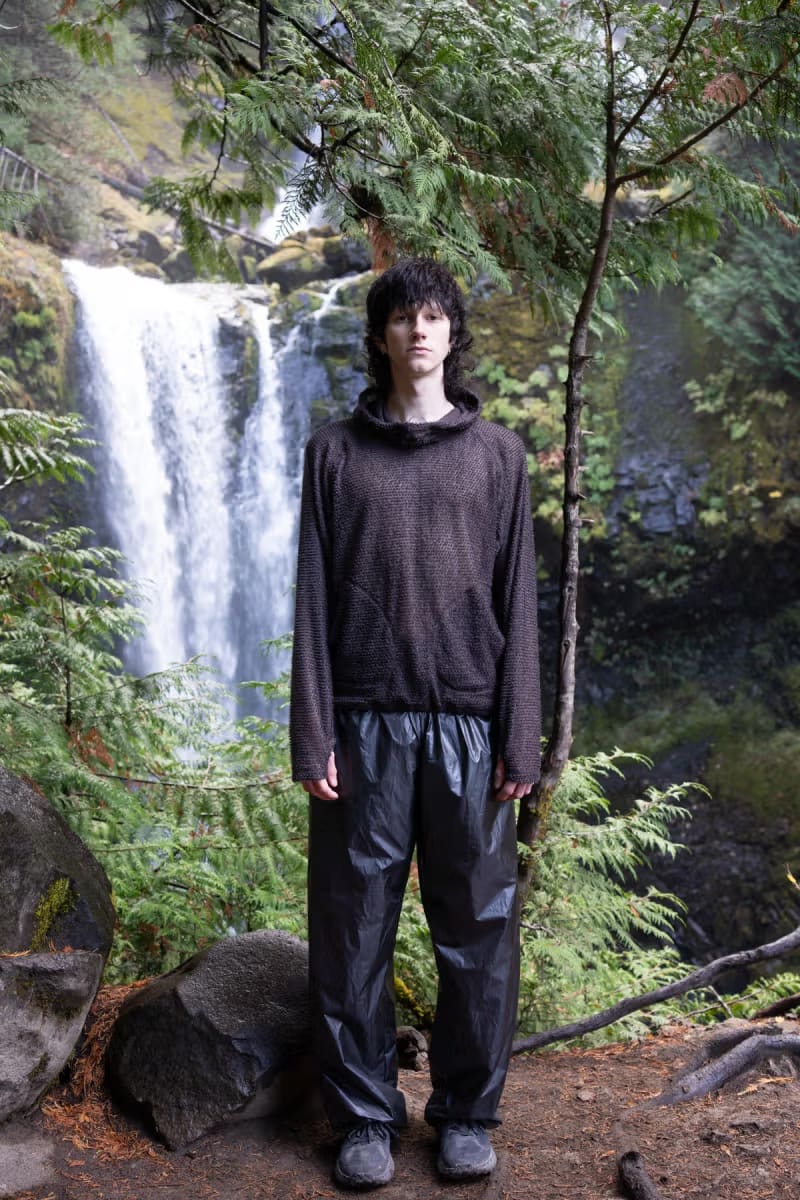
The People Designing the New Outdoors
Meet the designers, makers, editors and community builders reshaping outdoor culture, from Gnuhr and CAYL to Field Mag, USAL. Goodlids and more.
Read →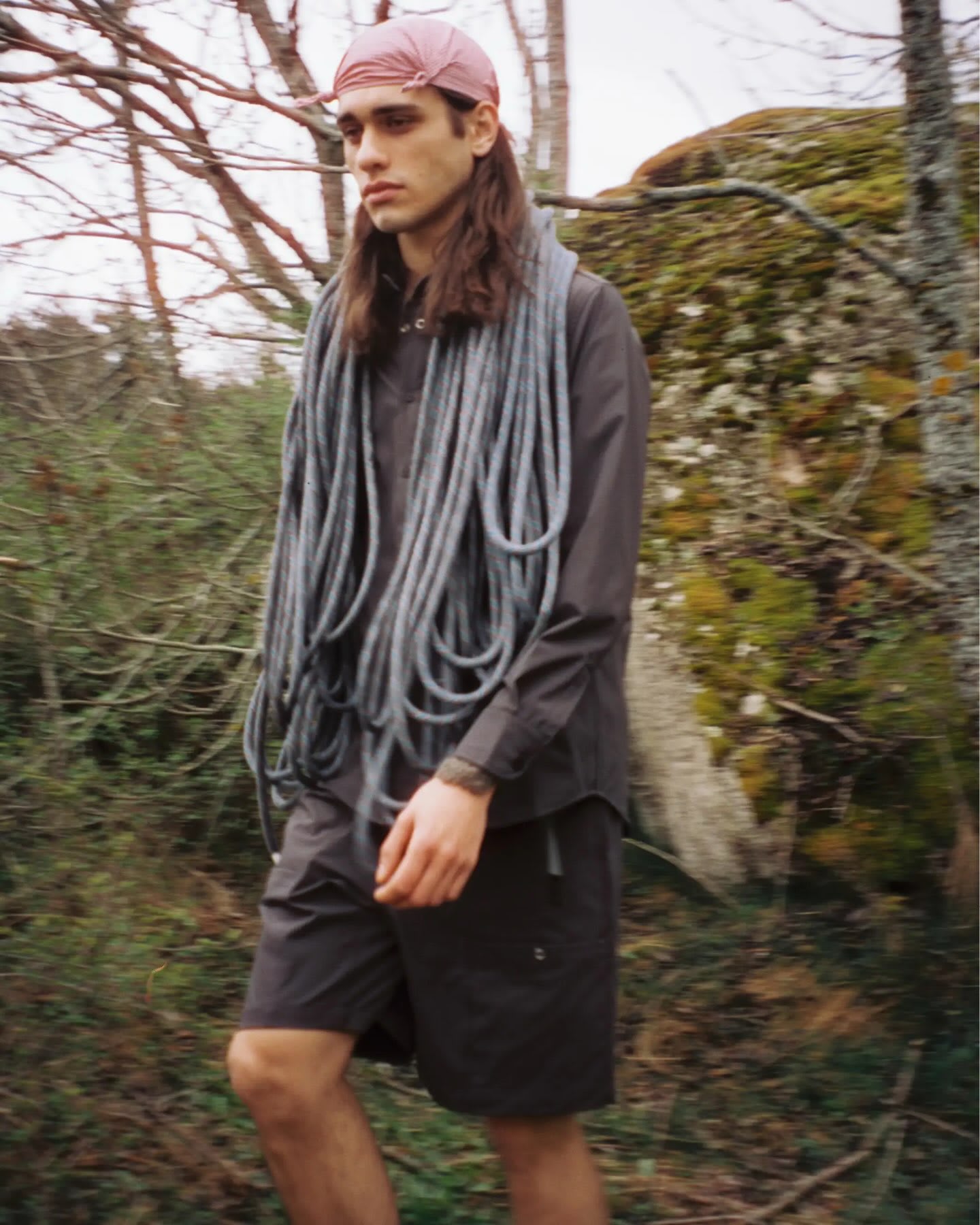
September 15, 2026
AMUNT Treats Outdoor Clothing as an Ongoing Field Study
Barcelona-based AMUNT develops technical mountain apparel through Field Studies, real-world testing and community feedback, connecting clothing, culture and life outdoors.
Read →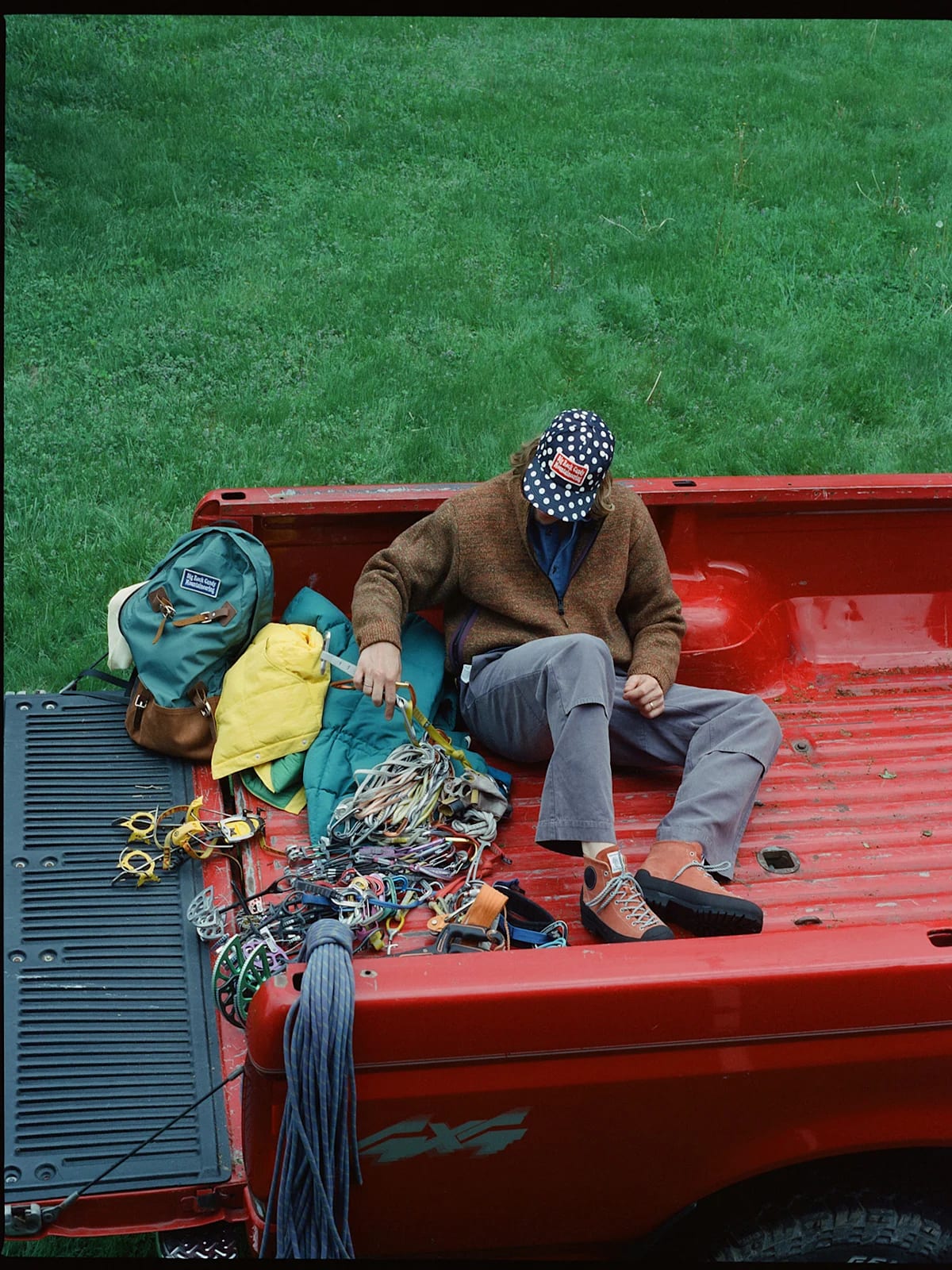
September 9, 2026
The New Outdoor is Old
Outdoor gear is looking backward. Explore how heritage design, natural materials, archival silhouettes and old-school functionality are shaping its future.
Read →