
The Future of Outdoor Isn’t Another Trend
by Derek Siegel
RANGE founder and trend forecaster Jeanine Pesce on preparedness, independent brands, aesthetic sameness, AI, and why the next era of outdoor culture may have less to do with what we wear.
For an industry increasingly obsessed with what comes next, Jeanine Pesce has spent an unusual amount of time thinking about exactly that.
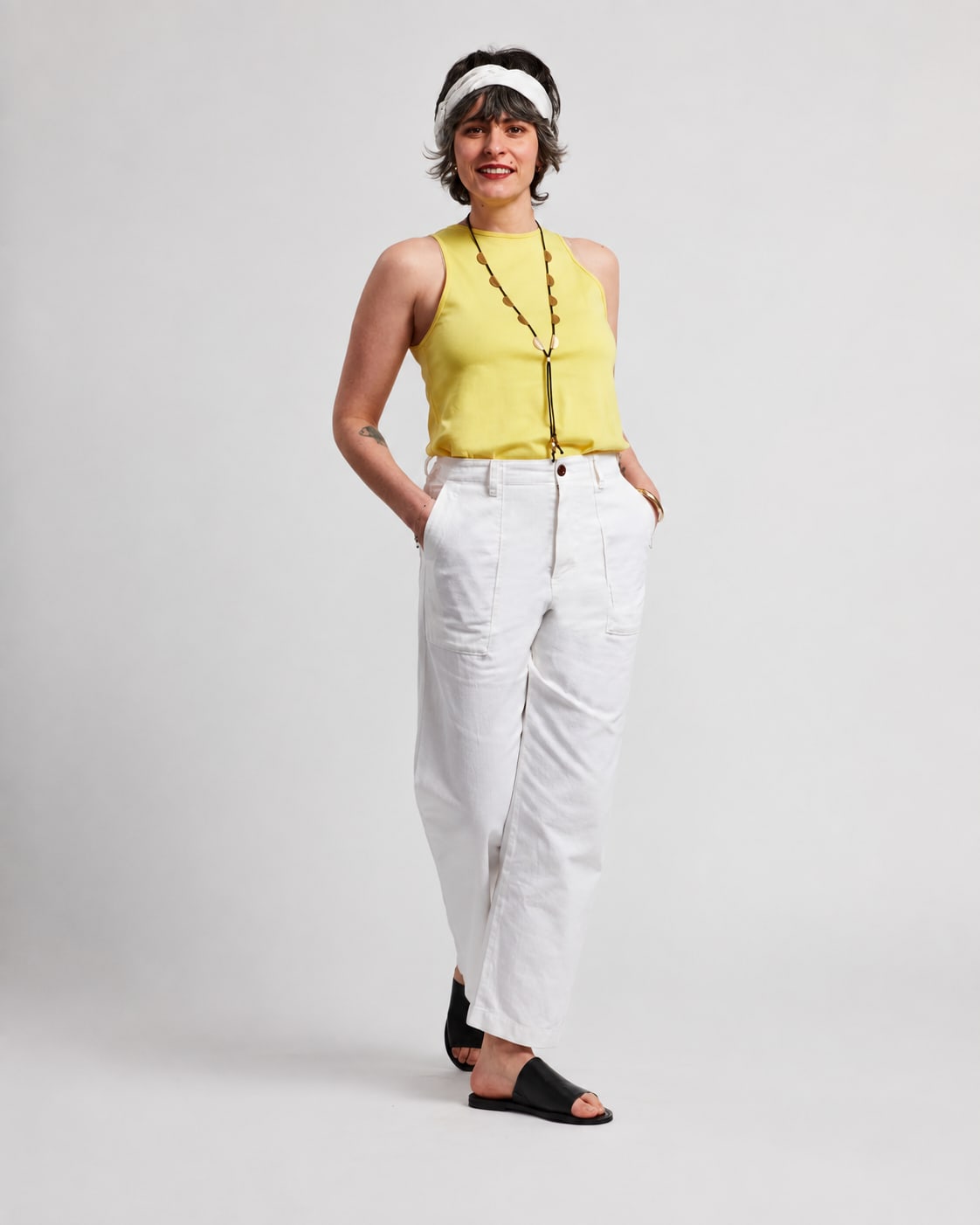
photographed by Ana Pedrero
Pesce is the founder of RANGE, the independent forecasting and consulting agency focused on the intersection of outdoor, active, design and culture. Over more than two decades, she has watched outdoor move from a relatively insular performance category into something considerably harder to define: fashion reference, cultural identity, urban uniform, recreational infrastructure and, increasingly, a way of thinking about how we live. RANGE itself operates across trend and color forecasting, product development, consumer insights and brand strategy, working with companies across the outdoor and lifestyle industries.
On a recent episode of WeekEnds WeekDays, Pesce joined WeekEnds co-founders Derek Siegel and Mateo Moreno to talk about what happens next.
The conversation started with trends. It ended somewhere much bigger.
Because if Pesce is right, one of the most consequential shifts happening in outdoor isn't another shoe, silhouette or aesthetic. It's the movement from outdoor as recreation toward outdoor as capability.
Preparedness Is Becoming the New Wellness
Ask Pesce what the outdoor industry isn't paying enough attention to and she doesn't point toward trail running, gorpcore or the next technical fabric.
She points toward prepper culture.
Not the caricature of bunkers and canned beans, but preparedness as an increasingly ordinary response to an increasingly unpredictable world.
Climate disruptions. Wildfires. Heat. Power outages. Fragile energy systems. Water insecurity. The possibility that the infrastructure we take for granted might occasionally stop working.
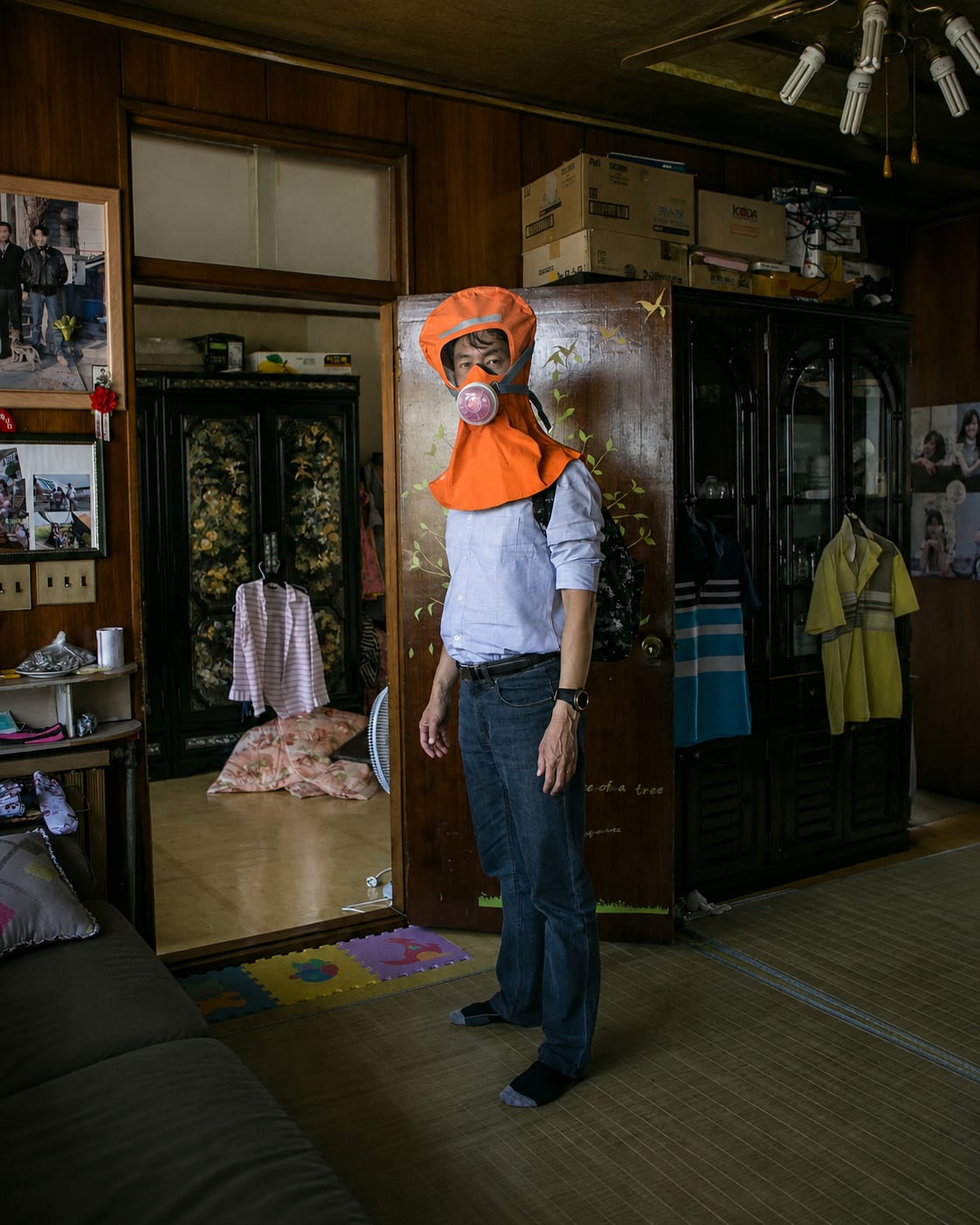
Conversations that once sounded fringe are becoming normal.
Do you have backup power? A water filtration system? A go bag? Do you know what grows around you? Could you function for several days if the grid went down?
Pesce sees these questions moving from survivalist subculture into mainstream outdoor culture.
And that shift could have profound consequences for outdoor product design.
The outdoor industry has spent decades optimizing products around recreation: waterproof shells for storms, insulated jackets for alpine environments, packs for moving through the backcountry. Pesce thinks the next generation of functional products may increasingly be designed around environmental resilience itself.
Better sun protection. Better insect protection. Water filtration. Communications. Solar and battery systems. Clothing that protects people from increasingly volatile conditions rather than simply helping them pursue a sport.
The distinction is subtle but important.
Outdoor equipment becomes less about where you're going and more about what you're capable of handling.
Later in the conversation, Pesce offers an even more interesting framing: preparedness as wellness.
For years, wellness culture has been dominated by optimization—sleep scores, supplements, recovery metrics, biohacking, routines and endless attempts to squeeze incremental performance from the body.
Pesce believes we may have reached peak optimization.
The next version of wellness could be psychological and practical: the confidence that you can take care of yourself.
“Feeling capable or prepared for what's to come is like the new wellness,” she says.
That could ultimately prove much more important to outdoor brands than another aesthetic cycle.
Trend Forecasting Is Really Pattern Recognition
Pesce has been forecasting trends for roughly 20 years, beginning when the industry still sold physical forecasting books to designers for thousands of dollars per season.
The mechanics have changed considerably since then.
The fundamental job hasn't.
Pesce describes forecasting as a combination of research, projection and pattern recognition.
At one end are massive forces: economics, technology, materials, demographics and geopolitics.
At the other are cultural signals: art, music, movies, fashion, communities and emerging behaviors.
The forecaster's job is to figure out where those things intersect.
There is data involved. But there is also instinct.
Pesce describes watching something as simple as the color green evolve over decades. Eventually a slightly different green appears—a shade or treatment that feels familiar but somehow new.
That feeling matters.

“You feel it in your bones when something is fresh,” she says later in the conversation.
Social media has accelerated the process enormously.
TikTok, Instagram, Substack and an endless ecosystem of mood boards and creator media now surface cultural signals almost instantly. You no longer necessarily need to be standing outside the right gallery in New York, Paris or Tokyo to see what people are wearing.
But access to more signals doesn't necessarily produce better forecasting.
It produces more noise.
The important question becomes whether something is relevant, distinctive and capable of moving beyond the feed.
Everything Is a Microtrend Now
Part of the confusion surrounding contemporary trend culture is that people are experiencing several aesthetics simultaneously.
Previous generations often organized themselves around relatively coherent subcultures: punk, hippie, new wave, skate, rave.
Today's consumer can move between several aesthetic identities in a week.
Pesce describes it almost like putting cultural references into a snow globe and shaking them together.
Granola girl. Cottagecore. Trail running. Technical footwear. '90s rave. Heritage outdoor. Neo-bohemian styling.
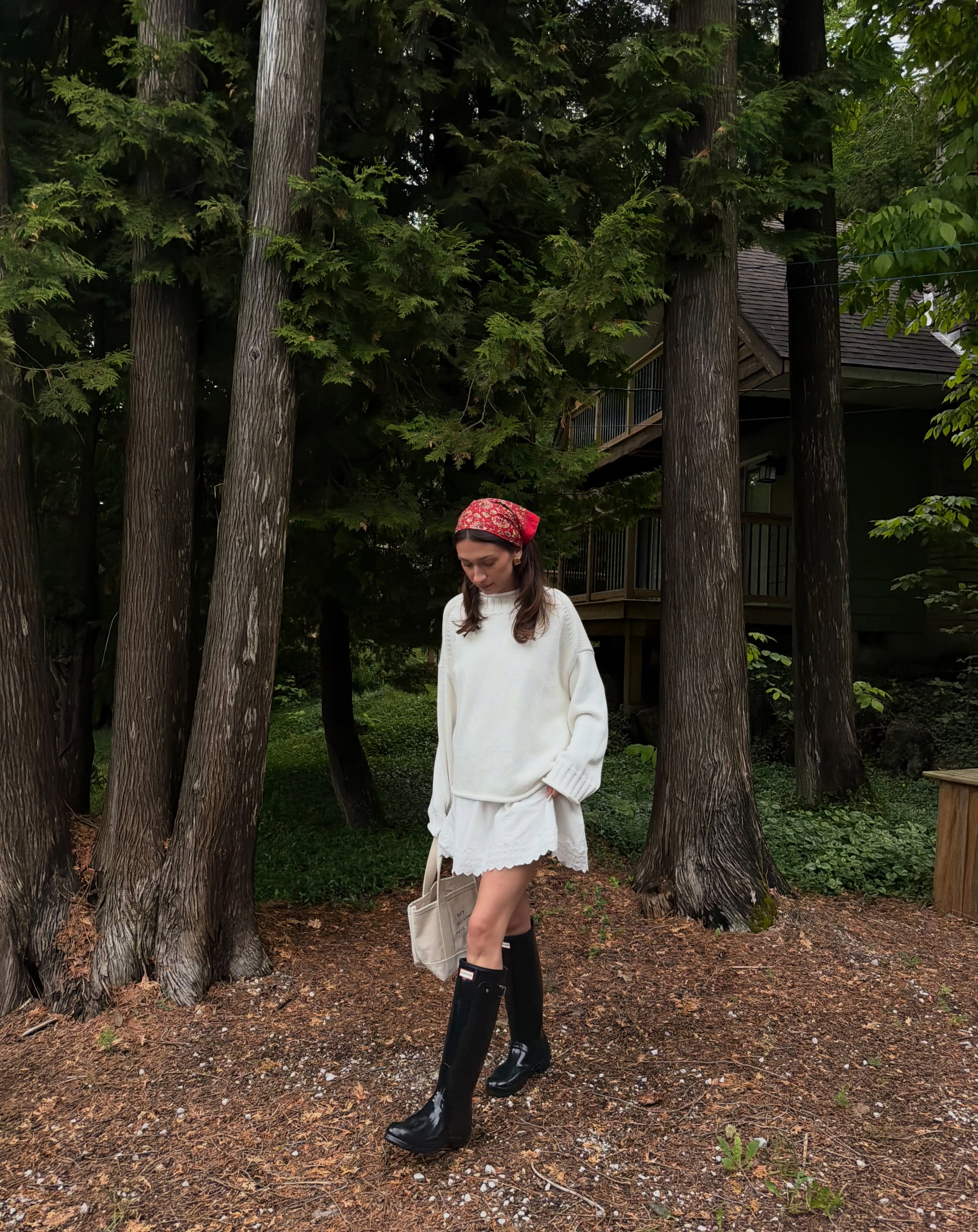
Some of what Gen Z experiences as discovery is simply another generation encountering an old reference for the first time.
Pesce remembers wearing Salomons, cargo pants and utility vests to raves in the '90s.
The cycle isn't new.
The speed is.
And eventually every aesthetic reaches the same problem: saturation.
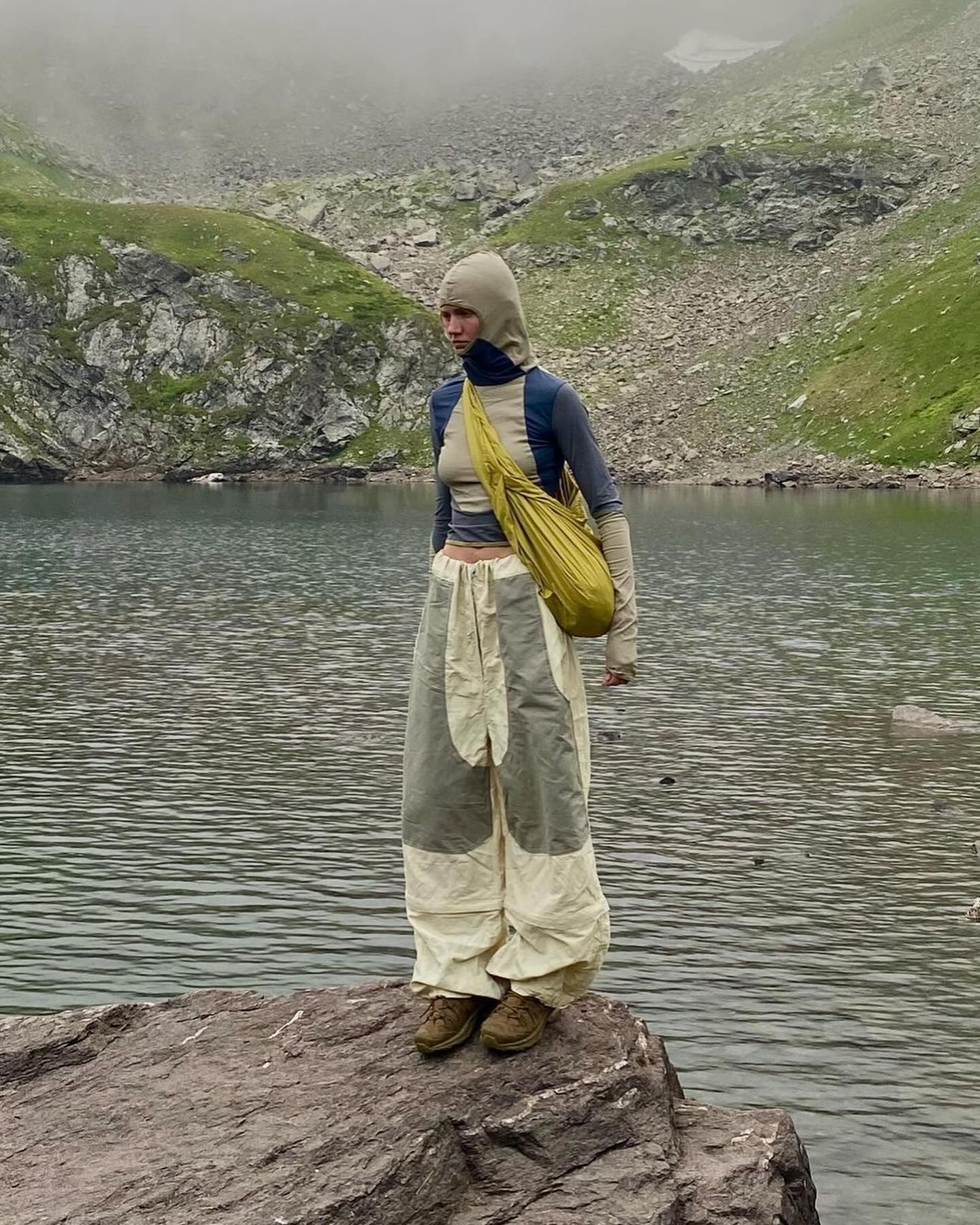
Outdoor has already experienced it with gorpcore. What began as a useful term describing the collision of outdoor performance clothing and fashion eventually became broad enough to encompass almost anything involving a shell jacket and technical shoe.
Once mass-market retailers could reproduce the look, the cultural signal weakened.
The outdoor aesthetic didn't disappear.
The packaging simply needed to change.
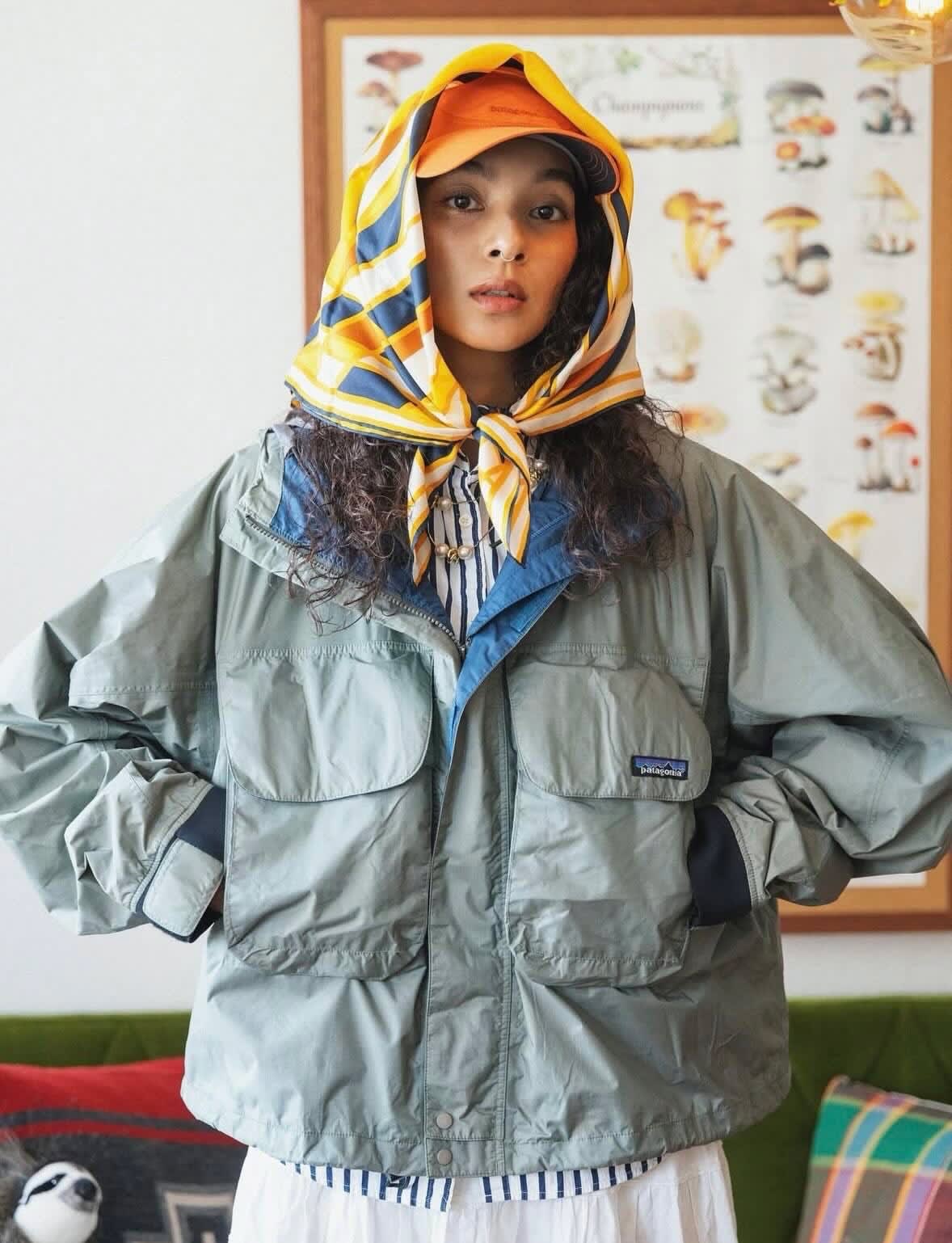
Outdoor Doesn't Need a Definition
That raises a larger question.
What actually counts as outdoor anymore?
The boundaries have become increasingly difficult to defend.
Trail shoes are worn on subway platforms. Technical shells appear on fashion runways. Climbers wear the same pants to the farmers market that they wear at the crag. Running brands borrow from luxury fashion while fashion houses borrow climbing hardware, performance fabrics and trail silhouettes.
Pesce argues that this isn't actually new.
Rappers, skateboarders, graffiti artists and other creative communities were adopting outdoor clothing long before gorpcore had a name. Fashion designers were borrowing outdoor codes years before technical footwear became an everyday uniform.
What we're seeing today is the accumulated result of decades of cross-pollination.
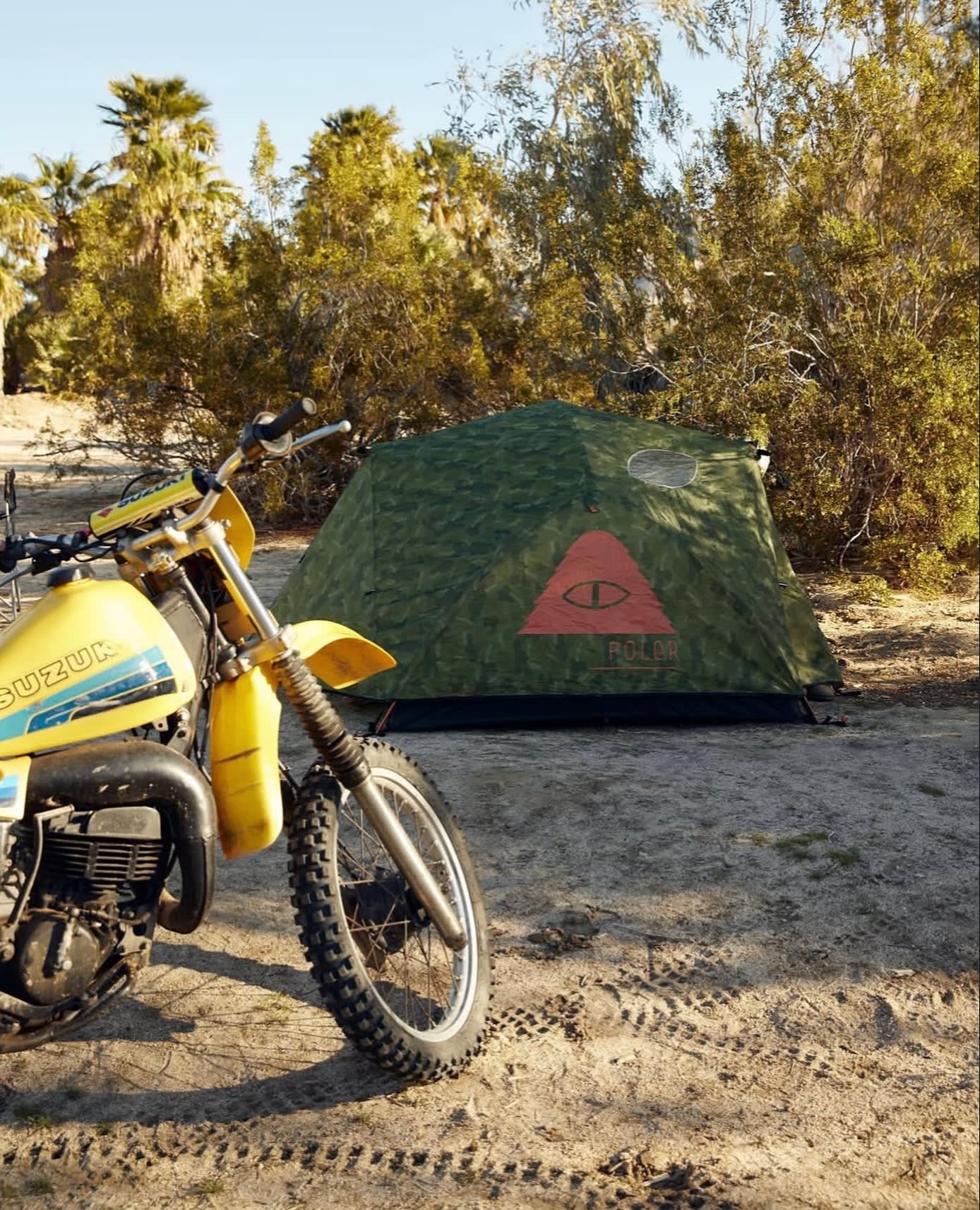
Pesce recalls a conversation roughly a dozen years ago with Poler co-founder Benji Wagner. Asked to define outdoor, Wagner gave an answer that stuck with her:
Outdoor is basically anytime you leave your house.
It's an almost comically simple definition.
It's also increasingly useful.
Pesce grew up around New York but in an outdoors-oriented family. Her father described them not as “outdoors people,” but as earth people.
The phrase eliminates the distinction altogether.
You don't enter the outdoors.
You're already part of it.
From a business perspective, categories still matter. Brands need demographics, use cases and customers. But culturally, Pesce sees outdoor becoming a collection of overlapping archetypes rather than a singular identity.
That shift has opened the category to more people, more aesthetics and more interpretations of what spending time outside can look like.
Small Brands Have an Advantage
That fragmentation creates an enormous opportunity for independent brands.
Large outdoor companies operate with enormous advantages: capital, distribution, development teams, manufacturing relationships and decades of consumer recognition.
They also carry enormous baggage.
Products are forecast years ahead. Margins matter. Existing customers have expectations. Boards and executives need predictability.
Small brands don't necessarily have those constraints.
They can get weird.
They can obsess over a single problem.
They can build for a tiny community.
They can create something without knowing whether it will ever become large enough to justify itself to a corporate planning department.
Pesce sees that flexibility as one reason independent brands can exert cultural influence wildly disproportionate to their revenue.
Ultralight is a useful example.
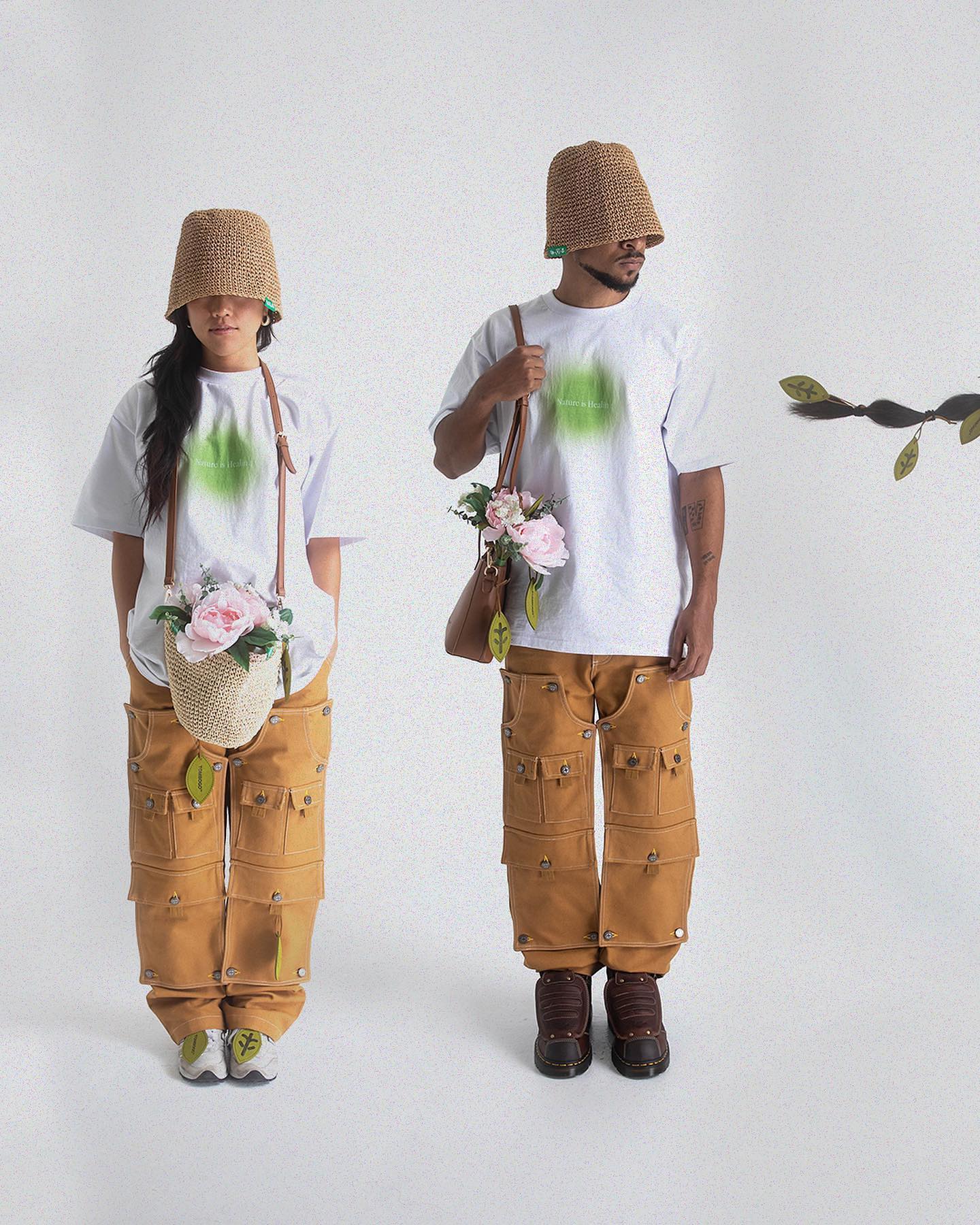
What began as a hyper-specific corner of outdoor equipment has become an increasingly influential design language, producing tiny companies making extraordinarily specialized products while simultaneously influencing much larger brands.
But there is a paradox.
It has arguably never been easier to start an outdoor brand.
It may never have been harder to build one.
Shopify, Instagram and TikTok have collapsed the infrastructure required to put a product in front of customers. A compelling identity can be created almost overnight.
Capital is another matter.
Pesce works with startups as well as established companies and sees the financing problem firsthand. Venture money for apparel has largely disappeared, while the costs of developing genuinely technical products remain significant.
Materials, minimums, sampling, development, manufacturing and inventory require real money.
The result is an uncomfortable reality: some of the industry's most interesting ideas may disappear not because consumers rejected them, but because the companies behind them couldn't finance the time required to become sustainable businesses.
Don't Start Another Running Brand
So, hypothetically, WeekEnds asked Pesce: if someone handed you $500,000 tomorrow to start an outdoor company, where would you put it?
First, where wouldn't she put it?
Running.
The category has become crowded with both enormous incumbents and unusually creative independents.
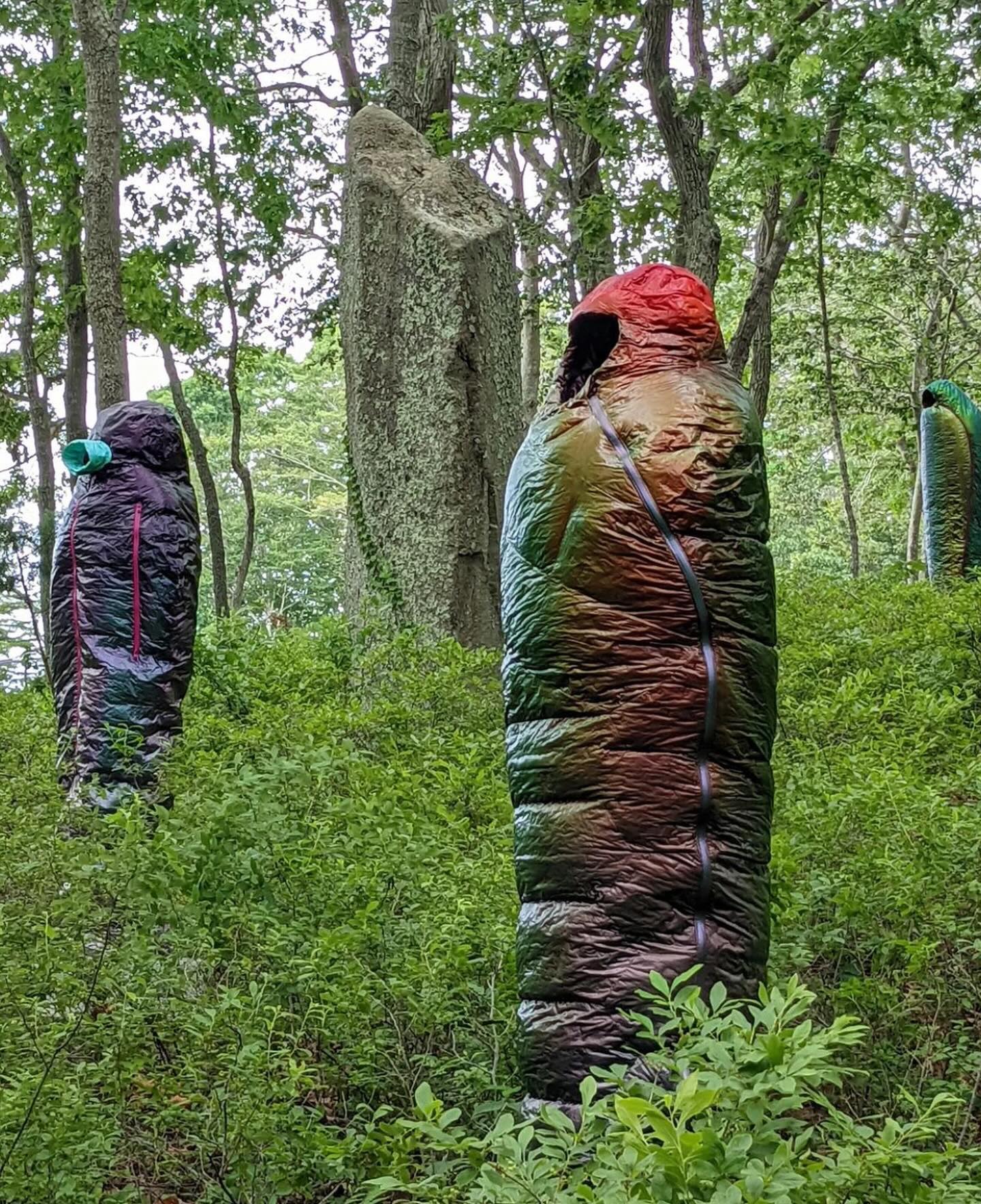
Instead, Pesce sees whitespace around products that borrow outdoor performance technology for less explicitly recreational situations.
Travel is one.
Imagine the lessons of outdoor apparel—breathability, antimicrobial materials, packability, durability—applied to better everyday travel clothing.
Climate adaptation is another.
UPF apparel and insect-protective clothing already exist, but much of the category remains aesthetically uninspiring. Pesce believes there's room to make these products desirable without compromising their protective function.
It circles back to preparedness.
The opportunity may not be inventing another activity.
It may be redesigning ordinary life around conditions that are changing.
We Have Enough Stuff Already
There's another uncomfortable problem facing anyone hoping to start a brand.
We don't exactly need more clothes.
Pesce is encouraged by outdoor's growing interest in repair, rewear and recrafting because genuinely good outdoor products can remain useful for decades.
Patina, visible repairs and worn materials increasingly communicate something newness can't: biography.
A repaired shell has evidence of a human life.
A faded pack tells you it has been somewhere.
And as consumers become more conscious of how much material already exists, Pesce believes durability and timelessness may become culturally important again.
That helps explain another trend she sees returning: heritage.
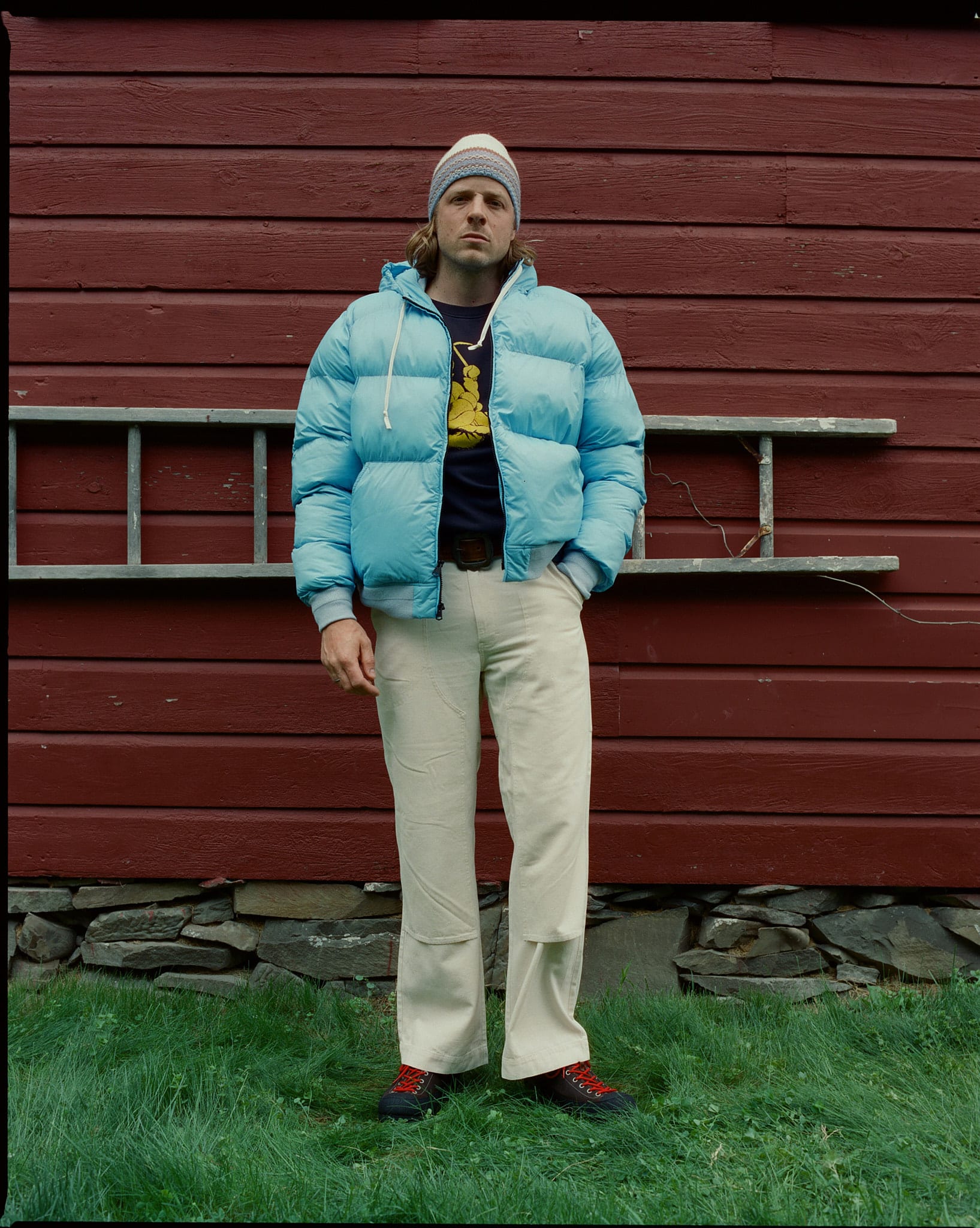
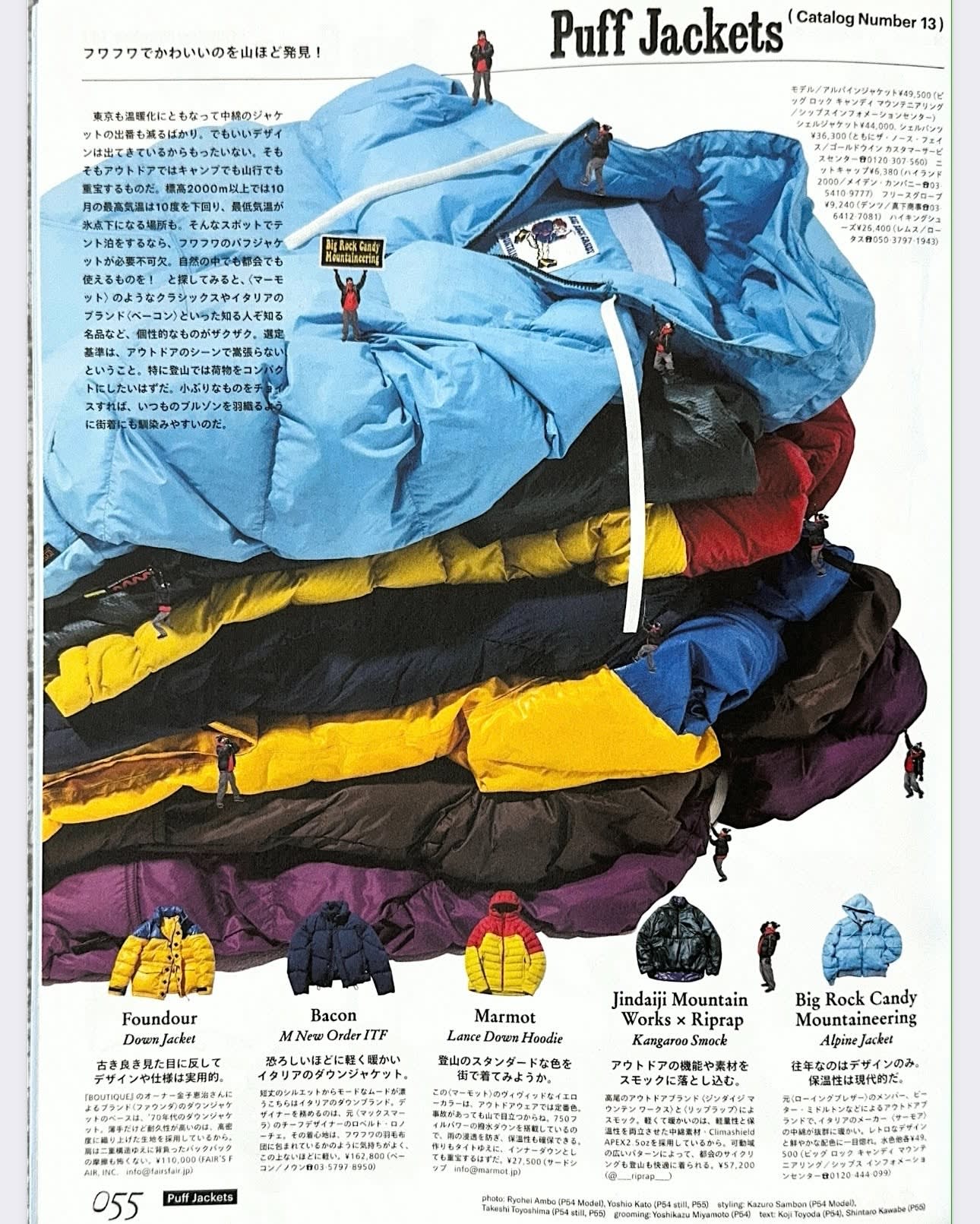
Early outdoor visual languages—classic Patagonia, The North Face, Kelty, Sierra Designs and the broader aesthetic of durable, straightforward equipment—are being rediscovered by a generation that didn't experience the last heritage cycle.
But this time heritage is colliding with ultralight, fashion, natural materials and contemporary performance design.
The result isn't pure nostalgia.
It's recombination.
The Problem With Looking Cool
Outdoor has arguably never contained more creative talent.
Yet open Instagram and something strange happens.
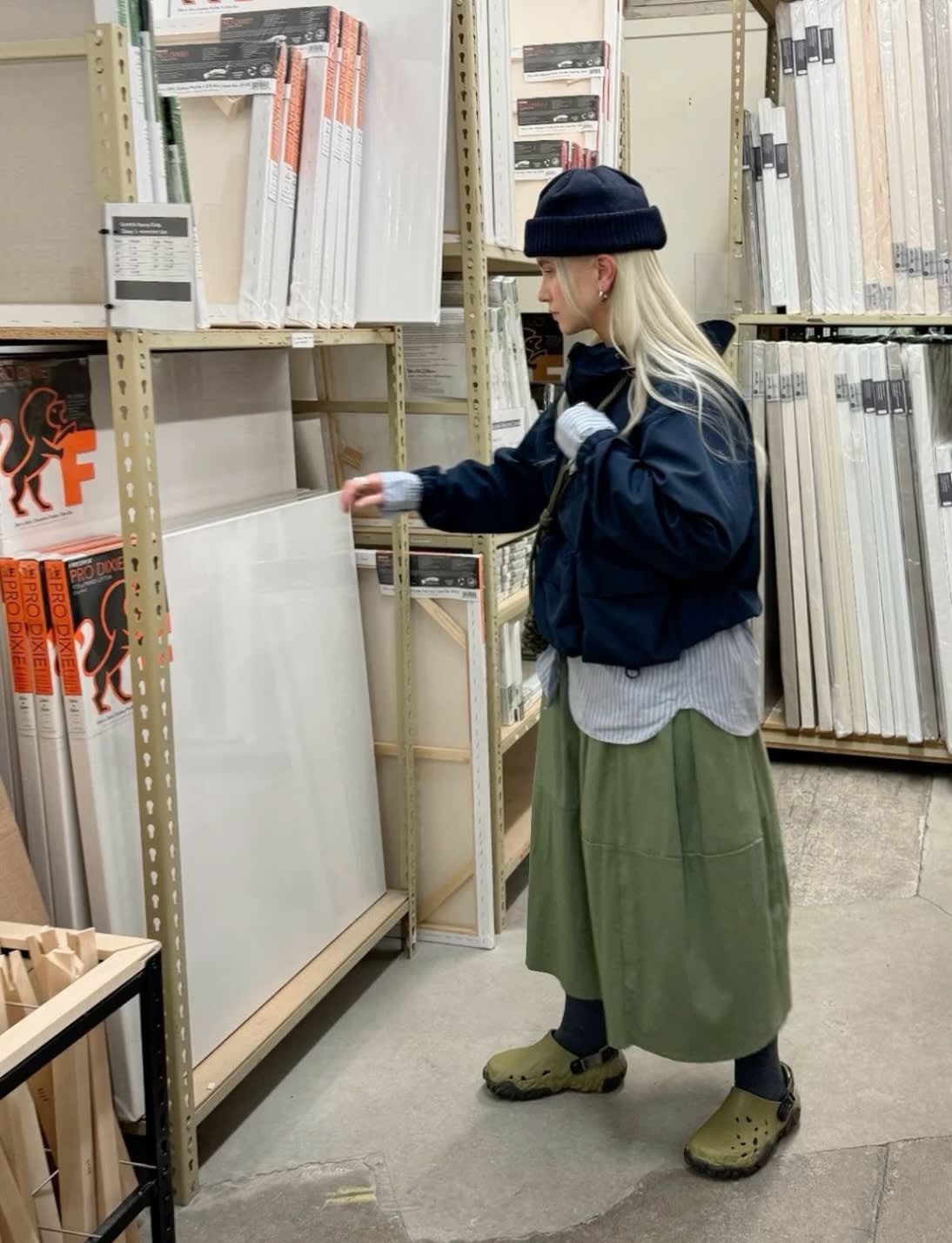
Twenty brands can appear to have hired the same photographer.
Similar typefaces. Similar trail imagery. Similar washed-out landscapes. Similar product launches. Similar collaborations. Similar references.
Pesce sees this less as a failure of creativity than a predictable part of trend adoption.
Humans copy one another.
An aesthetic begins with innovators, spreads to early adopters, reaches the majority and eventually becomes ubiquitous enough that people begin searching for its replacement.
The problem has become particularly visible because social media places every brand beside every other brand.
Originality becomes harder when everyone is looking at the same references.
Pesce's advice is deceptively simple: understand what you're referencing.
Referencing isn't the same as copying.
Brands should know where an idea came from, why they're attracted to it and what they're adding to it.
Archives can help.
Nature can help.
Looking outside your own category can help.
Pesce points toward brands including Gnuhr, NNormal, Earth\Studies and Reese Cooper, and designers bringing fashion thinking into functional outdoor products, as examples of what happens when inspiration comes from somewhere other than the immediate competitive set.
But ultimately the antidote to sameness may be even simpler:
Have a point of view.
AI Makes Human Taste More Valuable
The sameness problem becomes more interesting as generative AI enters creative work.
If every company has access to increasingly capable tools capable of generating images, writing and ideas almost instantaneously, information itself becomes nearly infinite.
Taste doesn't.
Pesce thinks that distinction will become increasingly valuable.
She isn't anti-AI. She points toward intentional uses of generative technology where the artificial nature of the imagery is explicitly part of the creative concept.
The problem comes when AI attempts to disguise itself as human creativity.
People are already learning to recognize it.
Pesce's 10-year-old daughter and her friends can identify AI-generated imagery and immediately dismiss it as artificial.
That reaction may be a preview of something larger.
As synthetic media becomes ubiquitous, evidence of human involvement could become a premium.
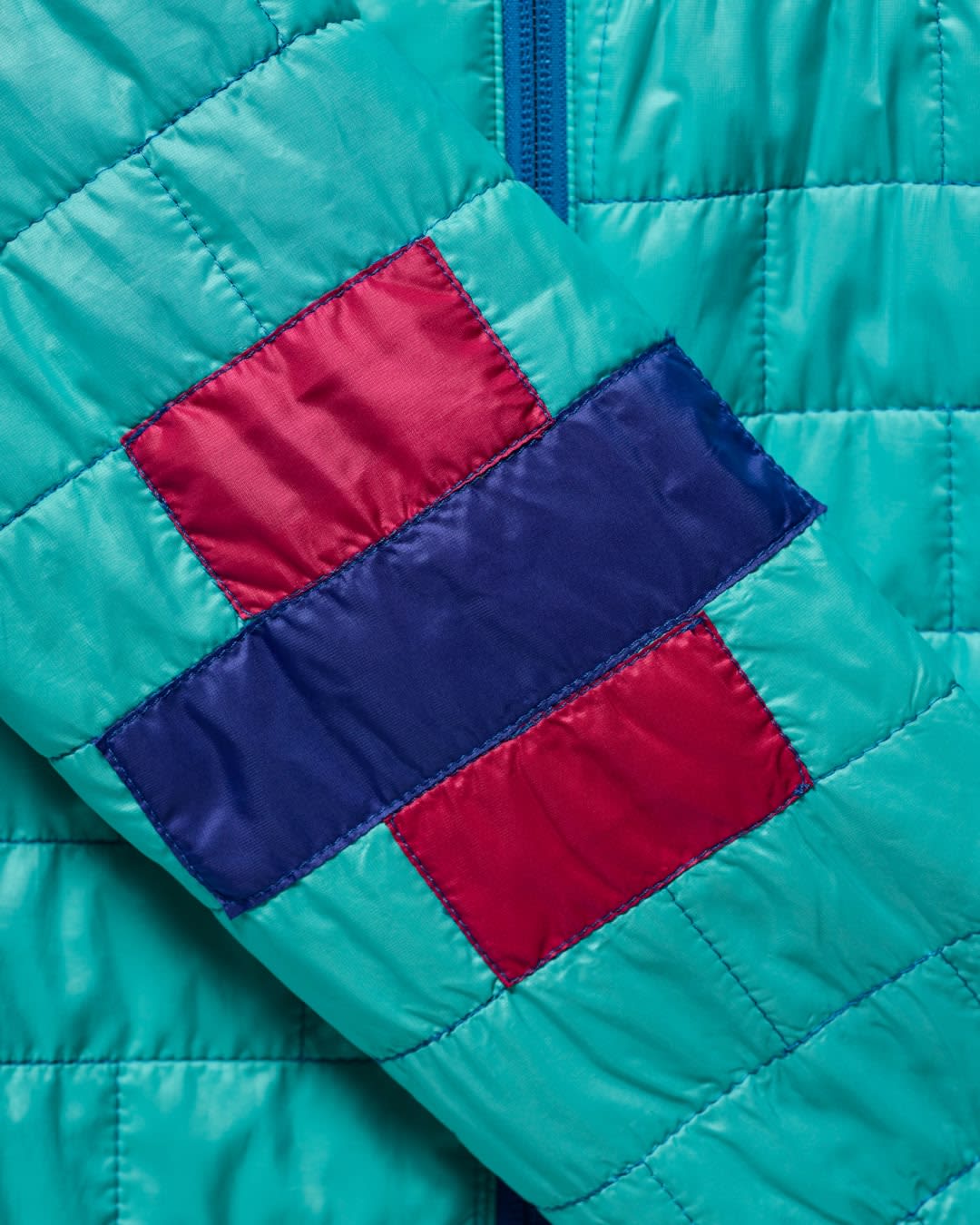
Craft. Imperfection. Patina. Print. Handmade objects. Physical artifacts. Repairs.
Things that demonstrate someone actually touched them.
“Human touch” becomes not a nostalgic reaction to technology but a form of differentiation.
For outdoor in particular—a category ultimately built around physical bodies interacting with a physical world—that distinction matters.
Pesce sees the same impulse behind the resurgence of analog activities, craftsmanship and brands collaborating with artisans and local makers.
The imperfections aren't defects.
They're proof.
Print Isn't Dead. It Might Matter More.
Pesce knows something about physical media.
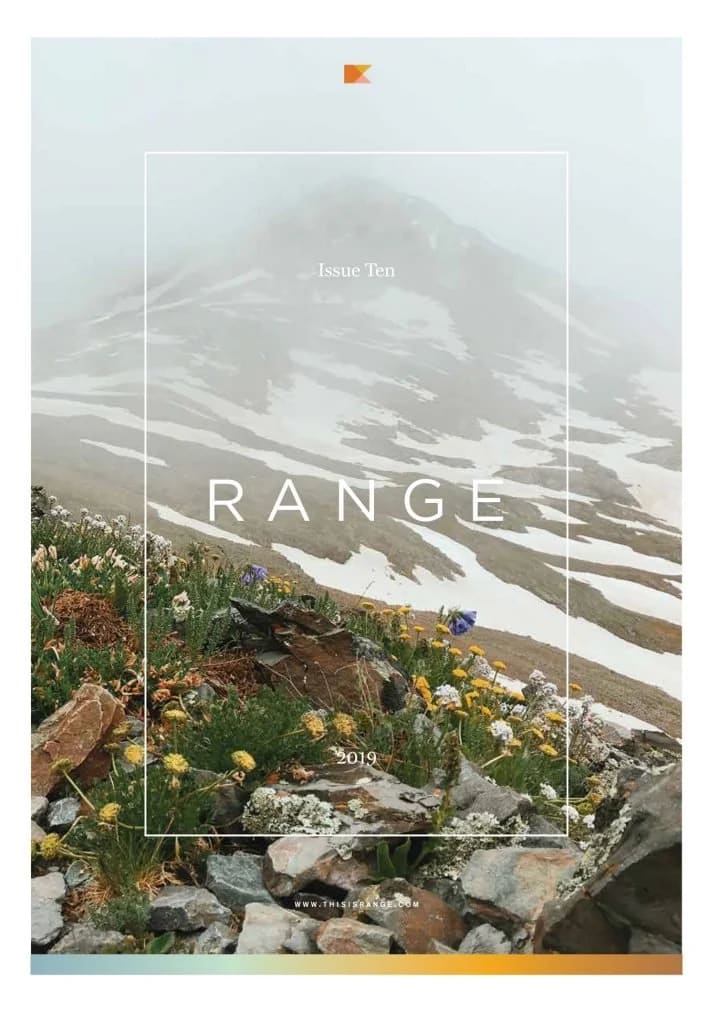
RANGE published eleven issues of its print magazine between 2014 and 2019, exploring what it called the intersection of design and adventure at a time when relatively few publications occupied that territory.
Today the landscape looks very different.
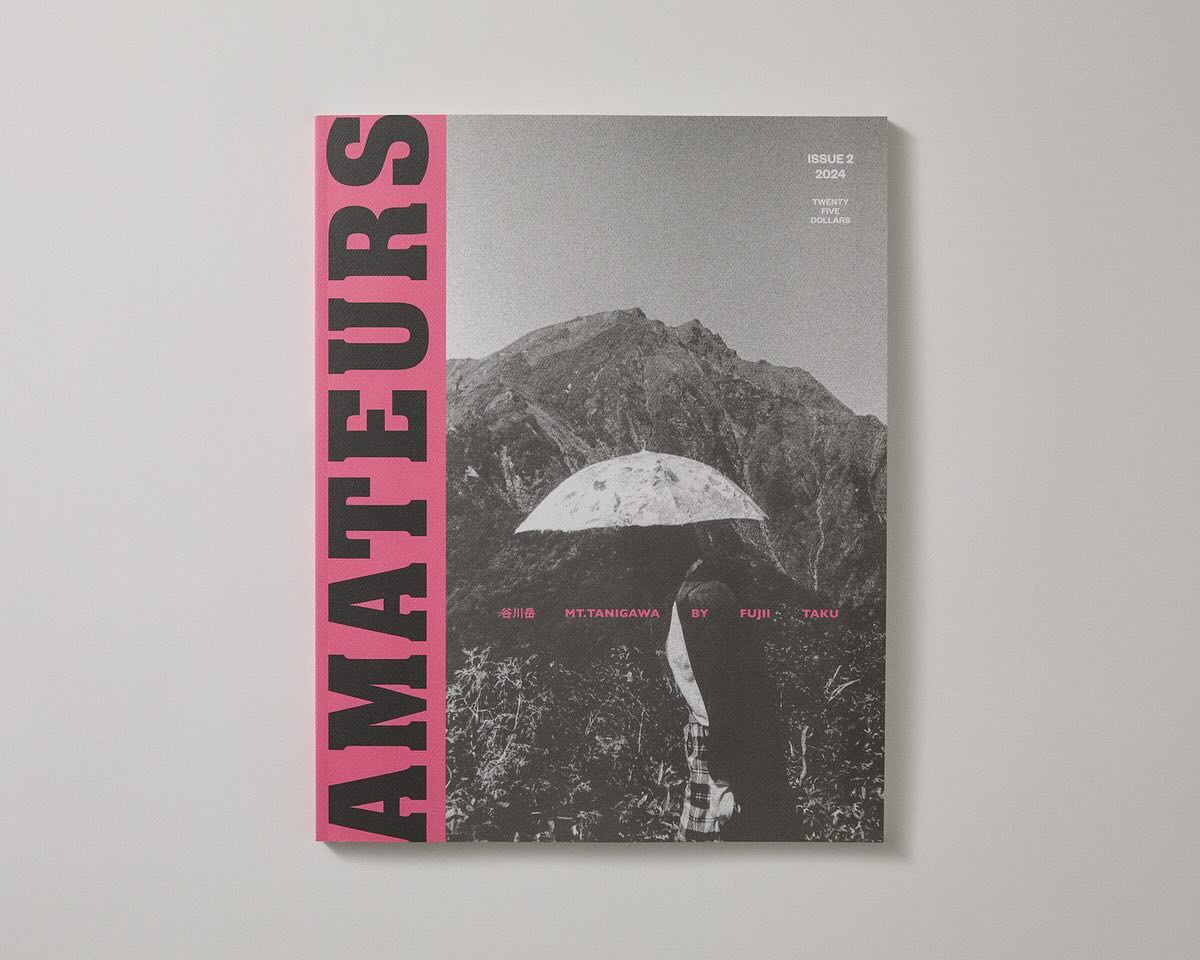
Independent outdoor publications have proliferated. Pesce points to titles and platforms including Orienteer, Amateurs, Field Mag and Techunter as part of an increasingly sophisticated outdoor media ecosystem.
That resurgence makes sense.
The more infinite the feed becomes, the more valuable finite objects can feel.
A magazine requires someone to decide what belongs inside it.
Someone has to select the photographer.
Someone has to edit the story.
Someone has to decide what matters enough to occupy a physical page.
In other words, someone has to exercise taste.
If AI makes information effectively infinite, curation becomes more valuable—not less.
China Is Worth Watching
Asked where people should actually look for the next generation of outdoor brands, Pesce points east.
China, in particular.
For decades, Western outdoor companies treated China primarily as part of their manufacturing infrastructure. That's changing rapidly as Chinese designers build brands with their own visual identities rather than simply producing products for Western companies.
Pesce sees China becoming a major incubator for outdoor design, supported by growing domestic participation in outdoor recreation and investment in infrastructure.
Korea and Japan remain important. Copenhagen and Paris continue absorbing outdoor codes into fashion.
But China represents something different: an enormous manufacturing ecosystem increasingly developing its own outdoor culture and design language.
For independent outdoor, that could become one of the defining stories of the next decade.
Signal or Noise?
Near the end of the conversation, WeekEnds put a handful of current outdoor obsessions in front of Pesce.
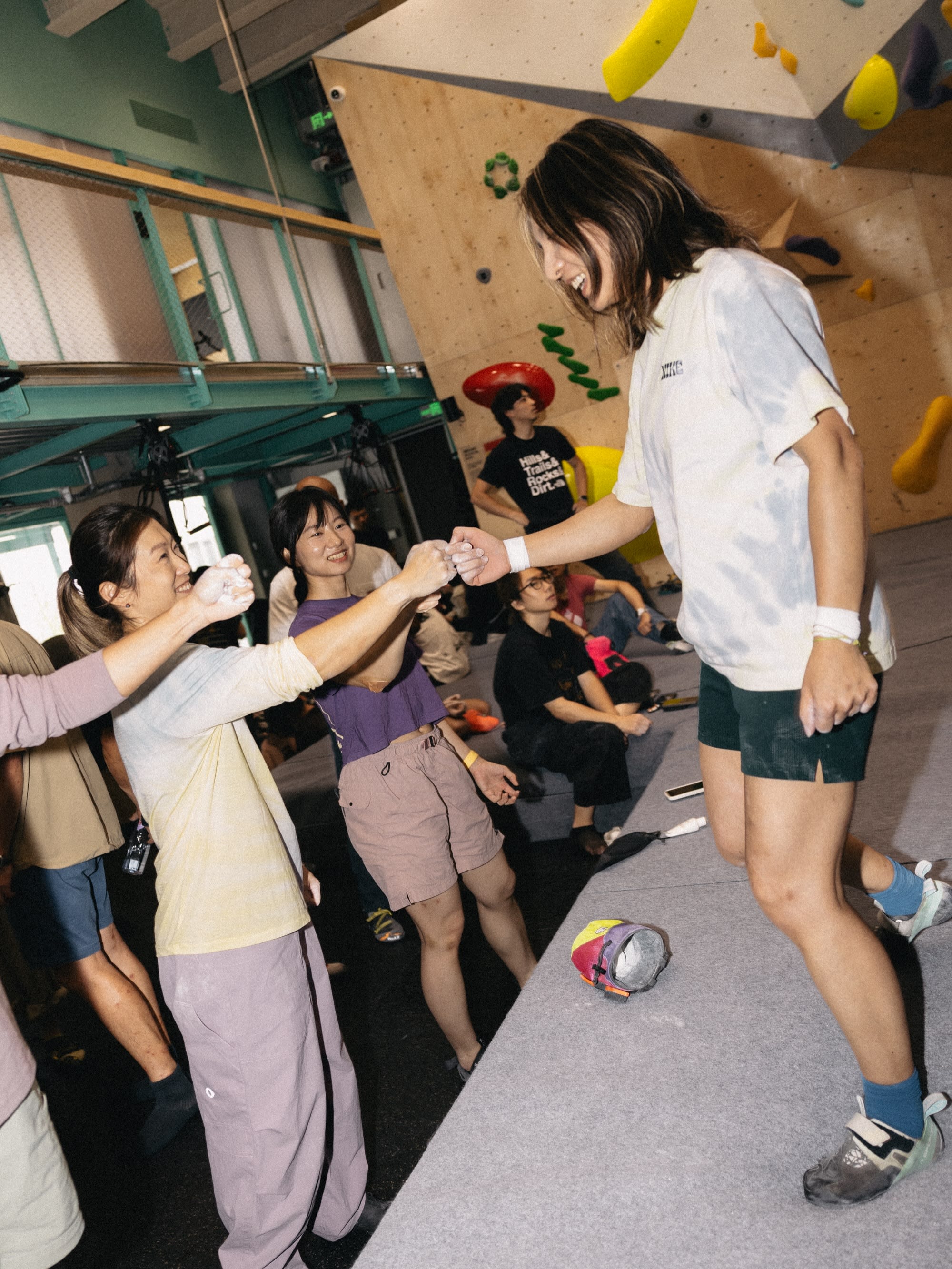
Run clubs? Somewhere between signal and noise. Participation is real; culturally, we may be near peak run club.
Technical sandals? Permanent, although fashion's current fascination with them may still qualify as a signal.
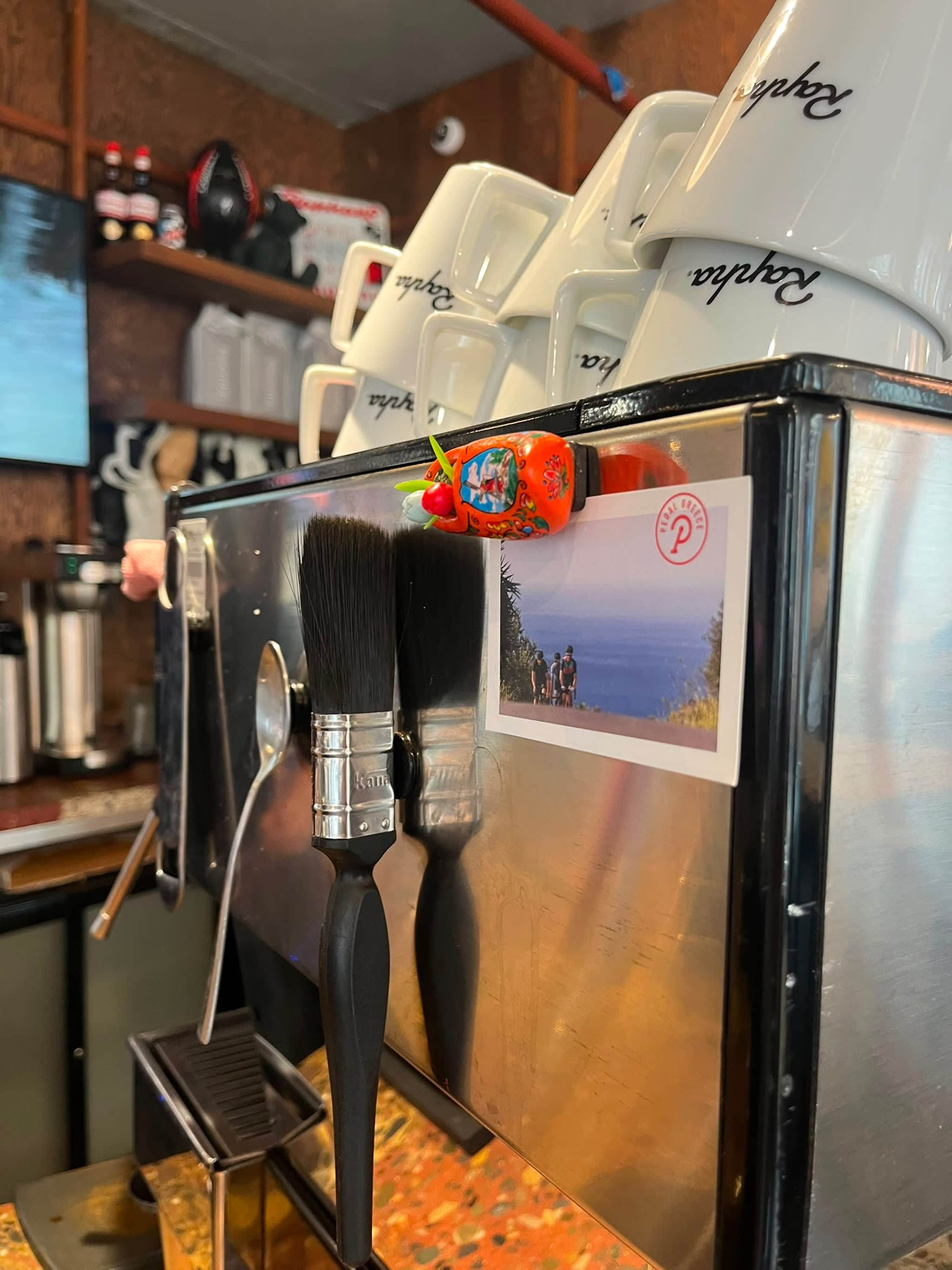
Outdoor cafés? Signal. Cycling already demonstrated how retail, hospitality and community can coexist in a third space. Outdoor is adopting the blueprint.
Made-in-USA and localized manufacturing? Signal.
Wellness? Mostly noise.
Preparedness as wellness? Signal.
Performance footwear as everyday footwear?
At this point, it's barely a trend at all.
It's simply how people dress.
What Comes After Gorpcore
Perhaps the most interesting part of forecasting is that the farther forward you look, the less useful aesthetics become.
Pesce sees several visual ideas developing: utilitarian preparedness, “tech hunter” aesthetics, natural performance materials, heritage outdoor and even a strange return of '90s neo-bohemian and folk references.
But five years from now, she suspects the most meaningful change won't be what people are wearing.
It will be who feels entitled to participate.
Outdoor spent decades constructing relatively rigid ideas about who counted as an outdoors person, what activities qualified and what someone participating in those activities was supposed to look like.
Those boundaries are collapsing.
The next evolution may be less concerned with whether someone is wearing the correct shoe and more concerned with whether they feel welcome outside at all.
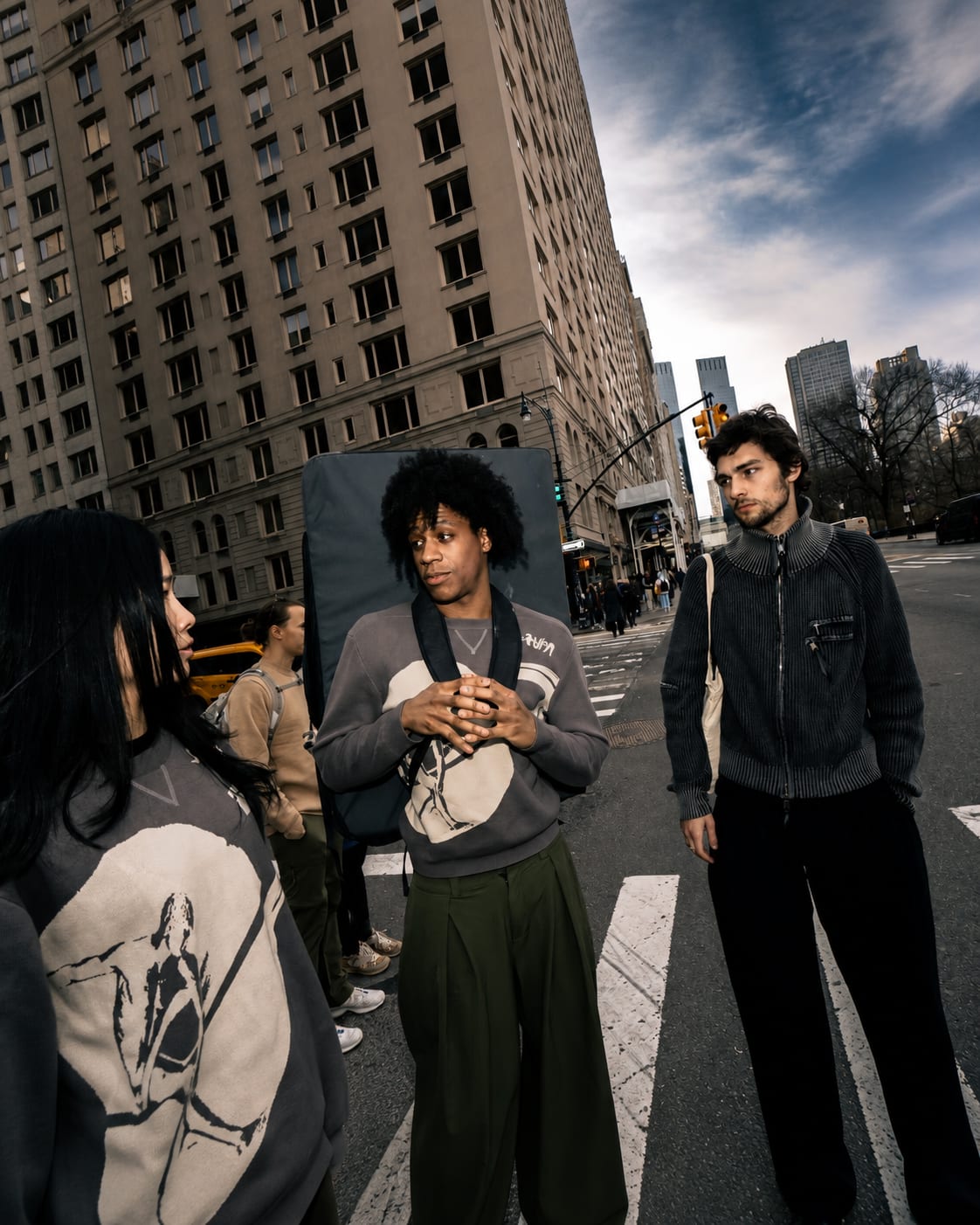
That would represent a much larger shift than gorpcore ever did.
It would also bring the conversation strangely close to where Pesce started.
Preparedness. Capability. Participation. Connection to the living world.
Maybe the future of outdoor isn't about becoming more outdoorsy.
Maybe it's about remembering that we're already outside.
As Pesce puts it, we're all just earth people.
Watch the full episode with Jeanine on YouTube.
Related Articles
October 14, 2026
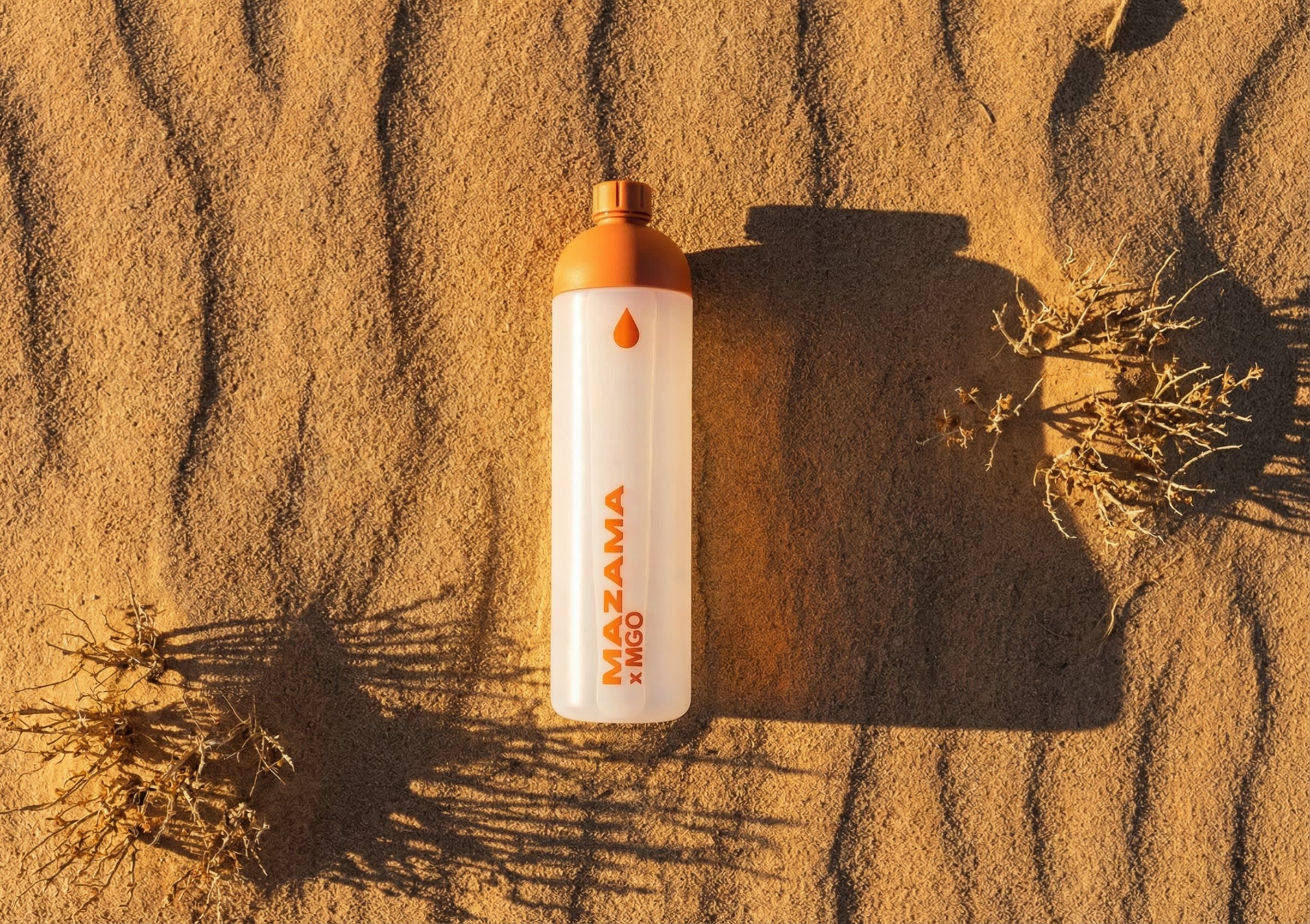
Mazama Designs Is Rethinking the Most Overlooked Piece of Outdoor Gear
Bend, Oregon-based Mazama Designs rethinks outdoor hydration through innovative reservoirs, modular systems, and thoughtfully engineered gear built to last.
Read →
October 12, 2026
Why Titanium Became an Outdoor Obsession
How titanium became an outdoor obsession, from ultralight gear to minimalist design, and the independent brands redefining premium outdoor equipment.
Read →
October 8, 2026
Dust Wants Trail Running to Feel Dirty Again
Meet Dust, the San Francisco trail running brand blending Western-inspired style, technical performance, and a fresh approach to outdoor apparel.
Read →