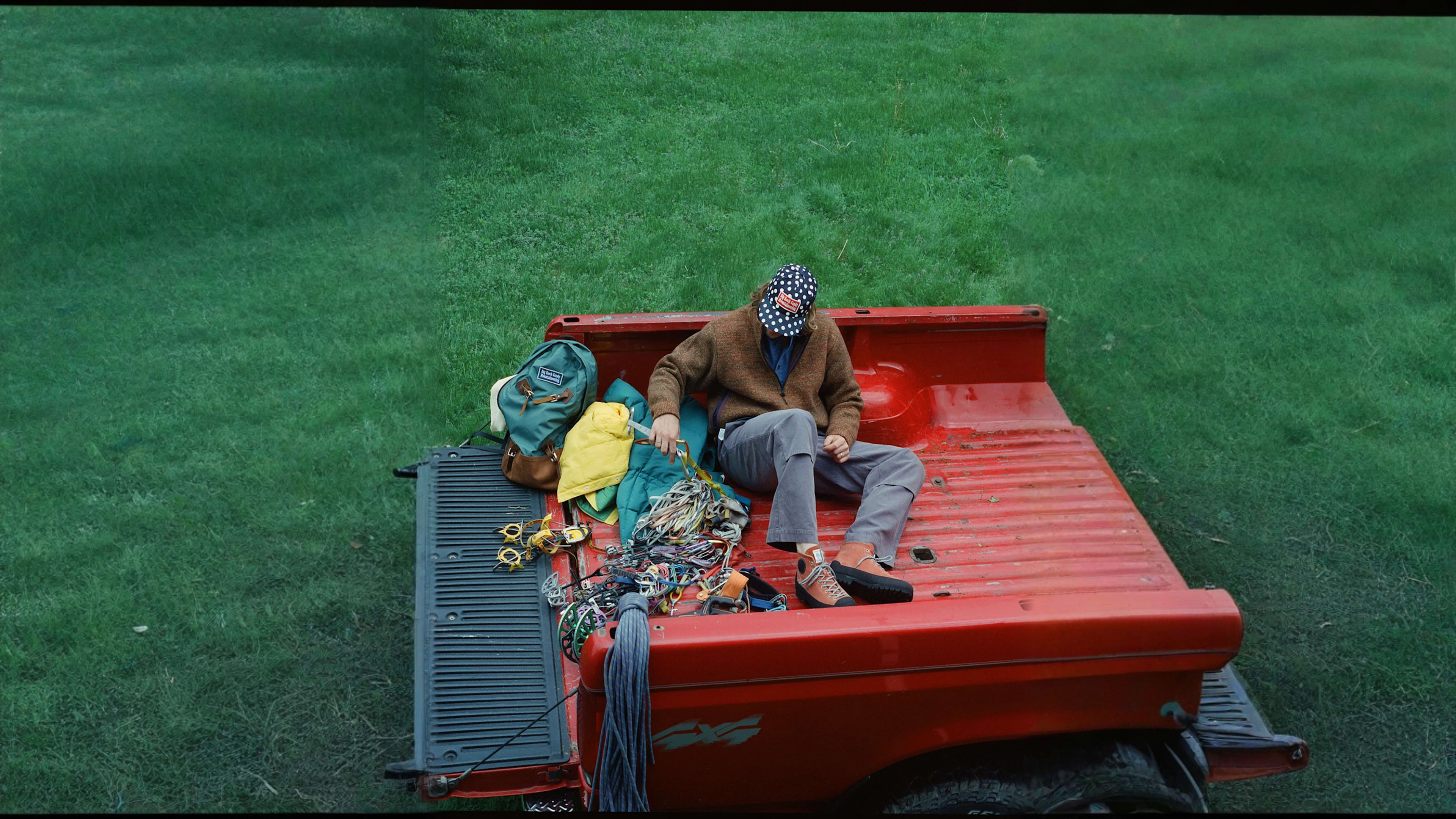
The New Outdoor is Old
by Gene Han
After decades spent making outdoor equipment lighter, faster and more technical, some of the industry's most interesting brands are rediscovering the materials, silhouettes and ideas they left behind.
Outdoor gear used to look old because it was old. Now it increasingly looks old on purpose.
Wool sweaters, canvas climbing pants, leather hiking boots, pile fleece, rugby shirts, anoraks and mountain parkas with oversized pockets are appearing alongside the ultralight nylons and laminated shells that have defined modern outdoor clothing. Earth tones are interrupted by the strange oranges, purples and blues of old climbing catalogs. Logos look hand drawn. Pockets are visible again. Shoes are getting heavier.
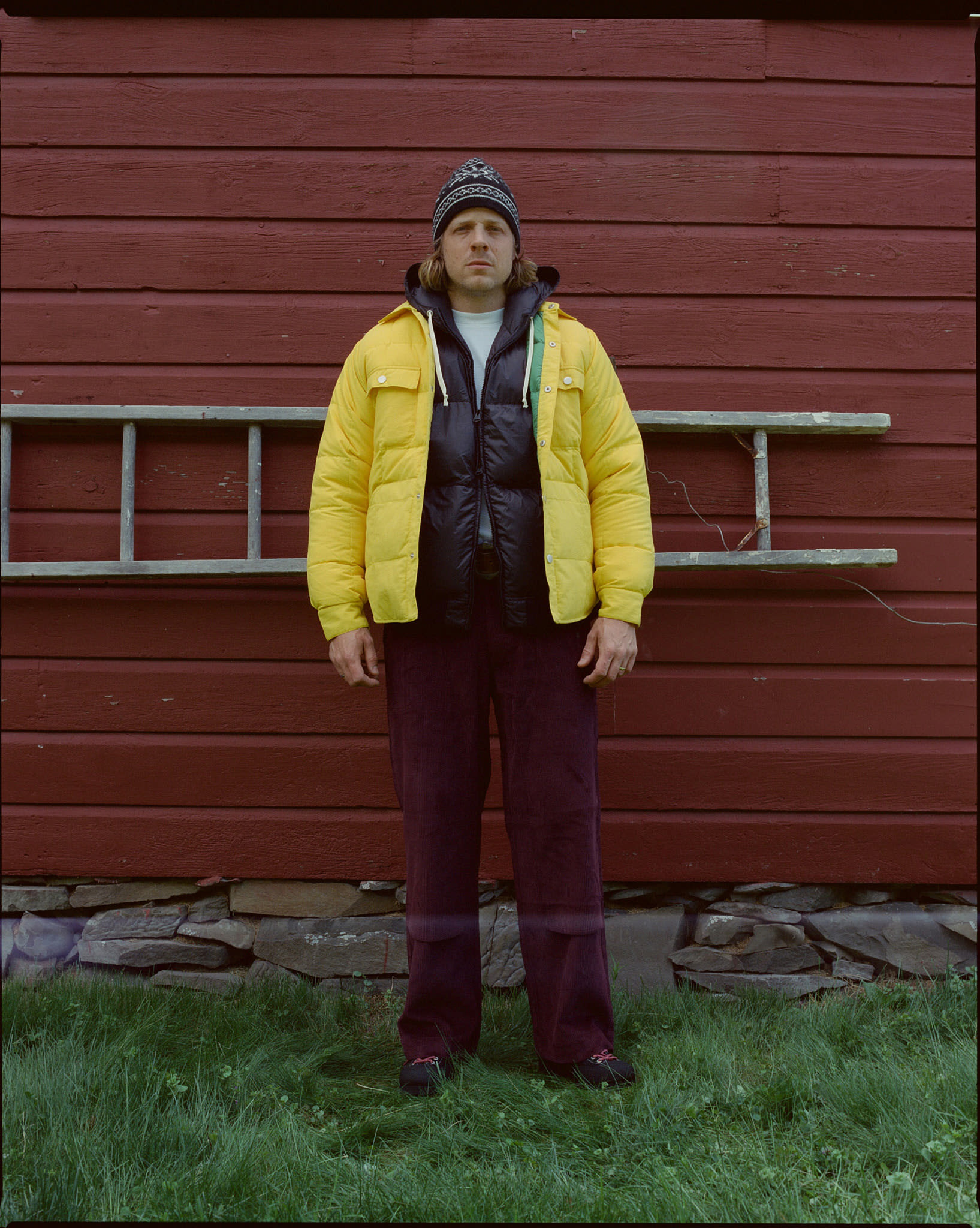
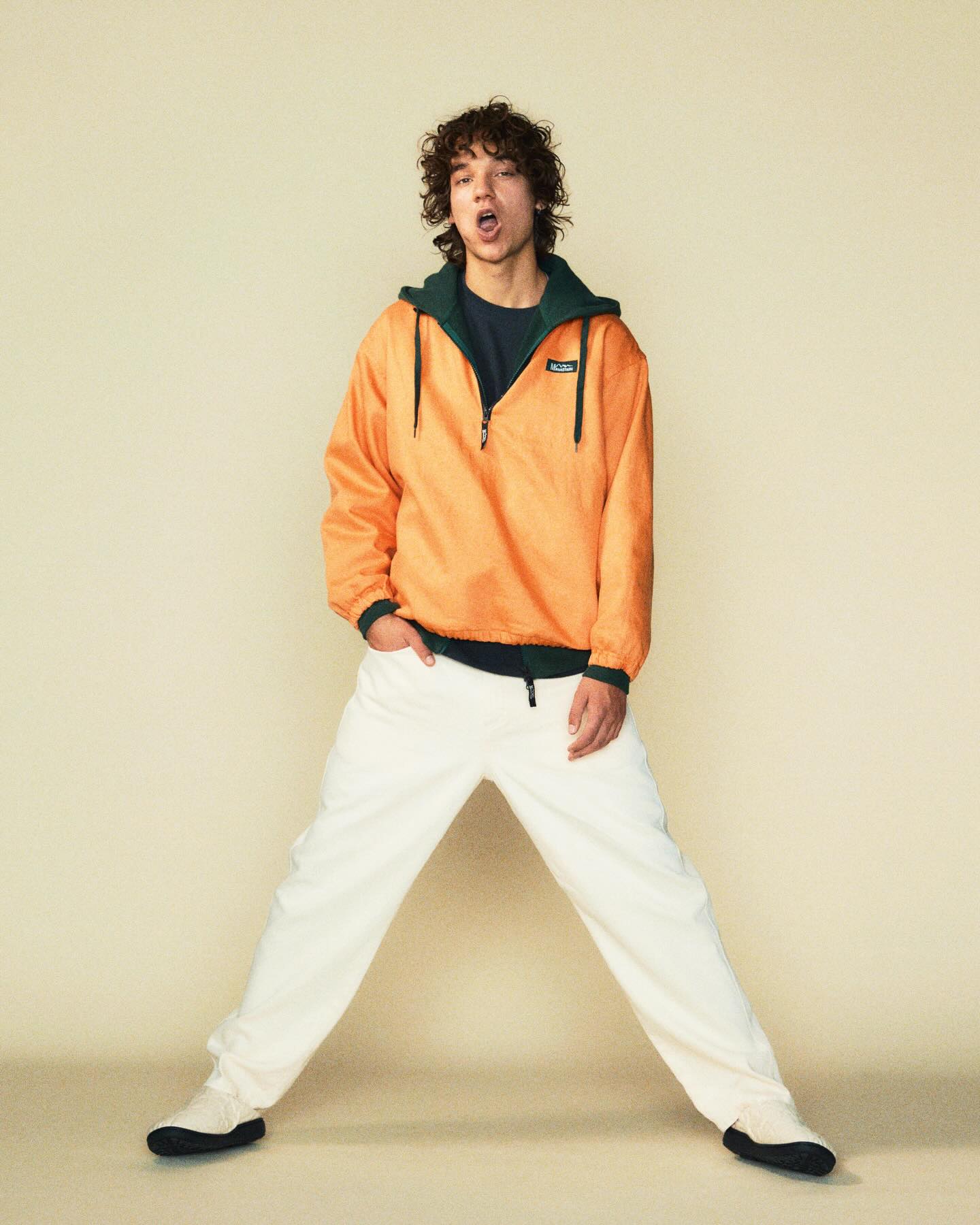
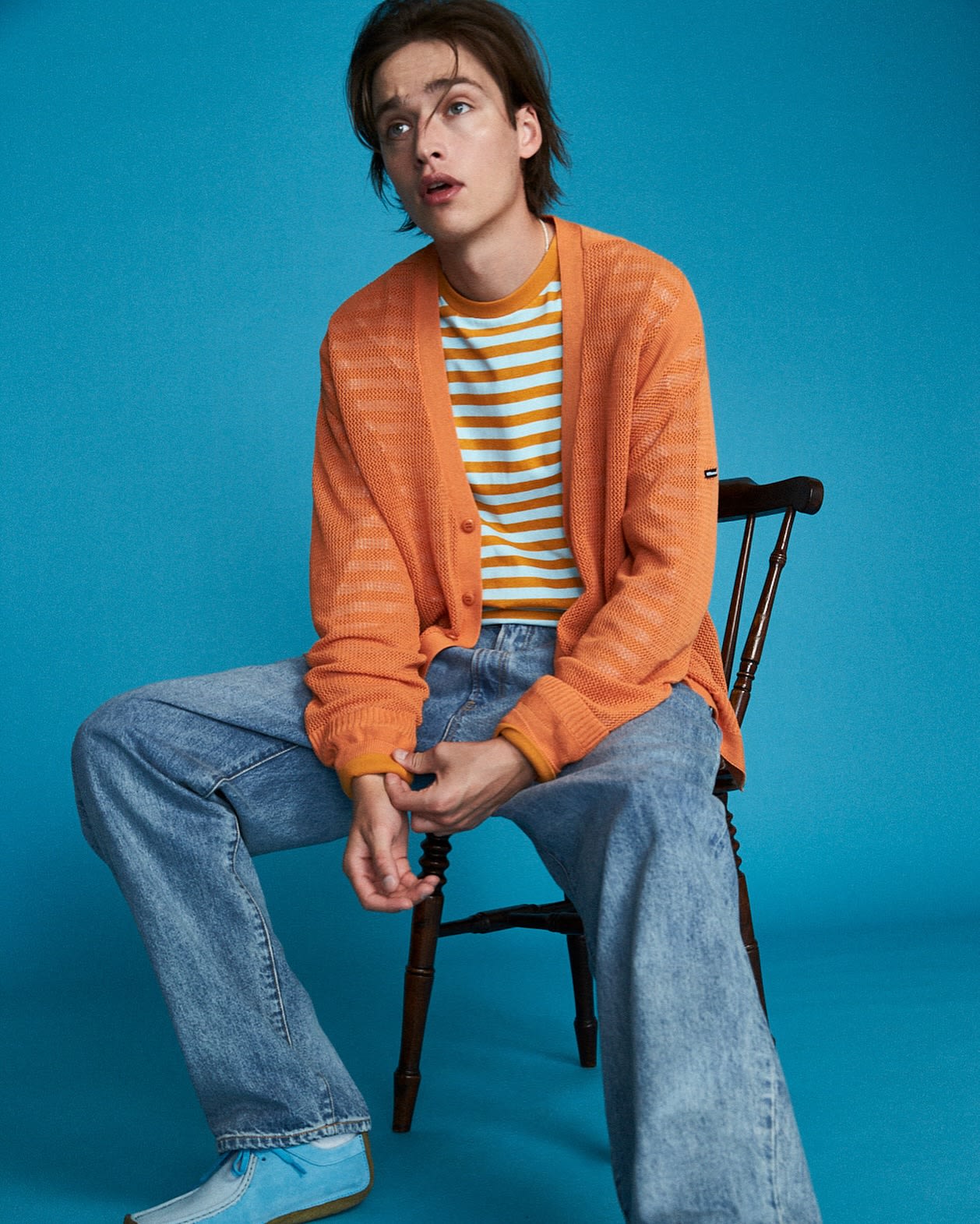
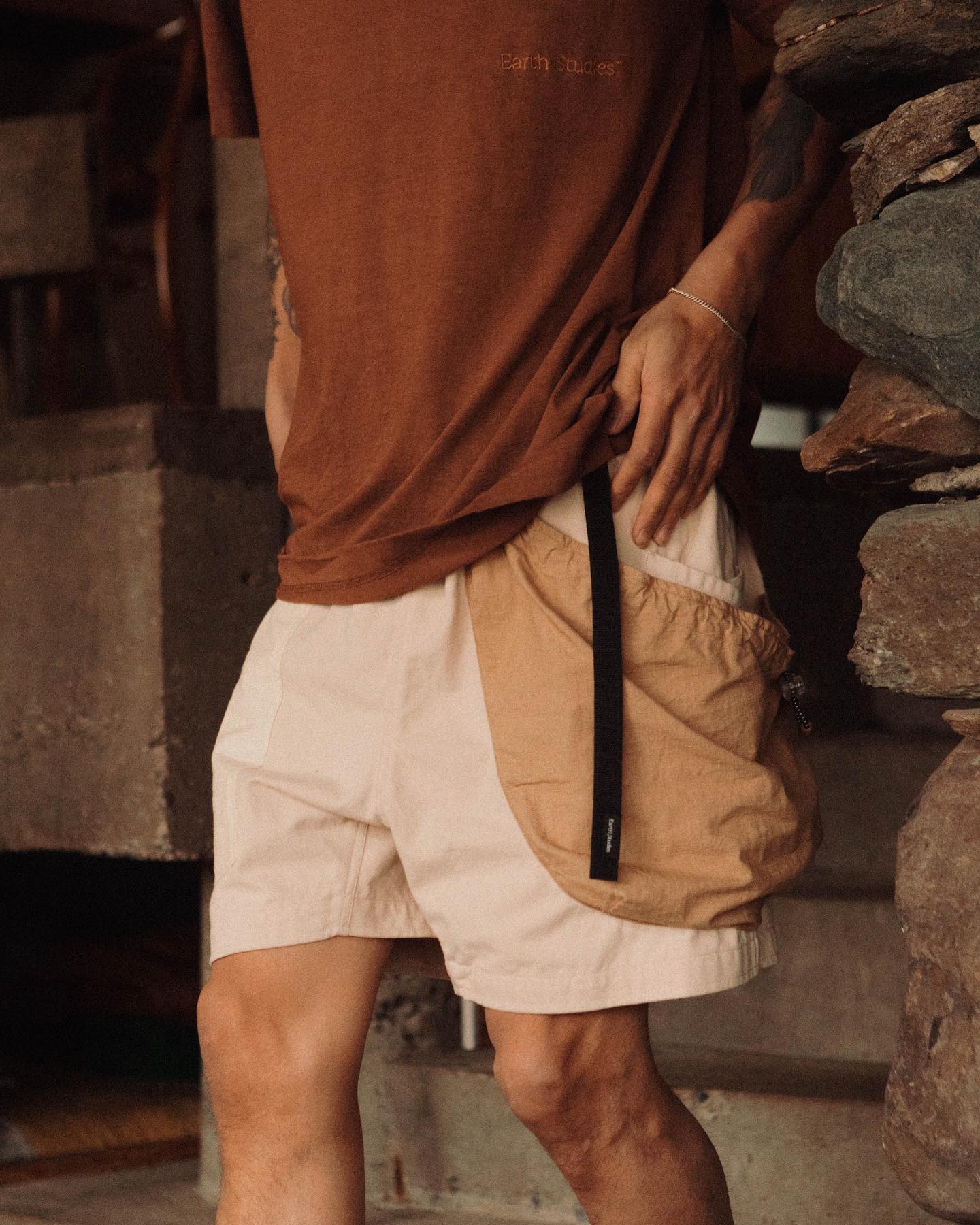
At one end are heritage companies whose archives suddenly seem relevant again. At the other are younger brands like Big Rock Candy Mountaineering, which launched in 2024 with an explicit fascination for American outdoor clothing and climbing culture of the 1950s through the 1970s. Between them sits a growing universe of brands including Manastash, Battenwear, Gramicci, Snow Peak, And Wander, Story Mfg., Adsum, Earth\Studies and ROA that increasingly treat outdoor history as a design library rather than something the industry needed to escape.
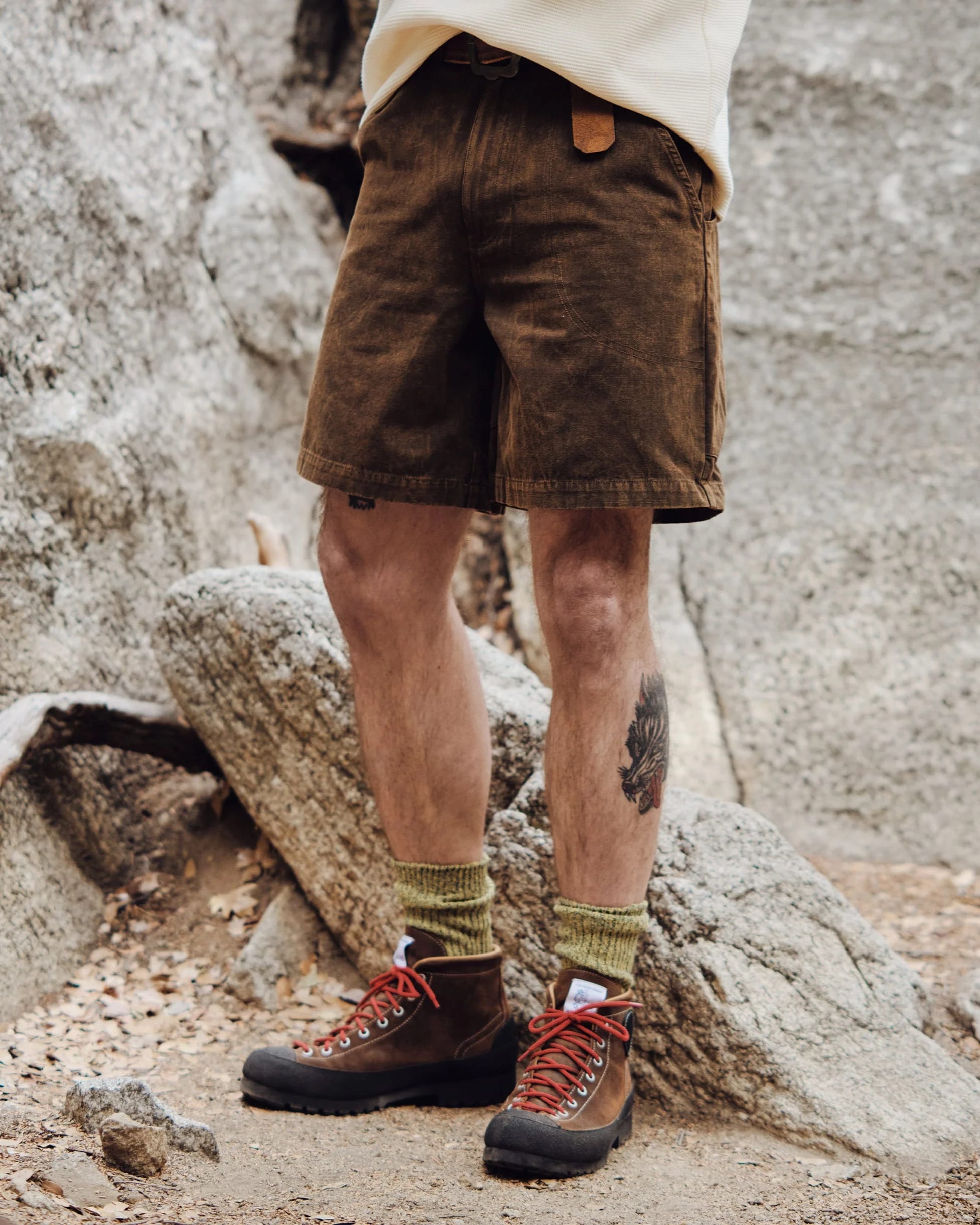
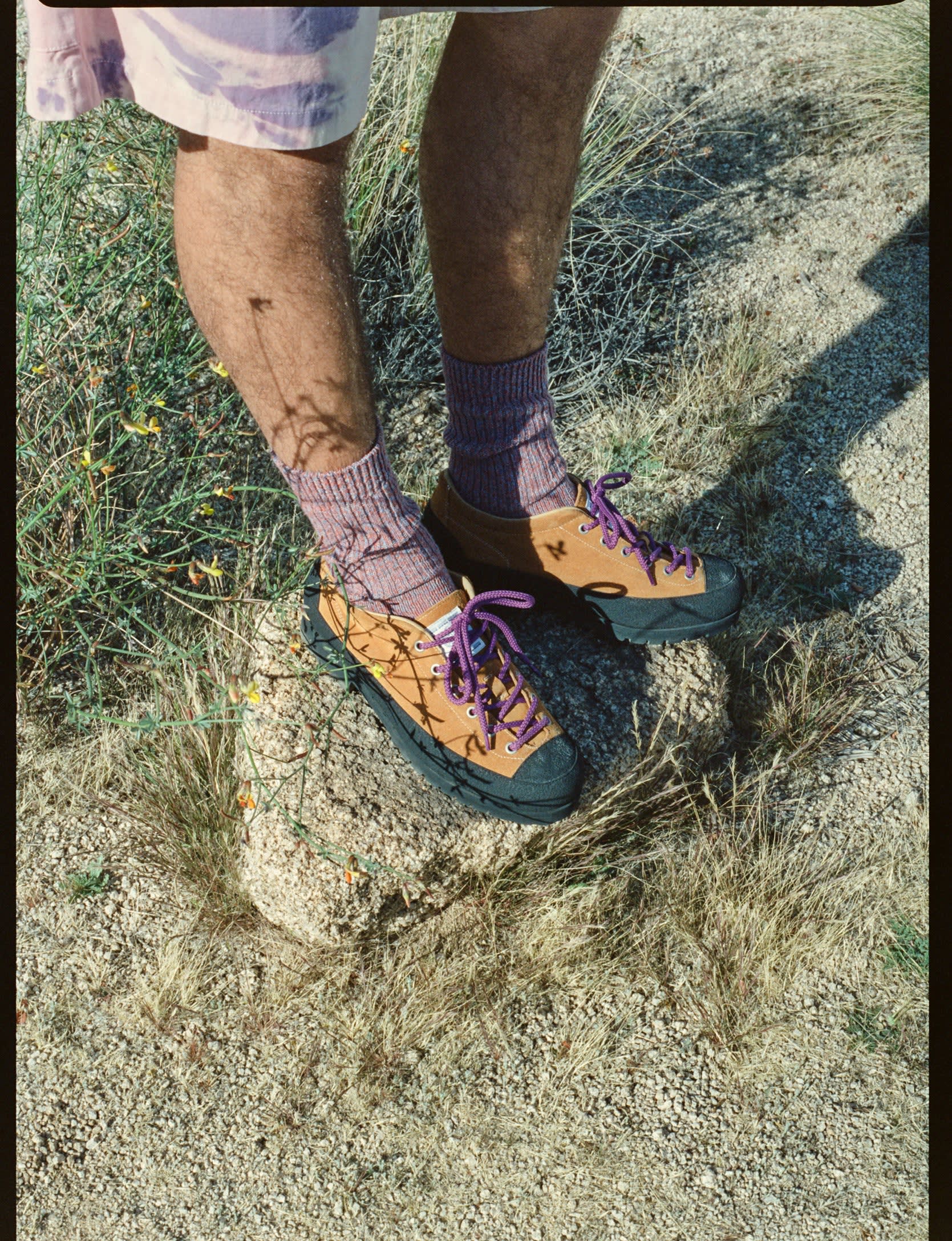
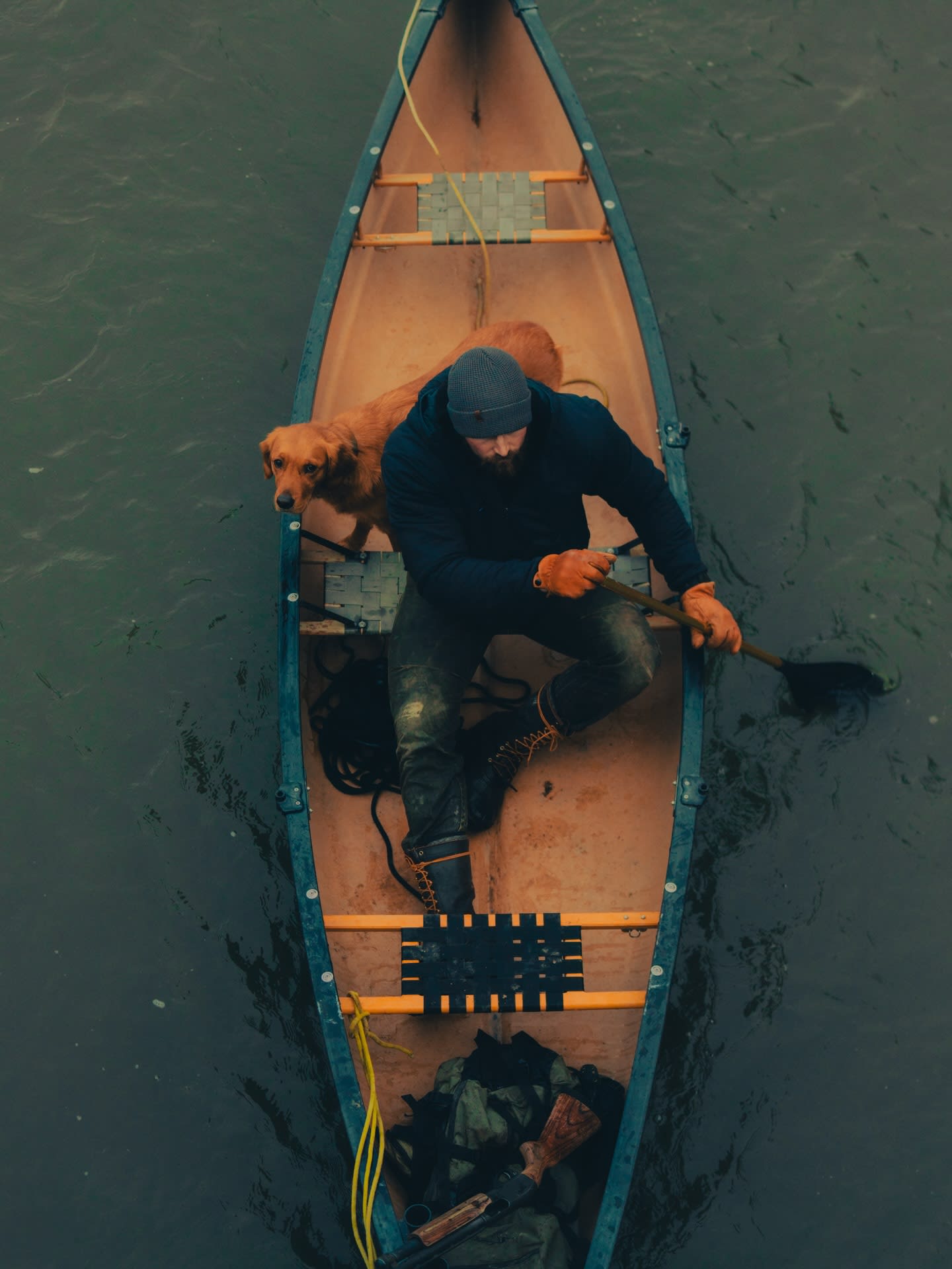
The products themselves are changing too. After years of trail runners replacing boots, substantial hiking footwear looks interesting again. Relaxed cotton climbing pants coexist with stretch nylon. Natural fibers are returning to technical clothing. Heavy pile fleece feels less obsolete. Designers are rediscovering visible stitching, reinforcement panels, large pockets and materials that become more interesting as they age.
The outdoor industry spent decades designing toward the future. Why does so much of the future suddenly look like the past?
Outdoor Used to Look Different
Open an outdoor catalog from the 1970s or early 1980s and what's striking isn't simply that the clothing is old. It's how ordinary much of it looks.
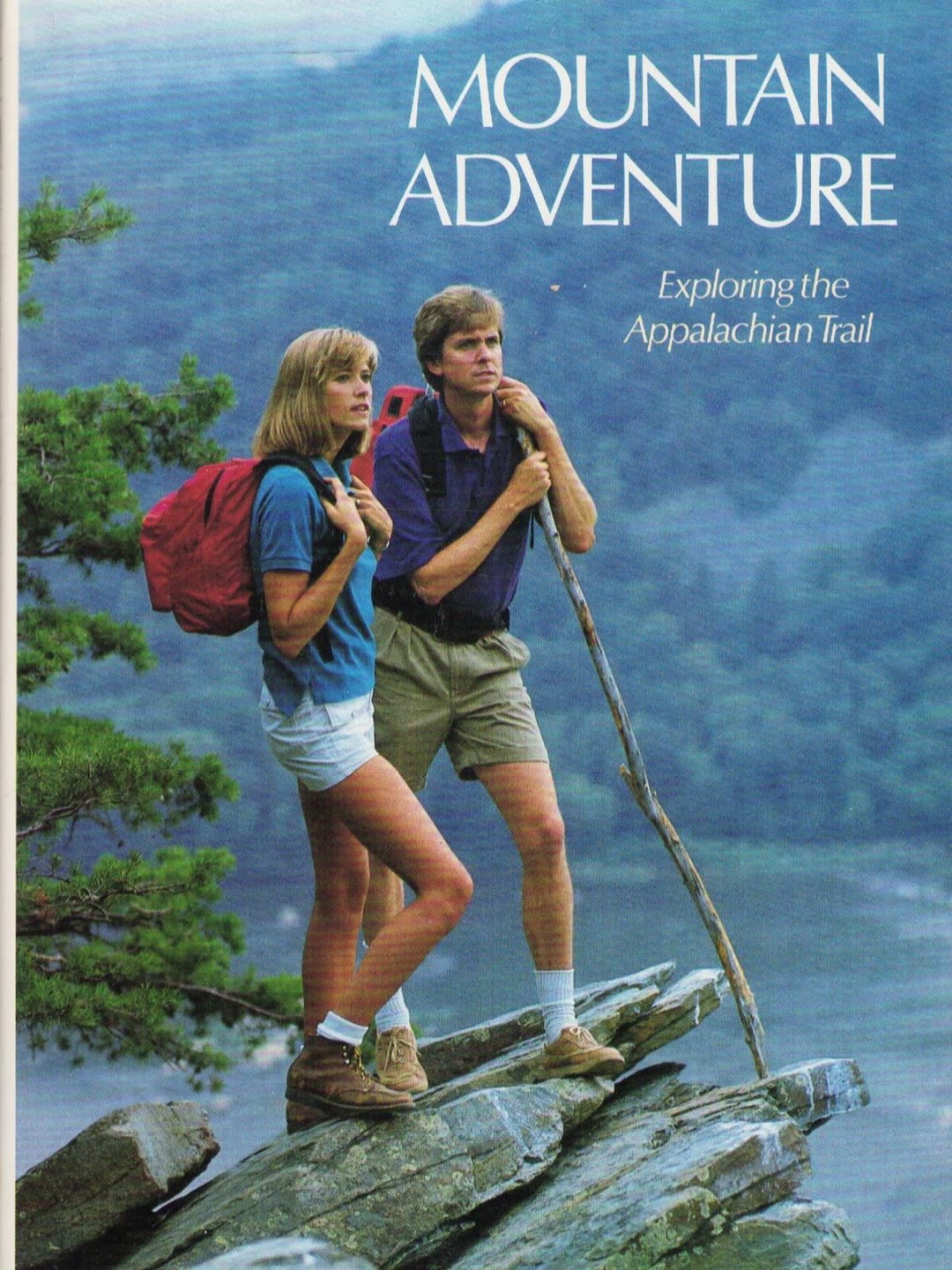
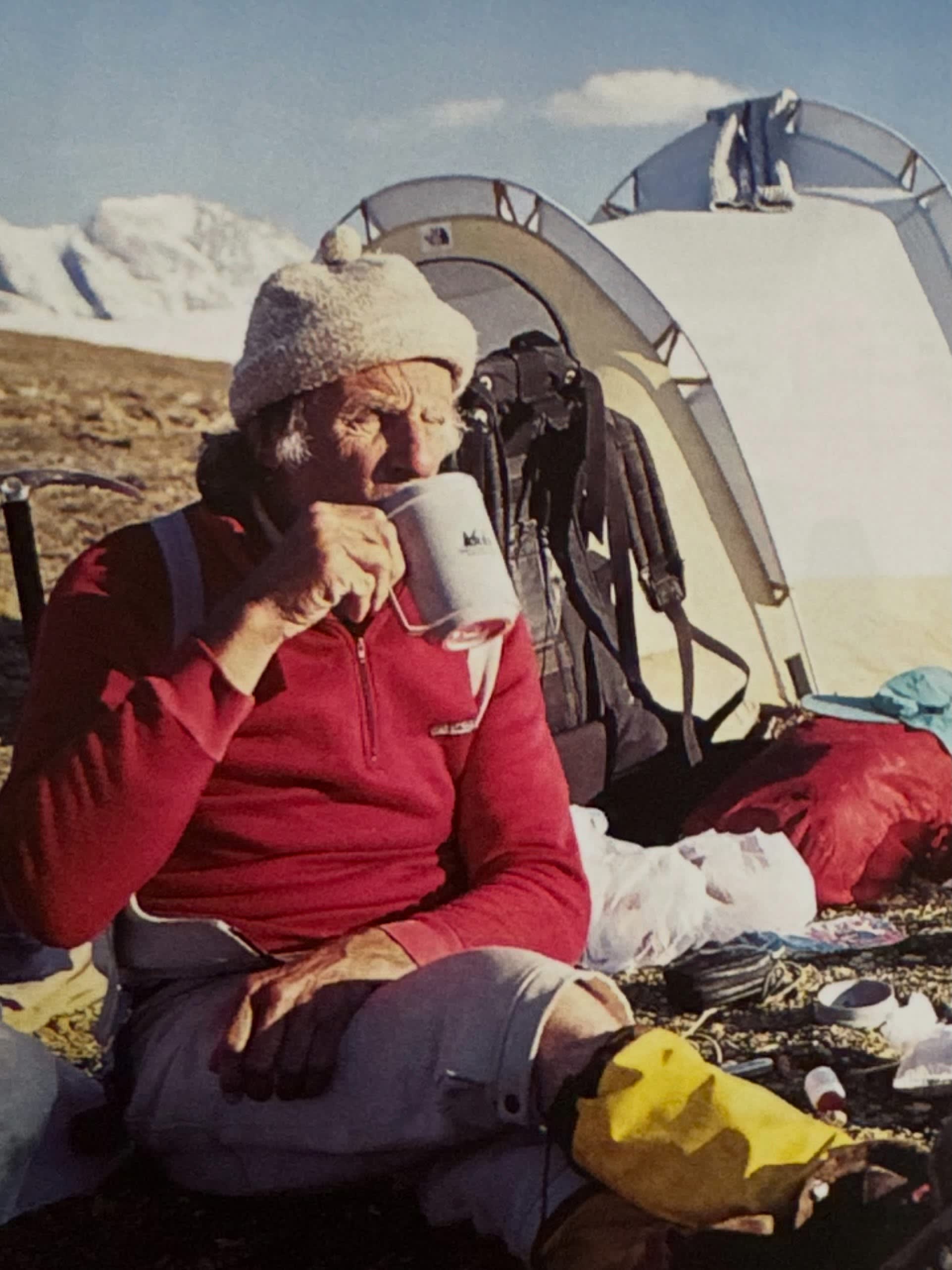
A climber might be wearing canvas pants and a rugby shirt. A hiker could have a wool sweater underneath a simple nylon parka. Down jackets were bulky, boots were leather and packs were covered in external pockets and straps. The equipment was technical for its time, but it hadn't yet developed the visual vocabulary we now associate with "technical apparel."
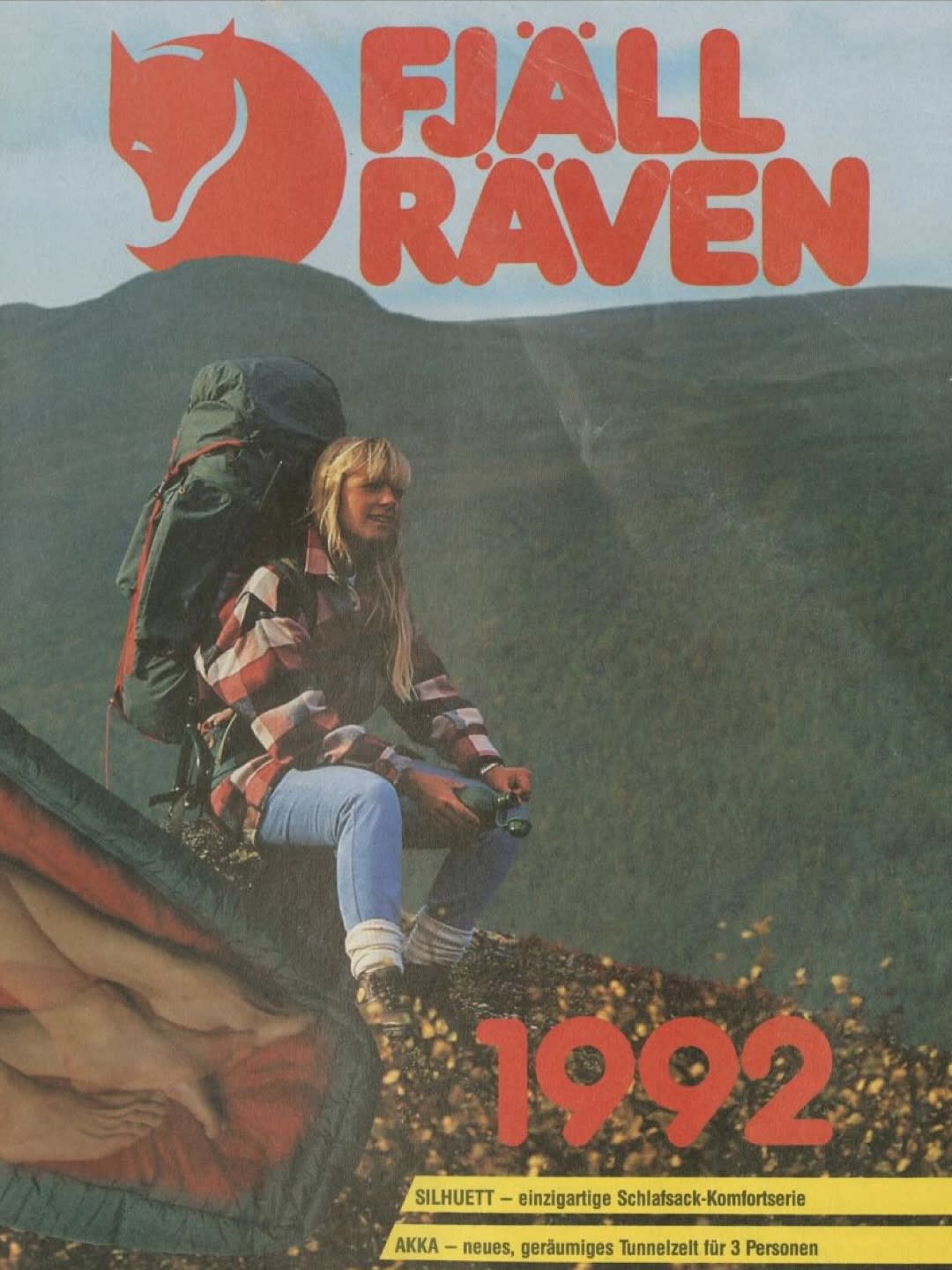
There were no waterproof zippers to laminate or laser-cut ventilation panels to hide. The technology was often obvious because the construction was obvious. A reinforced knee looked reinforced. A pocket looked like a pocket. A leather boot became darker where it was repeatedly scraped and oiled.
Outdoor clothing looked like something built rather than engineered.
Then the industry discovered what synthetics could do.
The Future Arrived
The transformation was extraordinary. Nylon became lighter. Polyester became more sophisticated. Gore-Tex changed expectations around waterproof clothing. Fleece displaced wool in countless applications. EVA and synthetic uppers transformed footwear. Stretch fibers changed pants. Laminates replaced layers of conventional fabric.
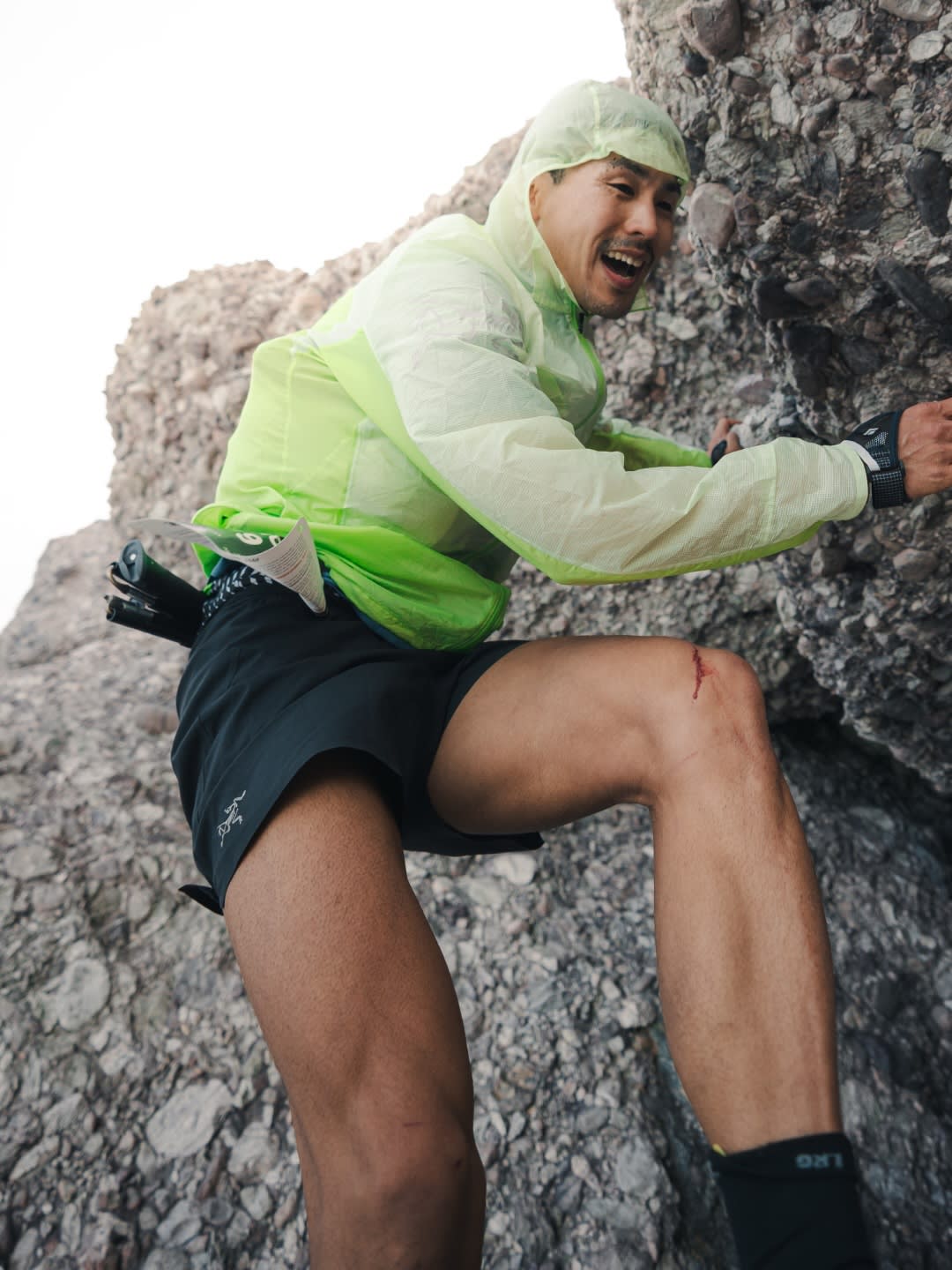
By the 2000s and 2010s, outdoor design increasingly became an exercise in making technology disappear. Seams were taped, zippers were laminated, pockets were integrated and jackets became lighter and smoother. Shoes became increasingly athletic and pants became slimmer.
The visual destination was obvious: the future.
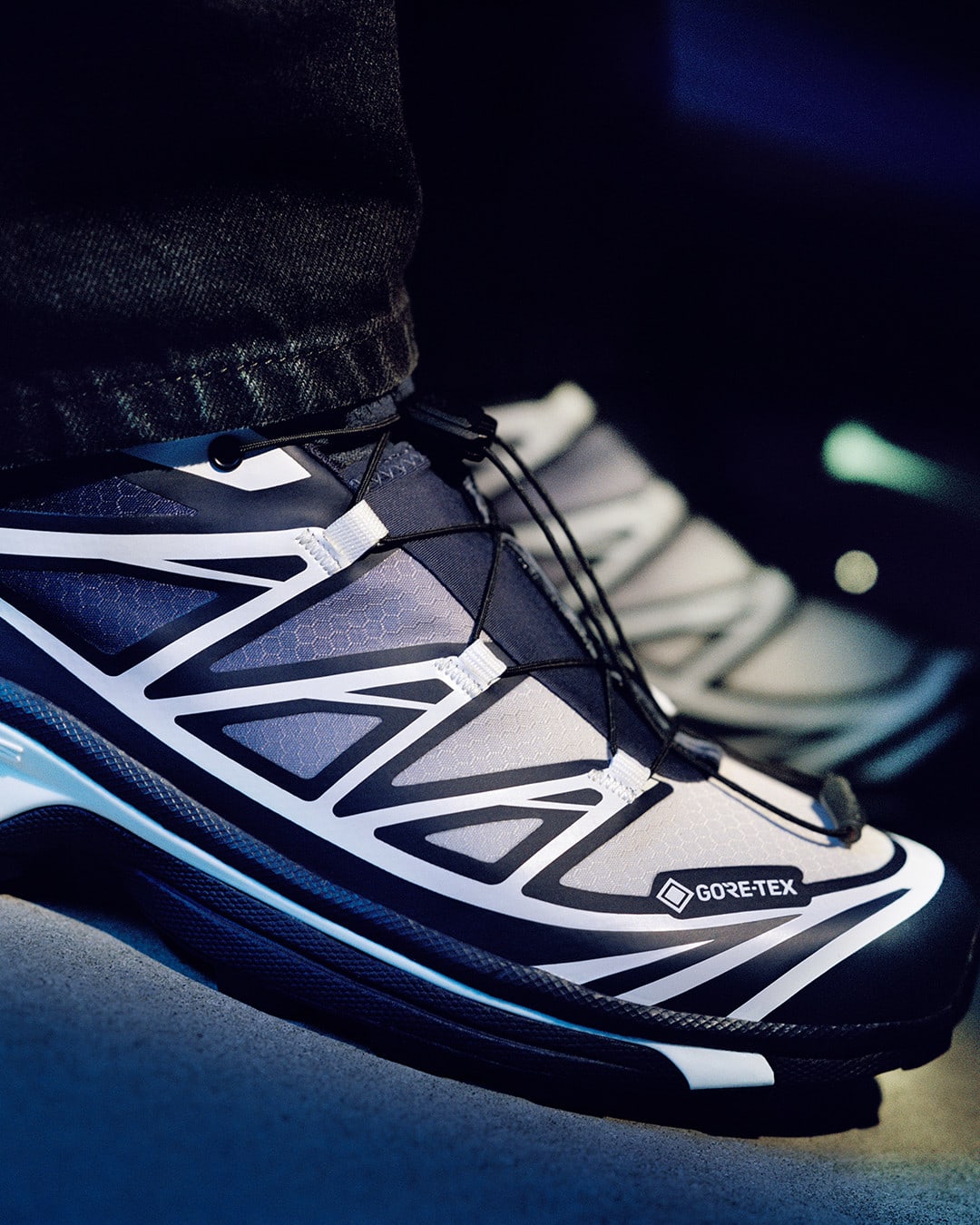
Companies like Arc'teryx perfected this philosophy to an extraordinary degree. A modern technical shell could feel closer to an industrial design object than a piece of traditional clothing. Eventually that aesthetic escaped the mountains. Gorpcore turned technical apparel into fashion, Salomon trail shoes appeared on city streets, and technical vests, climbing hardware and ultralight fabrics moved into mainstream design.
The futuristic outdoor aesthetic won.
Its success may be exactly why its opposite suddenly feels so compelling.
The Archive Becomes the R&D Department
One of the more interesting changes happening in outdoor design is where designers are looking for ideas.
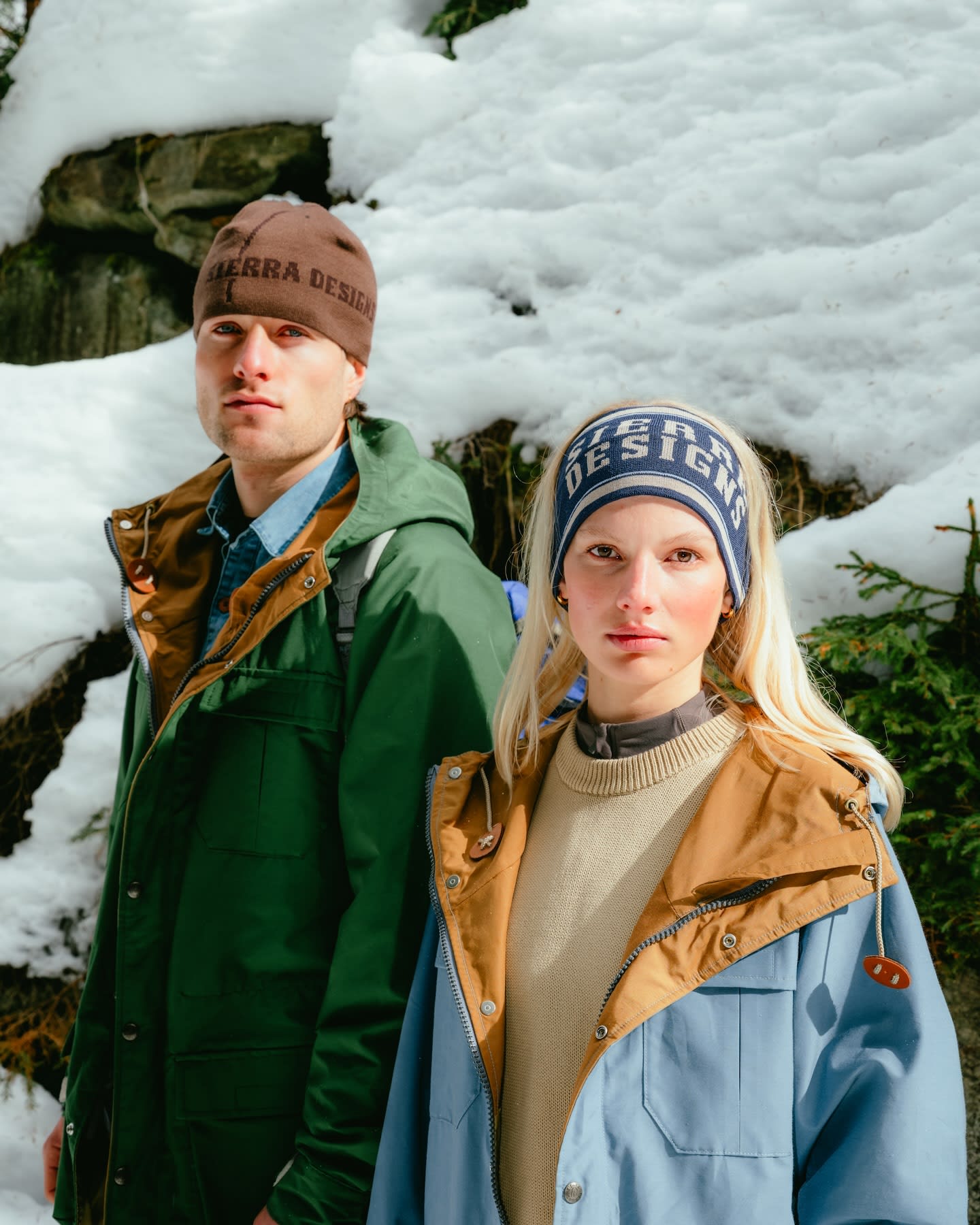
Old Patagonia catalogs. Early The North Face. Eddie Bauer expedition clothing. Sierra Designs. Wilderness Experience. Chouinard Equipment. Royal Robbins. Yosemite climbing photographs. Himalayan expeditions. Ski clothing from the 1970s. Old Japanese camping catalogs.
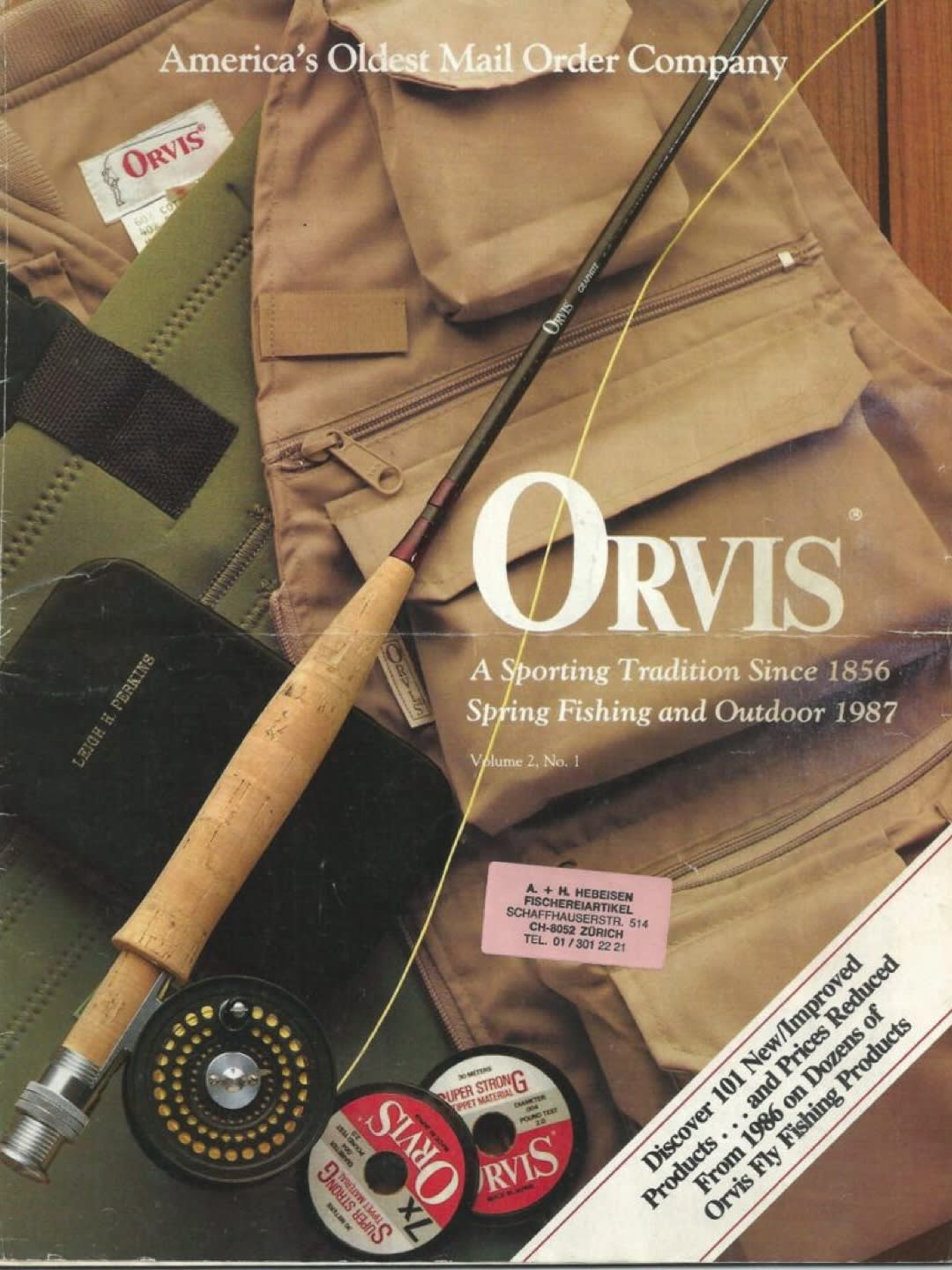
The archive has become another form of R&D.
Few new companies make that proposition as explicitly as Big Rock Candy Mountaineering. In a recent Field Mag interview, co-founder Samuel Hardeman explained that the idea for the company emerged from a remarkably simple problem: he and co-founder Peter Middleton both wanted vintage Eddie Bauer Karakoram jackets. Good examples could cost around $1,000, while vintage sizing—particularly sleeve length—made finding one that actually fit difficult. The deeper they went into the origins of the American outdoor industry, the more they realized the idea could support an entire brand.
That origin says a lot about the current heritage moment. BRCM isn't trying to reproduce vintage clothing for collectors. It's taking things people already want from the archive and asking how they should exist now.

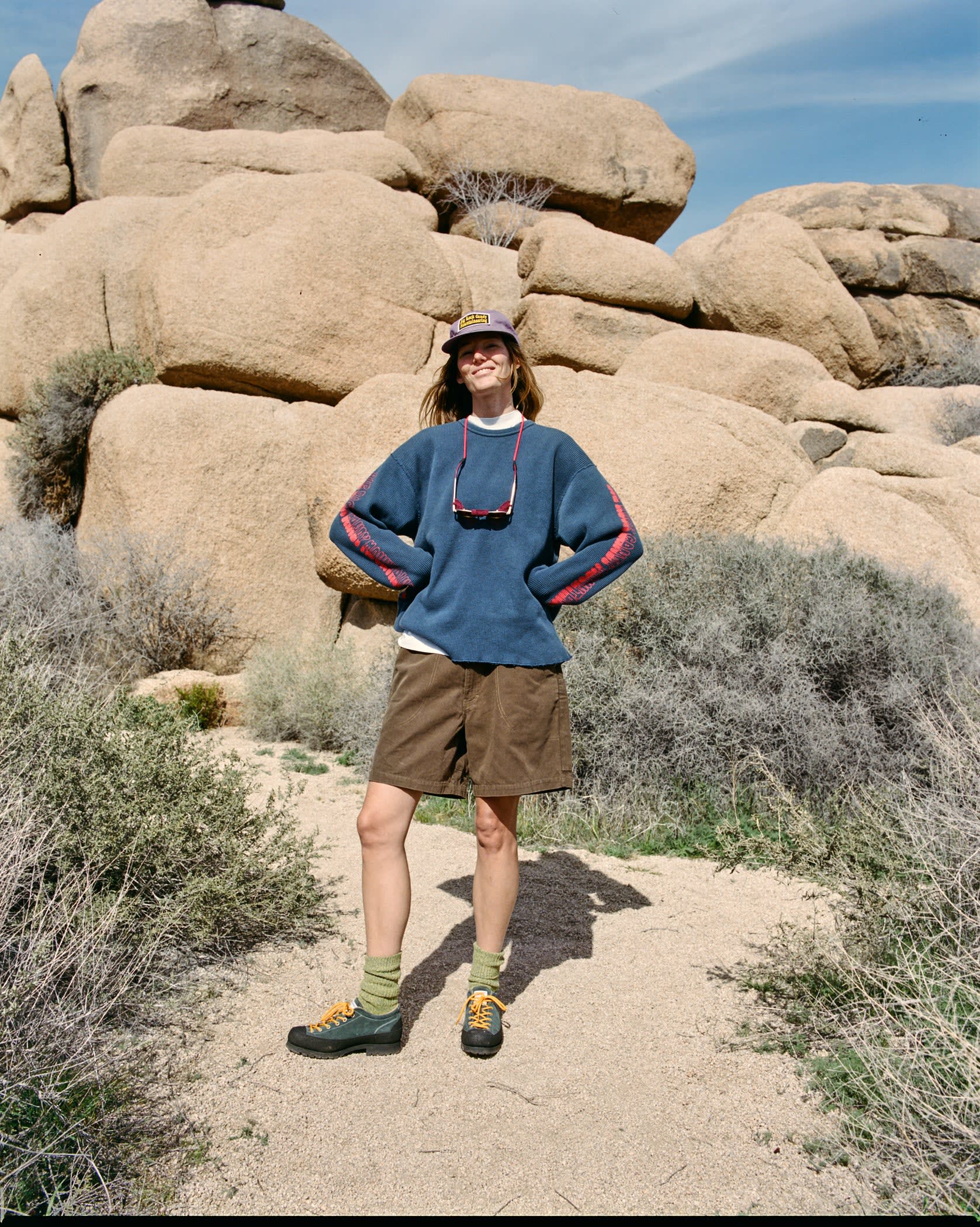
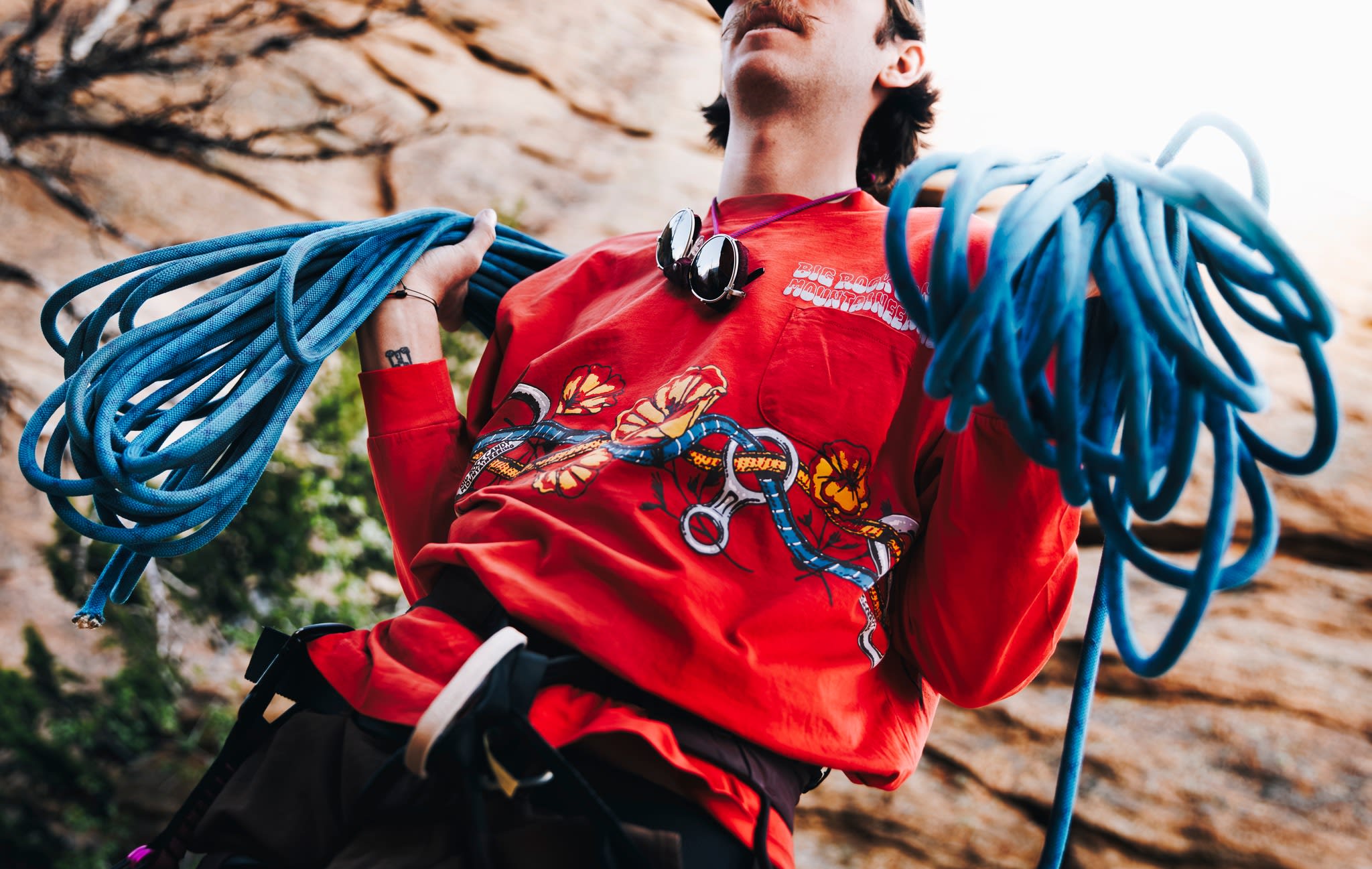
Its Arctic Parka references a 1960s Eddie Bauer puffer, while its Doubleback Shorts look toward 1970s Patagonia. The graphics pull from R. Crumb, vintage concert posters and the counterculture that surrounded American climbing. Hardeman cites figures including Eddie Bauer, Royal Robbins, Tom Frost, Yvon Chouinard, Warren Harding, Jim Bridwell and Lynn Hill among the brand's influences.
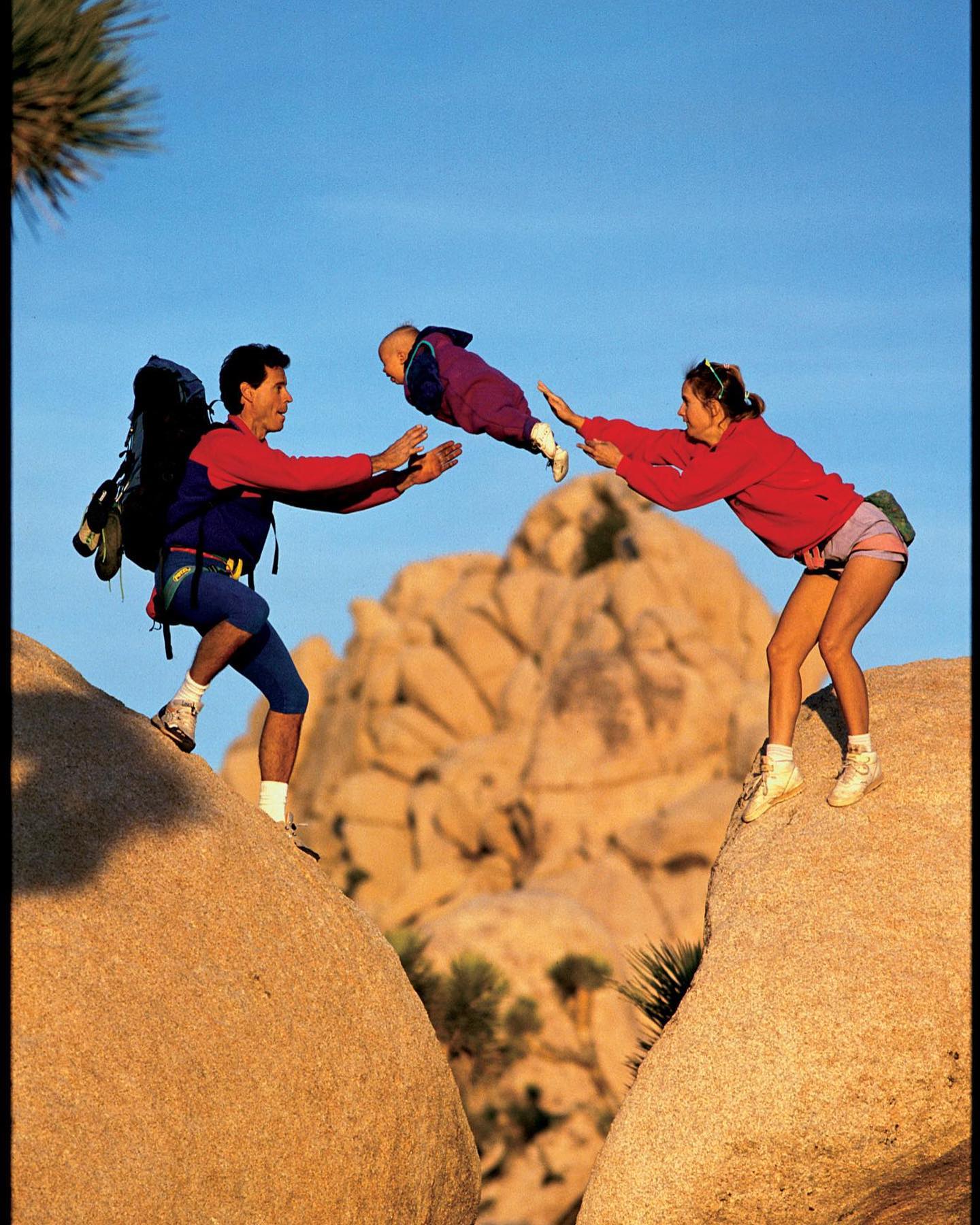
Particularly important are the Stonemasters, the loose group of Yosemite climbers who fused serious climbing with the counterculture of the 1970s. Hardeman points to them not just for what they climbed but for the culture they created around it—the kind of influence that could make climbers around the world adopt silk-scarf headbands long before outdoor style could spread through Instagram.
There's also a business model hidden in that history. Hardeman notes that many of the climbers and mountaineers of the period became product designers because the modern outdoor industry didn't yet exist. They needed something, built it themselves and sometimes started small companies around the solution. Some of the era's most enduring equipment came out of garages rather than corporate R&D departments.
That scrappy origin story feels particularly relevant at a moment when small outdoor brands are once again attracting attention.
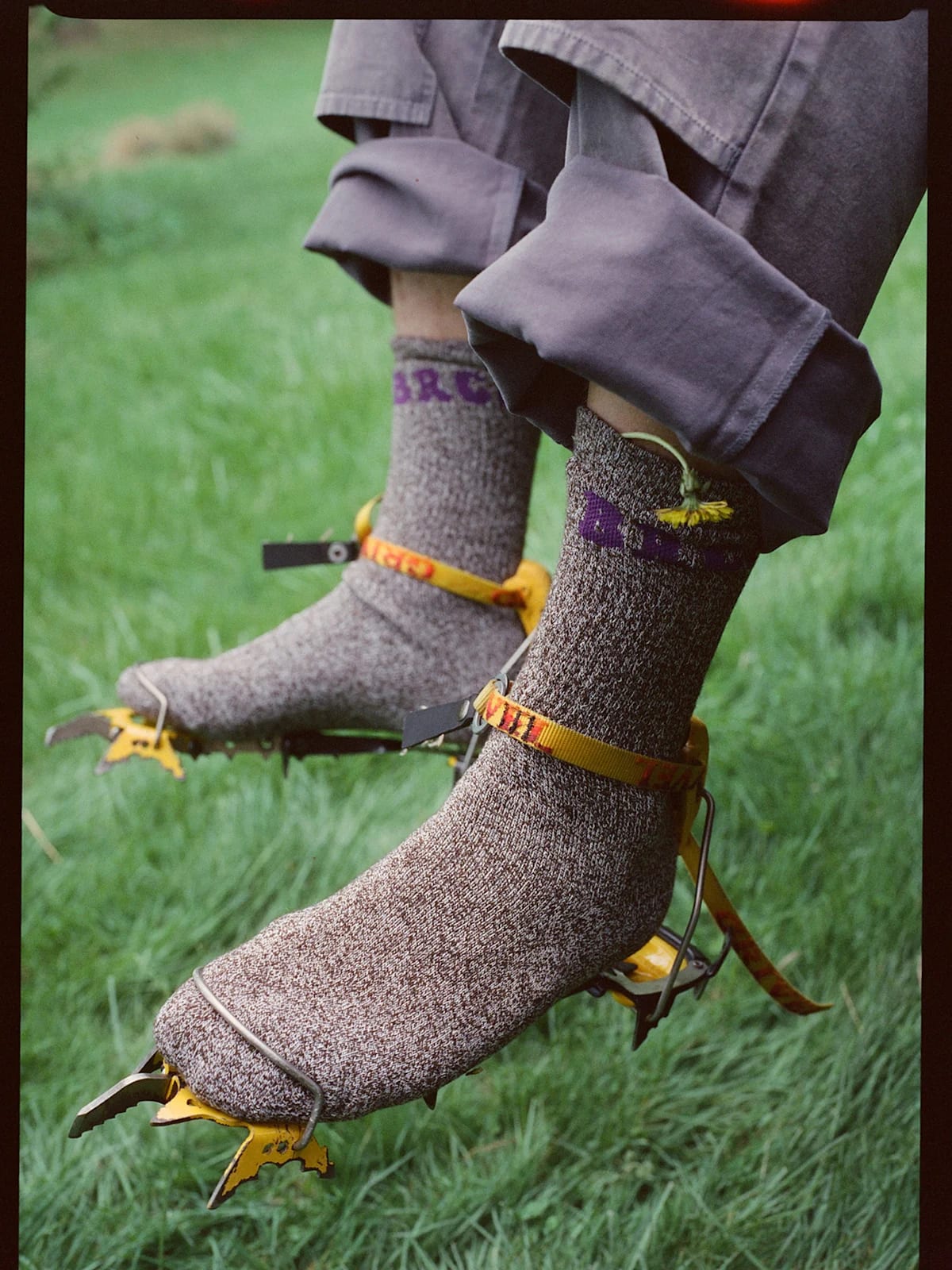
BRCM is also refreshingly clear about what it isn't. Hardeman describes it as a "vintage-inspired outdoor brand" rather than an attempt to make the most technical equipment on the market. The clothes are supposed to work recreationally while still functioning as everyday clothing. The company now makes everything from climbing pants and parkas to distinctive hiking boots, knitwear and sunglasses, with footwear becoming one of its strongest categories.
The proposition isn't that 1972 was technologically superior to 2026. It's that the outdoor industry produced ideas in 1972 that are still worth developing.
The Return of the Climbing Pant
Look at climbing pants and the cycle becomes especially obvious.
Gramicci originally built its reputation around an almost embarrassingly simple proposition: loose pants that allowed climbers to move. The gusseted crotch and integrated belt solved practical problems, but the product didn't need to resemble a piece of laboratory equipment. Performance came from fabric, pattern and volume.
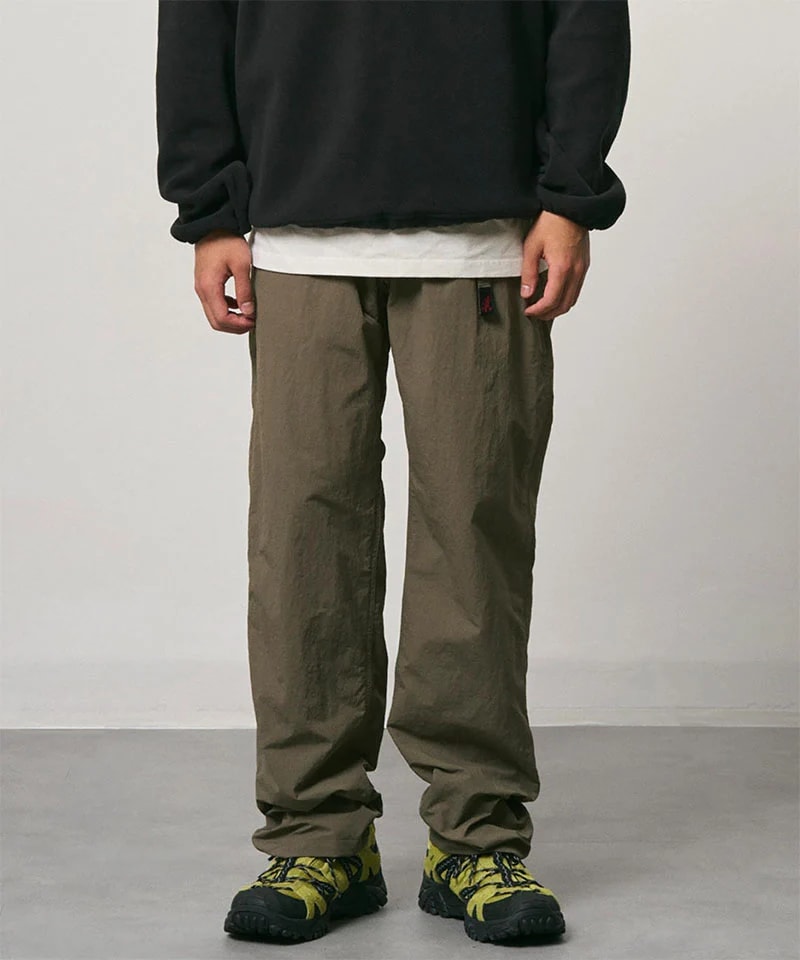
Today, that formula feels remarkably current. Climbing pants are loose again. Cotton is relevant again. Double knees are appearing. Painter-pant silhouettes and large patch pockets sit comfortably alongside technical stretch fabrics.
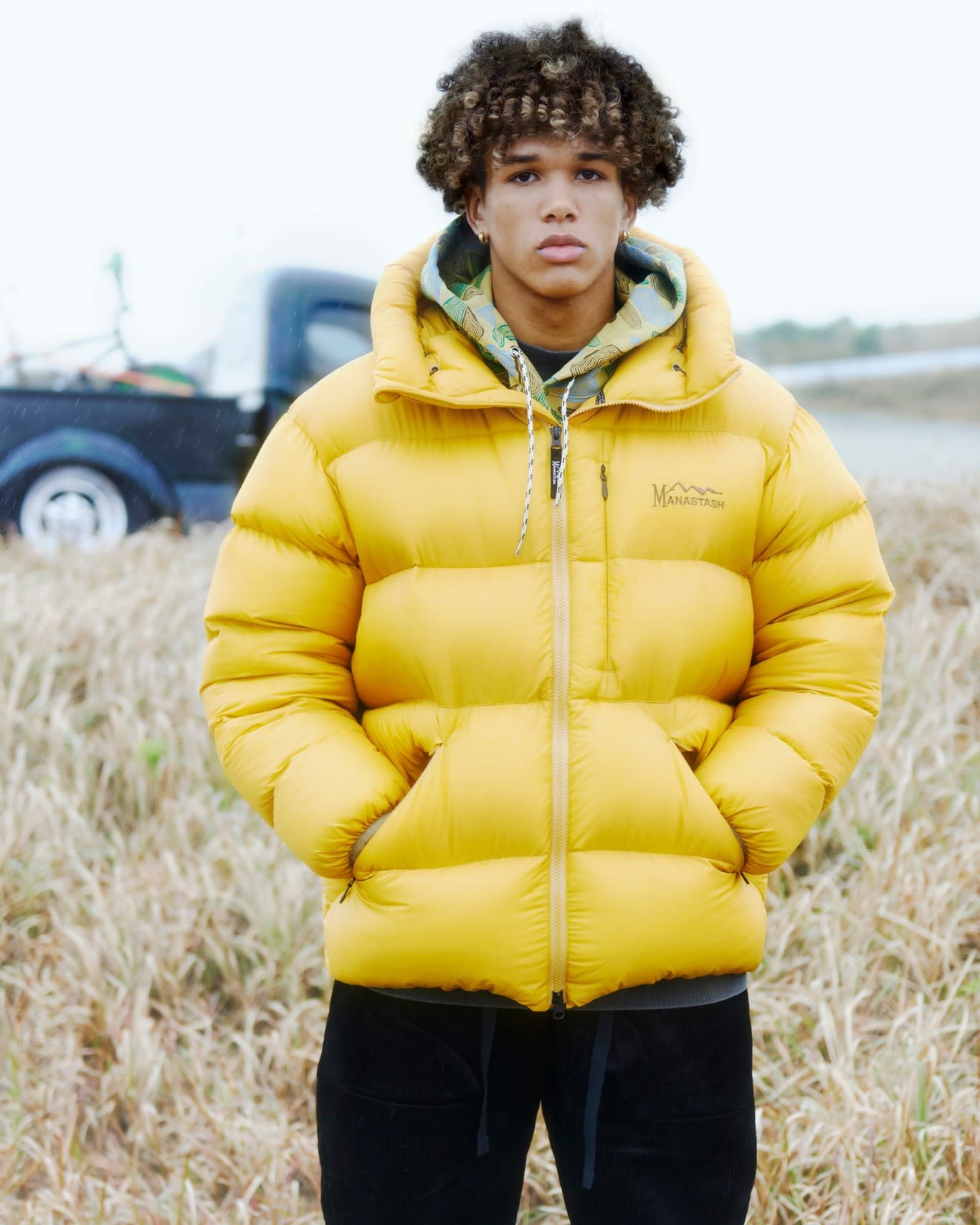
Brands like Manastash have helped keep this world alive, mixing climbing, outdoor and workwear references into clothing that doesn't make much distinction between trail and everyday life. Battenwear similarly draws from an era when American outdoor clothing was closer to sportswear—anoraks, climbing pants, fleece and camp shirts rather than head-to-toe technical systems.
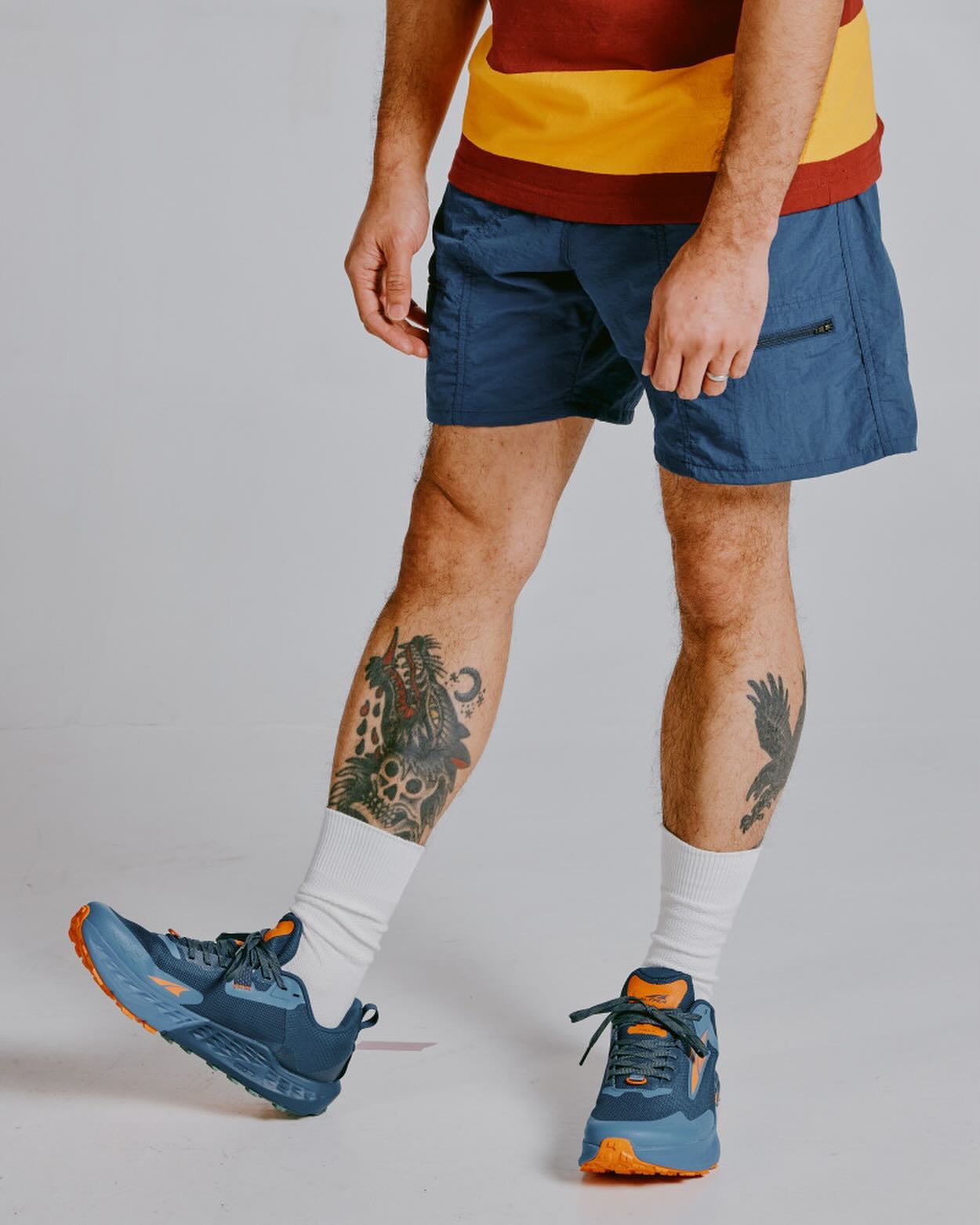
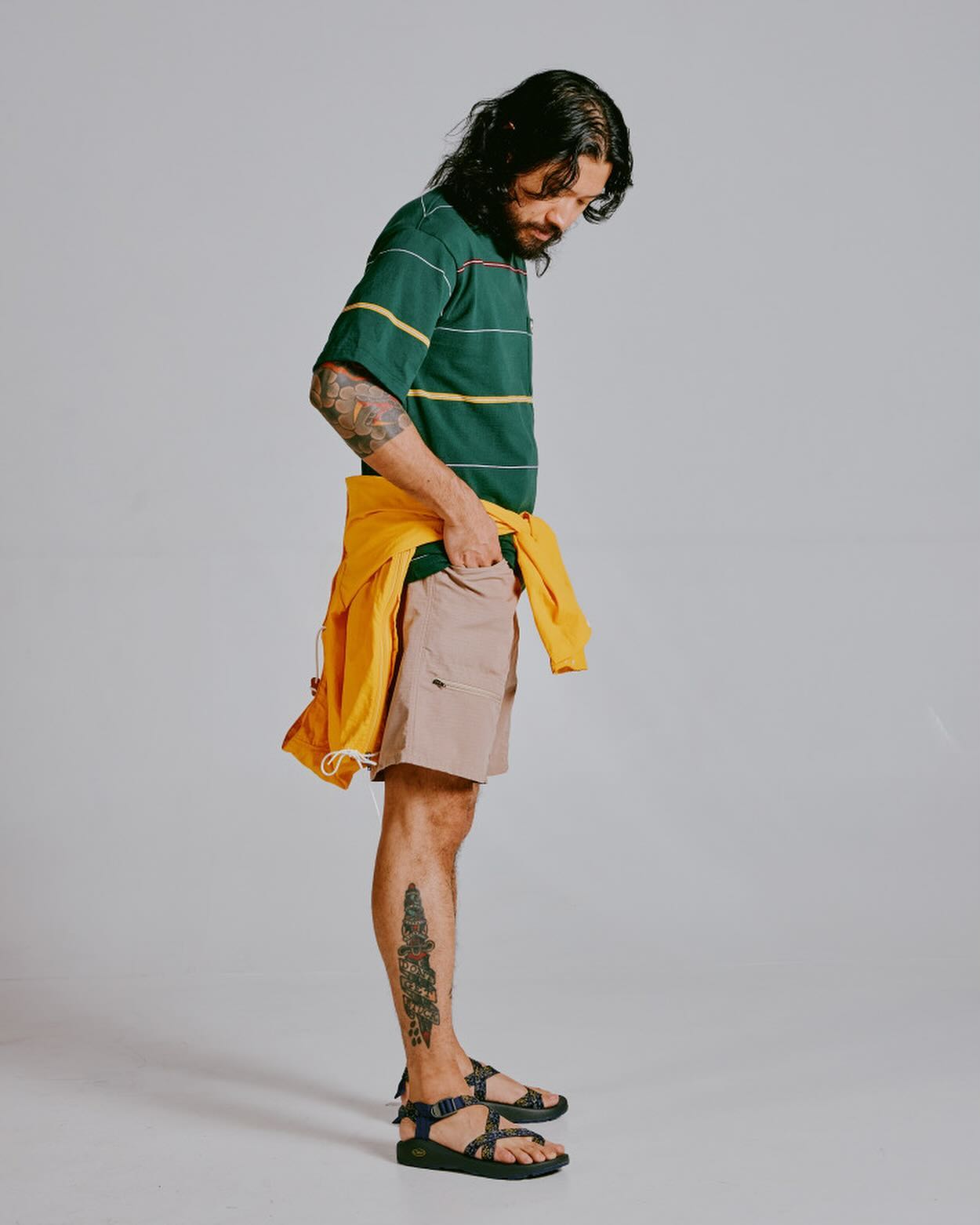
Big Rock Candy takes the reference even more literally. Its Doubleback Shorts draw on the old climber's habit of cutting destroyed climbing pants into shorts, turning a practical consequence of wearing gear to death into a new product.
The old climbing uniform has returned partly because it was good design. You don't necessarily need elastane to create mobility when you can simply give the body enough room to move.
Hiking Boots Were Supposed to Die
The same cycle is happening at ground level.
For years, the direction of hiking footwear seemed settled. Traditional hiking boots were heavy; trail runners were light. Therefore hiking would eventually become trail running at a slower pace.
To a large extent, it did. Thousands of hikers discovered that they didn't need heavy leather boots for ordinary trails, and lightweight footwear changed backpacking permanently.
But aesthetically, the hiking boot never really disappeared. Now substantial hiking footwear feels relevant again.
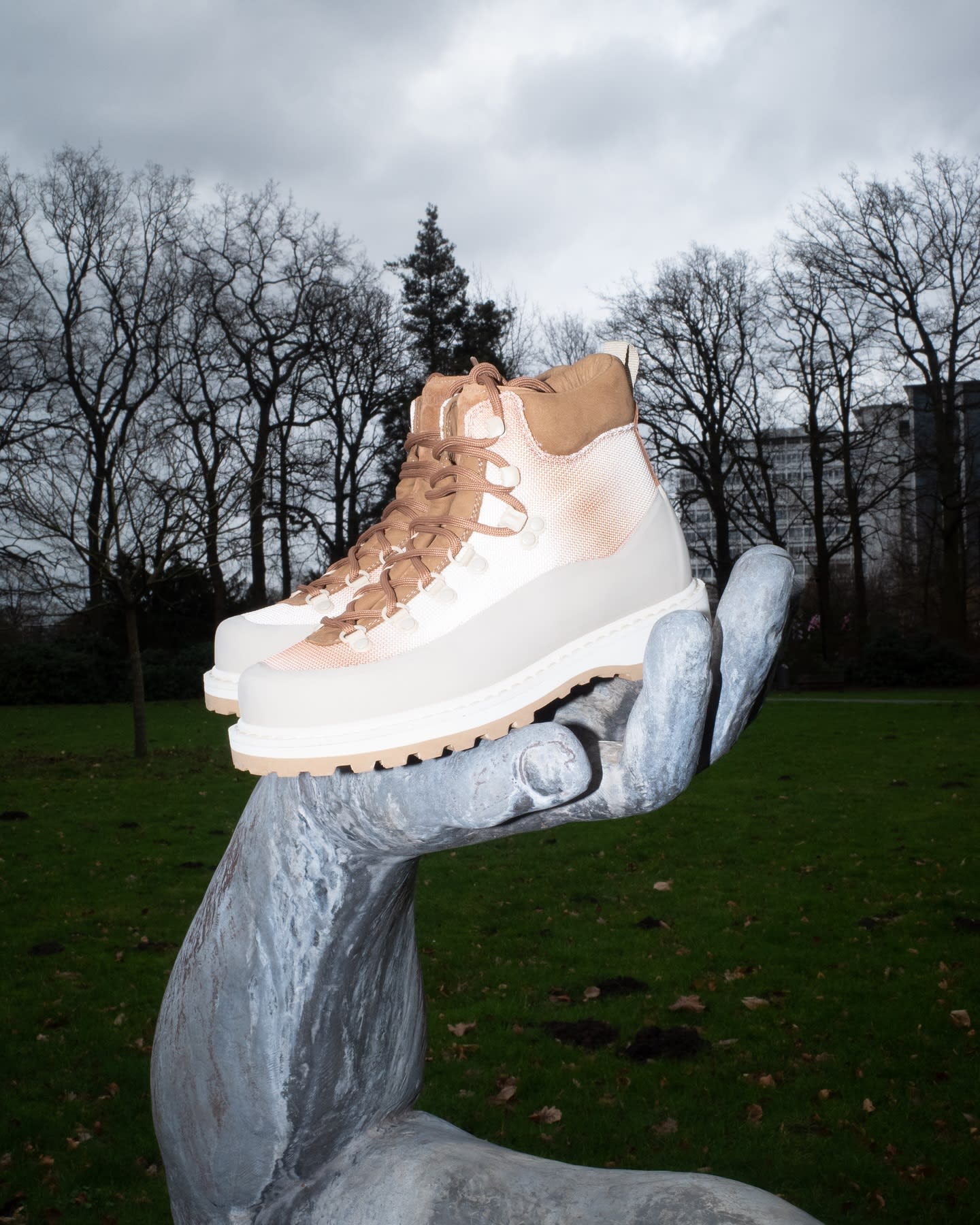
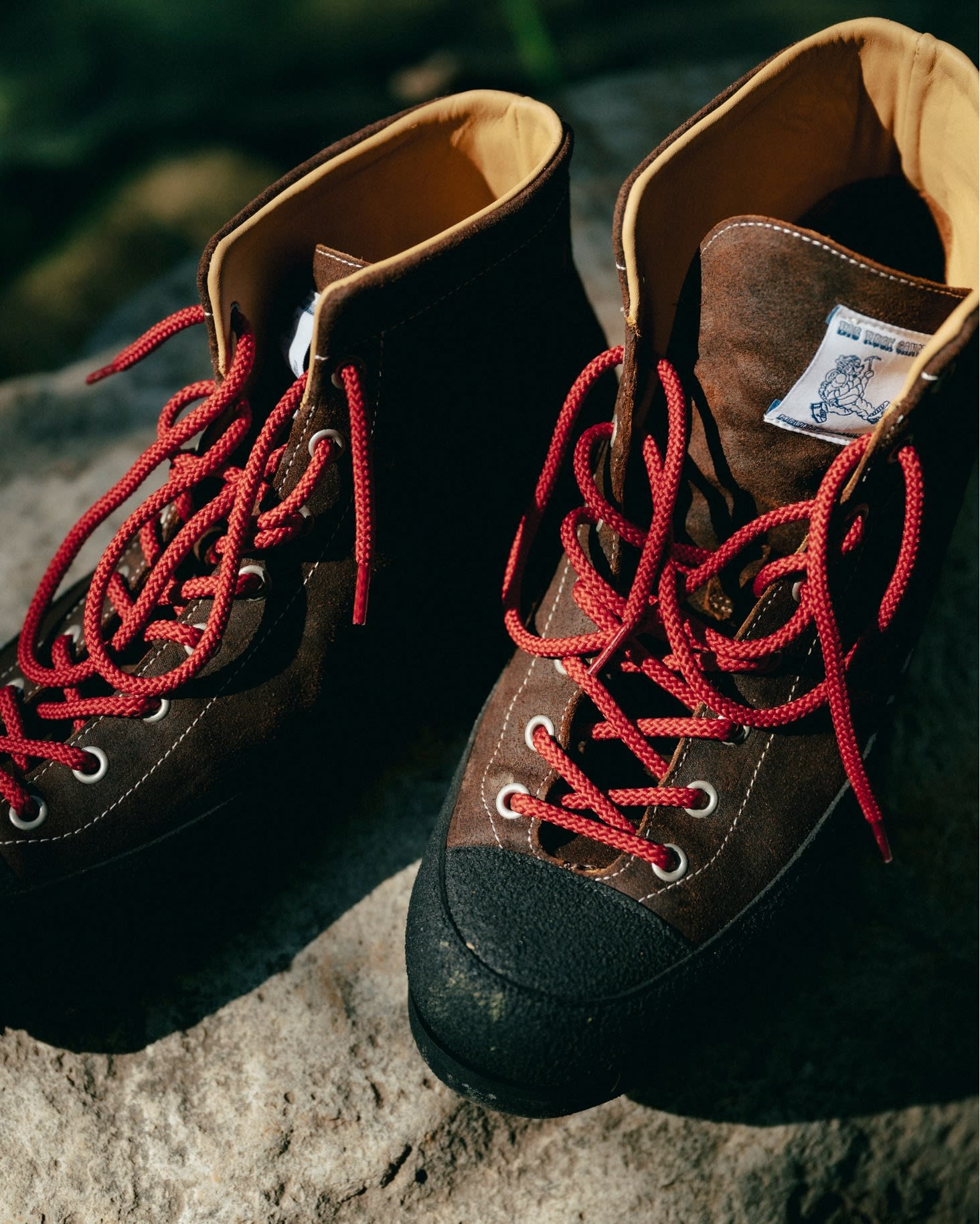
Brands like Diemme and Danner have helped keep the classic mountain-boot silhouette visible, while ROA turned the substantial hiking shoe into something that could exist simultaneously as outdoor equipment and contemporary design. Big Rock Candy has pushed into the same territory with its El Cap and Scampwalker boots, footwear that has become one of the company's strongest categories. Hardeman sees footwear and accessories as part of building an entire world around the brand, not peripheral categories added after the clothing.
The renewed interest isn't an argument that everyone should hike in heavy leather boots again. It's an acknowledgment that optimization isn't the only reason people choose objects. A trail runner can be objectively lighter while a leather hiking boot can still be more satisfying. Both things can be true.
Fleece Becomes Pile Again
Fleece offers another strange loop.
Synthetic fleece was revolutionary because it offered many of wool's useful characteristics with less weight and easier care. Then fleece became ubiquitous, then cheap, then boring.
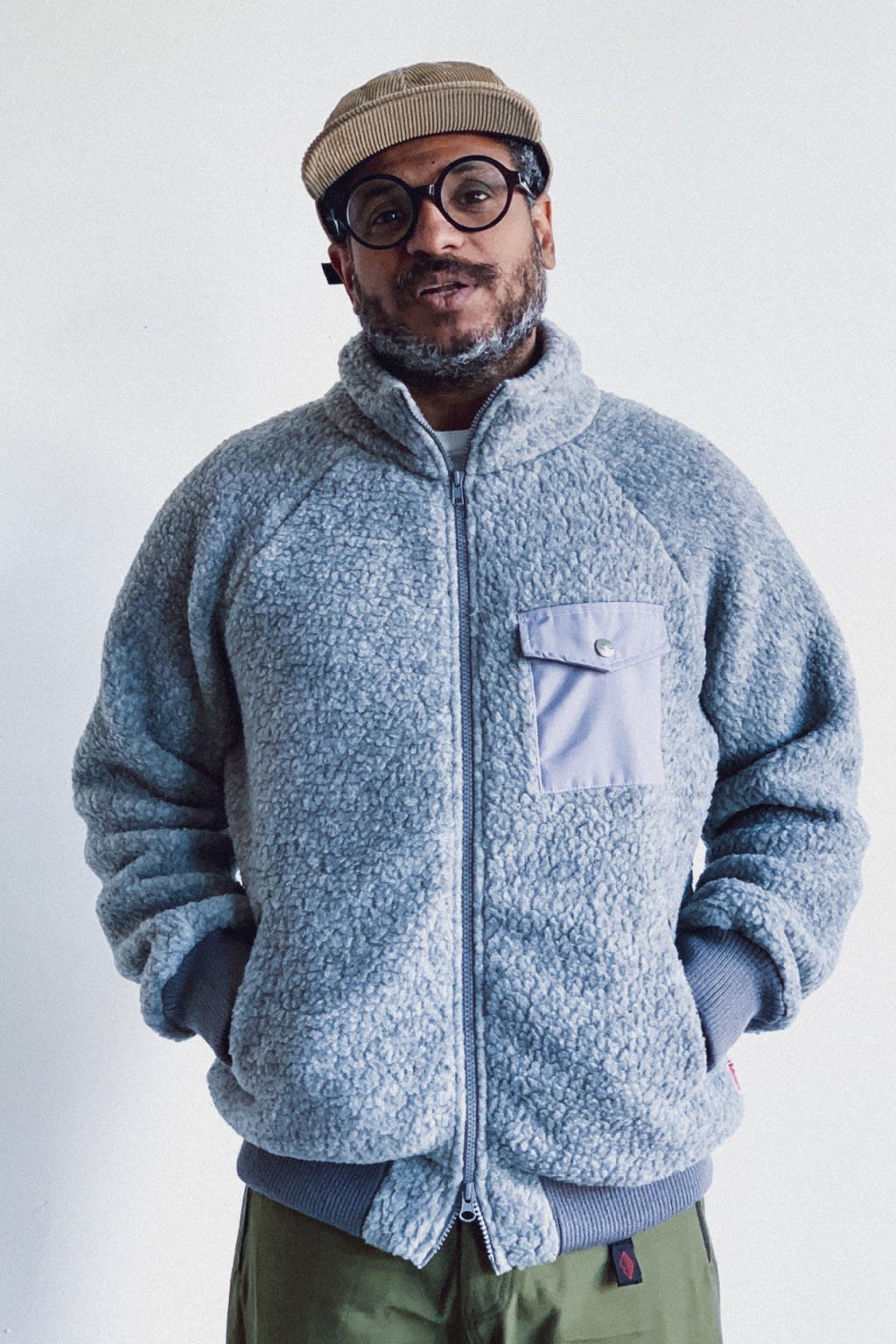
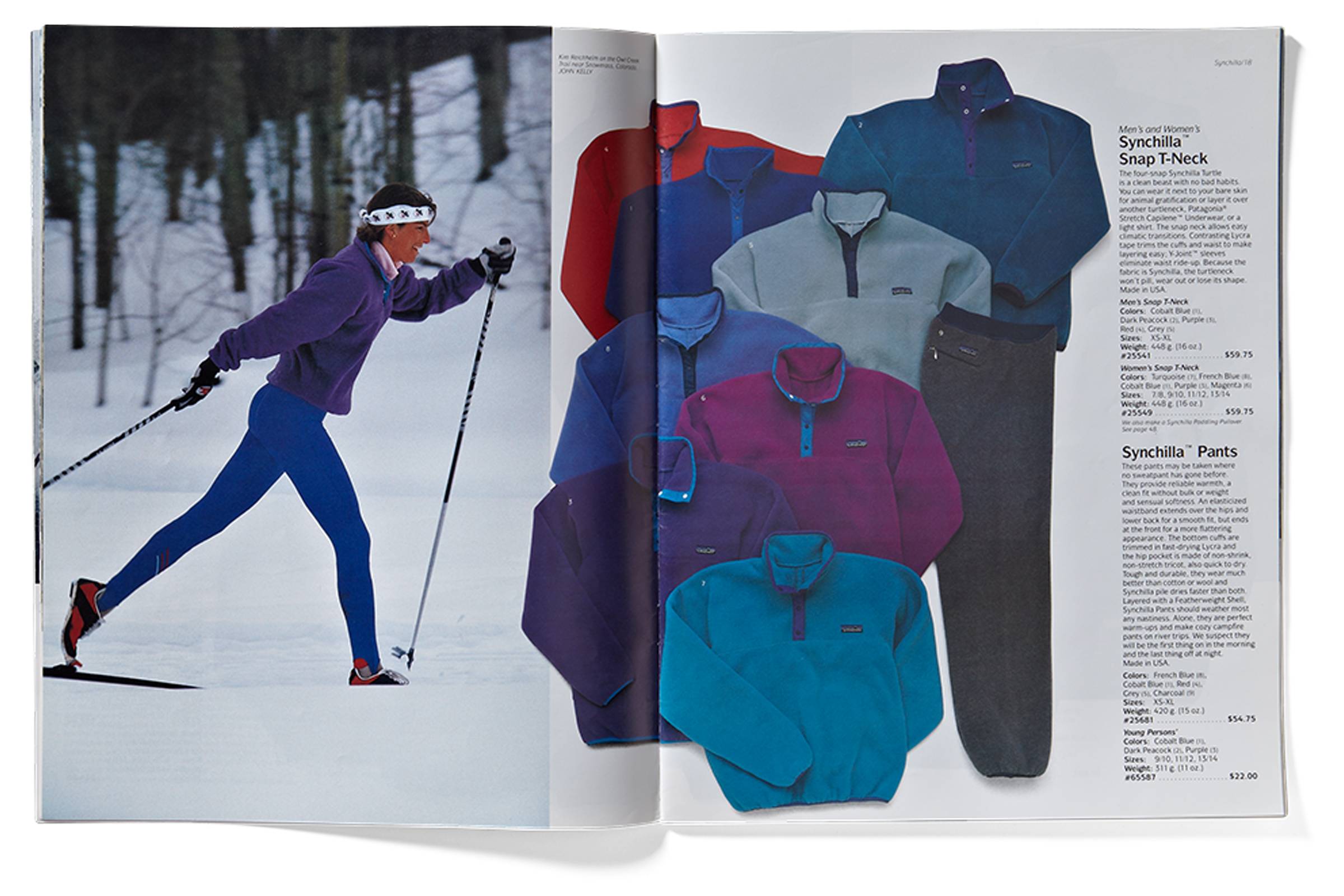
Now designers are returning to the exaggerated pile, contrast panels and oversized silhouettes of earlier fleece garments. What changed wasn't necessarily the technology. The context did.
The outdoor industry became so clean, laminated and aerodynamic that a bulky pile jacket suddenly looked interesting again. Brands such as Manastash, Snow Peak and Battenwear have repeatedly explored fleece as a visible, tactile material rather than hiding it underneath a shell.
The appeal is partly emotional. You can understand fleece by touching it; the material announces what it does. That's very different from a shell whose primary feature exists as an invisible membrane sandwiched between layers of nylon.
Heritage outdoor design often has that quality. You can see how it works.
Natural Materials Return With It
The heritage revival also overlaps with the return of natural materials: wool, cotton, hemp, canvas and leather.
These materials never disappeared completely, but technical outdoor clothing increasingly treated them as compromises. Now designers are reconsidering where those compromises actually matter.
A cotton canvas climbing pant may weigh more than nylon, but it can withstand abuse and develop character. A wool sweater doesn't dry as quickly as some synthetic layers, but it manages temperature and odor remarkably well. A leather hiking boot requires maintenance but can mold to its wearer and change dramatically over years of use.

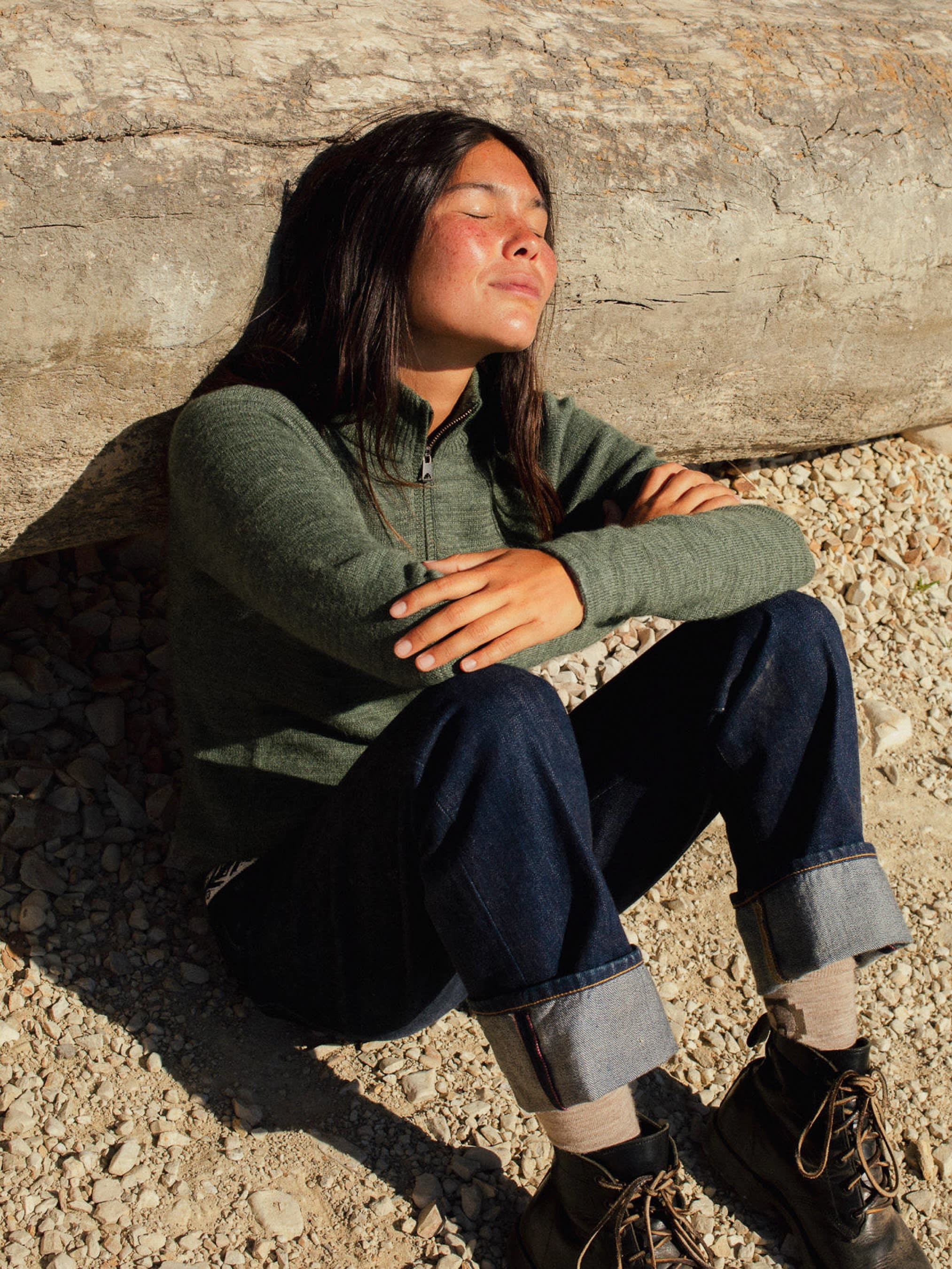
Brands like Duckworth, PAKA, Appalachian Gear Company and Jungmaven are exploring natural fibers from a contemporary perspective, while Story Mfg. has made natural materials, dyes and craft processes fundamental to its interpretation of outdoor culture.
The heritage revival and the natural-material revival aren't identical, but they emerge from a similar question: Did technical progress accidentally remove some things we actually liked?
The Patagonia Archive Problem
Few companies illustrate the strange economics of heritage outdoor clothing better than Patagonia.
Old Patagonia has become its own category: Synchilla fleeces, Snap-Ts, Rhythm shirts, Baggies, climbing pants and deep-pile jackets. Pieces originally designed as straightforward outdoor equipment are now collected partly because they represent an era of the company that feels visually distinct.
The same phenomenon surrounds vintage The North Face, Columbia, Sierra Designs and Eddie Bauer. Outdoor brands spent enormous amounts of money developing new products while consumers started hunting for the old ones.
The lesson isn't necessarily that the old products were technically superior. Often they weren't. But they possessed something that became harder to find as outdoor design professionalized: character.
Strange colors, odd pockets, oversized fits, visible stitching, unnecessary patches, graphics and materials that faded. Design decisions that weren't optimized out of existence.
The imperfections became the appeal.
Japan Never Really Left
If the heritage revival feels sudden in America, it looks much less sudden from Japan.
Japanese fashion and outdoor culture have spent decades preserving and reinterpreting American outdoor history. Climbing gear, military clothing, Ivy style, workwear, fishing equipment and hiking apparel frequently exist within the same universe.

Brands such as Snow Peak, And Wander and Manastash helped create an outdoor wardrobe that isn't strictly defined by athletic performance. The influence goes deeper than individual brands. Japanese retailers have long understood that a technical shell can sit beside a cotton climbing pant, handmade boot, fishing vest and wool sweater without requiring anyone to decide which one counts as "real" outdoor gear.
That sensibility has increasingly traveled back west.
It's part of why old American outdoor clothing suddenly looks so contemporary. America invented much of it; Japan helped preserve the idea that it was worth looking at.

Gear That Gets Better When It Gets Worse
Heritage clothing also offers something modern technical clothing often struggles to provide: patina.
Canvas fades, leather creases, cotton softens, wool pills, brass oxidizes and boots acquire scratches. Repairs become visible. The object changes with its owner. A heavily worn mountain parka can look better after ten years than it did when it was new.
Modern technical materials often behave differently. A membrane delaminates. Polyurethane coatings become sticky. Stretch fibers lose elasticity. Seam tape separates. A laminated waterproof jacket can remain extraordinarily functional for years, but its deterioration rarely becomes aesthetically desirable. It simply looks broken.
That's an awkward problem for an industry increasingly talking about durability, repair and keeping products longer.
Heritagewear offers a different model. A product doesn't have to remain new; it can become old well. And there is a meaningful difference between those two things.
Heritage Isn't the Same as Nostalgia
There is an obvious danger here. Outdoor brands can simply reproduce old clothing indefinitely: add a retro logo, choose mustard yellow, make a pile fleece, photograph it on film and call it heritage.
That's nostalgia, not design.
The more interesting brands are treating history as a starting point rather than a destination. Big Rock Candy is a particularly useful example because its historical references don't prevent it from using contemporary technology. The brand's Dawn Wall Jacket takes cues from early storm shells but uses modern eVent alpineST rather than an old 60/40 cloth—a combination Hardeman has described as vintage in silhouette but futuristic in fabrication.
That's where heritagewear becomes interesting.
Take an idea that worked in 1968, understand why it worked, remove what doesn't make sense anymore and use everything the industry has learned since to build it again.
Why Now?
Fashion cycles explain some of this. After years of minimal technical clothing, texture feels fresh. After years of slim pants, wide pants feel new. After years of ultralight shoes, heavy shoes feel interesting.
But there's something deeper happening in outdoor culture.
People are reconsidering what "performance" actually means. The best jacket for climbing a mountain as quickly as possible may not be the best jacket for spending an entire weekend outside. The lightest pair of pants may not be the pair you keep for fifteen years. The most waterproof shell may not be the jacket you enjoy wearing most.
Outdoor activity itself is becoming broader. Hiking overlaps with travel, climbing overlaps with fashion, and camping overlaps with hospitality and design. People garden, forage, birdwatch, fish, photograph, build trails, sit around fires and walk through cities in the same clothes they wear into the mountains.
When outdoor life becomes less specialized, specialized clothing becomes less necessary.
Suddenly, the old outdoor wardrobe starts making sense again.
The Future Looks Old
None of this means outdoor technology is going backward. A modern waterproof shell is better than one from 1975. A modern trail shoe can be dramatically lighter and more comfortable. Today's tents, sleeping bags, packs and insulation would have seemed miraculous to earlier generations of climbers.
The interesting change is that technical superiority no longer automatically means cultural superiority.
Outdoor consumers have access to more advanced equipment than at any point in history, and some of them are choosing canvas pants, wool sweaters, leather boots, pile fleece, big pockets, old colors and new brands built around old ideas.
That's what makes companies like Big Rock Candy Mountaineering, Manastash, Battenwear, Story Mfg., Earth\Studies and ROA, alongside the continuing relevance of Gramicci and Snow Peak, worth watching. They're not arguing that outdoor gear peaked in 1973. They're demonstrating that progress doesn't require abandoning everything that came before.
For decades, the outdoor industry asked how it could make something lighter, faster and more technical. The next generation is asking a more complicated question:
What if some of the ideas we left behind were worth keeping?
Increasingly, the answer is showing up in the clothes.
Related Articles

September 3, 2026
The Future of Outdoor Isn’t Another Trend
WeekEnds talks with RANGE founder Jeanine Pesce about the future of outdoor culture, from preparedness and independent brands to AI, human touch, and what comes after gorpcore.
Read →
September 1, 2026
Nocs Provisions Wants You to Look Closer
Nocs Provisions is reimagining binoculars with colorful, durable optics designed to make exploring nature more accessible, curious and fun.
Read →
August 26, 2026
The Price Index (2026)
Explore the WeekEnds Price Index: how tariffs, global supply chains, logistics and rising production costs are reshaping the price of outdoor gear.
Read →