When Surf Brands Were Weird: The Lost Surf Brands of the '90s
by Derek Siegel
Before surfwear became a global lifestyle category, small labels mixed surfing with graffiti, punk, hip-hop, motocross, rave culture and whatever else happened to be around them. Thirty years later, collectors and vintage dealers are rediscovering what made the clothes feel different in the first place.
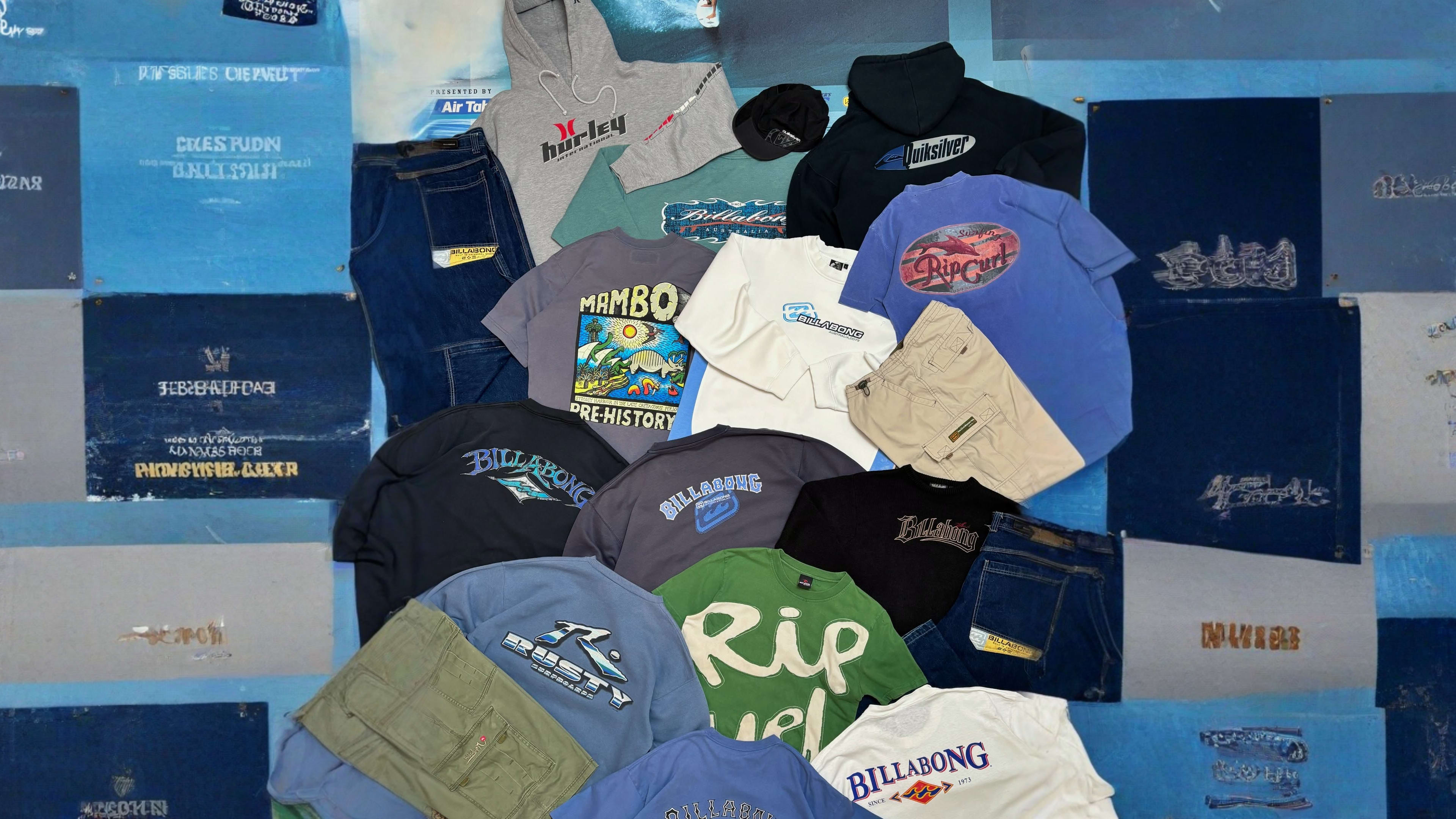
A good vintage surf T-shirt can look almost wrong by contemporary standards.
The logo is too big. The colors don't quite work. The illustration is slightly ridiculous. There might be flames on the boardshorts, a tribal graphic on the sleeve, something vaguely demonic on the back and a company name across the chest that sounds like it was invented by three 22-year-olds after midnight.

There is rarely much restraint, and increasingly, that is the appeal.
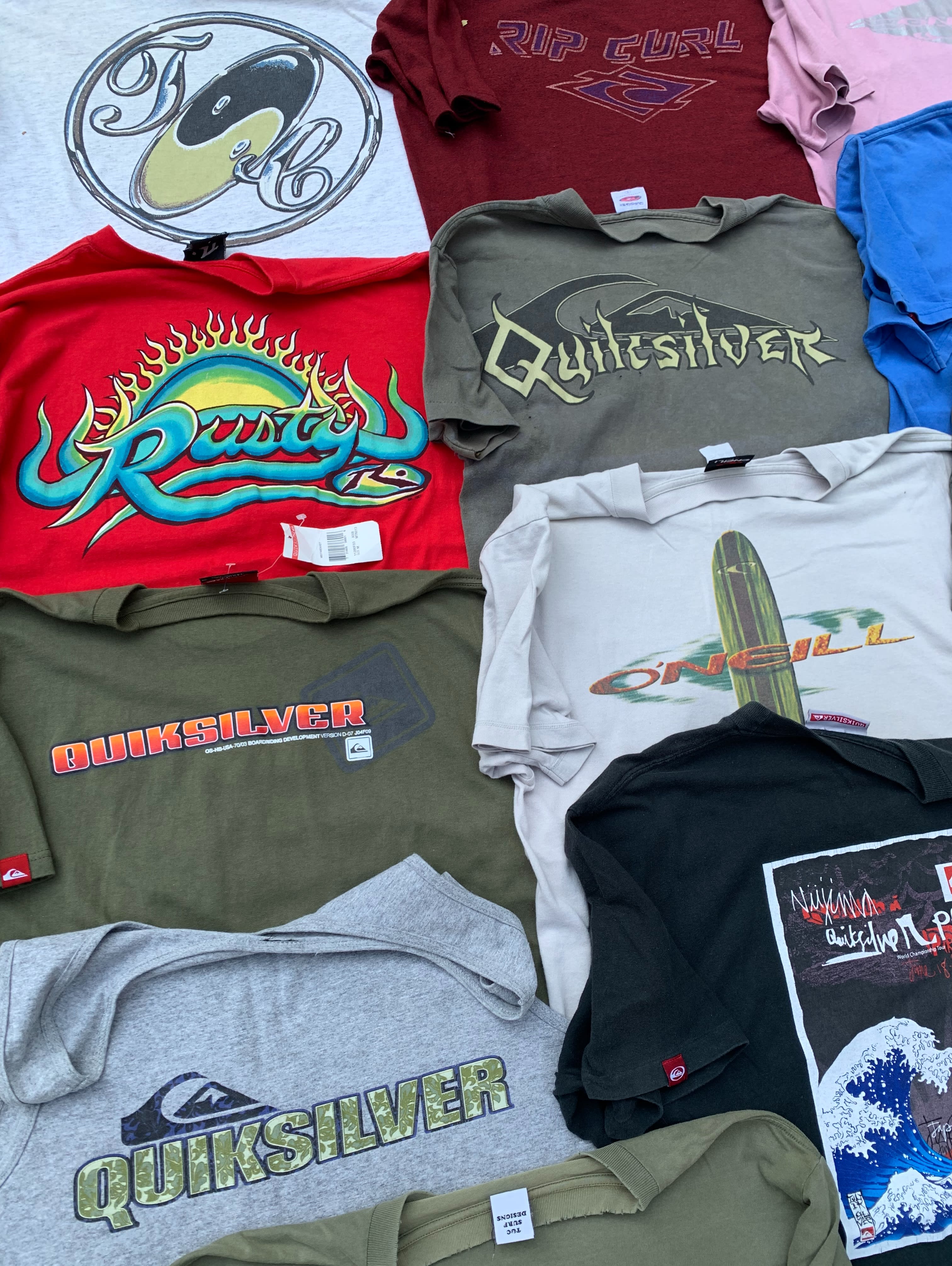
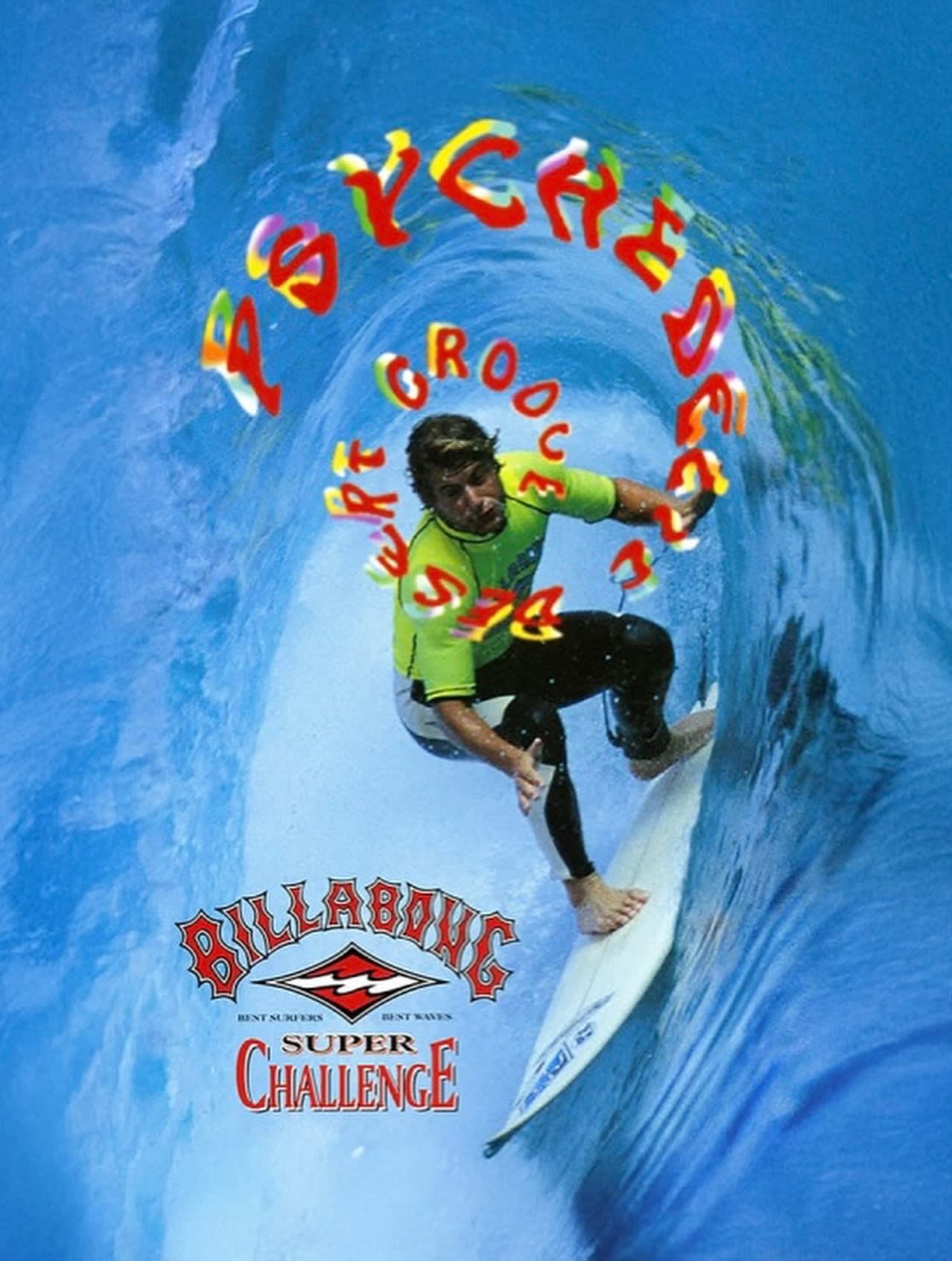
Clothing produced by surf, skate and action-sports companies during the 1990s and early 2000s has started circulating again. Some of the names are obvious: Stüssy, Quiksilver, Billabong, Gotcha, Rusty, Volcom and Lost. Others belong to a much stranger layer of independent sportswear: MCD, Split, SMP, Counter Culture, Third Rail, Ezekiel, MADA, Ambiguous and dozens of companies that barely left a digital record.
The revival is visible well beyond people nostalgic for their first surf shop. Specialist dealers now sell original 1990s and early-2000s surfwear sourced from estates, closed shops, deadstock warehouses and private collections. Vintage Surfwear, one such dealer, explicitly distinguishes its inventory from contemporary "vintage-style" reproductions: the clothes were actually made then.
But fashion eventually brings almost everything back. The more interesting question isn't why old surf clothes are fashionable again.
It's why they can feel more culturally convincing than so many new ones.
The answer has less to do with nostalgia than with how these brands were made, who made them and the worlds immediately surrounding them.
Before Surf Became a Lifestyle
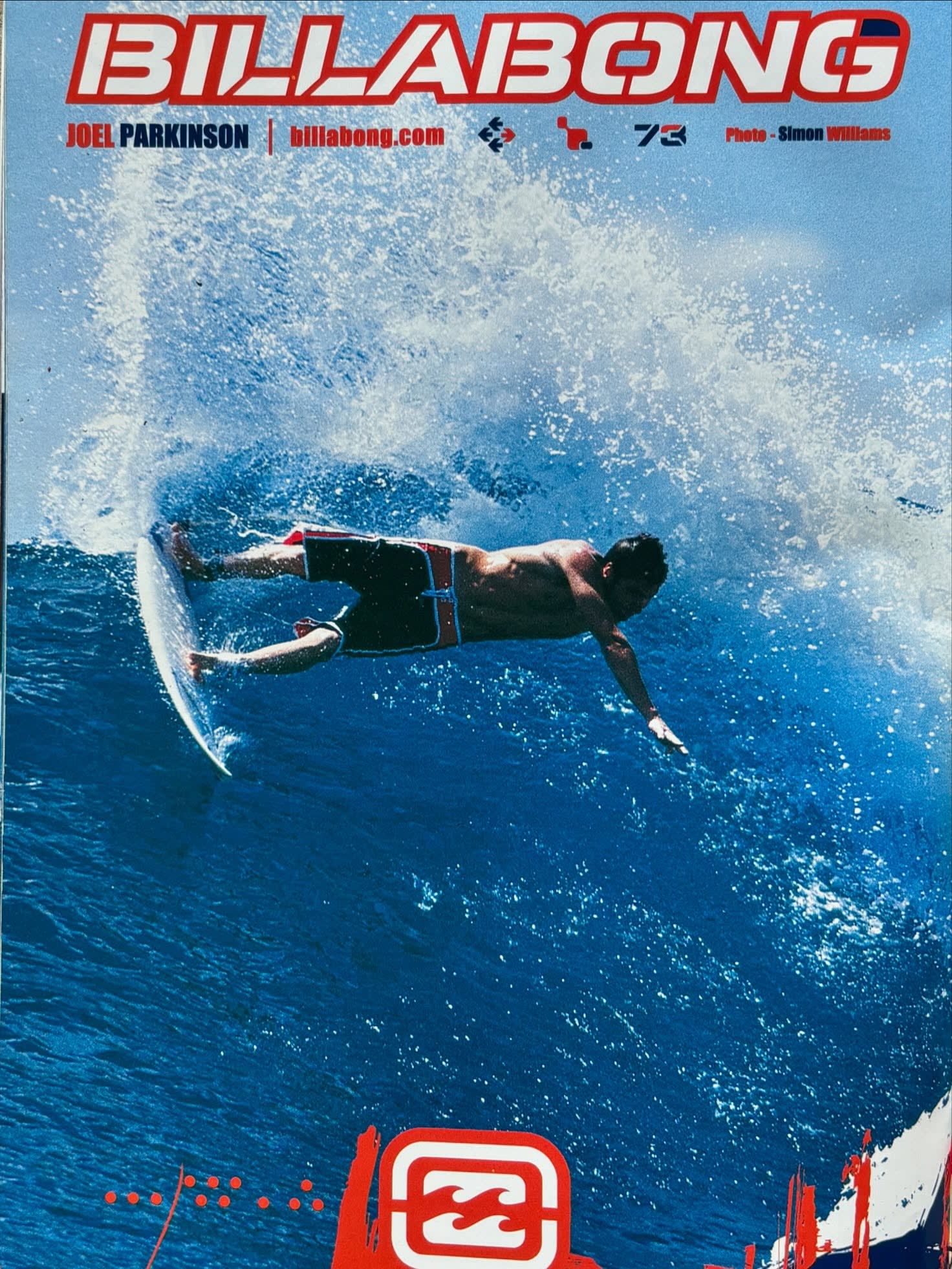
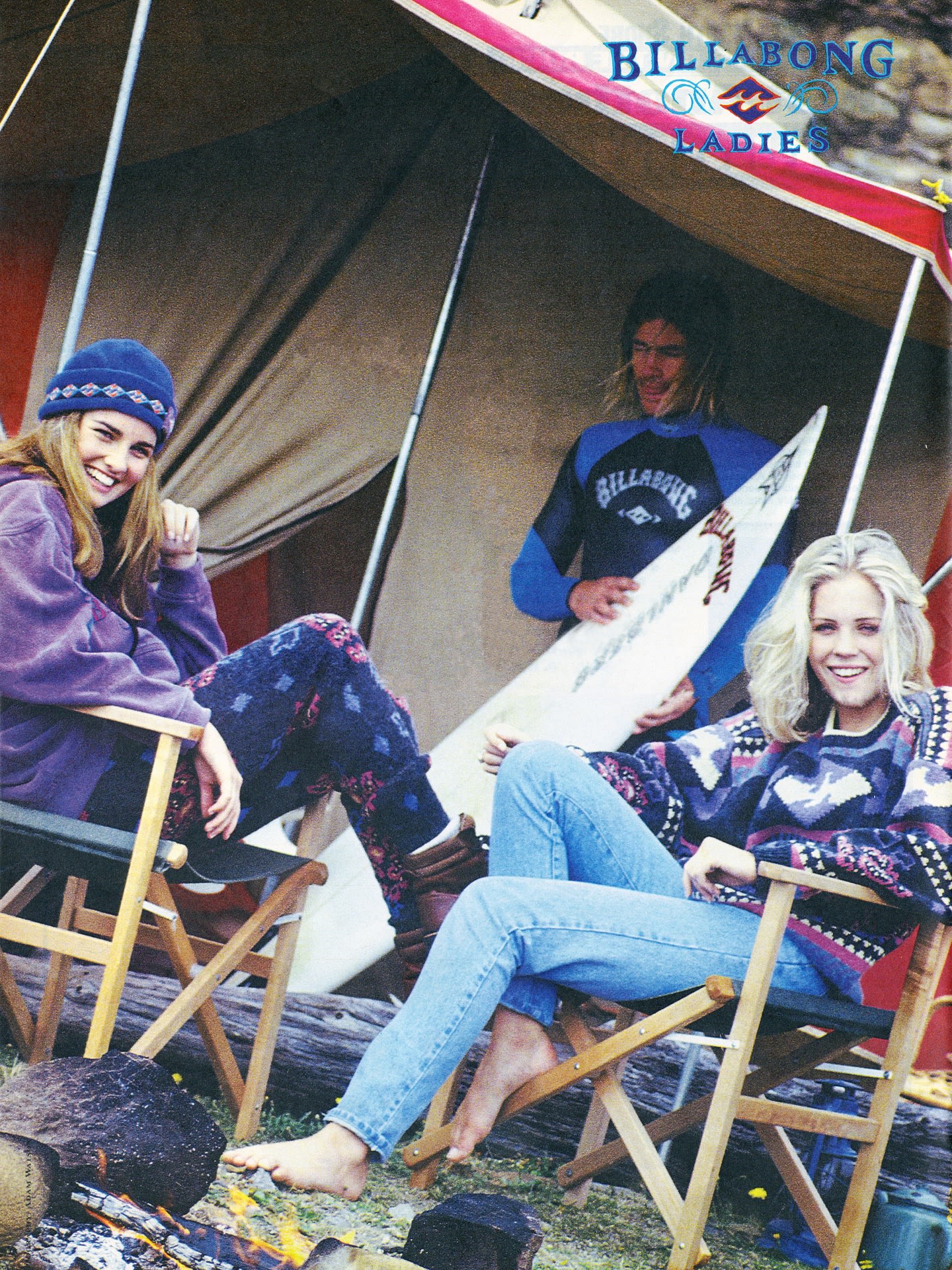
Surfwear was already a serious industry by the beginning of the 1990s. The independent companies that followed weren't inventing the idea that surfing could sell clothing. They were growing up underneath an increasingly commercial surf industry and deciding that surfing could mean something different.
Southern California youth culture was becoming harder to divide into neat categories. Surfing was colliding with skateboarding. Skateboarding was colliding with hip-hop. Graffiti was moving onto clothing. Snowboarding was emerging. Motocross graphics were everywhere. Punk, techno and rave culture were feeding different visual languages into the same relatively small geographic area.
The industry itself could see the collision happening. At ASR in 1993, nearly 550 exhibitors filled the surf industry's trade show while a separate streetwear show emerged nearby. Inside ASR, brands had effectively divided into traditional beach companies, street-influenced labels and companies occupying the increasingly blurry territory between them.
The interesting brands stopped worrying about where one culture ended and another began.

Split: Don't Label Me
Split is almost a perfect case study.
Dave Patri and friends from Cal Poly San Luis Obispo's graphic arts department started the company in 1988 as a way to put their artwork onto T-shirts. The first pieces were sold from a cardboard box at a sandwich shop. Patri later worked for Vision Street Wear and Gotcha while developing Split on the side, absorbing lessons from both skateboarding and the established surf industry.
But Split's references kept expanding.
Hip-hop. Techno. Snowboarding. Motocross. Streetwear.
One collection included loose jeans with rear pockets sewn onto the front, playing with the backward-clothing trend associated with Kriss Kross. Split also borrowed skateboarding's use of video, sending retailers tapes that mixed clothes with surfing, skateboarding, DJs and friends. Patri described skateboarding, hip-hop and techno as important sources of design inspiration.
Years before "action sports" became a corporate category, Split was already behaving like one. By 1998, ASR organizers were openly describing surf, skate and snow style as having "melted and blended together."
Split's early attitude could be summarized more simply:
Don't label me.
Counter Culture: Clothes for Actually Doing Things
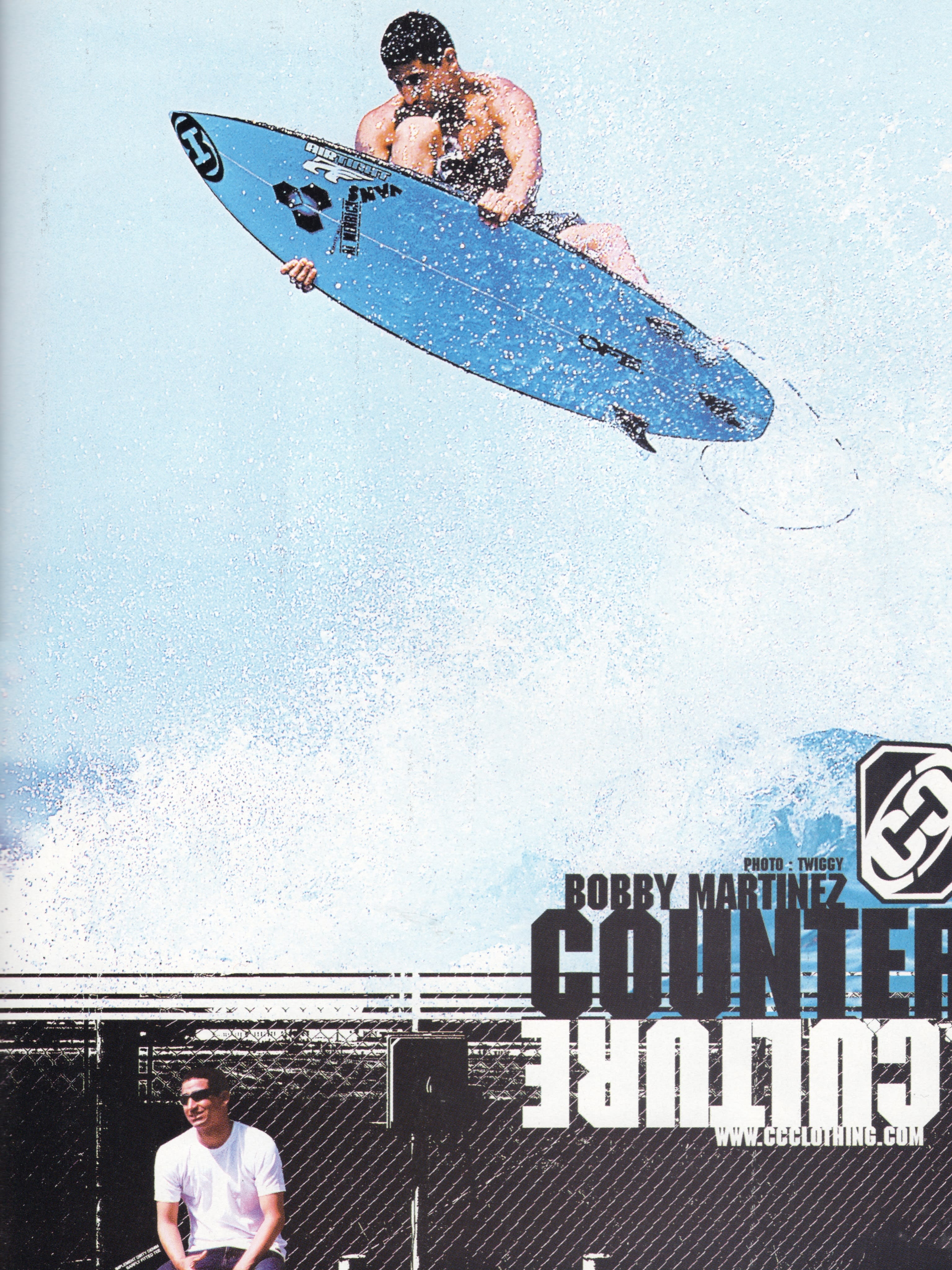
Counter Culture emerged in Huntington Beach in 1991 through Pat Fraley and Mike Schillmoeller and offered a different response to the same moment.
Rather than build everything around graphics, the company concentrated heavily on the clothes themselves: cotton poplin boardshorts, brushed denim, corduroy, heavy flannel and durable basics intended to survive surfing and skateboarding. When the Los Angeles Times profiled the founders in 1992, their philosophy was almost aggressively straightforward: build slowly, make good products and maintain a loyal customer base.
The company's headquarters also happened to have wetsuits drying outside.
Counter Culture wasn't referencing surf culture from a design studio somewhere else. Its founders were surfing before work and describing time in the water as part of remaining connected to the business. Within a few years, the garage-born company was being carried by roughly 300 retailers.
Looking back, the product philosophy feels surprisingly current. Durable materials. Workwear references. Clothing that moves between activities. Everyday utility rather than narrowly defined technical product.
Today those ideas might require a manifesto.
Counter Culture mostly required a pair of wet boardshorts hanging outside the office.
Third Rail: The Beach Meets the City
Some of the most interesting influences weren't coming from surfing at all.
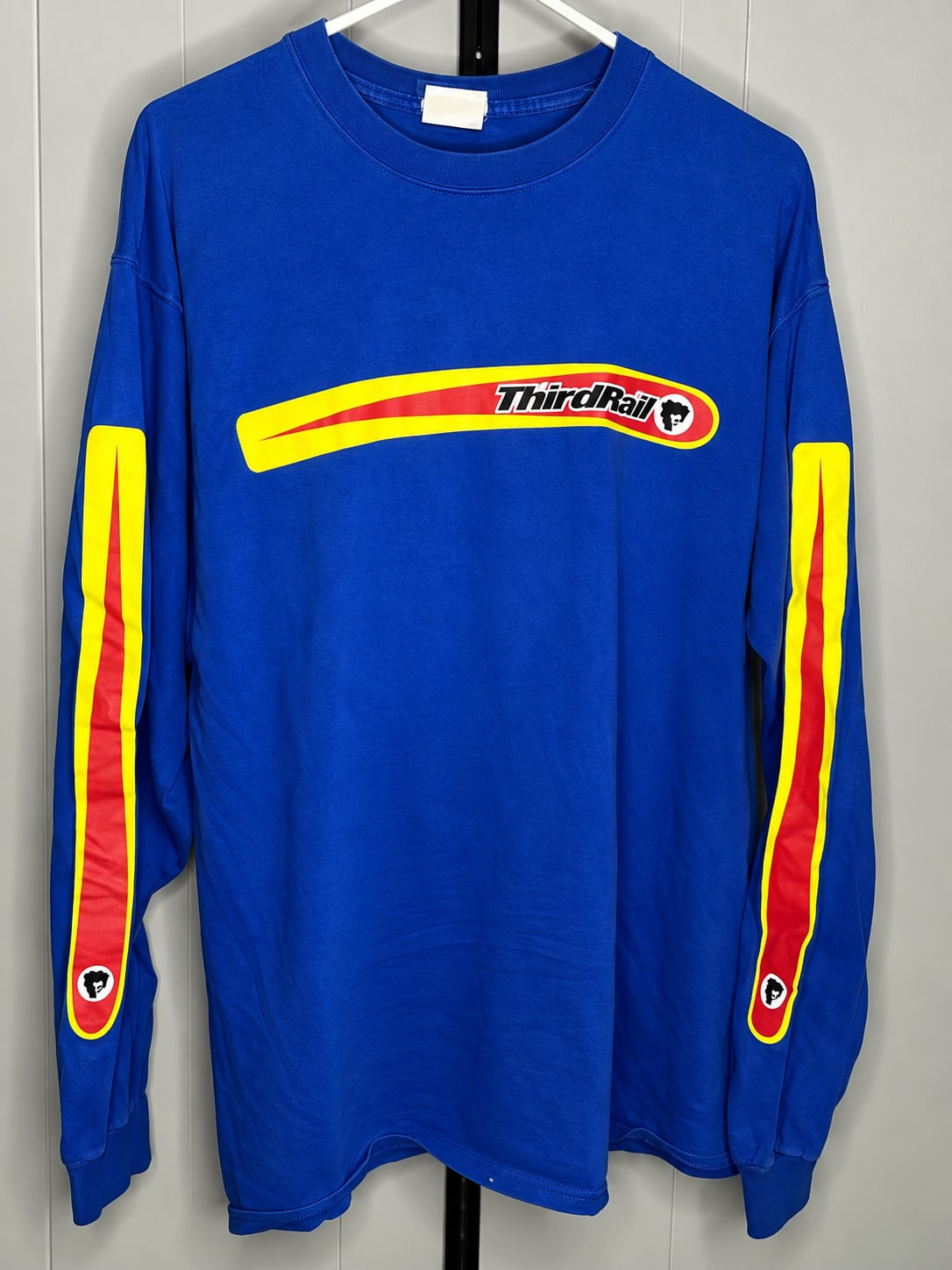
Third Rail emerged from Los Angeles graffiti culture around the beginning of the decade, bringing a visual vocabulary associated with the city into a retail ecosystem increasingly shared by surfers, skaters and snowboarders.
That crossover is important because the conventional history of surfwear tends to move outward from the beach. During the 1990s, influence was moving in every direction.
Surfing borrowed from skateboarding. Skateboarding borrowed from hip-hop. Streetwear borrowed from graffiti. Everyone borrowed from workwear. Motocross brought another language of logos and sponsorship graphics. Tattooing contributed illustration and lettering.
The surf shop became one endpoint for a much larger cultural collision.
And for a while, nobody seemed particularly interested in making the collision coherent.
SMP and the Power of Not Explaining Yourself
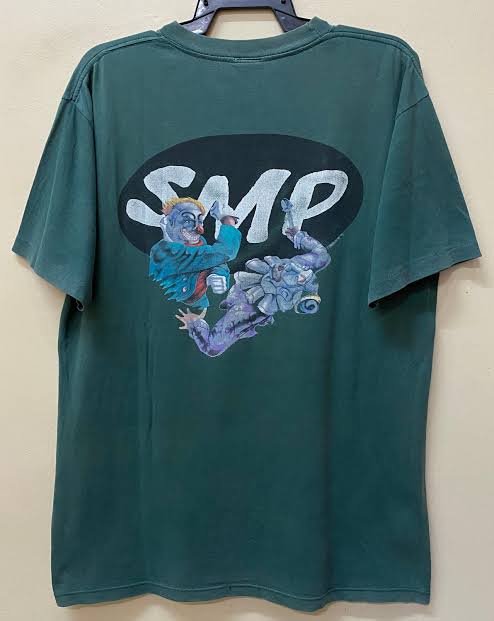
Then there were companies like SMP.
Even the meaning of the name became ambiguous, with different explanations circulating around it. That lack of clarity now feels almost impossible.
A contemporary brand generally launches by immediately explaining itself. There is an About page, founder story, Instagram biography, product philosophy, mood board, interview and carefully articulated reason for existing.
SMP belonged to another information environment.
You might see the logo on a T-shirt at a surf shop. A month later, you'd see a sticker. Then an advertisement. Then someone wearing a hat.
Eventually, you understood that the brand belonged to a particular world. You didn't necessarily know who owned it or what the acronym meant.
You didn't need to.
Mystery was part of the distribution system, even if nobody thought of it that way.
MCD: The Team Was the Identity
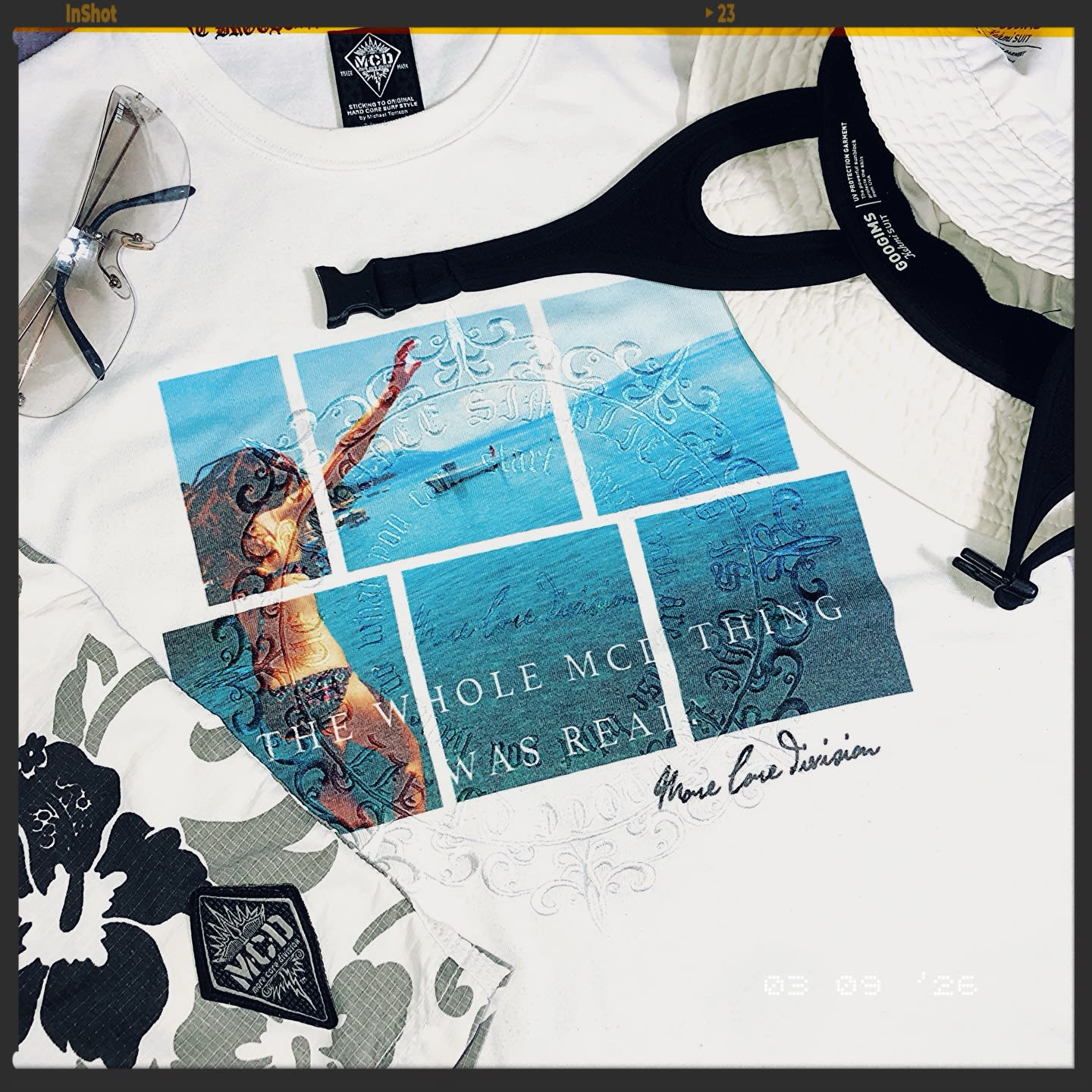
MCD—More Core Division—pushed the same logic in a harder direction.
Emerging from the Gotcha universe, MCD positioned itself against an increasingly mainstream surfwear business. Instead of making surfing broadly palatable, it surrounded itself with some of surfing's strongest personalities and a darker visual vocabulary.
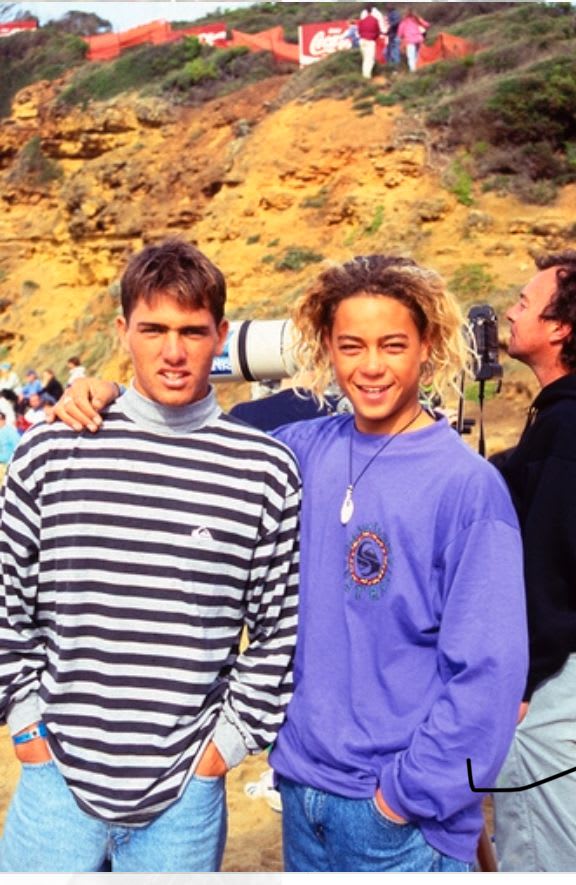
Martin Potter. Dino Andino. Sunny Garcia. Derek Ho. Matt Archbold. Later, Andy Irons.
The important thing about those names isn't simply competitive success.
Those people meant something.
A team roster functioned as an identity system. A confrontational surfer made the company feel confrontational. An experimental surfer made the company feel experimental. Choosing to ride for a smaller or stranger company could simultaneously change how people perceived the surfer.
The relationship moved in both directions.
Today we'd probably call these people ambassadors.
That understates what they were.
World Jungle: Heavy Metal Hindu
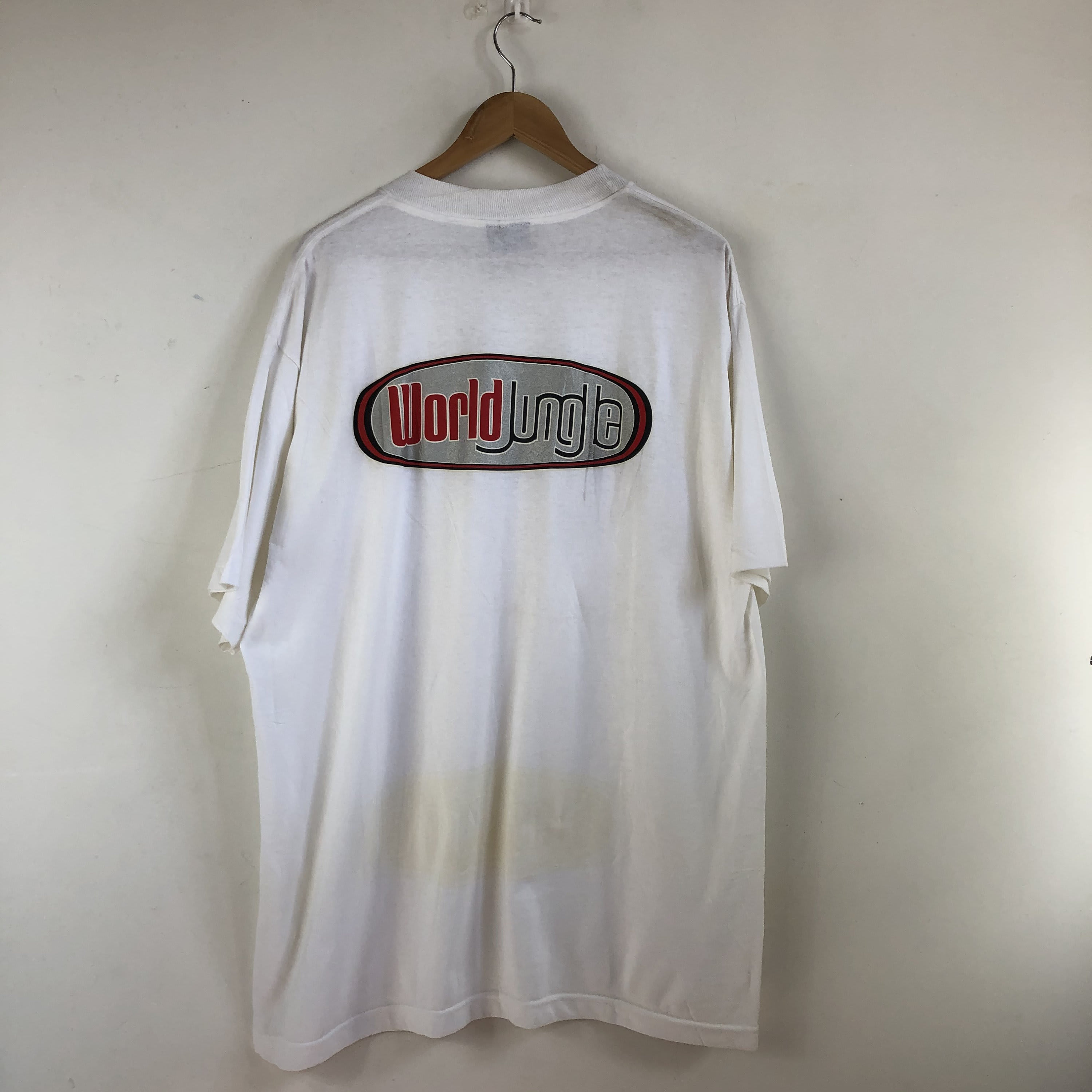
World Jungle provides a direct link between surfwear's major first generation and the independent labels that followed. Founder Jack Denny spent six years designing for Gotcha and helped spearhead MCD before leaving in 1990. After a surf trip to Bali, he returned to California and started World Jungle with roughly $9,000, five T-shirt designs and two styles of trunks. Within two years, the company was approaching $1 million in sales.
The clothes looked different too. Denny mixed Indonesian and Polynesian imagery with tattooing and heavy-metal graphics, describing the result as "heavy metal Hindu." Dragons, serpents and decorative bands replaced the fluorescent beach imagery of the previous decade, while muted colors gave the brand an unusually dark visual identity.
Denny constantly searched outside surfwear for ideas, collecting vintage clothing and recruiting young surfers to contribute artwork. When World Jungle's tribal aesthetic began spreading across the industry, he moved on from it. By 1996, the company had grown to roughly $8 million in sales and 400 retailers.
That progression—Gotcha to MCD to World Jungle—shows how the era actually worked. Designers, surfers and ideas moved between a relatively small group of companies, with each new label reacting against what the previous one had become. Denny sold World Jungle in 1998 and died from cancer later that year at 33, leaving behind a brand unusually inseparable from the person who created it.
The People Were the Brand Guidelines
This may be the biggest difference between these companies and brands borrowing their aesthetics today.
The old brands often had remarkably loose visual systems. Logos mutated. Fonts changed. Photography could be inconsistent. Illustrations appeared for a season and vanished. One advertisement might be beautifully art directed while another looked like somebody assembled it at 2 a.m.
Yet the brands remained recognizable because the identity wasn't contained entirely within the graphic design.
It lived in people.
Surfers. Skaters. Artists. Photographers. Musicians. Shop employees. Designers. Friends.
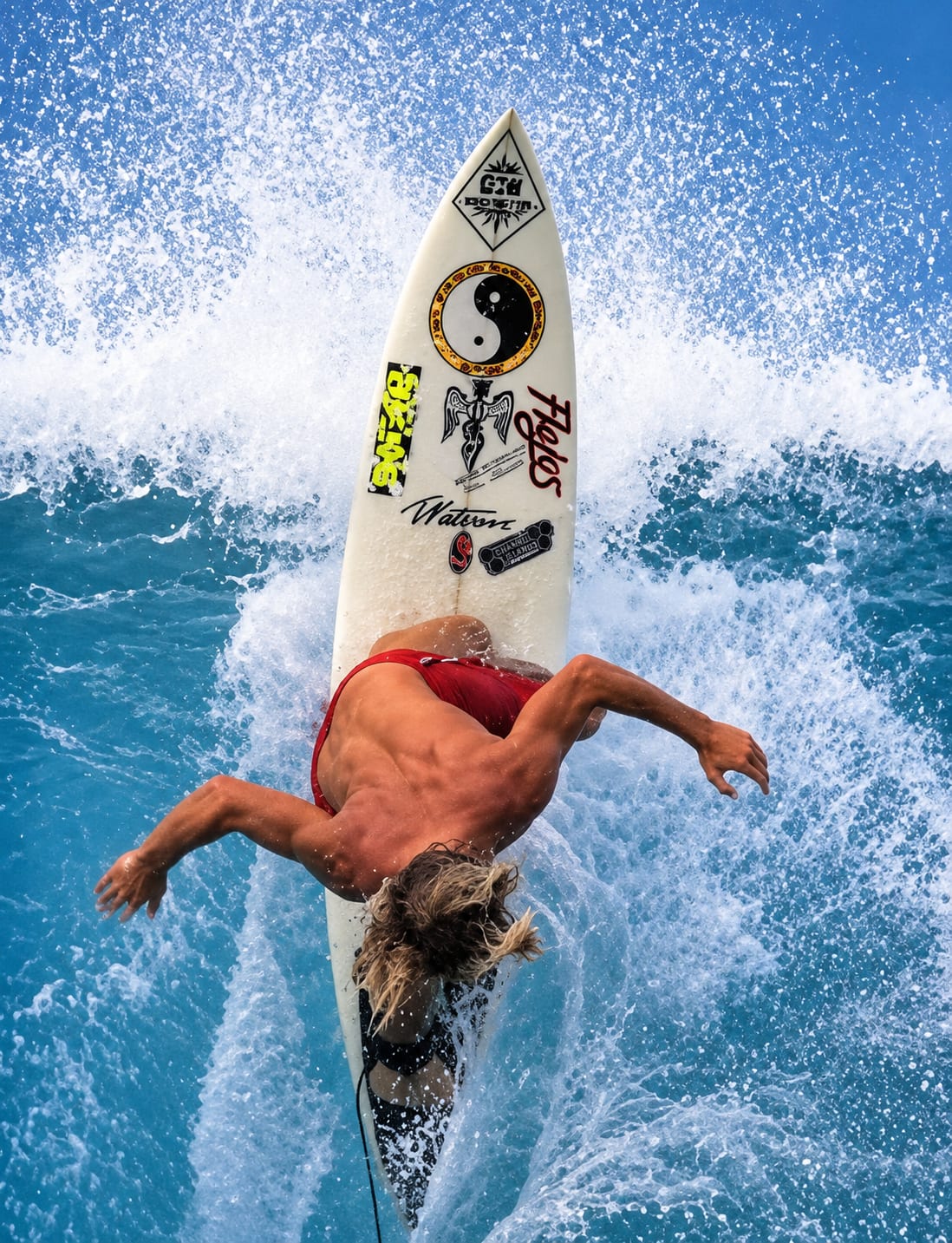
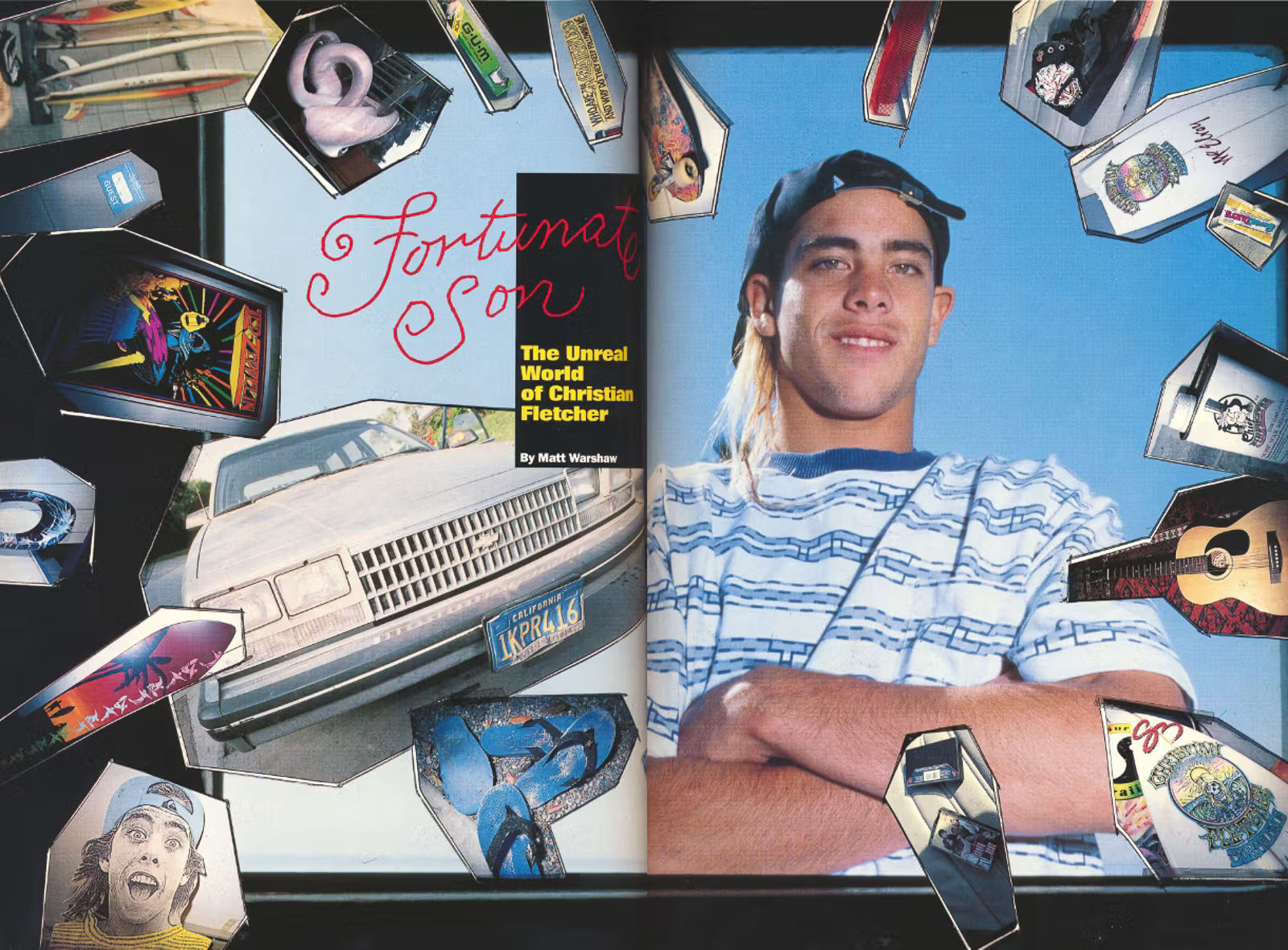
Christian Fletcher didn't need a campaign explaining the relationship between skateboarding and surfing. His surfing already communicated it. Matt Archbold didn't require a brand manifesto explaining irreverence.
The people provided context for the products.
The logo mostly had to tell you which group you were looking at.
The Surf Shop Was the Algorithm
The surf shop performed another part of the system.
A good shop was an editor.
There were the obvious companies near the front. But somewhere farther inside might be Split, SMP, Counter Culture, Ezekiel or a company you'd never seen before.
Someone had chosen it.
That selection carried information.
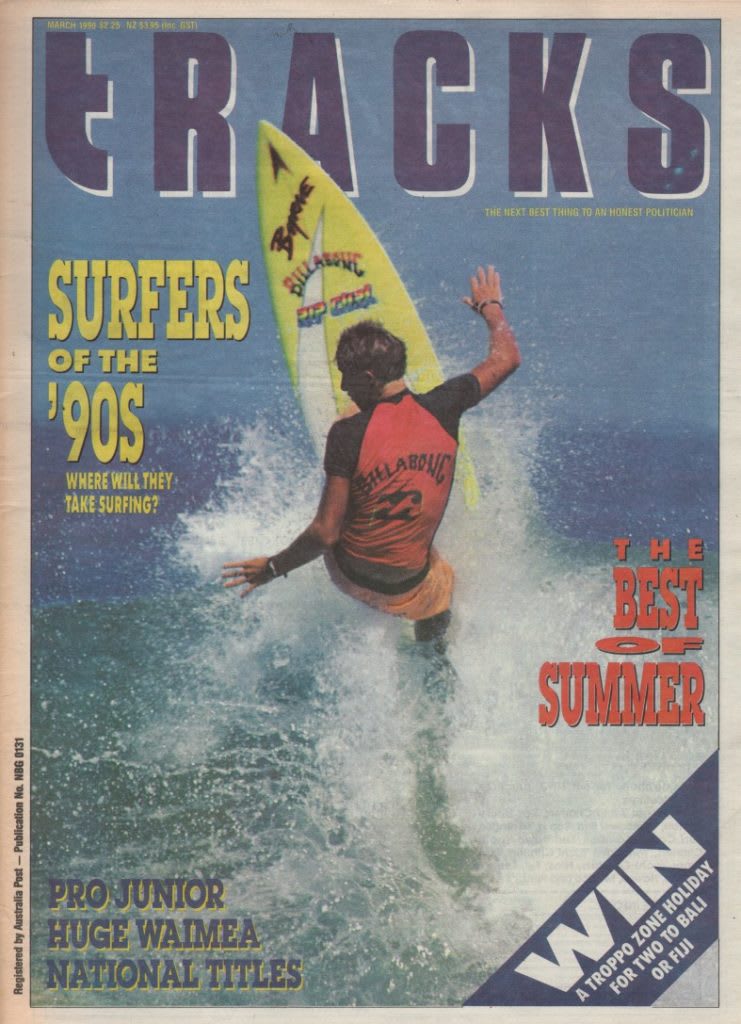
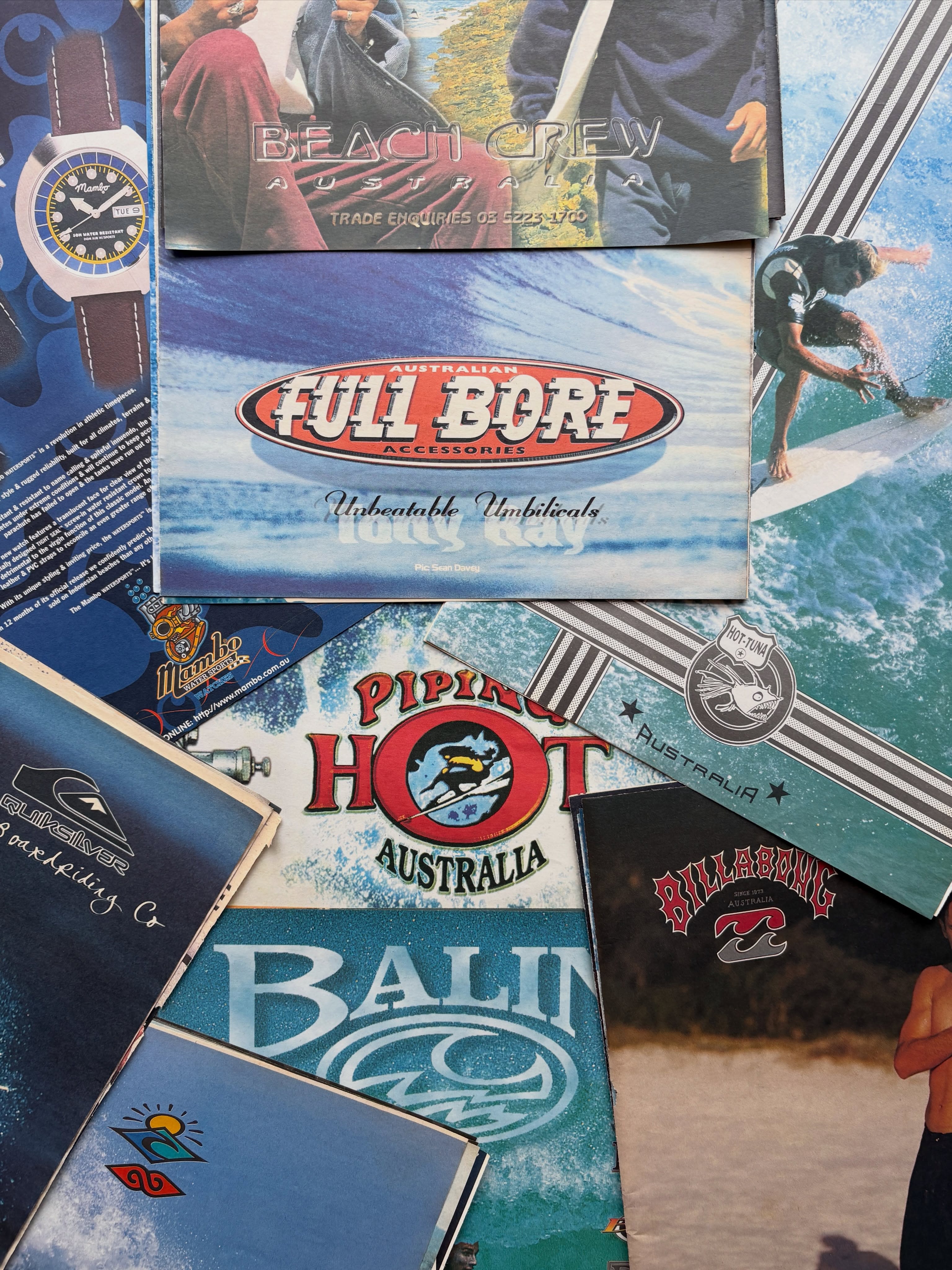
Magazines reinforced the system: Surfer, Surfing, TransWorld Surf, Thrasher and TransWorld Skateboarding. Then came catalogs, stickers, contests and VHS tapes.
The same logo gradually appeared in different places.
Discovery had friction, and friction produced curiosity.
Today, an unfamiliar brand can be almost completely understood in two minutes. Search the name and you can find the founder, headquarters, Instagram following, retailers, collaborators, entire product catalog and probably a podcast interview explaining its philosophy.
In 1996, you might own the shirt and still barely know what the company name meant.
Not knowing made it better.
The Clothes Look Good Again
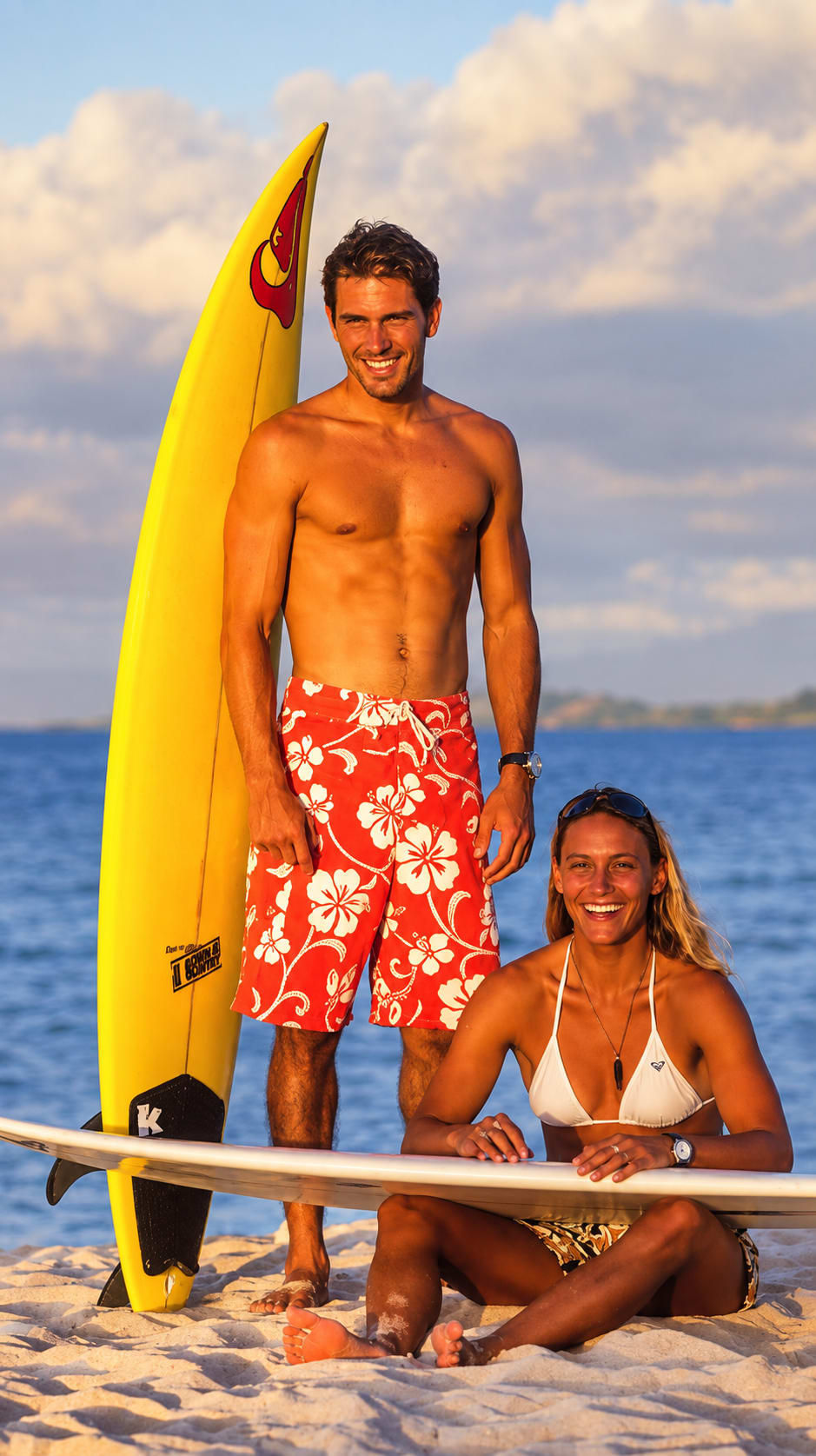
Thirty years later, many of the actual garments feel remarkably current.
Heavy T-shirts. Loose jeans. Oversized shorts. Flannels. Work jackets. Bowling shirts. Cargo pants. Technical nylon. Embroidered logos. All-over graphics.
The temptation is to describe all of it as "Y2K," but that flattens what was actually happening.
There wasn't one Y2K aesthetic.
These clothes looked strange because multiple subcultures were crashing into one another.
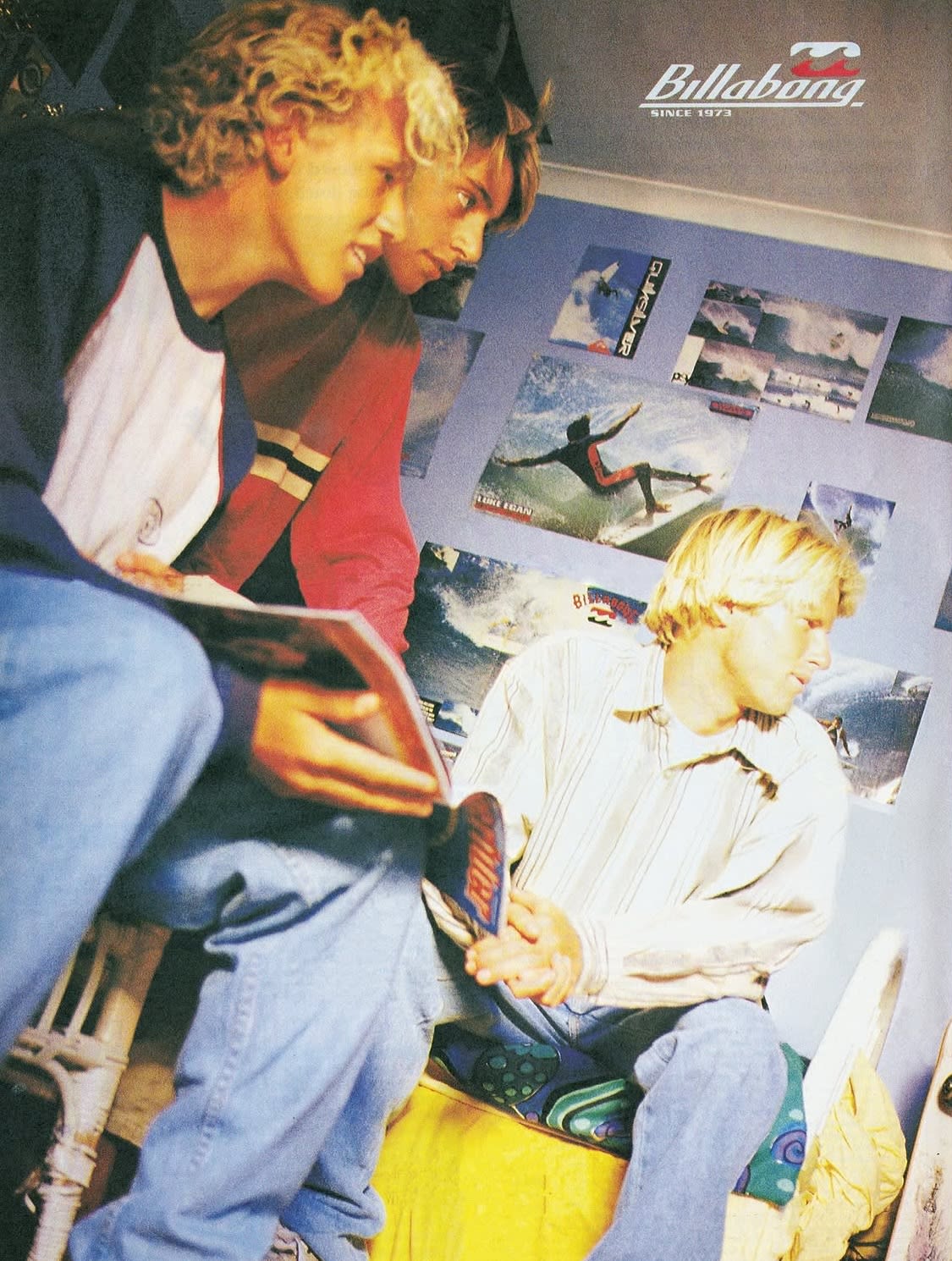
Skateboarding changed proportions. Hip-hop made things bigger. Workwear made things tougher. Rave culture changed color. Tattooing provided imagery. Motocross contributed aggressive logos and sponsorship graphics. Surfing provided a retail and media network capable of distributing the result.
By 1998, even the surf industry's own trade-show organizers were describing surf, skate and snowboard apparel as converging.
The incoherence was the aesthetic.
Why Everyone Wants the Old Stuff
The current vintage surfwear revival makes sense partly because contemporary fashion has arrived back at many of the same places.
Loose proportions are normal again. Technical clothing and lifestyle clothing have blurred together. Workwear has become fashion. Outdoor clothing has become streetwear. Giant graphics no longer look particularly strange.
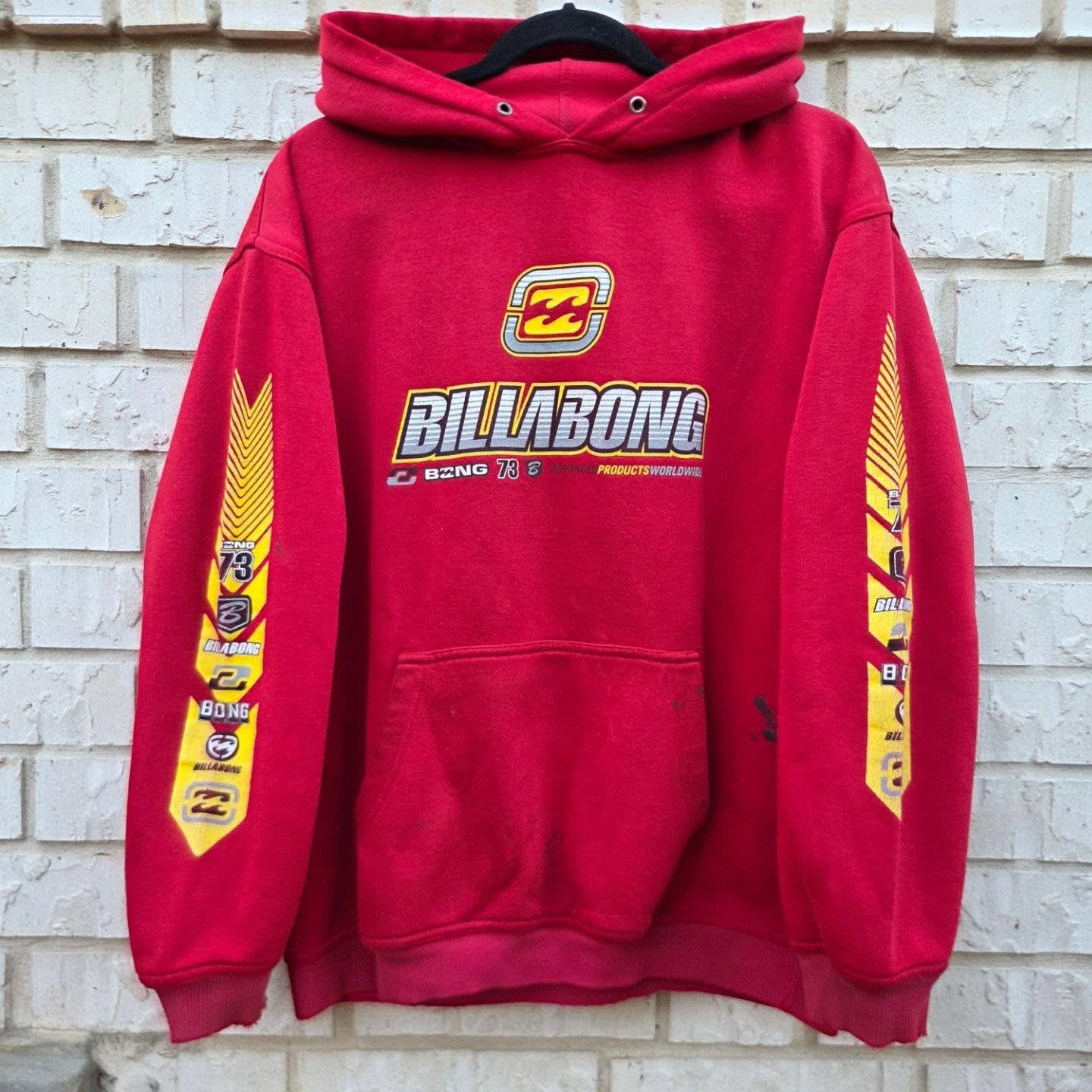
But an original 1995 surf shirt has an advantage over a reproduction.
It doesn't have to pretend.
The fading is real. The cracked screen print is real. The strange proportions are real. The obscure company printed across the chest actually existed.
This gives vintage something increasingly valuable in contemporary fashion:
specificity.
An old Split shirt belongs to a particular company, group of designers and moment in California. An MCD shirt carries associations with a particular group of surfers. A Third Rail piece leads toward Los Angeles graffiti rather than a contemporary mood board referencing Los Angeles graffiti.
Even if the person wearing the garment knows none of this, the object still contains the history.
The surf shop was real. The company failed. The rider actually wore it. The phone number printed on the back once rang somewhere.
Nostalgia for Something You Never Experienced
That helps explain another curious part of the vintage boom: you don't need to remember the period to be nostalgic for it.
Someone born in 2004 can want a 1994 surf shirt.
They aren't remembering childhood. They're responding to an object that suggests a different relationship with culture: brands that appear more local, scenes that seem more distinct and information that wasn't instantly available everywhere.
That version of the past is obviously incomplete.
The 1990s surf industry was intensely commercial. Brands chased trends. Companies copied one another. People complained about surfing becoming corporate then too.
But a subculture still required some degree of access. You needed the shop, magazine, record store, beach, skate spot, friend or older sibling who knew about something before you did.
Culture moved more slowly because information moved more slowly.
Vintage restores a small amount of that friction.
You have to find the thing.
From Nostalgia to Collecting to Obscurity
The evolution of the vintage market follows an interesting pattern.
At first, people buy what they remember.
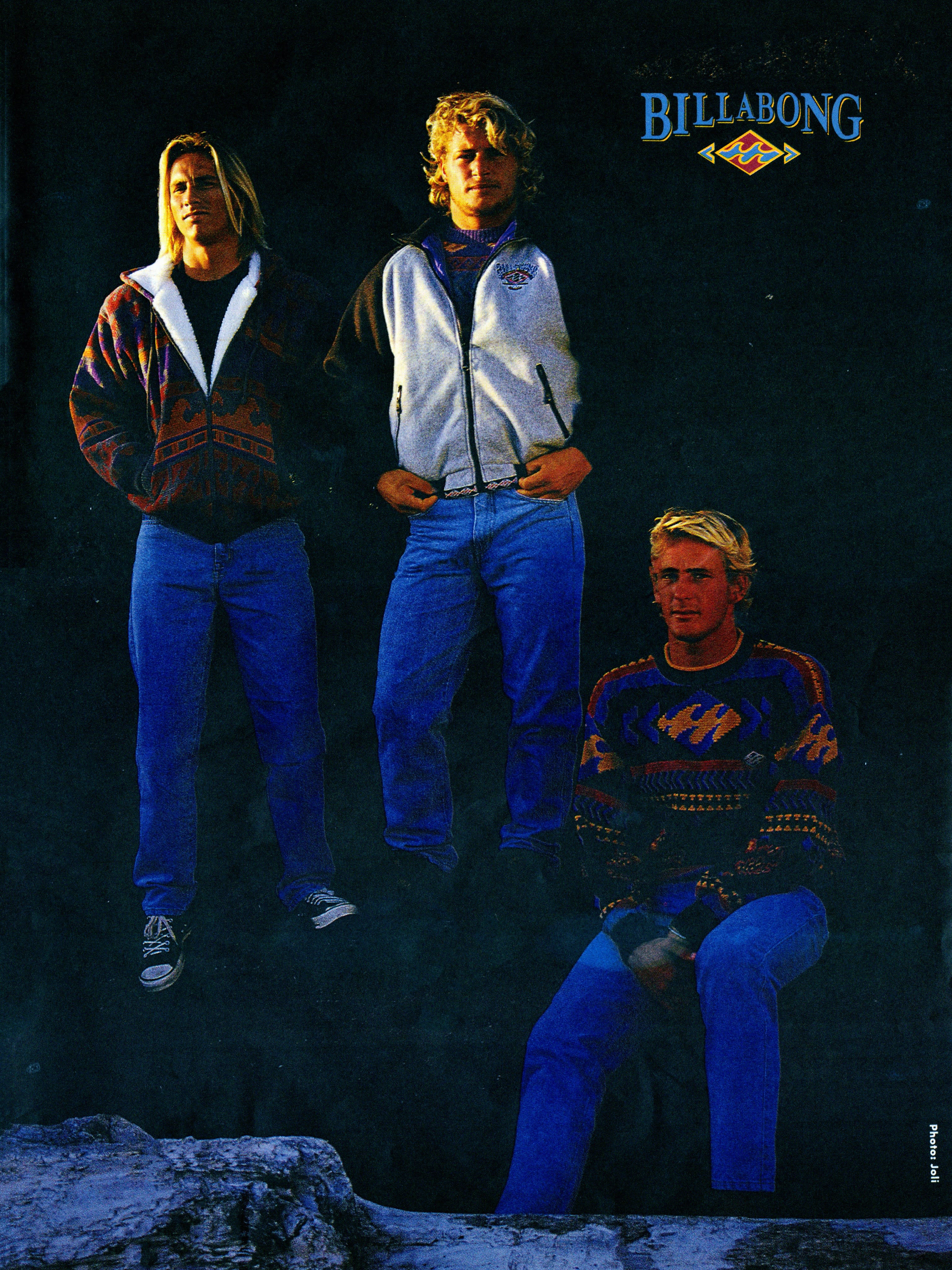
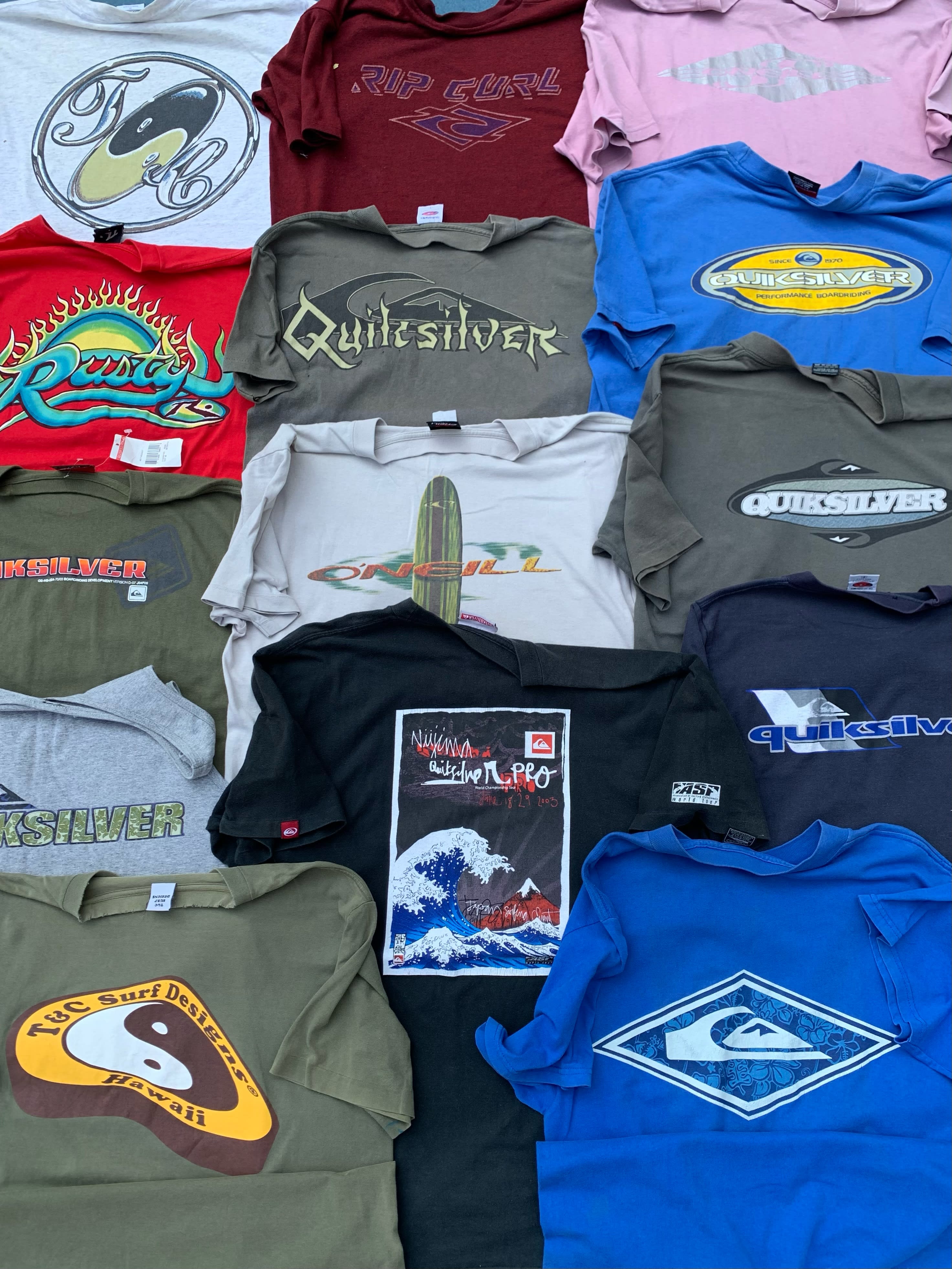
An old Quiksilver shirt. A Billabong jacket. A pair of Rusty boardshorts. The logo from the surf shop they visited as a kid.
Then nostalgia becomes collecting.
Collectors begin looking for particular eras, graphics, tags and athletes. They notice differences between years and start identifying pieces that are genuinely difficult to find.
Eventually, collecting becomes research.
And research inevitably leads toward obscurity.
Once you already know Quiksilver, what's underneath Quiksilver?
Once you've found Gotcha, what was MCD?
What was SMP?
What happened to Counter Culture?
Who designed Split?
What was MADA?
Suddenly, the fact that nobody recognizes the logo becomes part of the appeal.
Vintage surfwear starts behaving a little like record collecting.
You begin with the famous albums.
Eventually you're searching for the band that released one seven-inch in 1989.
The Reseller Is the New Surf-Shop Buyer
This has created an unlikely group of surf historians: vintage resellers.
Specialist dealers now hunt through estates, closing surf shops, deadstock warehouses and private collections looking for clothing from the period. Vintage Surfwear describes inspecting, grading, measuring and photographing each original piece it finds rather than selling contemporary reproductions.
The role is more culturally significant than simply flipping old T-shirts.
A reseller might encounter hundreds of garments and choose twenty worth photographing. Those twenty appear on Instagram. Someone recognizes one. Another collector remembers the company. An old advertisement gets posted. A former employee identifies the artist.
A company that hasn't meaningfully existed in twenty years suddenly has an audience again.
The reseller has become buyer, archivist and editor at the same time.
In the 1990s, a surf-shop buyer decided whether an unknown brand deserved six feet of rack space.
Today, a vintage dealer decides whether a forgotten brand deserves six squares on a feed.
The mechanism changed.
The cultural filtering didn't.
The Archive Nobody Planned to Build
Sometimes the process goes beyond resale entirely.
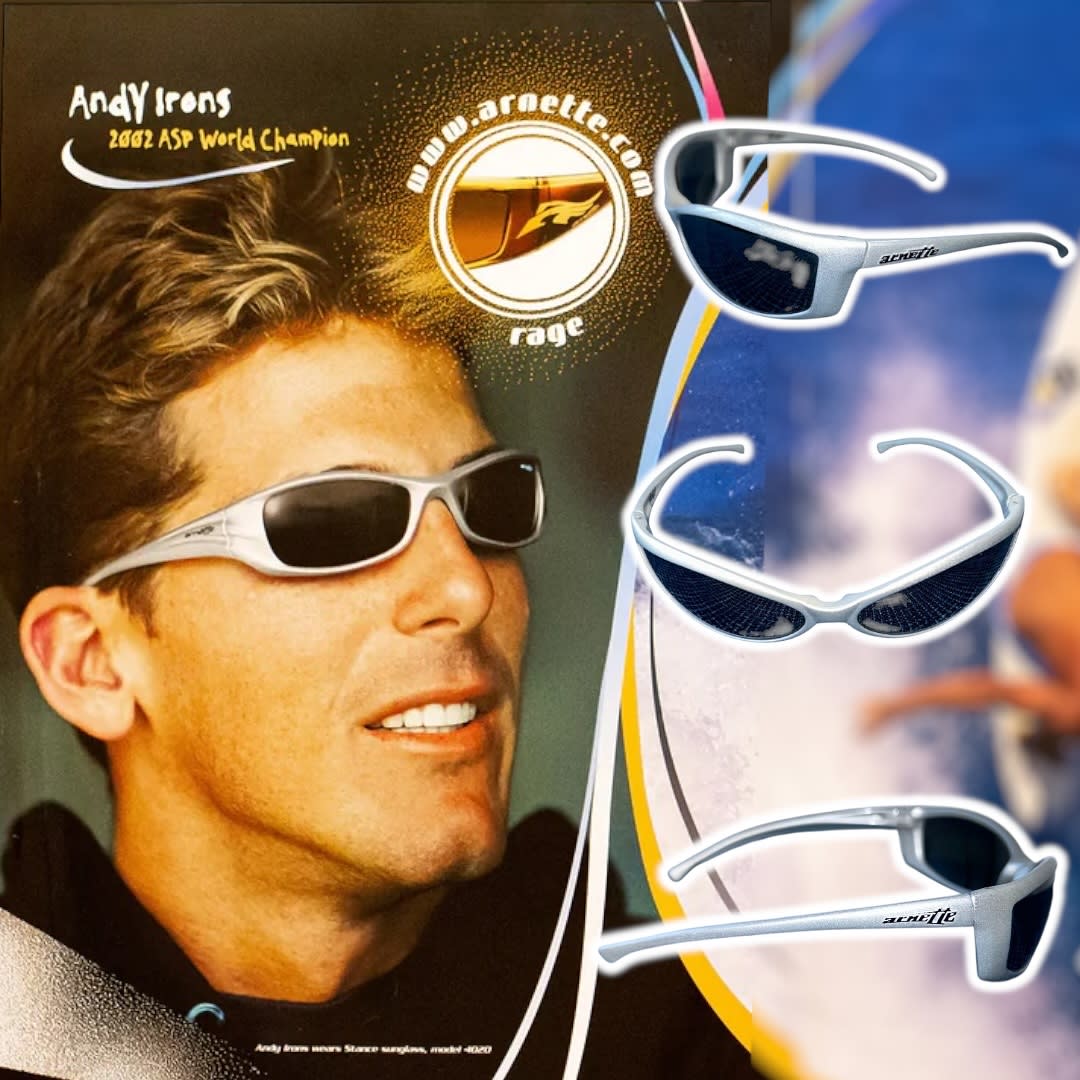
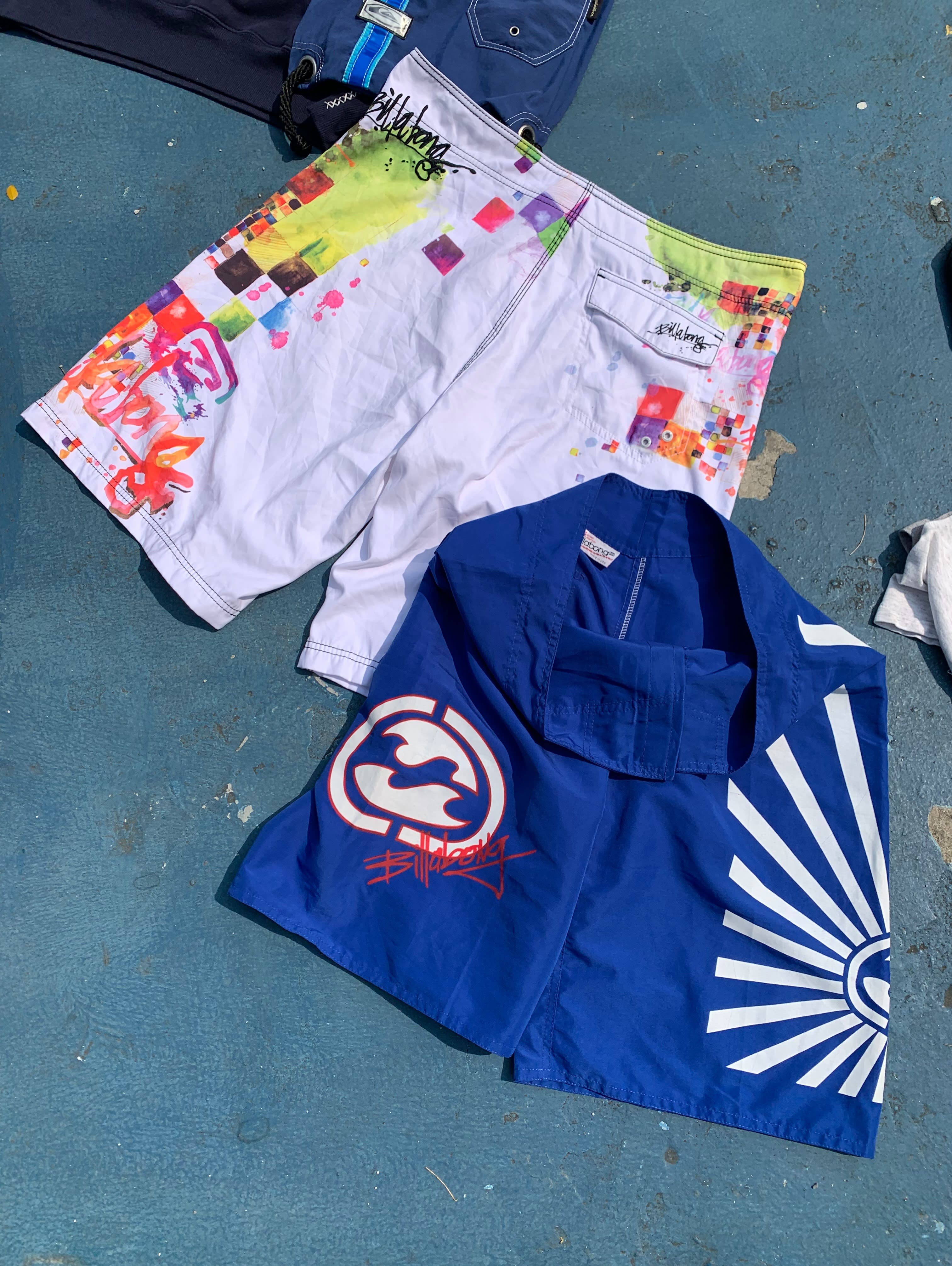
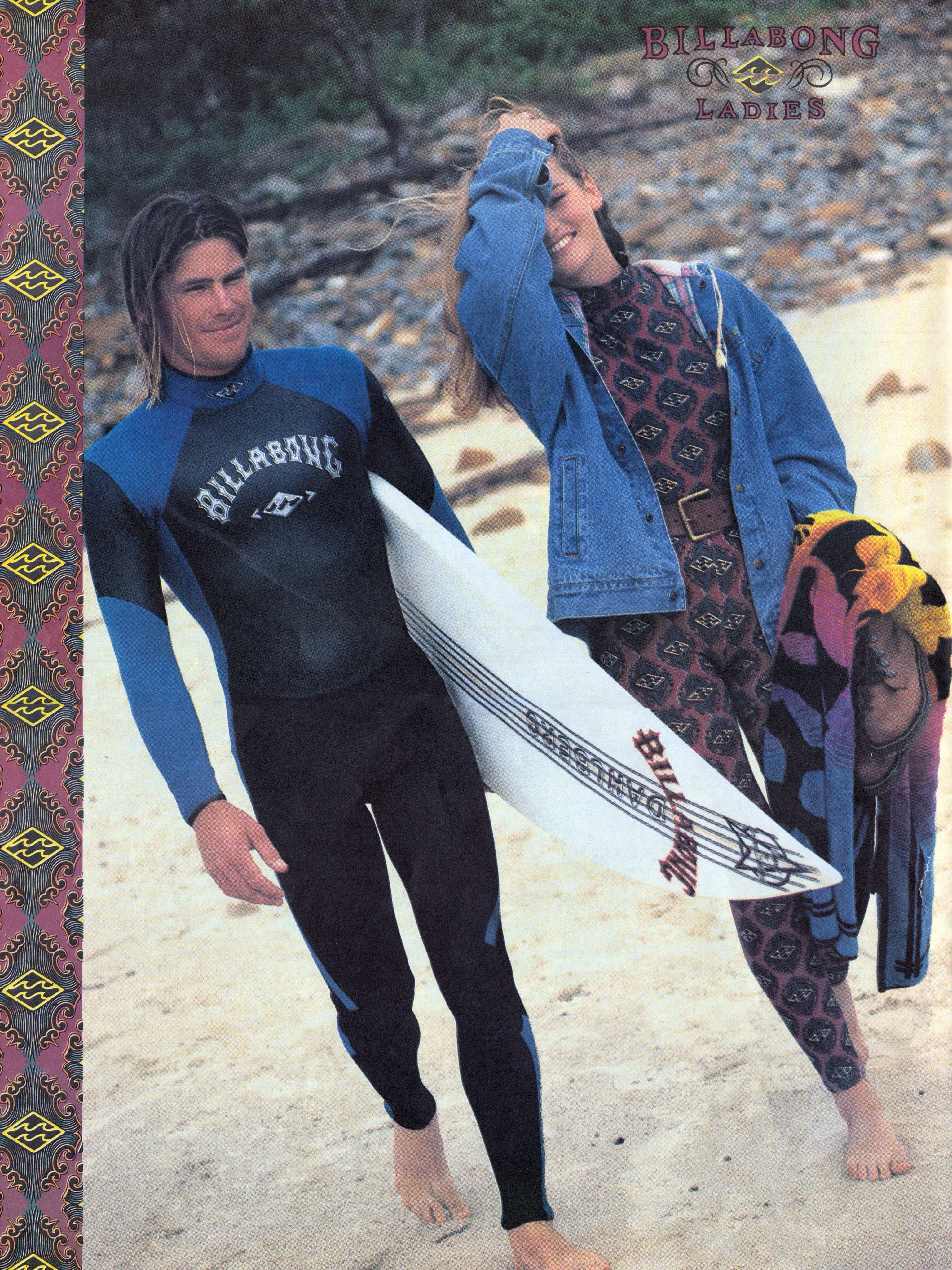
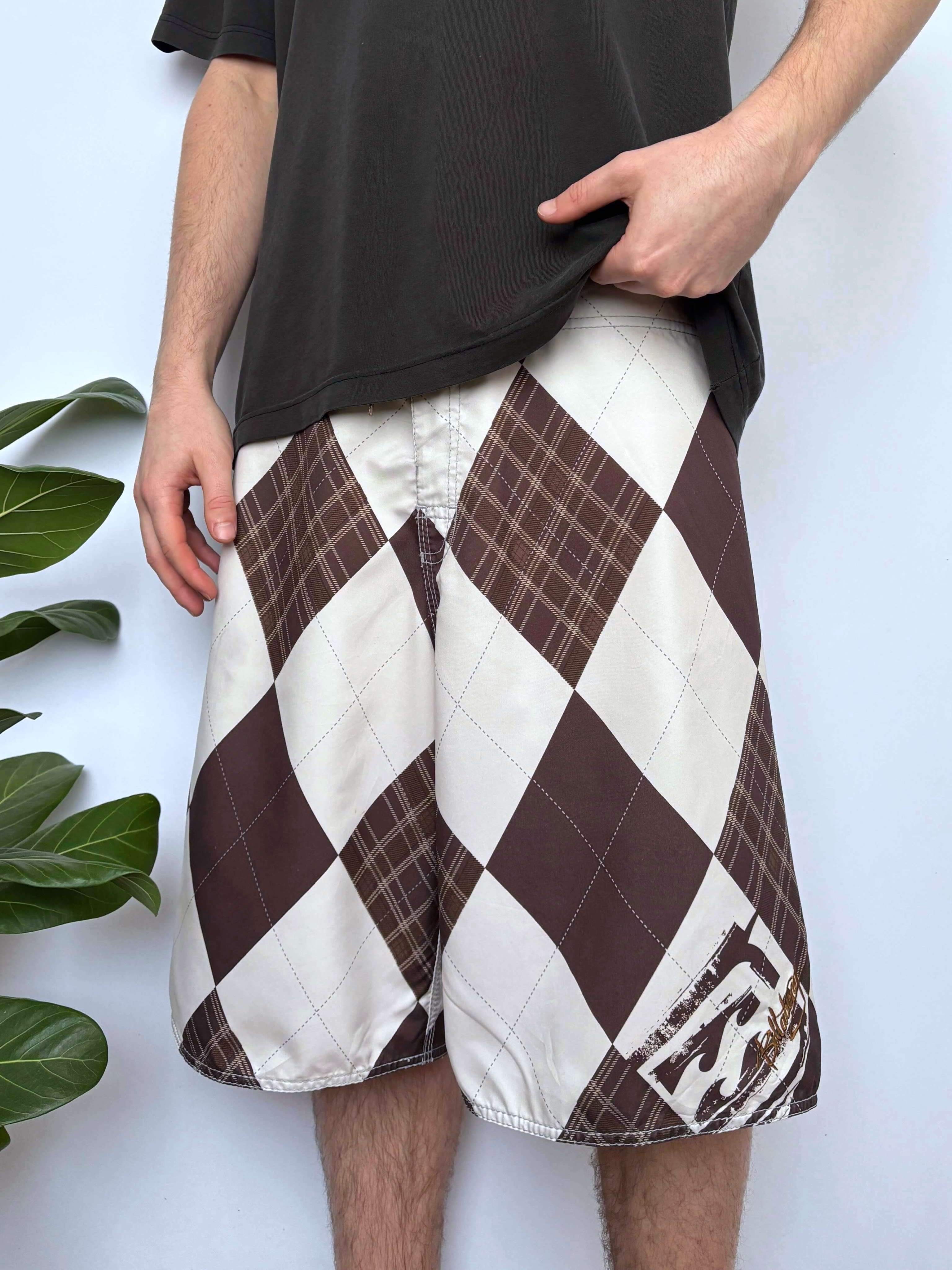
The Andy Irons Boardshorts Archive, an independent collector project, currently documents 26 submitted references associated with Irons-era Billabong boardshorts. Rather than simply displaying the pieces, it organizes them into visual families—Rising Sun and Samurai-style panels, signatures, argyle, stripes and colorblocks—while carefully noting where dates or official model names remain unverified.
It's a tiny example of something much larger.
Collectors are cataloging boardshort patterns.
Resellers are comparing tags.
People are scanning old advertisements.
Former employees are identifying graphics.
Old VHS footage is being digitized.
Garments scattered around the world are slowly being reconnected with the people and companies that produced them.
The strange consequence is that some of the most useful archives of surfwear may eventually belong not to the companies that made it, but to the people who collected it afterward.
What began as resale becomes preservation.
Clothes as Primary Sources
That matters because small surf companies generally didn't maintain archives.
Catalogs were thrown away. Posters went onto bedroom walls. Stickers went onto cars. Surfboards snapped. Employees moved to other companies. Warehouses closed. Early websites disappeared.
Nobody imagined that someone would care about an obscure pair of boardshorts thirty years later.
The clothes survived because people wore them.
That turns the vintage market into something more interesting than a nostalgia economy. The garments become primary sources.
A neck tag can help establish a period. A sponsor logo can connect a forgotten company to a surfer. A graphic can reveal an artist's involvement. Construction can show where and how something was manufactured. A particular boardshort can reconnect a design with the athlete whose photographs originally made it recognizable.
Unlike a conventional archive, the objects remain in circulation.
Someone discovers the shirt.
Someone researches it.
Someone buys it.
Then someone wears it again.
Deadstock Goes Back Into the Water
The cycle can become even more literal.
Los Angeles-based 1TWENTY9 makes new boardshorts using old deadstock fabrics. Founders Sofie and Rene describe the company as combining surf-industry experience with a love of vintage, producing small runs locally from unused materials that already existed. Its stated references include vintage surf culture and the simpler athleticwear silhouettes of the 1980s.
It's an interesting inversion of the normal vintage revival.
Instead of manufacturing a new fabric designed to resemble something old, the company starts with material left behind by an earlier apparel industry.
The archive becomes raw material.
A piece of fabric manufactured decades ago but never turned into clothing finally becomes a pair of boardshorts and goes into the water.
The past isn't merely being reproduced aesthetically.
Its physical leftovers are being used again.
Why Imperfection Suddenly Matters
There is another reason all of this feels relevant.
We now live inside an extraordinarily efficient branding environment.
Three people can launch a company with a sophisticated identity, custom typography, excellent photography, a Shopify store, international shipping, influencer seeding and a social strategy almost immediately.
The tools are extraordinary.
The unintended consequence is that brands can arrive looking finished before they've actually done anything.
A company with six months of history can present itself with the institutional confidence of one that's existed for fifty years.
Vintage clothing comes from an environment where those imperfections were harder to eliminate.
The screen print might be slightly wrong. The logo might change. The photographer might not be very good. One collection might look completely different from another.
What once looked amateur can now look human.
What once looked inconsistent can now look specific.
And what once looked unsophisticated can feel strangely difficult to reproduce.
Before Brands Had to Become Content Machines
The irony is that the old surf companies created enormous amounts of media.
They made videos. Sponsored tours. Published catalogs. Placed magazine advertisements. Threw parties. Supported musicians and artists. Gave clothes to surfers. Counter Culture even organized free youth surf contests as part of its involvement in the local scene.
But those activities weren't necessarily understood as a continuous stream of content.
The surf video existed because people wanted to make a surf video.
The party happened because people wanted a party.
The artist made the graphic because somebody knew the artist.
The contest happened because a surf company wanted kids to surf.
The resulting culture could then sell clothing.
The sequence matters.
Today, brands frequently begin with the requirement to produce content and work backward toward the culture that might justify it.
The old surf companies tended to begin with a group of people and work outward.
The Lesson Isn't to Make the Logo Bigger
The revival of 1990s and Y2K design makes it tempting to extract the obvious lessons.
Make the T-shirt heavier. Make the pants wider. Distress the graphic. Use an aggressive logo. Shoot the campaign with direct flash.
Those are the easiest things to copy because they're visible.
But they were outcomes rather than causes.
The interesting thing about Split wasn't its typography. It was a group of design students selling shirts from a cardboard box while simultaneously absorbing surfing, skateboarding, hip-hop and techno.
Counter Culture didn't reference the lifestyle of people who surfed before work.
Its founders actually surfed before work.
The best companies weren't constructing fictional worlds around products.
They were documenting the worlds already around them.
That's what becomes difficult to reproduce.
The logo can be copied. The baggy shorts can come back. The graphic can be distressed until it looks thirty years old.
But the thing that made those objects culturally powerful wasn't really contained in the objects at all.
It was the proximity between the people making them and the culture wearing them.
For a brief period, Southern California produced hundreds of variations on that idea. Some became enormous companies. Most disappeared.
Now collectors are finding what's left, one shirt, boardshort, advertisement and forgotten logo at a time.
Thirty years later, the companies that disappeared may tell the story better than the ones that survived.
No products available.
Shop surf apparel on WeekEnds today.
Related Articles

September 17, 2026
Saturn LA Is Building Outdoor Clothing From the Outside In
Saturn LA founder Ryan Cheung talks climbing, streetwear, Chinese outdoor design, independent brands, and the future of technical clothing on WeekEnds WeekDay
Read →
September 16, 2026
The People Designing the New Outdoors
Meet the designers, makers, editors and community builders reshaping outdoor culture, from Gnuhr and CAYL to Field Mag, USAL. Goodlids and more.
Read →
September 15, 2026
AMUNT Treats Outdoor Clothing as an Ongoing Field Study
Barcelona-based AMUNT develops technical mountain apparel through Field Studies, real-world testing and community feedback, connecting clothing, culture and life outdoors.
Read →