
Why Repairability Is Becoming a Design Feature
by Gene Han
For most of the outdoor industry's history, durability was the goal. Make a jacket that survives years of abrasion. Build a backpack that can be dragged across granite. Design a boot capable of absorbing hundreds of miles before it needs to be replaced.
But durability and longevity aren't quite the same thing.

Eventually a zipper fails. A sole wears through. A buckle snaps. A seam separates. And when that happens, the lifespan of a product is often determined less by the strength of its materials than by a much simpler question:
Can it be fixed?
That question is beginning to influence how outdoor products are designed.
Repair has traditionally existed downstream from product development, something handled by warranty departments, local gear shops or particularly resourceful consumers armed with Tenacious Tape. Increasingly, however, brands are considering repairability before a product ever reaches the factory.
The shift sounds subtle, but it changes the definition of good design. A product isn't simply designed to survive as long as possible. It is designed around the assumption that parts of it will eventually fail—and that those parts should be replaceable when they do.

Designing for the Second Life
The modern outdoor industry has spent years searching for lower-impact materials.
Recycled nylon replaced virgin nylon. PFAS-free waterproofing became a development priority. Bio-based foams, recycled insulation and lower-impact dyes entered product briefs.
Those changes matter. But they mostly address what happens before someone buys a product.
Repairability addresses what happens afterward.
A jacket that uses recycled fabric but gets discarded because of a broken zipper still requires another jacket to be manufactured. A backpack made from lower-impact materials isn't particularly circular if a broken buckle renders it useless.
That has pushed some designers toward a different equation:
The most sustainable product may not be the one made from the most sustainable material. It may be the product you don't have to replace.

For designers, that means thinking beyond material selection and considering construction itself.
Can a zipper be removed without destroying the surrounding fabric? Can hardware be replaced independently? Can a shoe be resoled? Can a damaged panel be accessed without dismantling the entire garment?
Those are no longer just repair-shop questions. They're becoming design questions.
NNormal Is Designing Running Shoes Around Repair
One of the clearest examples is NNormal, the trail-running brand founded by Camper and Kilian Jornet.
Running shoes are a particularly interesting test case for repairability because the category has historically operated almost like a consumable. Runners accumulate miles, the outsole and midsole deteriorate and another pair replaces them.
NNormal is attempting to stretch that lifecycle.
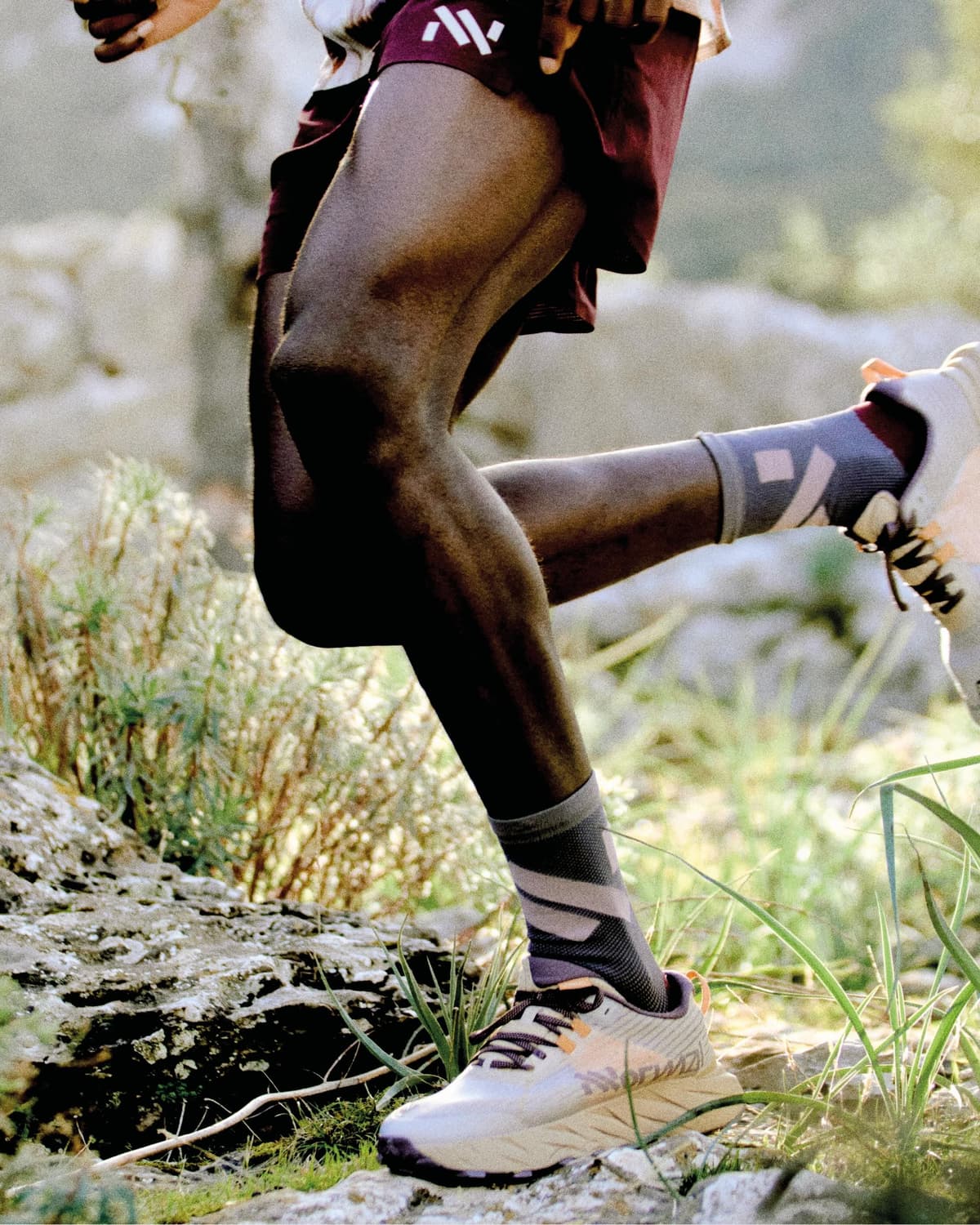
The company explicitly says it considers the "functionality, durability, repairability" of the products it creates, while its broader program includes product take-back, repair and refurbishment. More interestingly, NNormal has partnered with Vibram's cobbler network on a resoling program, acknowledging a basic reality of footwear: the outsole can wear out while much of the shoe remains usable.
The company also offers a lifetime repair guarantee for minor shoe repairs through Vibram-certified cobblers. Its recently published Commitment Report goes further, positioning durability and repairability as part of the development philosophy rather than simply an after-sales sustainability initiative.
That distinction matters.
If footwear is going to be repaired at scale, designers have to anticipate how it will come apart, which components will fail first and whether replacing those components makes economic and technical sense.
Suddenly, the cobbler becomes part of the product ecosystem again.


Klättermusen: Built to Be Repaired
For Swedish mountaineering brand Klättermusen, this thinking isn't particularly new.
Founded in 1975, the company has long approached durability from a lifecycle perspective. Its philosophy is essentially to repair equipment repeatedly while continuing to improve the underlying construction. Today, Klättermusen operates a paid repair service and says it prioritizes repair when dealing with product claims whenever possible.

That philosophy shows up in an important distinction between ruggedness and serviceability.
You can make something extraordinarily rugged by permanently bonding layers together, hiding components inside complex assemblies and optimizing every seam around manufacturing efficiency. But those same decisions can make a product nearly impossible to repair.
Designing something to be opened, patched, resewn or rebuilt requires a different mindset.
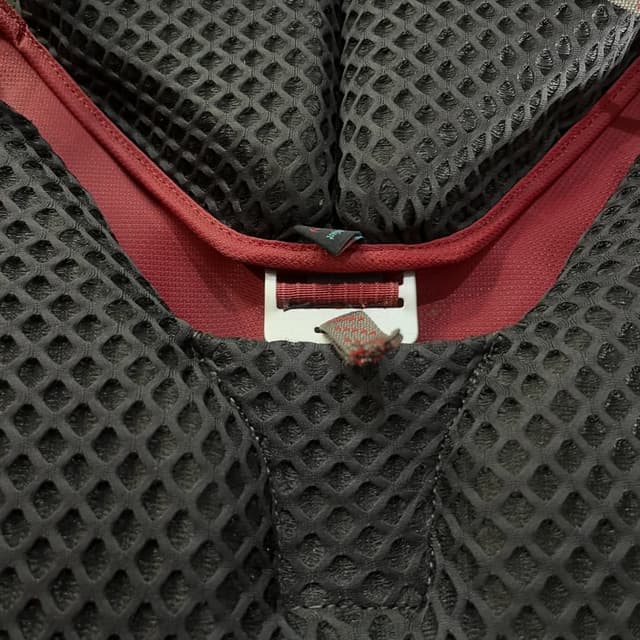
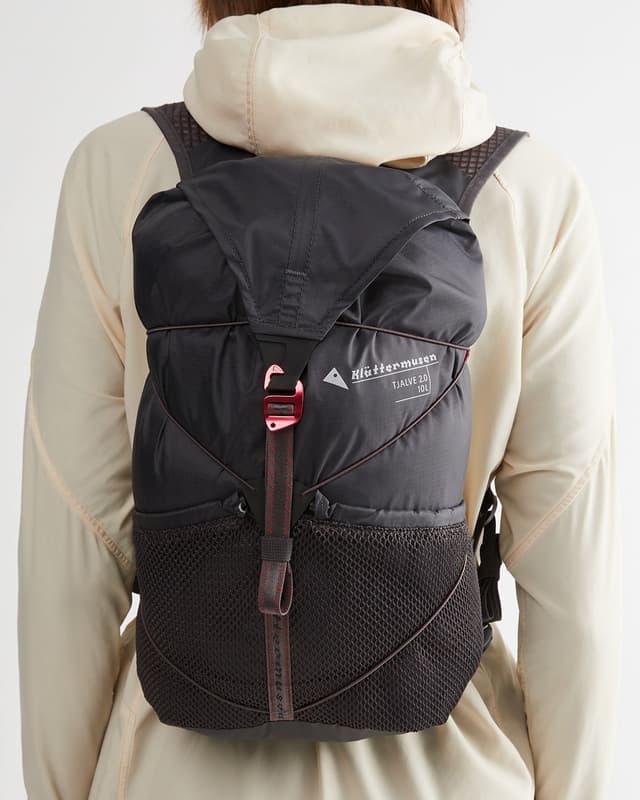
Klättermusen describes its equipment as "built to last and built to be repaired, not replaced."
It is a surprisingly radical design brief in an industry built around seasonal product launches.
Houdini Designs Around Product Lifetime
Houdini Sportswear pushes the idea further into the structure of the garment itself.
The Swedish company offers a product lifetime warranty and says every part of a Houdini product is intended to last for the product's expected lifetime. When components fail prematurely, the company can repair the garment or, in some cases, send replacement components so the customer can fix it themselves. Damage outside warranty can still be repaired for a fee.
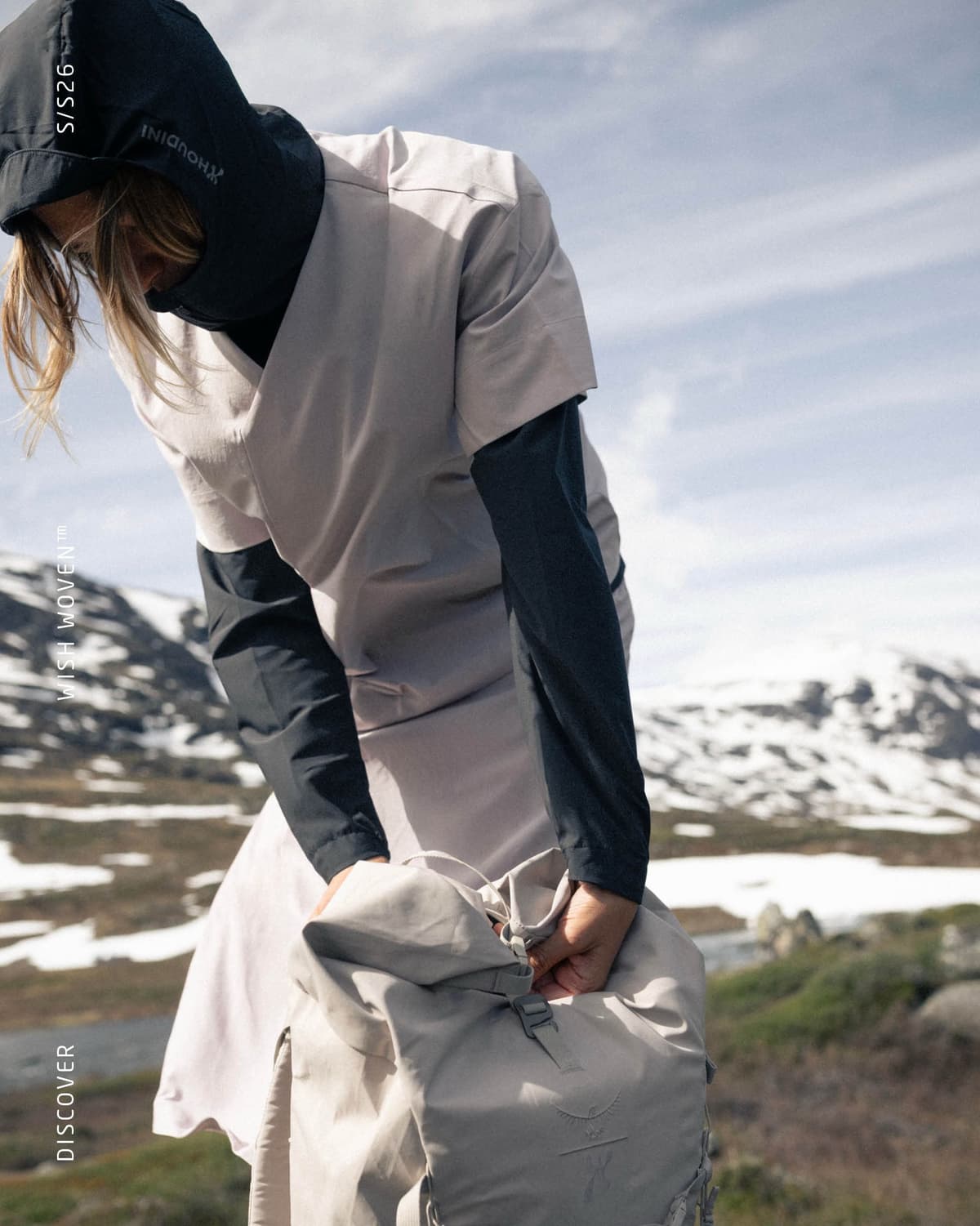
Repair also sits alongside rental, reuse and recycling within Houdini's broader approach to circularity rather than existing as an isolated customer-service program.
That creates an interesting feedback loop.
When a brand expects to see its products again five or ten years after selling them, failure becomes information.
Which zipper keeps breaking?
Where does fabric consistently abrade?
Which seam construction is difficult to access?
Which component costs more to replace than expected?
A repair department can effectively become an extension of the design studio.
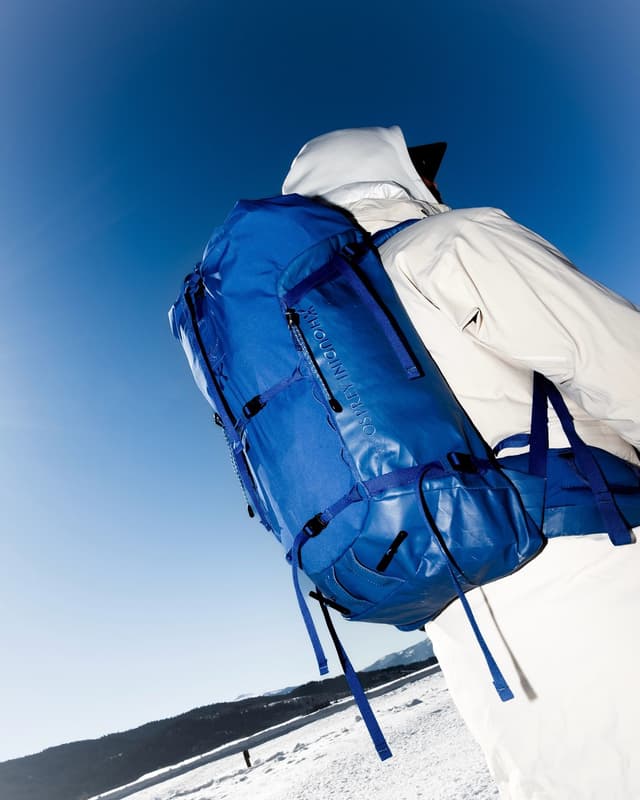
Curious Creatures Designs for What Happens Next
For Curious Creatures, a small Montana mountain-bike apparel brand founded by designer Natasha Woodworth, repairability starts before a garment is even made.
Woodworth spent a decade at Patagonia before launching Curious Creatures, and the brand approaches product development with an unusually specific question: What happens to this thing after years of use?
That thinking influences material selection and construction. Curious Creatures prioritizes mono-material fabrics for its bottoms where possible, avoiding unnecessary blends and stretch fibers so that components like zippers and trims can eventually be removed and the remaining material recycled. The company also works with a local Montana gear-repair specialist to provide complimentary repairs for its products.
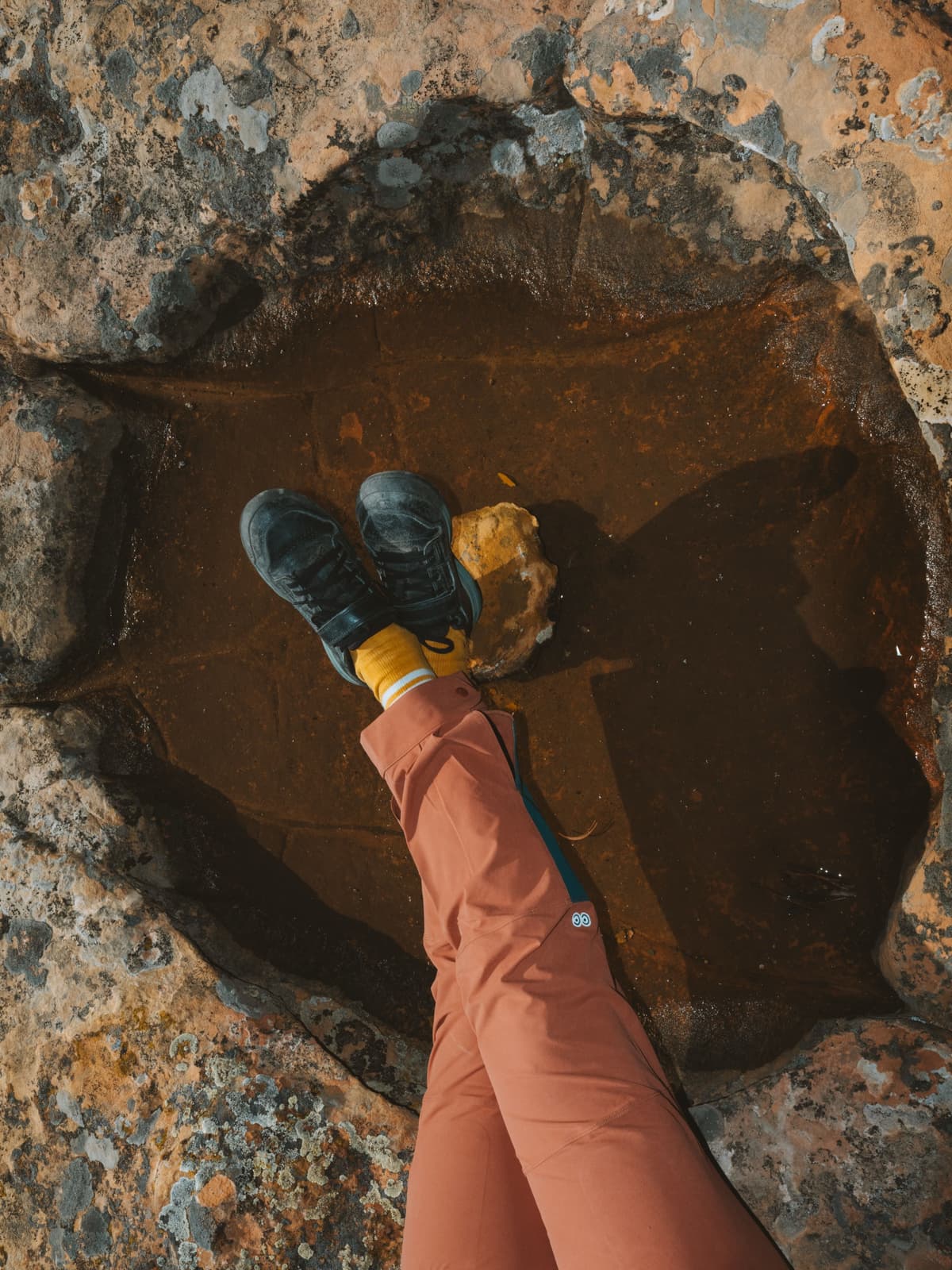
It represents a more interesting evolution of the repair movement than simply offering a warranty.
Repairability becomes something designers consider alongside fit, weight, durability and performance. The end of a product's first life is anticipated at the beginning of the design process.
For a young brand, that can actually be an advantage. Curious Creatures doesn't have decades of existing supply chains, legacy construction methods or enormous product assortments to retrofit. It can build repair and eventual disassembly into the system from the start.
That points toward where outdoor design may be heading.
Instead of asking only how long a garment can survive before something breaks, designers can ask which component is likely to fail first, whether it can be replaced and what happens to the rest of the product afterward.
The goal isn't to create something indestructible.
It's to create something whose first failure doesn't have to be its last.

Patagonia Made the Repair Visible
Of course, the brand that helped turn repair into outdoor culture is Patagonia.
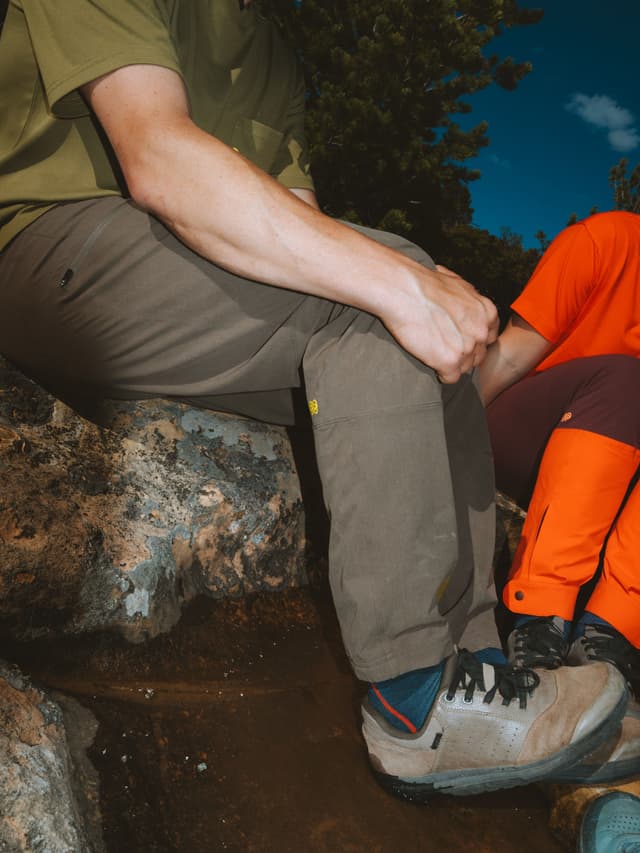
Through Worn Wear, repair centers, DIY tutorials and its Ironclad Guarantee, Patagonia spent years reframing damaged clothing as something worth maintaining rather than replacing. Its current repair infrastructure continues to encourage customers to keep equipment in circulation for as long as possible.
But perhaps the more consequential idea is what happens when repair knowledge travels backward into product development.
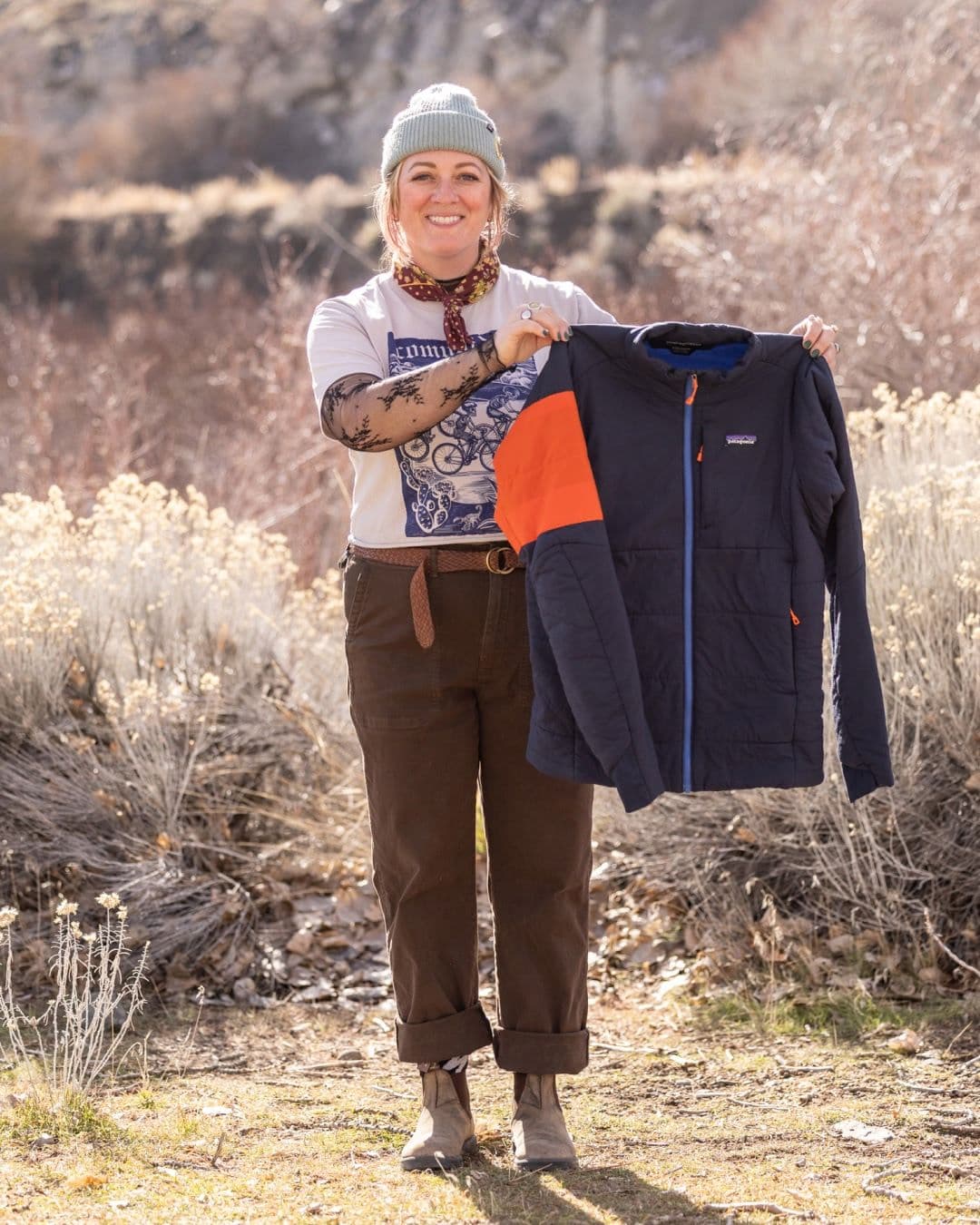
Patagonia has described its wetsuit repair operation as a source of direct feedback for its design team. Recurring problems—from zippers to blown-out knee pads—can inform subsequent iterations of the product. In that system, repair isn't simply fixing the previous generation. It helps design the next one.
That is where repairability becomes genuinely interesting.
The Beauty of the Patch
There is another reason repair is becoming more visible: consumers don't necessarily want repairs hidden anymore.
Outdoor culture has historically understood this intuitively. Climbers taped holes in down jackets. Hikers stitched packs. Skiers patched shells. Equipment accumulated evidence of where it had been.
For a period, mass-market outdoor apparel moved closer to fashion's expectation of perfection. Products were supposed to remain visually pristine, and repairs attempted to recreate the factory finish.
That aesthetic is loosening.
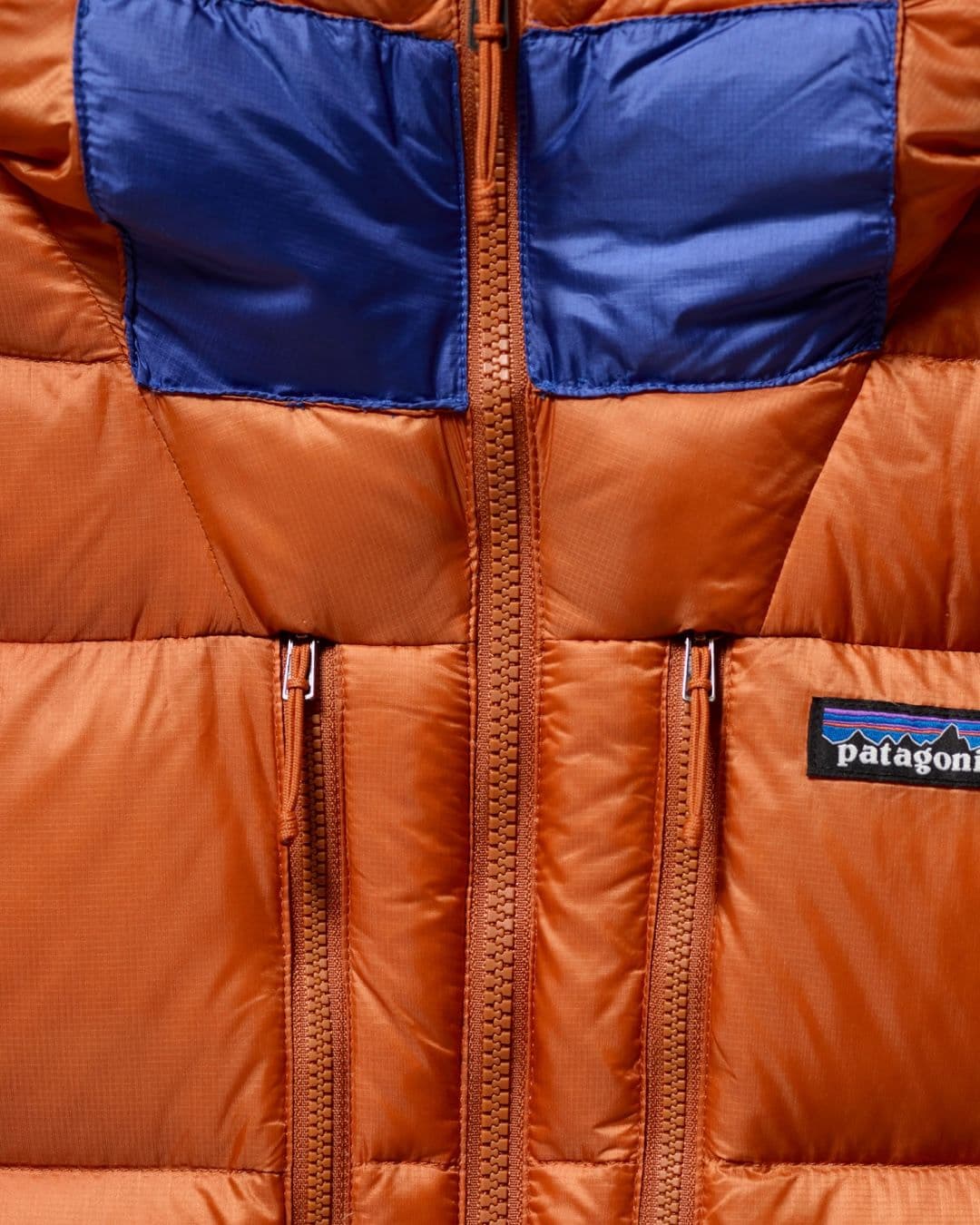
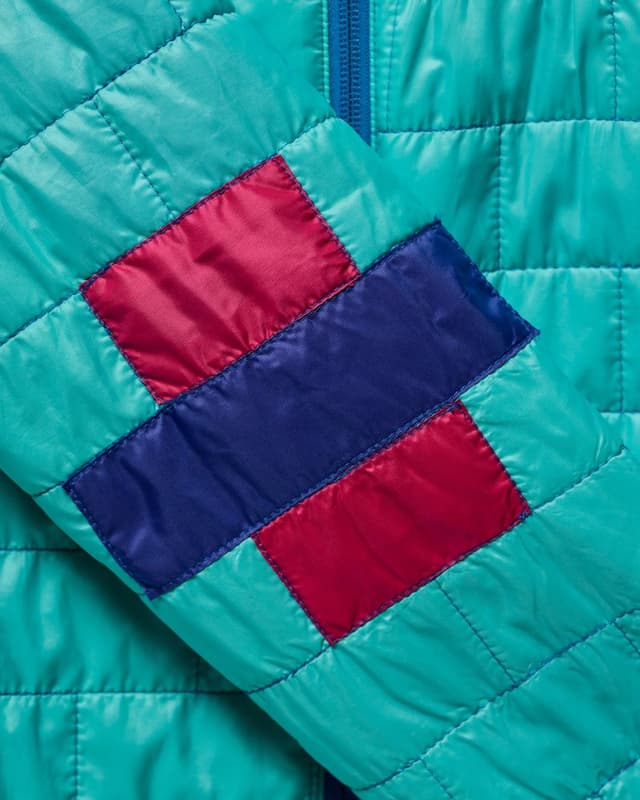
A contrasting patch can become evidence of use. A replaced zipper can create a subtle difference between one jacket and another. Visible stitching tells you something happened.
The repair becomes part of the object.
There is an obvious parallel to denim, where fades, repairs and imperfections can make an old pair more desirable than a new one. Outdoor equipment arguably has even more potential for that kind of attachment because the damage often corresponds to experiences: the torn sleeve from a climbing trip, the patched tent from a storm, the backpack repaired halfway through a long trail.
Repair introduces biography into industrial products.
And biography is difficult to manufacture.
Repairability Could Change Outdoor Aesthetics
If designers genuinely begin anticipating repair, outdoor products could start looking different.
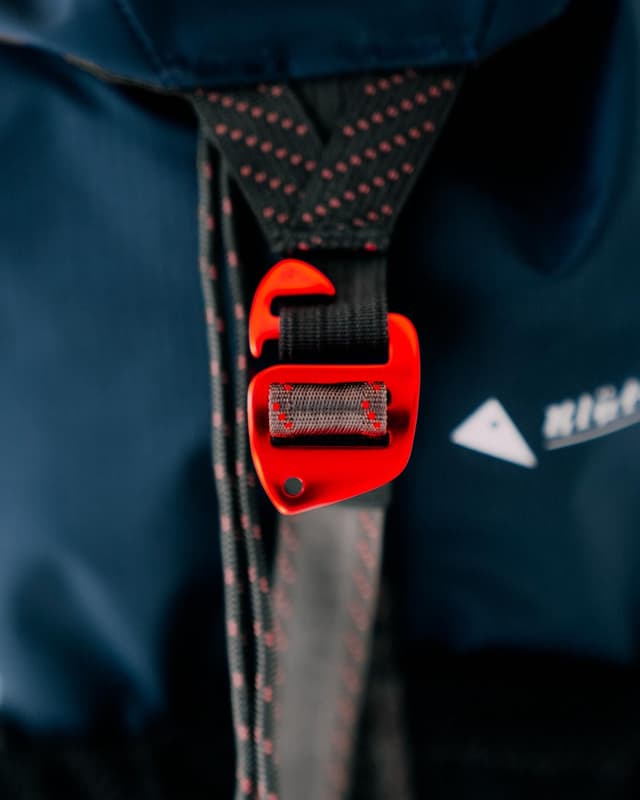
Hardware might become more exposed. Components could become modular. Panels might be designed around likely abrasion zones. Screws, snaps and mechanical fasteners could replace permanent adhesives in certain applications. Replacement parts might become products themselves.
The idea isn't that every jacket needs to look like a modular prototype. The best repairable design may be almost invisible.
But the underlying architecture changes.
Instead of asking only, How do we assemble this efficiently?, designers also have to ask:
How will someone take it apart?
That is a very different constraint.

The Economics Are Changing Too
There is also a business argument for repair that extends beyond sustainability.
Outdoor brands increasingly operate resale programs, trade-in systems and refurbished-product marketplaces. Every product that can be repaired becomes potential inventory rather than waste.
A jacket returned with a broken zipper can be repaired and resold.
A shoe with a worn outsole can potentially be resoled.
A backpack with broken hardware can receive a new component instead of becoming unusable.
In that sense, repairability isn't just an environmental feature. It increases the residual value of the product.
And that could become increasingly important as outdoor equipment gets more expensive.
When a shell costs $600, consumers reasonably expect something closer to an appliance, watch or piece of furniture than disposable apparel. They expect maintenance. Replacement parts. Service.
Premium pricing creates an implicit promise of longevity.
Repairability is one way brands can actually deliver it.
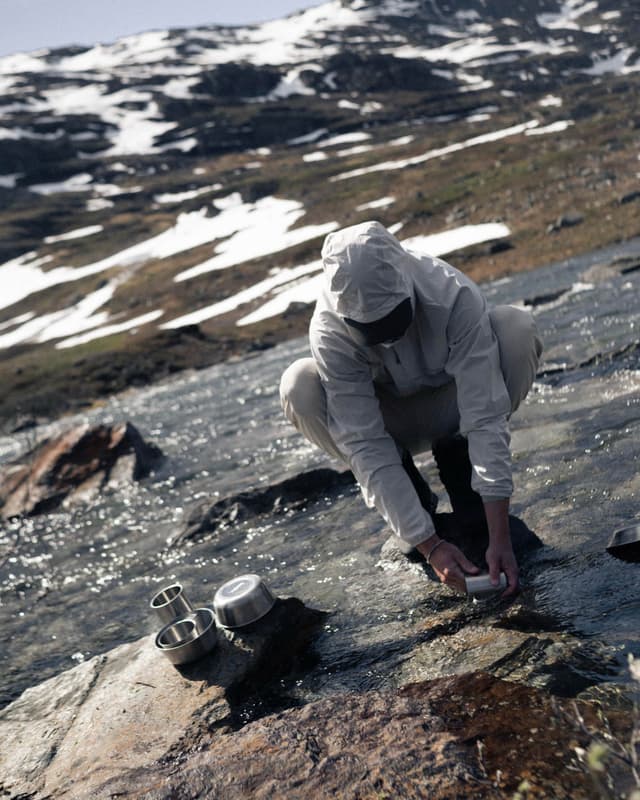

From Sustainability Story to Product Feature
For years, repair occupied the sustainability section of outdoor brands' websites.
Increasingly, it belongs on the product page.
Replaceable buckle. Repairable zipper. Resoleable construction. Available replacement parts. Lifetime repair service.
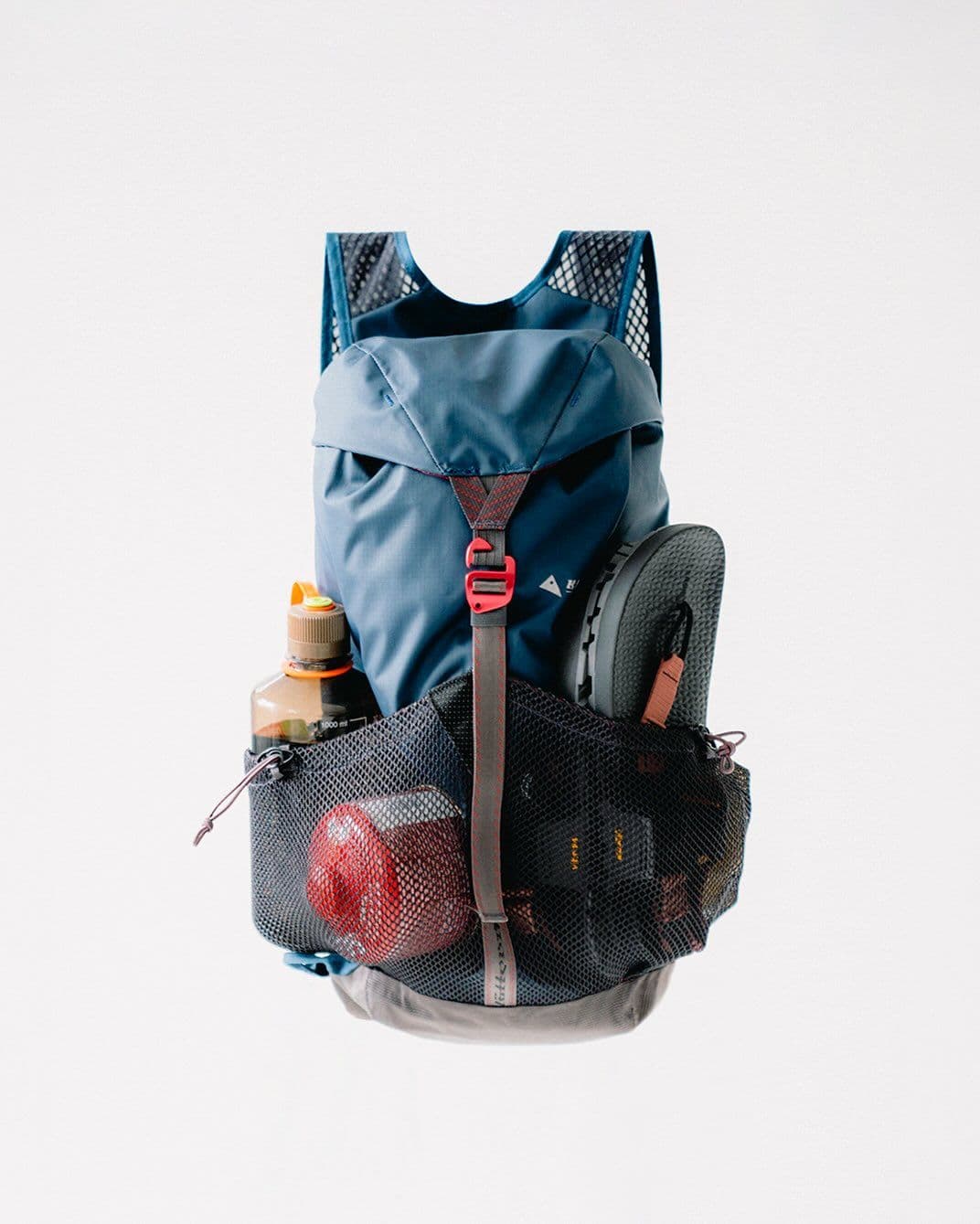
Those are tangible product attributes in a way that vague claims about responsibility rarely are.
The most interesting outdoor brands may ultimately move beyond telling consumers that a product is "built to last."
They'll show how it keeps going when something inevitably breaks.
Because durability assumes a product won't fail.
Repairability assumes that eventually it will—and designs a better product because of it.
Related Articles

August 16, 2026
Outdoor Jackson and the New Outdoor Consumer-Creator
Outdoor Jackson on the new outdoor consumer, the rise of digitally native brands, fashion vs. function, social media, and the future of outdoor culture.
Read →
August 13, 2026
Mimikai: The Bug Spray That Learned from a Tomato
Mimikai is rethinking bug spray through plant-based science, proving that thoughtful outdoor innovation can come from nature itself—not the chemistry lab.
Read →
August 7, 2026
Kadens Journal: Endurance Is Becoming Culture
Kadens Journal explores the evolving culture of endurance through running, skiing, design, photography, and the people shaping movement in the North.
Read →